Best Baby Carriers in Japan 2026
This shortlist works best when you start with the right carrier type, not with the brand. Filter first by soft structured carrier, wrap, or ring sling, then compare only the models that still fit your baby's size, your own comfort, the climate, and how long you actually plan to wear at a time.
Why are scores between 9 and 10?
This is a curated shortlist of strong picks, not a full best-to-worst ranking. Small score gaps usually mean we have slightly more evidence for one model than another, not that the lower-scoring option is a poor choice.
So this is just another affiliate roundup with an arbitrary order?
No. We make these lists good enough that we use them ourselves and recommend them to friends and family. We turn the kind of research careful parents would normally do by hand into a repeatable process. Then we compare the evidence across the markets we cover and rank products with a model that gives more weight to stronger signals instead of simple averages or a fully hand-picked order based purely on editorial preference.
Affiliate Disclosure
We use affiliate links and ads to finance this website. As an Amazon Associate I earn from qualifying purchases.

- Rank #1 Our score: 9.71 / 10
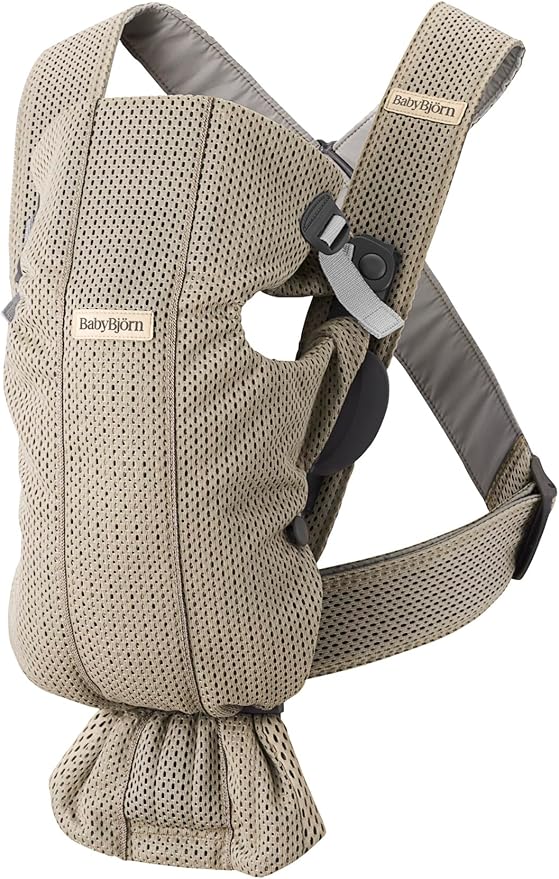
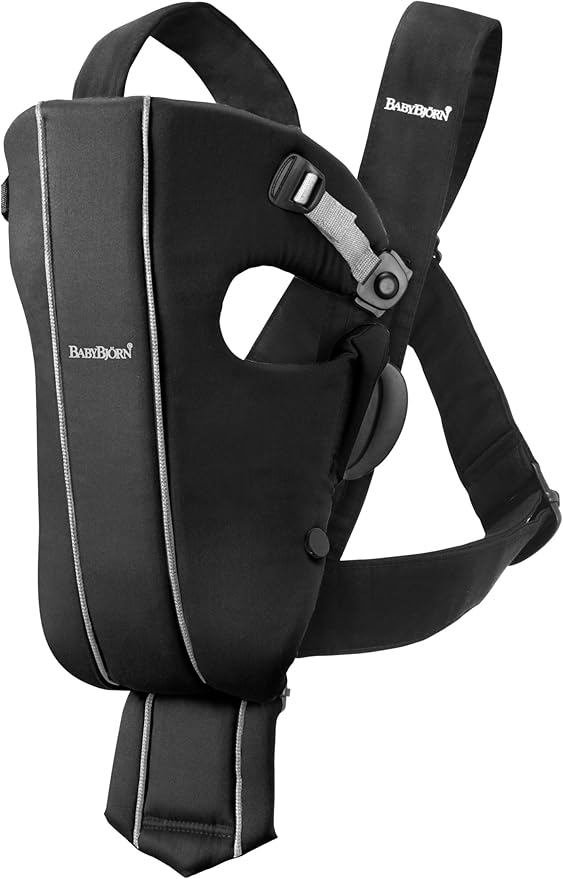
BabyBjorn Carrier Mini
Best: Travel
BabyBjörn describes Mini as a simple front carrier for newborns and small babies; its stated fit is 3.2-11 kg and 53-75 cm. That narrow, early-use window can suit short carries and quick changes, but offers less runway than a carrier designed for older babies. Check the manufacturer's instructions for positioning and fit, and use the correct adjustment as the child grows.
Pros
- One of the quickest structured newborn carriers to get on and off, which makes it unusually easy to justify for short daily carries, handovers, and travel days when a bigger carrier feels like too much kit.
Cons
- The shorter lifespan is real: once your baby gets heavier, it is much less convincing than stronger waistbelt carriers for longer walks or later back-carry use.
- Rank #2 Our score: 9.71 / 10
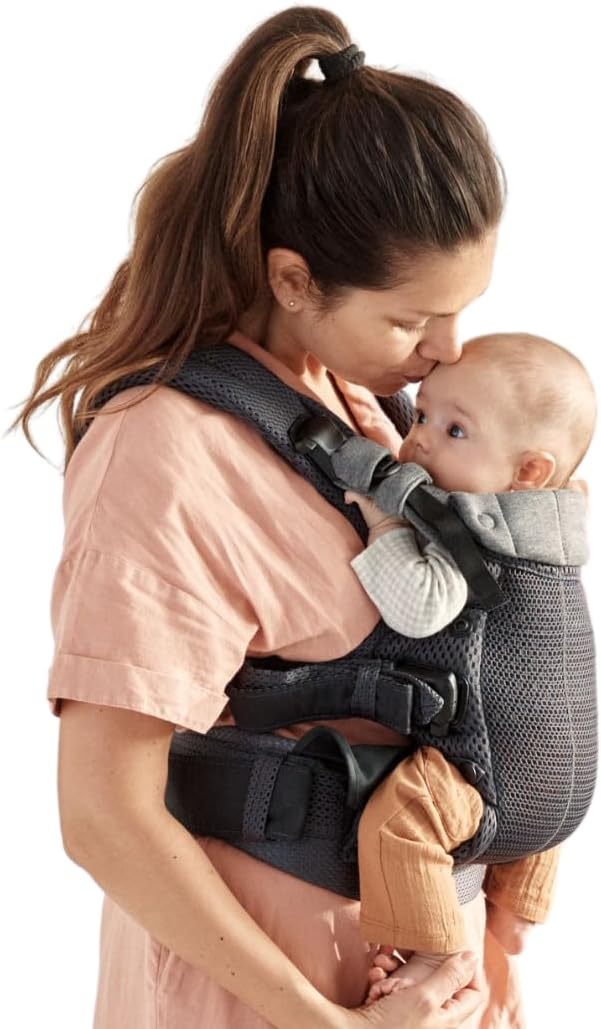
BabyBjorn Carrier Harmony
Best: Back Carry
BabyBjorn Harmony is the premium BabyBjorn choice when shoulder, waist, and back support matter as much as easy buckling. It suits families expecting frequent longer carries, but it is more expensive and bulkier than Mini for quick newborn-only use.
Pros
- The padded waist support, thicker shoulder straps, and back-carry range make it much more convincing for longer wears than newborn-first carriers that fade once your baby gets heavy.
Cons
- It is expensive, and that premium only really pays off if you expect regular longer wears rather than short occasional carries.
- Rank #3 Our score: 9.70 / 10
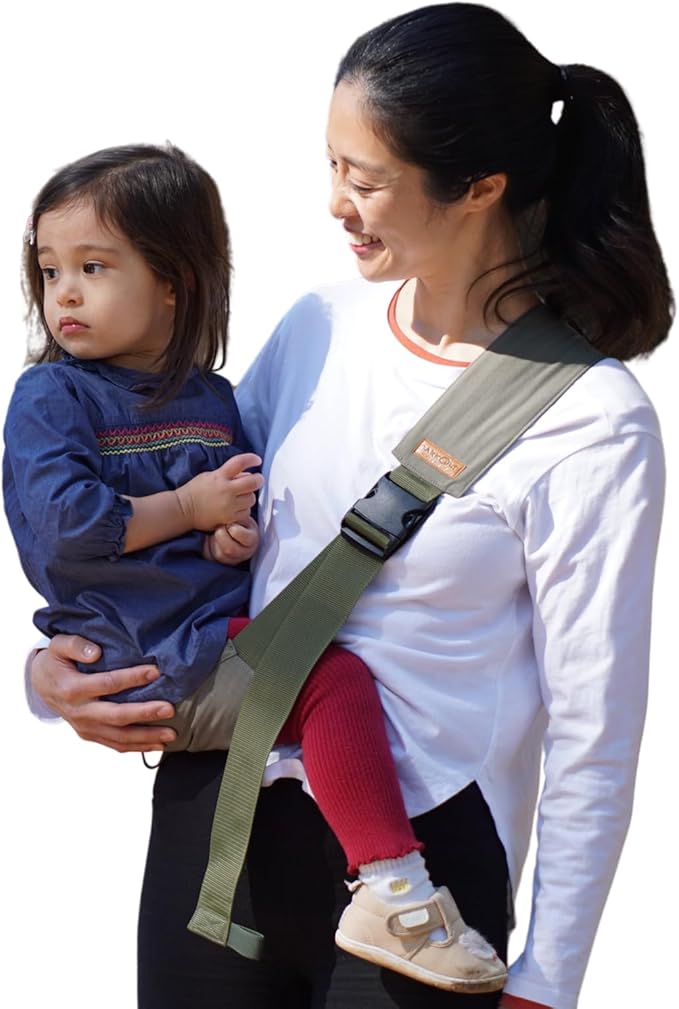
DAKKOLT Unity
Japanese brand
Best: Ring Sling
DAKKOLT Unity is an ultralight second carrier for toddlers who are walking but still need frequent one-arm support. It is a practical outing strap, not a newborn carrier, so parents should use it only for the listed older-child stage.
Pros
- About 160 g weight and palm-size folding make it easy to carry as a second strap for walking toddlers.
Cons
- It is not for newborns or hands-free carrying; one adult arm still needs to support the child.
- Rank #4 Our score: 9.70 / 10
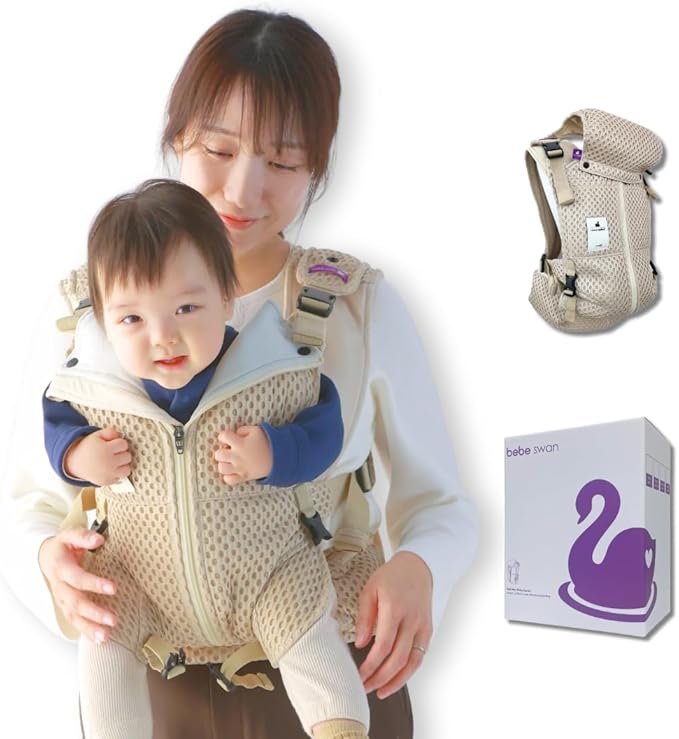
Bebe Swan BT Vest Baby Carrier
Best: Premium
Bebe Swan BT Vest is for parents who want a vest-style carrier that spreads load across the back and waist for longer front or back carries. It is less minimal than a compact sling, so the pre-buy check is whether the vest fit works for the adults sharing it.
Pros
- Vest-style load spread, back-carry support, mesh and a detachable hood make it a fuller daily carrier.
Cons
- The vest fit is less universal than strap-only carriers, so shared-adult sizing needs a careful pre-buy check.
- Rank #5 Our score: 9.68 / 10
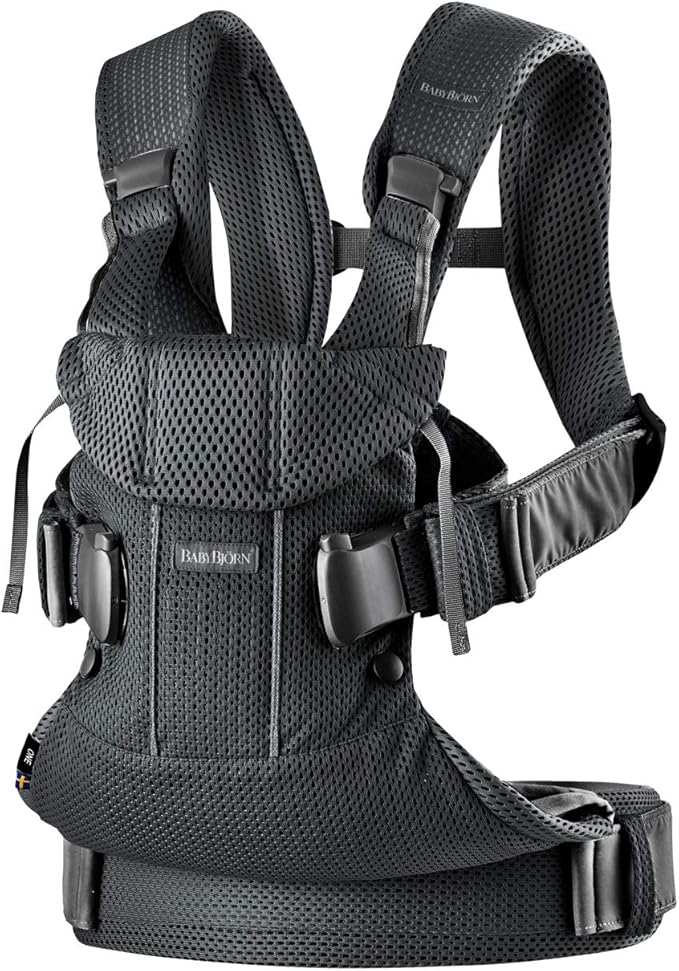
BabyBjorn Carrier One Air
BabyBjörn One Air combines a mesh body with a waist belt and separate newborn and baby seat heights for everyday walks. It starts at 3.5 kg and 53 cm, with back carrying available from 12 months. The seat-height and leg-width zips need resetting as your child grows; outward carrying has a lower 12 kg limit.
Pros
- The mesh body, waist belt and adjustable seat width suit families who want one carrier for front carrying now and back carrying from 12 months.
Cons
- Outward carrying is for approximately 5–15 months, only with independent head control, and stops at 12 kg.
- Rank #6 Our score: 9.67 / 10
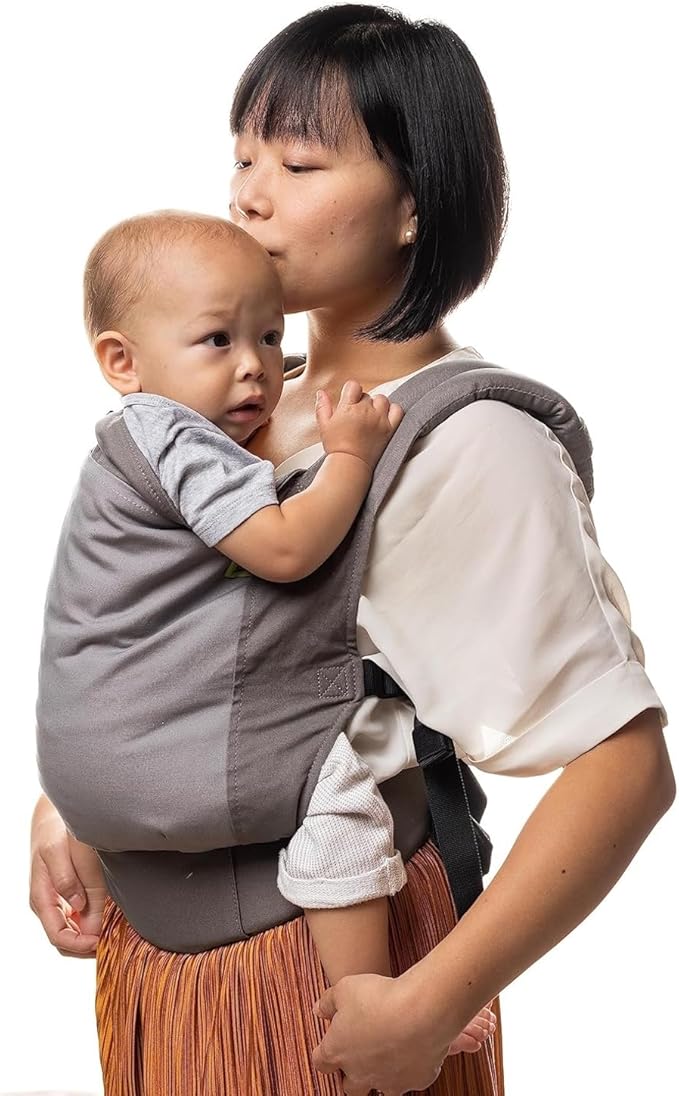
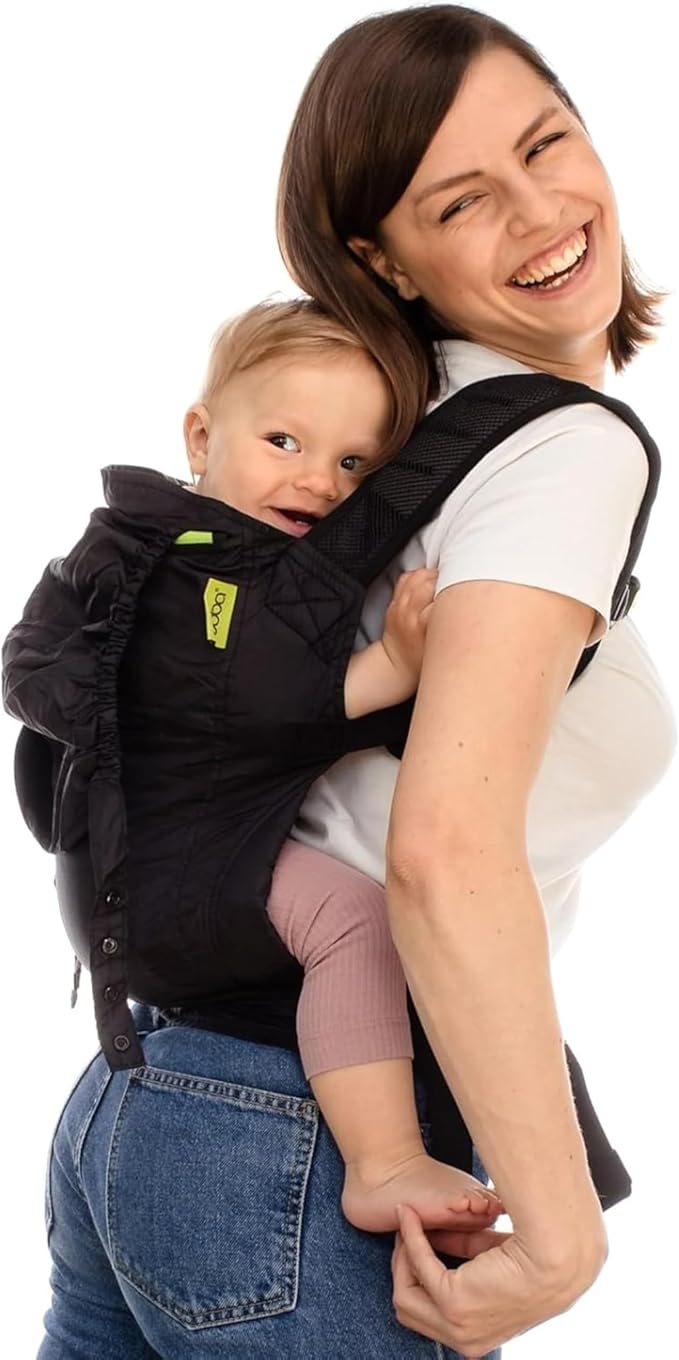
Boba Classic 4GS Carrier
Boba 4GS is for parents who want a padded structured carrier with front and back carrying rather than a compact sling. It makes most sense when support and pockets matter more than the smallest storage size.
Pros
- Padded structured support, newborn-to-toddler positioning and waist-belt storage suit parents who carry often.
Cons
- It gives more structure than a compact sling, so it is not the smallest option for travel or quick backup use.
- Rank #7 Our score: 9.66 / 10
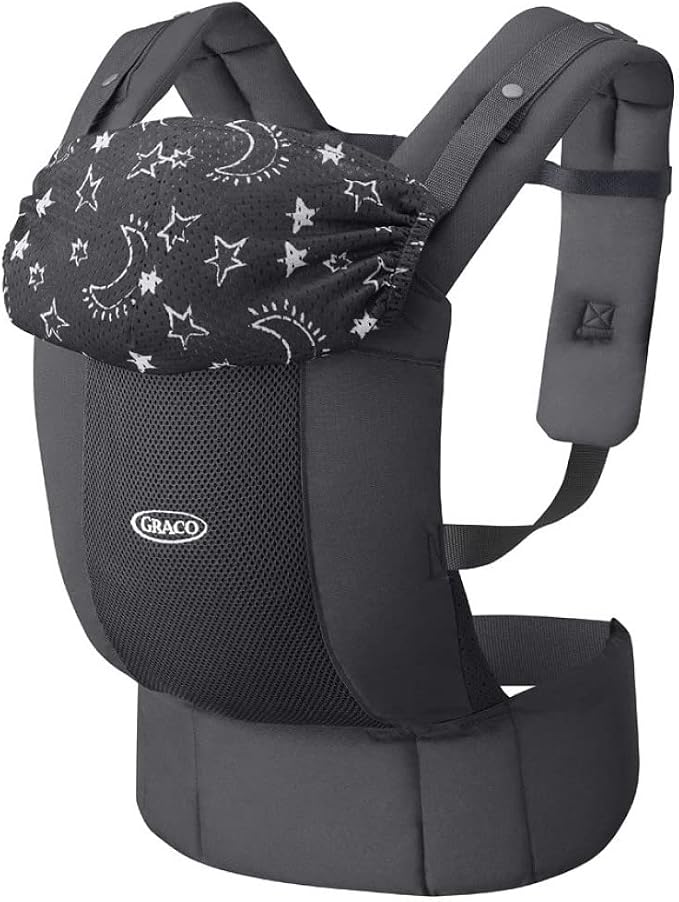
Graco Roopop GB
Graco Roopop GB is a front-and-back carrier from four months, after head control, for families prioritising low weight and airflow. It is easy to carry at 405 g, but cannot be used for newborns and front carrying ends at 13 kg or 24 months.
Pros
- The 405 g mesh construction, machine washing and leg holders for back carrying are practical for warm-weather outings.
Cons
- It cannot be used before head control, and front and back modes have different age and weight limits that need checking when switching.
- Rank #8 Our score: 9.65 / 10
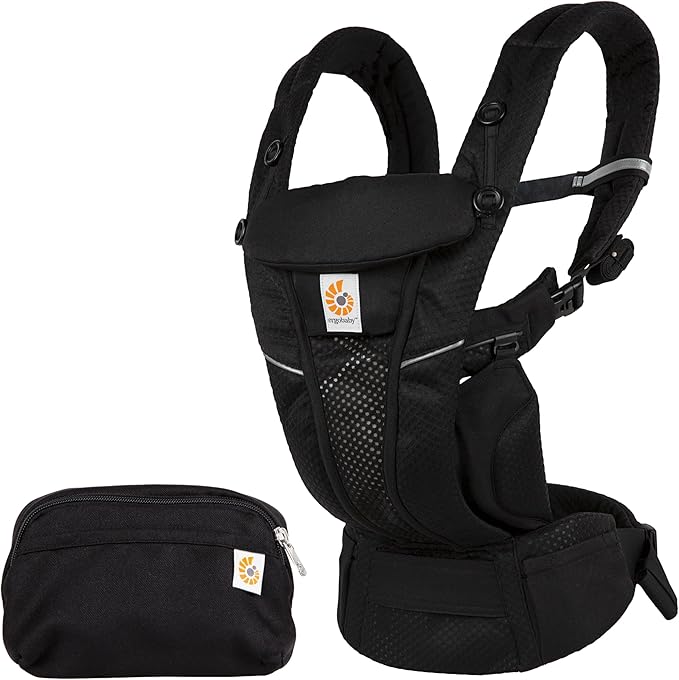
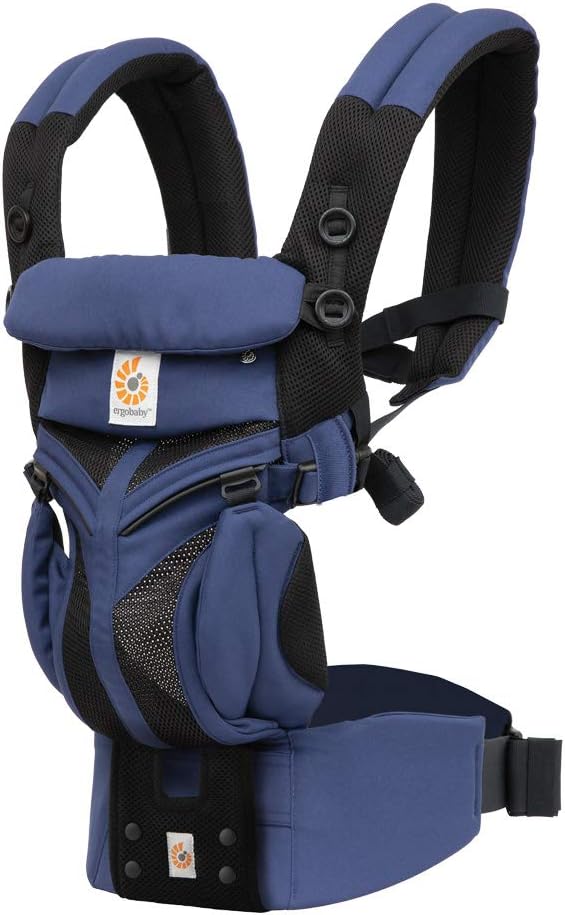
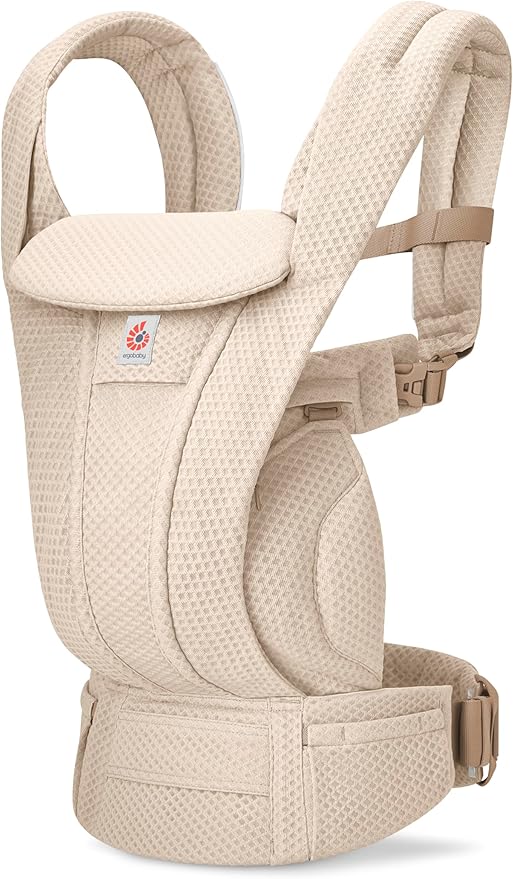
Ergobaby Omni Breeze
Ergobaby Omni Breeze combines SoftFlex mesh, an adjustable seat and lumbar support for inward carrying from 3.2 kg and 50.8 cm, then outward, hip and back modes at their later thresholds. It suits families planning regular warm-weather carries, provided they will reset the fit for each stage.
Pros
- SoftFlex mesh, an adjustable seat and a lumbar pad combine ventilation with support that can be reset as the child grows.
Cons
- The four positions do not share one start point: outward carry needs strong head and neck control, and every mode has its own weight and stage limits.
- Rank #9 Our score: 9.65 / 10
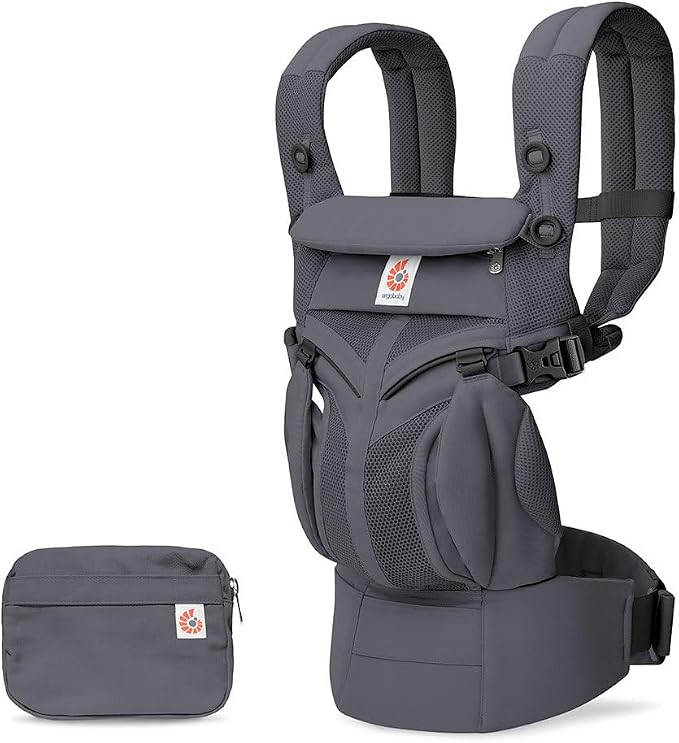
Ergobaby Omni 360 Cool Air Mesh
Ergobaby Omni 360 Cool Air Mesh is for parents who want one ventilated buckle carrier to cover newborn inward carry and later hip, outward and back carry without an infant insert. It lasts longer and spreads load more firmly than the softer Embrace, but it is bulkier in a bag; wait for strong head and neck control before outward-facing use and follow the manual for each size setting.
Pros
- Four positions and an adjustable seat cover more child stages than a newborn-first soft carrier.
Cons
- The structured waist belt and multiple adjustments are bulkier and slower to pack than a soft newborn carrier.
- Rank #10 Our score: 9.65 / 10
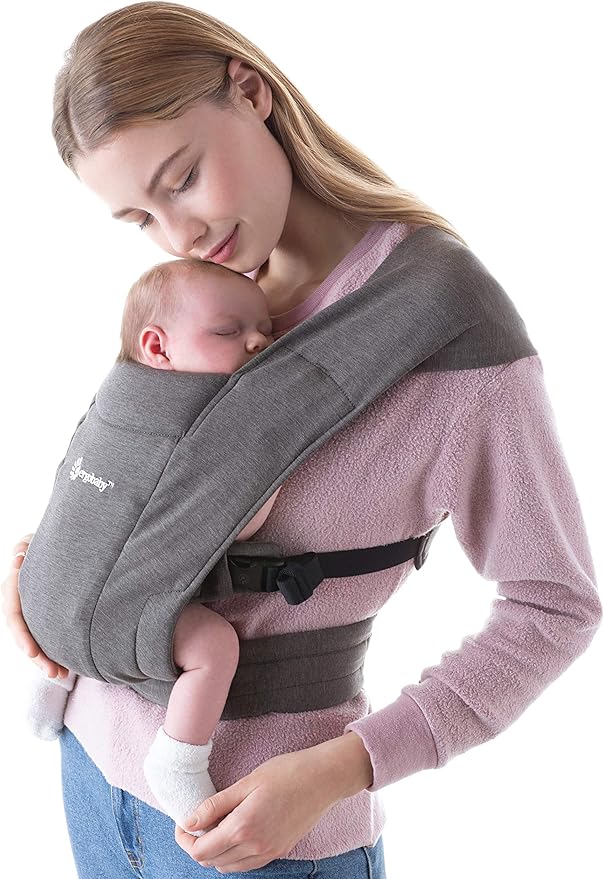
Ergobaby Embrace
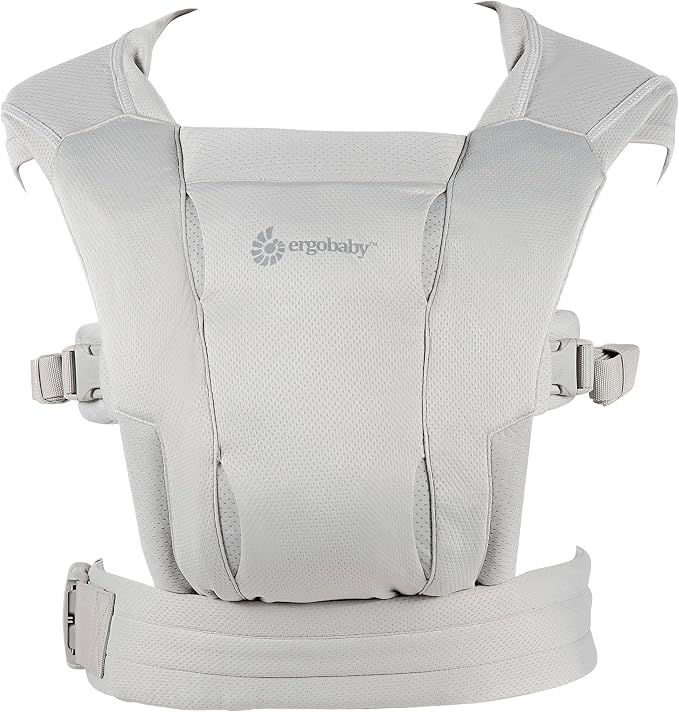
Ergobaby Embrace is a 3.2-11.3 kg first-stage carrier with soft fabric, buckle fastening and crossed shoulder straps. It has front inward and outward positions but no back carry; outward-facing starts at 66 cm with steady head and neck control, and a baby must not sleep facing out.
Pros
- Soft fabric, buckle fastening and crossed shoulder straps give a wrap-like front carry without tying a long wrap.
Cons
- The 3.2-11.3 kg range and lack of back carry make this a first-stage carrier.
- Rank #11 Our score: 9.65 / 10
Ergobaby Omni Classic
A mesh all-in-one buckle carrier for families who want one model from 3.2 kg through toddler carrying, with inward, outward, hip, and later back positions. Adjusting the seat inside the waistband avoids a separate newborn insert; the broad range adds setup decisions, and outward carry starts at five months while hip and back carry start at six months.
Pros
- The 3.2-20.4 kg inward-carry range and adjustable seat reduce the need for a separate newborn insert or early replacement.
Cons
- Four modes do not share one start point: outward carry begins at five months, and hip/back carry at six months; the waistband seat must be reset for the child's size.
- Rank #12 Our score: 9.64 / 10
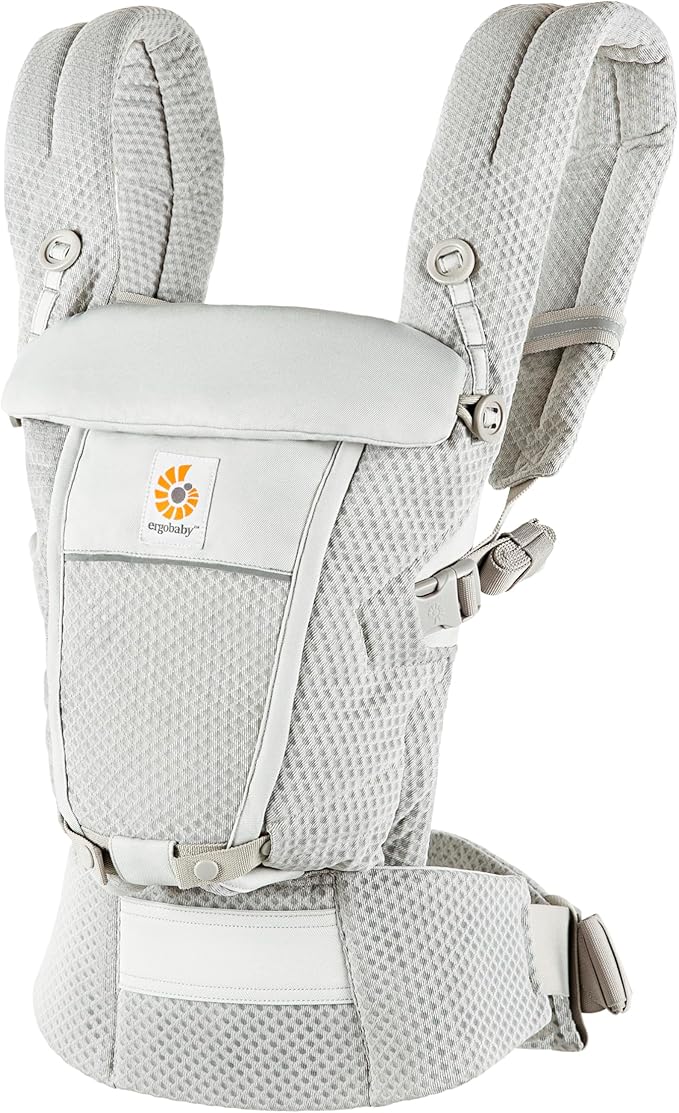
Ergobaby Adapt
Ergobaby ADAPT SoftFlex is the sensible structured pick if you want newborn use, later back carrying, and cooler mesh without paying for every Omni feature. The tradeoff is no forward-facing carry, so it suits families who value support and simplicity over maximum position count.
Pros
- A clean one-carrier option if you want a structured model that can start early and still feel convincing once back carrying matters.
Cons
- It is bulkier and less cuddly in the earliest weeks than the most newborn-first carriers, so it is not the softest start.
- Rank #13 Our score: 9.63 / 10
Ergobaby OMNI Deluxe Mesh
Ergobaby Omni Deluxe Mesh is the premium structured comparison when one carrier needs to cover newborn, front, hip, back, and warmer-weather carrying. The tradeoff is size and price: it is more carrier than many families need for short newborn-only use.
Pros
- Omni Deluxe Mesh is the Ergobaby pick when all-position carrying and warm-weather comfort both matter.
Cons
- It costs more than simpler structured carriers, so it only pays off if you use the extra positions.
- Rank #14 Our score: 9.61 / 10
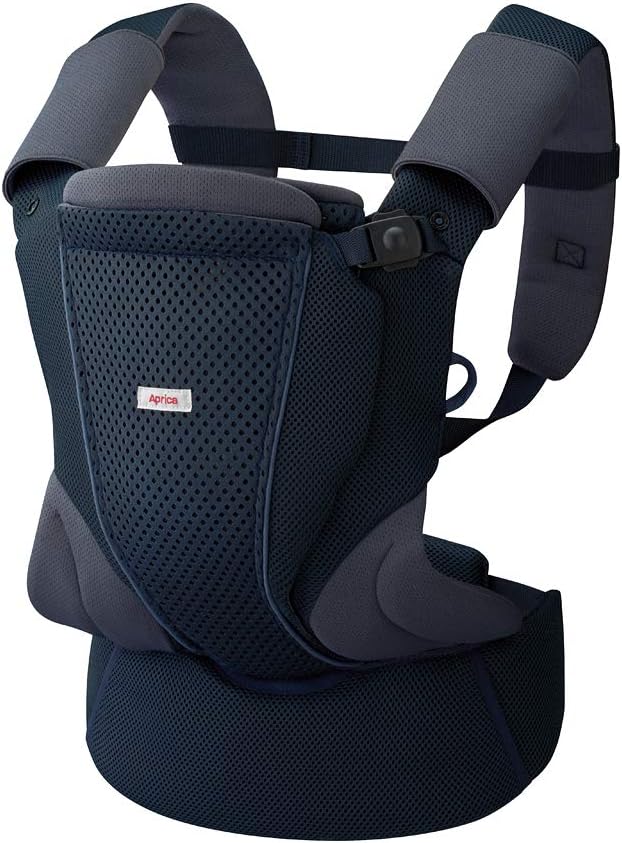
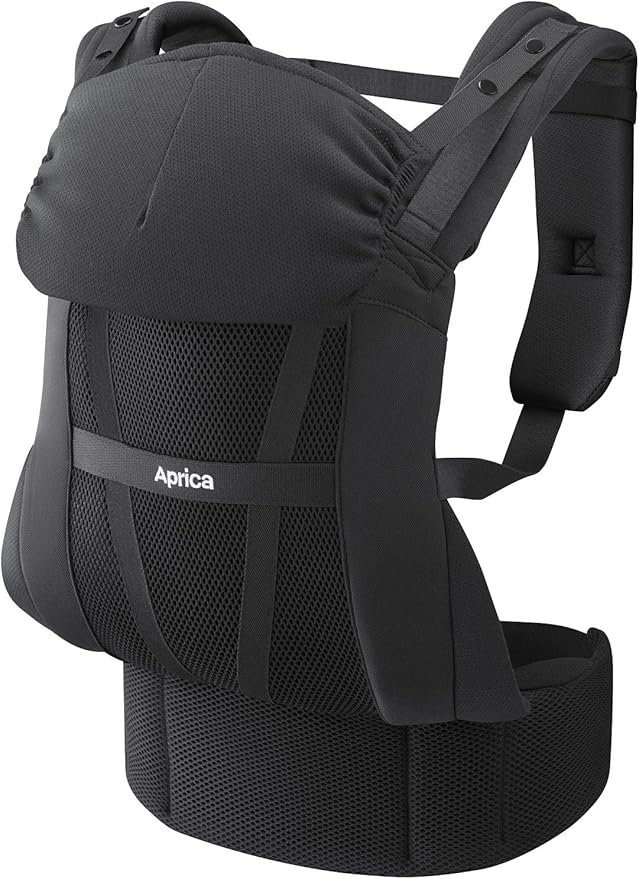
Aprica Koala Ultra Mesh
Japanese brand
Aprica Koala Ultra Mesh is for parents who want a newborn-ready structured carrier with mesh and side-carry positioning. It is a stronger fit for families wanting guided early-baby support than for those looking for the smallest travel sling.
Pros
- Newborn-to-36-month guidance, side-carry setup, mesh and included support pieces make it more complete for early carrying than a light sling.
Cons
- Bulkier and more setup-heavy than a packable backup carrier, so it suits planned daily use better than occasional travel.
- Rank #15 Our score: 9.59 / 10
Boba Air
Boba Air is for families who want a packable structured carrier for travel, day trips, or a diaper-bag backup after baby has head control. Its strength is tiny storage size, while the tradeoff is simpler support than a padded everyday carrier.
Pros
- Very small packed size and 390 g listed weight make it useful as a diaper-bag or travel backup.
Cons
- Use starts after head control and the lighter build gives less everyday padding than a full structured carrier.
- Rank #16 Our score: 9.58 / 10
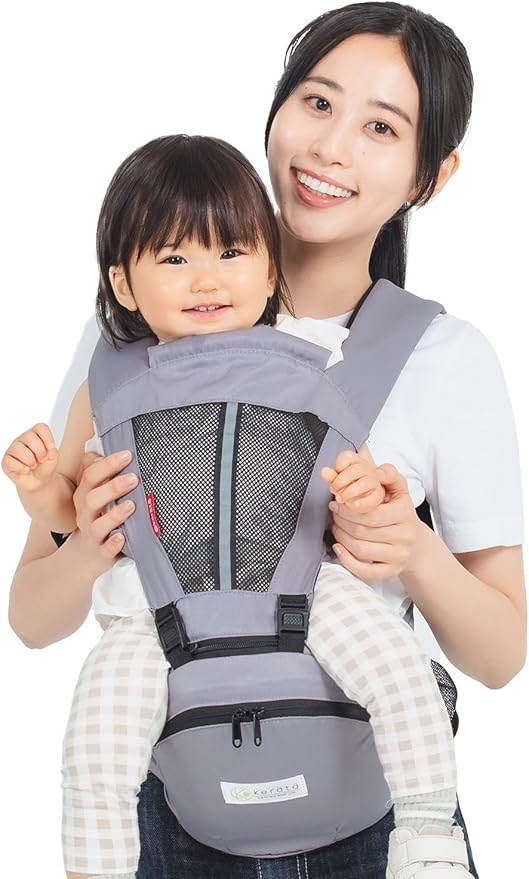
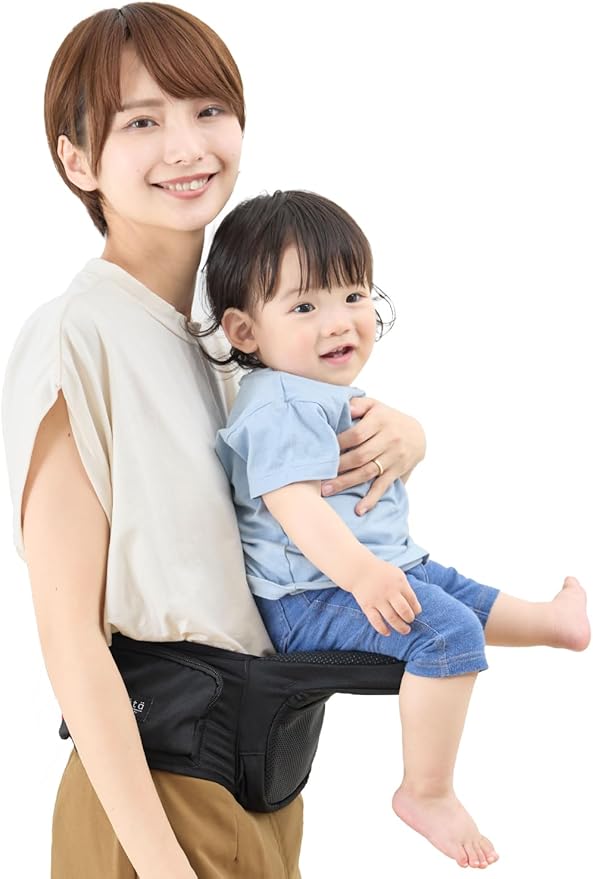
Kerata 3-Way Hip Seat Carrier
Japanese brand
Kerata 3Way is an affordable hip-seat carrier for repeated short pick-ups with a sitting baby or toddler. It can reduce arm strain, but waist bulk and adult fit are important checks.
Pros
- The hip seat can reduce arm strain during short carries.
Cons
- The waist area is bulky, so tight spaces and gear-heavy outings need checking.
- Rank #17 Our score: 9.56 / 10
Aprica ColanHug Light
Japanese brand
Aprica ColanHug Light is worth considering if you want a Japan-market waist-belt carrier with a newborn seat included and a lighter mesh build. It is an older, simpler design than the newest premium carriers, so its appeal is practical local fit rather than the most polished support system.
Pros
- The included newborn seat makes it easier to consider if you want a waist-belt carrier from the earliest months.
Cons
- It is not as adjustable or supportive for long carries as newer premium structured carriers.
- Rank #18 Our score: 9.47 / 10
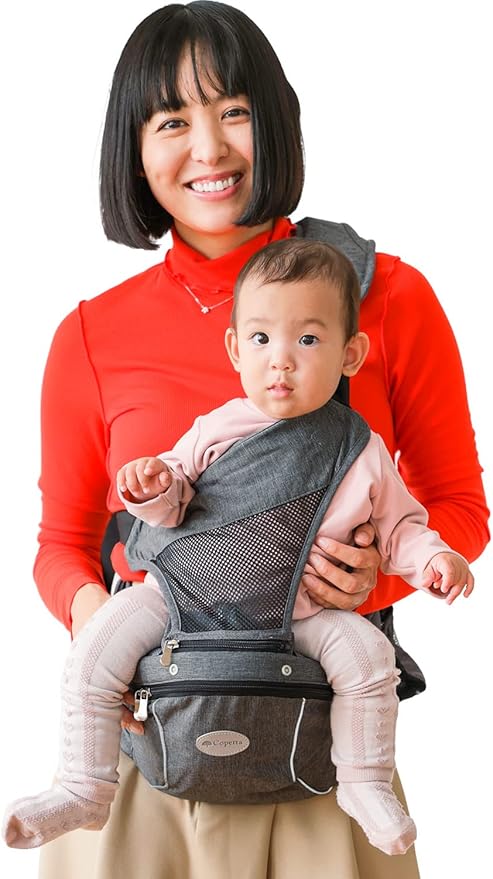
Coperta Plus Hip Seat Carrier
Coperta Plus Hip Seat Carrier is for parents who want a hip-seat style carrier to take arm strain out of repeated toddler carrying. It belongs as a carry-assist option, but families should check whether the belt-integrated setup fits the adult waist comfortably.
Pros
- Hip-seat platform and removable carrier components reduce arm load during repeated short carries.
Cons
- The belt-integrated seat adds waist bulk and is not a hands-free newborn carrier.
- Rank #19 Our score: 9.47 / 10
BabyBjörn Original Baby Carrier
BabyBjorn Original is a simple front carrier for newborn and early baby use when quick buckling matters more than long toddler support. It is best for short daily carries, with waist and shoulder comfort the main thing to check.
Pros
- Simple front-carry layout and newborn guidance make it easy to understand for short early-baby carries.
Cons
- It is not the best pick for longer toddler carrying or parents who want back-carry flexibility.
- Rank #20 Our score: 9.46 / 10
Lauce Hip Seat Baby Carrier
The Lauce Hip Seat Baby Carrier combines a seat with upper-body support for families switching between front and back carry. Do not treat the 20 kg ceiling as proof of long-term fit; check age, head/torso control and each carry mode in the current manual.
Pros
- Seat, headrest and auxiliary belt provide more upper-body support than a bare hip seat.
Cons
- Public brand documentation is limited; do not treat the 20 kg claim as an age or long-session comfort guarantee.
- Rank #21 Our score: 9.42 / 10
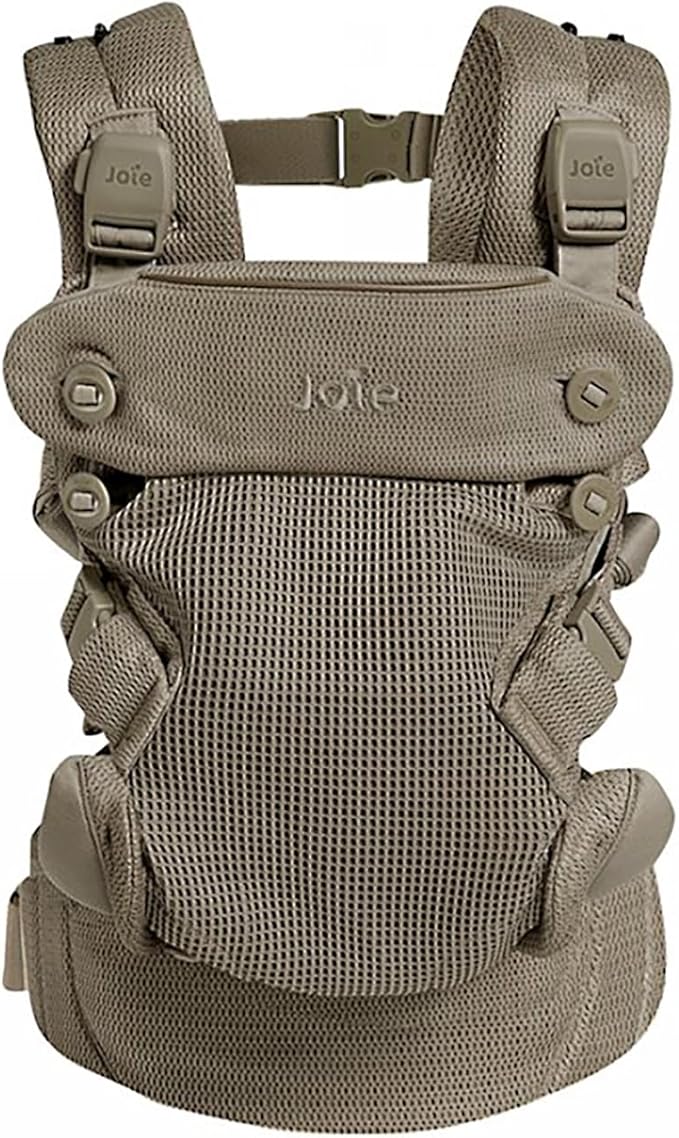
Joie Savvy Air Baby Carrier
Joie Savvy Air is for families looking for a mesh structured carrier. It can work well for short warm-weather outings, but before buying check the current weight range, buckle handling, newborn posture, and airway clearance.
Pros
- Mesh construction and multiple carry positions make it easier to compare for warm-weather outings.
Cons
- It is bulkier than a soft fabric option, so it suits families who will use it often.
- Rank #22 Our score: 9.39 / 10
Kerata HipGo Folding Hip Seat
Japanese brand
Kerata HipGo Folding Hip Seat is for parents who want hip-seat support that can pack down between toddler carries. It helps with repeated short lifts, but it is not the same job as a hands-free newborn carrier.
Pros
- Foldable seat, storage bag and pockets make it easier to pack than many hip-seat carriers.
Cons
- The waist limit and lower-abdomen pressure warning make adult fit a must-check, especially after a C-section.
- Rank #23 Our score: 9.38 / 10
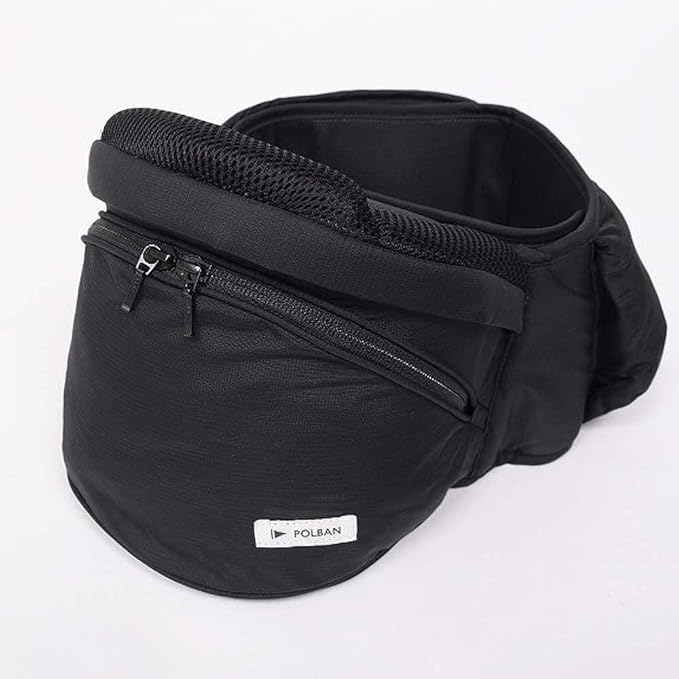
POLBAN Advance Hip Seat Carrier
Japanese brand
POLBAN Advance is a hip-seat carrier for parents who mainly need support during repeated toddler ups and downs. It fits short active outings; the pre-buy check is whether a platform hip seat suits the child stage and adult waist fit.
Pros
- Established hip-seat design, natural close positioning and optional shoulder expansion suit active toddler outings.
Cons
- The shoulder parts are separate, and the base hip seat starts later than newborn carriers unless the optional support matches the child stage.
- Rank #24 Our score: 9.37 / 10
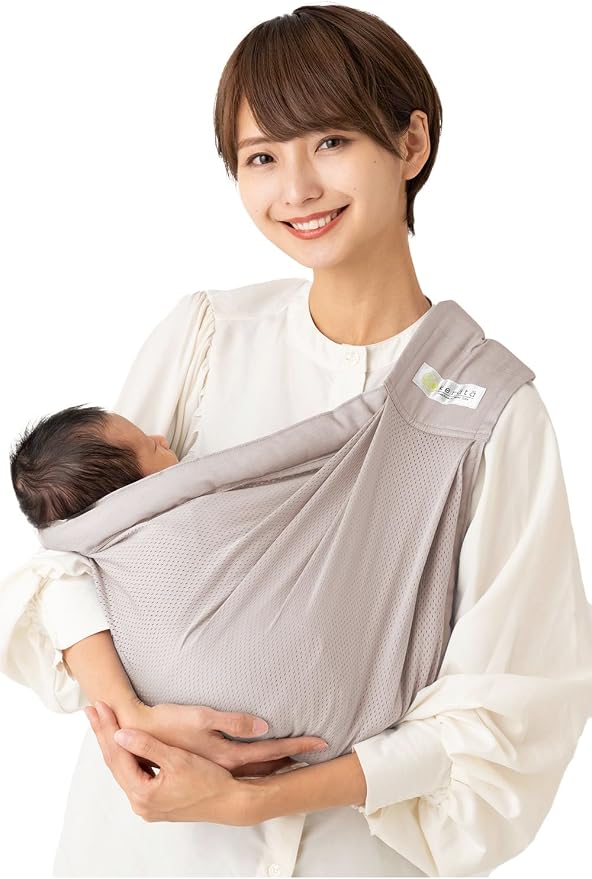
Kerata u-sling Baby Sling
Japanese brand
Kerata u-sling is a single piece of fabric carried on one shoulder, for parents who want the simplest possible first carrier for the newborn months. It suits babies from 14 days old (3.2 kg) to around 12 months (about 10 kg) and shines for short trips, checkups, and settling a drowsy baby. The mesh version breathes well in Japanese summers, and with no waist belt it goes on in three steps. The tradeoff: one shoulder and one piece of cloth give less support than a structured carrier once your baby gets heavier, so most families outgrow it as their main carrier.
Pros
- No waist belt and a 3-step setup make it the fastest carrier to grab for short outings, infant checkups, and rocking a newborn to sleep.
Cons
- One shoulder carrying a single piece of fabric gives less support than a soft-structured carrier, so longer wears get tiring once your baby passes a few months.
- Rank #25 Our score: 9.33 / 10
Aprica Laclis AB
Japanese brand
Aprica Laclis AB is a structured carrier for parents who want four front buckles instead of reaching behind the back. It starts at 14 days and 3.2 kg and includes lumbar and pre-head-control supports, but the carrier plus support pieces weighs about 910 g, prioritising guided everyday fit over a minimal backup carrier.
Pros
- Front buckles avoid reaching behind the back, and the documented support covers use before head control.
Cons
- At about 910 g with support parts, it is substantially bulkier than a simple spare sling.
- Rank #26 Our score: 9.33 / 10
Boba Wrap Serenity
Best: Wrap
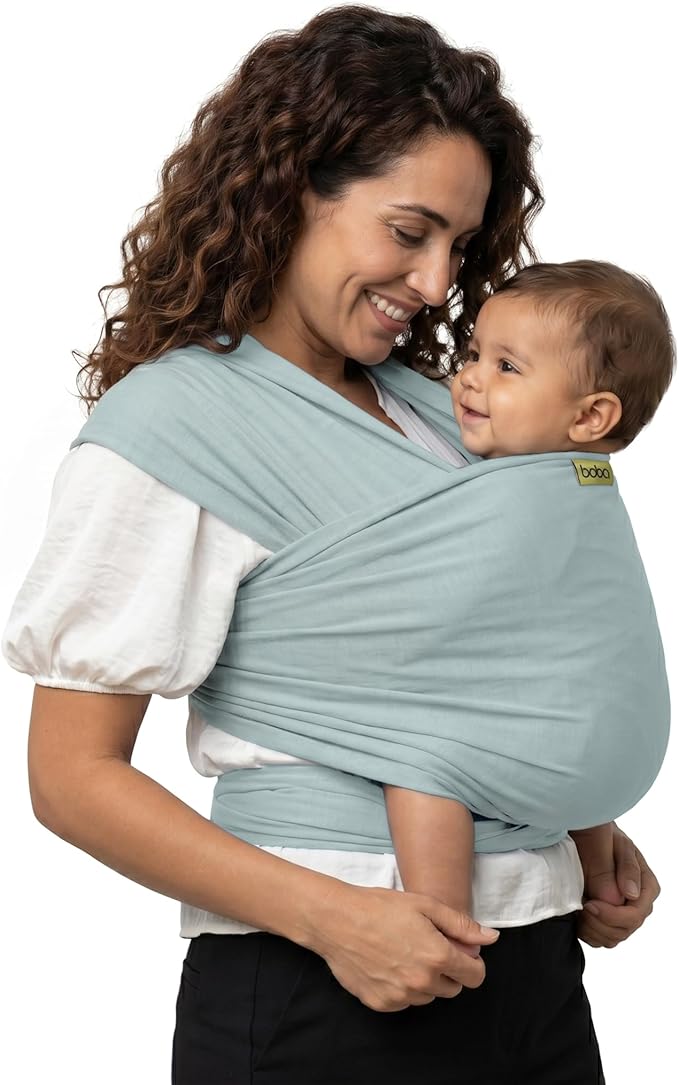
Boba Wrap Serenity is for newborn-focused parents who prefer a soft wrap feel and custom tension over buckles. It is useful for close contact and naps, but it asks more setup practice than a structured carrier and is less convenient for repeated quick on/off stops.
Pros
- Soft wrap tension is useful for newborn contact, naps and a custom fit across different adult bodies.
Cons
- It takes tying practice and is slower for repeated on/off stops than a buckle carrier.
- Rank #27 Our score: 9.33 / 10
Ergobaby Alta Hip Seat
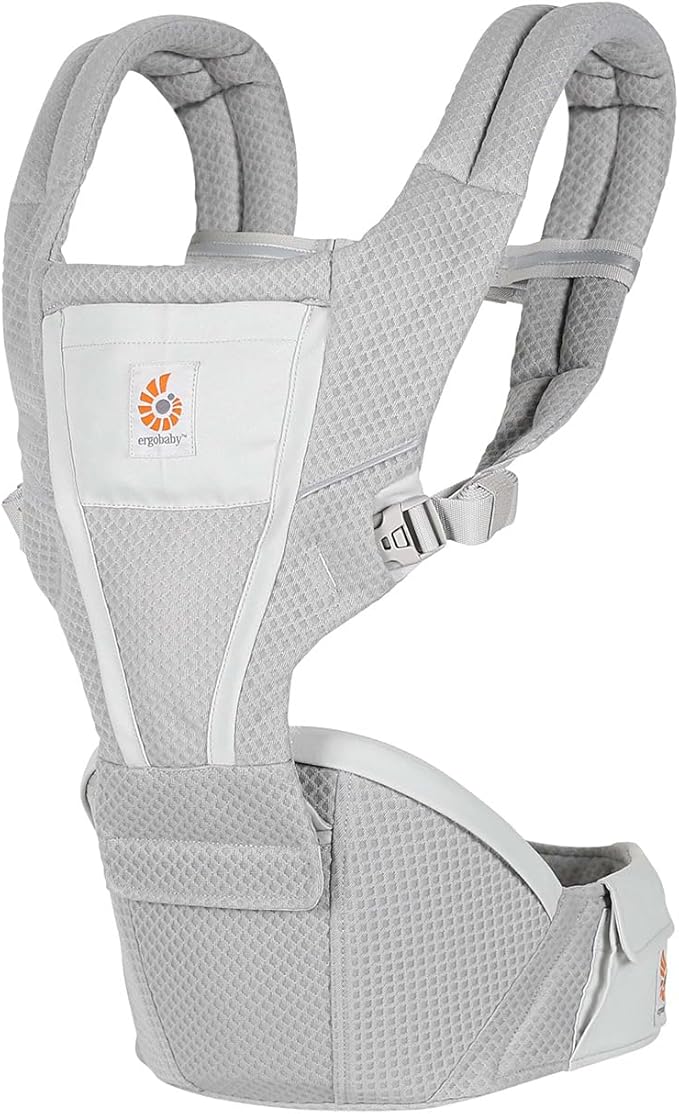
Ergobaby Alta Hip Seat is for families with older babies or toddlers who need frequent pick-ups and supported short carries. It is a hip-seat comparison, not the smallest newborn carrier.
Pros
- Hip-seat format helps with quick toddler ups and downs.
Cons
- Not as compact as a sling and not the first newborn-focused option.
- Rank #28 Our score: 9.33 / 10
Ergobaby Away
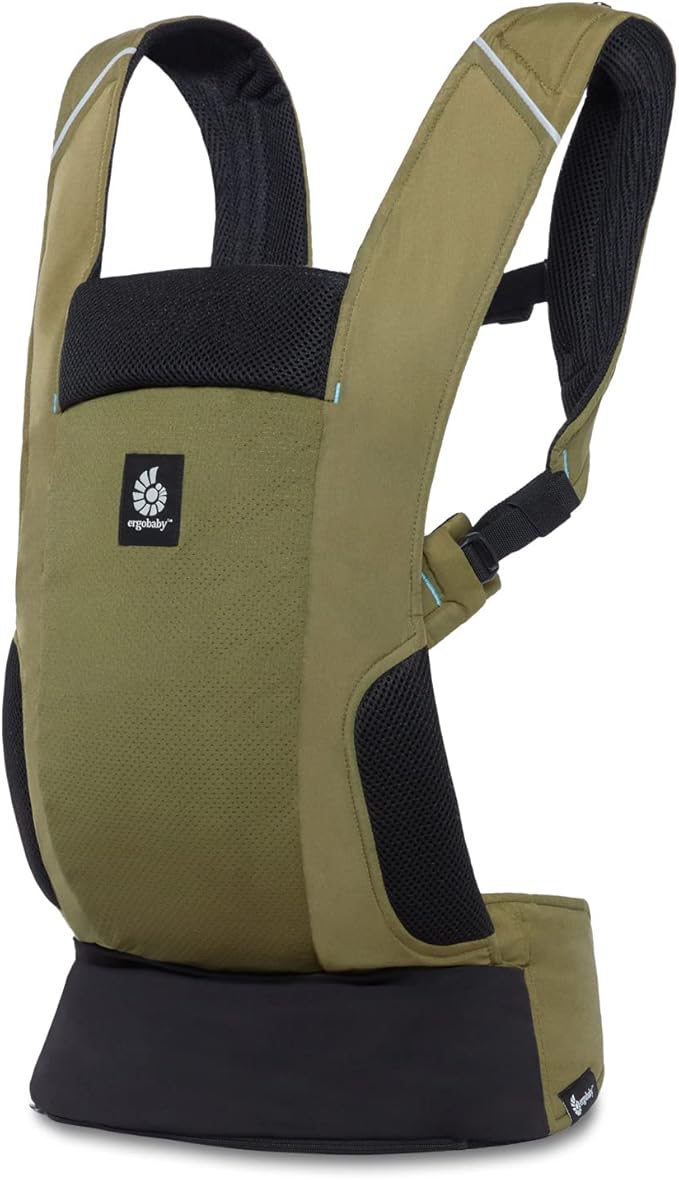
Ergobaby Away is a portability-first structured carrier for short carries during travel or stroller days. The buy reason is packable backup use, not the support of a thicker everyday carrier.
Pros
- Light, easy folding makes it a practical backup for travel and outings.
Cons
- It is not for newborns.
- Rank #29 Our score: 9.33 / 10
Ergobaby EMBRACE Soft Air
Ergobaby EMBRACE Soft Air is for families wanting a soft fit and simple buckle fastening from the newborn stage to around age one. Its focused 3.2-11.3 kg range prioritises ease in the first year over long-term use.
Pros
- SG certification, head and neck support and highly breathable mesh make the newborn conditions clear.
Cons
- The 11.3 kg limit and lack of back carrying make its useful period short for families wanting one carrier into toddlerhood.