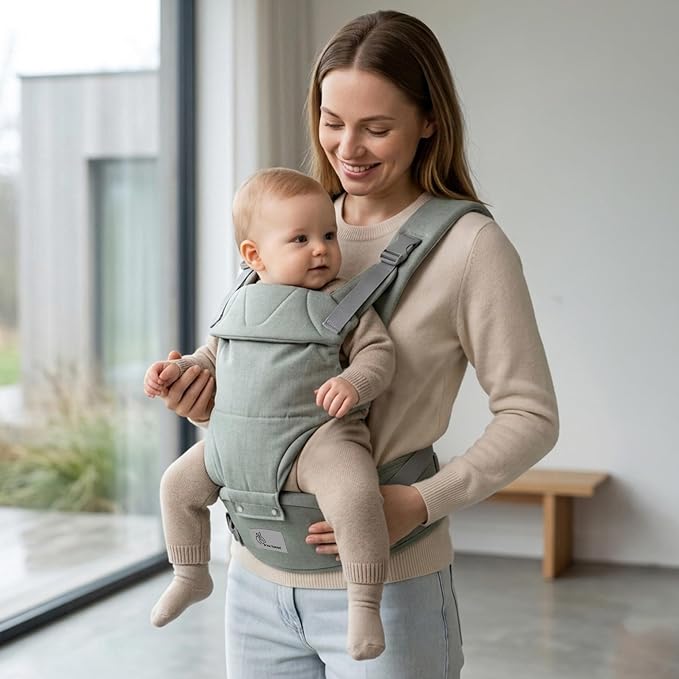
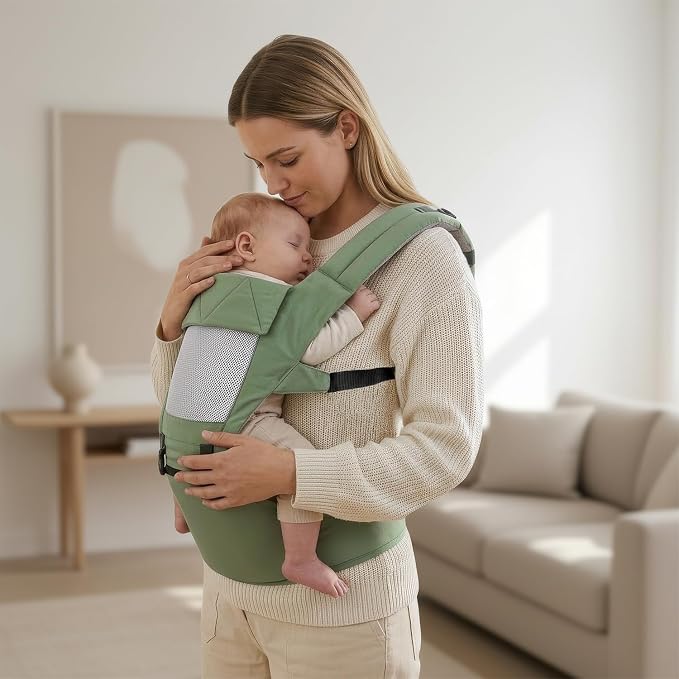
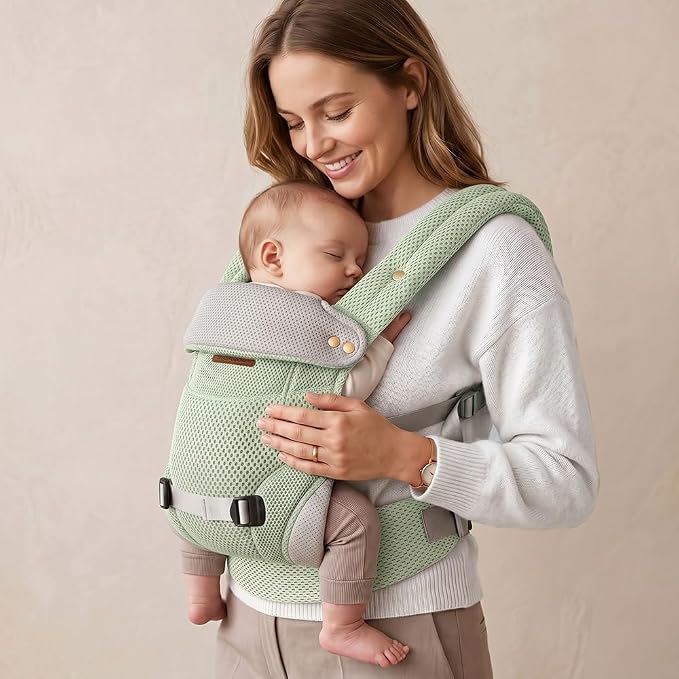
Best Baby Carriers in India 2026
Start with the carry stage: newborn support, older-baby hip-seat use, or short errand carrying. Then check heat, waistband comfort, stitching, support detail, and whether a low-cost carrier is documented well enough for the way you plan to use it.
Why are scores between 9 and 10?
This is a curated shortlist of strong picks, not a full best-to-worst ranking. Small score gaps usually mean we have slightly more evidence for one model than another, not that the lower-scoring option is a poor choice.
So this is just another affiliate roundup with an arbitrary order?
No. We make these lists good enough that we use them ourselves and recommend them to friends and family. We turn the kind of research careful parents would normally do by hand into a repeatable process. Then we compare the evidence across the markets we cover and rank products with a model that gives more weight to stronger signals instead of simple averages or a fully hand-picked order based purely on editorial preference.
Affiliate Disclosure
We use affiliate links and ads to finance this website. As an Amazon Associate I earn from qualifying purchases.

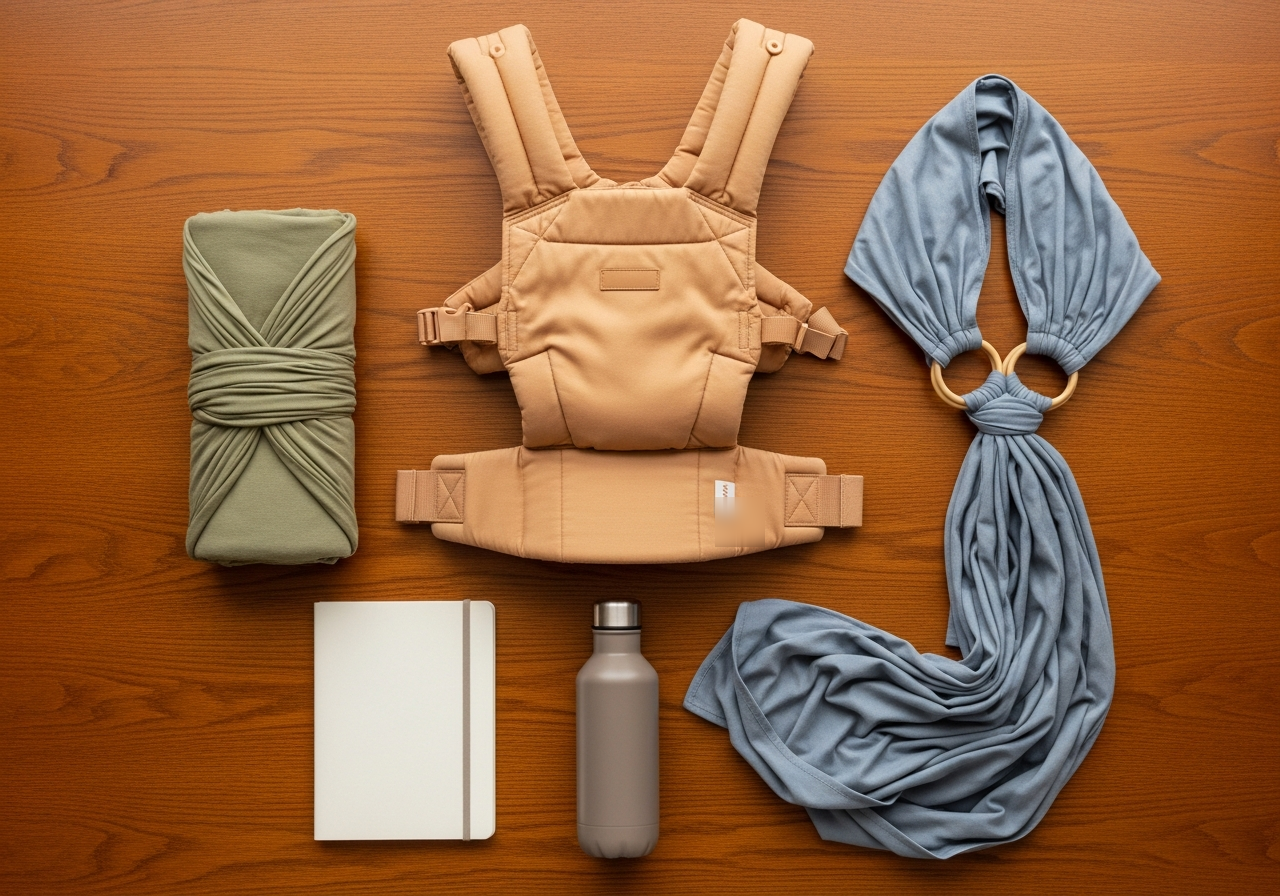
- Rank #1 Our score: 9.71 / 10
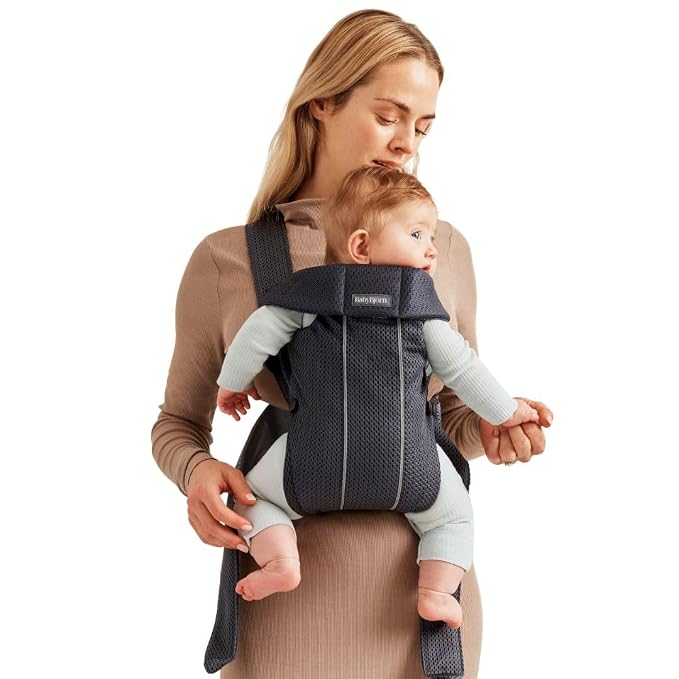
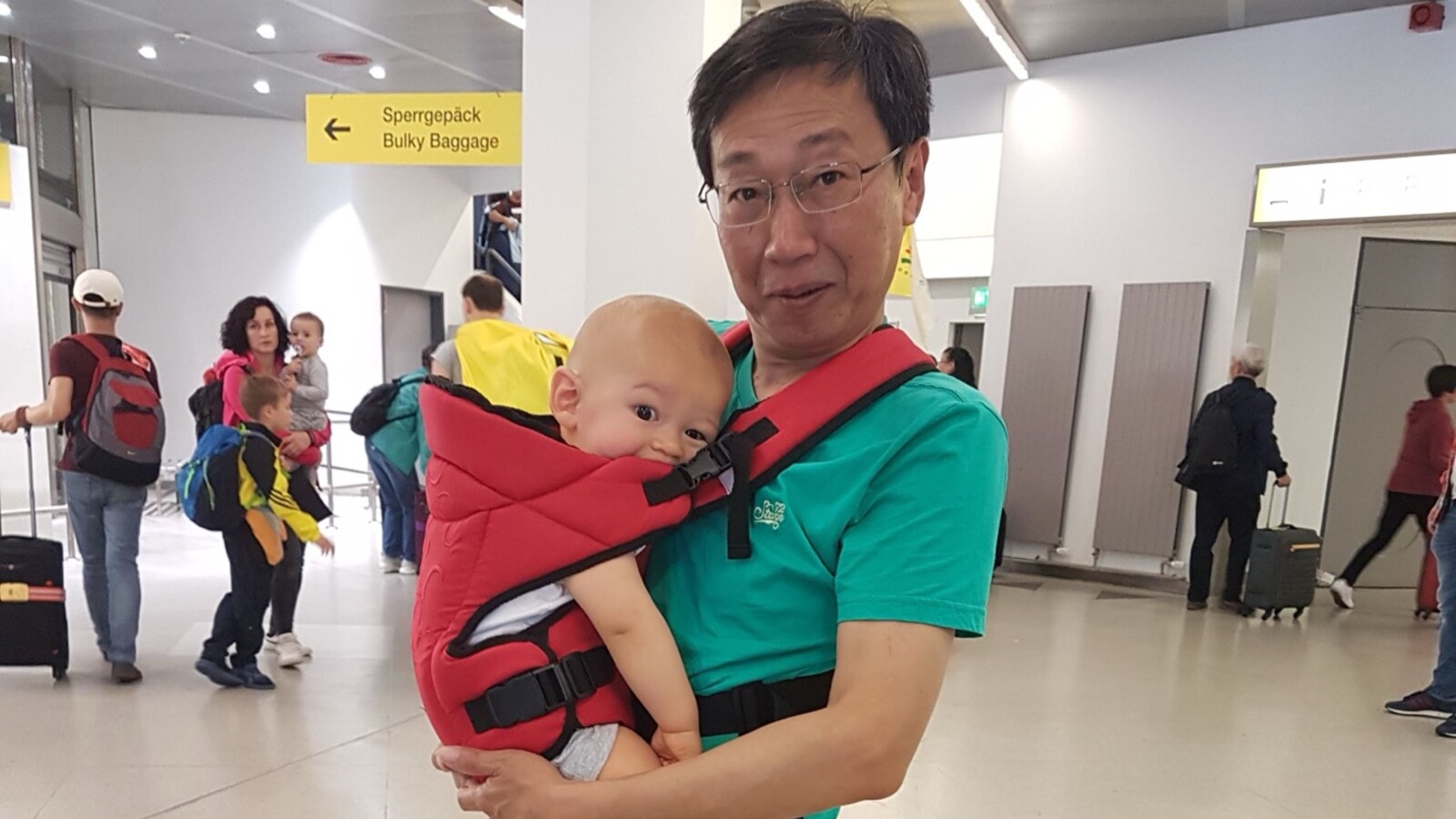
BabyBjorn Carrier Mini
Best: Premium
Baby Carrier Mini is a compact front carrier for the early months, with three carrying positions. BabyBjörn’s guidance covers ages 0–12 months. The manual sets minimums of 3.2 kg and 53 cm and a maximum weight of 11 kg; the Mini FAQ separately gives 75 cm as the upper height. Together, these limits span 3.2-11 kg and 53-75 cm. Age and size guidance answer different questions, and neither guarantees an individual fit. Its simple buckles and small, soft design make quick changes and short carries easier. As your baby grows, check the current manual and fit; for longer walks, a carrier with a waist belt may offer more support.
Pros
- Designed for newborn months, it adjusts XS–XL and has three carry positions.
Cons
- Its short recommended range means many families will need another carrier as baby grows.
- Rank #2 Our score: 9.68 / 10
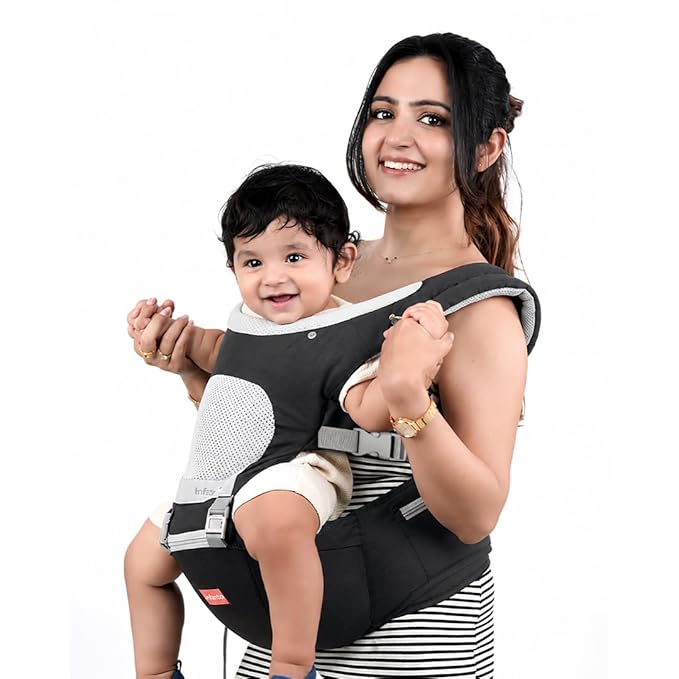
Infantso Premium Hip Seat Baby Carrier
Best: Mid-range
Infantso Premium Hip Seat Baby Carrier fits parents comparing hip-seat convenience for babies who go up and down often. It is bulkier than a simple wrap, so shortlist it when the waist seat and multiple carry positions match the routine.
Pros
- Hip-seat format helps most when the routine is frequent short carries rather than all-day babywearing.
Cons
- Bulkier than a wrap, and newborn or small-baby use needs careful airway, head-support, and hip-position checks.
- Rank #3 Our score: 9.65 / 10
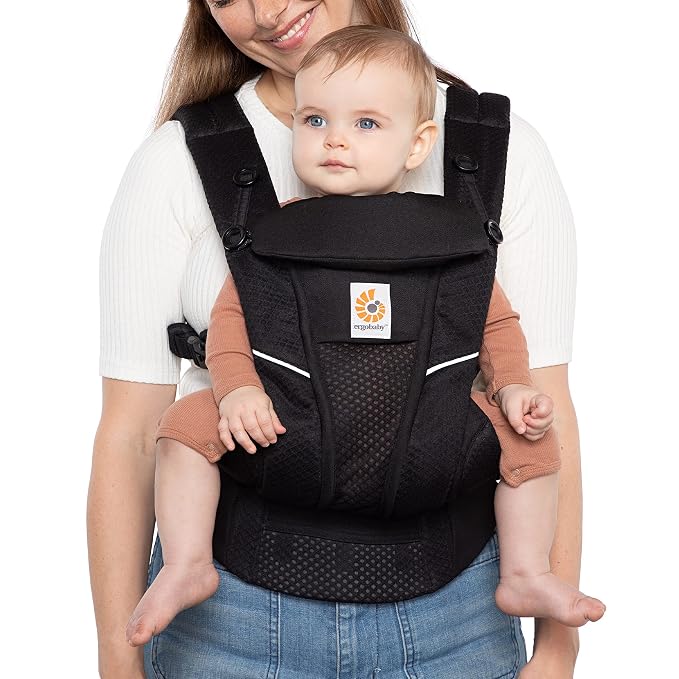
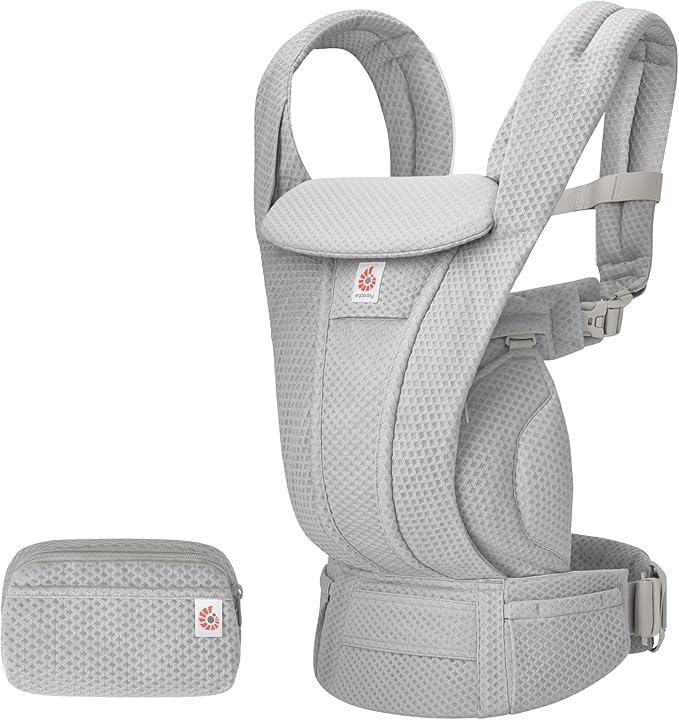
Ergobaby Omni Breeze
Ergobaby Omni Breeze fits caregivers who want a breathable structured carrier from newborn through toddlerhood. It offers four positions and a wide adjustment range, but its straps and seat settings take more setup than a simple wrap.
Pros
- One carrier covers 3.2-20.4 kg and inward, outward, hip and back positions.
Cons
- Several seat and strap adjustments must be set as baby grows and between wearers.
- Rank #4 Our score: 9.65 / 10
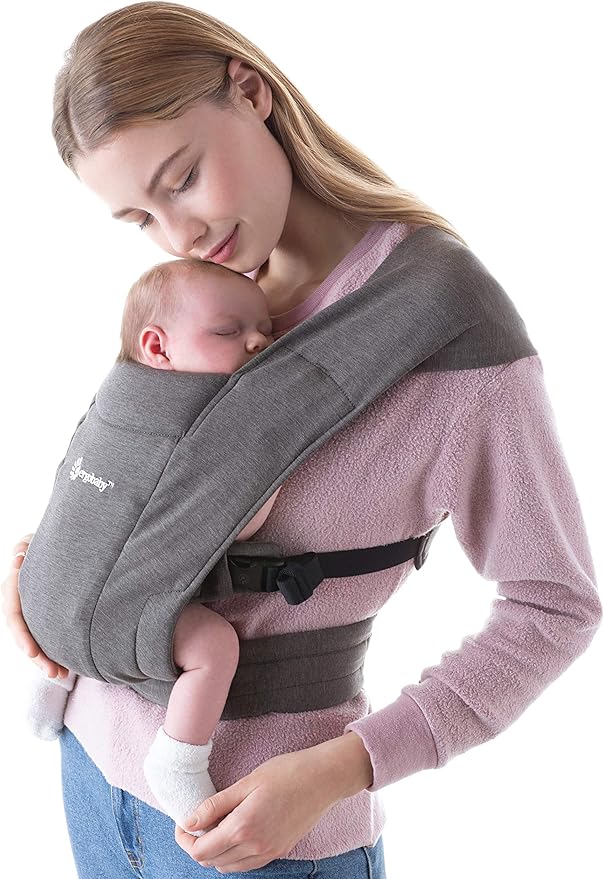
Ergobaby Embrace
Best: Newborn
Ergobaby Embrace is a 3.2-11.3 kg first-stage carrier with soft fabric, buckle fastening and crossed shoulder straps. It has front inward and outward positions but no back carry; outward-facing starts at 66 cm with steady head and neck control, and a baby must not sleep facing out.
Pros
- Soft fabric, buckle fastening and crossed shoulder straps give a wrap-like front carry without tying a long wrap.
Cons
- The 3.2-11.3 kg range and lack of back carry make this a first-stage carrier.
- Rank #5 Our score: 9.63 / 10
Ergobaby OMNI Deluxe Mesh
Ergobaby Omni Deluxe Mesh suits caregivers who want one adjustable carrier from newborn to toddler and value storage built into the carry. Four positions, lumbar support and a removable pouch add flexibility, while the extra structure can feel excessive for brief newborn-only use.
Pros
- The overall range is 3.2-20.4 kg; outward-facing carry has a maximum of 13.6 kg.
Cons
- Check the panel and strap fit again when changing carry positions or wearers.
- Rank #6 Our score: 9.62 / 10
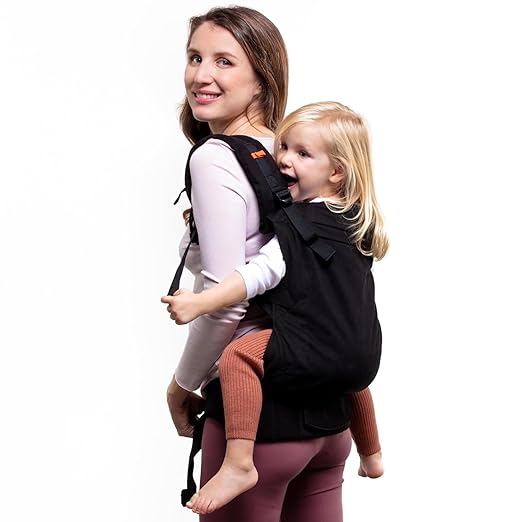
Beco Toddler Carrier
Best: Back Carry
Beco Toddler is a next-stage carrier for children aged 18 months and over, within the maker's 9.1-27.2 kg range. Its wide seat and tall back panel suit toddlers who walk part of the way but still need a lift. It supports front inward-facing and back carrying. The seat width is fixed, so its bigger-child support is also the reason not to use it early for a smaller baby.
Pros
- The wide seat and tall panel extend carrying beyond the fit of smaller baby carriers.
Cons
- The fixed-width toddler seat cannot be narrowed for a smaller baby; the minimum age and weight are not interchangeable fit tests.
- Rank #7 Our score: 9.61 / 10
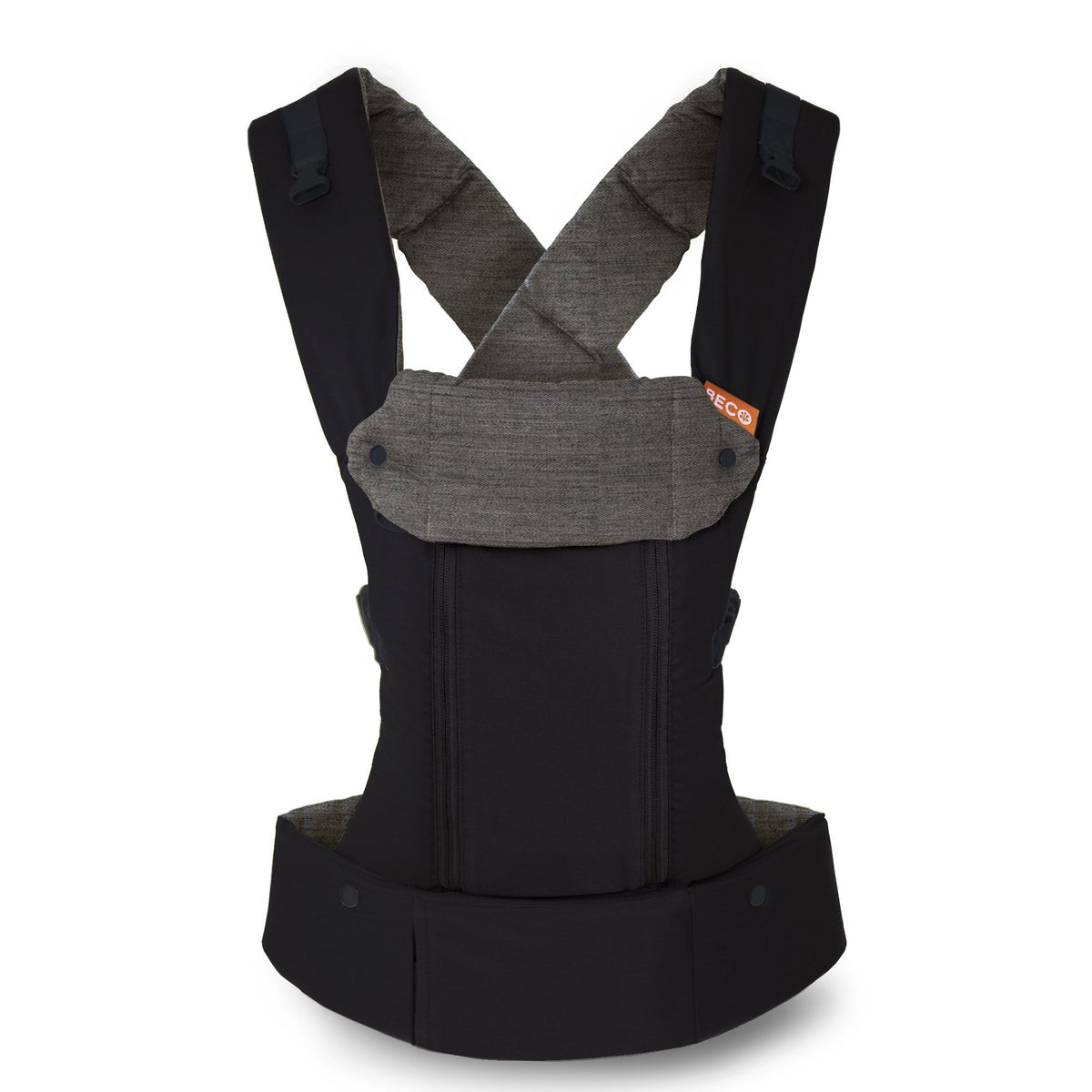
Beco 8
Beco 8 has a zipped front panel that exposes mesh when you want more airflow, plus a separate lumbar pad and crossable shoulder straps. It covers 3.2-20 kg, with an infant insert for the smallest sizes. That range comes with setup changes: the insert and seat snaps need adjusting as your baby grows. Keep early carries inward-facing; back carrying must wait for steady head control and independent sitting.
Pros
- The zipped panel lets you uncover mesh without changing carriers.
Cons
- The infant insert and two seat widths require more setup decisions than a single-setting carrier.
- Rank #8 Our score: 9.60 / 10
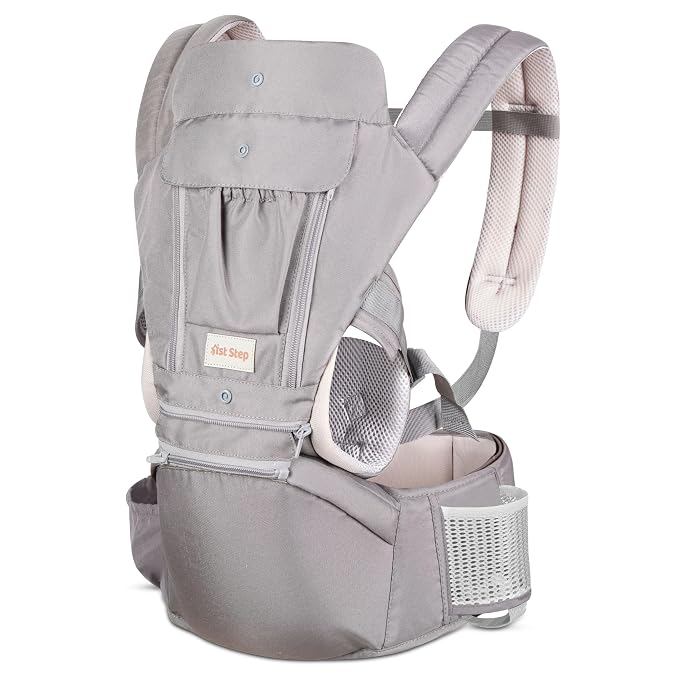
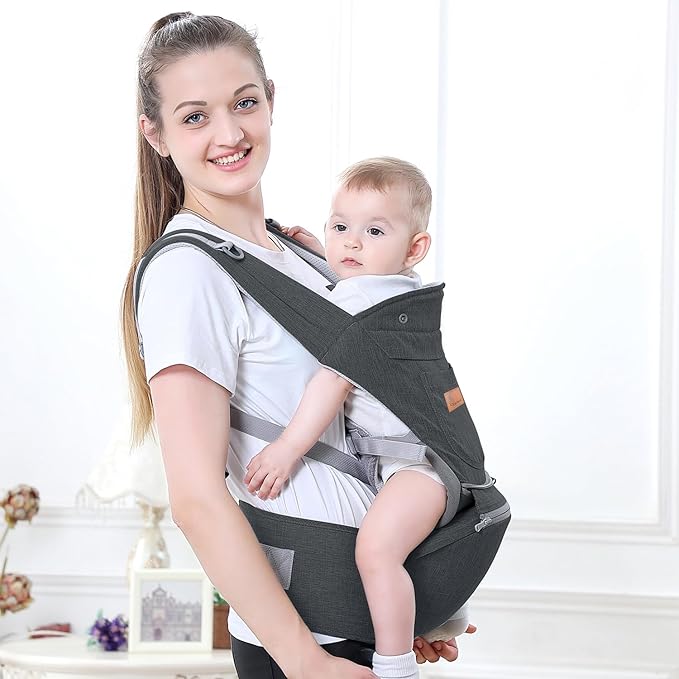
1st Step 5-in-1 Hip-Seat Carrier
Best: Affordable
The 1st Step combines a detachable hip seat, upper harness, lumbar panel and five stated modes for families wanting one carrier through several stages. Its own listing conflicts on whether use begins at birth or four months; treat four months as the earliest advertised boundary until the supplied instructions explicitly support anything earlier.
Pros
- The detachable seat and upper harness allow supported perch and hands-free configurations in one system.
Cons
- Conflicting 0-month and 4-month claims make the manual essential before any early-infant use.
- Rank #9 Our score: 9.58 / 10
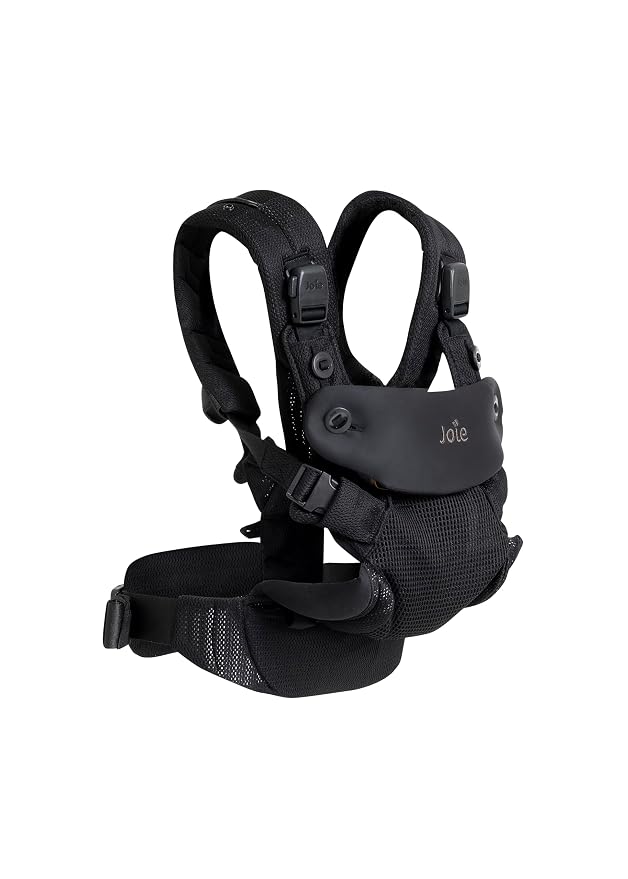
Joie Savvy Air Baby Carrier
Joie Savvy Air suits caregivers who want one mesh carrier that changes from inward front carry to outward or back carry as a child grows. Its four modes have separate weight thresholds, so the newborn setting does not mean every position is suitable from birth.
Pros
- Maker gives four modes with distinct thresholds from 3.5-15 kg.
Cons
- Mode changes depend on baby's weight and readiness, so it takes more adjustment than a single-position wrap.
- Rank #10 Our score: 9.56 / 10
My Giraffe Skippy Baby Carrier
Use from about 2 months and 3.5 kg, up to 20 kg. Keep your baby facing in at the front unless the exact instructions confirm when another position is suitable. Keep the face visible, chin off the chest and airway clear. Take your baby out before feeding.
Pros
- Padded head support cushions the child’s contact point, while the mesh lining allows more airflow around the carrier.
Cons
- The product page does not set readiness rules for its other listed positions. Keep your baby facing in until the exact instructions confirm another position. Keep the face visible and airway clear, and take baby out before feeding.
- Rank #11 Our score: 9.55 / 10
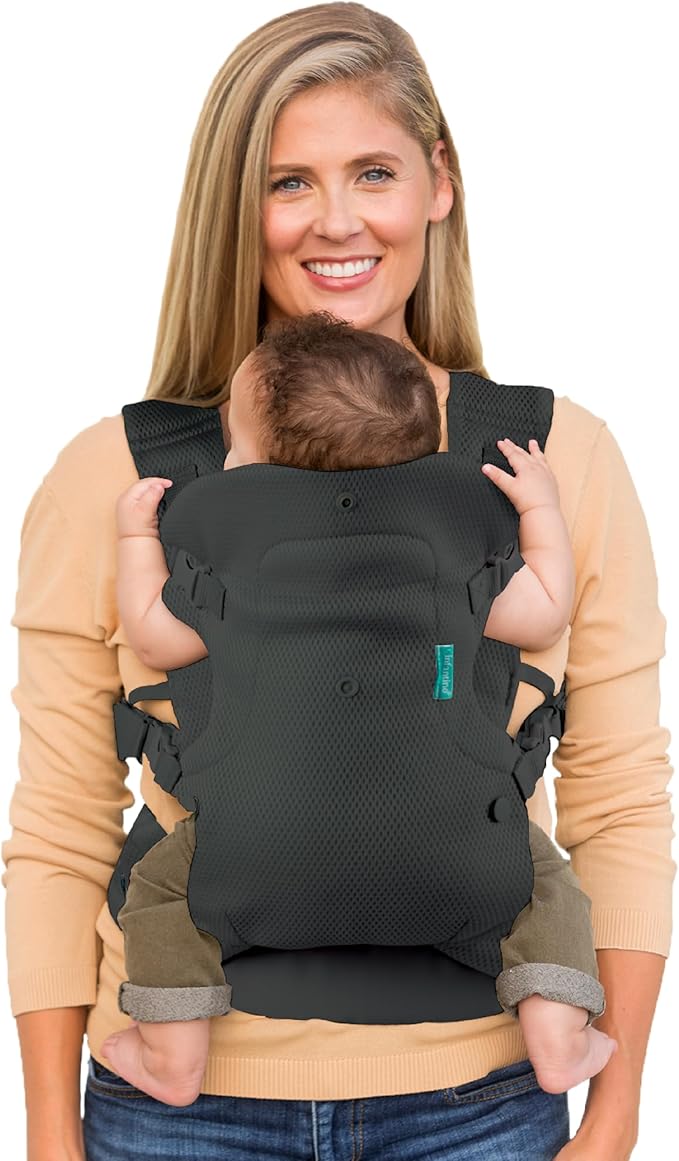
Infantino Flip 4-in-1 Light & Airy
Best: Hot Weather
The Infantino Flip Light & Airy pairs a mesh body with two seat widths and later back carrying, for 3.6-14.5 kg. Compare it with the standard Flip when ventilation matters on outings, but do not treat mesh as protection from overheating. Outward facing requires independent head control; back carrying waits until your child sits unaided.
Pros
- Mesh construction adds ventilation while retaining the Flip’s narrow/wide seat and later back-carry option.
Cons
- Ventilation does not replace monitoring your baby’s temperature and airway; each carrying position also has its own readiness and seat-width rules.
- Rank #12 Our score: 9.54 / 10
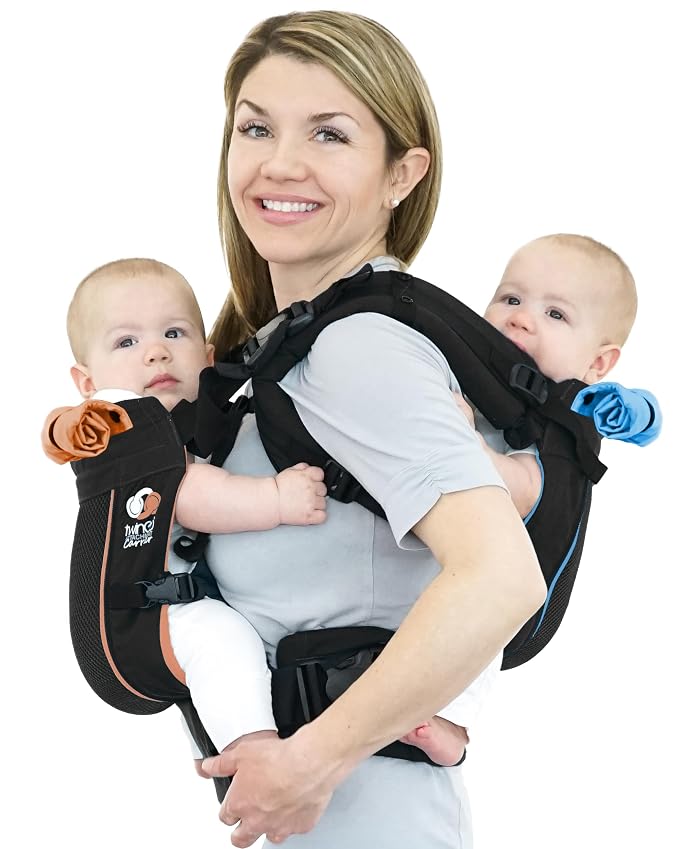
TwinGo Air Twin Baby Carrier
TwinGo Air is a specialist choice for twins or two children close in age: one adult can carry both, or the system separates into two carriers. A zip cover closes the mesh in cooler weather, but tandem use needs more setup and each child has a separate weight limit.
Pros
- It converts between tandem use and two independent carriers, with 4.5-20.4 kg per child.
Cons
- Below 4.5 kg requires a separate infant insert; tandem setup needs practice.
- Rank #13 Our score: 9.54 / 10
Snugs Luxe Toddler Carrier
Best: Travel
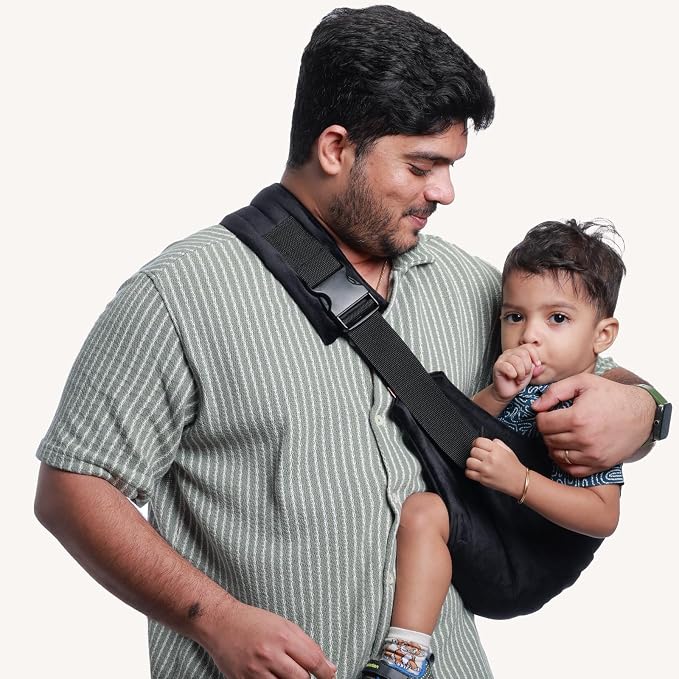
The SNUGS Luxe is a light side-carry option for a child from the stated 8-month stage who already has the control required by the supplied instructions. It packs smaller than a bulky framed carrier and is machine washable, but one-sided loading can tire the adult; test strap range and comfort well below the 20 kg maximum.
Pros
- Lightweight, washable fabric and a compact shape suit short toddler carries and travel packing.
Cons
- Side carrying concentrates load unevenly, so the 20 kg limit should not be mistaken for guaranteed adult comfort.
- Rank #14 Our score: 9.52 / 10
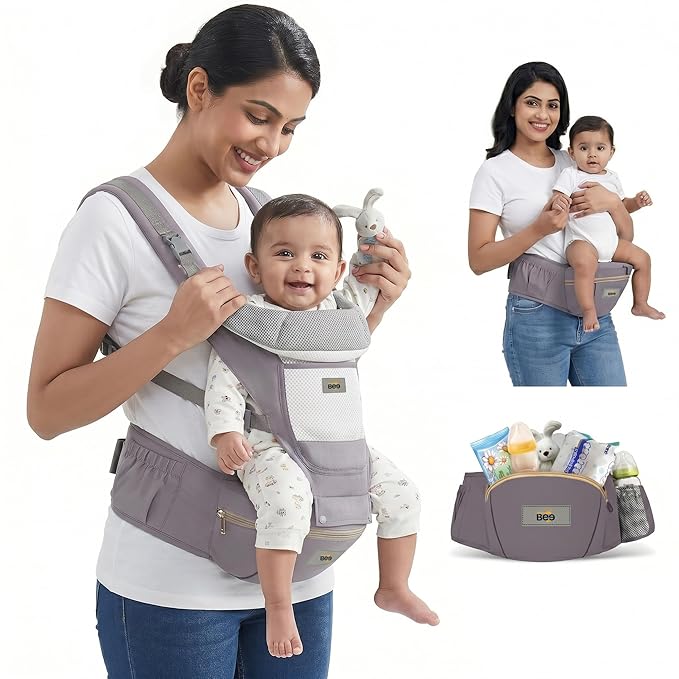
Golden Bee Hip Seat Baby Carrier
Golden Bee Hip Seat Baby Carrier is for parents who want a structured hip-seat carrier for short errands, travel days, and babies who move in and out of arms often. The bulk and waist fit matter more than with a wrap, so check age, weight, and support before longer carries.
Pros
- Hip-seat structure suits quick up-down carrying better than a soft wrap alone.
Cons
- Bulkier around the waist than wrap-style carriers.
- Rank #15 Our score: 9.51 / 10
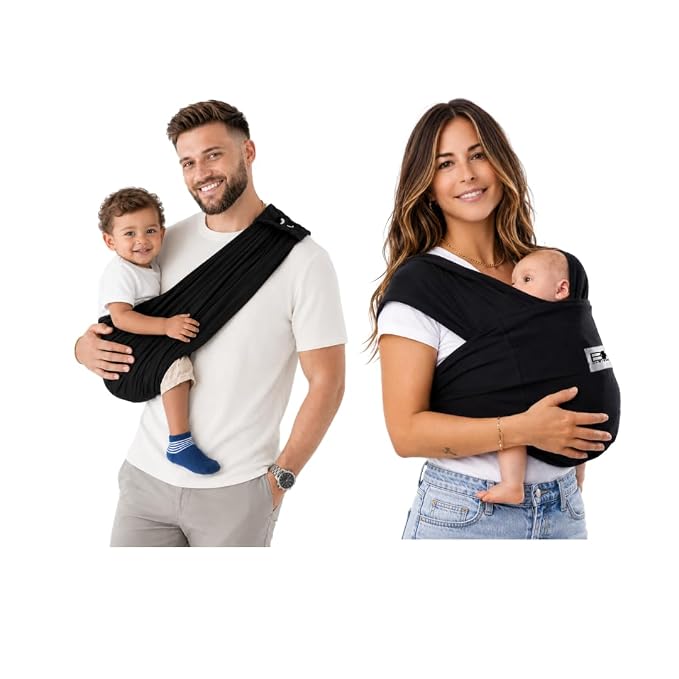
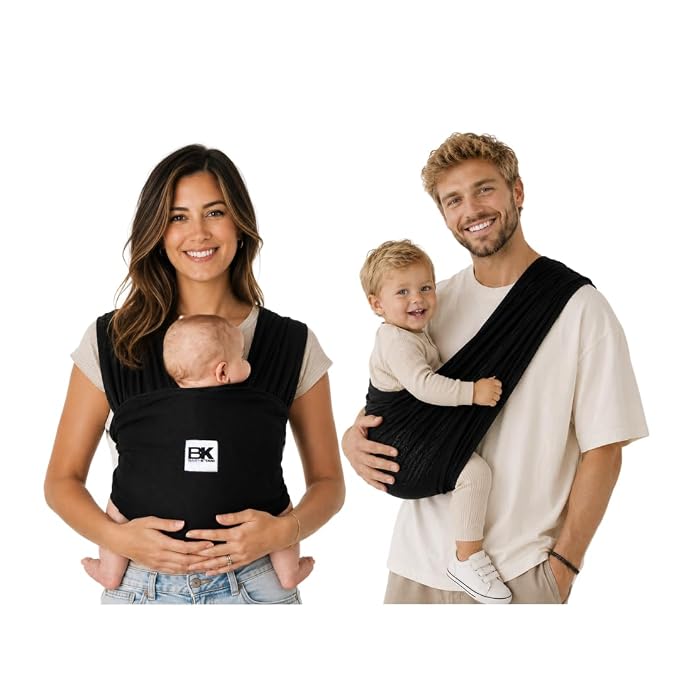
Baby K'tan Original Baby Carrier
Best: Wrap
Baby K'tan Original suits a caregiver who wants a soft, close front carry without learning a long wrap. It slips on like a T-shirt, but each adult needs the size that fits their own body; it is not a one-size carrier to share.
Pros
- No buckles or rings to fasten; maker lists five positions across 3.6-15.9 kg.
Cons
- Adult-specific sizing makes fit checks essential, especially if caregivers plan to share it.
- Rank #16 Our score: 9.50 / 10
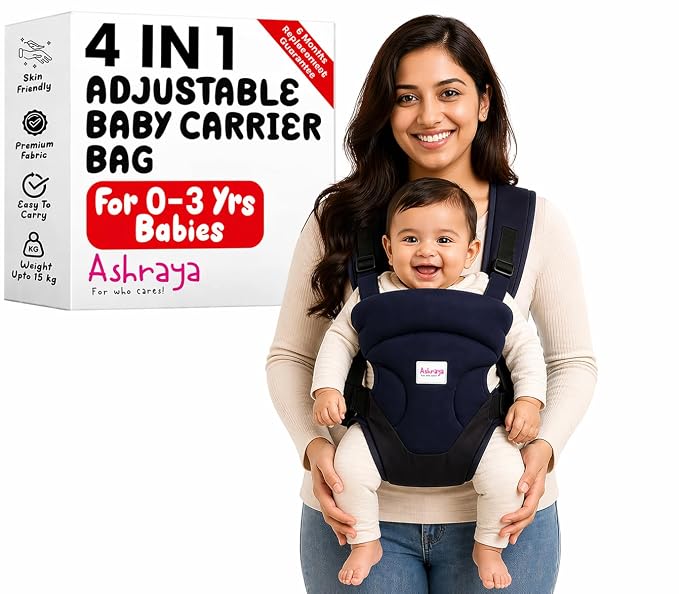
Ashraya 4-in-1 Baby Carrier
The Ashraya is a multi-position buckle carrier for parents comparing an adjustable waist belt and a stated limit up to 18 kg. The listing does not establish which positions suit each stage, and a carrier is never a vehicle restraint: do not wear it while driving. Follow the supplied instructions and verify airway, buckles and leg support.
Pros
- An adjustable waist belt and multiple stated positions offer more load-sharing options than a simple sling.
Cons
- The listing gives unsafe driving language and no clear stage table, so instructions must override its marketing copy.
- Rank #17 Our score: 9.47 / 10
Momcozy PureHug Baby Carrier
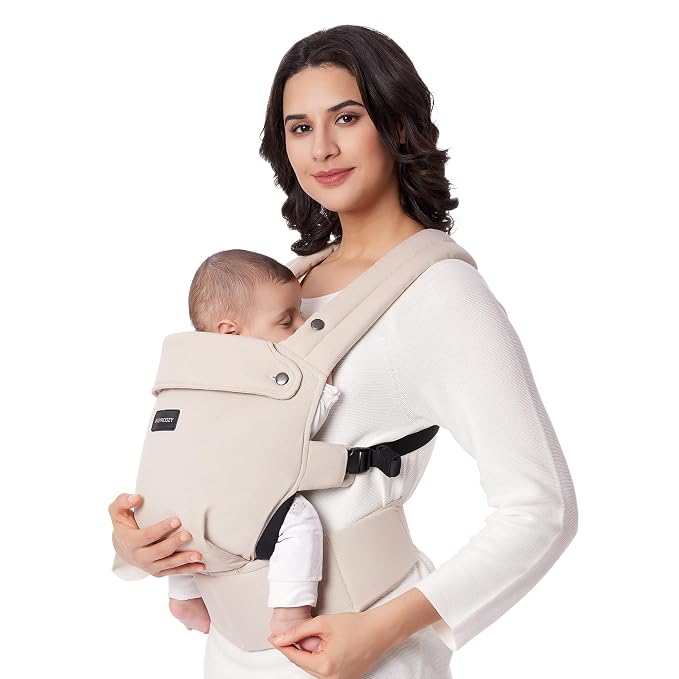
Momcozy PureHug is a buckle carrier for front-inward carrying, with crossed shoulder straps and three seat-width settings. Use it from 3 months, within 3.2-15 kg, and only once your baby has stable head-and-neck control. Check the panel fit; keep the baby upright, with the face visible, chin off the chest and airway clear. Take the baby out before feeding. Choose another carrier if you need outward- or back-carrying.
Pros
- Three seat widths let you adjust the panel as your baby grows.
Cons
- Use from 3 months and within 3.2-15 kg, only after your baby has stable head-and-neck control.
- Rank #18 Our score: 9.44 / 10
R for Rabbit Upsy Daisy Ergo Baby Carrier
Indian brand
R for Rabbit Upsy Daisy Ergo is a mainstream hip-seat carrier for parents who want front, back, and hip-seat options in one product, with fit checks around the baby’s stage and the wearer’s lower back.
Pros
- The hip-seat and carrier modes give families more ways to handle short errands and up-down toddler moments.
Cons
- It is bulkier than a simple soft carrier, so it is less appealing if packability matters most.
- Rank #19 Our score: 9.39 / 10
Baby K'tan Breeze Baby Carrier
Baby K'tan Breeze is for caregivers who want a ready-to-wear wrap and the option to turn its cotton-mesh loops for more airflow or warmth. It keeps the no-buckle setup of the Original; adults still need their own size, so sharing may mean buying two.
Pros
- Reversible cotton-mesh loops let the wearer choose which side faces inward.
Cons
- Adult-specific sizing means two caregivers may need separate sizes.
- Rank #20 Our score: 9.37 / 10
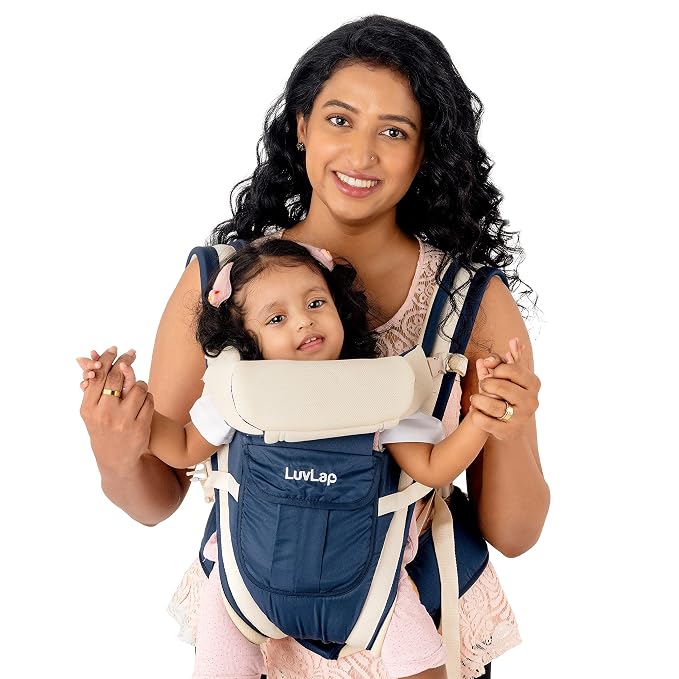
LuvLap Elegant Baby Carrier
Indian brand
The LuvLap Elegant pairs a broad padded waist belt with adjustable shoulder straps for parents who want a buckle carrier with head and back support. The Dark Blue 18291 has stated limits of 4–24 months and 15 kg, but the age guidance conflicts and separate outward-facing and back-carry starting conditions remain undocumented. It is therefore a poor choice if either of those modes is essential; the overall limits alone do not establish readiness for them.
Pros
- A wide waist belt, padded shoulder straps and several documented positions give more support choices than a basic sling.
Cons
- The 24-month size chart conflicts with a 36-month FAQ, and separate outward-facing and back-carry starting conditions remain undocumented.
- Rank #21 Our score: 9.36 / 10
R for Rabbit Hug Me Elite Baby Carrier
Indian brand
Use from 6 to 36 months and 3-15 kg. The carrier lists inward, outward and back positions; keep your baby facing you until the exact instructions confirm when they are ready for another position. Keep the face visible, chin off the chest and airway clear. Take your baby out before feeding.
Pros
- Three listed carry positions let you choose inward, outward or back carry when the instructions confirm your child is ready.
Cons
- Use only from 6 months and within 3-15 kg. The page does not set readiness rules for outward or back carry, so keep baby facing in until the exact instructions confirm another position. Keep face visible, chin off chest and airway clear; take baby out before feeding.
- Rank #22 Our score: 9.34 / 10
LuvLap Comfy Plus Newborn Baby Carrier
Indian brand
LuvLap Comfy Plus is the LuvLap hip-seat carrier to compare when you want multiple carry modes for an older baby, but the published 6-24 month positioning means it should not be treated as a true newborn-first carrier.
Pros
- Hip-seat support and six carry modes make it more flexible for errands than a basic front-only carrier.
Cons
- The hip-seat block adds bulk, and the 6-24 month guidance means newborn use should be avoided unless stronger manufacturer instructions say otherwise.
- Rank #23 Our score: 9.33 / 10
Chicco SnugSupport 4-in-1 Infant Carrier
Chicco SnugSupport 4-in-1 has two parent-facing seat widths, an outward-facing position and back carry. Its adjustable leg panels narrow for a smaller baby and widen for a larger one to support the thighs toward the knees; the waist adjusts for wearers from 58-116 cm. The instructions set a total range of 3.4-15 kg, require the baby to face you until they can hold their head upright, and restrict back carry to 7.3-15 kg. The seat and straps can be adapted as the child and caregiver grow into the fit, but outward and back positions are later stages. Keep the face unobstructed and check the carrier fit before each use.
Pros
- Four-position structure gives the carrier a usable path from newborn inward carry to later outward-facing and back carry.
Cons
- Padding and structure may feel warm or bulky in hot weather, so comfort matters before long outings.
- Rank #24 Our score: 9.33 / 10
R for Rabbit CuddleUp Care Baby Carrier
Indian brand
R for Rabbit CuddleUp Care suits families carrying a growing baby who want a defined hip seat rather than a wrap-only feel. Its silicone seat, lumbar support and dual waist belt are specific fit features; the integrated seat adds bulk for storage and quick changes.
Pros
- Maker specifies 4–36 months, up to 20 kg, with an integrated seat and dual waist belt.
Cons
- It is not a newborn carrier; maker's age range starts at four months.
- Rank #25 Our score: 9.33 / 10
R for Rabbit Solo Wrap Comfy Baby Carrier
Indian brand
Use from 4 months to 36 months, up to 20 kg. Keep your baby facing you until they can hold their head upright without support. For back carry, have another adult help place and hold your baby. Adjust the buckles and leg openings as shown; keep the face visible, chin off the chest and airway clear. Take your baby out before feeding.
Pros
- The front carrier and detachable hip seat provide two ways to carry as your child grows.
Cons
- Use from 4 months; keep baby facing in until they can hold their head upright independently. Back carry needs another adult to help place and hold baby. Keep the face visible, chin off chest and airway clear; take baby out before feeding.
- Rank #26 Our score: 9.33 / 10
R for Rabbit Upsy Daisy Smart Hip Seat Baby Carrier
Indian brand
R for Rabbit’s Upsy Daisy Smart pairs a detachable hip seat with an upper harness; the manufacturer lists it for 3–24 months and up to 15 kg. With the harness, it advertises inward- and outward-facing front carry; the seat alone can be worn at the centre or either side only with a supporting arm. The product page gives no separate age, weight, or readiness threshold for outward carry, so do not treat the 3-month lower bound as clearance for every position. Check the instructions supplied with this exact model before changing modes, and keep the baby’s face clear and thighs supported.
Pros
- The upper harness supports inward- or outward-facing front carry; the detachable seat alone is a supported perch and requires a hand on the child.
Cons
- The public product page gives no separate age, weight, or readiness threshold for outward-facing carry; check the instructions supplied with this exact model before using that mode.
- Rank #27 Our score: 9.33 / 10
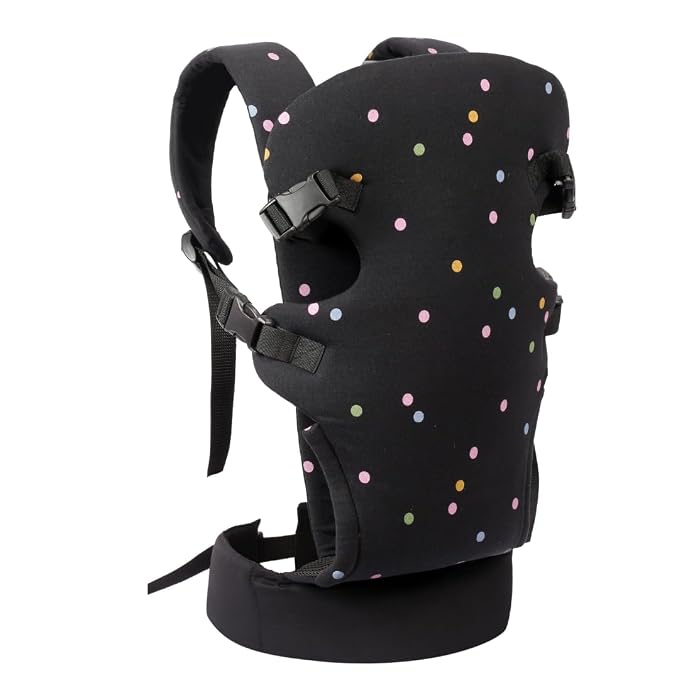
StarAndDaisy Front and Back Baby Carrier
Indian brand
For babies 6–24 months and 4-15 kg, the inward-facing front setup has padded head support and adjustable straps. Secure the side buckles and waist belt as the maker instructs. Keep baby’s face visible and airway clear; take baby out before feeding. This carrier is not for newborns.
Pros
- Padded head support, cushioned shoulder straps and an adjustable waist belt give caregivers fit points to adjust before carrying.
Cons
- The maker’s range starts at six months, so this is not a newborn carrier.