Best Baby Carriers in Italy 2026
Looking for a baby carrier in Italy? Choose the carrier type first, then narrow by the job: newborn support, caregiver fit, stairs and public transport, travel days, hot-weather comfort, or longer wearing once the baby is heavier.
Why are scores between 9 and 10?
This is a curated shortlist of strong picks, not a full best-to-worst ranking. Small score gaps usually mean we have slightly more evidence for one model than another, not that the lower-scoring option is a poor choice.
So this is just another affiliate roundup with an arbitrary order?
No. We make these lists good enough that we use them ourselves and recommend them to friends and family. We turn the kind of research careful parents would normally do by hand into a repeatable process. Then we compare the evidence across the markets we cover and rank products with a model that gives more weight to stronger signals instead of simple averages or a fully hand-picked order based purely on editorial preference.
Affiliate Disclosure
We use affiliate links and ads to finance this website. As an Amazon Associate I earn from qualifying purchases.

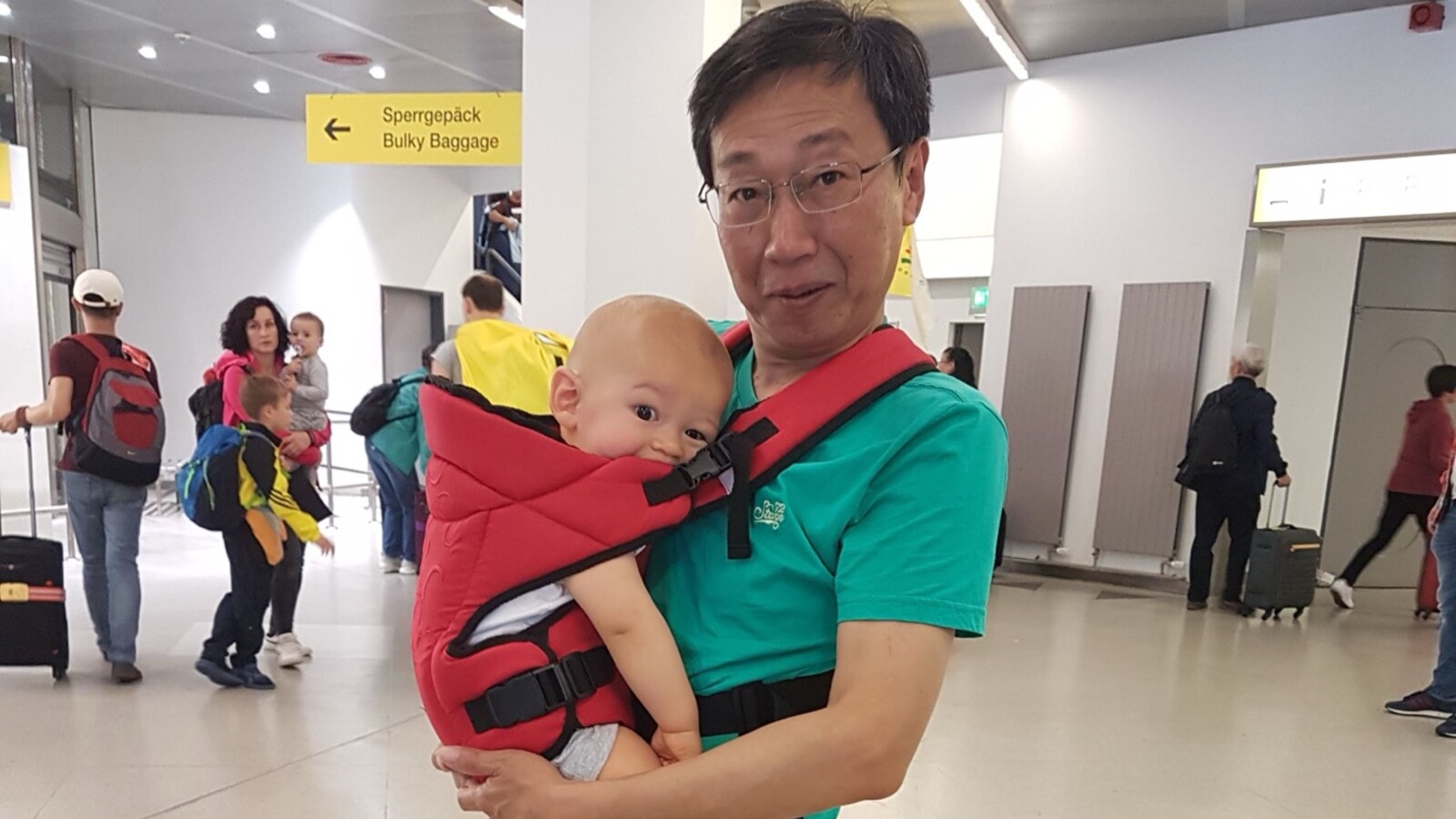
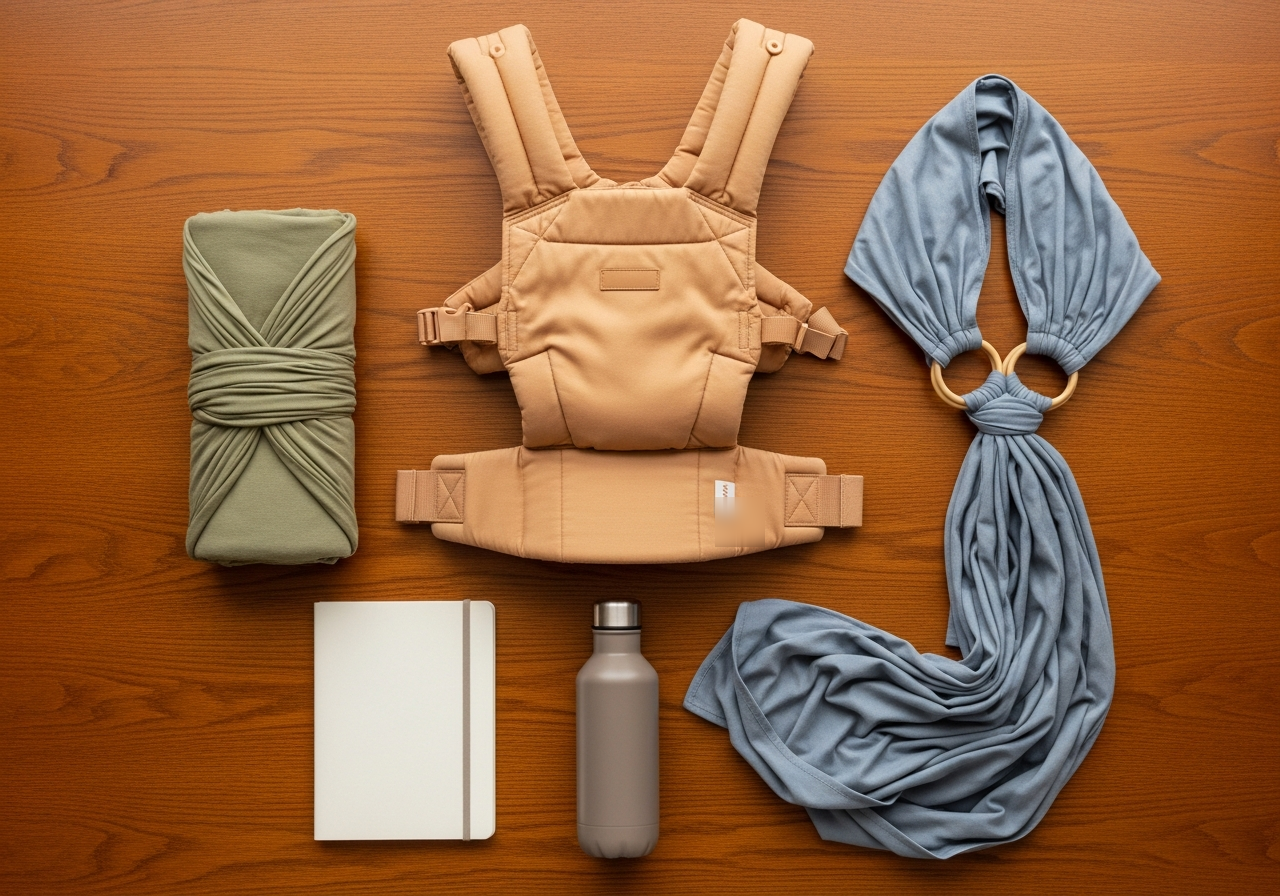
- Rank #1 Our score: 9.78 / 10
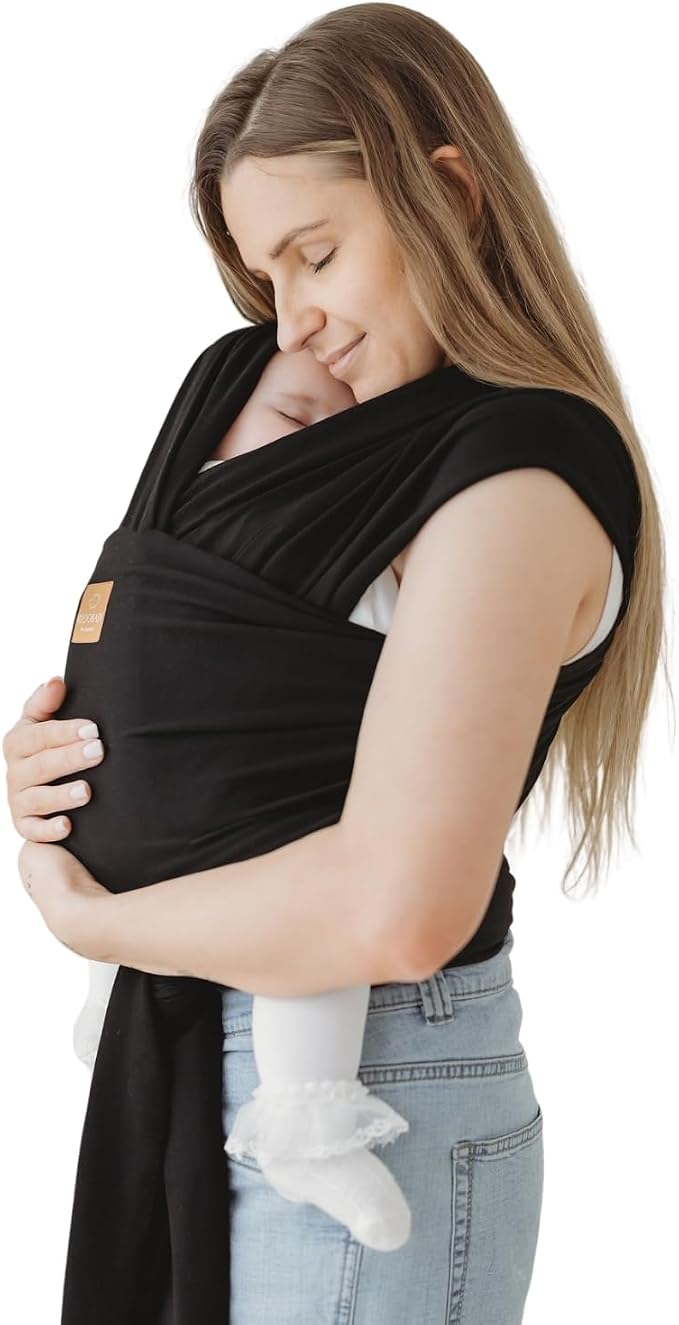
RYLOOBABY Baby Sling Wrap
Best: Travel
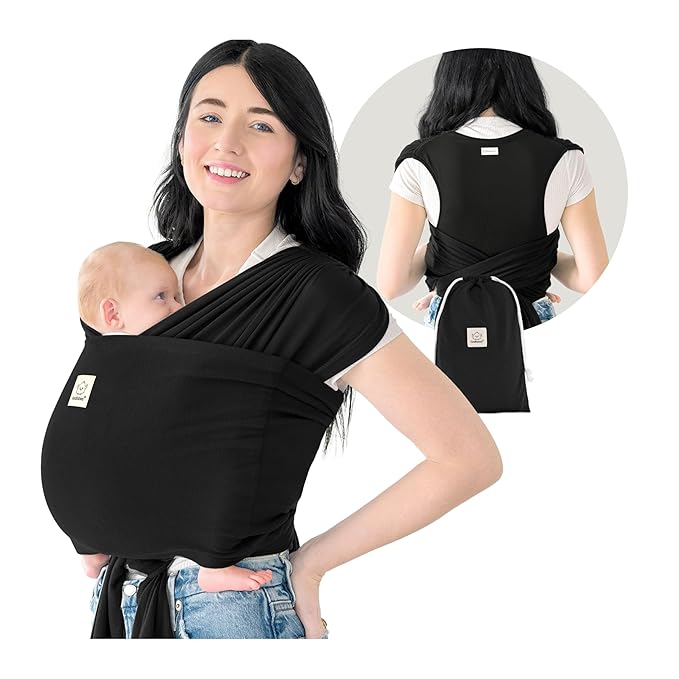
RYLOOBABY uses roughly 5 m of cotton-spandex fabric for a wrap you can tie before putting your baby in. It suits early front carrying from 3.2 kg; the brand says it works best up to 9.1 kg despite the higher 15.9 kg limit. Learning the three-layer tie is the main commitment.
Pros
- The wrap can stay tied when you lift the baby out, so each short break need not mean starting again.
Cons
- The brand recommends it mainly up to 9.1 kg; the 15.9 kg limit is not a promise of equal suitability as your child grows.
- Rank #2 Our score: 9.75 / 10
Bellababy All-in-One Carrier
Best: Mid-range
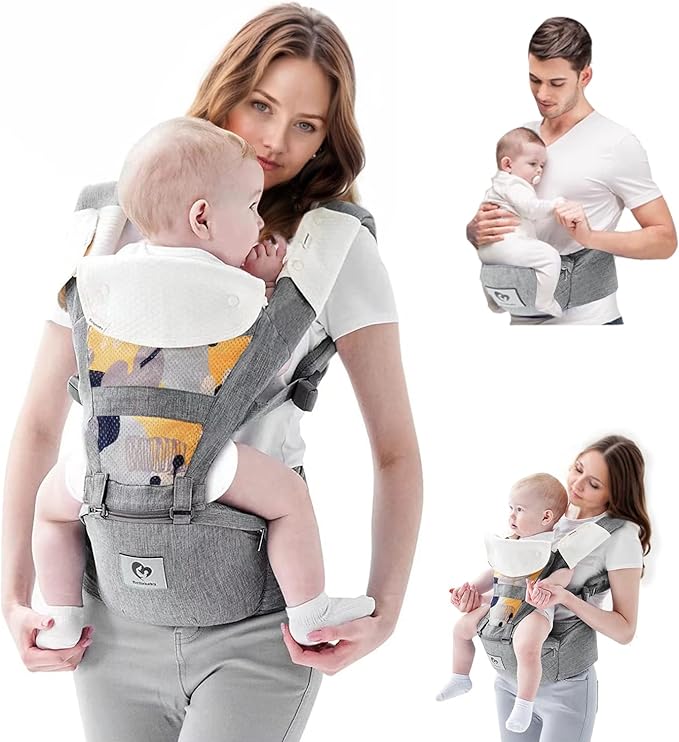
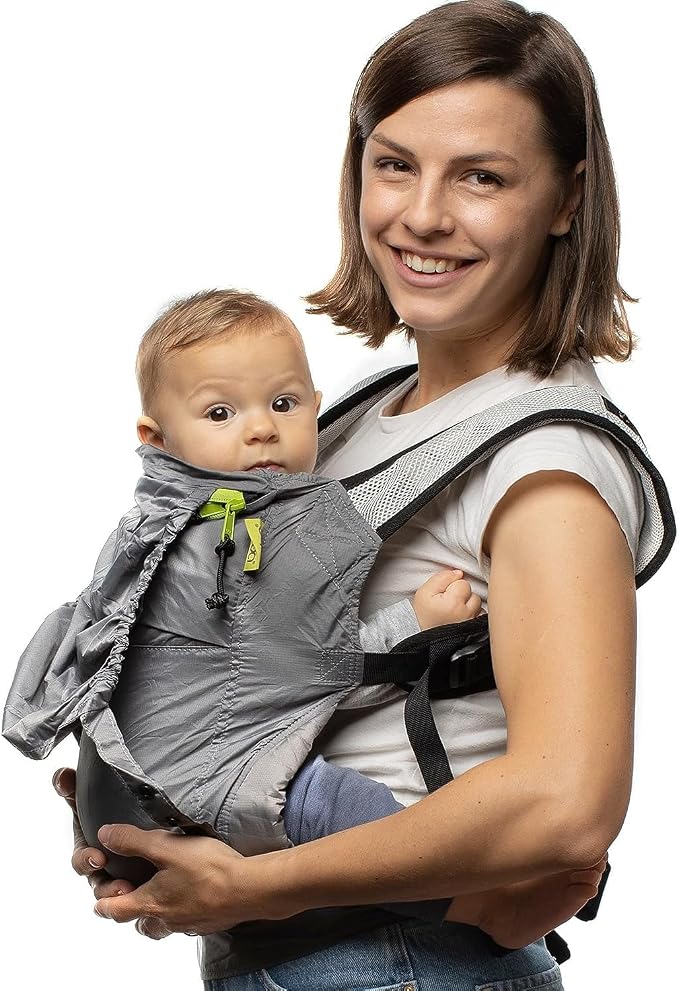
Bellababy All-in-One combines padded shoulder straps and a buckled panel with a firm hip-seat base. Our recommendation is for the fully assembled carrier, facing inward, once the child sits independently and has steady head control: at least three months and 3.2-15 kg. This deliberately narrower range does not resolve the conflicting published limits. The projecting seat adds bulk, and the soft upper panel does not provide head support.
Pros
- The assembled panel and shoulder straps distribute carrying support beyond the projecting waist seat.
Cons
- The firm seat projects farther from the waist and packs less flat than an all-fabric carrier.
Local ratings context
If the local Amazon listing has less review depth, this may help: while reviewing this product, we found more rating context on Amazon UK. The shortlist also weighs product fit, brand track record, and broader research; when buying, we recommend using your local Amazon store. View Amazon UK listing
- Rank #3 Our score: 9.71 / 10
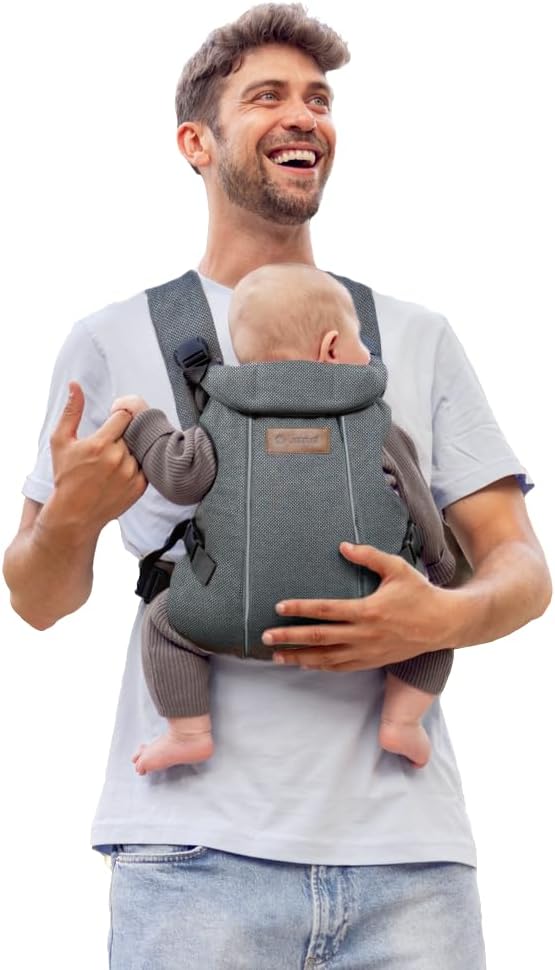
BabyBjorn Carrier Mini
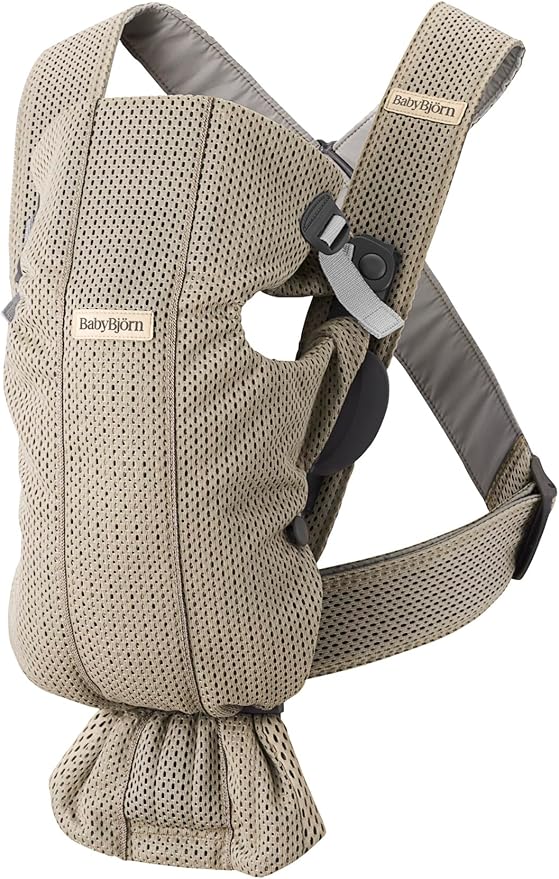
BabyBjörn describes Mini as a simple front carrier for newborns and small babies; its stated fit is 3.2-11 kg and 53-75 cm. That narrow, early-use window can suit short carries and quick changes, but offers less runway than a carrier designed for older babies. Check the manufacturer's instructions for positioning and fit, and use the correct adjustment as the child grows.
Pros
- One of the quickest structured newborn carriers to get on and off, which makes it unusually easy to justify for short daily carries, handovers, and travel days when a bigger carrier feels like too much kit.
Cons
- The shorter lifespan is real: once your baby gets heavier, it is much less convincing than stronger waistbelt carriers for longer walks or later back-carry use.
- Rank #4 Our score: 9.71 / 10
BabyBjorn Carrier Harmony
Best: Premium
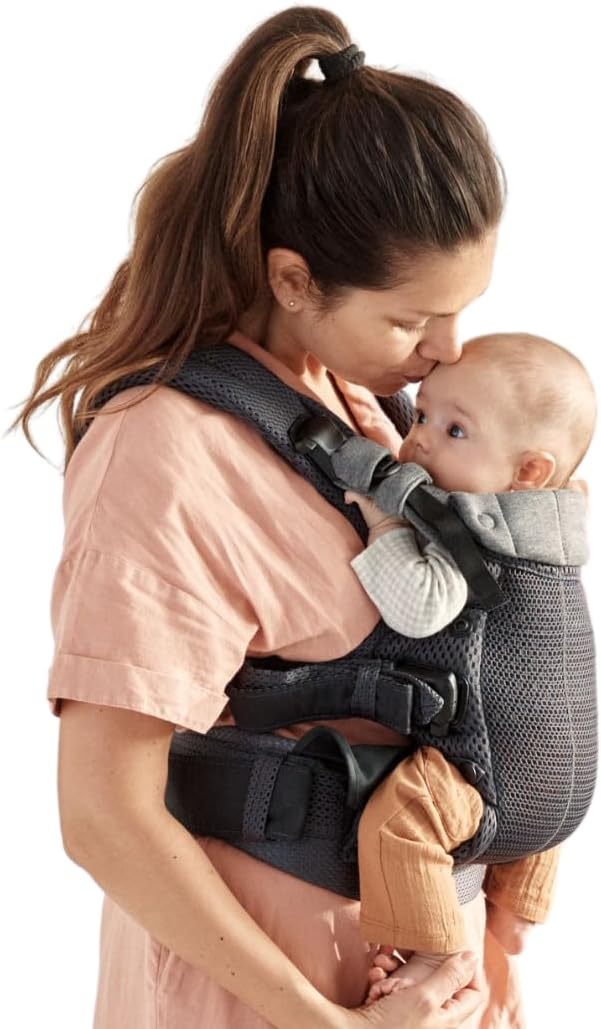
BabyBjorn Harmony is the premium BabyBjorn choice when shoulder, waist, and back support matter as much as easy buckling. It suits families expecting frequent longer carries, but it is more expensive and bulkier than Mini for quick newborn-only use.
Pros
- The padded waist support, thicker shoulder straps, and back-carry range make it much more convincing for longer wears than newborn-first carriers that fade once your baby gets heavy.
Cons
- It is expensive, and that premium only really pays off if you expect regular longer wears rather than short occasional carries.
- Rank #5 Our score: 9.70 / 10
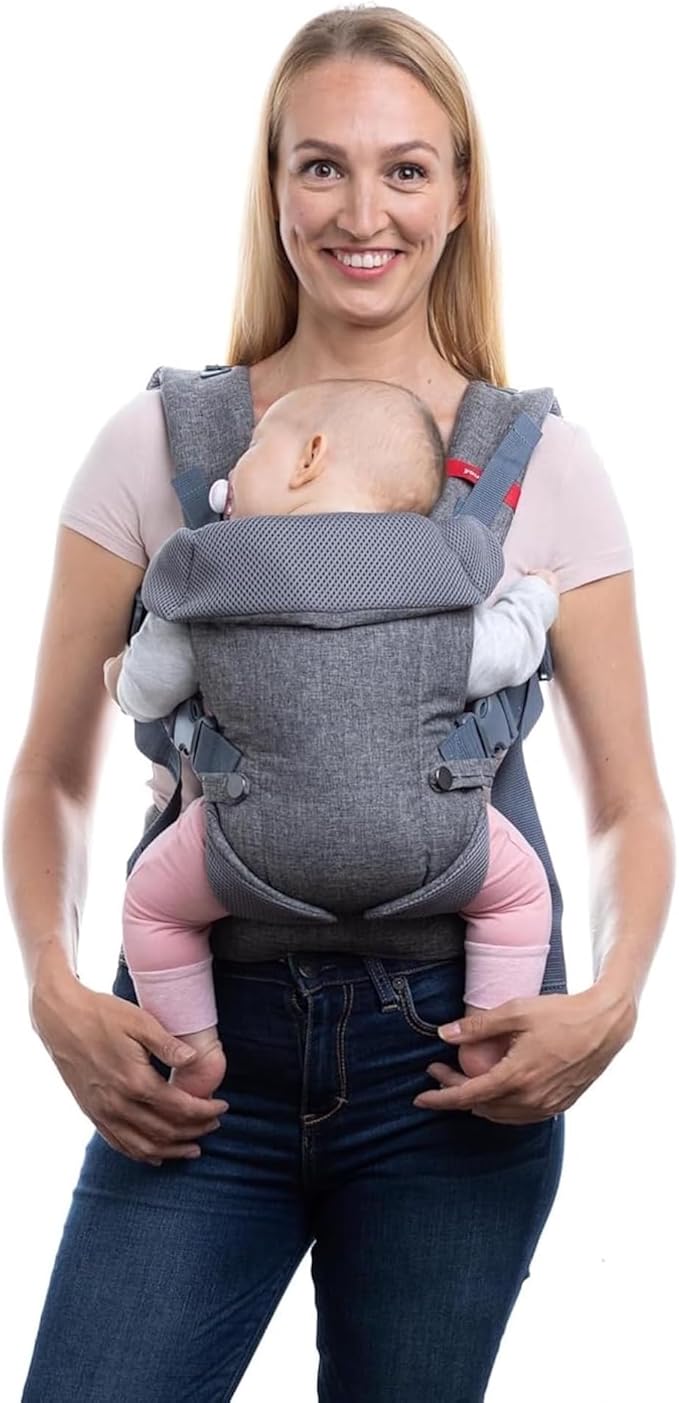
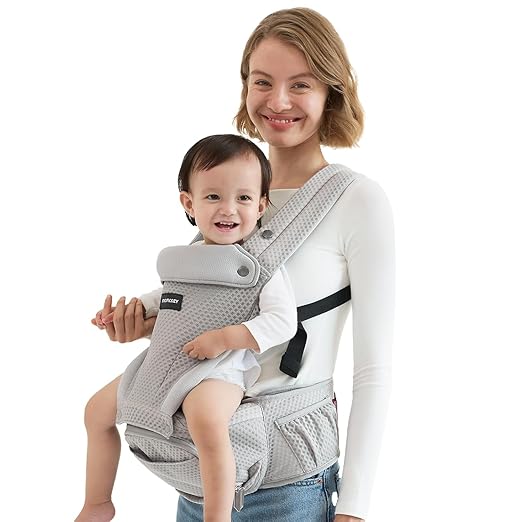
You+ME 4-in-1 Mesh Baby Carrier
The You+ME mesh carrier pairs a washable snap-on bib with an adjustable seat for babies weighing 3.6-14.5 kg. It suits caregivers who want inward, outward and back carrying without tying a wrap. Start inward with the narrow seat; outward and back carrying are later stages, from six months with full head and neck control. The tradeoff is stage-specific seat adjustment and needing another adult to help load a baby onto your back.
Pros
- The removable bib catches dribble before it reaches the carrier, while the mesh lining and machine-washable fabric simplify warm-weather use and cleanup.
Cons
- Back loading requires another adult's help; it is not a solo on-and-off option for quick errands.
- Rank #6 Our score: 9.69 / 10
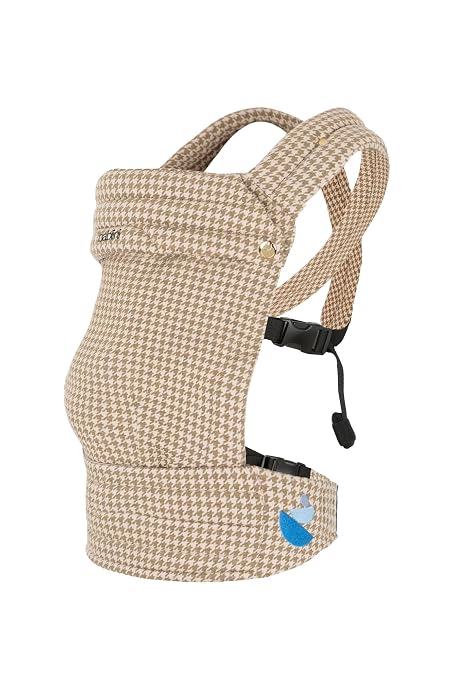
Babiini Ergonomic Baby Carrier
Babiini Trendi Carrier is a buckle carrier for children from about 3 months and 3.2 kg up to 16 kg. Its adjustable panel and straps let the caregiver set the fit as the child grows. That makes the carrying position and fit check part of choosing it; the weight range alone does not make it suitable from birth. Check the maker's instructions for the exact carry position before use.
Pros
- Adjustable panel and straps allow the carrier fit to change as the child grows.
Cons
- It is not a from-birth carrier; maker guidance starts at about 3 months.
- Rank #7 Our score: 9.68 / 10
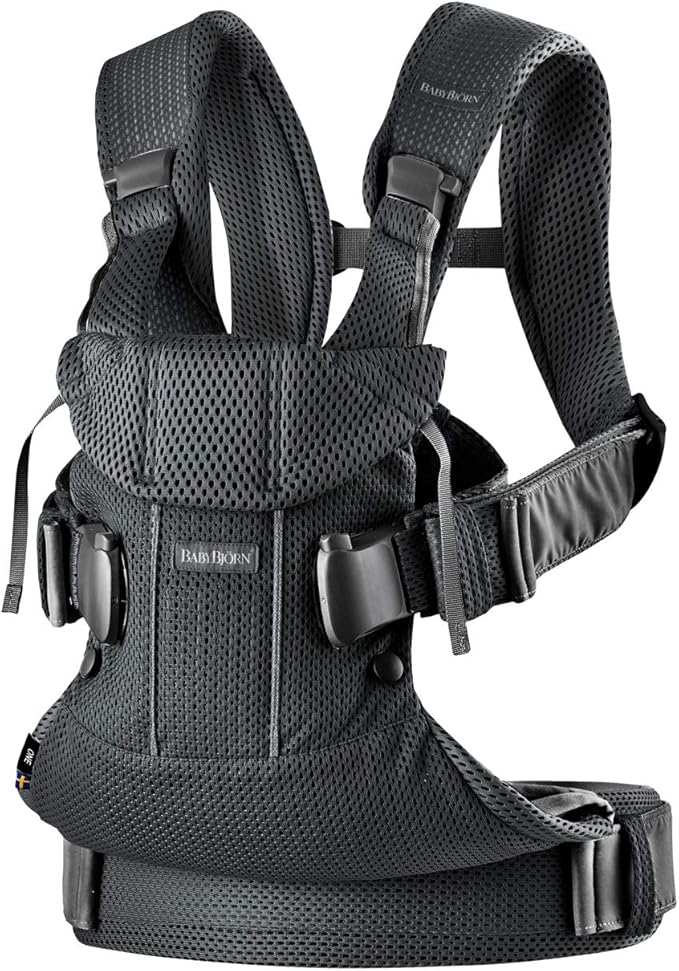
BabyBjorn Carrier One Air
BabyBjörn One Air combines a mesh body with a waist belt and separate newborn and baby seat heights for everyday walks. It starts at 3.5 kg and 53 cm, with back carrying available from 12 months. The seat-height and leg-width zips need resetting as your child grows; outward carrying has a lower 12 kg limit.
Pros
- The mesh body, waist belt and adjustable seat width suit families who want one carrier for front carrying now and back carrying from 12 months.
Cons
- Outward carrying is for approximately 5–15 months, only with independent head control, and stops at 12 kg.
- Rank #8 Our score: 9.67 / 10
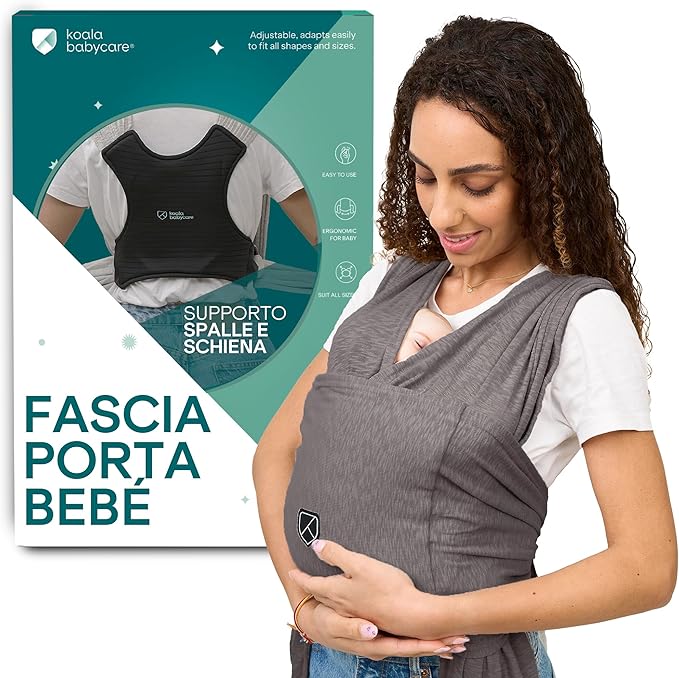
Koala Babycare Baby Wrap
Italian brand
Koala Babycare Baby Wrap suits the early months when a parent wants wrap-like closeness without tying a long fabric panel from scratch each time. Its pre-tied bands, adjustment rings and back panel reduce setup friction, but the 9 kg limit gives it a shorter useful window than a structured carrier.
Pros
- Pre-tied bands and side adjustment rings are quicker to put on and keep off the ground compared with a traditional long wrap.
Cons
- The 9 kg limit makes this primarily an early-stage carrier rather than a long toddler solution.
- Rank #9 Our score: 9.64 / 10
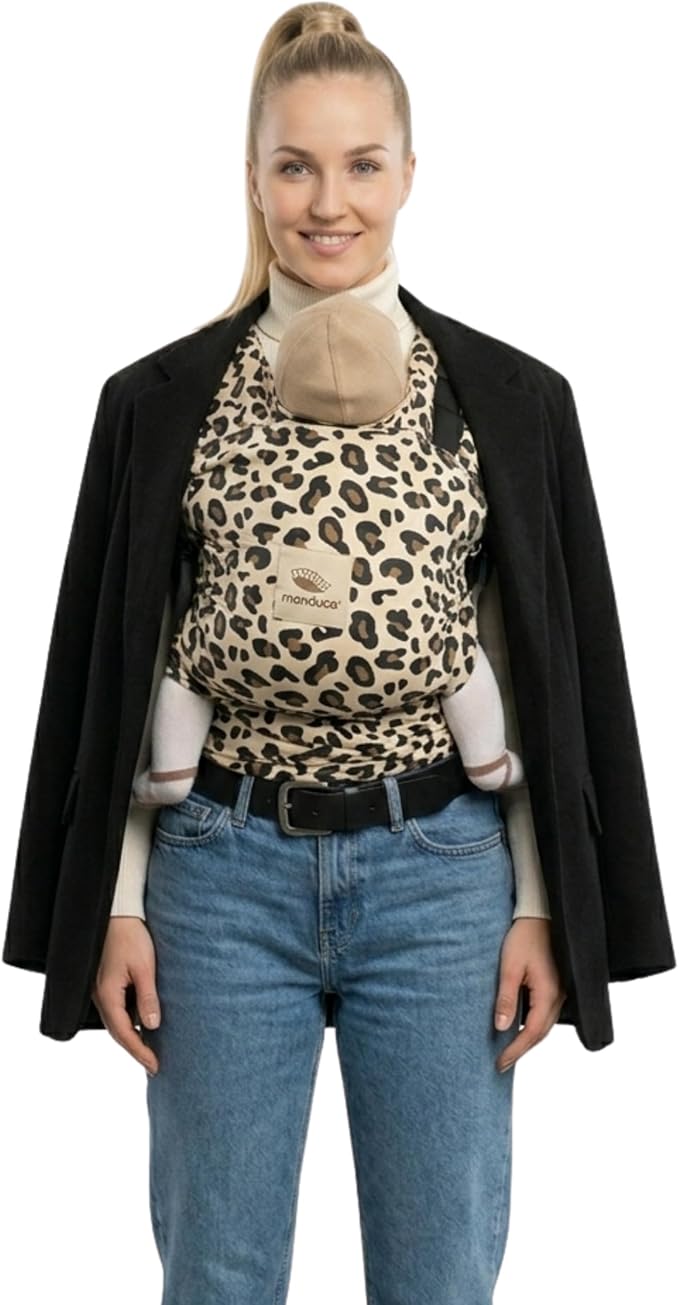
Manduca Sling
Manduca Sling is an elastic wrap for the first months, best when closeness and soft fabric matter more than speed. It is officially tested up to 15 kg, but it is most practical before a heavier baby makes a structured carrier more comfortable.
Pros
- Soft elastic fabric is well matched to close newborn carrying when you are willing to tie a wrap.
Cons
- It takes more practice and time than a buckle carrier.
- Rank #10 Our score: 9.63 / 10
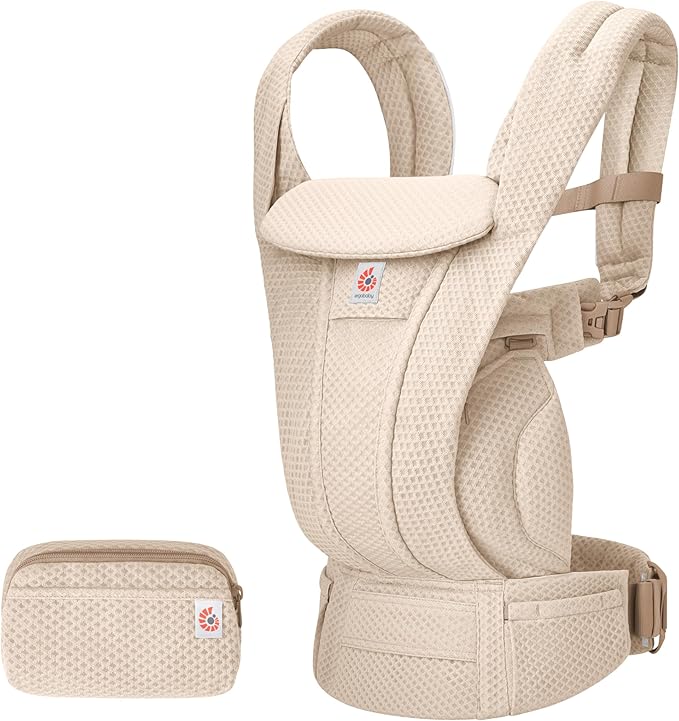
Ergobaby OMNI Deluxe Mesh
Ergobaby Omni Deluxe is a structured carrier with front inward and outward, hip, and back positions. The 20.4 kg overall limit does not apply to every mode: outward-facing carry is limited to 13.6 kg and starts at about 5 months; hip and back carry start at about 6 months and 7.7 kg. Inward-facing carry starts at 3.2 kg and 50.8 cm. Follow the manual for fit, head support, and airway checks.
Pros
- Four carry modes accommodate different caregiver preferences as the child grows.
Cons
- The 20.4 kg overall limit does not apply to outward-facing, hip, or back carry.
- Rank #11 Our score: 9.61 / 10
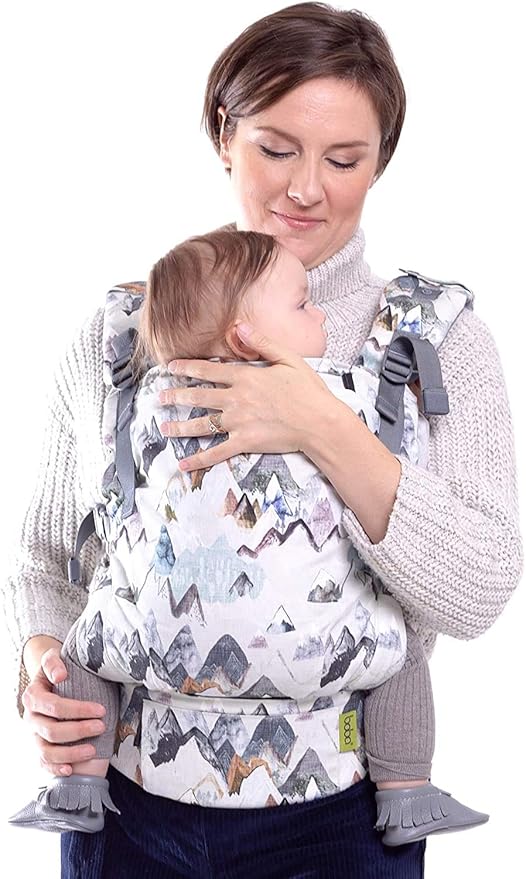
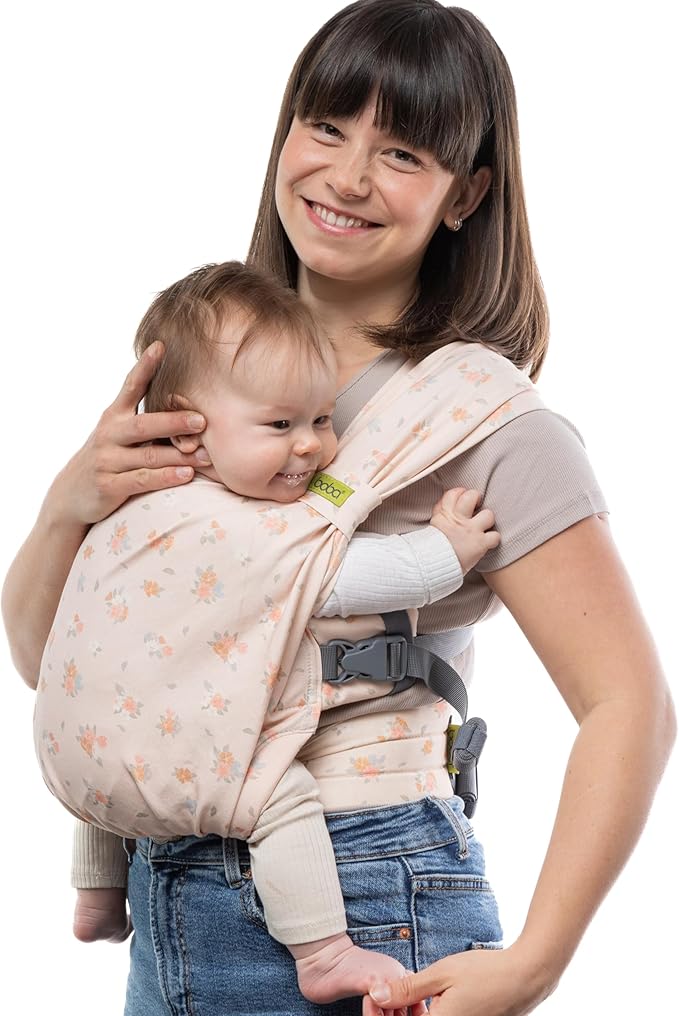
Boba Classic Carrier
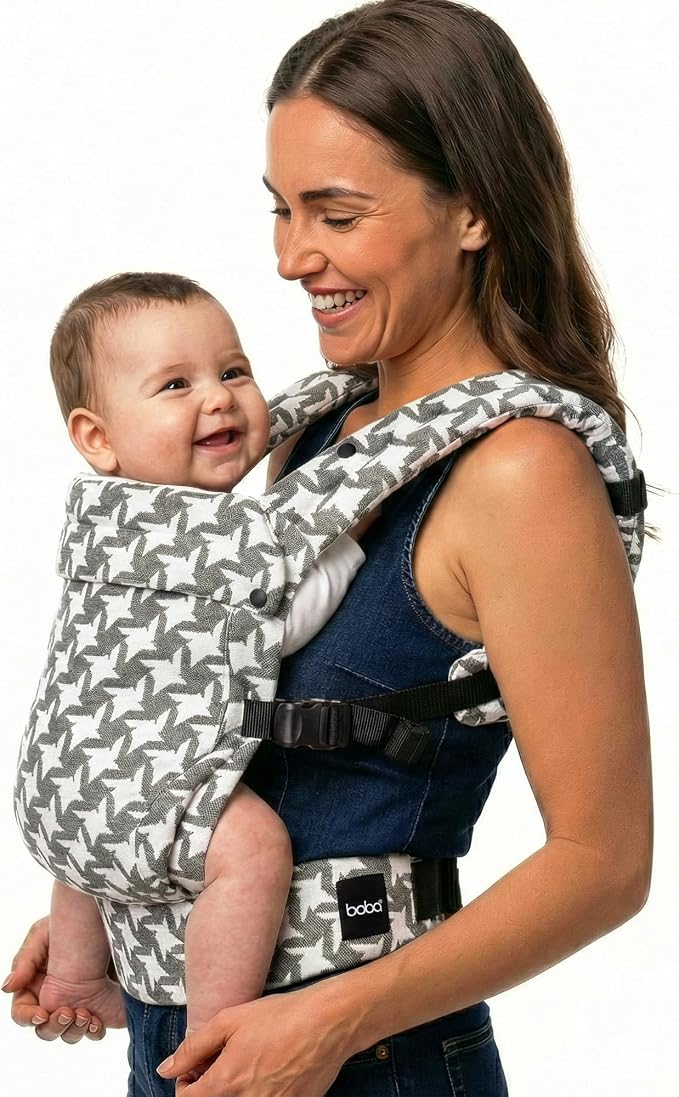
Boba Classic Carrier is a straightforward buckle carrier for families who want newborn insert support plus later front and back carry. It is stronger for longer use than a stretchy wrap, but it is less grab-and-go than the soft newborn-first hybrids.
Pros
- Newborn insert support plus front and back carry gives it a longer useful window than a simple stretchy wrap.
Cons
- It is bulkier and slower to settle than a soft newborn-first hybrid for quick at-home carries.
- Rank #12 Our score: 9.60 / 10
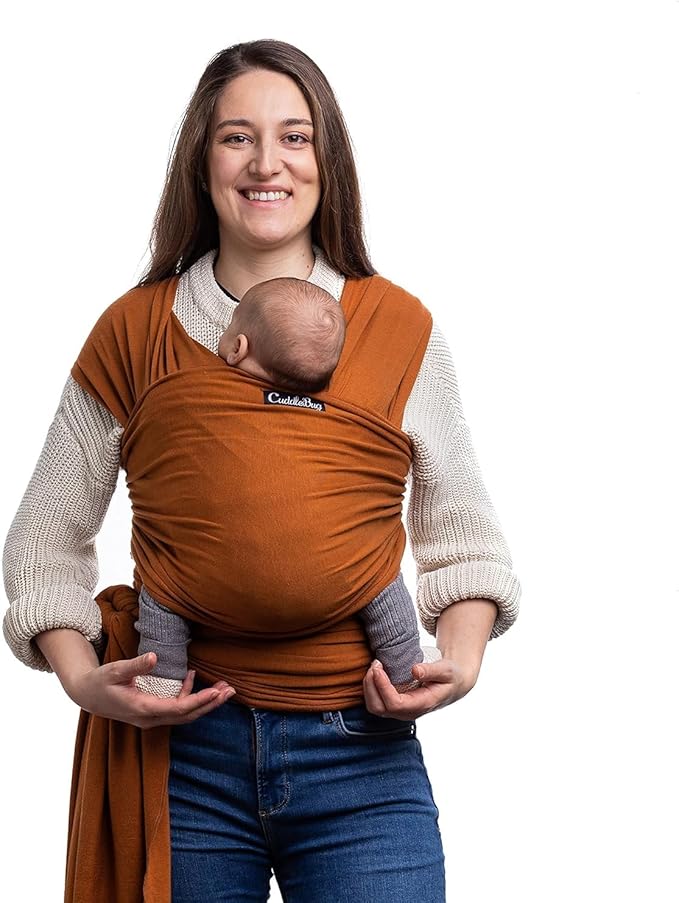
CuddleBug Baby Wrap
CuddleBug Baby Wrap is a long cotton-bouclé and elastane stretch wrap for close carrying. The Italian offer states 3-16 kg, but confirm the limit and permitted ties in the supplied instructions; always keep the face visible, chin clear of chest and fabric evenly spread.
Pros
- The long fabric adjusts across wearer builds without a fixed-size waist belt or shoulder straps.
Cons
- Correct support depends on the tie, and crying, sleep or health promises are not a buying basis.
- Rank #13 Our score: 9.58 / 10
Boba Air
Boba Air is a lightweight carrier with front and back carry, but each position has its own stage limits. Front carry is for 4–24 months and 6.8-20 kg; back carry starts at 6 months and 9 kg, only once the child has full head and neck control and can sit independently. Check those developmental conditions, not weight alone, before switching positions.
Pros
- Front and back options accommodate different carrying preferences as the child grows.
Cons
- The child must meet developmental conditions before back carry, including sitting independently.
- Rank #14 Our score: 9.54 / 10
Moby Classic Wrap
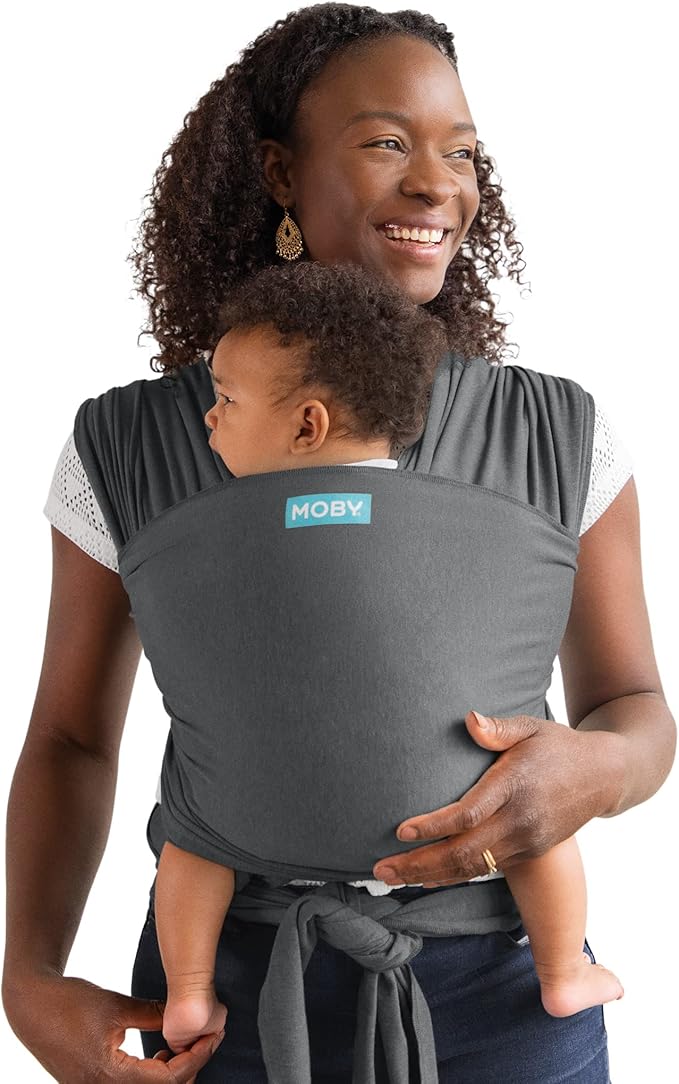
Moby Classic Wrap is for parents who want a soft, close front carry and do not mind practicing the wrap routine. It is strongest in the newborn and early-baby window; the practical tradeoff is tying time and less quick access than a buckle carrier.
Pros
- Soft wrap fabric gives the close front-carry feel many parents want in the newborn stage.
Cons
- Tying time makes it less convenient for quick errands or frequent in-and-out use.
- Rank #15 Our score: 9.52 / 10
KeaBabies D-Lite Wrap Carrier
KeaBabies D-Lite is a soft wrap carrier for newborns through toddlers, with a stated range of 3.2-20 kg. The fabric wrap spreads across the caregiver's shoulders and waist, but the child still needs the fit and support described by the maker. Follow the wrap instructions for each use, especially when carrying a newborn; keep the face visible and airway clear.
Pros
- The stated 3.2-20 kg range extends from newborn through toddler stages.
Cons
- A wrap needs correct tying and fit checks at every use.
Local ratings context
If the local Amazon listing has less review depth, this may help: while reviewing this product, we found more rating context on Amazon US. The shortlist also weighs product fit, brand track record, and broader research; when buying, we recommend using your local Amazon store. View Amazon US listing
- Rank #16 Our score: 9.52 / 10
MoMi COLLET
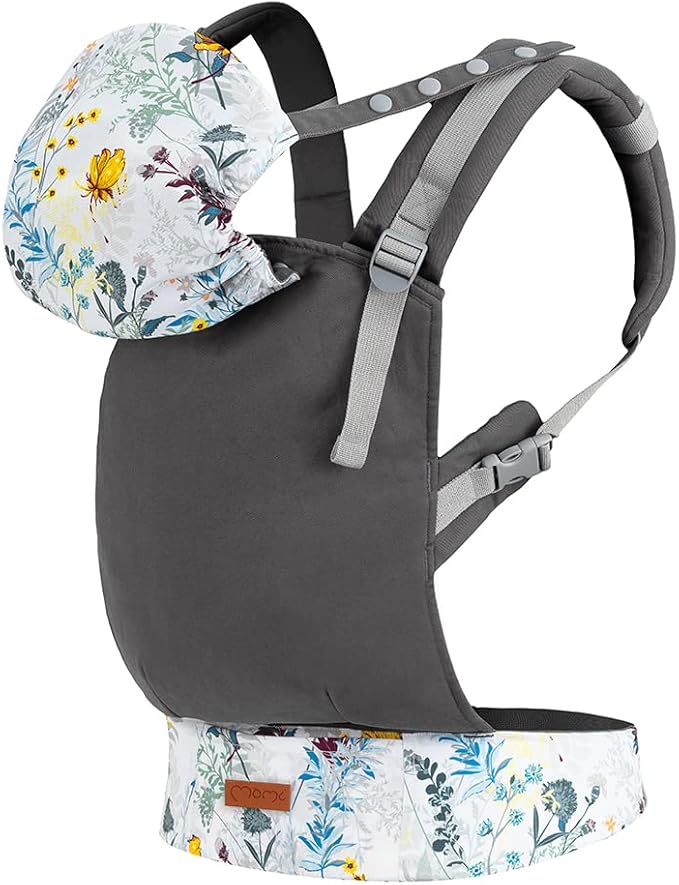
MoMi COLLET combines six adjustment points, a wide waist belt and a detachable hood for walks from 3 months and 56 cm. The current manual limits carrying to 15 kg and back carrying to at least 12 months; older 20 kg and 6-month claims should not extend those limits.
Pros
- Six adjustment points let you fit the shoulder straps, waist belt and head-support panel separately.
Cons
- Not suitable from birth: the manual requires at least 3 months and 56 cm.
- Rank #17 Our score: 9.52 / 10
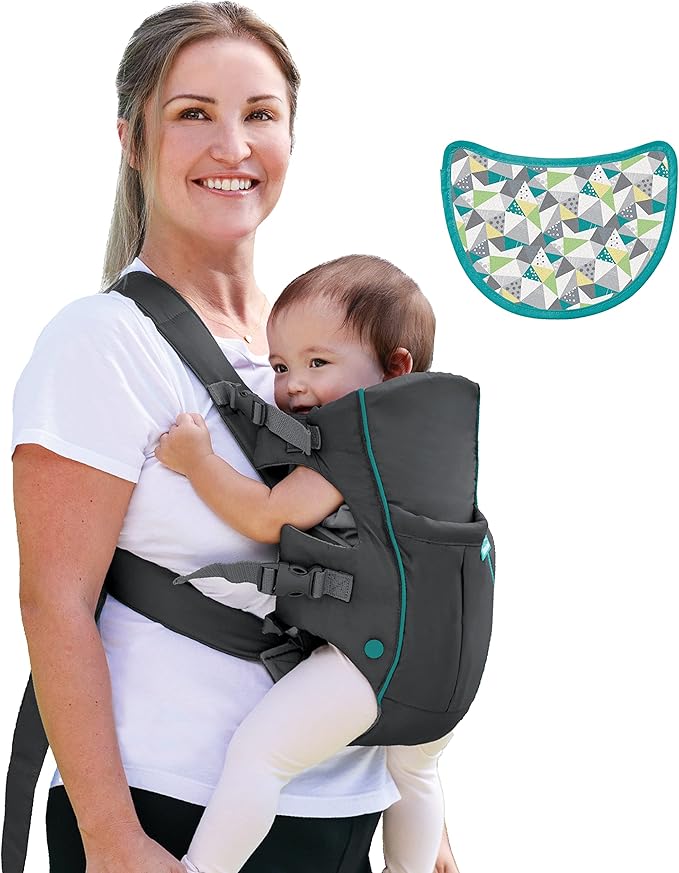
Infantino Swift Classic Carrier
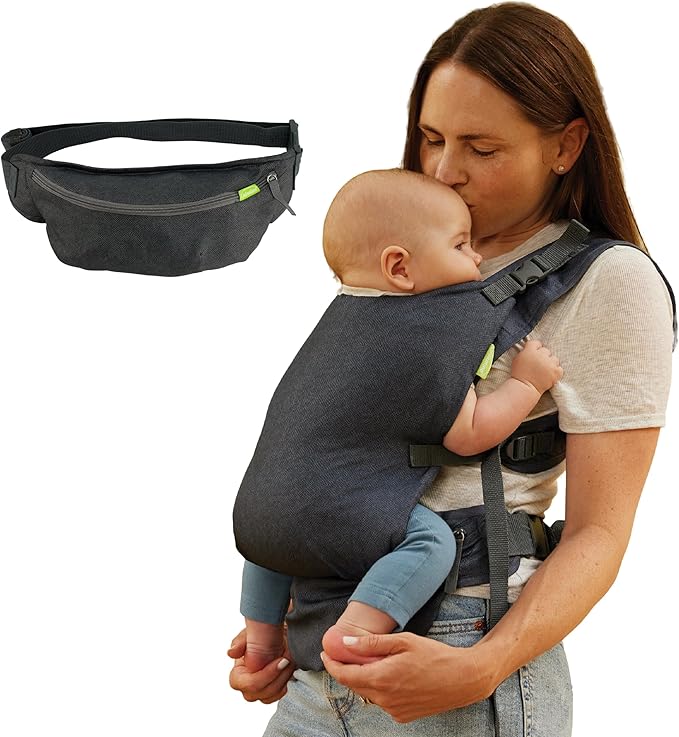
The Infantino Swift Classic packs into a bag for outings alongside the stroller, with front buckles, a pocket and a removable bib. The black version supports 3.6-11.3 kg; the grey supports 3.2-11.8 kg. Both offer front carrying only, with outward facing allowed once your baby holds their head upright independently. There is no later back-carry stage.
Pros
- The compact pouch-style design packs into a bag for use alongside a stroller.
Cons
- There is no back-carry position for the next stage.
Local ratings context
If the local Amazon listing has less review depth, this may help: while reviewing this product, we found more rating context on Amazon UK. The shortlist also weighs product fit, brand track record, and broader research; when buying, we recommend using your local Amazon store. View Amazon UK listing
- Rank #18 Our score: 9.47 / 10
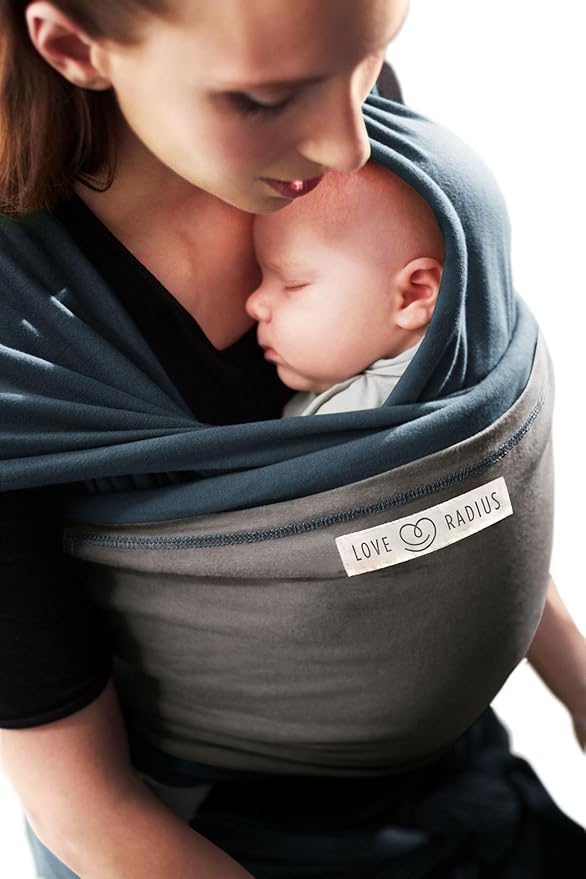
Love Radius JPMBB Original Baby Wrap
A long stretchy wrap for parents who want close newborn carrying from 3.5 kg and the option to pre-tie one knot before placing the baby. The 4.9 m fabric also supports side and later back carries as skills grow; it weighs about 1 kg, runs warmer and bulkier than a light wrap, and still requires careful tension and airway checks.
Pros
- The pre-tied basic knot lets parents take the baby out and put them back without rebuilding the wrap each time.
Cons
- At about 1 kg with 4.9 m of fabric, it is bulky and can feel warm; correct wrapping technique remains essential.
- Rank #19 Our score: 9.44 / 10
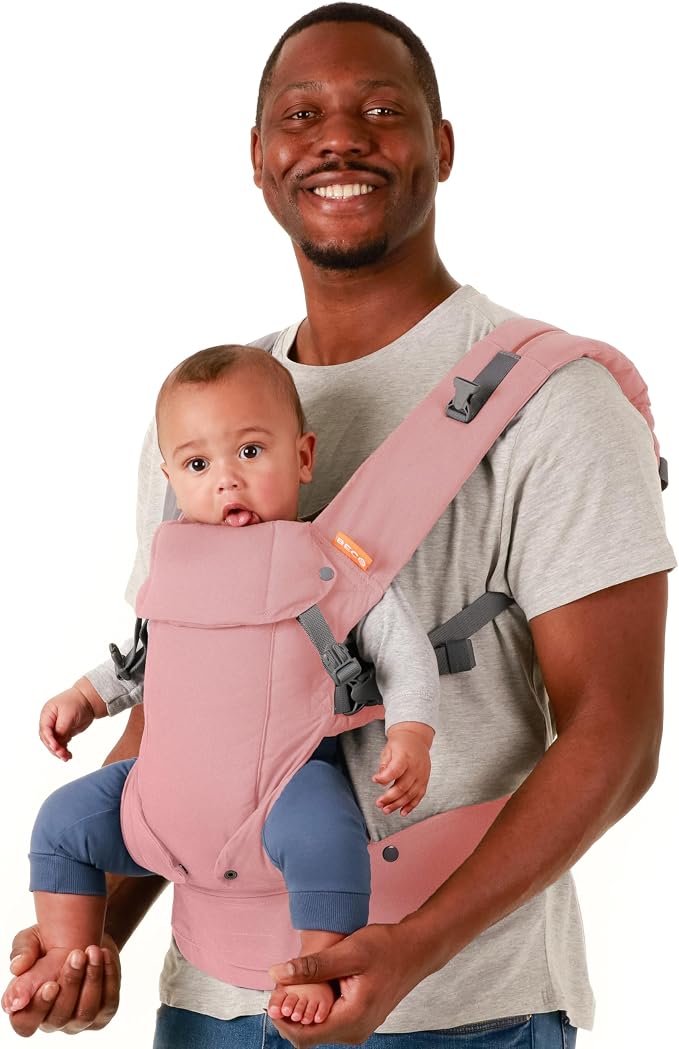
Beco Gemini
A structured carrier with an adjustable seat; follow the model manual for position-specific conditions.
Beco Gemini is a structured carrier with an adjustable seat and several carry positions. Follow the manual’s age, head-control and sitting conditions before using outward, hip or back carry; weight range alone does not select a position.
Pros
- The adjustable seat and several carry positions extend use beyond inward front carry.
Cons
- Carry positions have separate age and developmental requirements; weight range alone is not enough.
- Rank #20 Our score: 9.43 / 10
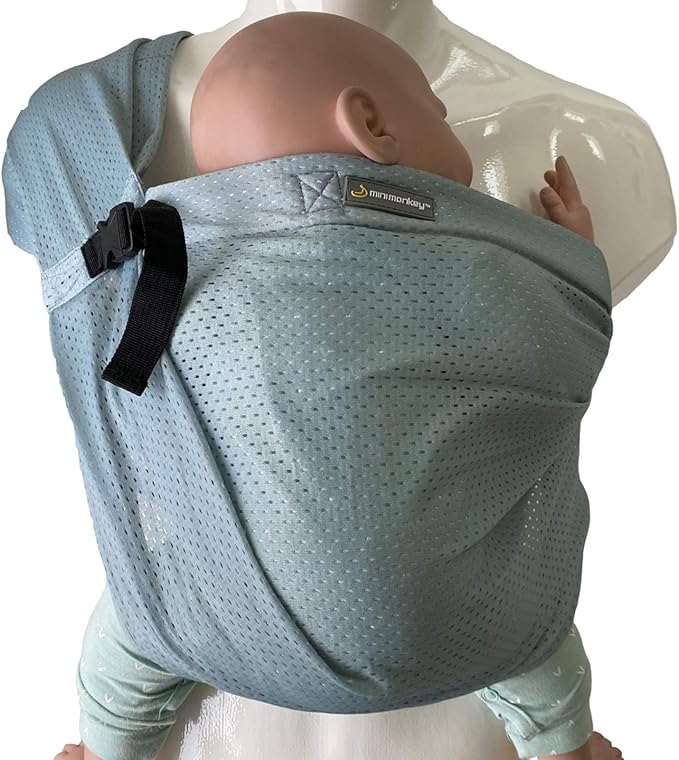
Bandolera Minimonkey Portabebé Ergonómica Transpirable Mochila
Best: Ringless sling
MiniMonkey Mini Sling is a compact, single-shoulder sling adjusted with a back strap and clip, not rings or wrap ties. The maker supports front carries from birth and hip carrying as a baby grows. Its product page reports a successful 18 kg retest but retains an older 15 kg statement, so check the current limit in the instructions and offer. For newborn use, keep the baby high and snug with the head and back supported and face clear.
Pros
- The back strap and clip adjust the sling without rings or wrap ties.
Cons
- The maker page contains an older 15 kg statement and a newer 18 kg retest; check the current limit in the instructions.
- Rank #21 Our score: 9.42 / 10
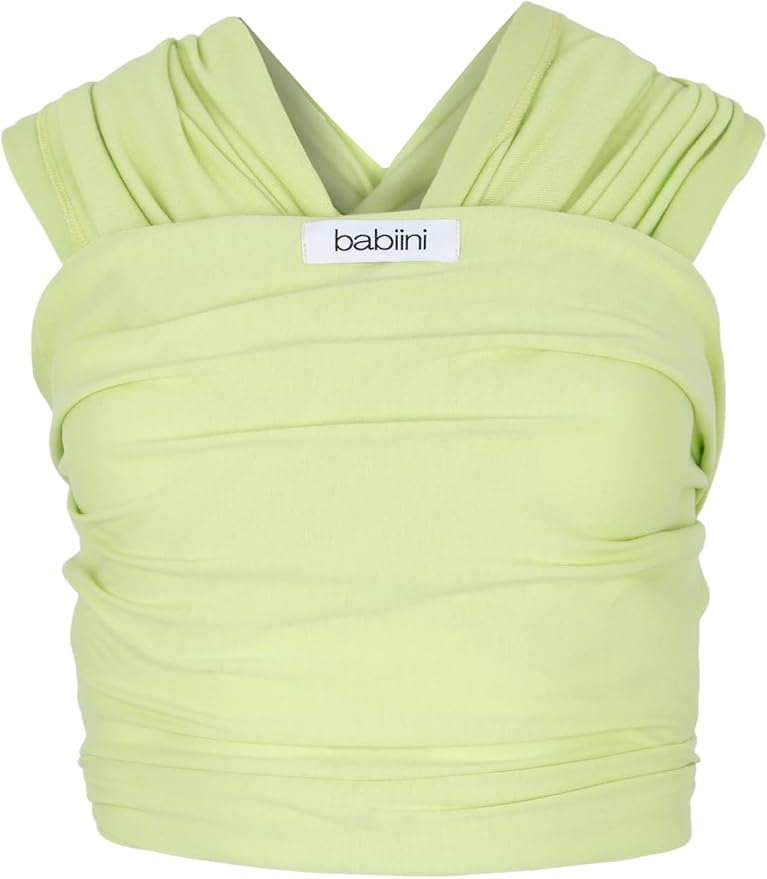
Babiini Stretch Wrap Carrier
Babiini Stretch Wrap Carrier is a polyester-and-spandex stretch wrap with a stated 3.2-12 kg range. It adapts without rigid buckles, but support and airway position depend on the tie; verify the supplied instructions, visible face, chin clear of chest, stable seat and evenly spread fabric.
Pros
- The adjustable stretch fabric distributes support without a fixed-size waist belt or shoulder straps.
Cons
- With no manufacturer manual found, permitted ties, newborn use and the real limit need checking on the received product.
- Rank #22 Our score: 9.42 / 10
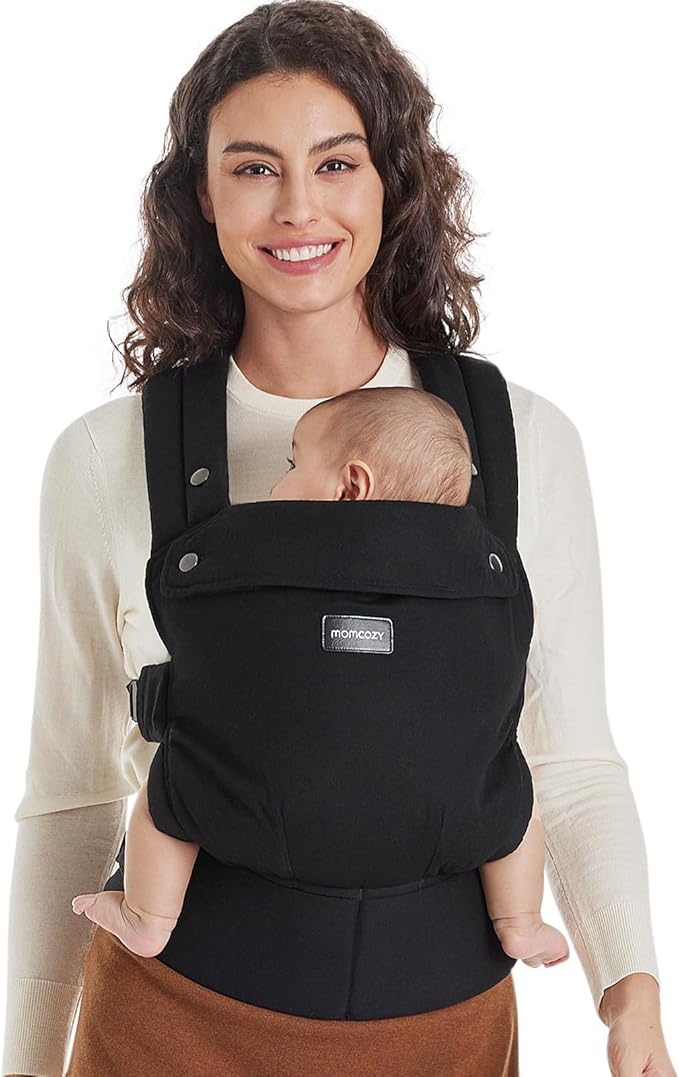
Momcozy Baby Carrier
Momcozy PureHug is a front-inward structured carrier for babies from about three months, with an X-shaped back, EVA lumbar panel and an adjustable 3.2-20 kg seat. It suits errands and shorter walks when fast setup matters; choose another carrier for newborn-first or back-carry use.
Pros
- The X-shaped straps and EVA lumbar panel spread load across the back and waist during everyday front carry.
Cons
- Momcozy starts this model at about three months, so the low weight number alone does not make it a newborn carrier.
- Rank #23 Our score: 9.42 / 10
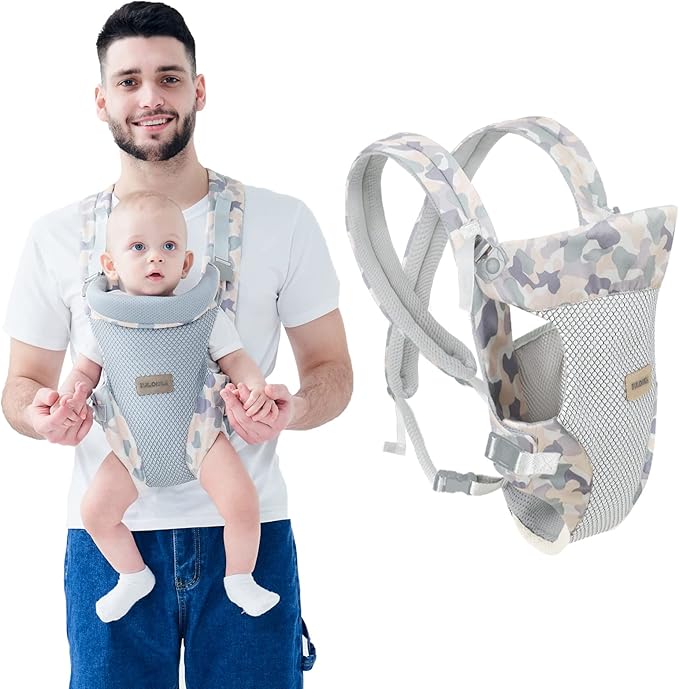
IULONEE Newborn Baby Carrier
IULONEE Newborn Baby Carrier is a low-cost soft carrier for short early-stage carries when parents want more structure than a wrap. The important checks are weight range, airway visibility, head support and how the current listing explains newborn positioning.
Pros
- Structured straps make it easier to compare against wraps for quick short carries.
Cons
- Newborn claims are listing-led, so check fit and instructions carefully before use.
- Rank #24 Our score: 9.39 / 10
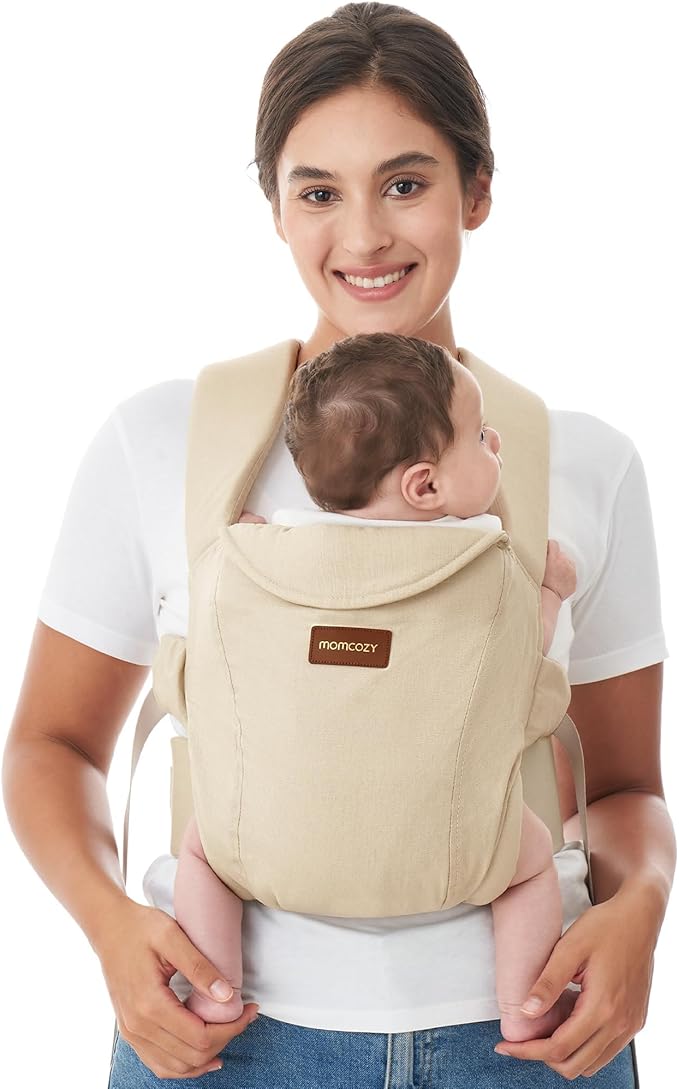
Momcozy WeeSnug Newborn Carrier
Momcozy WeeSnug Newborn Carrier is a cotton structured carrier for the early stage, with a waist belt, crossed shoulder straps and adjustable head-and-neck support. Its stated range is 3.2-11.3 kg; always verify a close but uncompressed fit, visible face, chin clear of chest and a panel that does not cover the airway.
Pros
- The adjustment scale, foldable head-and-neck panel and buckle structure make fit checks more visible than on a long tied wrap.
Cons
- The 3.2-11.3 kg stage is short, and newborn wording never replaces continuous airway, trunk-support and hip-position checks.
- Rank #25 Our score: 9.37 / 10
Momcozy Move2Fit Hip Seat Carrier
Momcozy Move2Fit combines a structured carrier with a removable hip seat for days full of repeated pick-ups. It makes sense when the seat genuinely reduces strain during short carries; for longer walks, check its bulk, adjustment range and support before buying.
Pros
- The removable hip seat helps with frequent switches between walking and carrying.
Cons
- The seat and waist structure make it bulkier than a simple soft carrier.
Local ratings context
If the local Amazon listing has less review depth, this may help: while reviewing this product, we found more rating context on Amazon Germany. The shortlist also weighs product fit, brand track record, and broader research; when buying, we recommend using your local Amazon store. View Amazon Germany listing
- Rank #26 Our score: 9.36 / 10
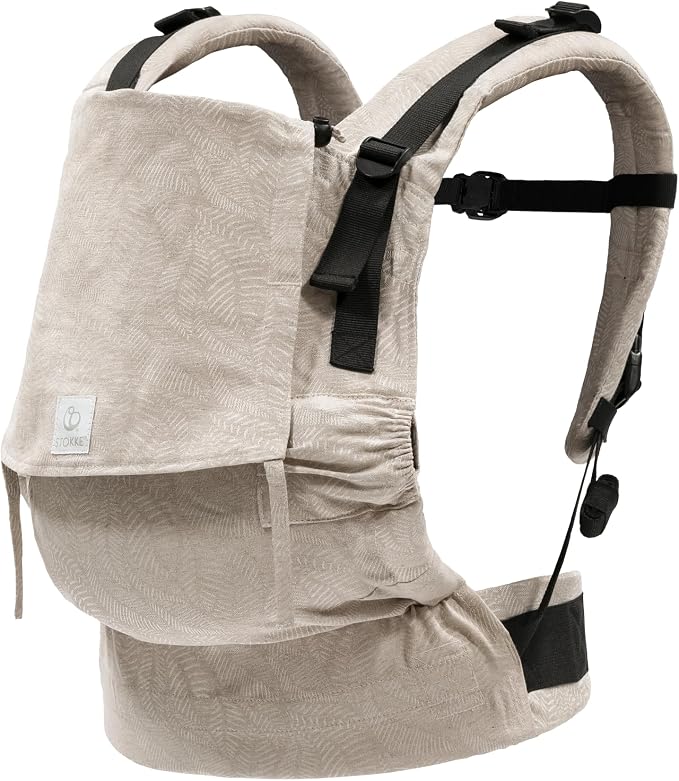
Stokke Limas Flex Carrier
Stokke Limas Flex is a buckle carrier for children from 4-20 kg, with front and back carrying options. Its broad stated range can cover more than one stage, but the 4 kg minimum and the child's fit still matter; weight alone does not confirm newborn readiness. The Flex-specific instructions explain how to set up each carry mode. Check them before choosing front or back carry.
Pros
- The 4-20 kg range supports use across multiple stages.
Cons
- The 4 kg minimum does not by itself establish newborn fit.
- Rank #27 Our score: 9.35 / 10
Boba Bliss
Boba Bliss combines wrap-like stretch with a three-buckle setup for inward-facing front carry from birth. Compare it when tying a long wrap feels like too much; choose a structured carrier if back carry or firmer load support matters more.
Pros
- Three buckles make the wrap-like carrier quicker to put on than a long tie wrap.
Cons
- Designed for inward-facing front carry only, so it does not cover back carrying.
- Rank #28 Our score: 9.35 / 10
Jané Dual
Jané Dual suits families who want a fully opening front panel and crossed shoulder straps for inward carrying from 3.5 kg. Its 15 kg ceiling and back-carry start at 12 months make later use more limited than the three-position label suggests. Babies under 4.5 kg need the leg-opening adjustment tightened to fit.
Pros
- The front opens fully, so the baby can be placed and removed without lifting through a closed panel.
Cons
- Back carrying starts at 12 months, and Jané recommends only short periods in positions other than inward-facing.
- Rank #29 Our score: 9.33 / 10
Boba Auri
A structured carrier whose official manual sets an inward-facing period and airway checks.
Boba Auri is a structured carrier with a 3.2-20 kg range. The official manual says to carry inward until the child can hold their head upright and to keep the mouth and nose unobstructed while monitoring the child. Pied de Poule identifies the Italian offer variant.
Pros
- The official manual provides a clear 3.2-20 kg range and specific carry guidance.
Cons
- The child must remain inward-facing until able to hold their head upright; airway checks remain essential.
- Rank #30 Our score: 9.33 / 10
Boba Buddy Toddler Side Sling
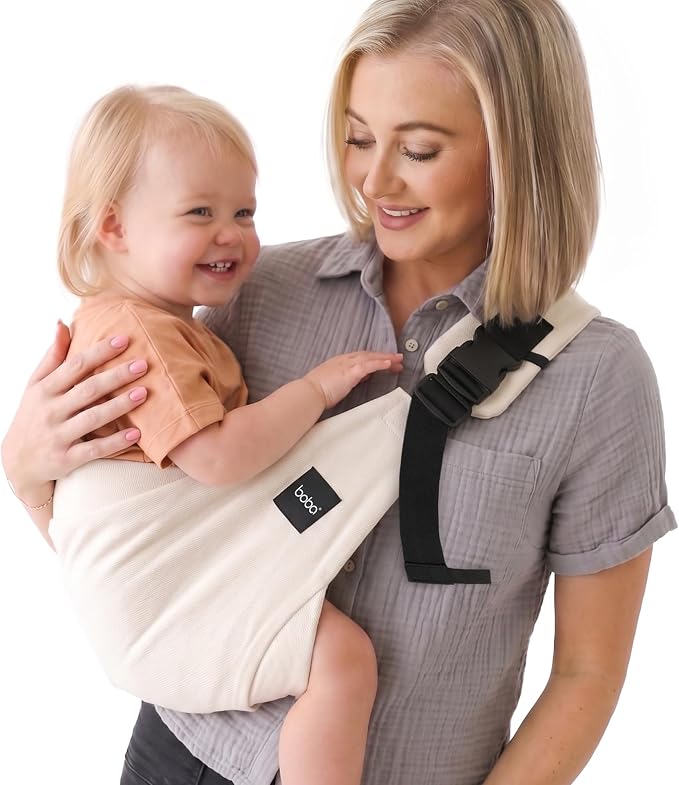
A compact side sling for quick ups and downs with a 9-48 month toddler who already has stable trunk control. The buckle and padded shoulder make it faster than tying a wrap and it packs into its own bag; all weight sits asymmetrically on one shoulder, so it suits short carries rather than long hands-free walks.
Pros
- The buckle setup is quick for toddlers who repeatedly want to walk and be carried.
Cons
- One-shoulder loading is less suitable for prolonged carries, and this is not a newborn carrier.
- Rank #31 Our score: 9.33 / 10
Boppy Adjust Comfyfit
Boppy Adjust Comfyfit suits parents who want a hybrid carrier that feels softer than a full buckle carrier but is quicker than a wrap. The adjustable arms and tie panel help caregiver sharing; check fit carefully for small babies.
Pros
- Hybrid wrap-plus-belt setup gives softer newborn closeness without a separate infant insert.
Cons
- The 3.6-15.9 kg range and under-4-month airway warnings make careful fit checks part of the purchase, not an afterthought.
- Rank #32 Our score: 9.33 / 10
Boppy ComfyFit Evolution
Boppy ComfyFit Evolution combines a waist buckle with broad shoulder fabric that wraps and ties, giving a closer, softer feel than a fully structured carrier. Chicco Poland lists three front positions; its model manual gives a 3.5-15 kg range. It may suit parents who want a hybrid between a wrap and a buckle carrier, but plan to follow the exact tying and head-support steps.
Pros
- A hybrid wrap-and-buckle design with three front positions and a 3.5-15 kg manual range.
Cons
- The shoulder fabric must be wrapped and tied correctly; it is not a quick on-and-off, fully buckled carrier.
- Rank #33 Our score: 9.33 / 10
Infantino Fold & Go 2-in-1 Carrier
Infantino Fold & Go 2-in-1 Carrier is a packable structured option for babies past the newborn stage. It folds into its waist belt and covers inward front plus back carry, so it works better as a travel spare than as a plush all-day carrier.
Pros
- Folds into its waist belt, so it is easier to justify as a bag-ready backup.
Cons
- The 5.4 kg starting point means it misses the newborn stage.
- Rank #34 Our score: 9.33 / 10
Lionelo Margareet
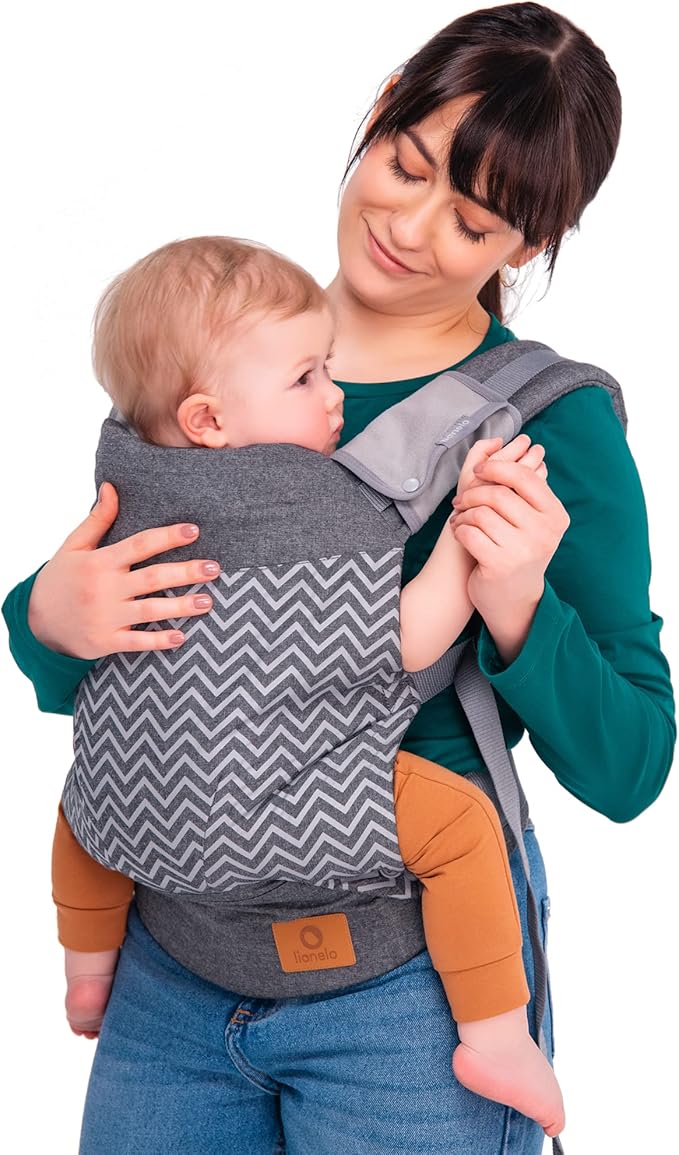
Margareet has an adjustable-width cotton panel, a hood and removable strap pads. Front-inward carry starts at 4 months and 5.5 kg; back carry needs 6 months, 7.8 kg and independent sitting. Check both age and development before choosing a position.
Pros
- The panel width adjusts between carrying positions; the cotton strap pads detach for washing.
Cons
- It is not a newborn carrier. Each position has its own minimum age, weight and developmental requirements.
- Rank #35 Our score: 9.33 / 10
Manduca First
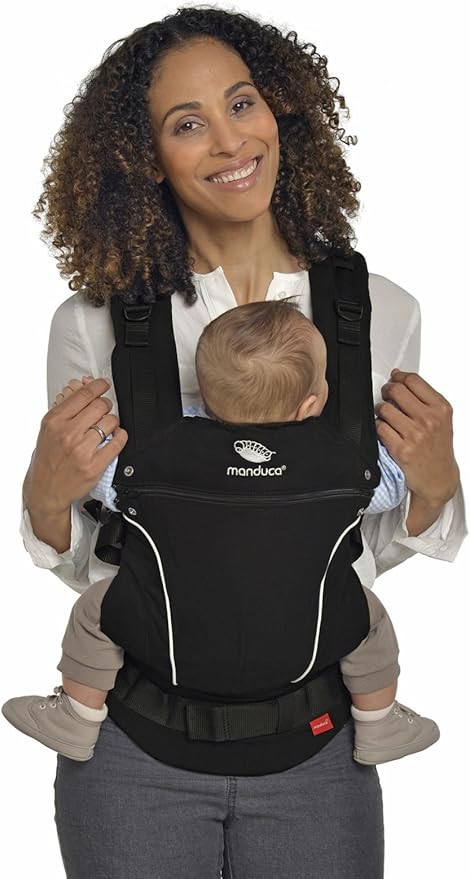
Manduca First is a classic structured carrier for parents who want one carrier from newborn insert use into later front, hip, and back carry. It is a more substantial setup than a wrap, so it favors support and range over quick pocket-sized packing.
Pros
- Newborn insert use plus front, hip, and back carry gives it a broader timeline than wrap-only carriers.
Cons
- It is more substantial to wear and pack than a wrap or newborn-only soft carrier.
- Rank #36 Our score: 9.33 / 10
Tula marsupio Standard
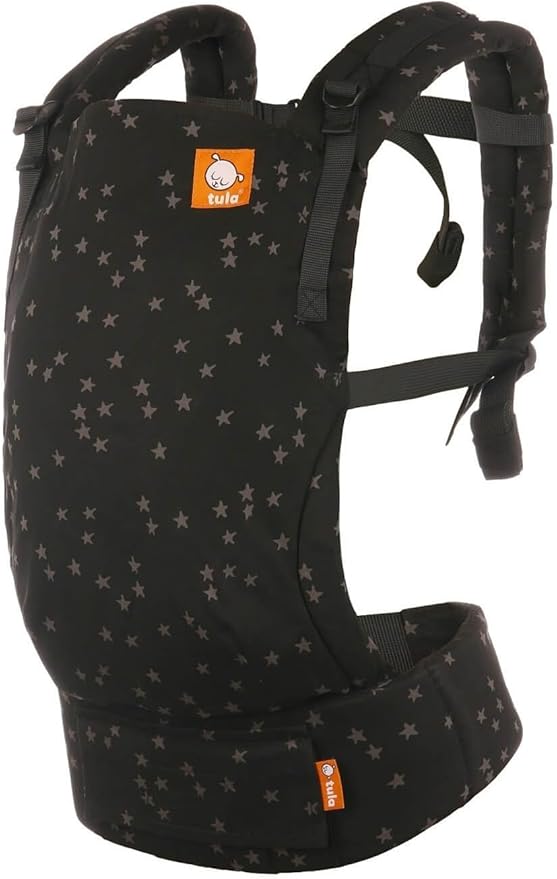
Tula Standard Baby Carrier is a daily buckle carrier for babies who already fit the standard panel, with an infant insert needed below the main 6.8 kg range. It is a better fit for simple front and back carry than for parents wanting newborn-ready adjustability built in.
Pros
- Straightforward front and back carry make it a clean daily buckle carrier once the baby fits the standard panel.
Cons
- Babies under 6.8 kg need the separate infant insert, so it is not the simplest newborn-ready Tula.