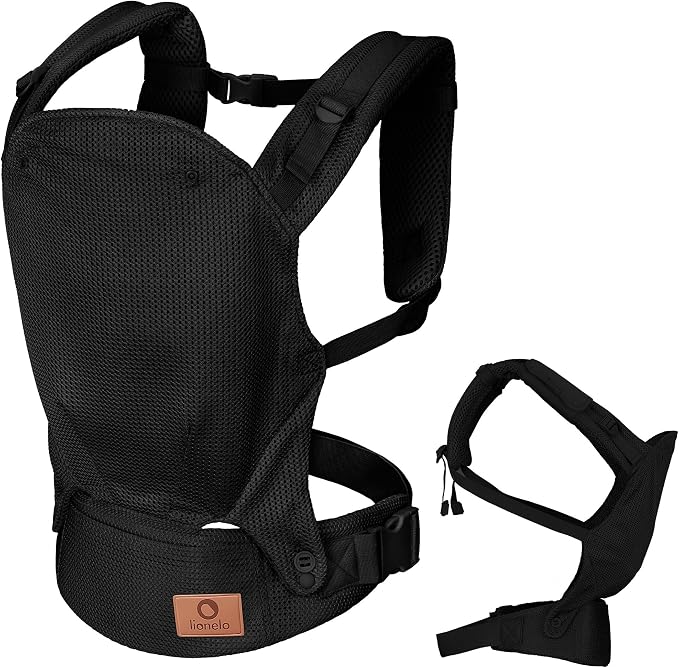
Best Baby Carriers in Sweden 2026
Looking for the best baby carrier in Sweden? Start with the right type first: soft structured carrier, wrap, or ring sling. Then narrow by newborn use, back carrying, travel, or warmer-weather comfort so the shortlist stays focused on the products that still suit your own carrying routine.
Why are scores between 9 and 10?
This is a curated shortlist of strong picks, not a full best-to-worst ranking. Small score gaps usually mean we have slightly more evidence for one model than another, not that the lower-scoring option is a poor choice.
So this is just another affiliate roundup with an arbitrary order?
No. We make these lists good enough that we use them ourselves and recommend them to friends and family. We turn the kind of research careful parents would normally do by hand into a repeatable process. Then we compare the evidence across the markets we cover and rank products with a model that gives more weight to stronger signals instead of simple averages or a fully hand-picked order based purely on editorial preference.
Affiliate Disclosure
We use affiliate links and ads to finance this website. As an Amazon Associate I earn from qualifying purchases.


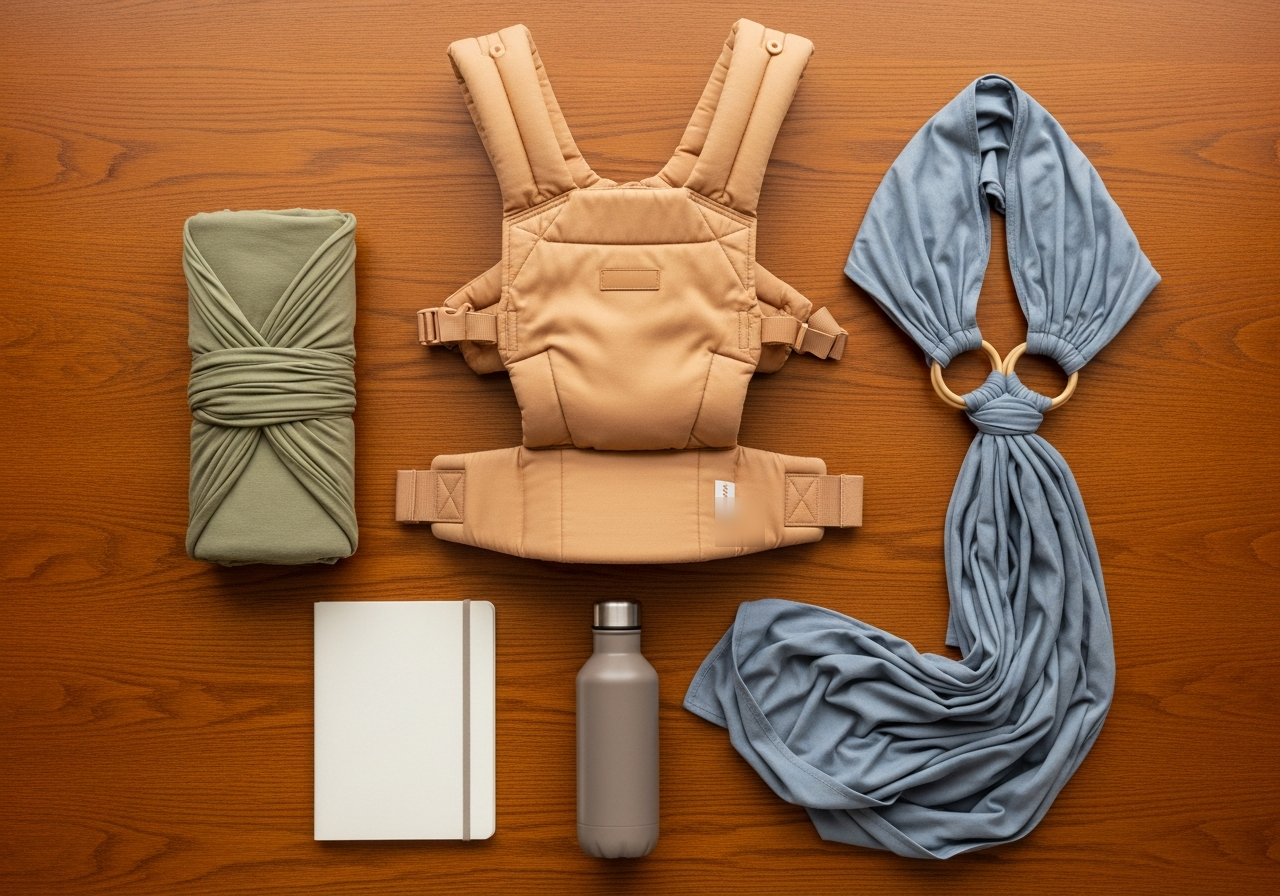
- Rank #1 Our score: 9.77 / 10
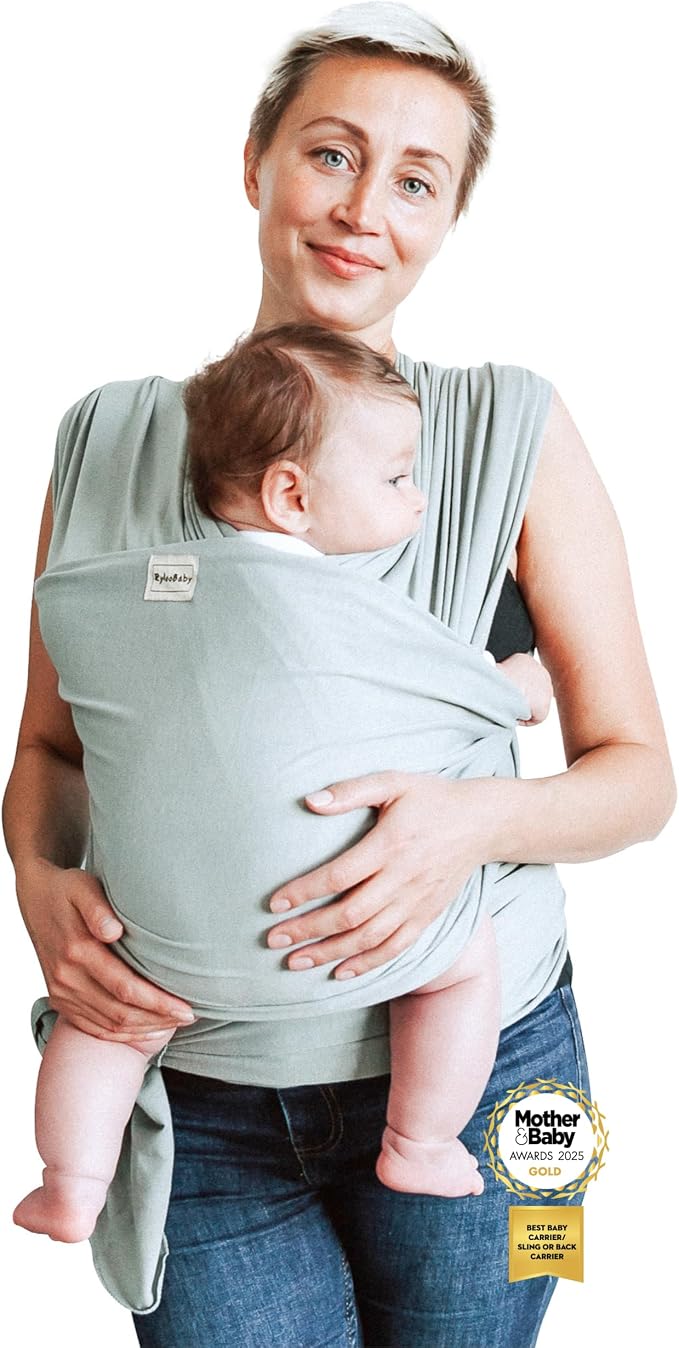
RYLOOBABY Baby Sling Wrap
Best: Wrap
RYLOOBABY uses roughly 5 m of cotton-spandex fabric for a wrap you can tie before putting your baby in. It suits early front carrying from 3.2 kg; the brand says it works best up to 9.1 kg despite the higher 15.9 kg limit. Learning the three-layer tie is the main commitment.
Pros
- The wrap can stay tied when you lift the baby out, so each short break need not mean starting again.
Cons
- The brand recommends it mainly up to 9.1 kg; the 15.9 kg limit is not a promise of equal suitability as your child grows.
Local ratings context
If the local Amazon listing has less review depth, this may help: while reviewing this product, we found more rating context on Amazon UK. The shortlist also weighs product fit, brand track record, and broader research; when buying, we recommend using your local Amazon store. View Amazon UK listing
- Rank #2 Our score: 9.74 / 10
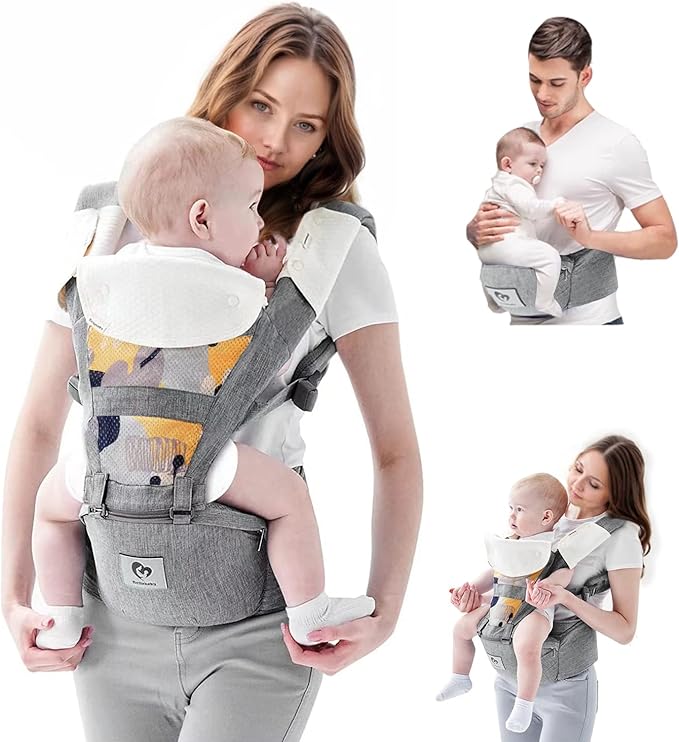
Bellababy All-in-One Carrier
Bellababy All-in-One combines padded shoulder straps and a buckled panel with a firm hip-seat base. Our recommendation is for the fully assembled carrier, facing inward, once the child sits independently and has steady head control: at least three months and 3.2-15 kg. This deliberately narrower range does not resolve the conflicting published limits. The projecting seat adds bulk, and the soft upper panel does not provide head support.
Pros
- The assembled panel and shoulder straps distribute carrying support beyond the projecting waist seat.
Cons
- The firm seat projects farther from the waist and packs less flat than an all-fabric carrier.
Local ratings context
If the local Amazon listing has less review depth, this may help: while reviewing this product, we found more rating context on Amazon UK. The shortlist also weighs product fit, brand track record, and broader research; when buying, we recommend using your local Amazon store. View Amazon UK listing
- Rank #3 Our score: 9.69 / 10
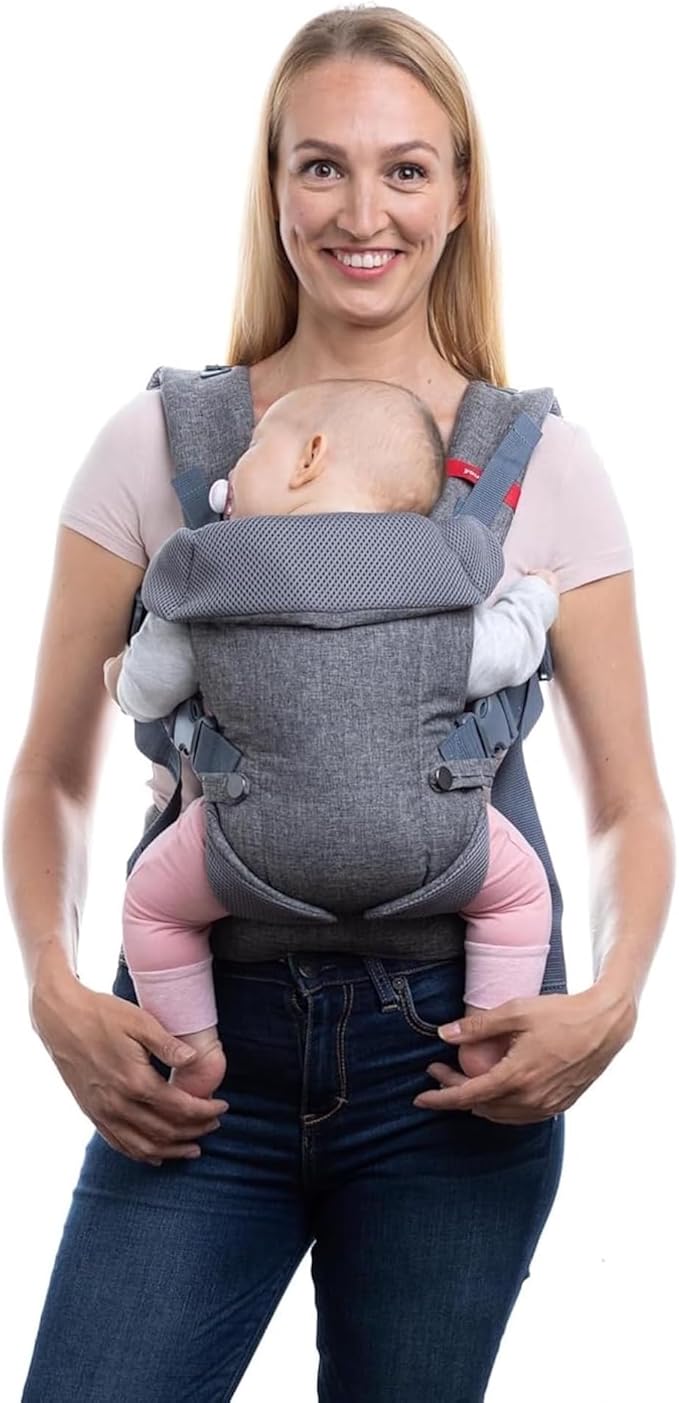
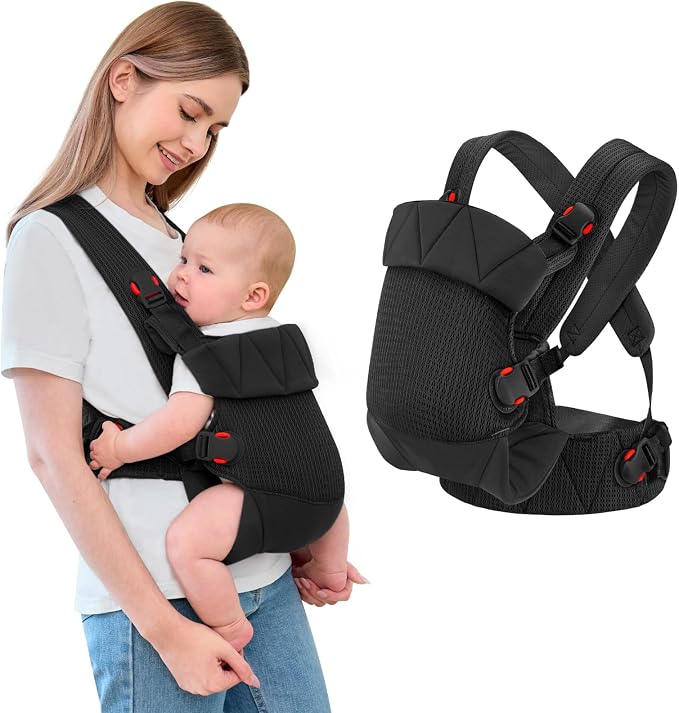
You+ME 4-in-1 Mesh Baby Carrier
Best: Back Carry
You+ME 4-in-1 Mesh Baby Carrier suits families who want an adjustable buckle carrier that can change from inward-facing carry to later outward or back positions. The maker gives an overall range of 0–18 months and 3.6-14.5 kg, but each position has its own limits. Use the narrow seat inward-facing at 3.6-6.8 kg, then the wide seat inward-facing at 6.8-14.5 kg. Fasten the leg-opening straps at 3.6-5 kg. Outward and back carry are for children from six months who have full head and neck control, and another adult should help place a child in back carry. Each position needs its own seat and strap setup; keep the face visible, airway clear and chin away from the chest.
Pros
- The adjustable narrow and wide seat settings support different inward-carry weight ranges as the child grows.
Cons
- The position limits are not interchangeable: outward-facing and back carry are for children from six months who have full head and neck control.
- Rank #4 Our score: 9.69 / 10
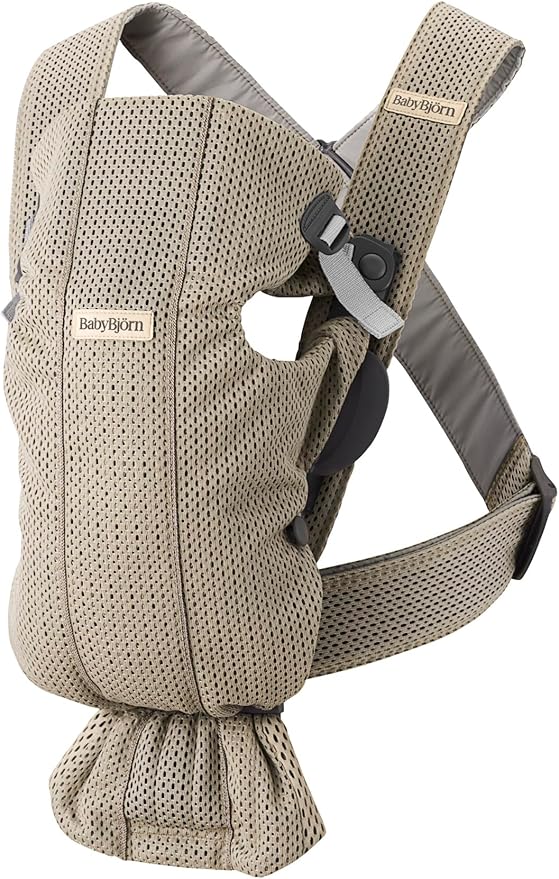
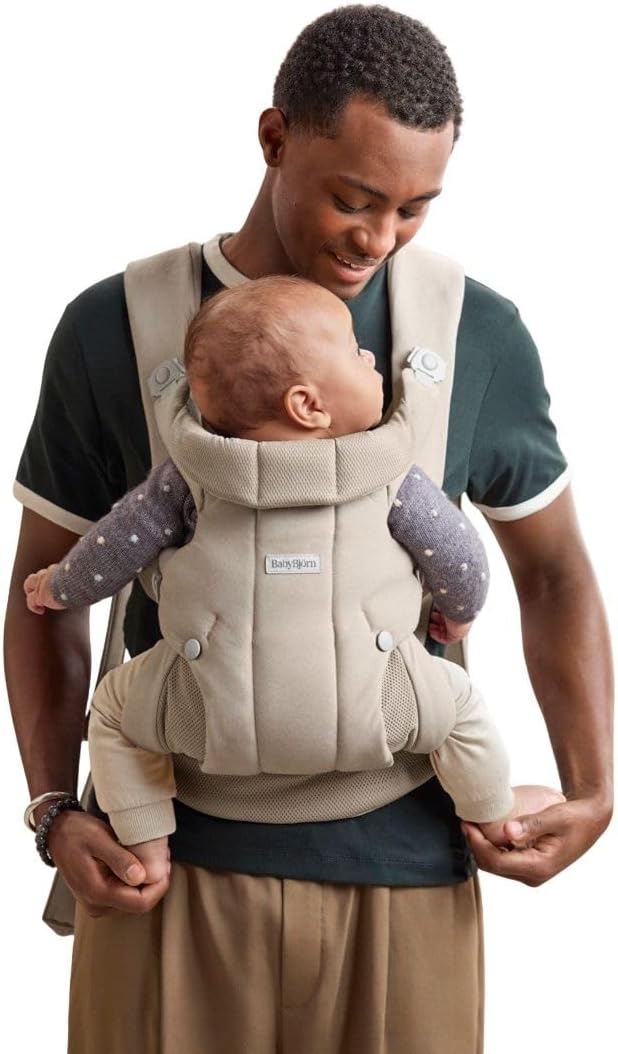
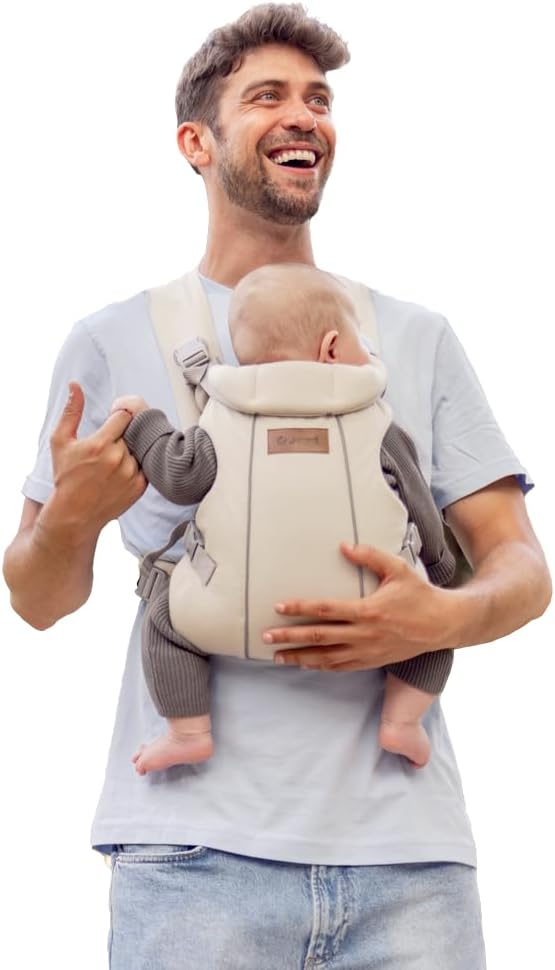
BabyBjorn Carrier Mini
Swedish brand
BabyBjörn describes Mini as a simple front carrier for newborns and small babies; its stated fit is 3.2-11 kg and 53-75 cm. That narrow, early-use window can suit short carries and quick changes, but offers less runway than a carrier designed for older babies. Check the manufacturer's instructions for positioning and fit, and use the correct adjustment as the child grows.
Pros
- One of the quickest structured newborn carriers to get on and off, which makes it unusually easy to justify for short daily carries, handovers, and travel days when a bigger carrier feels like too much kit.
Cons
- The shorter lifespan is real: once your baby gets heavier, it is much less convincing than stronger waistbelt carriers for longer walks or later back-carry use.
- Rank #5 Our score: 9.69 / 10
BabyBjorn Carrier Harmony
Swedish brand
Best: Hot Weather
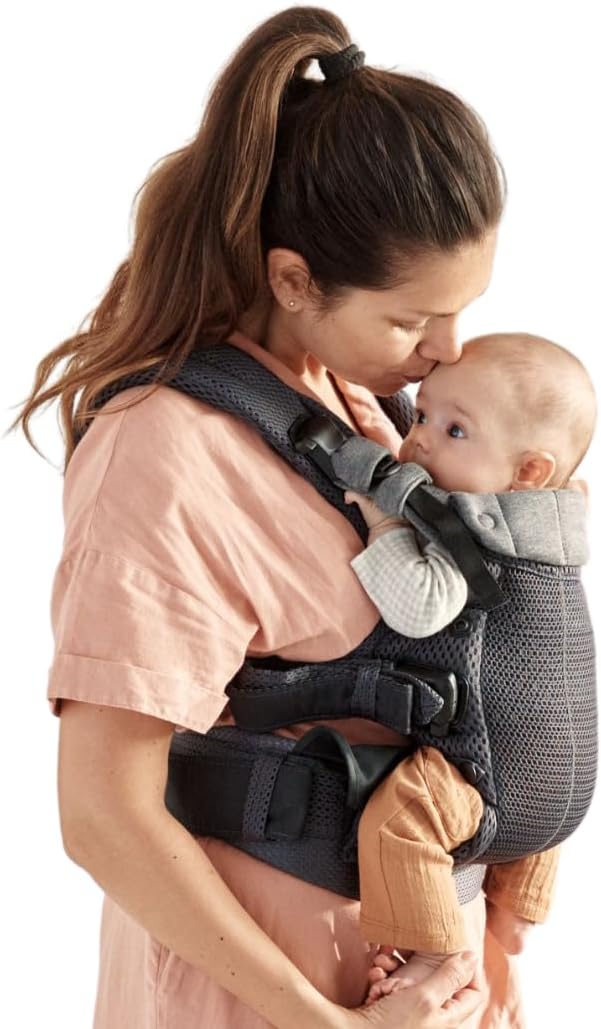
BabyBjorn Harmony is the premium BabyBjorn choice when shoulder, waist, and back support matter as much as easy buckling. It suits families expecting frequent longer carries, but it is more expensive and bulkier than Mini for quick newborn-only use.
Pros
- The padded waist support, thicker shoulder straps, and back-carry range make it much more convincing for longer wears than newborn-first carriers that fade once your baby gets heavy.
Cons
- It is expensive, and that premium only really pays off if you expect regular longer wears rather than short occasional carries.
- Rank #6 Our score: 9.66 / 10
BabyBjorn Carrier One Air
Swedish brand
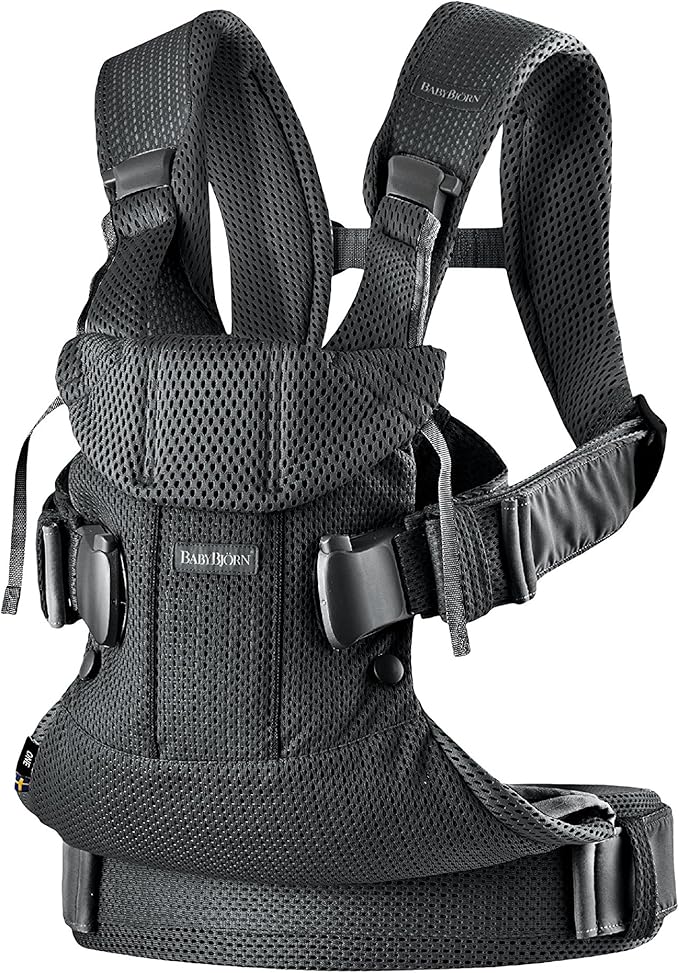
BabyBjörn One Air combines a mesh body with a waist belt and separate newborn and baby seat heights for everyday walks. It starts at 3.5 kg and 53 cm, with back carrying available from 12 months. The seat-height and leg-width zips need resetting as your child grows; outward carrying has a lower 12 kg limit.
Pros
- The mesh body, waist belt and adjustable seat width suit families who want one carrier for front carrying now and back carrying from 12 months.
Cons
- Outward carrying is for approximately 5–15 months, only with independent head control, and stops at 12 kg.
- Rank #7 Our score: 9.65 / 10
Bebeconfort Go4
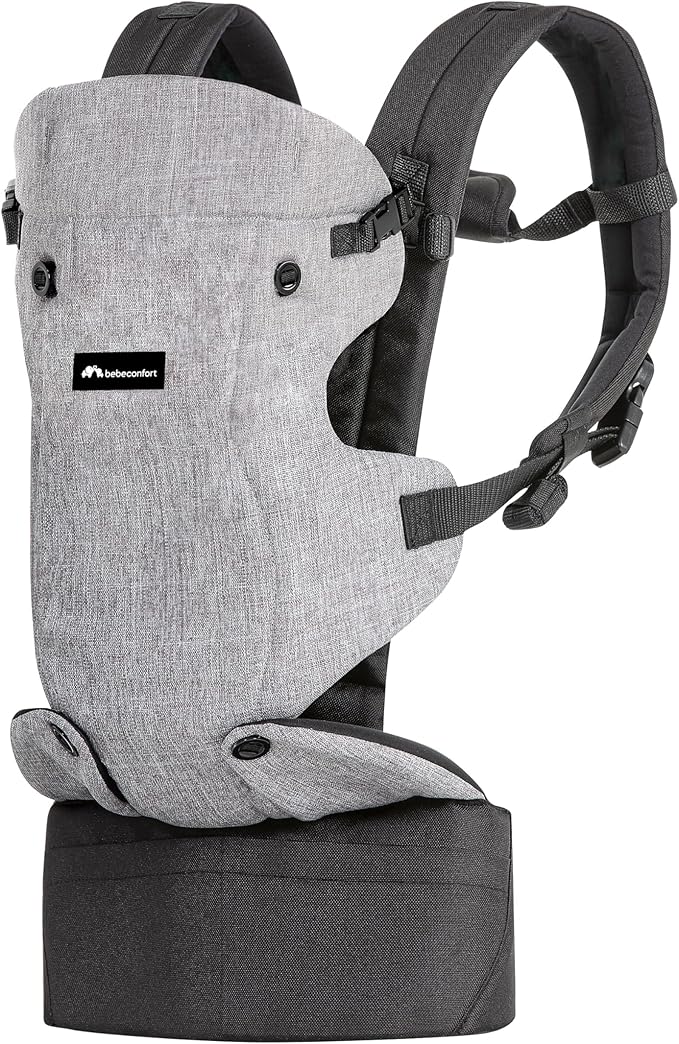
Bebeconfort Go4 is a structured buckle carrier with four positions for carrying in front, at the hip or on the back. Its manual allows inward-facing front and hip carry from 0 months and 3.5-15 kg, and outward-facing front and back carry from 6 months and 6-15 kg. Check both age and weight for the planned position; continuous use is limited to 1.5 hours.
Pros
- One padded, buckle-fastened carrier covers four illustrated positions: front inward, hip inward, front outward and back.
Cons
- The manual limits continuous use to 1.5 hours and allows the carrier for standing or walking, not sport, running, cycling or vehicle travel.
- Rank #8 Our score: 9.65 / 10
Ergobaby Omni Lite Baby Carrier
Ergobaby Omni Lite is a structured carrier for front inward-facing carry, from 3.2-15.9 kg and up to about 24 months. Its single position makes setup simpler than a multi-position carrier, but it cannot be turned outward or used for hip or back carry. Check the baby’s size and follow the manual’s seat and panel adjustments.
Pros
- The maker specifies an age range of 0–24 months and a weight range of 3.2-15.9 kg.
Cons
- This is a front inward-facing only carrier; it has no outward-facing, hip or back position.
- Rank #9 Our score: 9.65 / 10
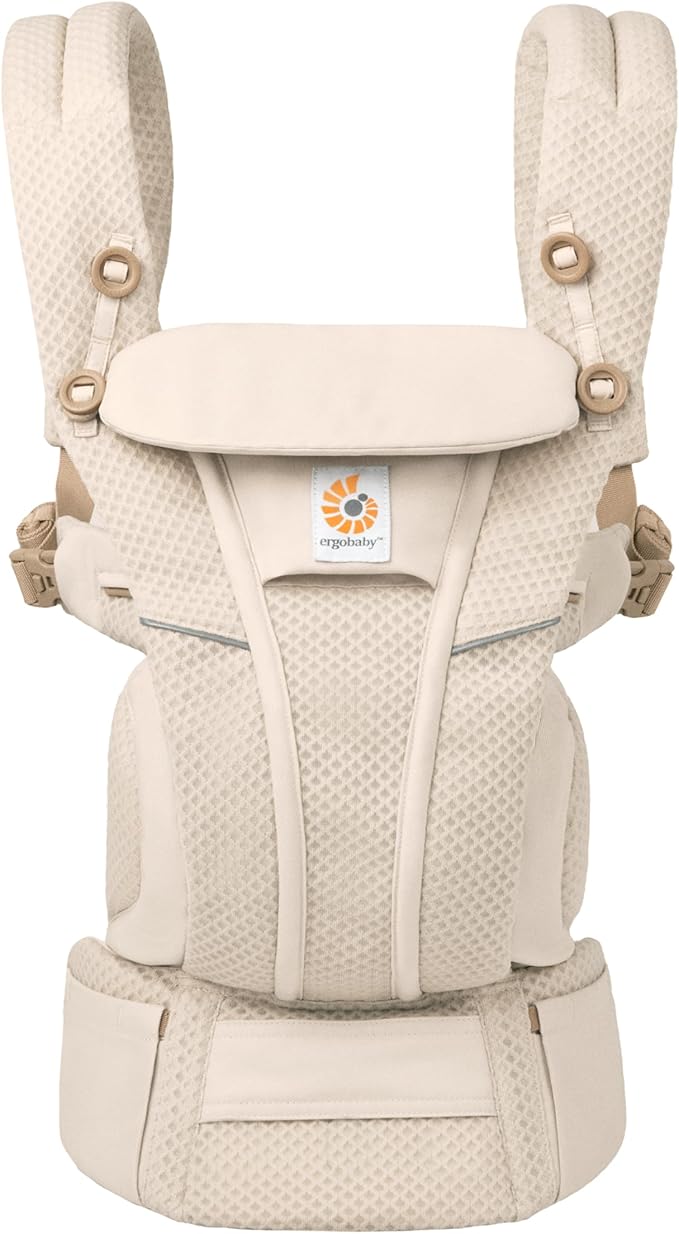
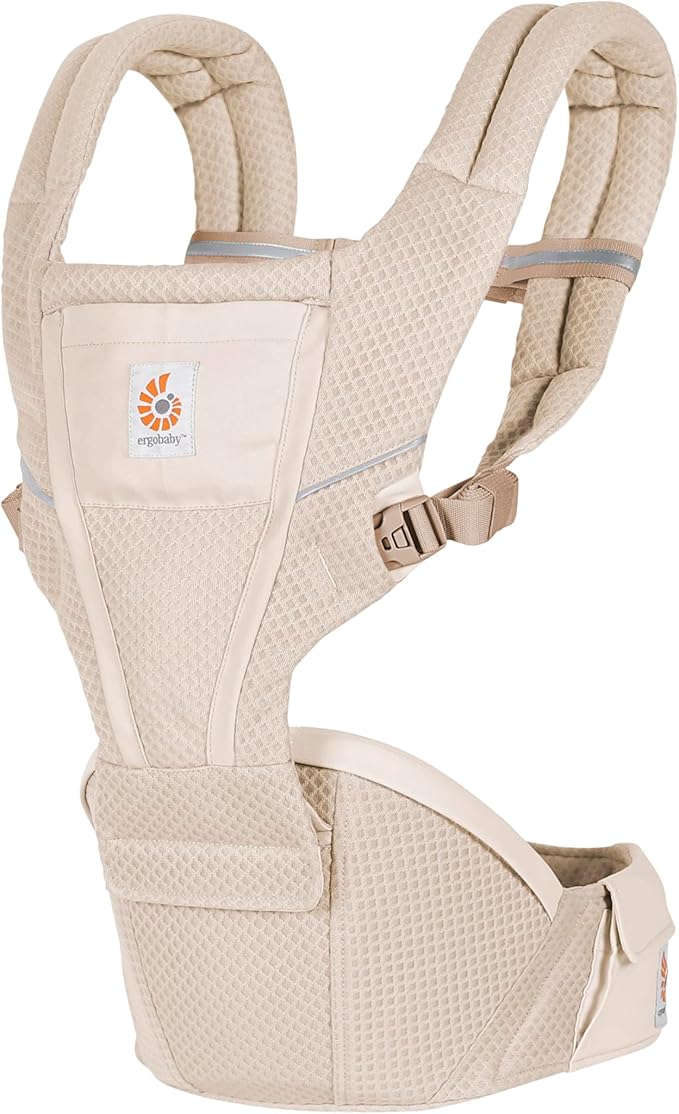
Ergobaby Omni Breeze
Ergobaby describes the Omni Breeze for roughly 0–48 months overall; that range does not make every position suitable from birth or until 48 months. Its modes have separate fit rules: inward-facing starts at 3.2 kg/50.8 cm and runs to 20.4 kg; outward-facing starts at about five months, 6.4 kg and 63.5 cm, only with strong head-and-neck control, and stops at 13.6 kg. Hip and back carry start at about six months, 7.8 kg and the ability to sit upright unassisted, then run to 20.4 kg. SoftFlex mesh and lumbar support suit longer outings, but seat and strap settings change as the baby grows. Never use outward-facing for sleep. Check the intended mode’s height, weight and development limits; keep the face visible, airway clear and chin off the chest.
Pros
- SoftFlex mesh, adjustable seat width and padded lumbar support are documented features for longer walks.
Cons
- The four modes have different minimums: do not treat inward newborn fit as permission for outward, hip or back carry.
Local ratings context
If the local Amazon listing has less review depth, this may help: while reviewing this product, we found more rating context on Amazon Netherlands. The shortlist also weighs product fit, brand track record, and broader research; when buying, we recommend using your local Amazon store. View Amazon Netherlands listing
- Rank #10 Our score: 9.64 / 10
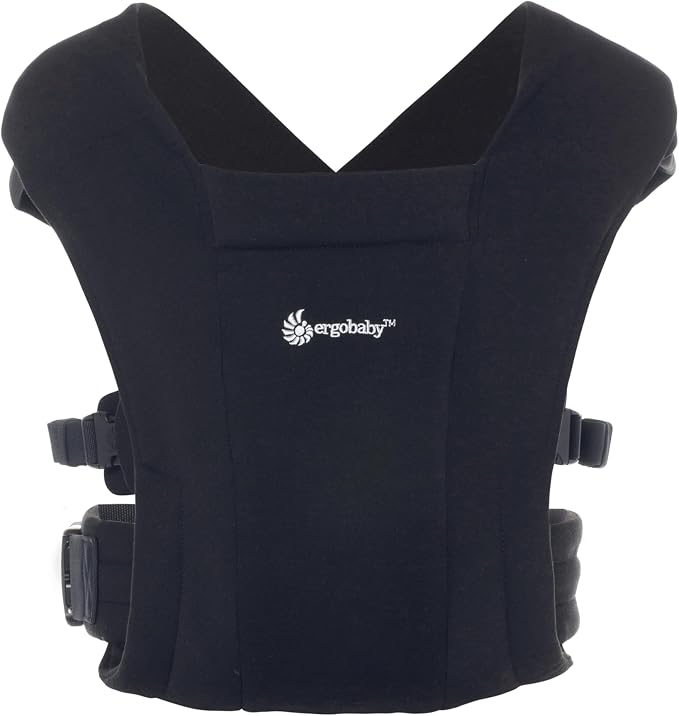
Ergobaby Embrace
Ergobaby Embrace pairs soft knitted fabric with buckles and crossed shoulder straps, giving you a close front carry without tying a long wrap. It suits the first months rather than one-carrier use through toddlerhood: the child-weight range is 3.2-11.3 kg, and there is no back-carry position.
Pros
- The soft knit and spreadable crossed straps give a wrap-like fit with buckle fastening rather than a long tying sequence.
Cons
- The 11.3 kg limit and lack of back carry make it a first-stage carrier, not a replacement for a longer-range model.
Local ratings context
If the local Amazon listing has less review depth, this may help: while reviewing this product, we found more rating context on Amazon Australia. The shortlist also weighs product fit, brand track record, and broader research; when buying, we recommend using your local Amazon store. View Amazon Australia listing
- Rank #11 Our score: 9.64 / 10
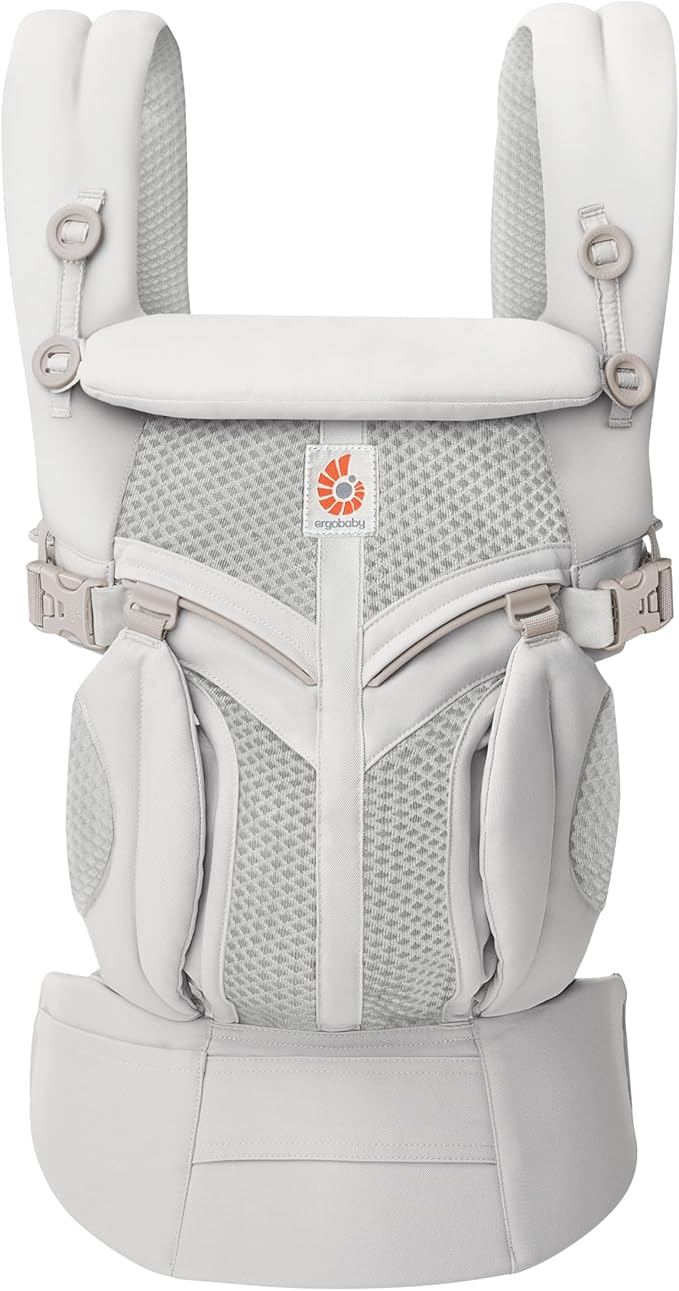
Ergobaby Omni Classic
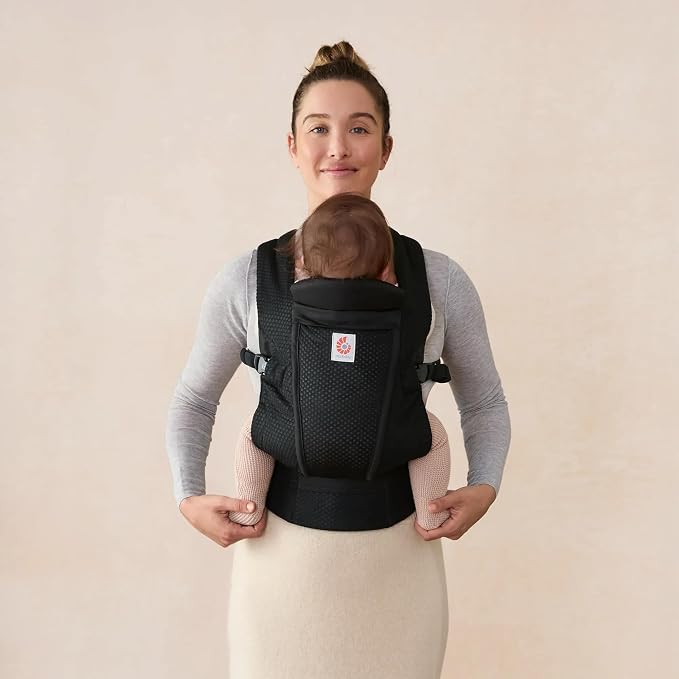
Omni Classic is the mesh buckle carrier to compare when you want inward, outward, hip and back options in one model, rather than a carrier just for the first months. Front-inward use starts at both 3.2 kg and 50.8 cm and extends to 20.4 kg. The tradeoff is more setup: seat width, head support and strap arrangement must match the child and carrying position.
Pros
- The seat adjusts inside the waistband, so newborn use does not require a separate infant insert.
Cons
- The 20.4 kg maximum does not apply to outward-facing carry: that mode is approximately 6.4-13.6 kg and requires strong, consistent head and neck control.
- Rank #12 Our score: 9.64 / 10
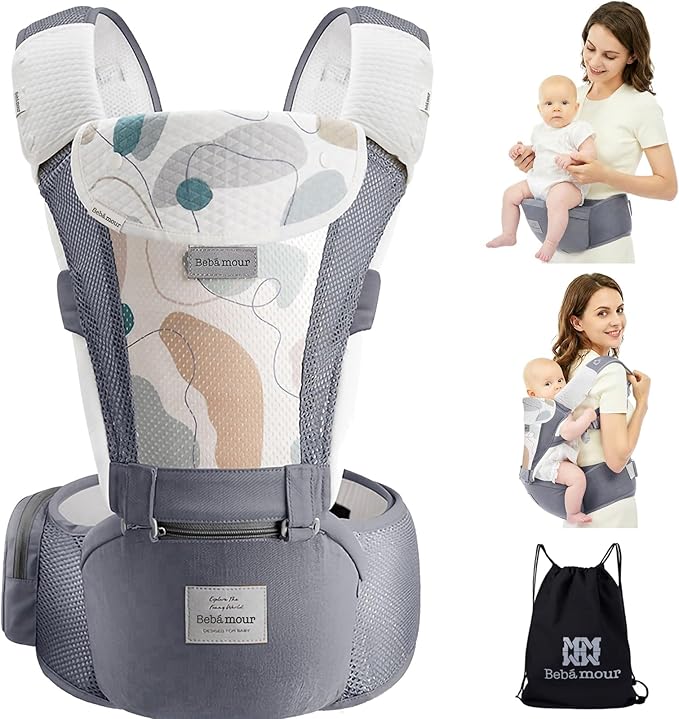
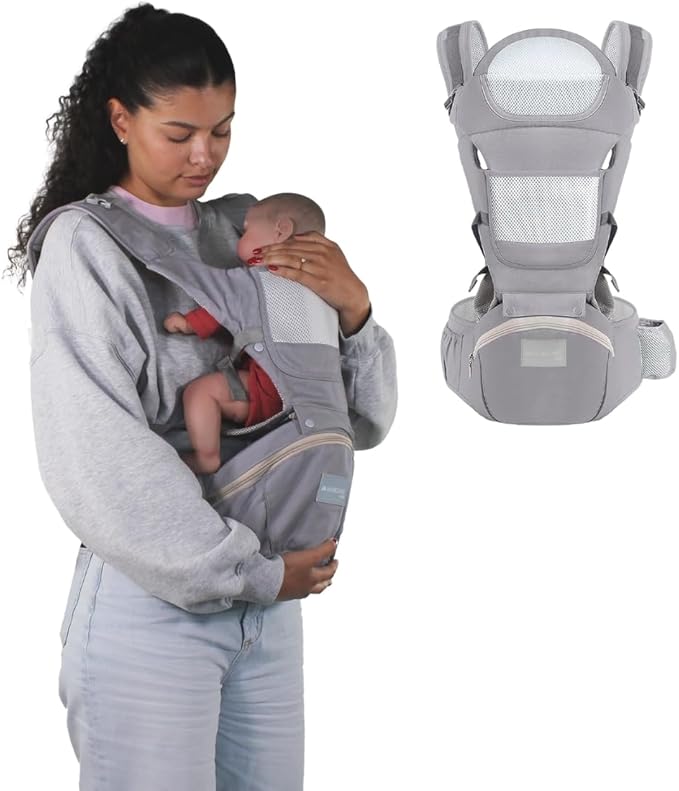
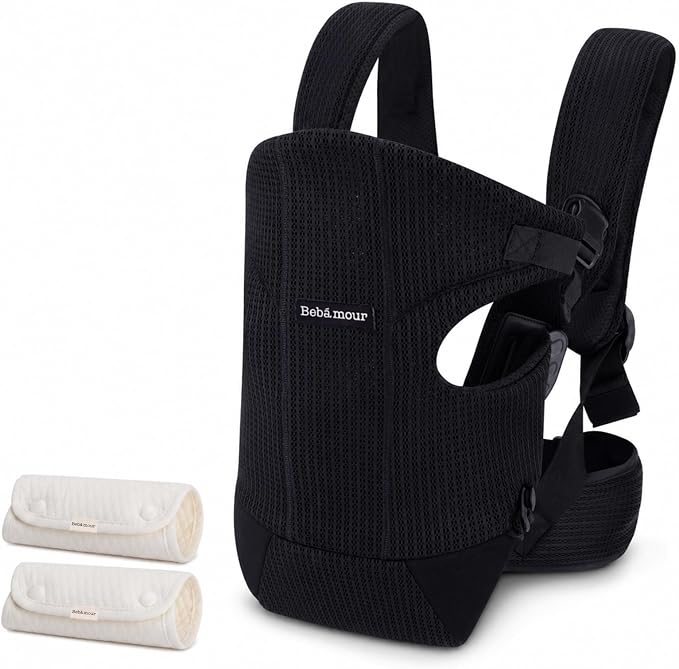
Bebamour 6-in-1 Baby Carrier
This grey Bebamour combines a firm hip seat with shoulder straps and a mesh carrier panel. Its older TC26H chart gives front carrying from 3–36 months and back carrying from 6–36 months, with a 14.9 kg maximum. Our recommendation is narrower: inward-facing use of the complete carrier once your child sits independently and has steady head control. The projecting seat is less packable than a fabric carrier; newborn cradle pictures concern the separate, arm-supported seat.
Pros
- The mesh panel and padded shoulder straps complement the firm waist seat in the complete carrier.
Cons
- The rigid hip seat takes up more bag space than an all-fabric carrier.
- Rank #13 Our score: 9.63 / 10
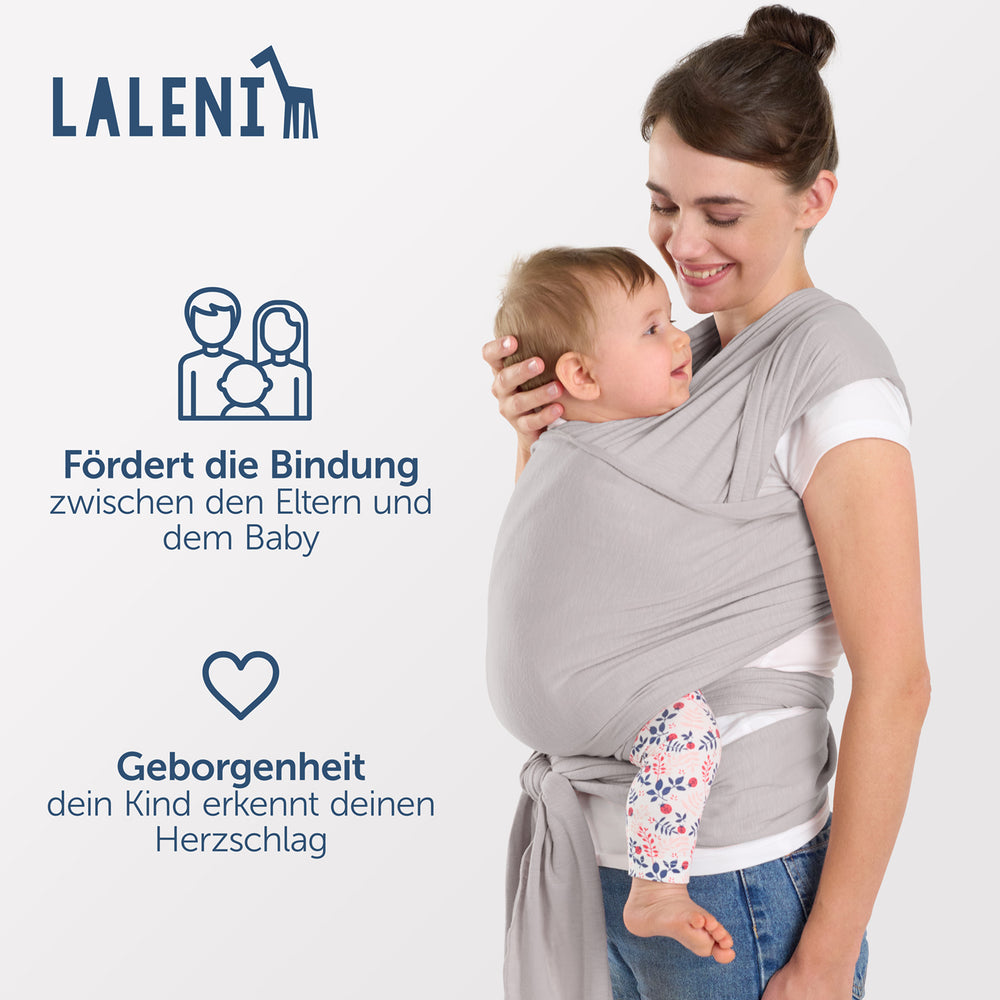
Laleni Baby Wrap
Best: Affordable
Laleni's roughly 5.10 m wrap gives you stretchy cotton without added elastane, for front carrying from 3.5-15 kg. Its long ends let you adjust the tie to your own body; the cost is managing and tightening that fabric each time you tie it. Choose it for inward-facing carrying with time to practise the knot.
Pros
- The jersey fabric is entirely cotton, with no added elastane.
Cons
- The long ends need handling and even tension during tying.
- Rank #14 Our score: 9.61 / 10
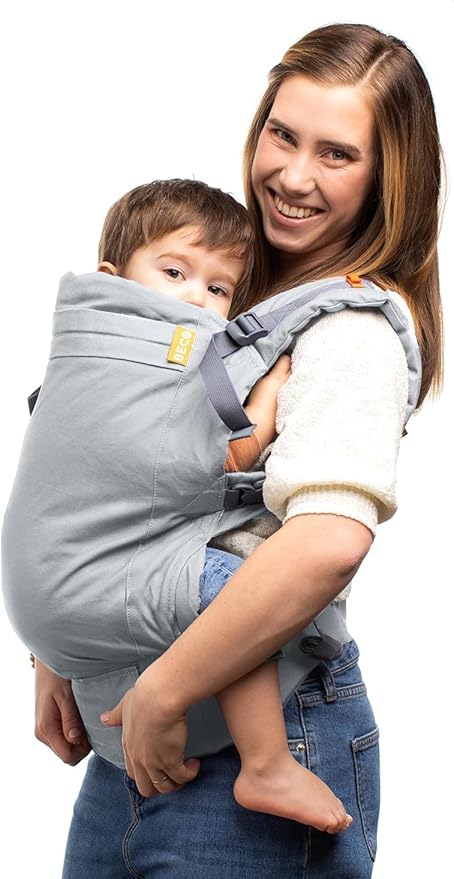
Beco Toddler Carrier
Beco Toddler is a next-stage carrier for children aged 18 months and over, within the manufacturer's 9.1-27.2 kg range. Its wide seat and tall back panel suit toddlers who walk part of the way but still need a lift home. Front inward-facing and back carrying share the same roomy panel. The seat width is not adjustable, so its bigger-child support is also the reason to avoid moving a small baby into it early.
Pros
- The wide seat and tall panel extend carrying beyond the fit of smaller baby carriers.
Cons
- The fixed-width toddler seat cannot be narrowed for a smaller baby; the minimum age and weight are not interchangeable fit tests.
- Rank #15 Our score: 9.59 / 10
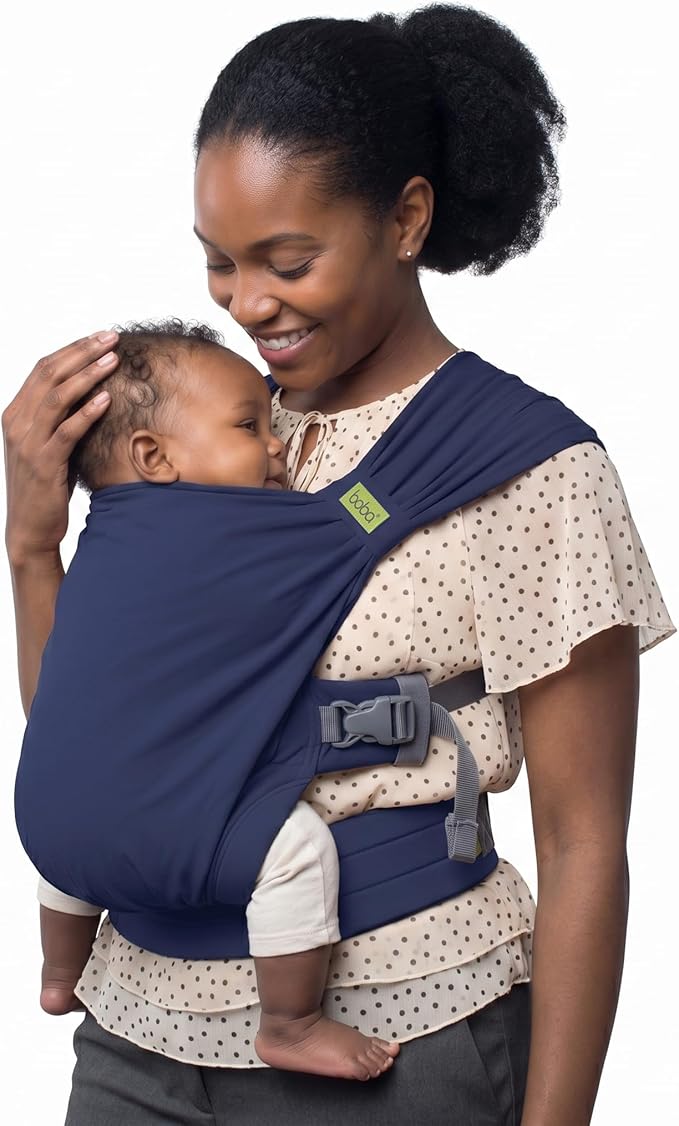
Boba Bliss
Boba Bliss combines wrap-like stretch with a three-buckle setup for inward-facing front carry from birth. Compare it when tying a long wrap feels like too much; choose a structured carrier if back carry or firmer load support matters more.
Pros
- Three buckles make the wrap-like carrier quicker to put on than a long tie wrap.
Cons
- Designed for inward-facing front carry only, so it does not cover back carrying.
- Rank #16 Our score: 9.55 / 10
Mobiclinic Moley 6-in-1
Mobiclinic Moley is a soft-structured carrier with adjustable straps and an upper panel that opens for ventilation. The maker’s general range is 0–36 months and up to 20 kg, but its manual says children under 12 months must face the wearer and remain supervised. The manual lists several modes without setting a minimum age for each, so do not assume back carrying suits a newborn. Follow its setup for the M-shaped seat, waist belt and shoulder straps.
Pros
- Adjustable waist, shoulder and centre straps let you tune the fit, and the upper panel opens for ventilation.
Cons
- The manual requires children under 12 months to face the wearer and remain supervised; it gives no minimum age for each individual mode.
- Rank #17 Our score: 9.51 / 10
Infantino Swift Classic Carrier
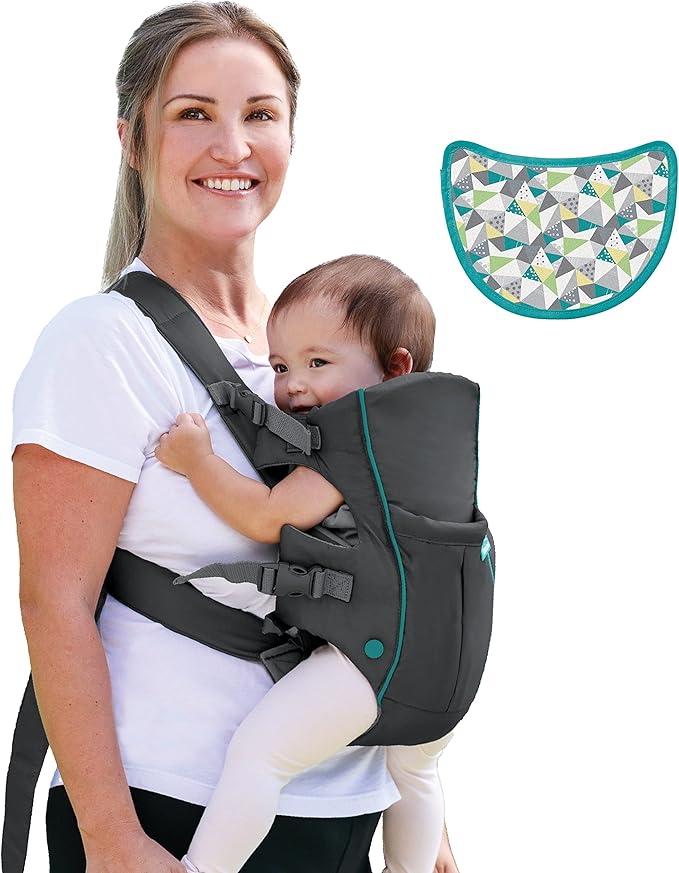
The grey Infantino Swift Classic carries babies from 3.2-11.8 kg and packs into a bag when you want a carrier alongside the stroller. Its front buckles, pocket and removable bib are useful on outings. Front carrying is the only option: facing out requires independent upright head control, and the carrier cannot progress to back carrying.
Pros
- The compact pouch-style design packs into a bag for use alongside a stroller.
Cons
- There is no back-carry position for the next stage.
Local ratings context
If the local Amazon listing has less review depth, this may help: while reviewing this product, we found more rating context on Amazon UK. The shortlist also weighs product fit, brand track record, and broader research; when buying, we recommend using your local Amazon store. View Amazon UK listing
- Rank #18 Our score: 9.51 / 10
MoMi COLLET
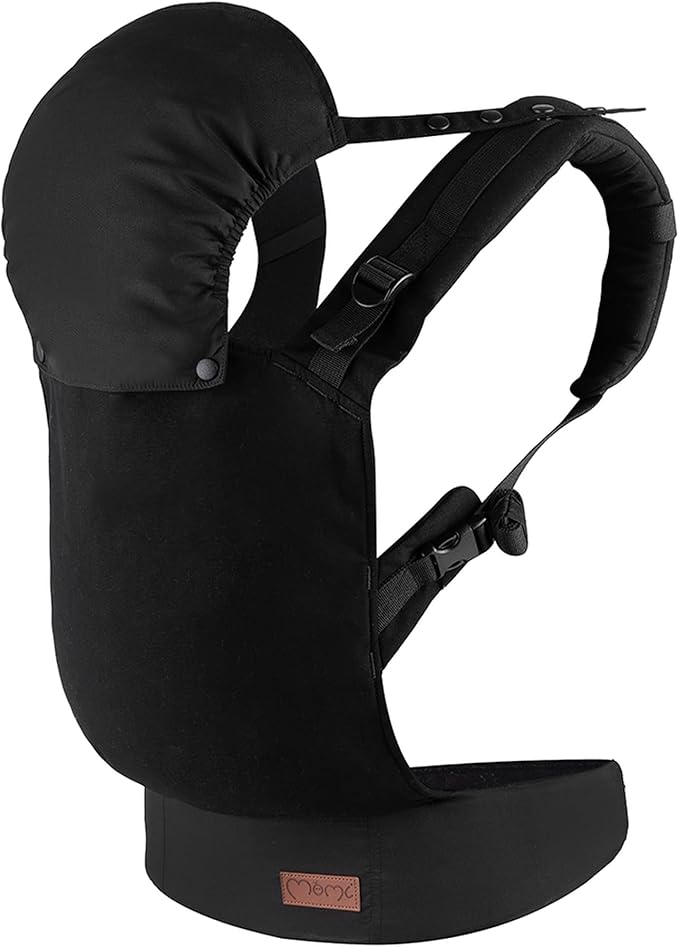
MoMi COLLET combines six adjustment points, a wide waist belt and a detachable hood for walks from 3 months and 56 cm. The current manual limits carrying to 15 kg and back carrying to at least 12 months; older 20 kg and 6-month claims should not extend those limits.
Pros
- Six adjustment points let you fit the shoulder straps, waist belt and head-support panel separately.
Cons
- Not suitable from birth: the manual requires at least 3 months and 56 cm.
Local ratings context
If the local Amazon listing has less review depth, this may help: while reviewing this product, we found more rating context on Amazon France. The shortlist also weighs product fit, brand track record, and broader research; when buying, we recommend using your local Amazon store. View Amazon France listing
- Rank #19 Our score: 9.51 / 10
Ergobaby Adapt SoftFlex Mesh
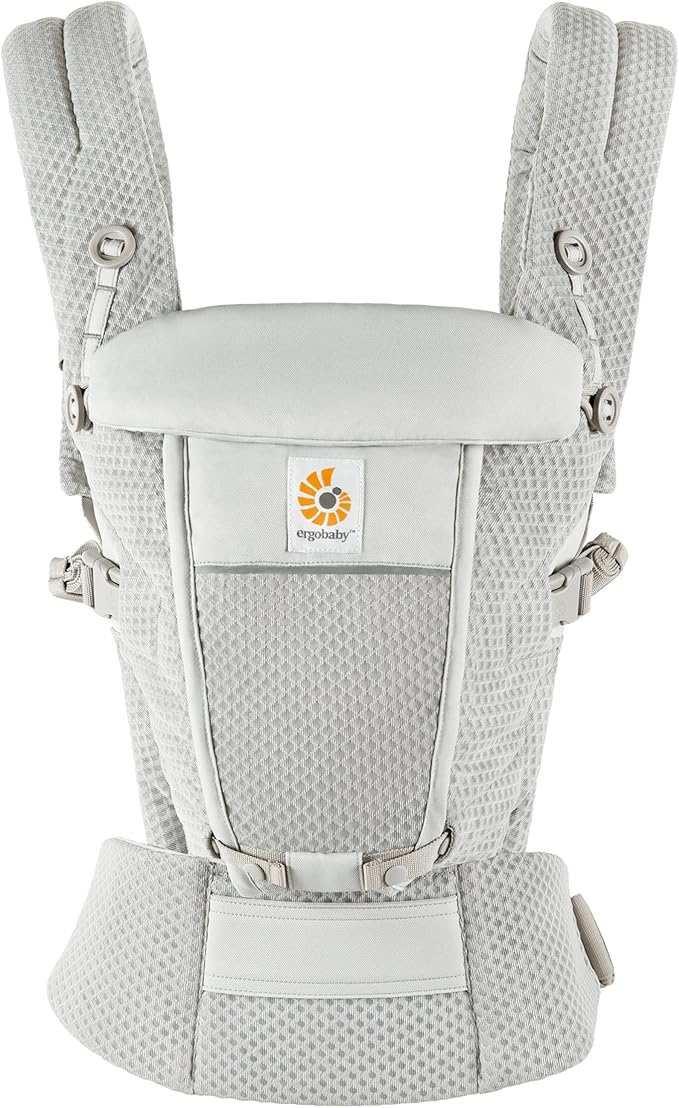
Ergobaby Adapt SoftFlex Mesh is a newborn-ready soft-structured carrier for families who want breathable fabric and back-carry progression without an infant insert. It fits longer daily carrying better than a simple sling.
Pros
- Mesh panel and back-carry path support warmer or longer outings.
Cons
- Caregiver fit is still decisive because structured waistbands vary by body shape.
- Rank #20 Our score: 9.50 / 10
Marsupi Classic Baby Carrier
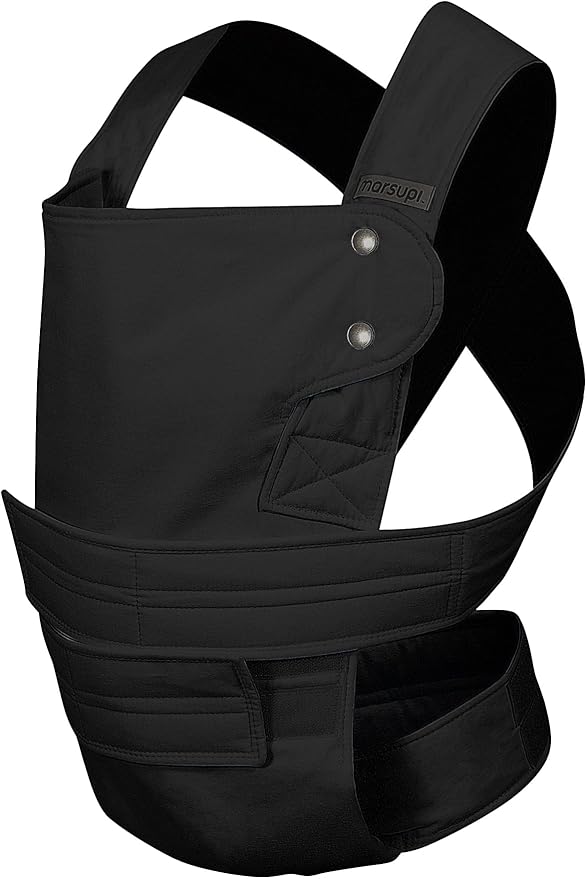
Marsupi Classic Baby Carrier is a softer early-months carrier for parents who want quick fastening without learning a long wrap. It is easiest to justify for calm newborn-stage routines and short local trips where a full buckle carrier feels excessive.
Pros
- Quick fastening gives it a clearer short-trip role than a full wrap for some caregivers.
Cons
- Sizing, airway visibility, and baby position still need careful checking before newborn use.
- Rank #21 Our score: 9.49 / 10
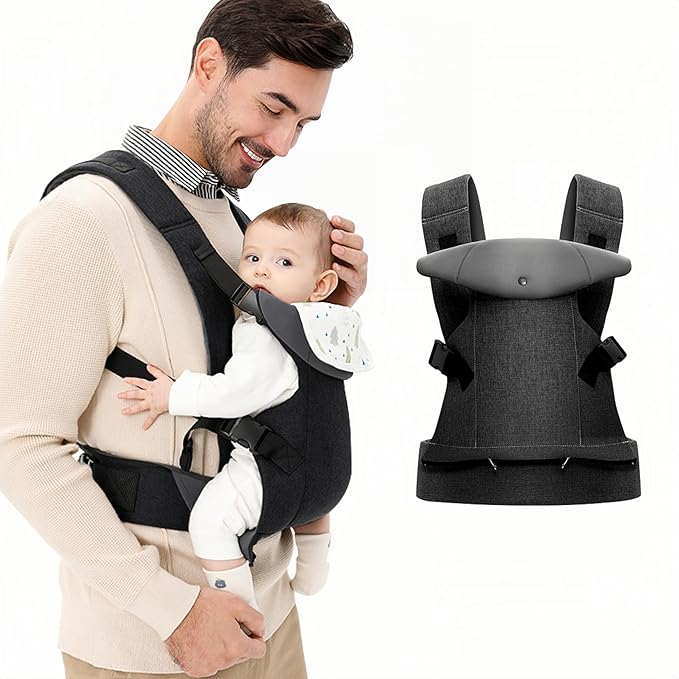
Bebamour Classic 3-in-1 Baby Carrier
Bebamour Classic 3-in-1 is a buckle carrier without the protruding hip-seat base found on many Bebamour models. Its adjustable leg openings and shoulder straps offer a simpler setup, with two removable shoulder bibs for dribbles. The manufacturer specifies 3–18 months and a maximum of 12 kg: this is neither a newborn carrier nor a long-term option for a heavier toddler. The smaller fit window is the main compromise for parents wanting one carrier to last.
Pros
- The fabric seat has no rigid hip-seat shelf projecting from the waist, making this a different carrying setup from Bebamour’s hip-seat models.
Cons
- The manufacturer limits use to 3–18 months and 12 kg; its illustrated inward-facing guide is narrower and more precise at 3.6-6.8 kg for small leg openings and 6.8-11.8 kg for large openings.
- Rank #22 Our score: 9.48 / 10
IULONEE Front and Back Baby Carrier
This IULONEE carrier pairs a zip-adjustable seat with a folding head panel for inward carrying from three months and back carrying after independent sitting, within 3-15 kg. Its 66-116 cm waistband gives adults a concrete fit check. Choose it for staged front-to-back use, not for carrying from birth.
Pros
- Adjustable seat width and a folding head panel support the transition between the stated inward-carry stages.
Cons
- Carrying starts at three months, not birth; an applicable original operating manual was not found.
- Rank #23 Our score: 9.43 / 10
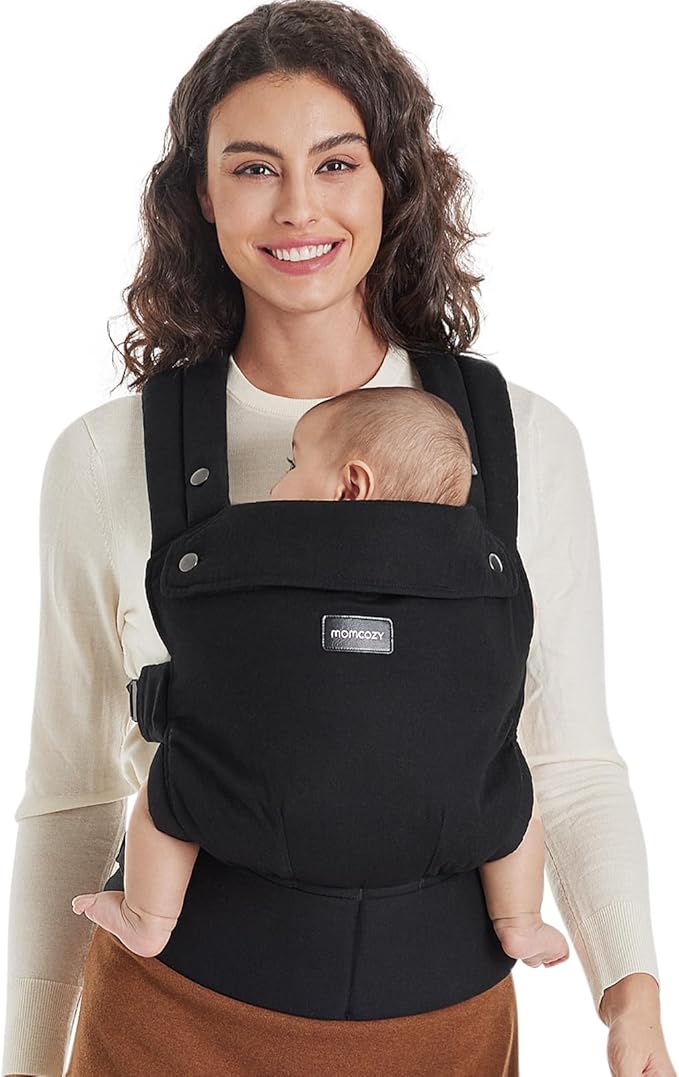
Momcozy Baby Carrier
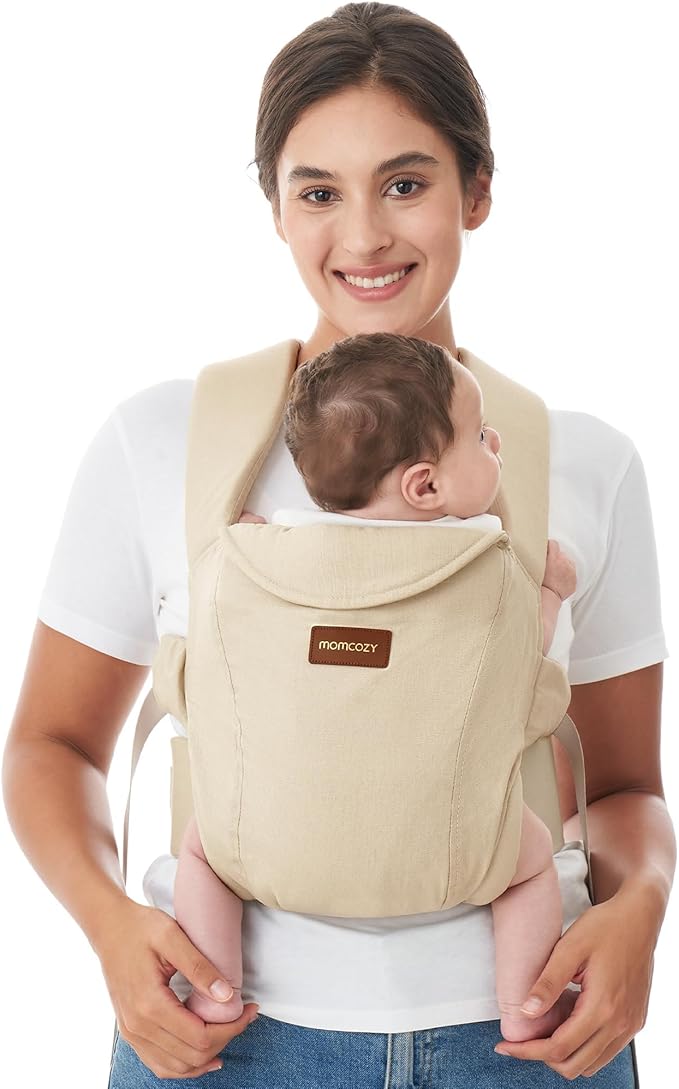
Momcozy PureHug is a front-inward structured carrier for babies from about three months, with an X-shaped back, EVA lumbar panel and an adjustable 3.2-20 kg seat. It suits errands and shorter walks when fast setup matters; choose another carrier for newborn-first or back-carry use.
Pros
- The X-shaped straps and EVA lumbar panel spread load across the back and waist during everyday front carry.
Cons
- Momcozy starts this model at about three months, so the low weight number alone does not make it a newborn carrier.
Local ratings context
If the local Amazon listing has less review depth, this may help: while reviewing this product, we found more rating context on Amazon France. The shortlist also weighs product fit, brand track record, and broader research; when buying, we recommend using your local Amazon store. View Amazon France listing
- Rank #24 Our score: 9.42 / 10
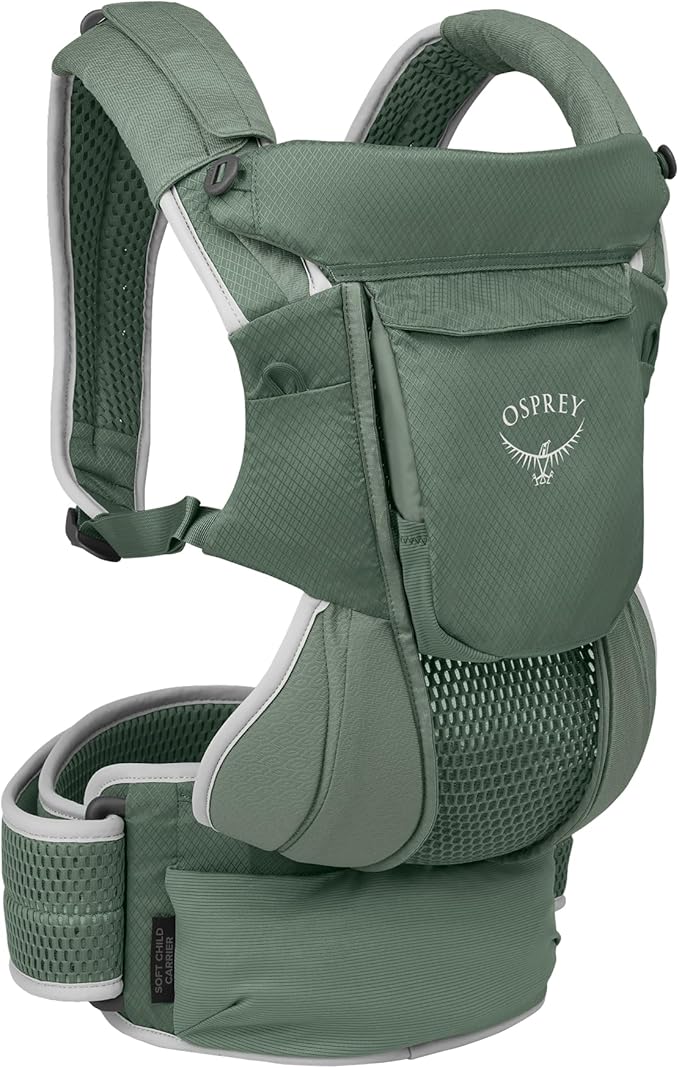
Osprey Poco Soft Child Carrier
Osprey Poco Soft suits families who want a supportive soft carrier for walks, without the stand and rigid frame of Osprey’s hiking packs. Its manual separates four fit stages: face-in newborn, about 0–5 months, 3.2-4.5 kg and at least 50 cm; face-in baby, about 5–36 months, 4.5-15 kg and at least 58 cm; face-out, about 5–16 months, 6.8-11 kg and at least 63 cm, only once the child can hold their head upright; and back carry, about 12–36 months, 9-15 kg and at least 66 cm. Keep the baby facing in until head control, and secure all buckles and hook-and-loop closures. The padded hipbelt and mesh support longer walks, but the carrier is bulkier than a wrap.
Pros
- The padded hipbelt, breathable harness and mesh child seat support longer walks than a minimal sling.
Cons
- The four fit stages have distinct height, weight and age limits; the overall 3.2-15 kg range is not enough to choose a position.
- Rank #25 Our score: 9.38 / 10
Momcozy WeeSnug Newborn Carrier
Momcozy WeeSnug suits parents who want a buckle carrier for close, inward-facing carrying in the early months. Momcozy specifies 0–12 months and 3.2-11.3 kg, with an adjustable seat panel and foldable head-and-neck support. Its short weight range is the main tradeoff; the official guide documents one face-in mode, not later outward or back carrying. Keep the baby facing you until they can hold their head upright, use the head support without covering the face, and check that the panel supports from knee to knee. Secure every buckle, keep the nose and mouth clear and stop if the baby slumps or no longer fits steadily.
Pros
- The visual adjustment scale and foldable head-and-neck support are specific fit features for this early-stage carrier.
Cons
- The 3.2-11.3 kg range is short, and the exact-model guide documents only inward-facing carry.
- Rank #26 Our score: 9.33 / 10
BabyBjörn Baby Carrier Hold
Swedish brand
Shade is inward-facing only; keep the baby’s nose and mouth visible.
Baby Carrier Hold is a structured front carrier for caregivers who want a quick wrap-around fit. This Sand Grey Brushed Woven version has an integrated shade and pocket. The maker lists an age range of 0–18 months, with an overall fit range of 3.2-13.5 kg and 53-87 cm; check weight, length and fit rather than relying on age alone. Keep baby facing in during the first months. From around five months, face outward only when baby has strong, steady head and neck control. Fasten the leg straps below 4.5 kg. The shade is only for inward-facing carry: keep the nose and mouth visible and never use it facing out, which risks strangulation. Take baby out before breastfeeding or bottle-feeding; then refit the carrier and check the face and airway. Hold is front-only, so its quick on-and-off design suits families who do not need back carry.
Pros
- The wrap-around snap design goes on like a jacket; the wearer and baby have separate fit adjustments.
Cons
- The maker lists 0–18 months as the age range; check the 3.2-13.5 kg and 53-87 cm fit limits rather than relying on age alone.
- Rank #27
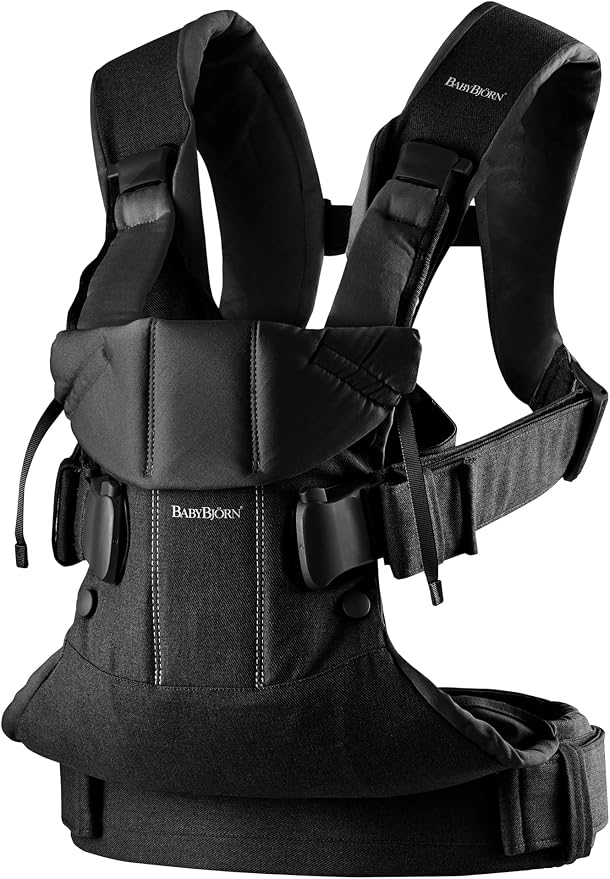
BabyBjörn Baby Carrier One Woven Mix
Swedish brand
BabyBjörn Baby Carrier One Woven Mix has separate fit stages by position. The inward newborn seat is for about 0–4 months, from 3.5 kg/53 cm; the larger inward seat is about 4–36 months, 62-100 cm and up to 15 kg. Keep the child facing inward until they can hold their head upright; this is an additional prerequisite to outward carry, which is about 5–15 months, only when the neck, back and hips are sufficiently developed, and maxes at 12 kg. Back carry starts at 12 months and maxes at 15 kg/100 cm. Fasten leg straps at 3.5-4.5 kg; set seat zippers for each position, and check leg openings and buckles before use. Keep the face visible and airway clear.
Pros
- The adjustable seat, head support and four carrying positions let the fit change as the child grows.
Cons
- The position limits differ: outward carry stops at 12 kg, while back carry is only from 12 months.
- Rank #28 Our score: 9.33 / 10
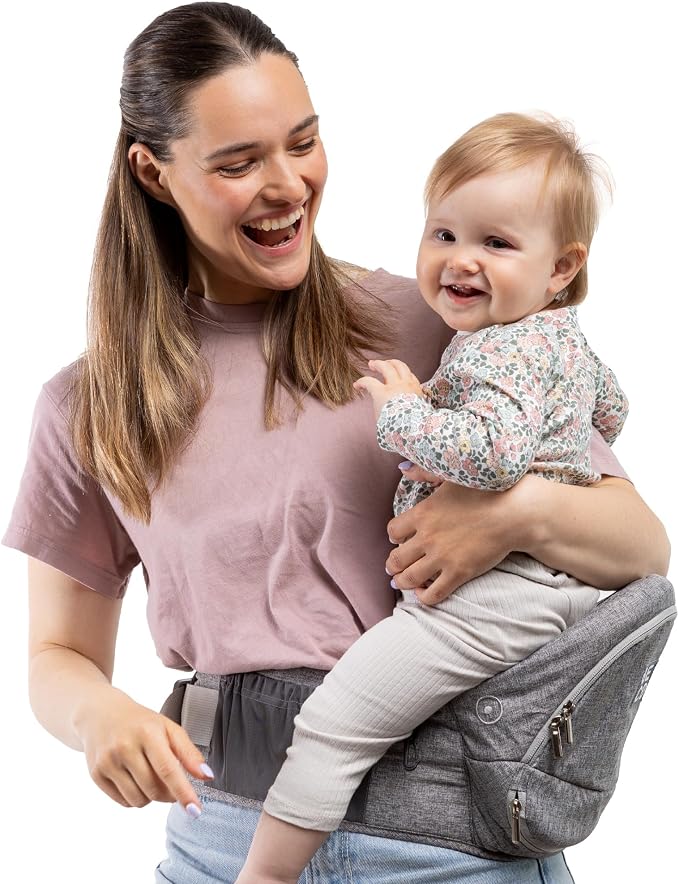
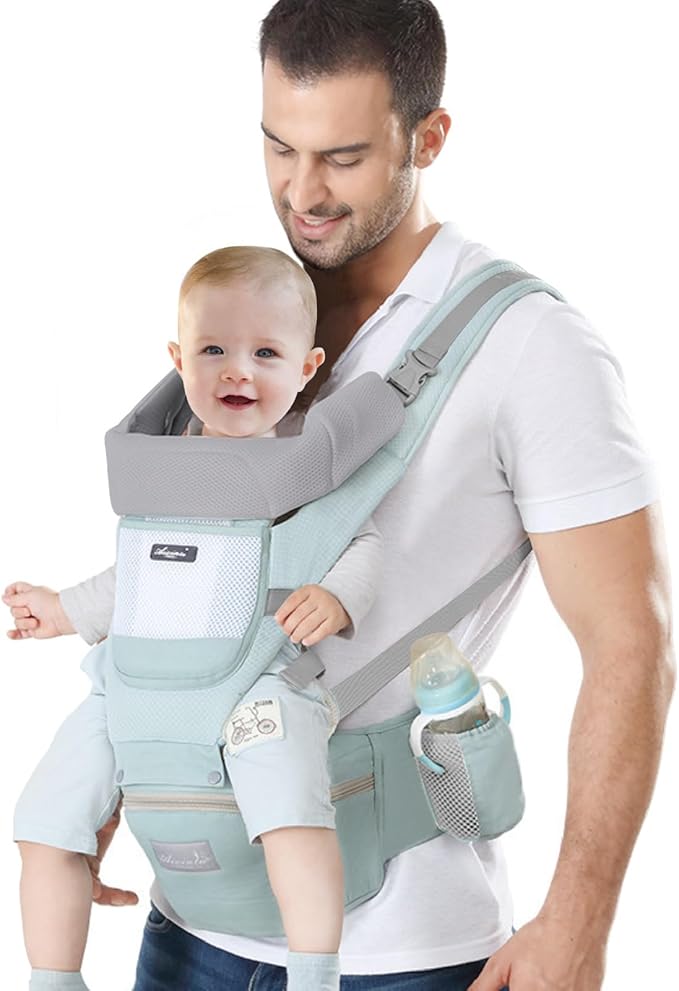
Beco Gemini Hip Seat Carrier
Beco Gemini Hip Seat is a compact hip-seat carrier for babies and toddlers, with an overall maker range of 3.2-14.9 kg and 0–36 months. The manual makes clear that its carrying positions start later: face-to-face and side carry from 4 months, front-facing from 6 months; the 0–36-month feeding mode is seated only. The practical tradeoff is that you must keep one arm around the child at all times, so this is not a hands-free option.
Pros
- The hip seat folds compactly when not in use.
Cons
- Face-to-face and side carry start at 4 months; front-facing starts at 6 months.
- Rank #29 Our score: 9.33 / 10
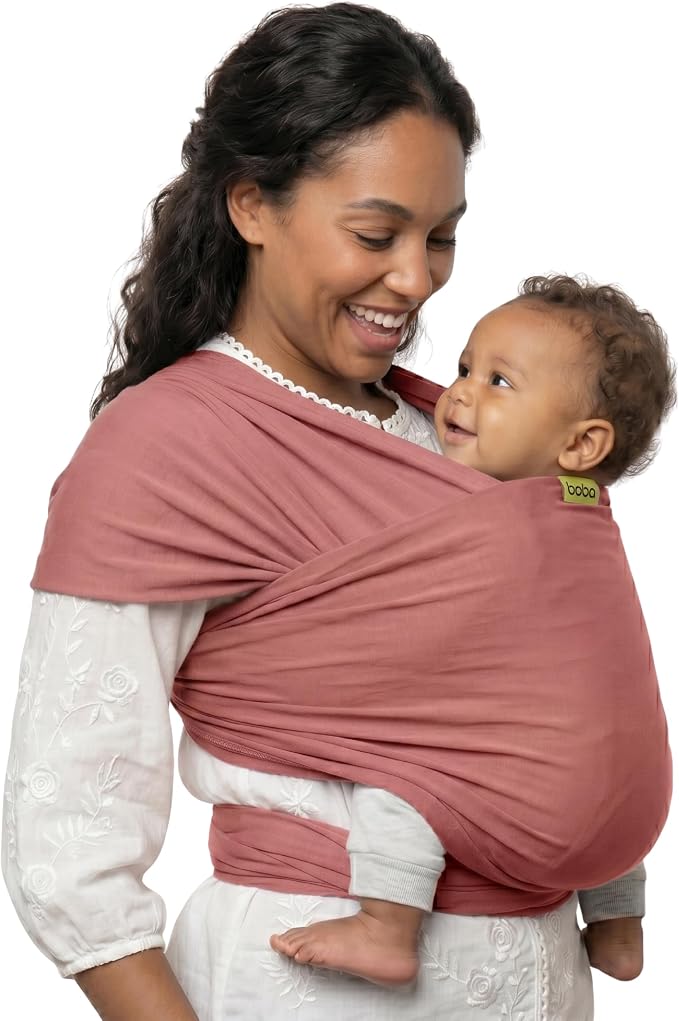
Boba Baby Wrap
Boba Baby Wrap is the cotton-rich stretchy wrap for close, inward-facing carrying in the early months. Its approximately 5 m of fabric adjusts without buckles, but takes practice to tie and feels warmer than Boba Serenity. The 3.2-15.9 kg limit is not a promise of toddler comfort: Boba says it works best up to 9.1 kg.
Pros
- The cotton-and-spandex fabric gives a close fit without buckles pressing against you.
Cons
- Tying roughly 5 m of fabric takes practice and makes quick changes between wearers less convenient.
- Rank #30 Our score: 9.33 / 10
Ergobaby Alta Hip Seat
Ergobaby Alta Hip Seat is for families with older babies or toddlers who need frequent pick-ups and supported short carries. It is a hip-seat comparison, not the smallest newborn carrier.
Pros
- Hip-seat format helps with quick toddler ups and downs.
Cons
- Not as compact as a sling and not the first newborn-focused option.
- Rank #31 Our score: 9.33 / 10
IULONEE Hip Seat Baby Carrier
IULONEE Hip Seat Baby Carrier is for families who want a structured carrier with extra hip-seat support as the baby gets heavier. Compare it for quick ups and downs rather than minimal packing.
Pros
- Hip-seat support can reduce arm strain during short carries.
Cons
- Bulkier waistband makes it less packable than a sling or wrap.
- Rank #32 Our score: 9.33 / 10
IULONEE X-Back Baby Carrier
IULONEE’s X-back carrier offers crossed shoulder straps and a folding head panel, with a comparatively short 45.7-94 cm waistband. It is worth comparing when an H-back carrier’s connecting strap is awkward to reach, but the stated 3-20.5 kg range does not establish newborn suitability or when back carrying is allowed.
Pros
- The published 45.7-94 cm waist and 71-129.5 cm strap ranges let adults screen their own fit before choosing this carrier.
Cons
- No attributable original manual was found to establish a starting stage for each carrying mode; the advertised weight range alone cannot do that.
- Rank #33 Our score: 9.33 / 10
Jané Dual
Jané Dual suits families who want a fully opening front panel and crossed shoulder straps for inward carrying from 3.5 kg. Its 15 kg ceiling and back-carry start at 12 months make later use more limited than the three-position label suggests. Babies under 4.5 kg need the leg-opening adjustment tightened to fit.
Pros
- The front opens fully, so the baby can be placed and removed without lifting through a closed panel.
Cons
- Back carrying starts at 12 months, and Jané recommends only short periods in positions other than inward-facing.
- Rank #34 Our score: 9.33 / 10
Lionelo Margareet Air
Lionelo Margareet Air is a mesh carrier for walks once your baby is past the earliest carrying stage. Lionelo specifies use from 4 months up to 20 kg; outward-facing and back carrying are for children from 6 months. That stage boundary matters more than the three-position count. The mesh helps air circulate, but the seat and straps still need to be adjusted for each position and wearer.
Pros
- The breathable mesh suits warmer walks and dries quickly.
Cons
- Outward-facing and back carry are not for the earliest months: Lionelo lists those positions from 6 months.