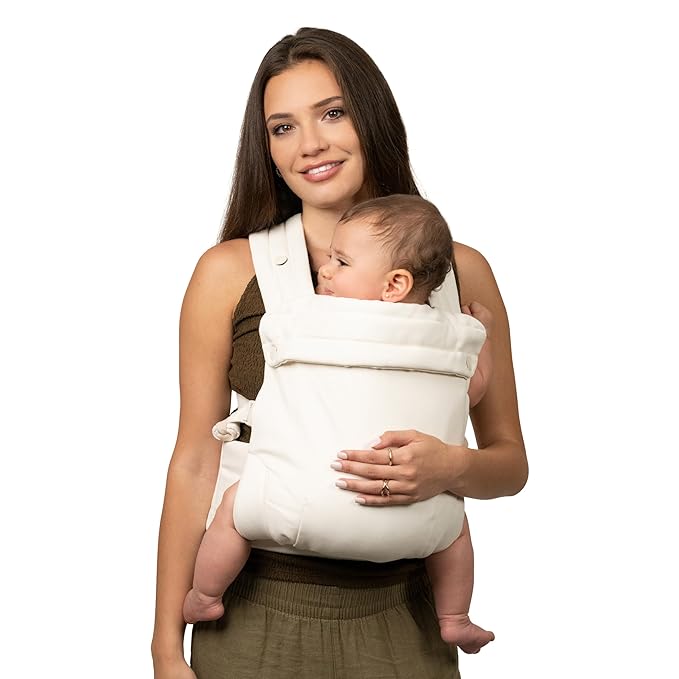
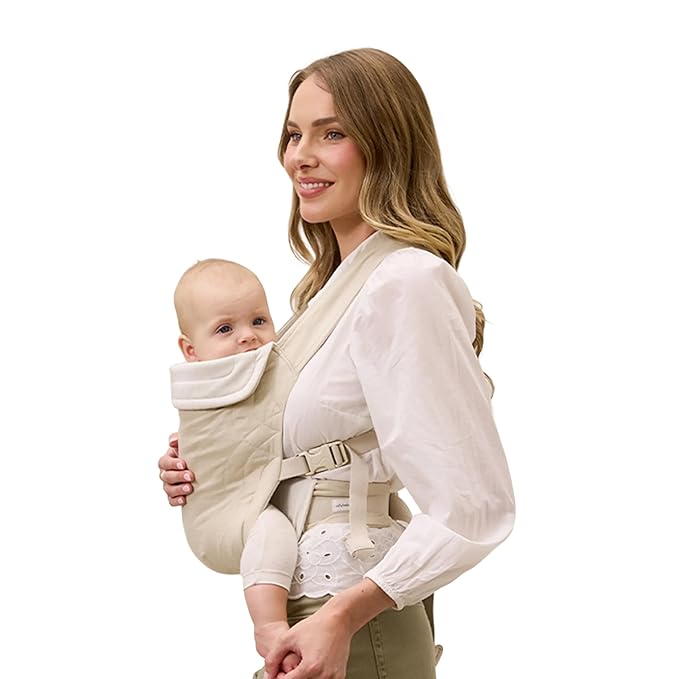
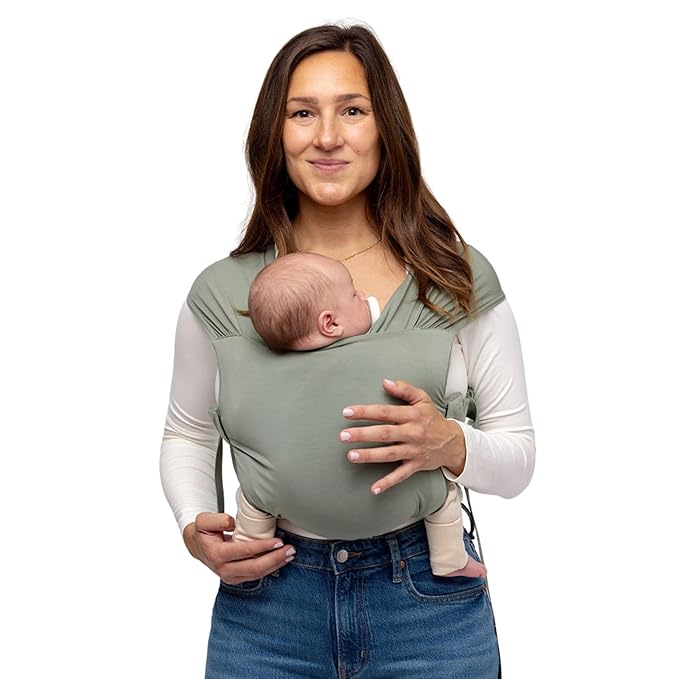
Best Baby Carriers in the US 2026
Looking for the best baby carrier in the US? This shortlist works best if you first choose the right bucket: soft structured carrier, wrap, or ring sling. Then filter by newborn use, back carrying, travel, or hot weather so you compare products that still make sense for your actual wearing routine.
Why are scores between 9 and 10?
This is a curated shortlist of strong picks, not a full best-to-worst ranking. Small score gaps usually mean we have slightly more evidence for one model than another, not that the lower-scoring option is a poor choice.
So this is just another affiliate roundup with an arbitrary order?
No. We make these lists good enough that we use them ourselves and recommend them to friends and family. We turn the kind of research careful parents would normally do by hand into a repeatable process. Then we compare the evidence across the markets we cover and rank products with a model that gives more weight to stronger signals instead of simple averages or a fully hand-picked order based purely on editorial preference.
Affiliate Disclosure
We use affiliate links and ads to finance this website. As an Amazon Associate I earn from qualifying purchases.


- Rank #1 Our score: 9.84 / 10
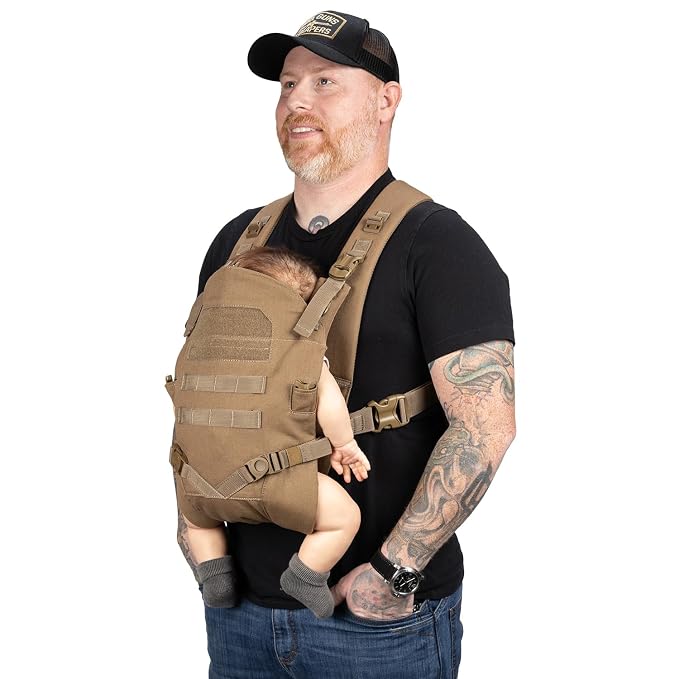
Tactical Baby Gear Tactical Baby Carrier
Best: Premium
The Tactical Baby Gear carrier is for caregivers who specifically want an open cross-strap back and MOLLE attachment points within an 8-33 lb (3.6-15 kg) front-carry design. The included shade and bib add practical value, but outward-facing is only for the appropriate developmental stage and accessories should not overload the carrier.
Pros
- An open back, cross straps and MOLLE webbing distinguish it for warm use and small modular accessories.
Cons
- It is a front-carry design rather than a back carrier, and babies must remain inward-facing until developmentally ready.
- Rank #2 Our score: 9.78 / 10
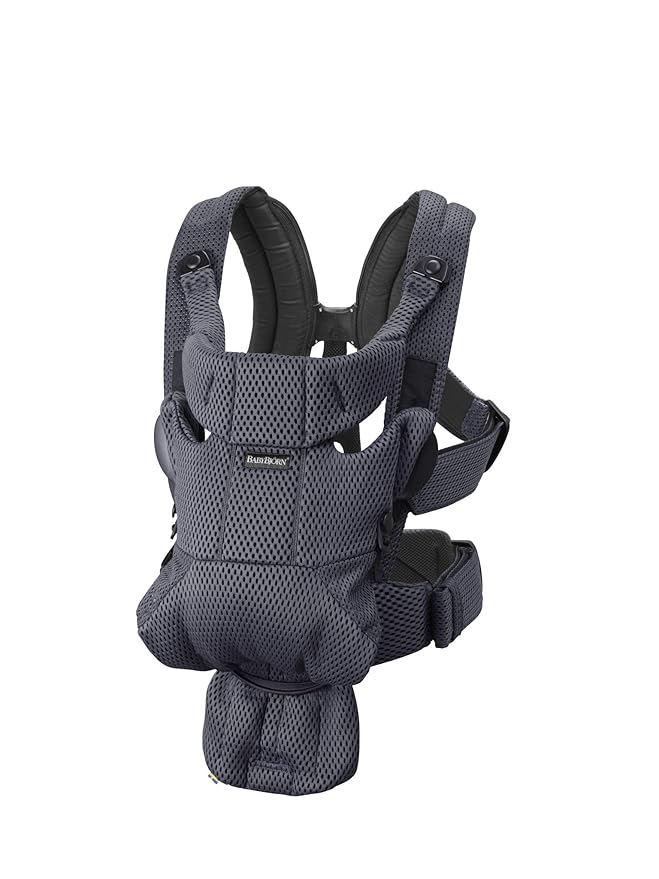
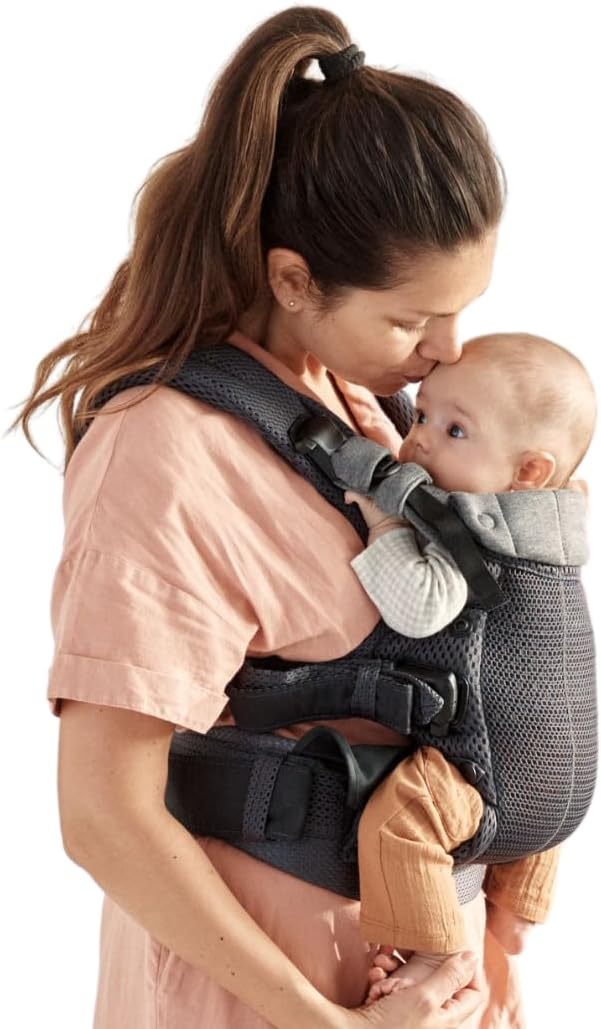
BabyBjörn Carrier Free 3D Mesh
Best: Mid-range
BabyBjörn Carrier Free 3D Mesh is for families wanting more back and waist support than Carrier Mini while staying in a compact front-carry format. It covers the listed 7-26.5 lb (3.2-12 kg) range, but does not add back carrying for the later toddler stage.
Pros
- Mesh plus built-in back and waist support suit warmer everyday front carries.
Cons
- Front-only positions limit its usefulness as the child gets heavier.
- Rank #3 Our score: 9.78 / 10
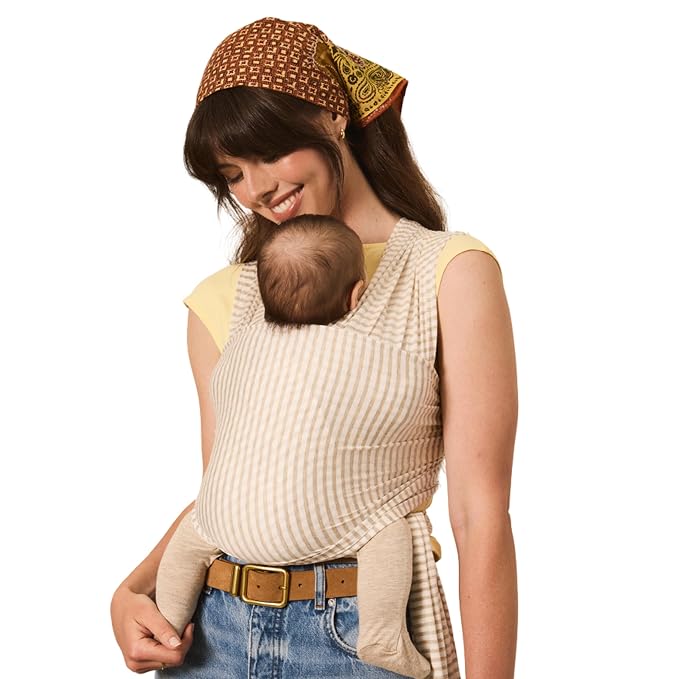
Solly Baby Wrap
US brand
Best: Wrap
The Solly Baby Wrap is best for close, inward carrying in the listed 8-25 lb (3.6-11.3 kg) stage when soft fabric and a custom-tied fit matter more than quick buckles. The modal fabric packs small and suits warm conditions, but safe, repeatable use depends on learning the wrap tension and keeping the baby's airway visible.
Pros
- The one-piece modal wrap packs compactly and spreads load across the upper body without a rigid waistband.
Cons
- It has a tying learning curve and a lower 25 lb (11.3 kg) ceiling than most structured carriers.
- Rank #4 Our score: 9.77 / 10
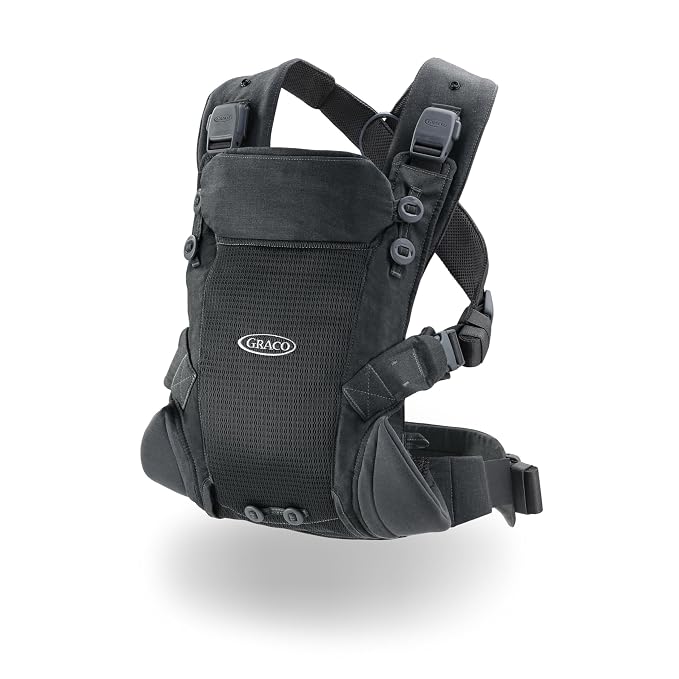
Graco Cradle Me Lite 3-in-1 Baby Carrier
US brand
Graco Cradle Me Lite 3-in-1 fits parents who want a structured front carrier from the 8 lb (3.6 kg) newborn stage through face-in and face-out baby carrying. It solves quick buckle-on errands better than a wrap, but families who want back carry or a longer toddler range should compare fuller carriers.
Pros
- Integrated newborn seat avoids a separate infant insert for the stated 8 lb (3.6 kg) starting point.
Cons
- The three modes are front carries and all end at 30 lb (13.6 kg), so it is not the pick for back carry or a longer toddler range.
- Rank #5 Our score: 9.72 / 10
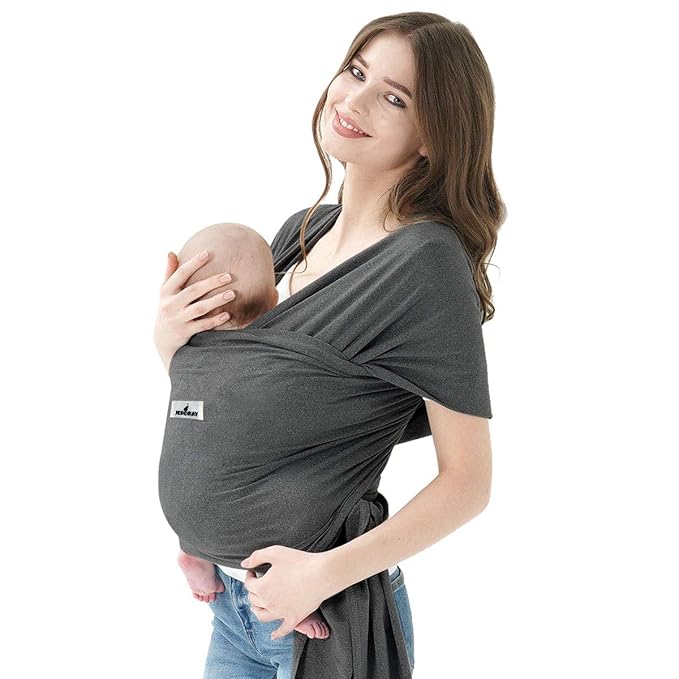
Jeroray Baby Wrap Carrier
Best: Affordable
Jeroray Baby Wrap Carrier is a budget wrap option for newborn closeness and short hands-free stretches. It is worth comparing only if parents are willing to practise snug wrapping and recheck support as the baby gets heavier.
Pros
- Soft wrap format supports close newborn carrying with fewer hard parts than a buckle carrier.
Cons
- Wraps are slower for quick handoffs and require careful airway and tightness checks.
- Rank #6 Our score: 9.71 / 10
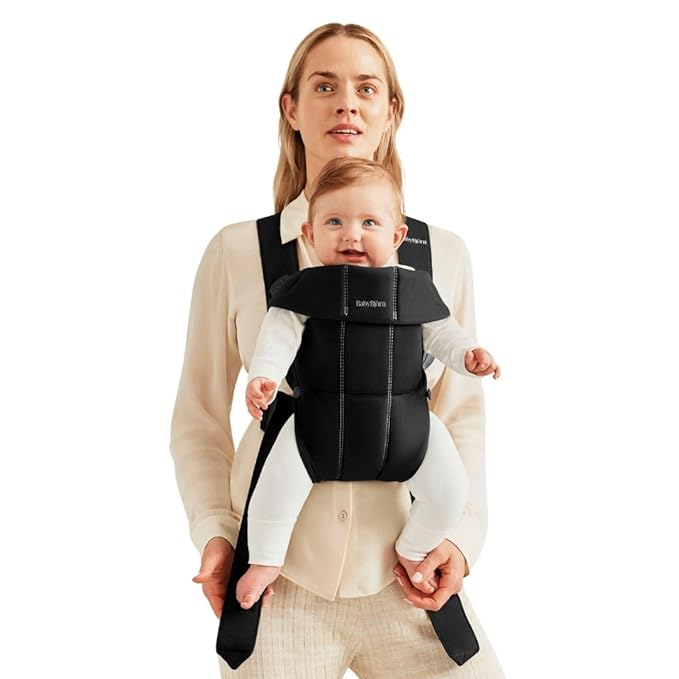
BabyBjorn Carrier Mini
For the U.S. Baby Carrier Mini Black/Woven, the maker page is inconsistent: its visible guidance says 0–6 months and up to 15 lb (6.8 kg), while separate structured text says 0–12 months and 7-24 lb (3.2-10.9 kg). The U.S. manual’s 25 lb (11.3 kg) maximum is an instruction ceiling, not a recommendation. Until the maker clarifies, use the lower visible guidance as the conservative boundary and check fit and positioning in the manual.
Pros
- One of the quickest structured newborn carriers to get on and off, which makes it unusually easy to justify for short daily carries, handovers, and travel days when a bigger carrier feels like too much kit.
Cons
- The shorter lifespan is real: once your baby gets heavier, it is much less convincing than stronger waistbelt carriers for longer walks or later back-carry use.
- Rank #7 Our score: 9.71 / 10
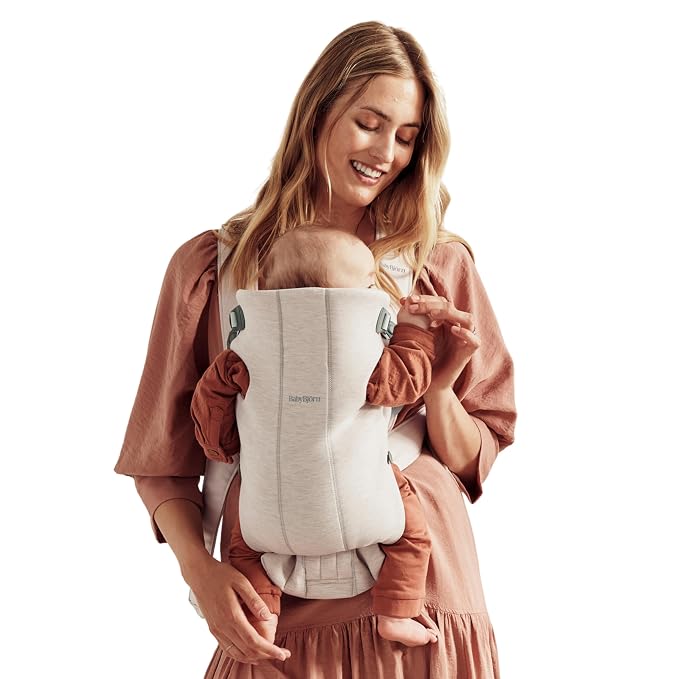
BabyBjörn Mini 3D Jersey Carrier
BabyBjörn Mini 3D Jersey is a soft carrier for the early months when quick in-and-out handling matters more than a long toddler stage. Its front opens completely for transfers, but the waist-belt-free design puts more load on the shoulders as the baby gets heavier.
Pros
- The fully opening front makes it easier to put down a sleeping baby without undoing every adjustment.
Cons
- Without a waist belt, shoulder load rises sooner and limits comfort as the baby grows.
- Rank #8 Our score: 9.71 / 10
BabyBjorn Carrier Harmony
Best: Back Carry
BabyBjorn Harmony is the premium BabyBjorn choice when shoulder, waist, and back support matter as much as easy buckling. It suits families expecting frequent longer carries, but it is more expensive and bulkier than Mini for quick newborn-only use.
Pros
- The padded waist support, thicker shoulder straps, and back-carry range make it much more convincing for longer wears than newborn-first carriers that fade once your baby gets heavy.
Cons
- It is expensive, and that premium only really pays off if you expect regular longer wears rather than short occasional carries.
- Rank #9 Our score: 9.71 / 10
Mabē Monarch Baby Carrier
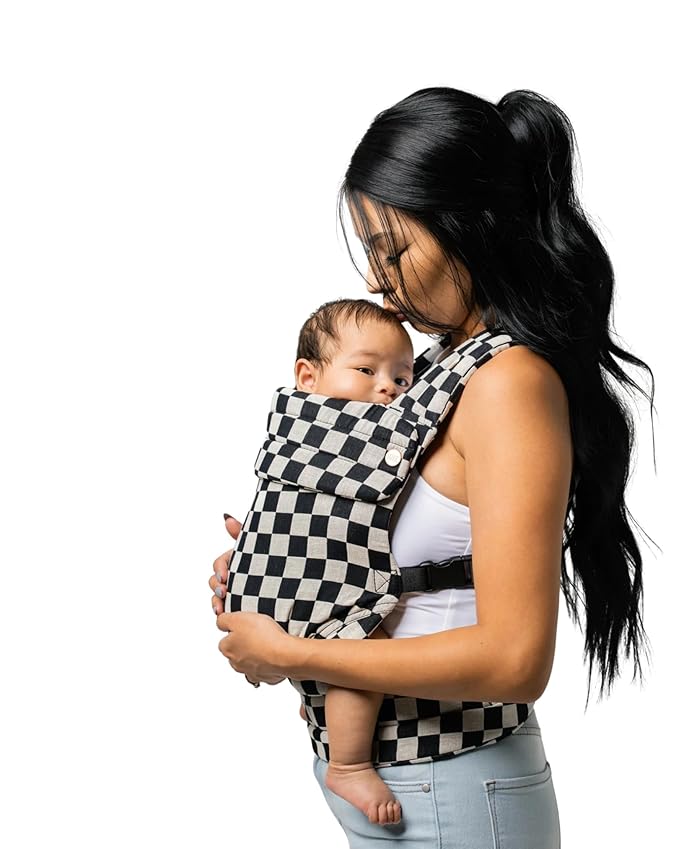
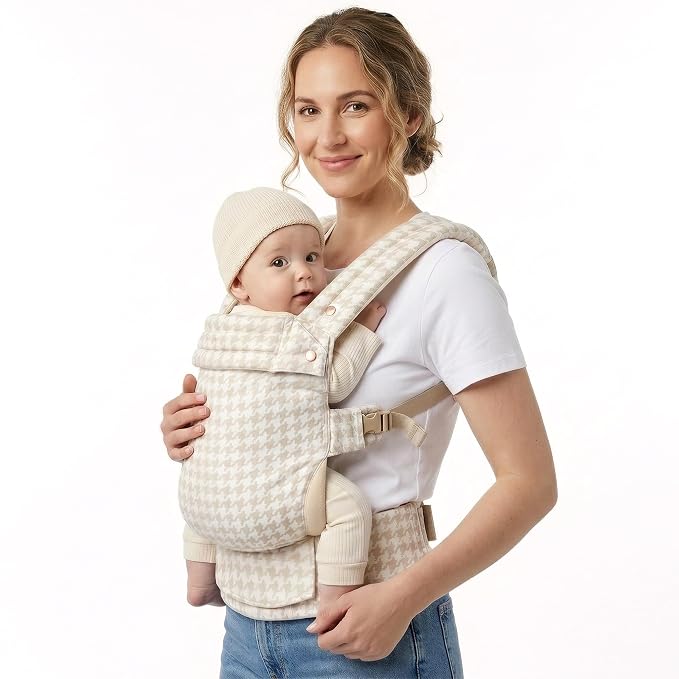
Mabē Monarch Baby Carrier fits parents who want a polished cotton-linen structured carrier for the main baby months, with front-in, front-out, and later back carry. It is less of a newborn-first specialist than the title suggests, so check baby size, panel height, and airway clearance before early use.
Pros
- Cotton-linen fabric and three carry positions make it a polished everyday alternative to more technical-looking carriers.
Cons
- Early use needs extra panel-height and airway checks; it should not be treated as an automatic tiny-newborn fit.
- Rank #10 Our score: 9.71 / 10
NEST BLANCHE 4-in-1 Baby Carrier
The NEST BLANCHE 4-in-1 is a padded X-back buckle carrier with a listed 7-35 lb (3.2-15.9 kg) range for caregivers wanting an adjustable, style-led everyday option. The broad stage promise is backed only by the marketplace listing, so verify the smallest-baby setup, permitted positions and strap routing in the manual before relying on it.
Pros
- The X-back layout, padded straps and adjustable waistband provide more load-spreading structure than a sling.
Cons
- Only marketplace evidence supports the four-position and 7-35 lb (3.2-15.9 kg) claims, leaving less pre-buy guidance than established models offer.
- Rank #11 Our score: 9.70 / 10
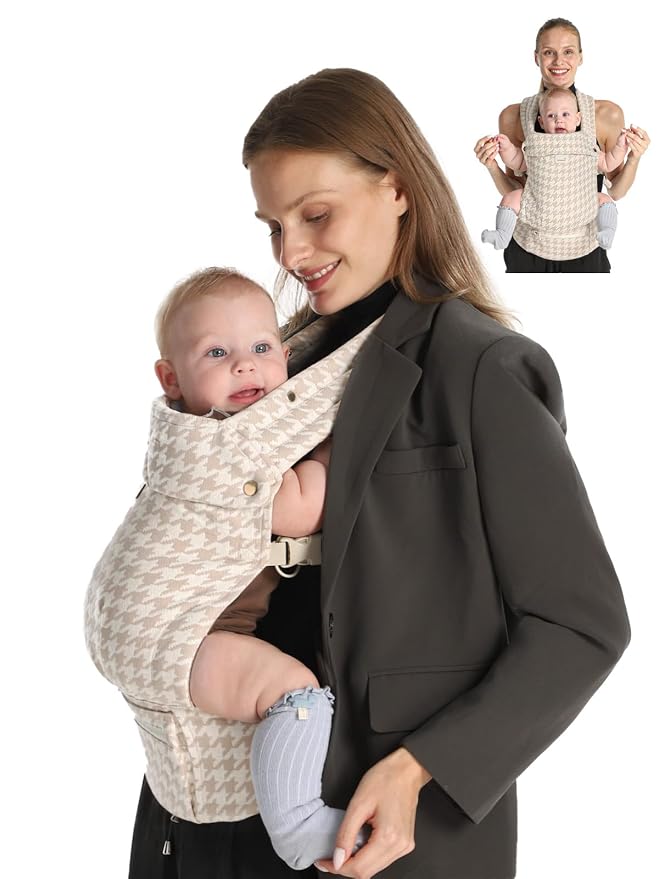
Bebamour Mesh Hip-Seat Baby Carrier
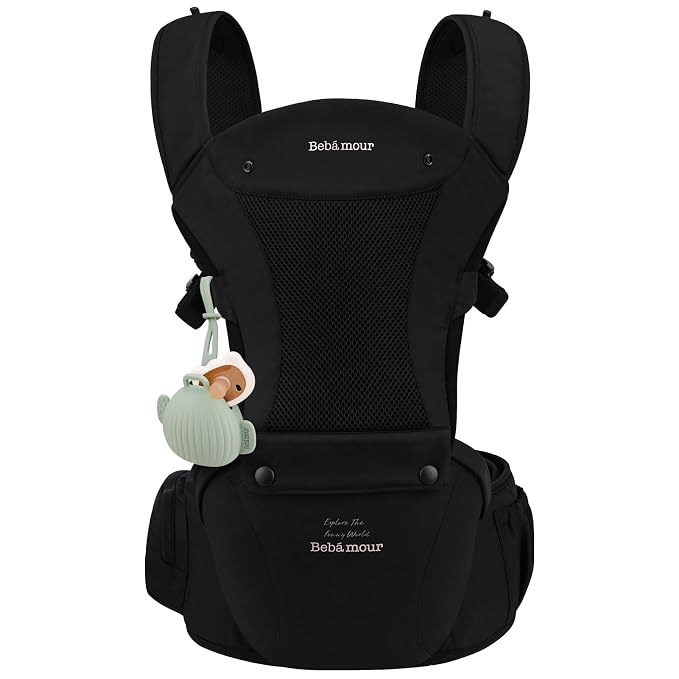
This newer Bebamour has a mesh upper panel, a firm hip seat and a cover secured with buttons. The exact black and beige versions show the complete carrier for 3–36 months, up to 32.8 lb (14.9 kg). We recommend inward-facing use only once your child sits independently and holds their head steadily. The zipped, buckled panel must remain attached for that use; detached-seat and newborn cradle pictures describe a different, arm-supported setup. Expect more bulk than a fabric-only carrier.
Pros
- The mesh panel exposes less solid fabric around the child when its cover is open.
Cons
- The firm hip seat projects from the waist and cannot pack flat like a fabric-only carrier.
- Rank #12 Our score: 9.70 / 10
You+ME 4-in-1 Mesh Baby Carrier
The You+ME mesh carrier pairs a washable snap-on bib with an adjustable seat for babies weighing 8-32 lb (3.6-14.5 kg). It suits caregivers who want inward, outward and back carrying without tying a wrap. Start inward with the narrow seat; outward and back carrying are later stages, from six months with full head and neck control. The tradeoff is stage-specific seat adjustment and needing another adult to help load a baby onto your back.
Pros
- The removable bib catches dribble before it reaches the carrier, while the mesh lining and machine-washable fabric simplify warm-weather use and cleanup.
Cons
- Back loading requires another adult's help; it is not a solo on-and-off option for quick errands.
- Rank #13 Our score: 9.69 / 10
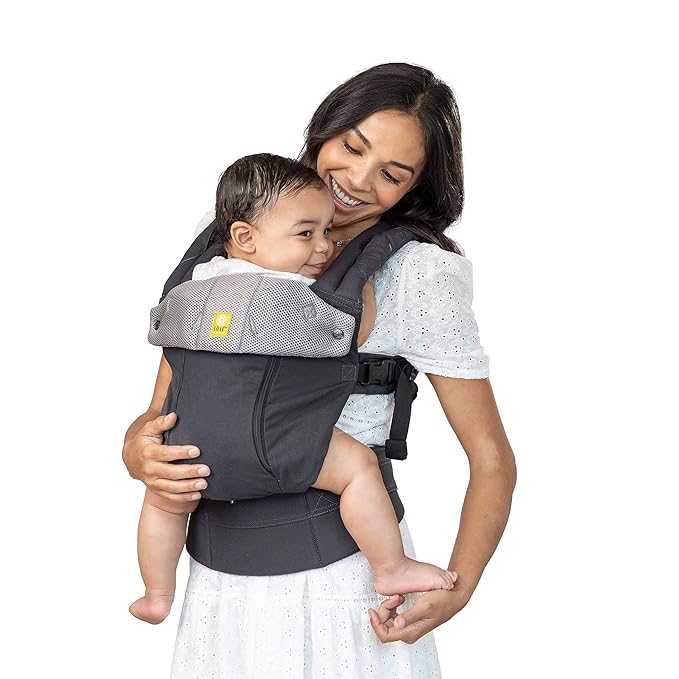
LILLEbaby Complete All Seasons
LILLEbaby Complete All Seasons is for parents who want one structured carrier with newborn-to-toddler range, multiple positions, lumbar support, and a zip-down mesh panel for warmer days. It is more carrier to store and adjust than a soft newborn wrap.
Pros
- Six carry positions and a wider stage range make it a credible one-carrier plan.
Cons
- The larger structured build is more involved than a simple newborn wrap.
- Rank #14 Our score: 9.67 / 10
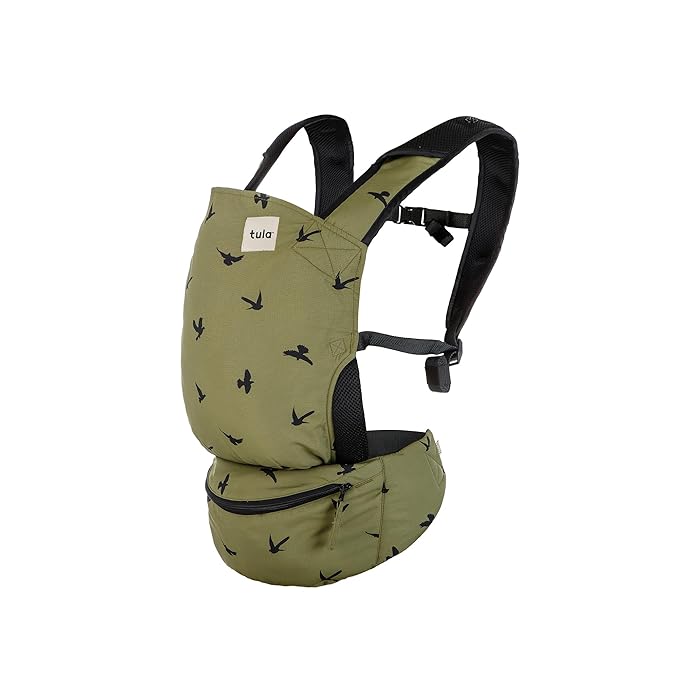
Baby Tula Lite Carrier
Baby Tula Lite Carrier fits families who want a compact travel carrier for babies who are past the newborn stage and need quick front or back carrying. It packs into its waistband pouch, but the 12-30 lb (5.4-13.6 kg) range means it is not the one-carrier newborn answer.
Pros
- The carrier packs into its attached waistband, making it a real stroller-basket or travel backup rather than a full daily carrier.
Cons
- The 12-30 lb (5.4-13.6 kg) range means it is not a newborn carrier or a long toddler-range carrier.
- Rank #15 Our score: 9.66 / 10
Grownsy Easy-Breezy
Grownsy Easy-Breezy combines broad crossed shoulder straps with side buckles, giving you a wrap-like front carrier without long fabric tails to tie. Its waist pocket keeps a phone close during walks. Grownsy specifies 7-40 lb (3.2-18.1 kg) for this model; the foldable head pad must still leave your baby's face clear. Choose it for front carrying, not for a planned move to back carrying.
Pros
- Broad crossed straps and side buckles avoid tying long wrap tails.
Cons
- The documented carrying options stay in front; this is not a back-carry progression model.
- Rank #16 Our score: 9.66 / 10
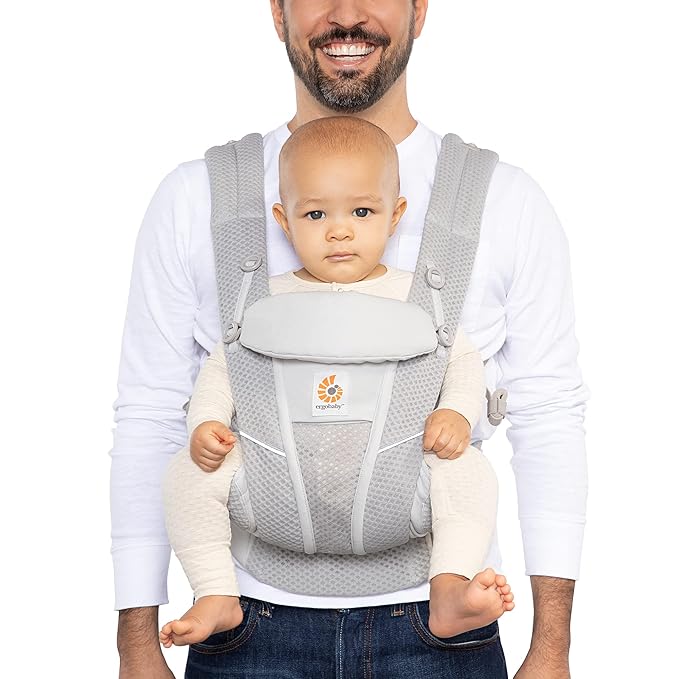
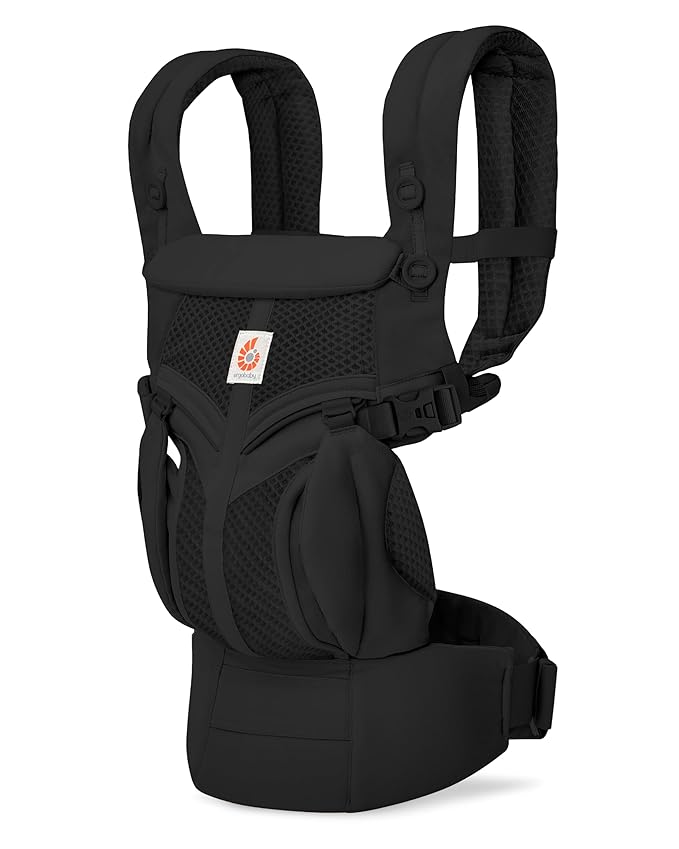
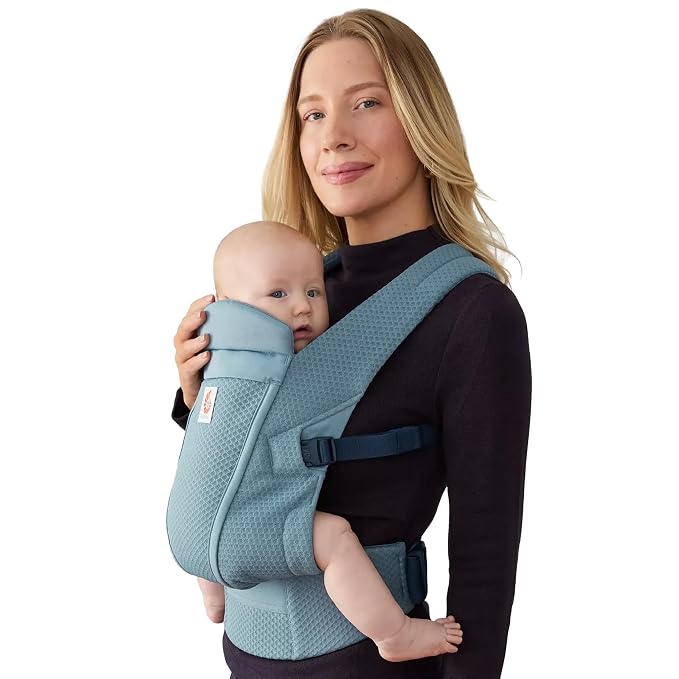
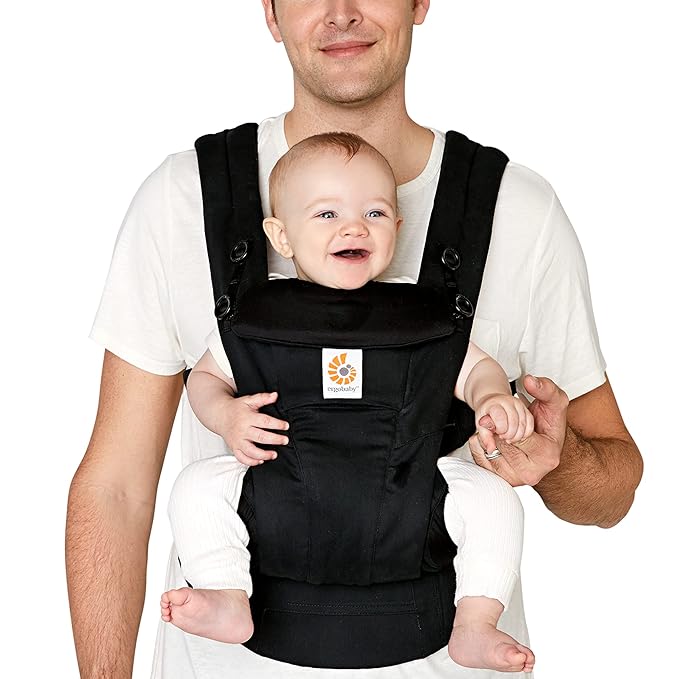
Ergobaby Omni Breeze
US brand
Ergobaby Omni Breeze combines SoftFlex mesh, an adjustable seat and lumbar support for inward carrying from 7.1 lb (3.2 kg) and 20 in (50.8 cm), then outward, hip and back modes at their later thresholds. It suits families planning regular warm-weather carries, provided they will reset the fit for each stage.
Pros
- SoftFlex mesh, an adjustable seat and a lumbar pad combine ventilation with support that can be reset as the child grows.
Cons
- The four positions do not share one start point: outward carry needs strong head and neck control, and every mode has its own weight and stage limits.
- Rank #17 Our score: 9.65 / 10
Boppy ComfyFit Adjust Hybrid Baby Carrier
Boppy ComfyFit Adjust Hybrid Baby Carrier fits parents who want a softer wrap-like feel with a waist belt and adjustable straps instead of a full buckle carrier. It is best for close early daily carrying and quick packing, with less long-session structure than bigger carriers.
Pros
- Adjustable arm straps, wrap panels and belt make it easier to share than fixed-size soft wraps.
Cons
- It is less structured than fuller buckle carriers, so longer wears with a heavier baby may feel less supported.
- Rank #18 Our score: 9.65 / 10
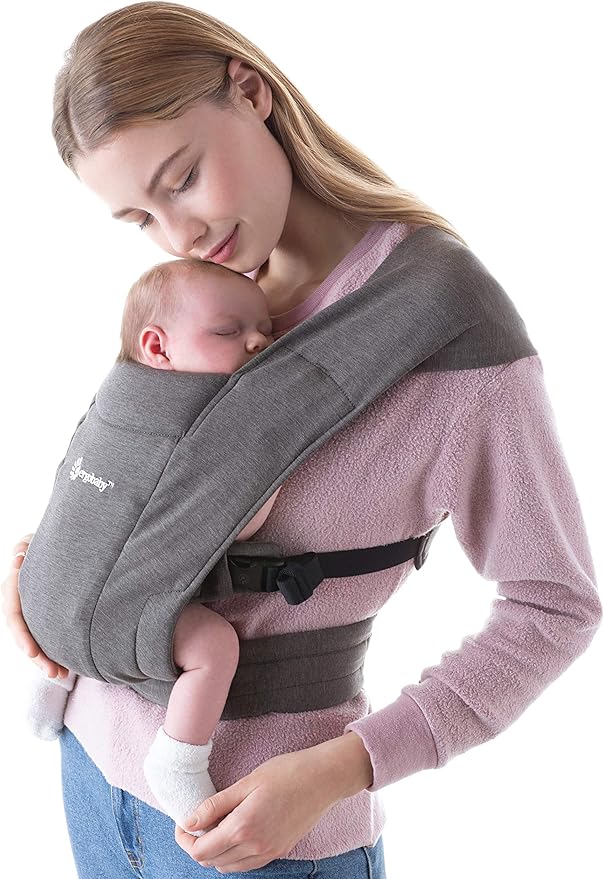
Ergobaby Embrace
US brand
Ergobaby Embrace is a 7.1-24.9 lb (3.2-11.3 kg) first-stage carrier with soft fabric, buckle fastening and crossed shoulder straps. It has front inward and outward positions but no back carry; outward-facing starts at 26 in (66 cm) with steady head and neck control, and a baby must not sleep facing out.
Pros
- Soft fabric, buckle fastening and crossed shoulder straps give a wrap-like front carry without tying a long wrap.
Cons
- The 7.1-24.9 lb (3.2-11.3 kg) range and lack of back carry make this a first-stage carrier.
- Rank #19 Our score: 9.65 / 10
Ergobaby Omni Classic
US brand
A mesh all-in-one buckle carrier for families who want one model from 7.1 lb (3.2 kg) through toddler carrying, with inward, outward, hip, and later back positions. Adjusting the seat inside the waistband avoids a separate newborn insert; the broad range adds setup decisions, and outward carry starts at five months while hip and back carry start at six months.
Pros
- The 7.1-45 lb (3.2-20.4 kg) inward-carry range and adjustable seat reduce the need for a separate newborn insert or early replacement.
Cons
- Four modes do not share one start point: outward carry begins at five months, and hip/back carry at six months; the waistband seat must be reset for the child's size.
- Rank #20 Our score: 9.64 / 10
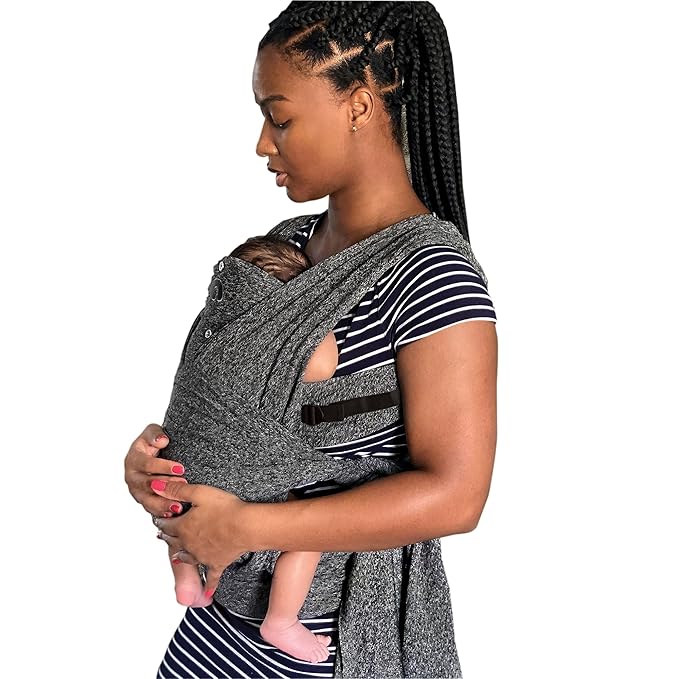
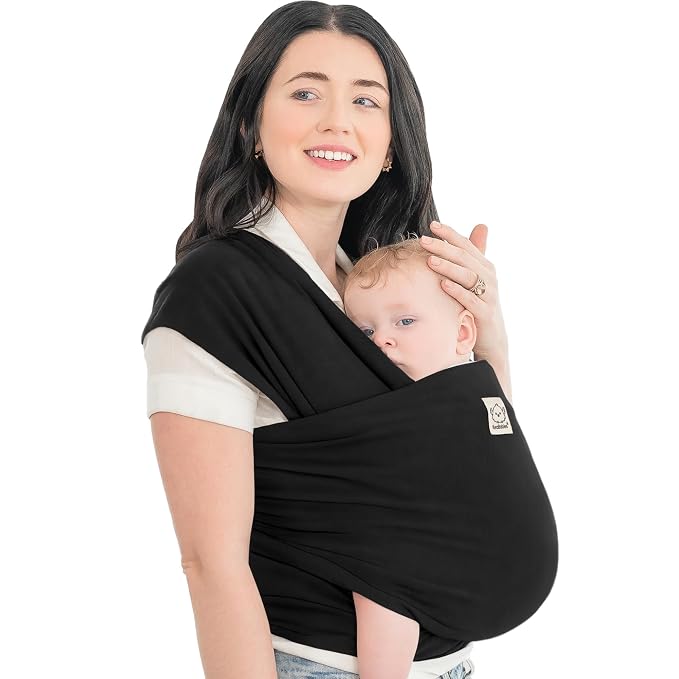
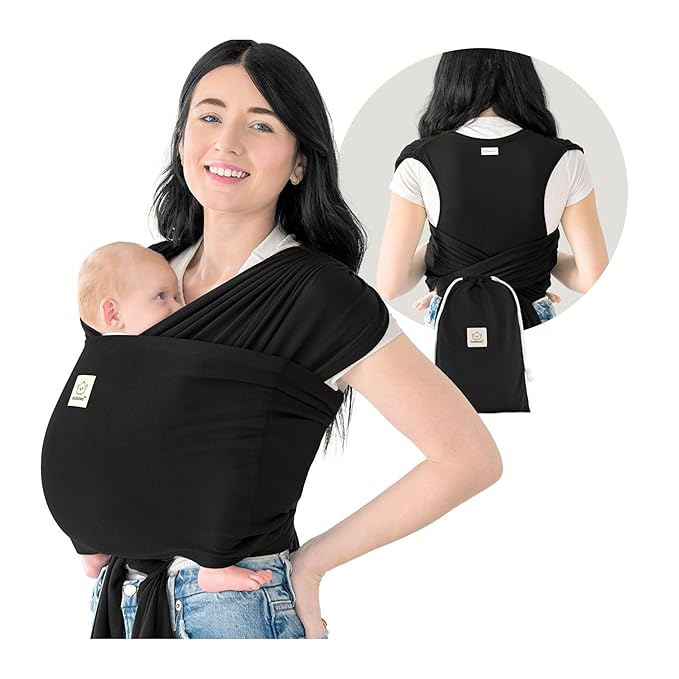
KeaBabies Original Baby Wrap
The KeaBabies Original Baby Wrap is a one-size stretchy wrap that spreads a newborn's weight evenly across your back and shoulders, from the first days through the carrying months. It suits parents who want an affordable, close hands-free carry; the tradeoff is wrapping practice and less support once babies pass the wrap's weight range.
Pros
- Even weight distribution across back and shoulders eases long wears.
Cons
- Wrapping takes a little practice before the fit feels secure.
- Rank #21 Our score: 9.63 / 10
MOCKPOSE Cotton Baby Carrier
The MOCKPOSE Cotton Carrier is a soft-structured X-back model for caregivers wanting cotton contact fabric and front or back options. Treat its 3-month inward-facing instruction as the conservative starting point, not the conflicting 7 lb (3.2 kg) newborn headline, and confirm every stage and strap route in the supplied manual.
Pros
- Cotton contact panels, crossed straps and waist support provide a fuller setup than a simple sling.
Cons
- Conflicting newborn and three-month guidance makes the exact manual essential before first use.
- Rank #22 Our score: 9.62 / 10
Ergobaby Omni Lite Baby Carrier
US brand
Ergobaby Omni Lite is a structured, mesh carrier for caregivers who want a simple inward-facing front carry instead of setting up several positions. Ergobaby gives a 7-35 lb (3.2-15.9 kg) weight range and describes use through approximately 24 months, with caregiver sizing through 4XL. Its limited setup is the main tradeoff: there is no outward-facing, hip or back carry as the child grows, so families wanting one carrier for later stages should compare a multi-position model.
Pros
- One inward-facing position and a 7-35 lb (3.2-15.9 kg) fit span keep the setup straightforward for early front carries.
Cons
- This model has no outward-facing, hip or back carry; follow the 35 lb (15.9 kg) maximum, while treating 24 months as approximate age guidance.
- Rank #23 Our score: 9.61 / 10
Beco Toddler Carrier Cool Mesh
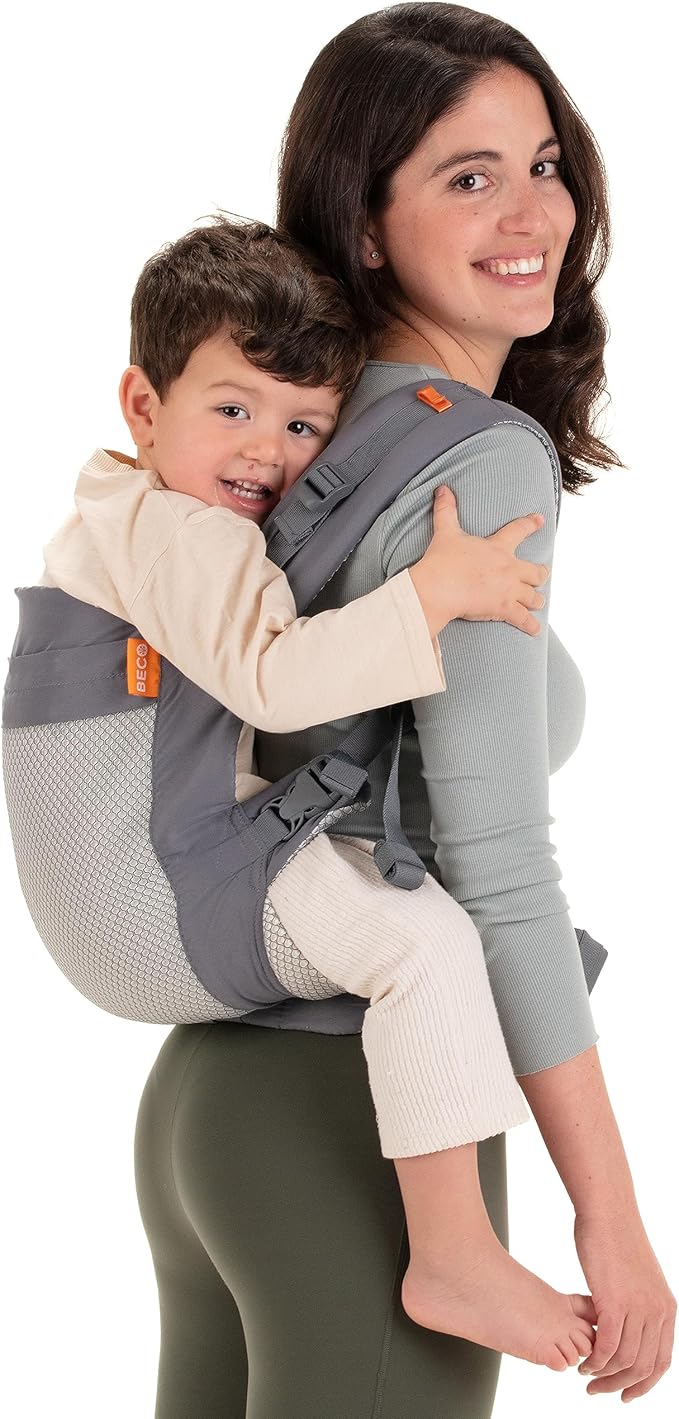
US brand
Beco Toddler Carrier Cool Mesh is for families carrying an older toddler who has outgrown smaller baby carriers but still needs front or back support on longer outings. It is not a newborn carrier; its role is bigger-child comfort and airflow.
Pros
- Toddler-sized seat and taller panel make it more appropriate for bigger children than many baby-first carriers.
Cons
- It starts in toddler territory, so families need another answer for babies and newborns.
- Rank #24 Our score: 9.57 / 10
Nalakai Ring Sling
US brand
Best: Ring Sling
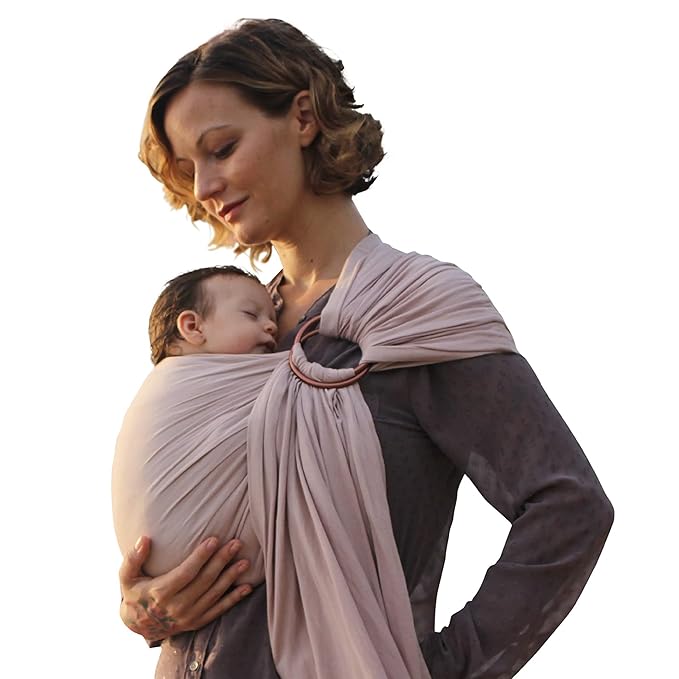
Best if you want a ring sling for shorter daily carries without moving all the way up to the pricier premium end of the category. Nalakai Ring Sling is strongest when quick setup, lower bulk, and a fabric-first carry style matter more than maximum long-haul comfort.
Pros
- It hits a useful middle ground if you want ring-sling carry without paying up for the more premium boutique end of the category.
Cons
- The lighter sling brief still means less long-session comfort and more one-shoulder fatigue than a more supportive carrier.
- Rank #25 Our score: 9.56 / 10
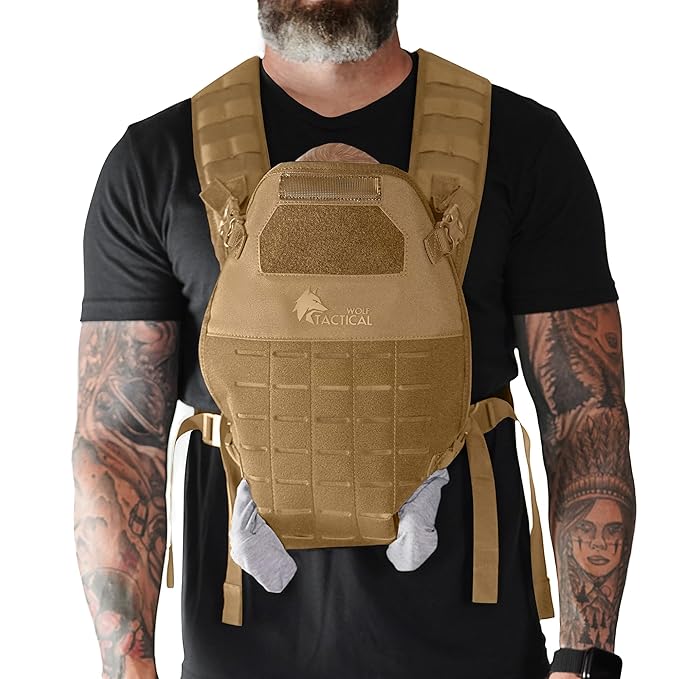
Wolf Tactical Baby Carrier
Wolf Tactical Baby Carrier fits parents who specifically want a rugged soft-structured carrier with 600D fabric, UTX buckles, removable mesh lining, and MOLLE-style attachment points. The same tactical build adds bulk and style commitment, so check comfort, baby positioning, and whether those attachment points are actually useful.
Pros
- The official 8-33 lb (3.6-15 kg) range, inward/outward modes and removable mesh lining give the rugged shell a defined use boundary.
Cons
- The 600D tactical shell may feel bulkier and less soft than a simpler carrier designed around fine newborn adjustment.
- Rank #26 Our score: 9.55 / 10
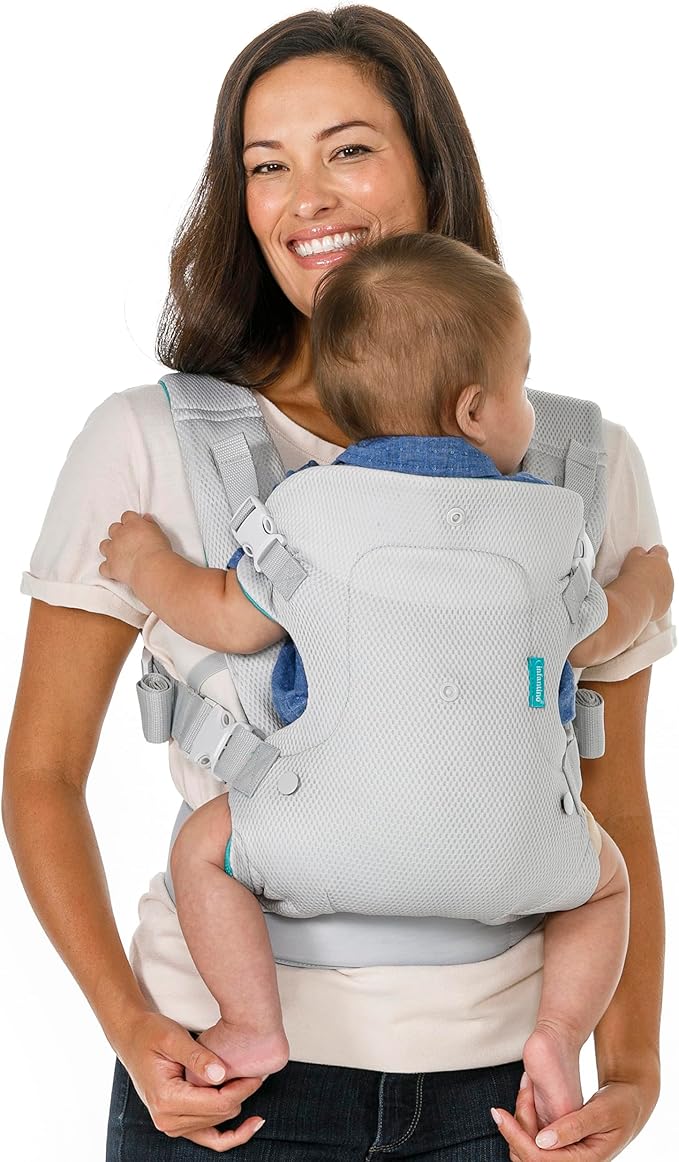
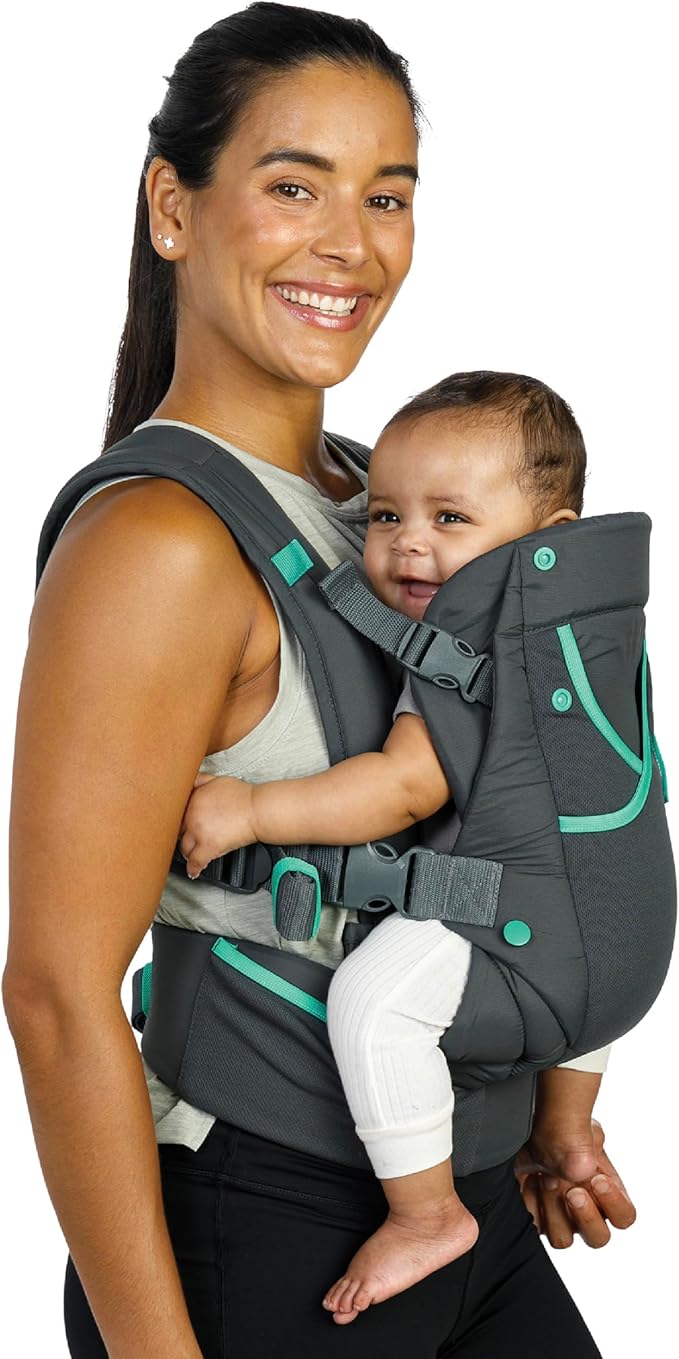
Infantino Flip 4-in-1 Light & Airy
US brand
The Infantino Flip Light & Airy pairs a mesh body with two seat widths and later back carrying, for 8-32 lb (3.6-14.5 kg). Compare it with the standard Flip when ventilation matters on outings, but do not treat mesh as protection from overheating. Outward facing requires independent head control; back carrying waits until your child sits unaided.
Pros
- Mesh construction adds ventilation while retaining the Flip’s narrow/wide seat and later back-carry option.
Cons
- Ventilation does not replace monitoring your baby’s temperature and airway; each carrying position also has its own readiness and seat-width rules.
- Rank #27 Our score: 9.53 / 10
Ava & Oliver Essential Baby Carrier
Ava & Oliver Essential Baby Carrier suits parents who want a lightweight soft-structured carrier for travel, walks, and front-in or back carrying across a 7-35 lb (3.2-15.9 kg) range. Check the stage guidance carefully, because the listed carry positions start at 3+ months for front-in and 6+ months for back carry.
Pros
- Front-in and back carry cover the common early-baby to toddler errand stages without a wrap routine.
Cons
- There is no verified newborn position: inward-facing carry starts at three months and back carry at six months.
- Rank #28 Our score: 9.52 / 10
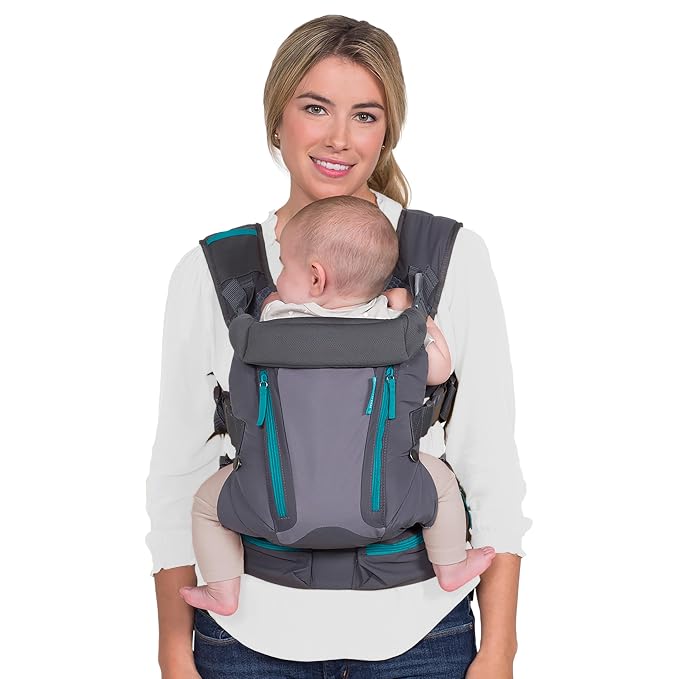
Infantino Carry On Baby Carrier
US brand
The Infantino Carry On suits caregivers who want a structured 8-40 lb (3.6-18.1 kg) carrier with enough built-in storage for a phone, wipes and other small essentials. Its two-width seat and waist belt give it more stage range than a simple front carrier, while six loaded pockets can add bulk and should not replace a proper day bag.
Pros
- Six pockets, breathable mesh and a two-width seat combine storage, airflow and stage adjustment in one structured carrier.
Cons
- Loaded pockets add weight directly to the carrier, and outward or back carry must wait for the stage specified in the guide.
- Rank #29 Our score: 9.52 / 10
KeaBabies D-Lite Wrap Carrier
KeaBabies D-Lite Wrap Carrier fits parents who want a wrap-style carrier that slips on more like a shirt and adjusts with side rings. It is easier for quick newborn-to-baby errands than a long traditional wrap, but the ring-and-strap setup still needs careful tightening and fit checks.
Pros
- Shirt-like setup and side rings reduce the learning curve compared with a long wrap.
Cons
- Ring-and-strap tightening still needs a careful fit check every time, especially with a small newborn.
- Rank #30 Our score: 9.51 / 10
Infantino Flip Luxe 4-in-1
US brand
The Infantino Flip Luxe is the step-up Flip for parents who want the familiar four-position concept with wider lumbar support and a listed 7-35 lb (3.2-15.9 kg) range. It should distribute load better than the basic Flip Advanced, but it remains a value-focused carrier and each seat configuration still needs to match the child's stage.
Pros
- Wider lumbar support addresses a key comfort limitation of basic budget carriers while retaining four stage-dependent setups.
Cons
- The Luxe name does not remove the need to test shoulder and waistband comfort before long carries.
- Rank #31 Our score: 9.50 / 10
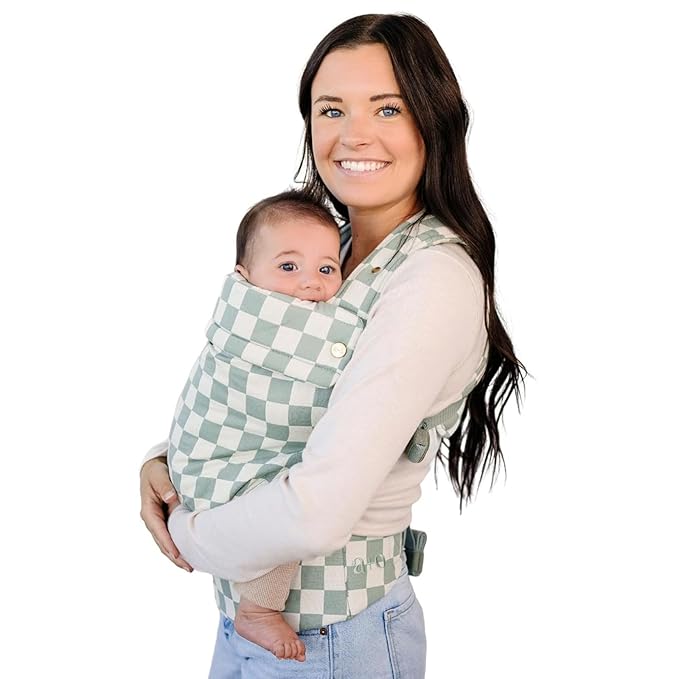
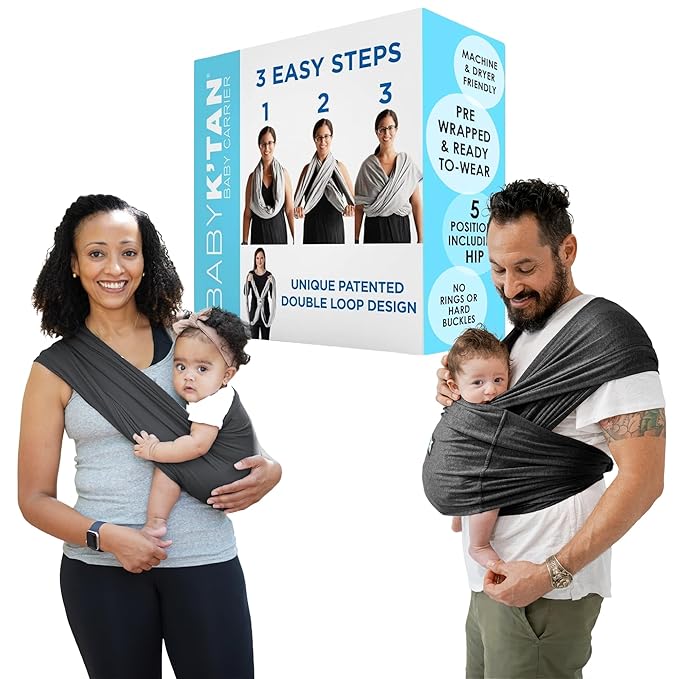
Baby K'tan Active Yoga Baby Carrier
Baby K'tan Active Yoga Baby Carrier fits parents who want a sized, pre-wrapped carrier for warm walks and quick newborn carrying without loose wrap tails. The tradeoff is sizing: the adult size must be right, and it is less shareable between caregivers than adjustable carriers.
Pros
- Pre-wrapped double-loop design solves the long-wrap learning curve for quick newborn and warm-weather carries.
Cons
- Adult sizing has to be right before use, which makes it less forgiving for sharing between caregivers.
- Rank #32 Our score: 9.49 / 10
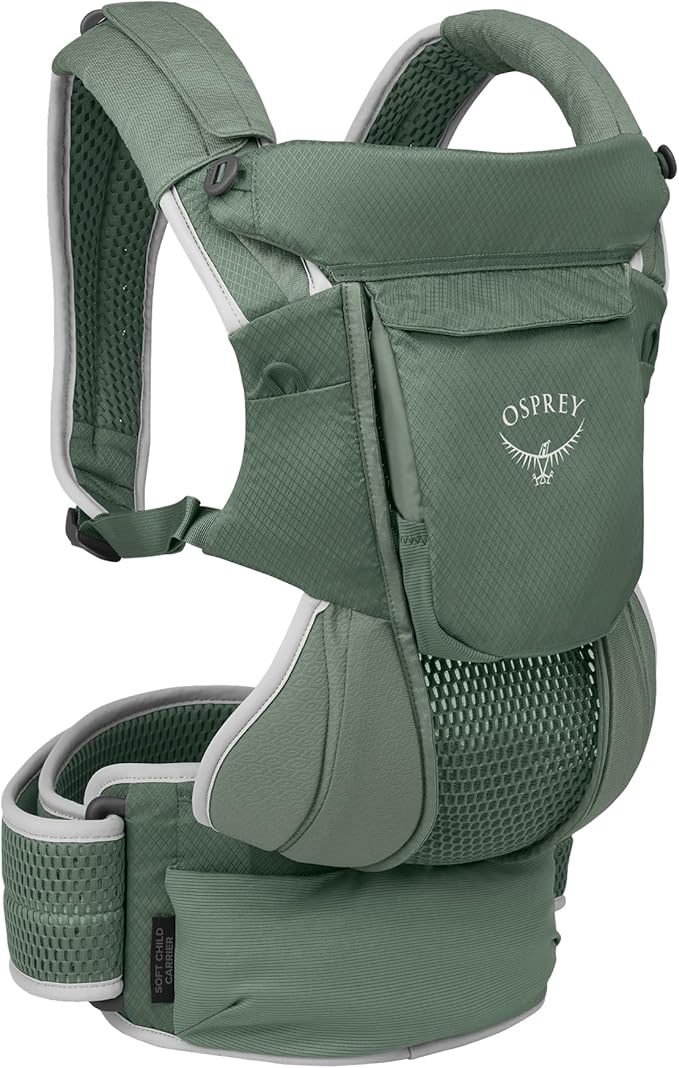
Osprey Poco Soft Child Carrier
The Osprey Poco Soft suits active families who want a supportive, breathable carrier for outings rather than a tied wrap. Its wide padded hipbelt, mesh seat and three carry positions cover inward-facing carries, outward-facing once a baby has head and body control, and later back carries. The tradeoff is a more substantial harness and waistbelt that packs bulkier than a simple sling; check the owner’s manual for the position and fit that match your child’s stage.
Pros
- Three documented carry positions and a padded hipbelt give this soft carrier a longer progression than a front-only sling.
Cons
- The supportive waistbelt and harness take more room in a bag than a wrap or compact sling.
- Rank #33 Our score: 9.47 / 10
Infantino Carry On Active Baby Carrier
US brand
Infantino Carry On Active Baby Carrier is for parents who want a lower-priced structured carrier with pockets, waist support, and an 8-40 lb (3.6-18.1 kg) style range. It fits practical errands better than premium long-wear ambitions.
Pros
- Pockets and waist support make it useful for short outings where parents want essentials close.
Cons
- It is bulkier than a wrap and less refined than premium structured carriers.
- Rank #34 Our score: 9.47 / 10
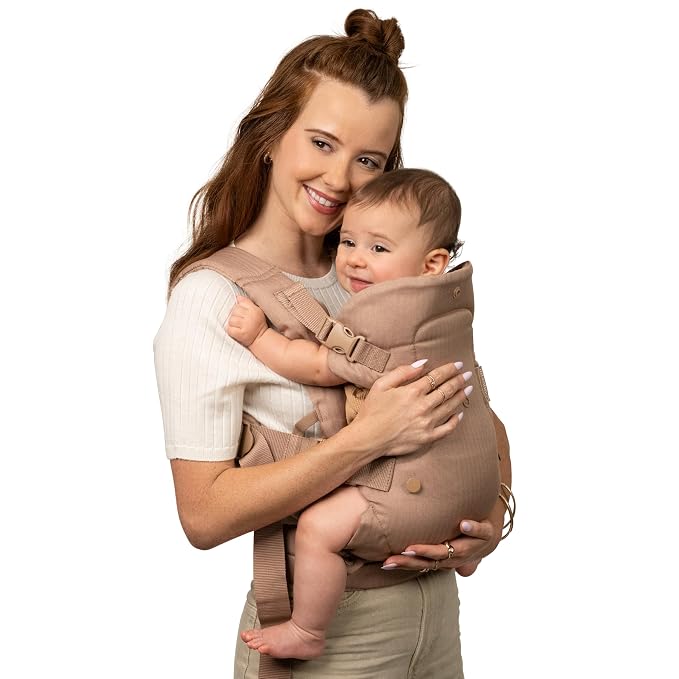
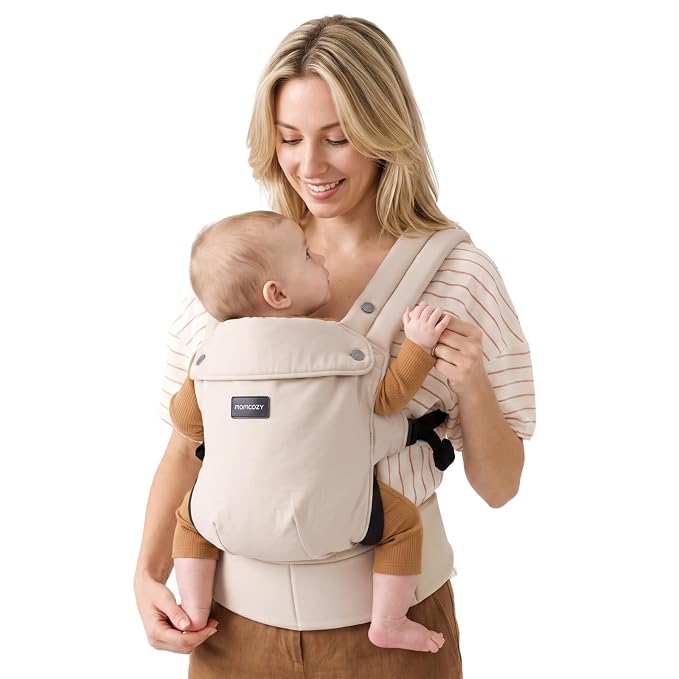
Momcozy PureHug Baby Carrier
US brand
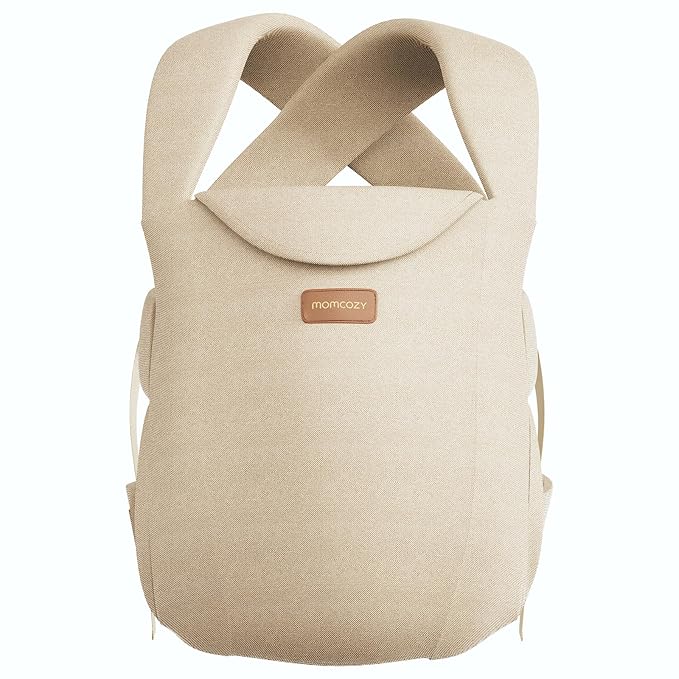
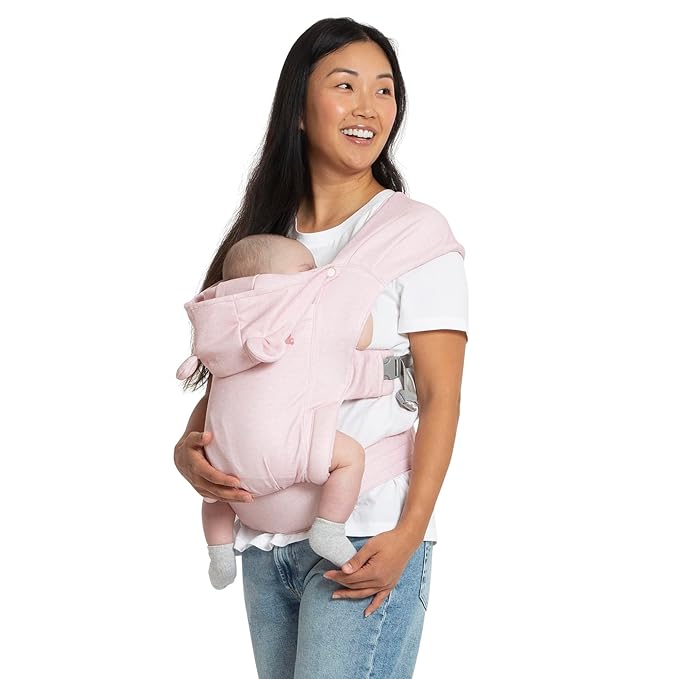
Momcozy PureHug is a cotton buckle carrier for parents who prefer crossed shoulder straps and a padded waist belt for everyday front carries. Three seat-width settings let you adjust the support as your baby grows. Choose it from three months, once the panel fits with the face clear and ears above its top edge; it is not a from-birth carrier. Its documented setup keeps your baby facing you, so it is a limited choice if you want back carrying.
Pros
- Three seat-width settings and crossed shoulder straps let you adjust the baby’s support and your own fit separately.
Cons
- The three-month starting age rules it out as your carrier for the first weeks after birth.
- Rank #35 Our score: 9.47 / 10
Ergobaby Omni Dream
US brand
Ergobaby Omni Dream fits parents who want one softer cotton structured carrier from newborn through toddler use, including later hip and back carry. Choose it for broad stage coverage and a cozier fabric feel; choose Omni Breeze instead if airflow is the main reason to spend more.
Pros
- Soft cotton fabric, 7-45 lb (3.2-20.4 kg) range and four carry positions make it a strong one-carrier plan for many families.
Cons
- Cotton comfort is the point, so it is not the best Omni choice if maximum airflow is the main problem.
- Rank #36 Our score: 9.46 / 10
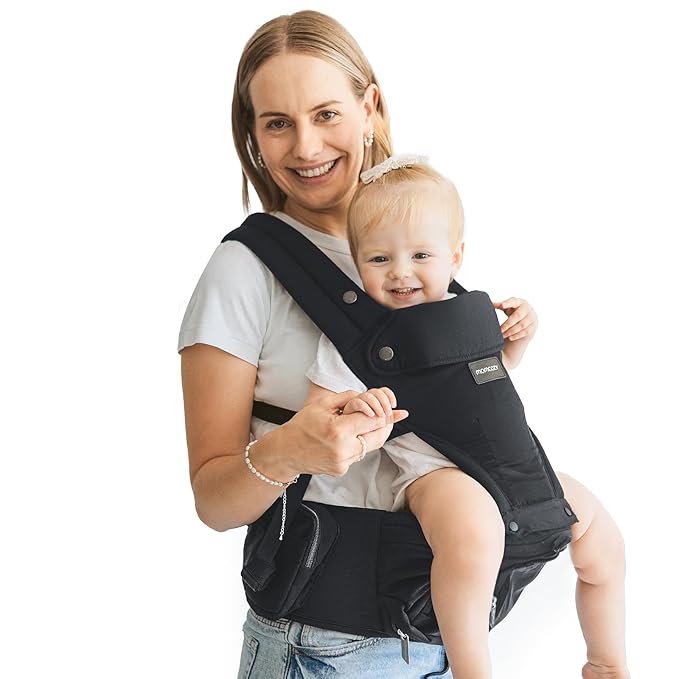
Momcozy 2-in-1 Hip Seat Baby Carrier
US brand
Momcozy 2-in-1 Hip Seat Baby Carrier is for older babies and toddlers who alternate walking and being carried on longer errands. The hip-seat base helps with repeated lifts, but it adds bulk and is not the cleanest newborn-first answer.
Pros
- The detachable hip-seat format can reduce arm strain during frequent up-and-down carrying.
Cons
- The waist base is bulkier than a slim buckle carrier or wrap.
- Rank #37 Our score: 9.44 / 10
Shiaon Mesh Baby Carrier
The Shiaon Mesh Carrier is a simple 8-30 lb (3.6-13.6 kg) option for caregivers who want a quick-entry panel and breathable cotton-mesh construction. Its lighter design may suit short warm-weather errands, but the marketplace-only evidence leaves carry positions and stage rules less clear than on better-documented carriers.
Pros
- Cotton with 3D mesh and a quick-entry design target short, warm-weather carries without a bulky setup.
Cons
- The reviewed listing does not clearly document every carry mode or its timing, so the supplied manual is essential.
- Rank #38 Our score: 9.42 / 10
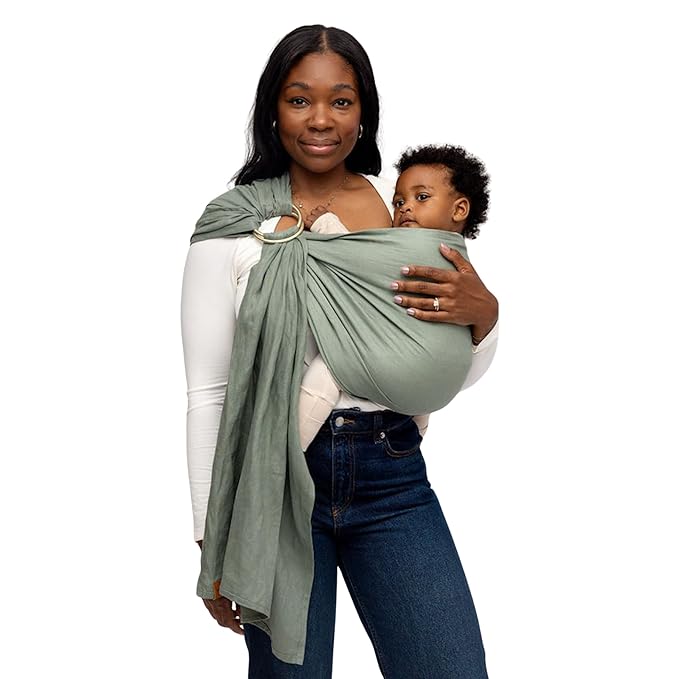
WildBird Ring Sling
US brand
Best if you want a nicer-fabric ring sling for fast up-down use without the bulk of a structured carrier. WildBird Ring Sling is most useful when quick adjustment, lower bulk, and a cooler linen-like feel matter more than two-shoulder weight distribution.
Pros
- The nicer fabric feel and more style-led finish make it easier to justify if you want a ring sling that feels better than the cheaper basics.
Cons
- You are paying partly for fabric and finish while the fundamental single-shoulder limits of a ring sling remain exactly that.
- Rank #39 Our score: 9.40 / 10
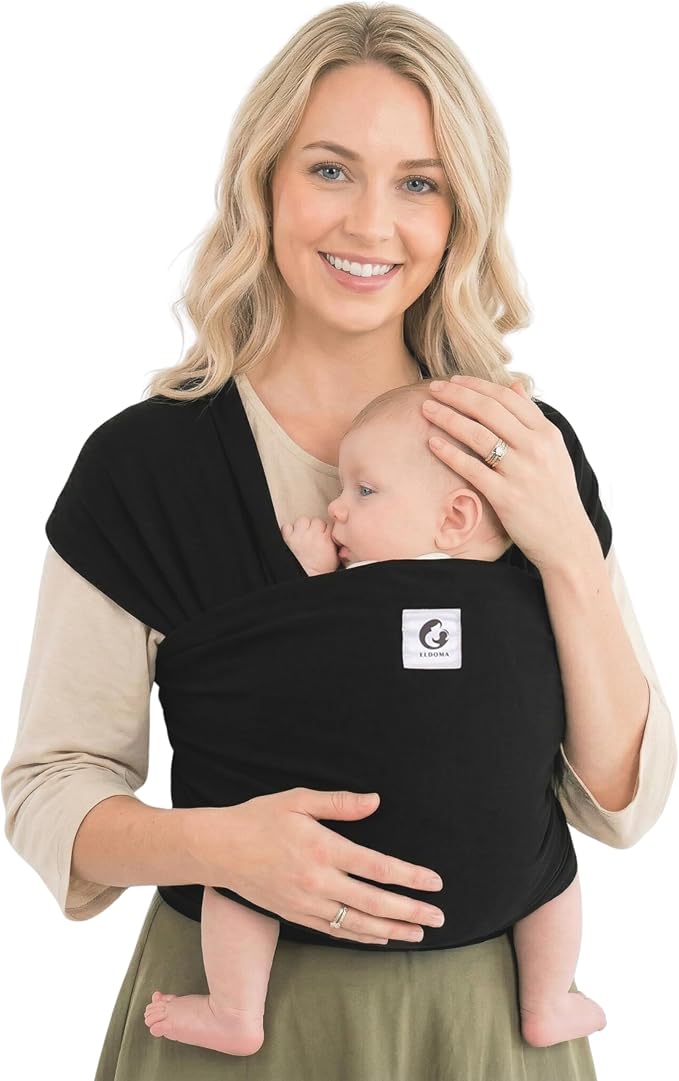
ELDOMA Black Wrap Carrier
ELDOMA Black Wrap Carrier is a stretchy wrap for parents who want a compact, close front carry from the newborn stage. Its 6.6-33.1 lb (3-15 kg) listing range is broad for elastic fabric, so prioritize a high, tight, visible-airway fit and expect support to decrease as the child gets heavier.
Pros
- The long stretch fabric packs small and can be adjusted around different carers without fixed buckles.
Cons
- A loose or low tie can let a young baby slump, and the elastic support becomes less comfortable at the upper end of the stated range.
- Rank #40 Our score: 9.40 / 10
MISSWISDOM Mesh Baby Carrier
MISSWISDOM Mesh Carrier is a low-cost structured option for the listed 7-30 lb (3.2-13.6 kg) range, with cross-back straps and lumbar padding. Breathable fabric suits warm errands, while the delivered instructions must govern newborn fit and any outward-facing stage.
Pros
- Mesh panels and cross-back load distribution target warm everyday use.
Cons
- The broad age marketing is less useful than the stated weight and manual-led fit.
- Rank #41 Our score: 9.39 / 10
Momcozy WeeSnug Newborn Carrier
US brand
Momcozy WeeSnug Newborn Carrier is a cotton structured carrier for the early stage, with a waist belt, crossed shoulder straps and adjustable head-and-neck support. Its stated range is 7.1-24.9 lb (3.2-11.3 kg); always verify a close but uncompressed fit, visible face, chin clear of chest and a panel that does not cover the airway.
Pros
- The adjustment scale, foldable head-and-neck panel and buckle structure make fit checks more visible than on a long tied wrap.
Cons
- The 7.1-24.9 lb (3.2-11.3 kg) stage is short, and newborn wording never replaces continuous airway, trunk-support and hip-position checks.
- Rank #42 Our score: 9.33 / 10
babyGap Legacy 3-in-1 Baby Carrier
US brand
babyGap Legacy 3-in-1 Baby Carrier is a wrap-style buckle carrier for parents who want newborn inward carry and later face-out use without learning a long wrap. It belongs for simple early outings, but the 25 lb (11.3 kg) ceiling makes it a shorter-run carrier than 45 lb (20.4 kg) structured models.
Pros
- Wrap-like fabric plus a waistbelt and cross straps gives a simpler early-carry setup than a long wrap.
Cons
- The 25 lb (11.3 kg) ceiling shortens its useful life compared with all-stage structured carriers rated much higher.
- Rank #43 Our score: 9.33 / 10
Boba Auri
US brand
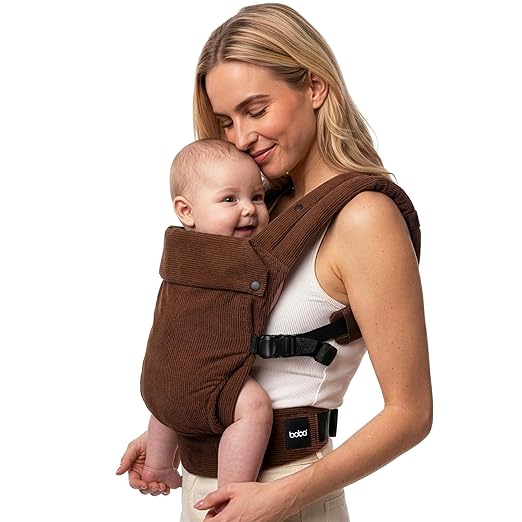
Boba Auri is for parents who want a polished buckle carrier that can move beyond early inward carrying into outward and back carry. Check the exact fabric, panel adjustment, and newborn setup before relying on it for the first weeks.
Pros
- The broader position range gives it more room to grow than a newborn-only wrap.
Cons
- Variant details matter, so sizing and newborn setup need checking before purchase.
- Rank #44 Our score: 9.33 / 10
Boba Baby Wrap
US brand
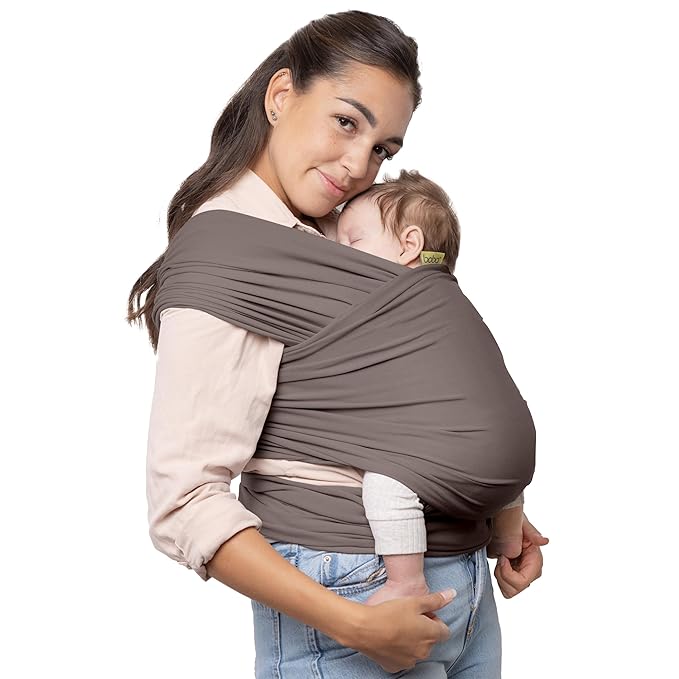
Boba Baby Wrap is the cotton-rich stretchy wrap for close, inward-facing carrying in the early months. Its approximately 5 m of fabric adjusts without buckles, but takes practice to tie and feels warmer than Boba Serenity. The 7-35 lb (3.2-15.9 kg) limit is not a promise of toddler comfort: Boba says it works best up to 20 lb (9.1 kg).
Pros
- The cotton-and-spandex fabric gives a close fit without buckles pressing against you.
Cons
- Tying roughly 5 m of fabric takes practice and makes quick changes between wearers less convenient.
- Rank #45 Our score: 9.33 / 10
Infantino Honey Blossom Baby Carrier
US brand
Infantino Honey Blossom offers an adjustable seat for front carrying from 7-40 lb (3.2-18.1 kg). Its padded cross-back straps and lumbar panel are worth trying together for your own fit. Choose it for inward-facing carrying with a seat that widens as your baby grows; outward-facing use needs head control and is for short, awake periods.
Pros
- The seat width adjusts continuously rather than using fixed button positions, so you can adapt the inward-facing seat to your baby's size.
Cons
- The three illustrated carrying modes are all on the front; this is not a documented back-carry option.
- Rank #46 Our score: 9.33 / 10
Solly Baby Soft Buckle Carrier
US brand
Solly Baby Soft Buckle Carrier brings the brand's low-bulk fabric feel to a buckled front-and-back carrier for the stated 10-45 lb (4.5-20.4 kg) range. It packs more easily than heavily padded carriers, but it is not positioned for the earliest newborn stage.
Pros
- The low-bulk linen construction folds into an included pouch.
Cons
- The listed fit starts at 10 lb (4.5 kg) and generally around three months.
- Rank #47 Our score: 9.33 / 10
WildBird Aerial Newborn Buckle Wrap
US brand
WildBird Aerial Newborn Buckle Wrap fits parents who like a wrap-like newborn hold but want a waist belt and buckles instead of a full tying routine. It is a first-six-months carrier, so it should be checked for airway height and outgrown rather than treated as a long toddler plan.
Pros
- Wrap-like CloudBlend fabric plus a padded waist belt gives newborn closeness with less tying than a traditional wrap.
Cons
- It is front inward only and intended for a short newborn window, so it will not replace a later all-stage carrier.