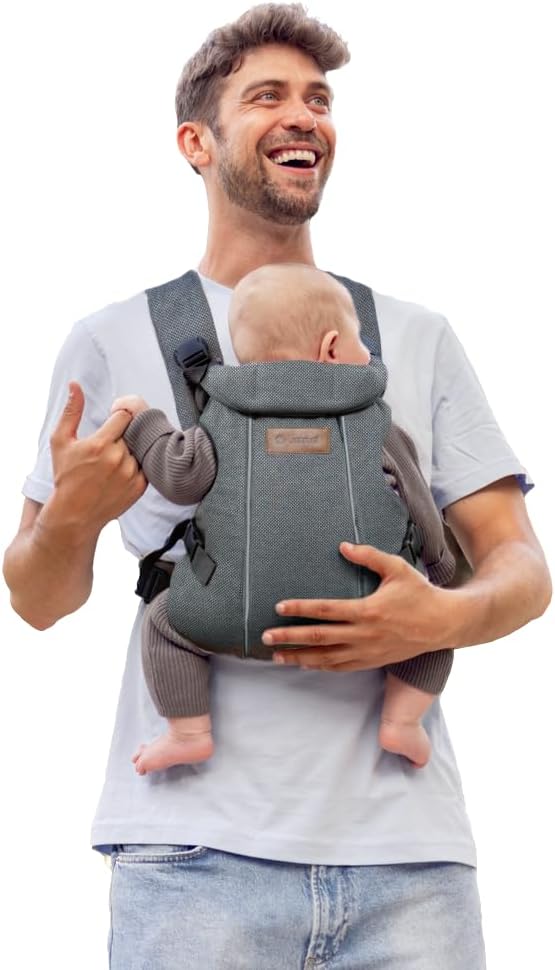
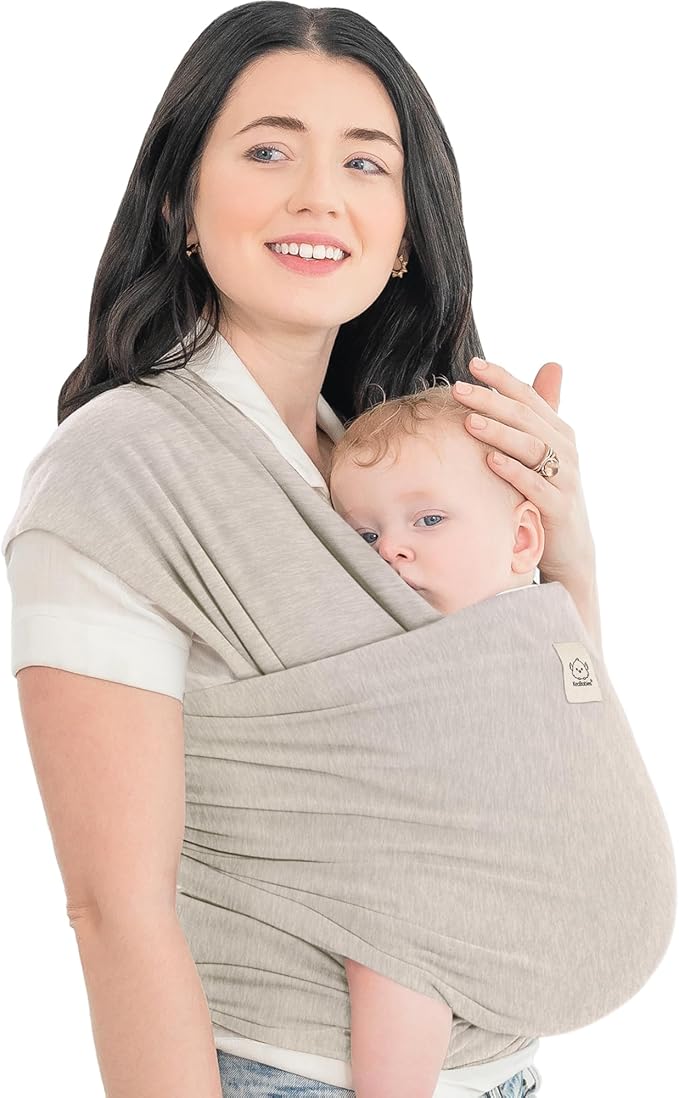
Best Baby Carriers in Spain 2026
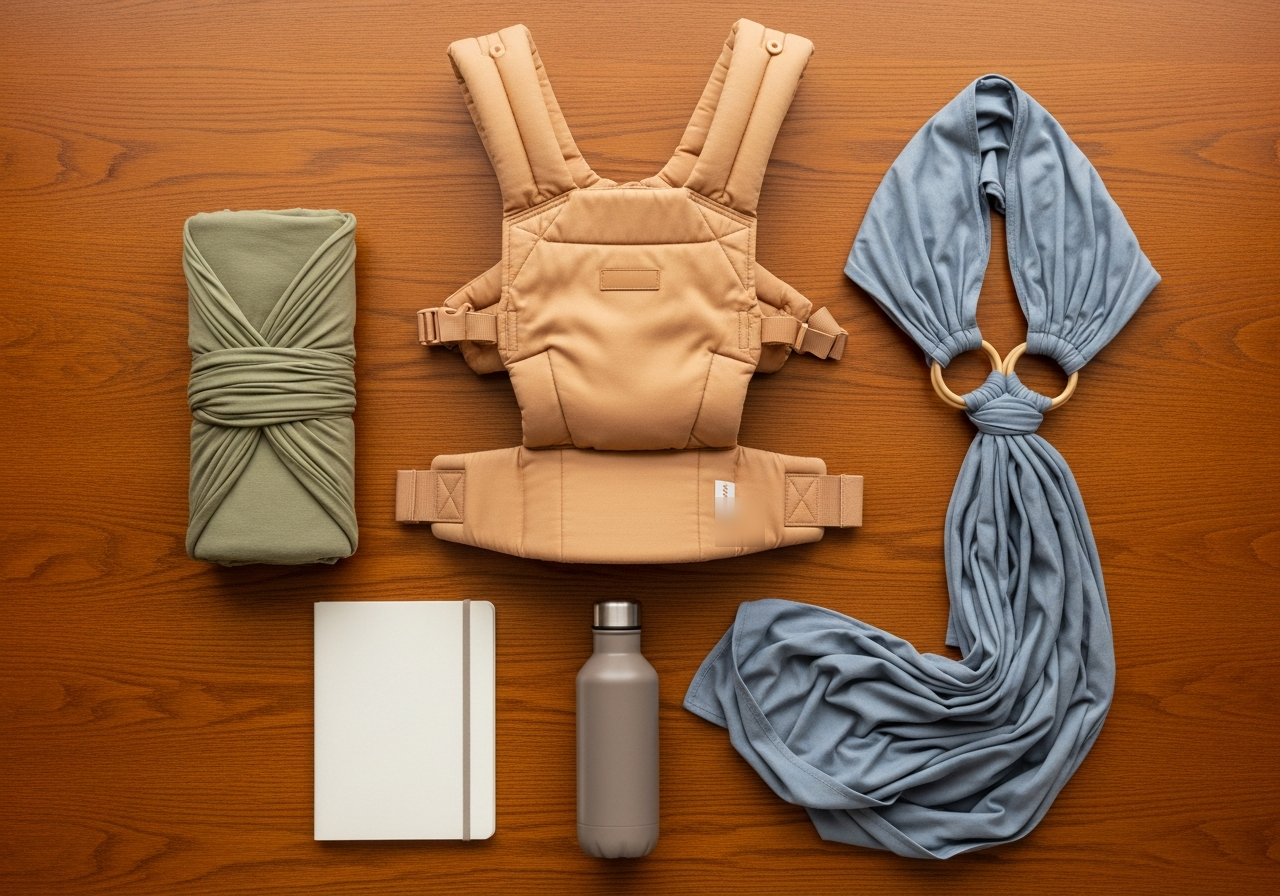
Looking for the best baby carrier in Spain? Start with the right type first: soft structured carrier, wrap, or ring sling. Then use the filters for newborn fit, back carrying, travel, or hot-weather comfort so you compare only the options that still match your daily use.
Why are scores between 9 and 10?
This is a curated shortlist of strong picks, not a full best-to-worst ranking. Small score gaps usually mean we have slightly more evidence for one model than another, not that the lower-scoring option is a poor choice.
So this is just another affiliate roundup with an arbitrary order?
No. We make these lists good enough that we use them ourselves and recommend them to friends and family. We turn the kind of research careful parents would normally do by hand into a repeatable process. Then we compare the evidence across the markets we cover and rank products with a model that gives more weight to stronger signals instead of simple averages or a fully hand-picked order based purely on editorial preference.
Affiliate Disclosure
We use affiliate links and ads to finance this website. As an Amazon Associate I earn from qualifying purchases.


- Rank #1 Our score: 9.72 / 10
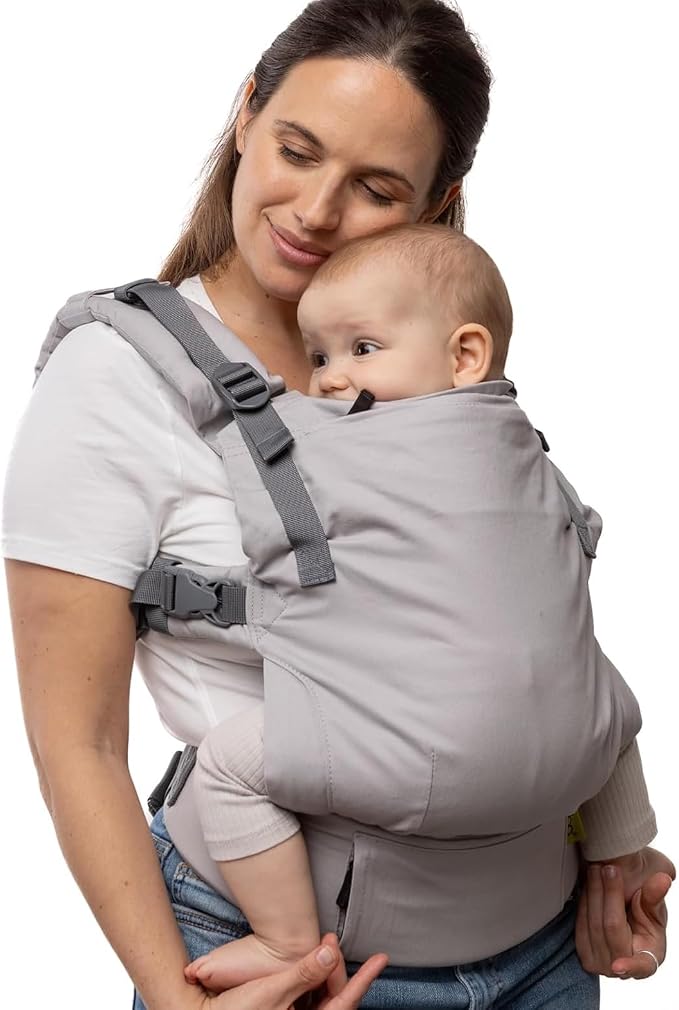
Boba X
Best: Premium
Boba X has an adjustable seat and panel; the maker specifies front and back carry from 3.2-20.4 kg. The official support guide shows how the panel and seat change with the child’s size. That adjustability supports use across stages but makes careful setup part of every carry. Check the maker instructions for the exact child fit and position before use.
Pros
- Adjustable panel and seat can be resized as the child grows.
Cons
- Panel and seat need adjustment for child size and position.
- Rank #2 Our score: 9.69 / 10
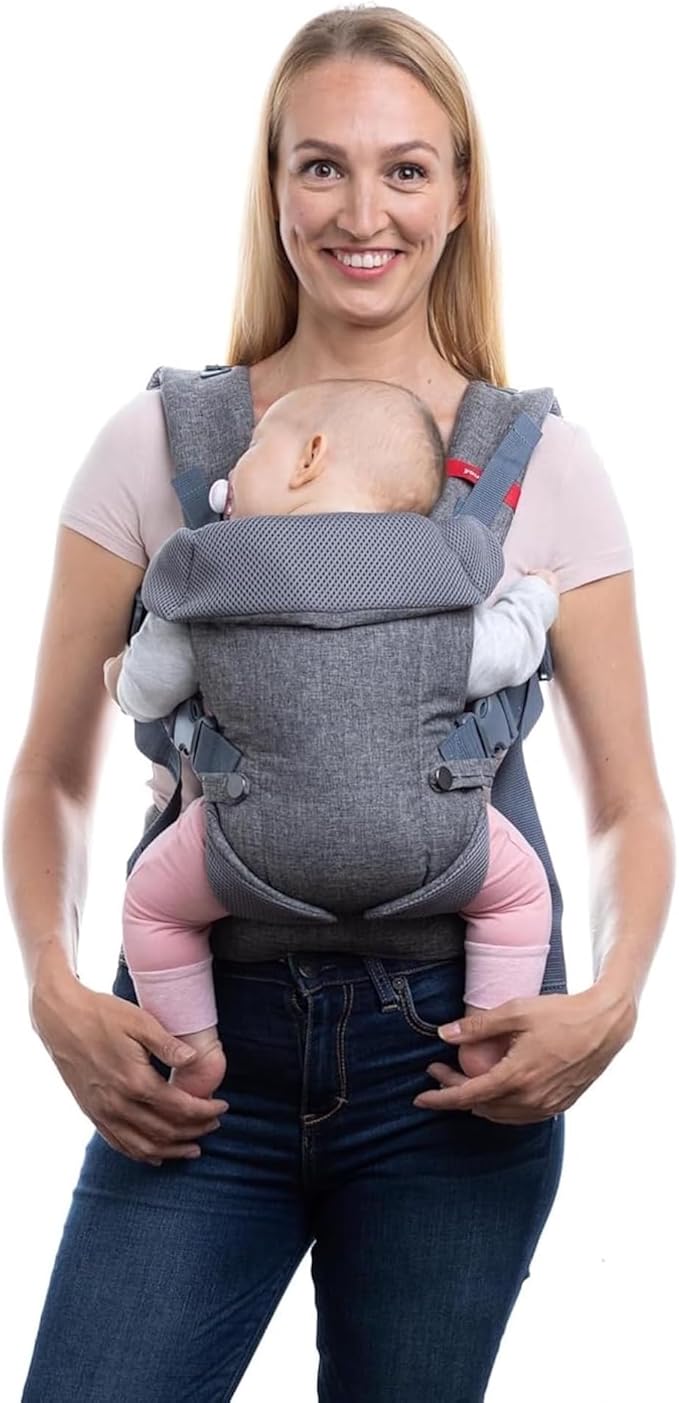
You+ME 4-in-1 Mesh Baby Carrier
Best: Hot Weather
The You+Me 4-in-1 Mesh Carrier uses an adjustable seat and removable bib across inward, outward and back carrying. The maker lists a range of 3.6-14.5 kg. Start with the inward position and the narrow seat; outward and back carry are for children from six months who have full head and neck control. The back-carry instructions call for another adult to help with loading. Seat width and head-support settings change with the child’s stage, so this is not a set-and-forget fit. Check the instructions for the selected position and adjust the seat and support before each carry.
Pros
- Four configurations cover inward, outward and back carrying, with an adjustable seat.
Cons
- Outward and back carrying require full head and neck control; the maker sets these positions from six months.
- Rank #3 Our score: 9.69 / 10
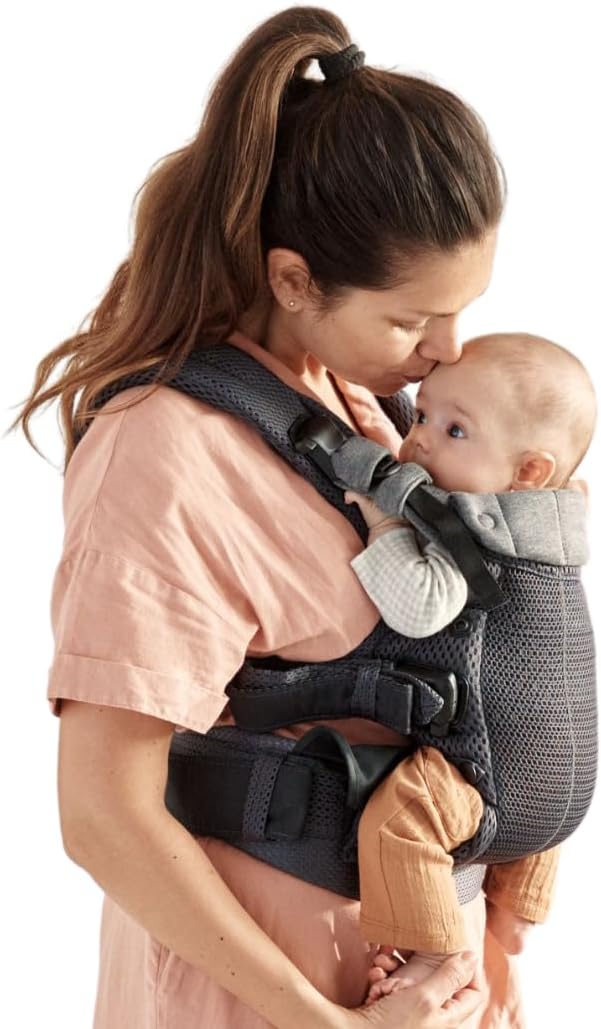
BabyBjorn Carrier Harmony
BabyBjorn Harmony is the premium BabyBjorn choice when shoulder, waist, and back support matter as much as easy buckling. It suits families expecting frequent longer carries, but it is more expensive and bulkier than Mini for quick newborn-only use.
Pros
- The padded waist support, thicker shoulder straps, and back-carry range make it much more convincing for longer wears than newborn-first carriers that fade once your baby gets heavy.
Cons
- It is expensive, and that premium only really pays off if you expect regular longer wears rather than short occasional carries.
- Rank #4 Our score: 9.66 / 10
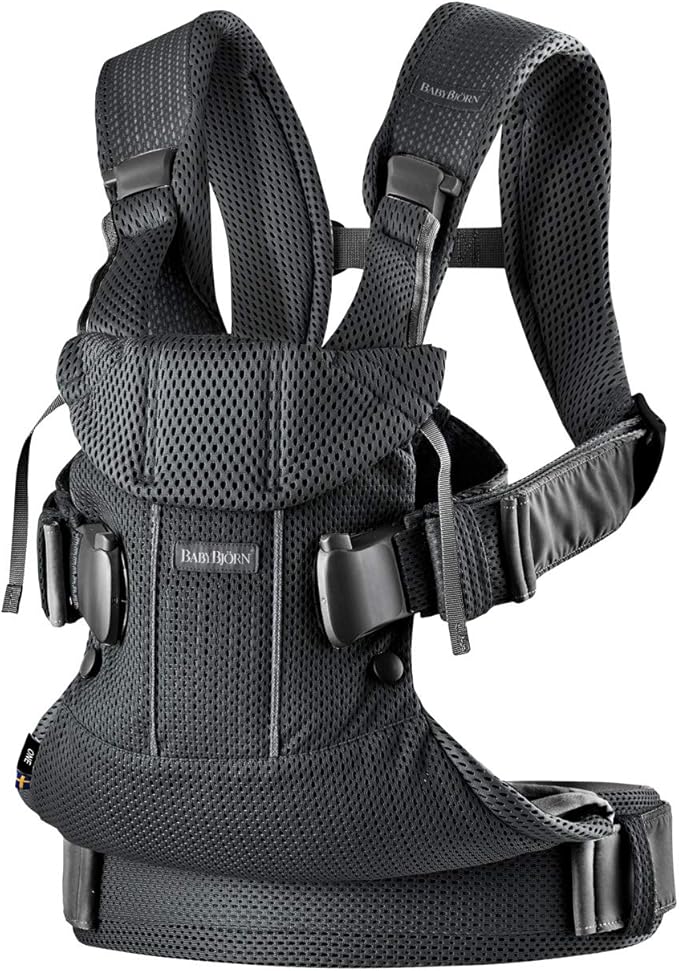
BabyBjorn Carrier One Air
BabyBjörn One Air combines a mesh body with a waist belt and separate newborn and baby seat heights for everyday walks. It starts at 3.5 kg and 53 cm, with back carrying available from 12 months. The seat-height and leg-width zips need resetting as your child grows; outward carrying has a lower 12 kg limit.
Pros
- The mesh body, waist belt and adjustable seat width suit families who want one carrier for front carrying now and back carrying from 12 months.
Cons
- Outward carrying is for approximately 5–15 months, only with independent head control, and stops at 12 kg.
- Rank #5 Our score: 9.65 / 10
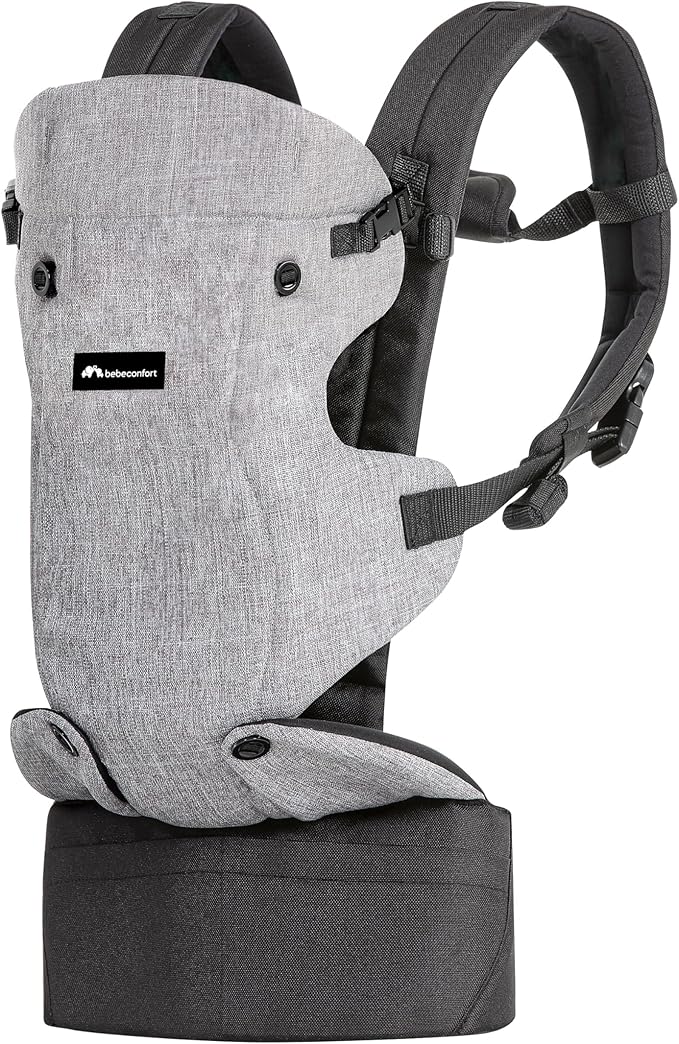
Bebeconfort Go4
Best: Affordable
Best if you want a straightforward structured carrier from a familiar nursery brand without jumping straight to the premium end. Bebeconfort Go4 makes the most sense when you want a practical everyday carrier for front use first and price still matters.
Pros
- A straightforward low-cost structured carrier from a familiar nursery brand if you want something simpler than the premium field above it.
Cons
- This is not a standout long-range carrier, so it is weaker if you care about deeper back-carry support or the most refined fit.
- Rank #6 Our score: 9.64 / 10
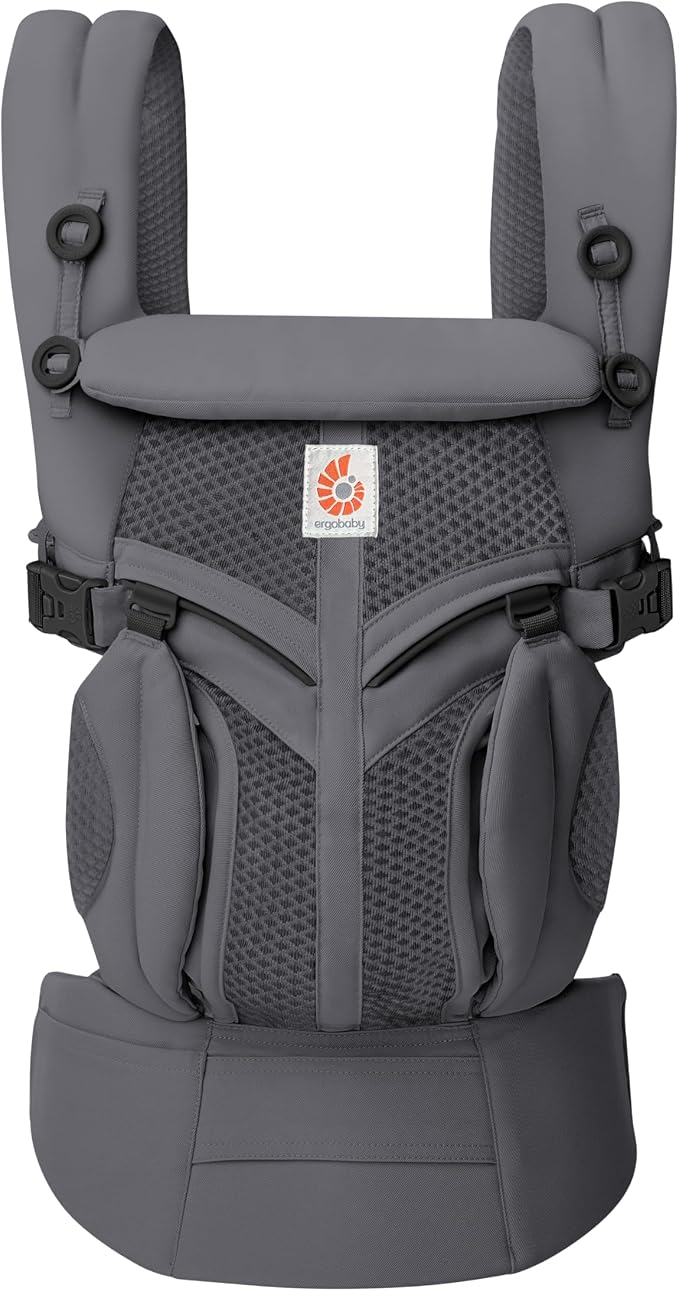
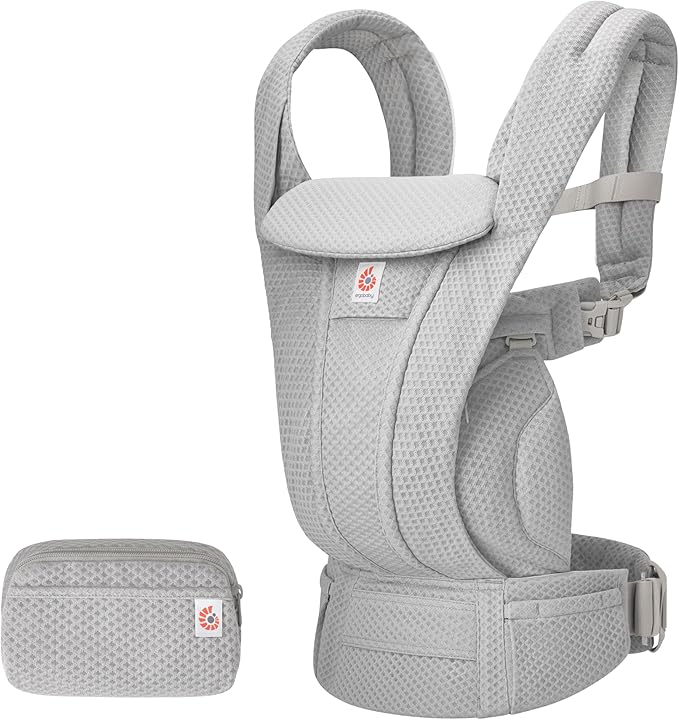
Ergobaby Omni Classic
Omni Classic carries inward, outward, at the hip or on the back from 3.2-20.4 kg. Its adjustable seat replaces a separate newborn insert, but still needs setting for the child and chosen position. The manual sets outward carry from five months; hip and back carry start at six months and 7.8 kg. This gives several ways to carry, with more setup checks than a one-position carrier. Confirm the child meets the limit for the position you plan to use, then adjust the seat and support as shown in the manual.
Pros
- Four carrying positions cover inward, outward, hip and back carry.
Cons
- Outward carry starts at five months; hip and back carry start at six months and 7.8 kg.
- Rank #7 Our score: 9.64 / 10
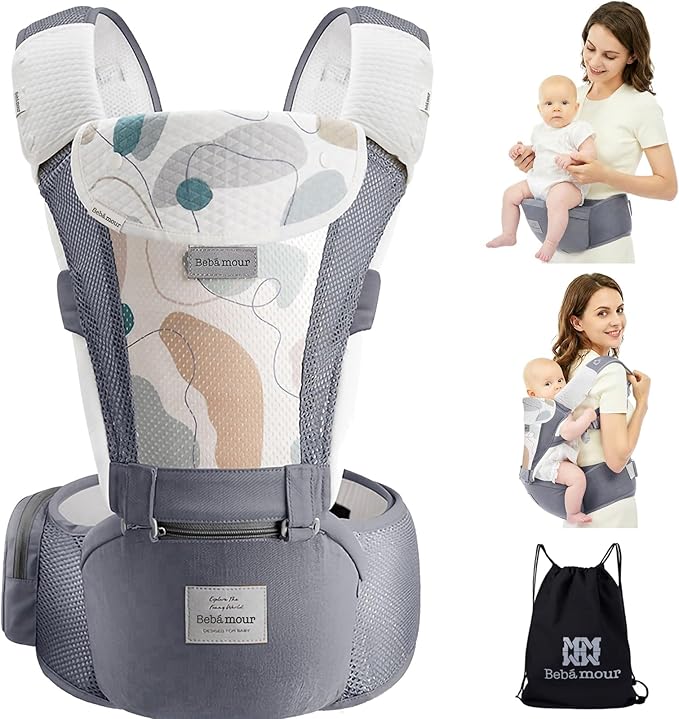
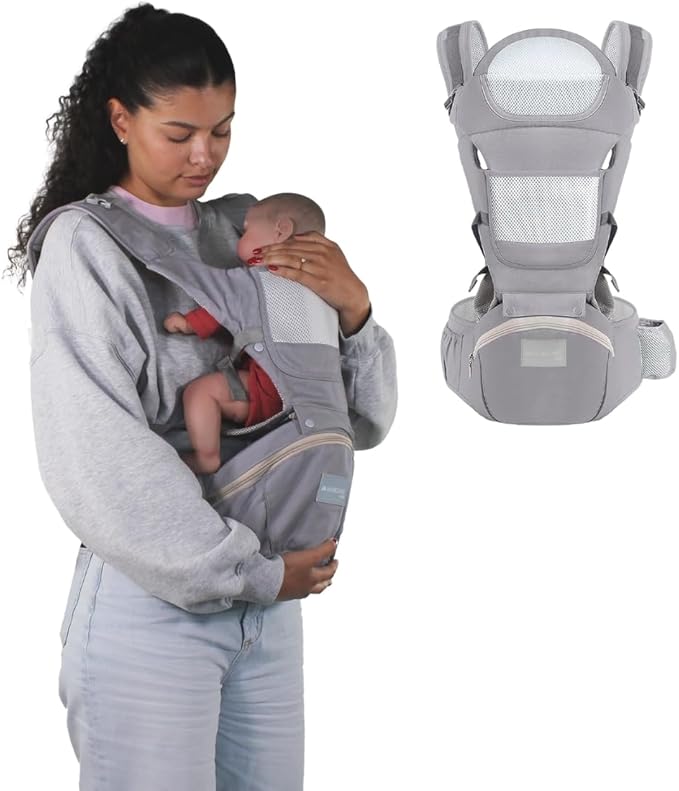
Bebamour 6-in-1 Baby Carrier
This grey Bebamour combines a firm hip seat with shoulder straps and a mesh carrier panel. Its older TC26H chart gives front carrying from 3–36 months and back carrying from 6–36 months, with a 14.9 kg maximum. Our recommendation is narrower: inward-facing use of the complete carrier once your child sits independently and has steady head control. The projecting seat is less packable than a fabric carrier; newborn cradle pictures concern the separate, arm-supported seat.
Pros
- The mesh panel and padded shoulder straps complement the firm waist seat in the complete carrier.
Cons
- The rigid hip seat takes up more bag space than an all-fabric carrier.
- Rank #8 Our score: 9.63 / 10
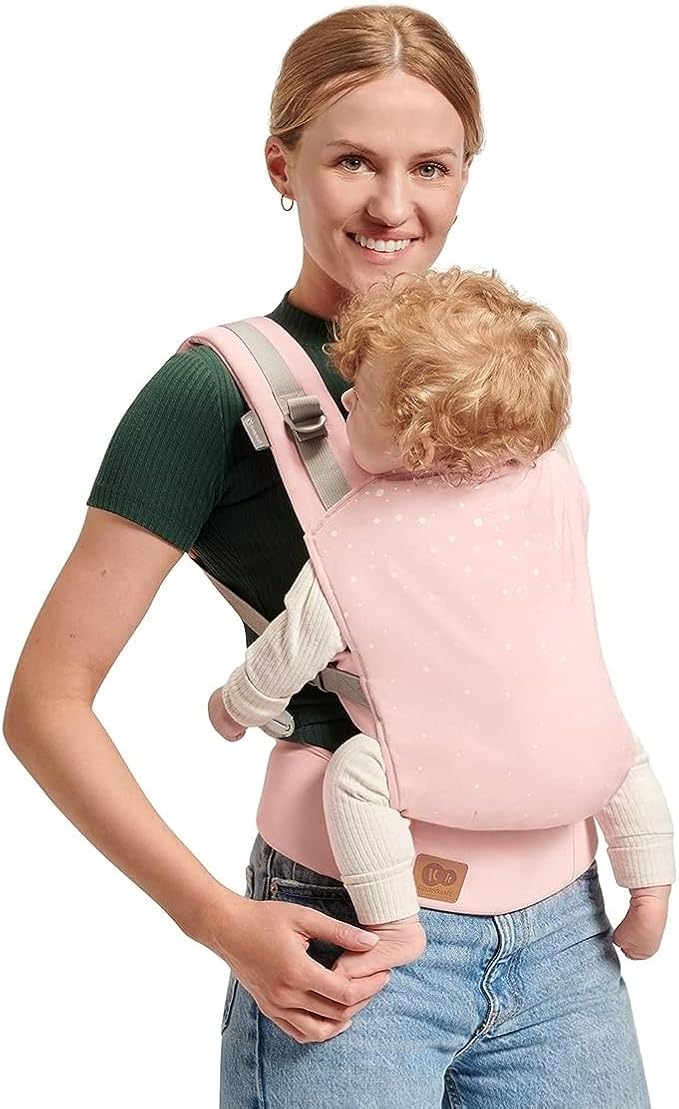
Kinderkraft NINO
NINO adjusts at the panel and shoulder straps, then folds down to go in a bag. It is intended from three months, up to 20 kg, with the child facing the wearer. Back carrying has a separate threshold: at least six months and able to sit unaided. It is not a from-birth or outward-facing carrier.
Pros
- Adjustable panel and shoulder straps help adapt the carrier to child and wearer.
Cons
- Not from birth; the three-month minimum does not permit back carrying that early.
- Rank #9 Our score: 9.60 / 10
Ergobaby OMNI Deluxe Mesh
Ergobaby Omni Deluxe Mesh is the premium structured comparison when one carrier needs to cover newborn, front, hip, back, and warmer-weather carrying. The tradeoff is size and price: it is more carrier than many families need for short newborn-only use.
Pros
- Omni Deluxe Mesh is the Ergobaby pick when all-position carrying and warm-weather comfort both matter.
Cons
- It costs more than simpler structured carriers, so it only pays off if you use the extra positions.
- Rank #10 Our score: 9.58 / 10
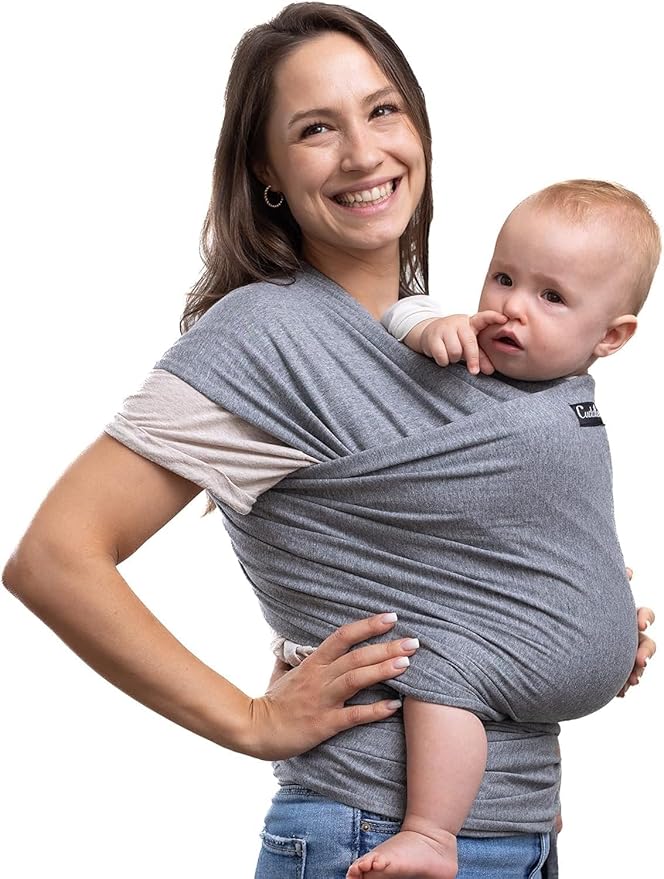
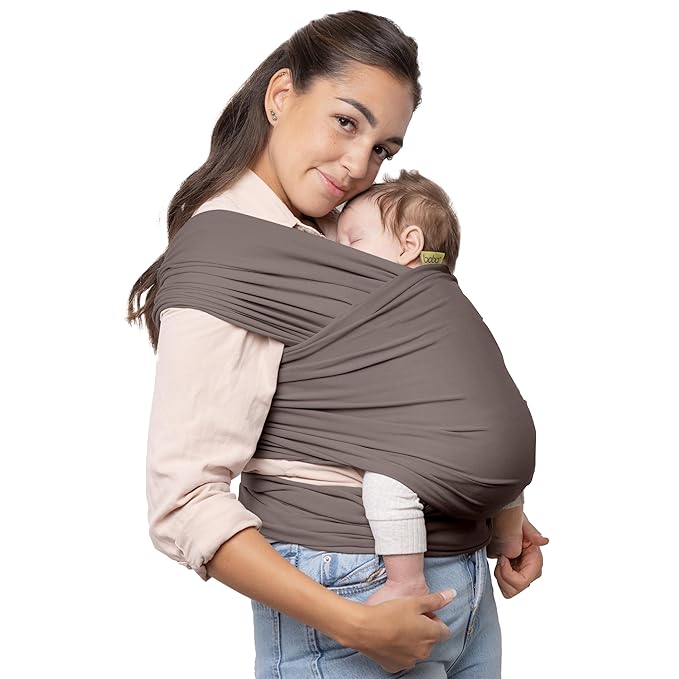
CuddleBug Baby Wrap
Best: Wrap
CuddleBug Baby Wrap is a long cotton-bouclé and elastane stretch wrap for close carrying. The Italian offer states 3-16 kg, but confirm the limit and permitted ties in the supplied instructions; always keep the face visible, chin clear of chest and fabric evenly spread.
Pros
- The long fabric adjusts across wearer builds without a fixed-size waist belt or shoulder straps.
Cons
- Correct support depends on the tie, and crying, sleep or health promises are not a buying basis.
- Rank #11 Our score: 9.55 / 10
Mobiclinic Moley
Spanish brand
A Mobiclinic soft-structured carrier for parents comparing affordable buckle carriers with newborn claims. Check the baby-seat shape, head support, and whether the carrier adjusts well as your child grows.
Pros
- Buckle format is easier than tying for quick daily routines.
Cons
- Seat shape and head support need careful checking before early use.
- Rank #12 Our score: 9.51 / 10
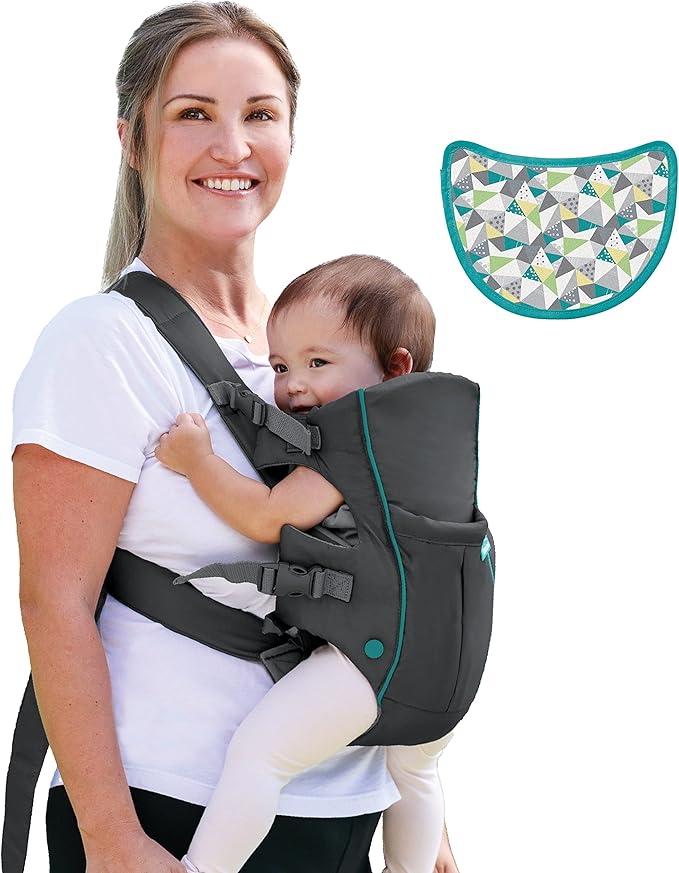
Infantino Swift Classic Carrier
Best: Travel
The grey Infantino Swift Classic is a compact carrier with front buckles, a pocket and a removable bib. The maker states 3.2-11.8 kg. It supports inward-facing carry; outward-facing use must wait until your baby can hold their head upright independently. It is front-carry only, with no back-carry position. Follow the maker’s guide and check that your baby is securely supported.
Pros
- It folds into a bag and includes a front pocket and removable bib.
Cons
- There is no back-carry position.
Local ratings context
If the local Amazon listing has less review depth, this may help: while reviewing this product, we found more rating context on Amazon UK. The shortlist also weighs product fit, brand track record, and broader research; when buying, we recommend using your local Amazon store. View Amazon UK listing
- Rank #13 Our score: 9.51 / 10
MoMi COLLET
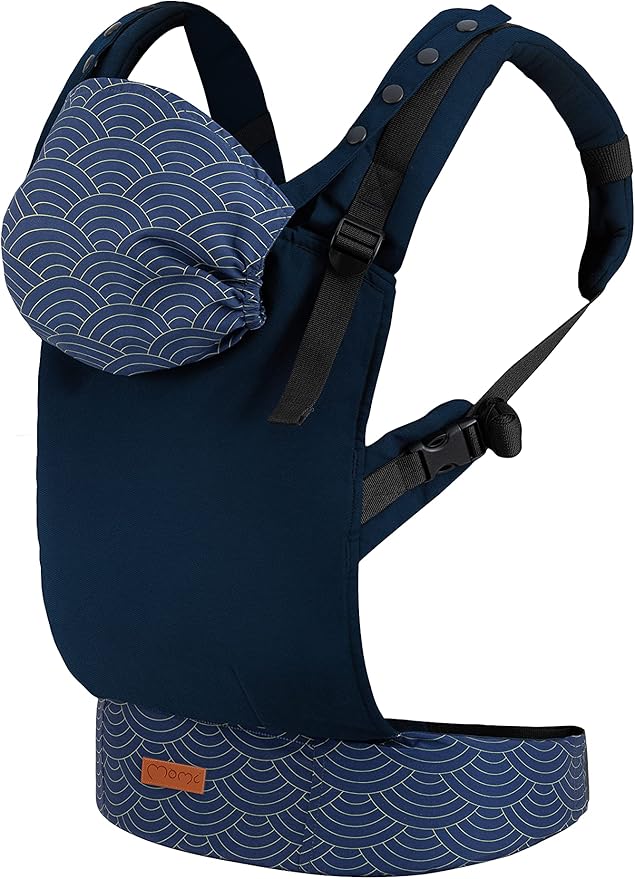
MoMi COLLET combines six adjustment points, a wide waist belt and a detachable hood for walks from 3 months and 56 cm. The current manual limits carrying to 15 kg and back carrying to at least 12 months; older 20 kg and 6-month claims should not extend those limits.
Pros
- Six adjustment points let you fit the shoulder straps, waist belt and head-support panel separately.
Cons
- Not suitable from birth: the manual requires at least 3 months and 56 cm.
- Rank #14 Our score: 9.48 / 10
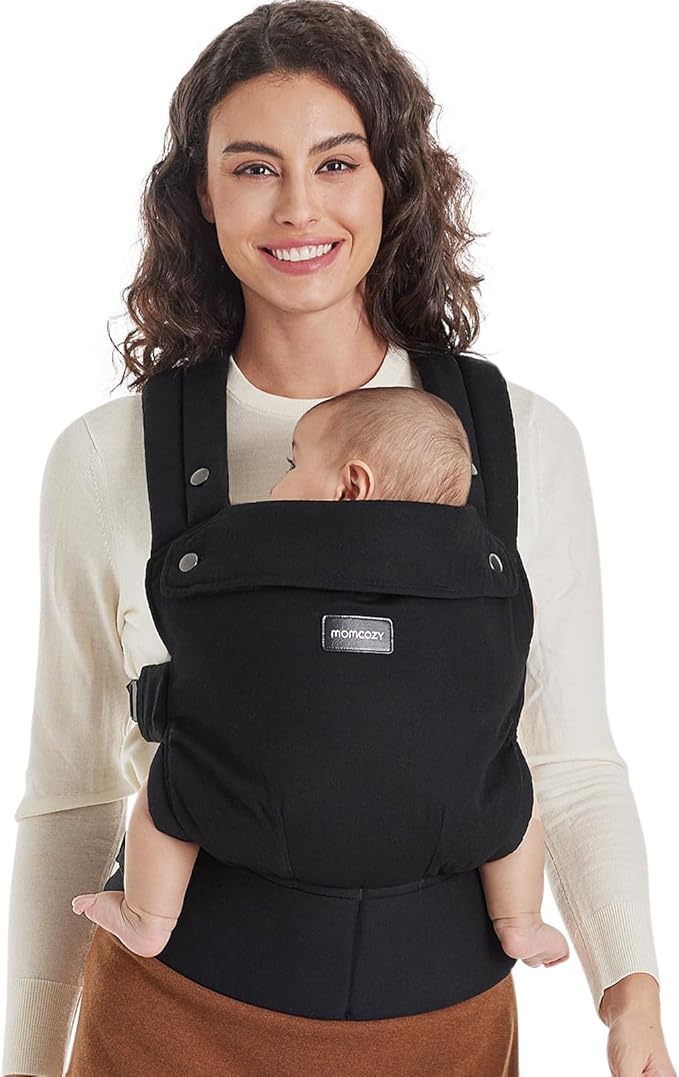
Momcozy PureHug Baby Carrier
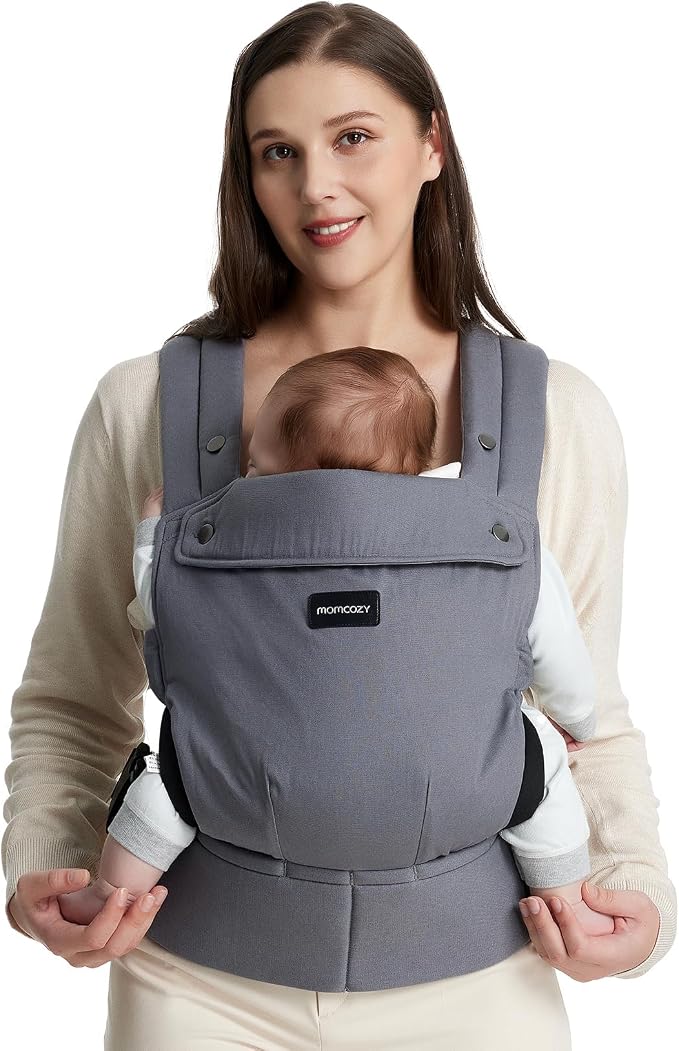
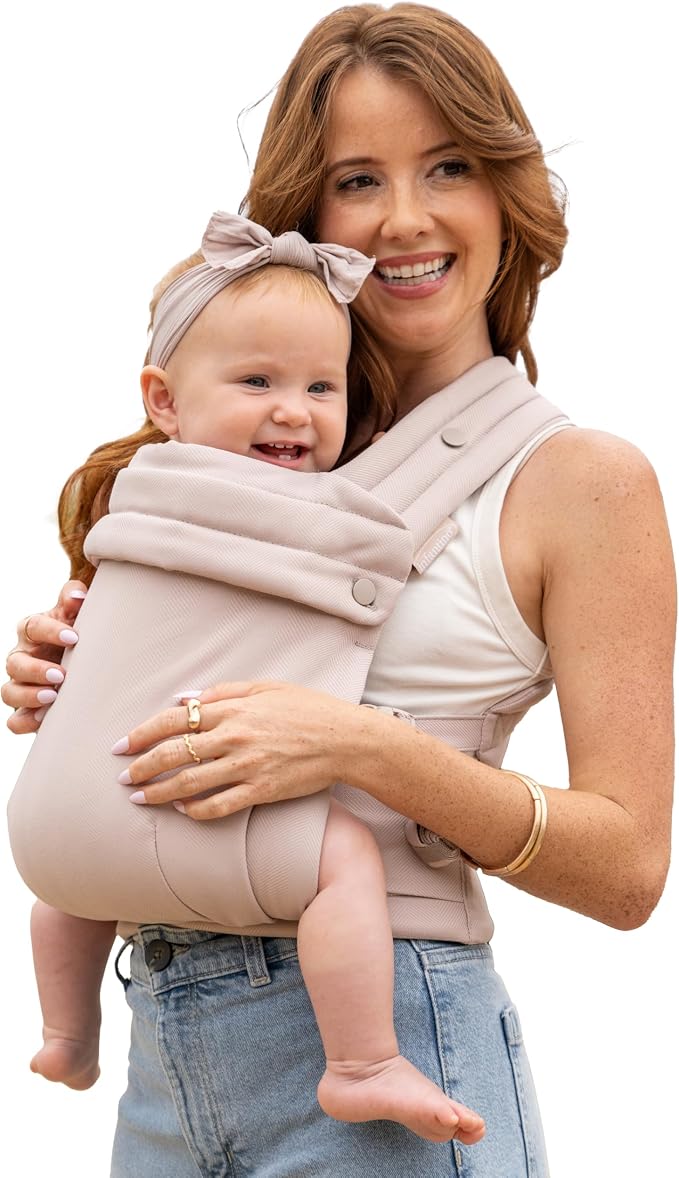
Momcozy PureHug is a cotton buckle carrier for parents who prefer crossed shoulder straps and a padded waist belt for everyday front carries. Three seat-width settings let you adjust the support as your baby grows. Choose it from three months, once the panel fits with the face clear and ears above its top edge; it is not a from-birth carrier. Its documented setup keeps your baby facing you, so it is a limited choice if you want back carrying.
Pros
- Three seat-width settings and crossed shoulder straps let you adjust the baby’s support and your own fit separately.
Cons
- The three-month starting age rules it out as your carrier for the first weeks after birth.
- Rank #15 Our score: 9.48 / 10
Grownsy YM028
The Grownsy YM028 is a structured carrier with front clasps, padded shoulder straps joined across the back and a folding head support. Grownsy states a 3.2-20 kg range (about 3.2-20 kg). Check that the panel fits your baby and keep their face and airway clear; weight alone does not guarantee a good fit. The manufacturer shows front and back positions, but the reviewed material does not say when to begin back carrying.
Pros
- Front clasps and a connected back harness offer a different setup from broad crossed wrap-style straps.
Cons
- The weight range does not guarantee an individual fit; check the panel and keep the baby’s face clear.
Local ratings context
If the local Amazon listing has less review depth, this may help: while reviewing this product, we found more rating context on Amazon Germany. The shortlist also weighs product fit, brand track record, and broader research; when buying, we recommend using your local Amazon store. View Amazon Germany listing
- Rank #16 Our score: 9.47 / 10
Momcozy 2-in-1 Hip Seat Baby Carrier
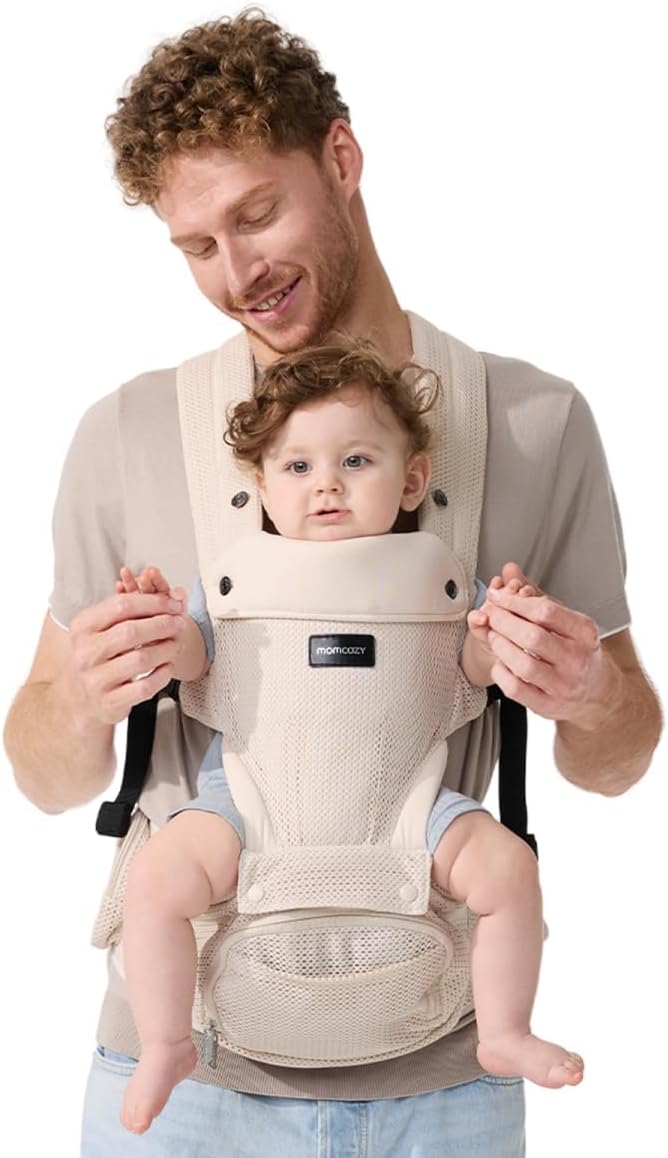
Move2Fit is for families who want both a hip seat and a detachable carrier section once their baby is at least five months old. It offers six carrying configurations, including hip-seat positions and front or back carry, up to 20 kg. The wider waist base and extra parts make it a more involved choice than a compact carrier.
Pros
- The seat and carrier section detach, offering hip-seat and front or back carrying configurations.
Cons
- The waist-mounted seat and extra section take more space and setup than a compact carrier.
- Rank #17 Our score: 9.43 / 10
Momcozy Baby Carrier
Momcozy PureHug is a front-inward structured carrier for babies from about three months, with an X-shaped back, EVA lumbar panel and an adjustable 3.2-20 kg seat. It suits errands and shorter walks when fast setup matters; choose another carrier for newborn-first or back-carry use.
Pros
- The X-shaped straps and EVA lumbar panel spread load across the back and waist during everyday front carry.
Cons
- Momcozy starts this model at about three months, so the low weight number alone does not make it a newborn carrier.
- Rank #18 Our score: 9.41 / 10
Koala Babycare Cuddle Carry
Cuddle Carry supports inward, outward and back carry, with adjustable panels, magnetic buckles, a hood and pocket. The maker lists 20.4 kg maximum and places outward carry around five months, when the child has trunk control. Multiple settings offer position choice but need checking. Check the maker instructions for the exact child fit and position before use.
Pros
- The maker describes three carry positions.
Cons
- Outward carry depends on age and trunk control.
- Rank #19 Our score: 9.41 / 10
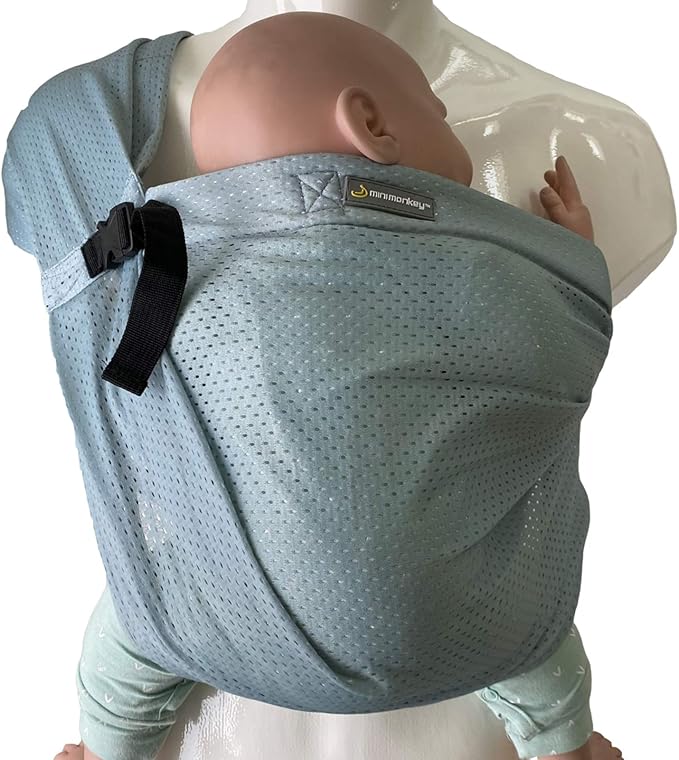
Bandolera Minimonkey Portabebé Ergonómica Transpirable Mochila
Best: Ringless sling
A lightweight Minimonkey sling-style carrier for newborn-friendly short carries and warm conditions. It is appealing for packability, but parents should check support, sizing, and whether one-shoulder loading feels sustainable.
Pros
- Very packable for quick carries when a stroller is awkward.
Cons
- One-shoulder loading is weaker for long walks or heavier babies.
- Rank #20 Our score: 9.37 / 10
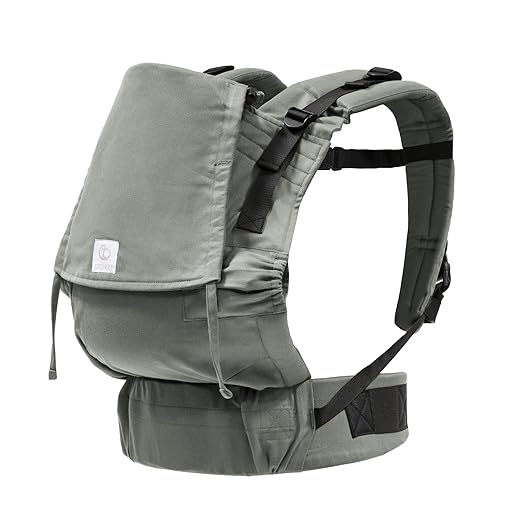
Stokke Limas Flex Carrier
Stokke Limas Flex suits caregivers who want a full-buckle carrier for daily hand-free trips once their baby weighs at least 4 kg. Buckles at the waist and shoulders make adjustments quicker to share between adults than a tied wrap. Its 4-20 kg range is useful beyond the newborn stage, but it does not cover babies below 4 kg. Follow the manual’s fit steps and keep the baby’s face visible and airway clear.
Pros
- Full-buckle waist and shoulder adjustments are quicker to manage between caregivers.
Cons
- Not suitable below 4 kg, despite marketplace newborn wording.
- Rank #21 Our score: 9.37 / 10
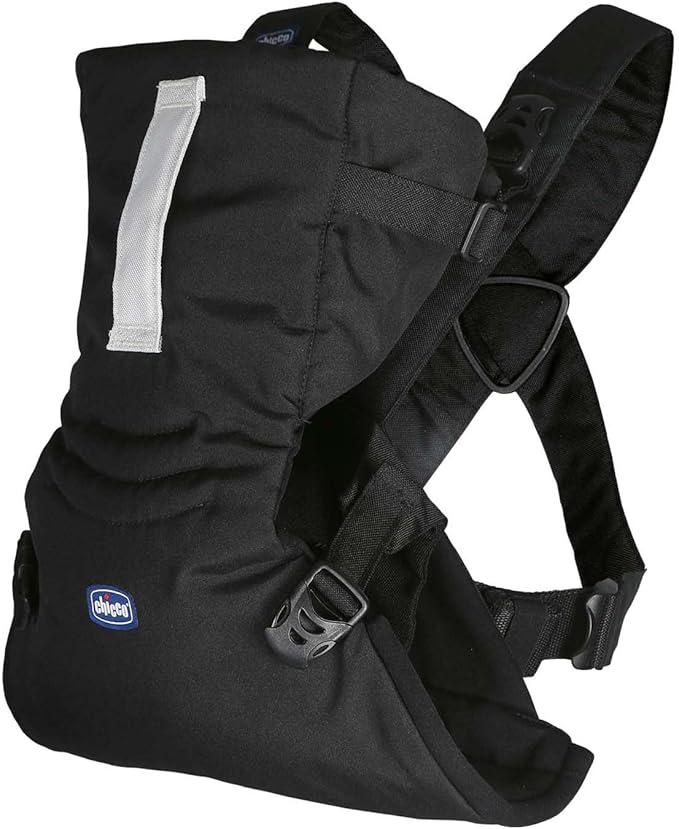
Chicco EasyFit
Chicco EasyFit suits short outings with a newborn when you want a front carrier that slips on like a T-shirt. Chicco approves it from birth to 9 kg. Carry your baby facing you from birth. Use the outward-facing position only once baby can hold their head up and keep their shoulders upright, around six months. The manual describes front carrying only. Its 9 kg ceiling makes it an early-stage option, so choose a wider-range carrier if you want one for later months.
Pros
- The crossed straps go on over the head before the baby is placed inside. You can put it on without learning wrap passes.
Cons
- The 9 kg limit shortens the usable stage. The manual describes inward- and outward-facing front carry, with outward carry only after head and shoulder control.
- Rank #22 Our score: 9.35 / 10
Infantino Honey Blossom Baby Carrier
Honey Blossom adjusts between narrow and wide inward-facing seats and an outward-facing setup; its maker lists a 3.2-18.1 kg range. This gives room to alter the seat as the baby grows, though each change needs a fit check. Check the maker instructions for the exact child fit and position before use.
Pros
- Three front configurations use the adjustable seat.
Cons
- Outward carry begins at five months.
- Rank #23 Our score: 9.33 / 10
Boba Baby Wrap
The Boba Wrap is a long stretch-knit wrap for close, inward-facing carry. It has no buckles or structured seat, so the fit comes from tying the fabric around the wearer and baby; expect to practise the wrap before relying on it for outings. Boba lists use from 3.2-15.9 kg and says the wrap is most comfortable up to about 9.1 kg. The published maximum therefore does not guarantee a comfortable fit for every larger baby or toddler. It suits families who want a soft, compact wrap and are comfortable learning the tying sequence; consider a buckle carrier if quick, repeatable setup matters more.
Pros
- The stretch-knit wrap supports close, inward-facing carrying without buckles.
Cons
- Tying the long wrap takes practice; it is less convenient when caregivers need quick, repeatable changes.
Local ratings context
If the local Amazon listing has less review depth, this may help: while reviewing this product, we found more rating context on Amazon Netherlands. The shortlist also weighs product fit, brand track record, and broader research; when buying, we recommend using your local Amazon store. View Amazon Netherlands listing
- Rank #24 Our score: 9.33 / 10
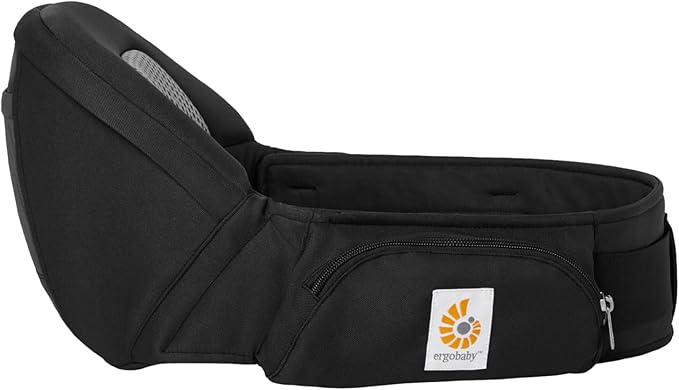
Ergobaby Alta Hip Seat
The Ergobaby Alta combines a removable carrier panel with a hip seat for children from 4 months and 5.5 kg to 20.4 kg. The manual shows three panel-carrier positions and three hip-seat positions. Without the panel, one arm must support the child at all times; the seat alone is not hands-free carrying.
Pros
- The removable panel turns the hip seat into a hands-free carrier in three positions.
Cons
- Without the removable panel, an adult must support the child with one arm at all times.
- Rank #25 Our score: 9.33 / 10
Jané Dual
Spanish brand
Jané Dual suits families who want a fully opening front panel and crossed shoulder straps for inward carrying from 3.5 kg. Its 15 kg ceiling and back-carry start at 12 months make later use more limited than the three-position label suggests. Babies under 4.5 kg need the leg-opening adjustment tightened to fit.
Pros
- The front opens fully, so the baby can be placed and removed without lifting through a closed panel.
Cons
- Back carrying starts at 12 months, and Jané recommends only short periods in positions other than inward-facing.
- Rank #26 Our score: 9.33 / 10
KeaBabies Baby Wrap
Best if you want a softer fabric-first newborn carry without paying premium wrap prices. KeaBabies Baby Wrap is most useful when close fit and lower bulk matter more than fast on-off convenience.
Pros
- A sensible cheap stretchy-wrap pick if you want newborn closeness and a softer carry feel without paying more for the better-known premium wraps.
Cons
- You still pay with a wrap learning curve, so it is a weaker fit if you want fast handoffs or the easiest on-off routine.
Local ratings context
If the local Amazon listing has less review depth, this may help: while reviewing this product, we found more rating context on Amazon US. The shortlist also weighs product fit, brand track record, and broader research; when buying, we recommend using your local Amazon store. View Amazon US listing