Best Baby Carriers in the Netherlands 2026
This shortlist works best when you start with the right carrier type, not with the brand. Filter first by soft structured carrier, wrap, or ring sling, then compare only the models that still fit your baby's size, your own comfort, the climate, and how long you actually plan to wear at a time.
Why are scores between 9 and 10?
This is a curated shortlist of strong picks, not a full best-to-worst ranking. Small score gaps usually mean we have slightly more evidence for one model than another, not that the lower-scoring option is a poor choice.
So this is just another affiliate roundup with an arbitrary order?
No. We make these lists good enough that we use them ourselves and recommend them to friends and family. We turn the kind of research careful parents would normally do by hand into a repeatable process. Then we compare the evidence across the markets we cover and rank products with a model that gives more weight to stronger signals instead of simple averages or a fully hand-picked order based purely on editorial preference.
Affiliate Disclosure
We use affiliate links and ads to finance this website. As an Amazon Associate I earn from qualifying purchases.


- Rank #1 Our score: 9.79 / 10
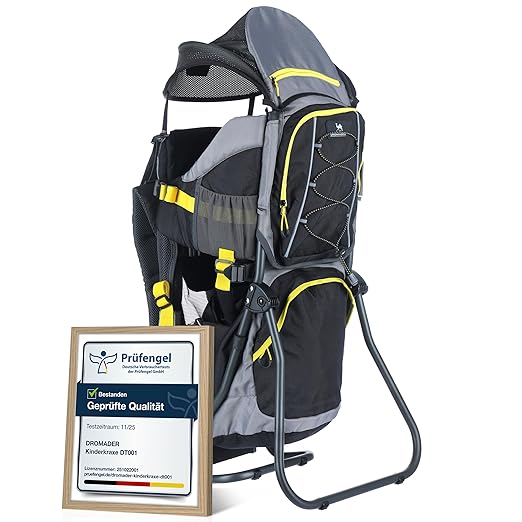
DROMADER Quokka Hiking Child Carrier
Best: Framed hiking carrier
DROMADER Quokka is a framed hiking carrier for seated back carry, with an S–XL torso system, sun visor, rain cover, and 18 kg child limit. Check the manual’s developmental fit and the 74 × 40 × 24 cm folded size.
Pros
- The S–XL torso adjustment, 2.7 kg aluminium frame, sun visor, and rain cover are built around longer outdoor routes.
Cons
- It is a back-carry-only hiking system with an 18 kg child limit and a 74 × 40 × 24 cm folded package.
- Rank #2 Our score: 9.73 / 10
Grownsy YM028
Best: Mid-range
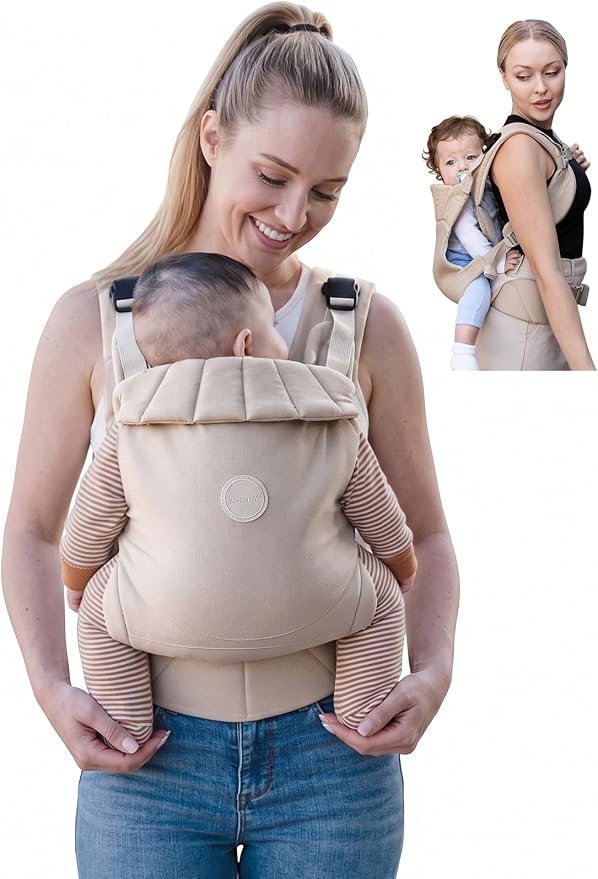
Grownsy YM028 puts its panel clasps at the front and joins the padded shoulder straps across your back, rather than crossing broad fabric straps. That layout suits parents who prefer a more defined harness. The black and khaki versions have solid fabric panels, not the open mesh of some other YM028 colours. Grownsy specifies 3.2-20 kg, but a small baby's face must still clear the foldable head pad.
Pros
- Front panel clasps and a connected H-back harness offer a different fastening layout from wrap-style crossed straps.
Cons
- The solid black and khaki panels do not offer the open-mesh construction shown on other YM028 colours.
- Rank #3 Our score: 9.72 / 10
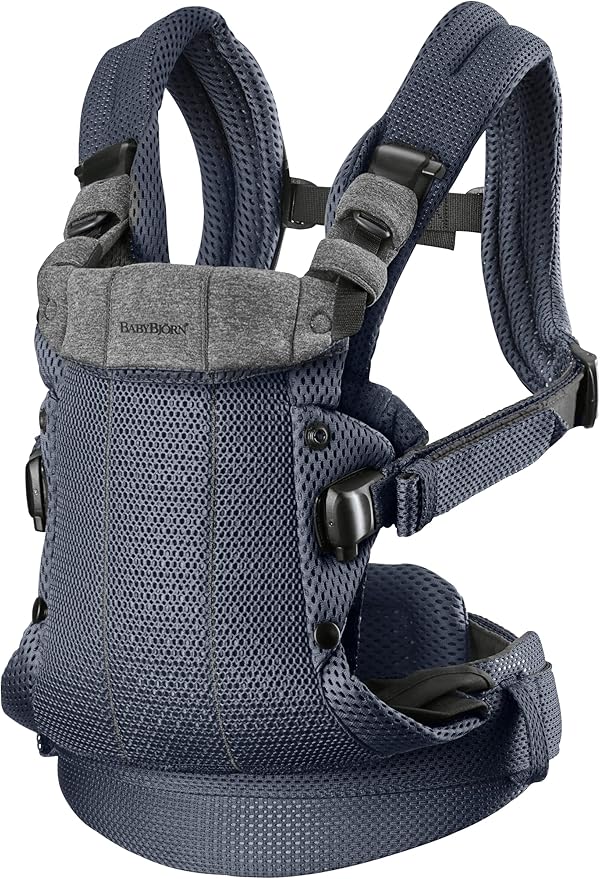
BABYBJÖRN Baby Carrier Harmony
Best: Hot Weather
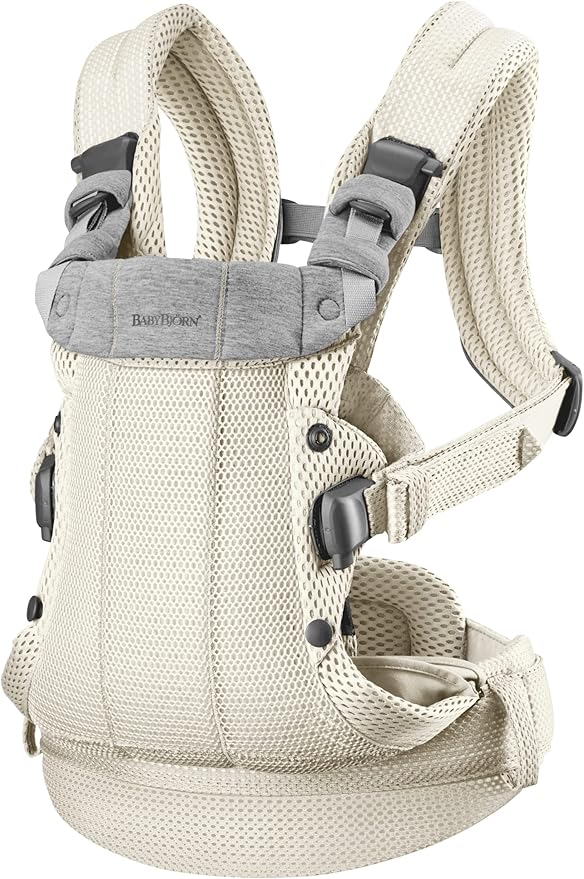
BABYBJÖRN Harmony is the premium BabyBjörn pick when breathable mesh, shoulder support, waist support, and later back carrying matter for longer sessions. It is less compelling if you only need a small soft newborn carrier for short carries.
Pros
- The stronger waist belt, padded shoulder straps, and back-carry path make it better for longer daily use than simple newborn-first carriers.
Cons
- The premium price only really pays off if you expect regular longer carries, not occasional short use.
- Rank #4 Our score: 9.72 / 10
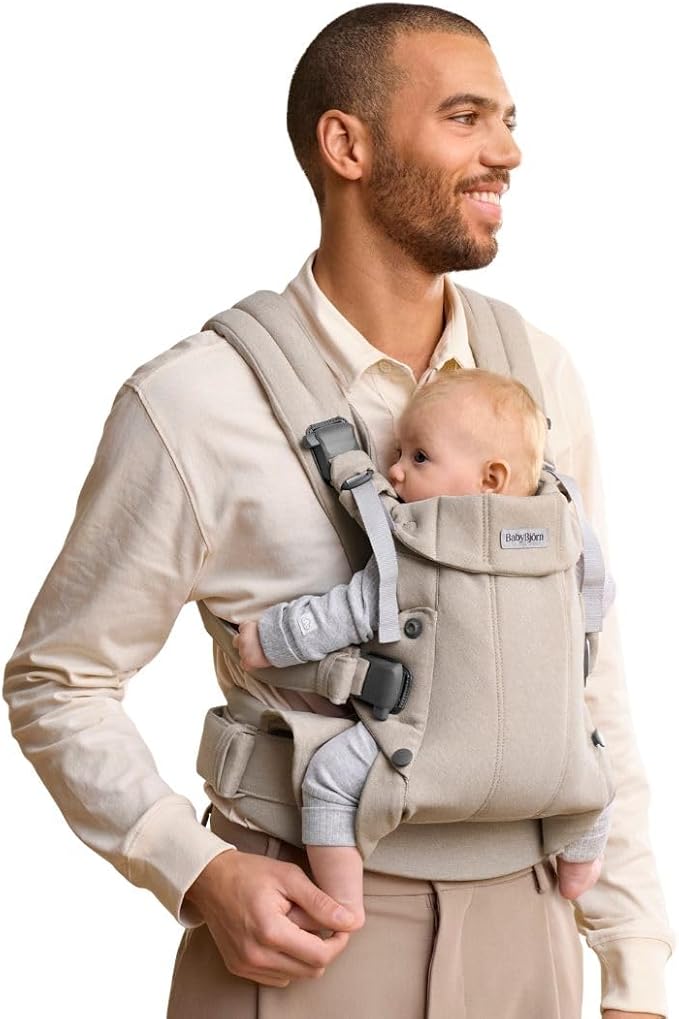
BabyBjorn Carrier Harmony
BabyBjorn Harmony is the premium BabyBjorn choice when shoulder, waist, and back support matter as much as easy buckling. It suits families expecting frequent longer carries, but it is more expensive and bulkier than Mini for quick newborn-only use.
Pros
- Padded shoulder straps, a supportive waist belt and back support spread the load beyond the shoulders.
Cons
- It is bulkier than Mini for brief newborn carries or a small backup bag.
- Rank #5 Our score: 9.72 / 10
BabyBjorn Harmony 3D Mesh
BABYBJORN Harmony is a structured mesh carrier for parents who want a premium all-day carrier with soft waist support and breathable panels.
Pros
- Premium mesh structure supports longer carries.
Cons
- Check fit carefully if you prefer a very small newborn wrap.
- Rank #6 Our score: 9.71 / 10
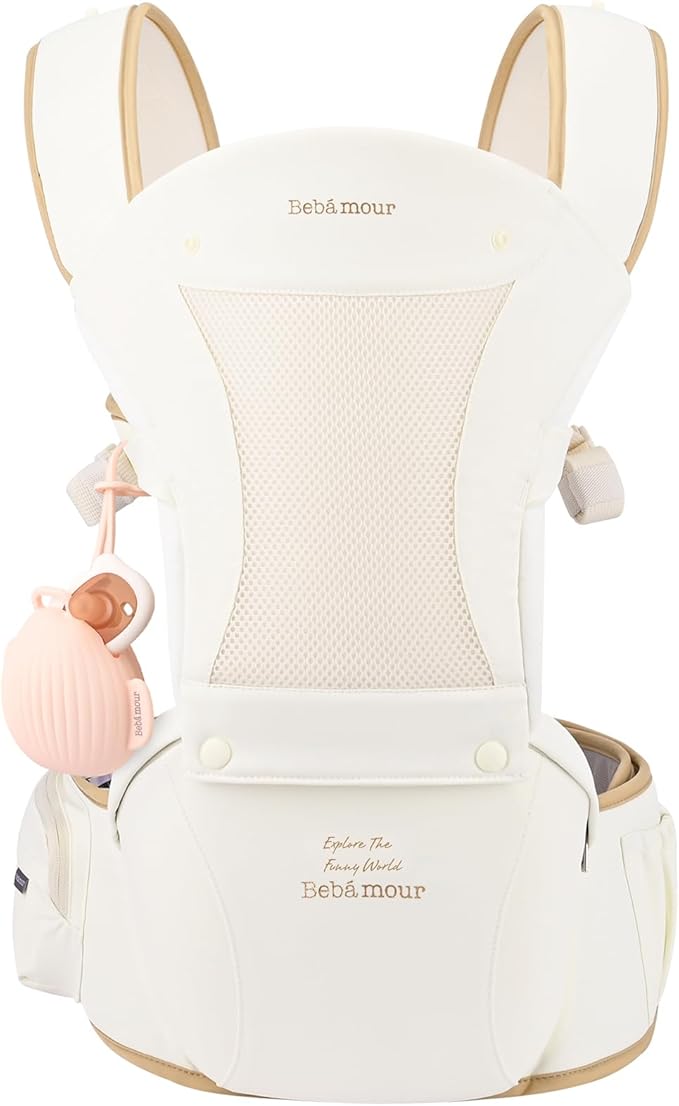
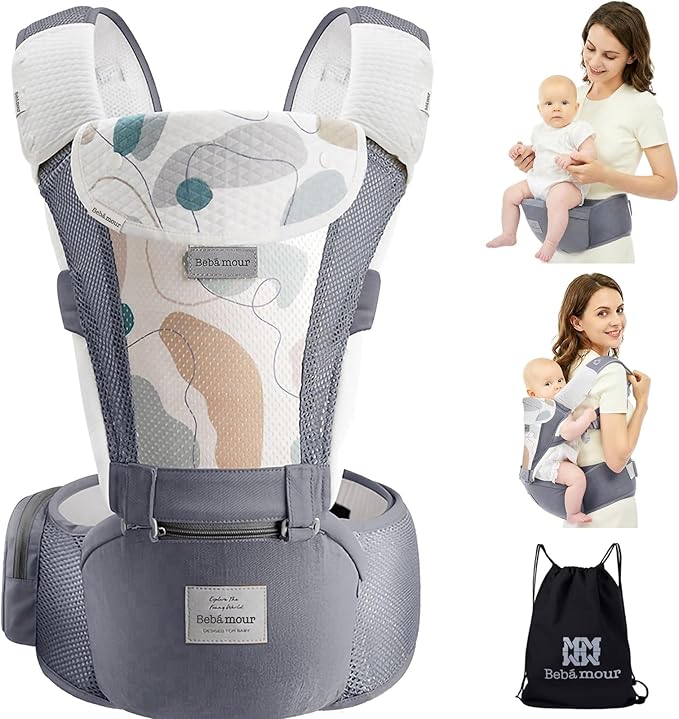
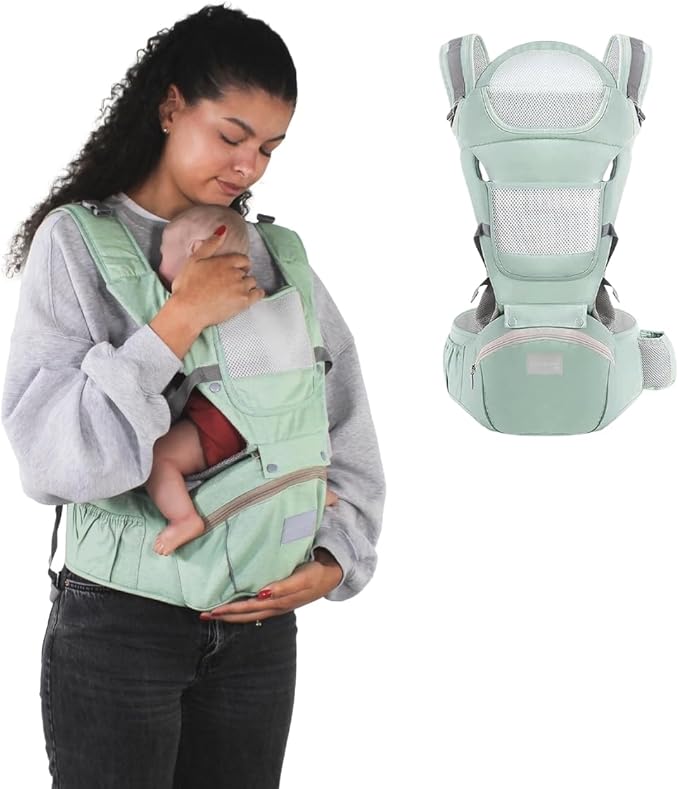
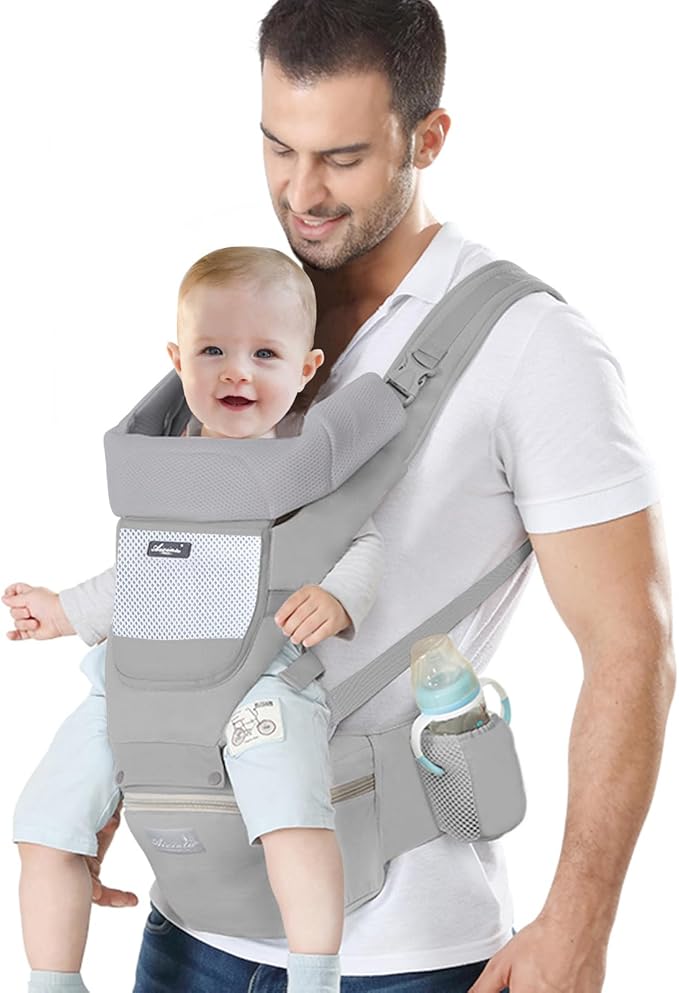
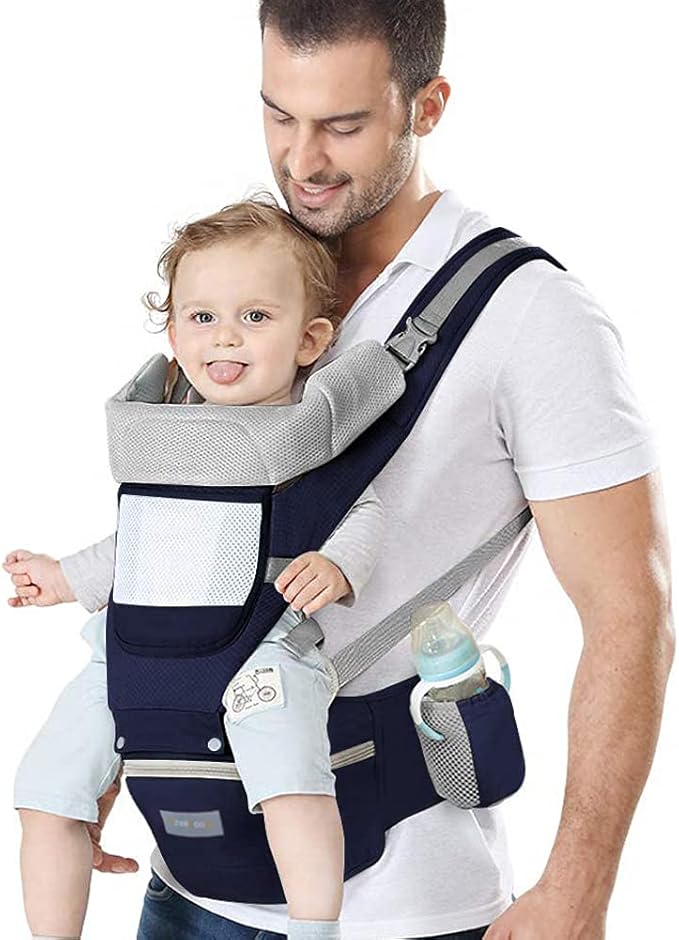
Bebamour Mesh Hip-Seat Baby Carrier
This newer Bebamour has a mesh upper panel, a firm hip seat and a cover secured with buttons. The exact black and beige versions show the complete carrier for 3–36 months, up to 14.9 kg. We recommend inward-facing use only once your child sits independently and holds their head steadily. The zipped, buckled panel must remain attached for that use; detached-seat and newborn cradle pictures describe a different, arm-supported setup. Expect more bulk than a fabric-only carrier.
Pros
- The mesh panel exposes less solid fabric around the child when its cover is open.
Cons
- The firm hip seat projects from the waist and cannot pack flat like a fabric-only carrier.
- Rank #7 Our score: 9.70 / 10
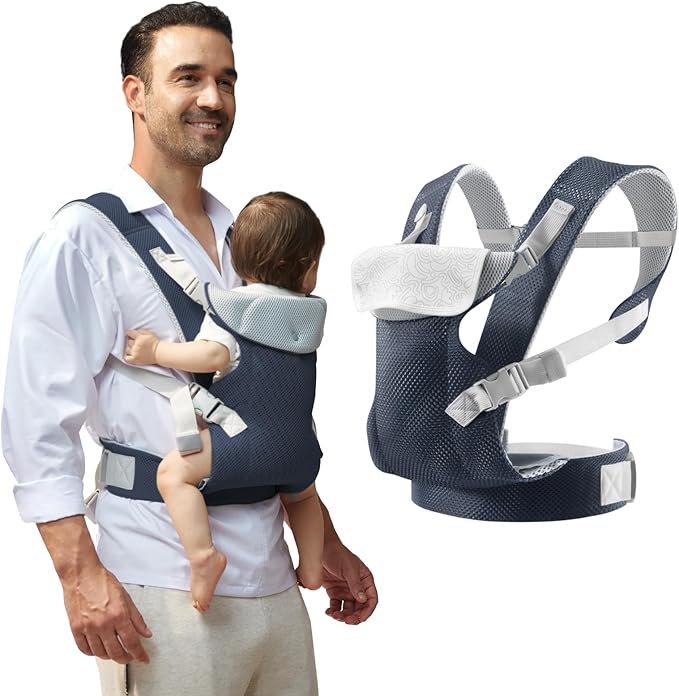
You+ME 4-in-1 Mesh Baby Carrier
Best: Affordable
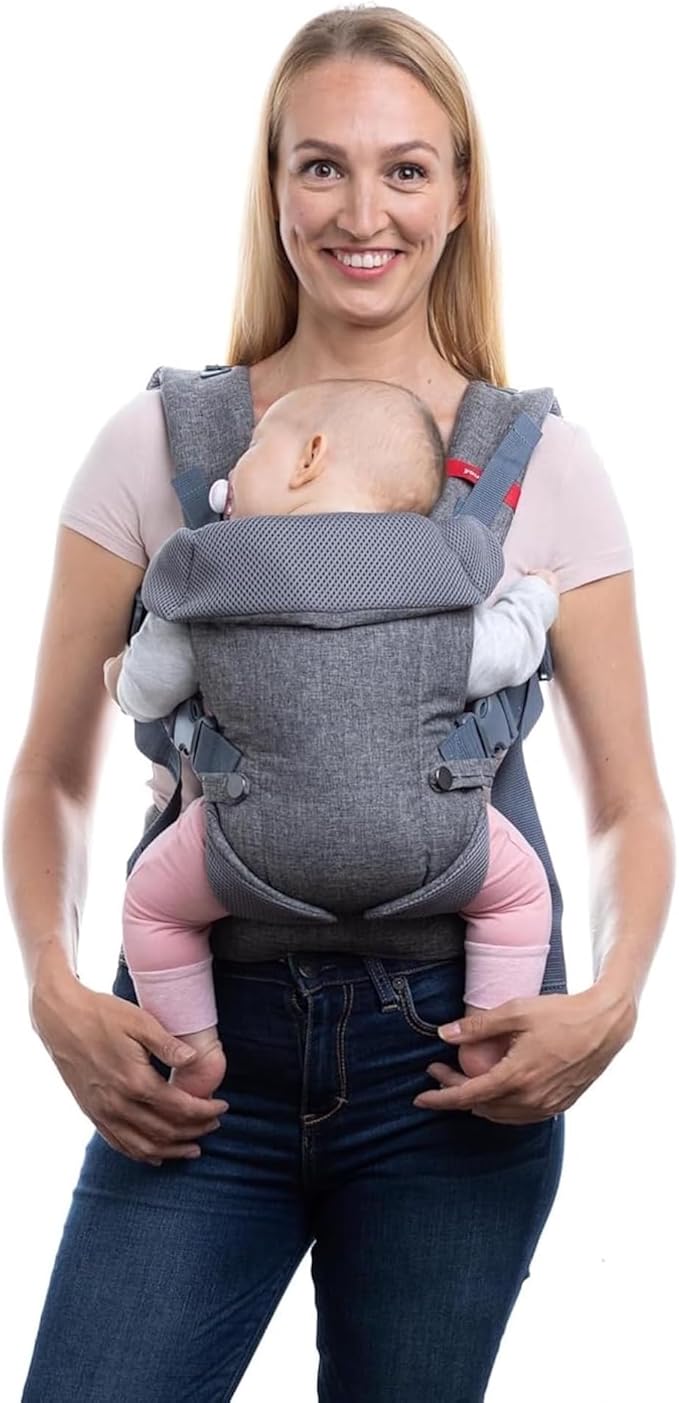
The You+ME mesh carrier pairs a washable snap-on bib with an adjustable seat for babies weighing 3.6-14.5 kg. It suits caregivers who want inward, outward and back carrying without tying a wrap. Start inward with the narrow seat; outward and back carrying are later stages, from six months with full head and neck control. The tradeoff is stage-specific seat adjustment and needing another adult to help load a baby onto your back.
Pros
- The removable bib catches dribble before it reaches the carrier, while the mesh lining and machine-washable fabric simplify warm-weather use and cleanup.
Cons
- Back loading requires another adult's help; it is not a solo on-and-off option for quick errands.
- Rank #8 Our score: 9.70 / 10
BABYBJÖRN Baby Carrier One Air
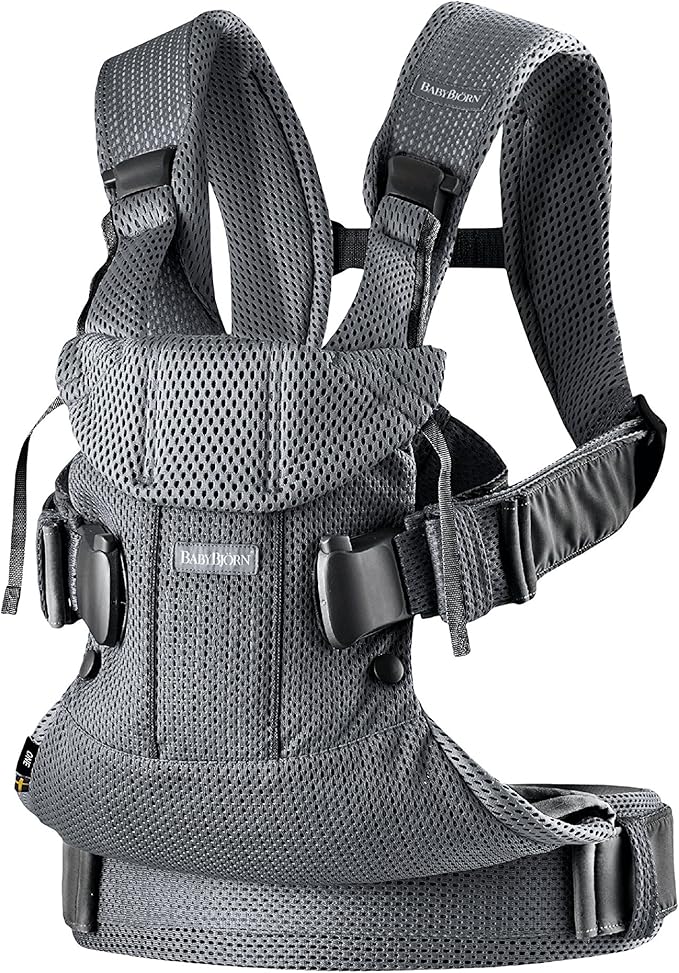
BABYBJÖRN One Air is the longer-running BabyBjörn choice: more support and mesh than a newborn-first carrier without the highest Harmony price. It fits families expecting front carry, later back carry, and warmer-day use.
Pros
- The stronger waist belt, airier fabric, and back-carry option give it more useful life than a compact newborn carrier.
Cons
- It is still a larger structured carrier and less tidy for quick newborn-only use.
- Rank #9 Our score: 9.67 / 10
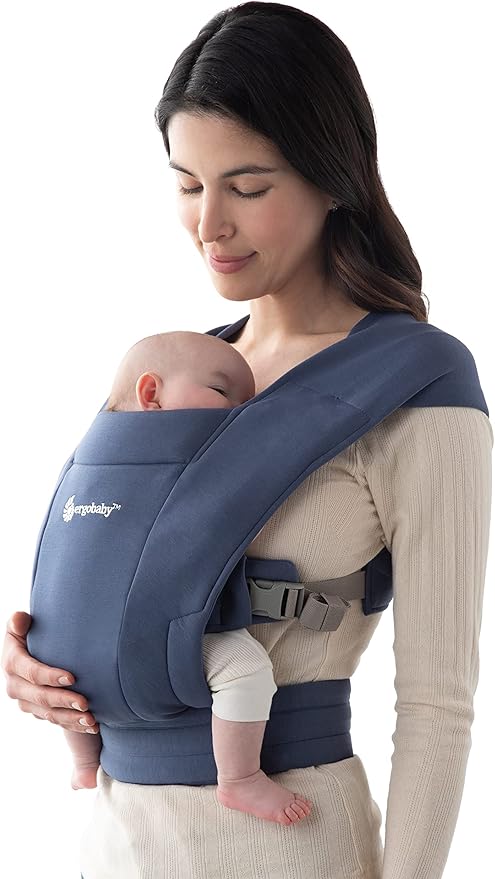
Ergobaby Embrace
Ergobaby Embrace is for the first months when you want wrap-like softness without tying a full wrap. It is lighter and simpler than a long-term all-position carrier, but it is not the choice for back carry or extended toddler use.
Pros
- Soft newborn-first structure keeps early carries simpler than a wrap while avoiding a bulky all-stage carrier.
Cons
- The 3-11 kg range means it is not the one carrier to stretch deep into toddler use.
- Rank #10 Our score: 9.67 / 10
Bebamour 6-in-1 Baby Carrier
This grey Bebamour combines a firm hip seat with shoulder straps and a mesh carrier panel. Its older TC26H chart gives front carrying from 3–36 months and back carrying from 6–36 months, with a 14.9 kg maximum. Our recommendation is narrower: inward-facing use of the complete carrier once your child sits independently and has steady head control. The projecting seat is less packable than a fabric carrier; newborn cradle pictures concern the separate, arm-supported seat.
Pros
- The mesh panel and padded shoulder straps complement the firm waist seat in the complete carrier.
Cons
- The rigid hip seat takes up more bag space than an all-fabric carrier.
- Rank #11 Our score: 9.66 / 10
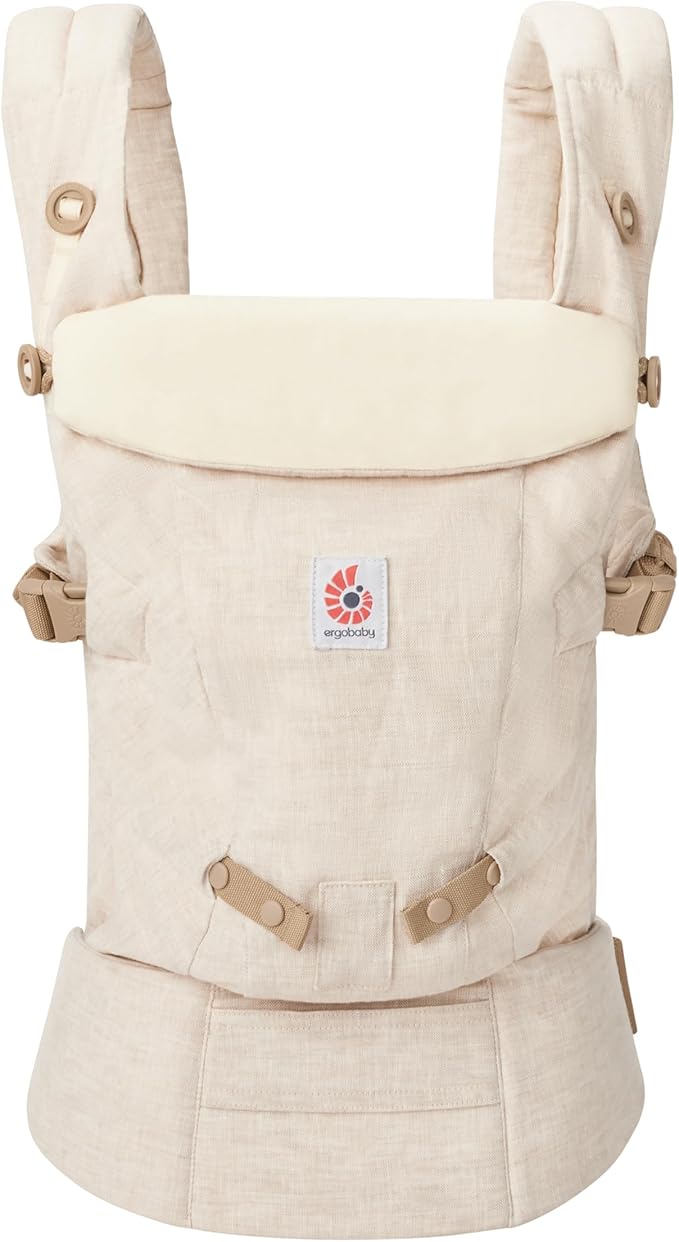
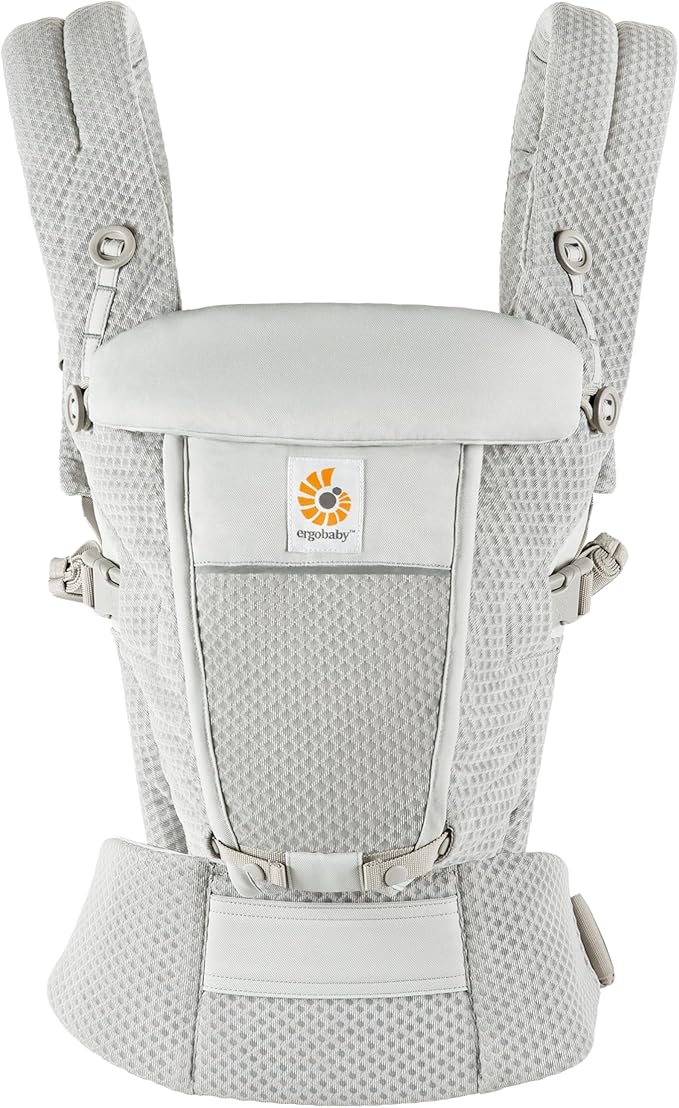
Ergobaby Adapt
The linen Ergobaby Adapt suits everyday carrying when you want an adjustable seat and a choice of crossed or parallel shoulder straps, without needing outward-facing carry. Front-inward use starts at both 3.2 kg and 50.8 cm; hip and back carrying come later, once your baby sits unaided and weighs at least 7.8 kg. This is the linen version, not SoftFlex mesh.
Pros
- The adjustable seat and crossable shoulder straps let you change the fit as your baby grows and try two strap arrangements on your own shoulders.
Cons
- There is no outward-facing position; choose another model if that is an important part of your carrying plans.
- Rank #12 Our score: 9.66 / 10
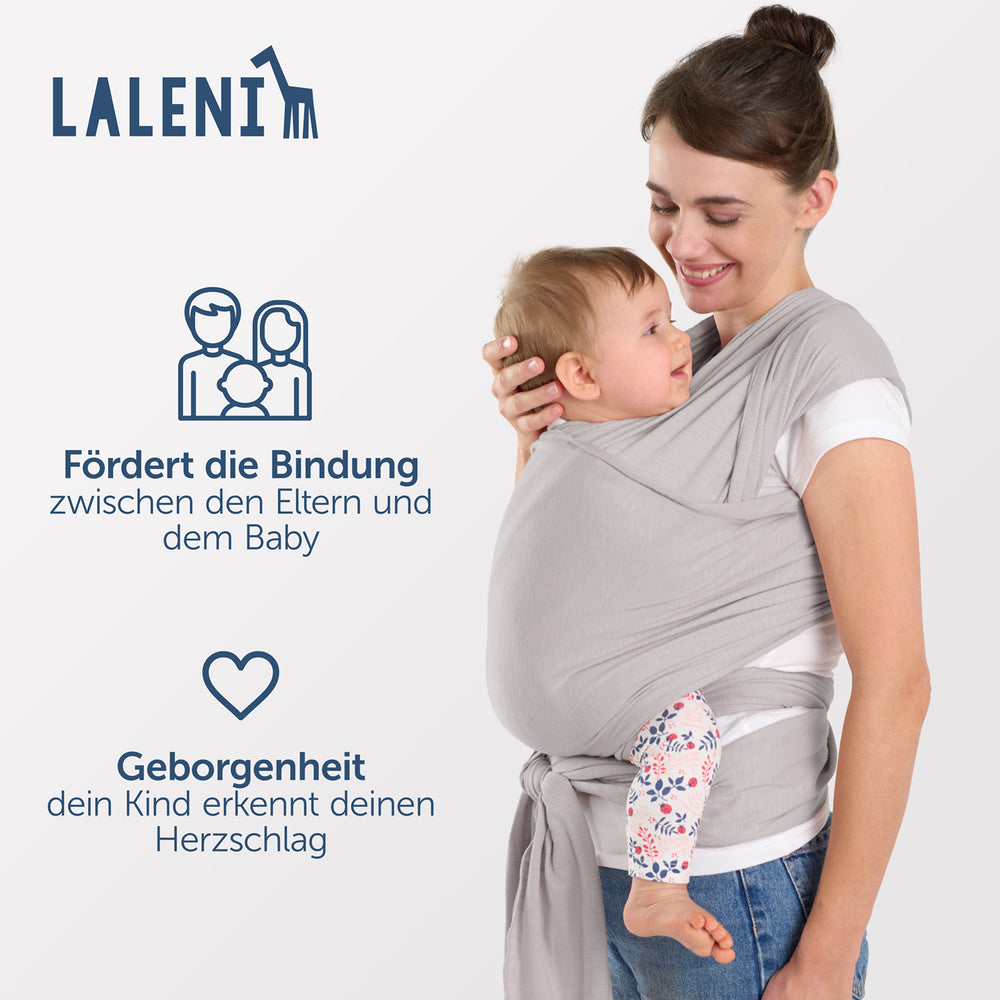
Laleni Baby Wrap
Best: Wrap
Laleni's roughly 5.10 m wrap gives you stretchy cotton without added elastane, for front carrying from 3.5-15 kg. Its long ends let you adjust the tie to your own body; the cost is managing and tightening that fabric each time you tie it. Choose it for inward-facing carrying with time to practise the knot.
Pros
- The jersey fabric is entirely cotton, with no added elastane.
Cons
- The long ends need handling and even tension during tying.
- Rank #13 Our score: 9.66 / 10
Beco Toddler Carrier
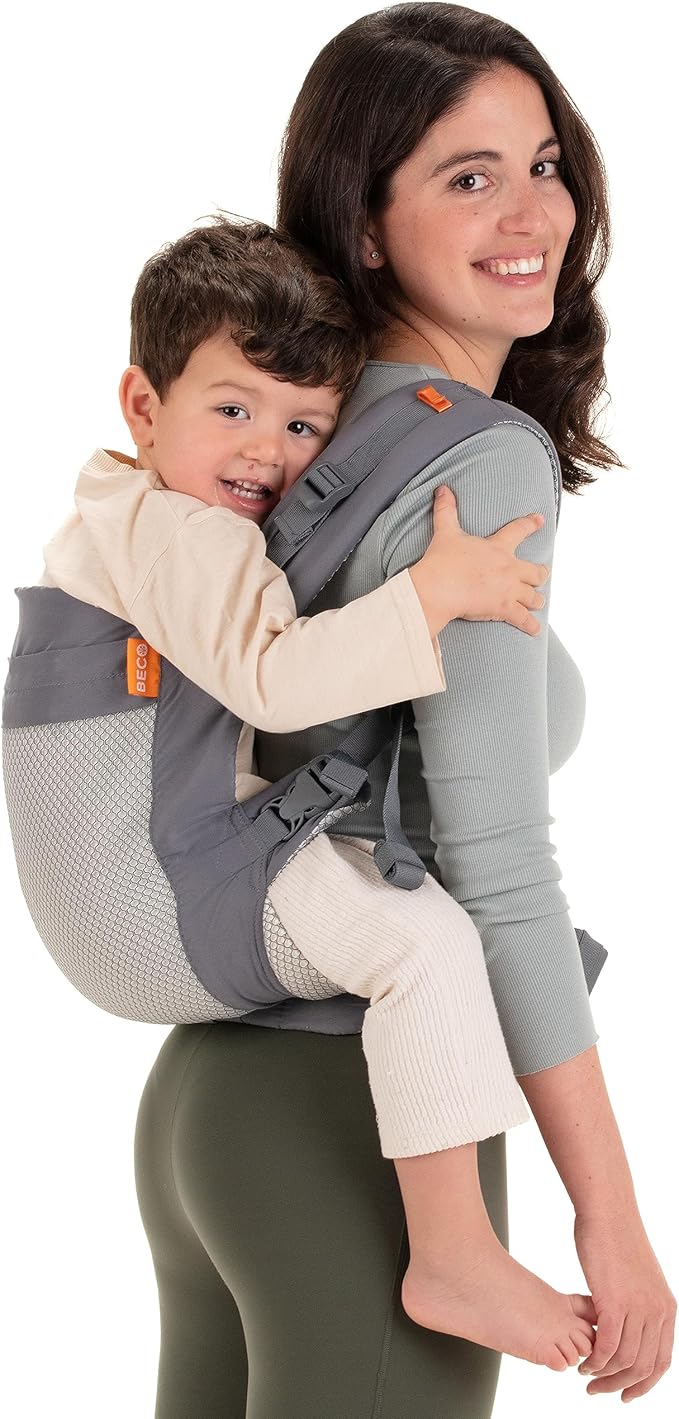
Beco Toddler is a next-stage carrier for children aged 18 months and over, within the manufacturer's 9.1-27.2 kg range. Its wide seat and tall back panel suit toddlers who walk part of the way but still need a lift home. Front inward-facing and back carrying share the same roomy panel. The seat width is not adjustable, so its bigger-child support is also the reason to avoid moving a small baby into it early.
Pros
- The wide seat and tall panel extend carrying beyond the fit of smaller baby carriers.
Cons
- The fixed-width toddler seat cannot be narrowed for a smaller baby; the minimum age and weight are not interchangeable fit tests.
- Rank #14 Our score: 9.66 / 10
Beco Toddler Carrier Cool Mesh
Beco Toddler Carrier Cool Mesh is for families carrying an older toddler who has outgrown smaller baby carriers but still needs front or back support on longer outings. It is not a newborn carrier; its role is bigger-child comfort and airflow.
Pros
- Toddler-sized seat and taller panel make it more appropriate for bigger children than many baby-first carriers.
Cons
- It starts in toddler territory, so families need another answer for babies and newborns.
- Rank #15 Our score: 9.65 / 10
Ergobaby OMNI Deluxe Mesh
Ergobaby Omni Deluxe Mesh is the premium structured comparison when one carrier needs to cover newborn, front, hip, back, and warmer-weather carrying. The tradeoff is size and price: it is more carrier than many families need for short newborn-only use.
Pros
- Omni Deluxe Mesh is the Ergobaby pick when all-position carrying and warm-weather comfort both matter.
Cons
- It costs more than simpler structured carriers, so it only pays off if you use the extra positions.
- Rank #16 Our score: 9.64 / 10
Boba X
Boba X is the long-range Boba choice: adjustable in seat width and panel height so it can cover more baby-to-toddler stages than simpler carriers. The tradeoff is setup discipline, especially for newborn fit and later seat extenders.
Pros
- Seat-width and panel-height adjustment give it a stronger baby-to-toddler story than fixed-panel carriers.
Cons
- The long range only works if caregivers actually resize the carrier as the child grows.
- Rank #17 Our score: 9.62 / 10
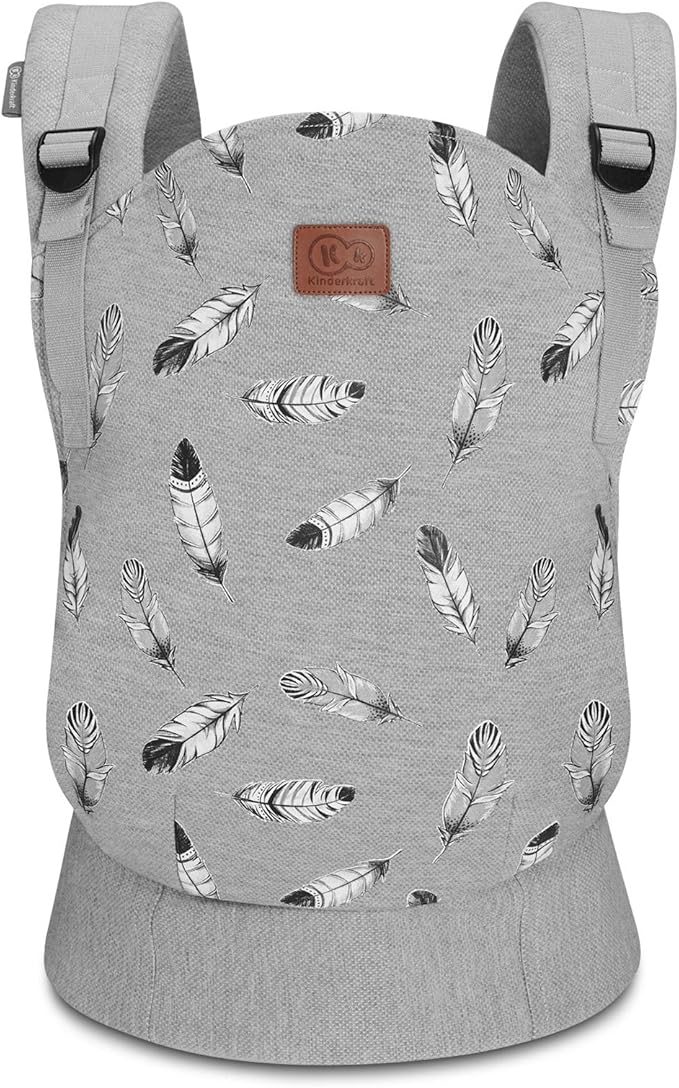
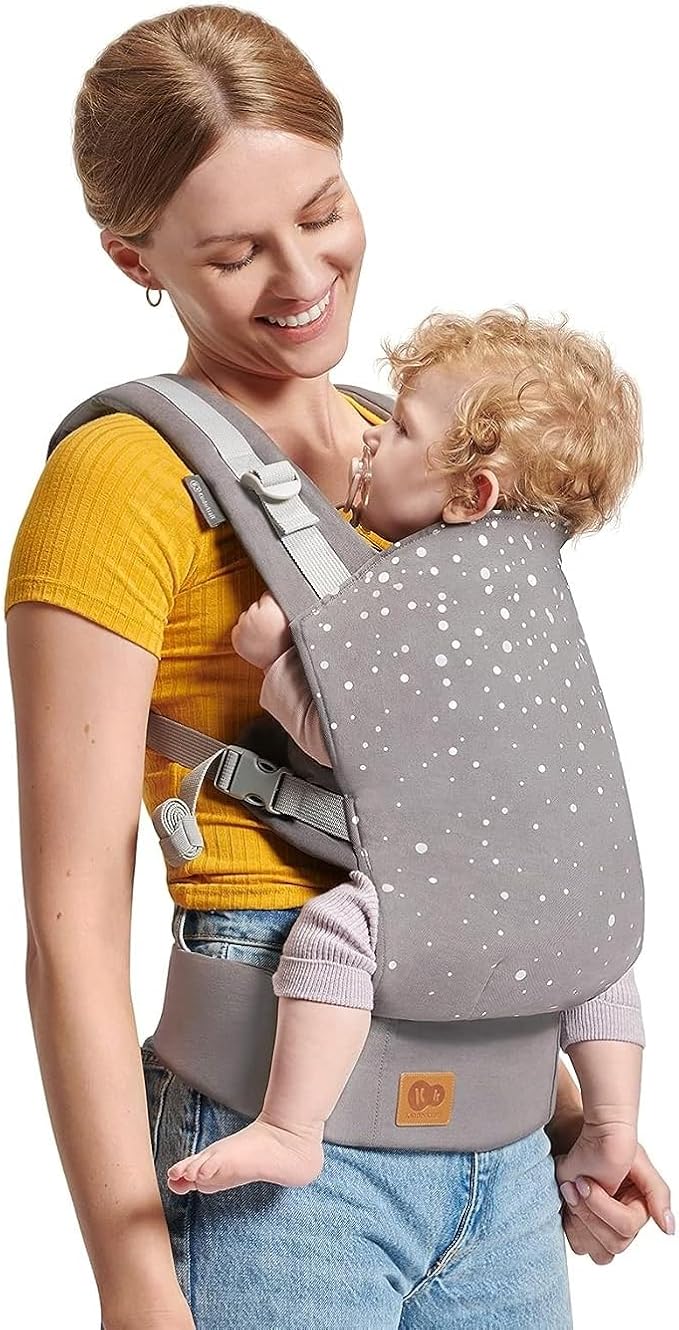
Kinderkraft MILO
Kinderkraft MILO is a light, affordable carrier for after the newborn phase, with front and back carrying and an adjustable panel. It is most useful once baby is around 3 months-plus, not as a from-birth plan.
Pros
- Light 0.4 kg build is easier to carry around than many heavier structured carriers.
Cons
- Official guidance starts at 3 months, so newborn families need another solution.
- Rank #18 Our score: 9.62 / 10
Kinderkraft Baby Carrier NINO Confetti
Kinderkraft NINO Confetti is a light structured carrier for after the earliest months, not the safest answer if from-birth carrying is your main question. It fits short front and back carries when low bulk matters more than premium support.
Pros
- The light structured design keeps daily kit simpler once your baby is past the newborn stage.
Cons
- The 3-month-plus positioning in the existing NINO sources means it should not be treated as a from-birth carrier.
- Rank #19 Our score: 9.61 / 10
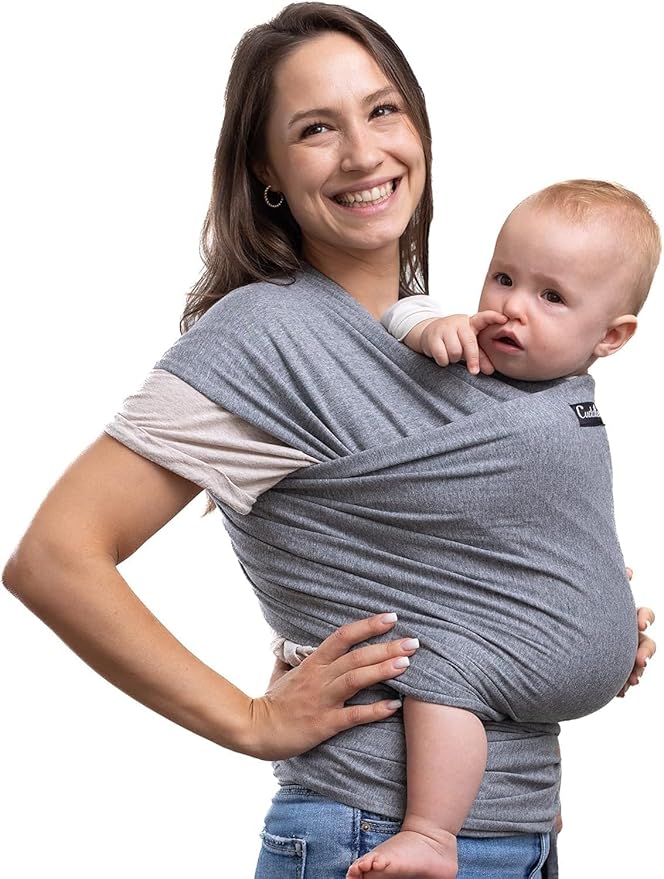
CuddleBug Baby Wrap
CuddleBug Baby Wrap is a long cotton-bouclé and elastane stretch wrap for close carrying. The Italian offer states 3-16 kg, but confirm the limit and permitted ties in the supplied instructions; always keep the face visible, chin clear of chest and fabric evenly spread.
Pros
- The long fabric adjusts across wearer builds without a fixed-size waist belt or shoulder straps.
Cons
- Correct support depends on the tie, and crying, sleep or health promises are not a buying basis.
- Rank #20 Our score: 9.60 / 10
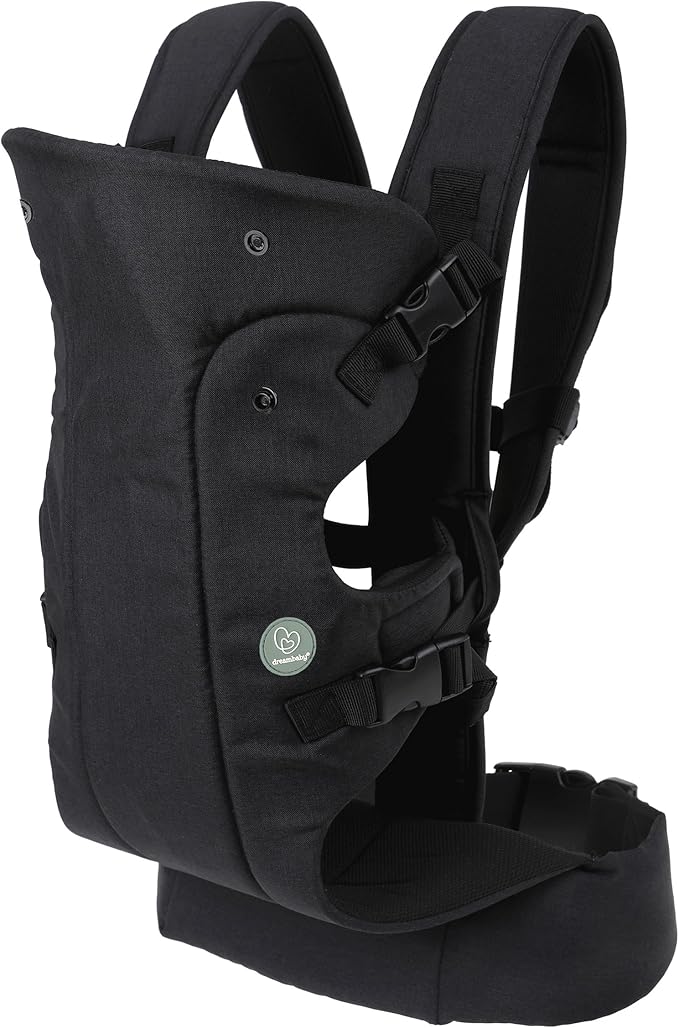
Dreambaby Journey 3-in-1
Dreambaby Journey 3-in-1 is an affordable structured carrier for parents who want inward, outward, and later backpack-style options without moving into premium prices. The practical check is setup: each position needs the right weight, head control, and manual guidance.
Pros
- Three-position design gives more growth room than a simple front-only budget carrier.
Cons
- Outward and backpack-style carrying need stage and head-control checks rather than guesswork.
- Rank #21 Our score: 9.58 / 10
Mobiclinic Moley 6-in-1
Mobiclinic Moley 6-in-1 is a soft-structured carrier with several front and back options, adjustable straps and an opening ventilation panel. The modes add flexibility but should not be chosen by count: match each position to Mobiclinic's current instructions, seat width, head control and a clear airway.
Pros
- Adjustable waist, shoulder and centre straps plus an opening ventilation panel offer concrete wearer and weather tuning.
Cons
- Six advertised positions create more setup error paths; not every mode suits a newborn or a child without head control.
- Rank #22 Our score: 9.57 / 10
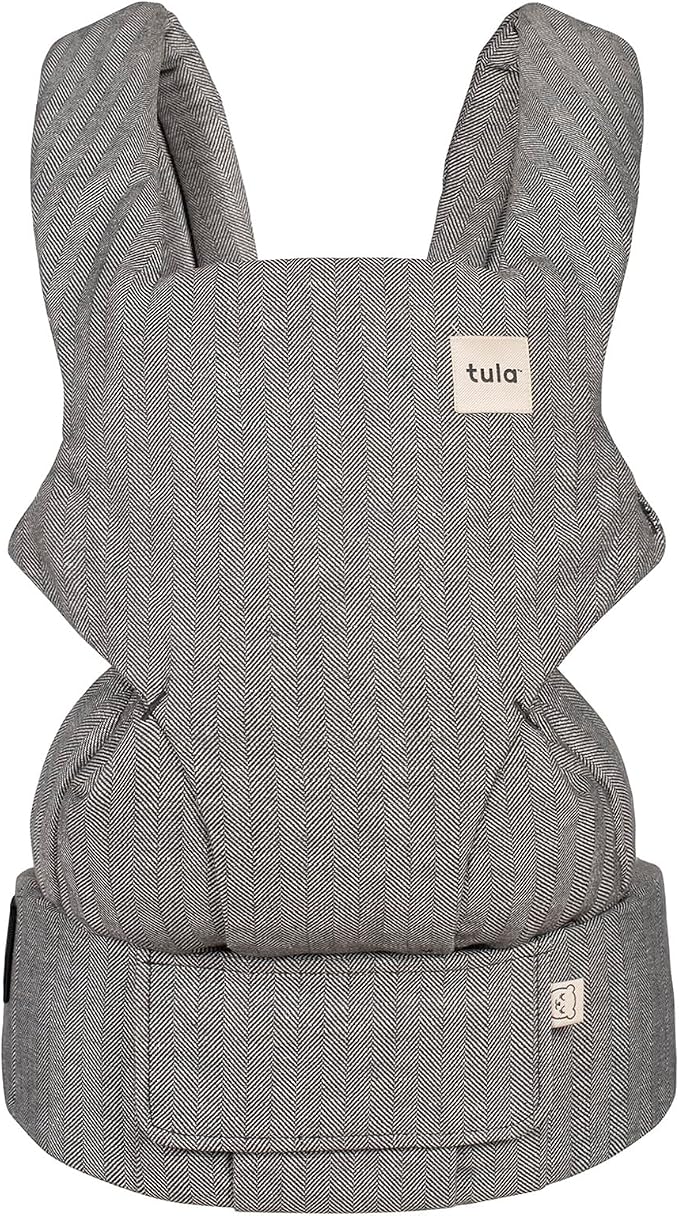
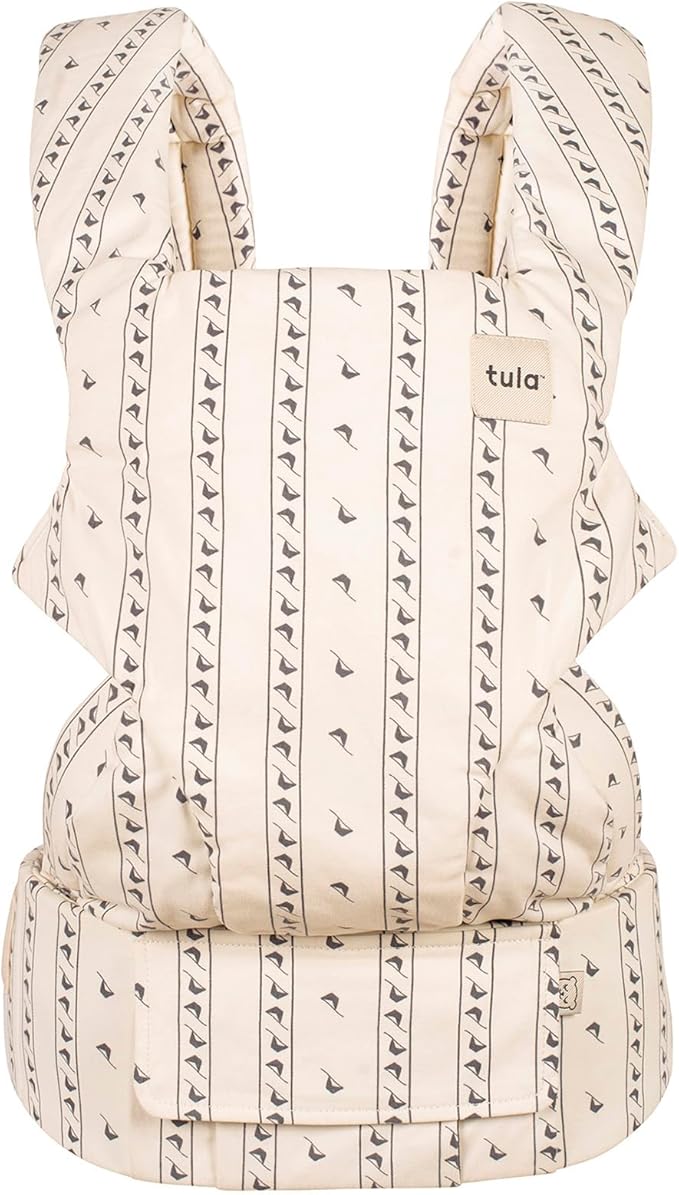
Tula Linen Explore Carrier
Baby Tula Linen Explore combines a linen-cotton shell with inward, limited outward and later back carrying. It fits 3.2-20.4 kg, but each position has its own developmental boundary; newborn use is inward-only with a continuously visible airway.
Pros
- The three-width panel can support the thighs to the knee crease as a child grows from the 3.2 kg minimum to 20.4 kg.
Cons
- Outward-facing is restricted to 6.4-10 kg, roughly 5-12 months, with upright head control; the manual forbids sleep in that position.
- Rank #23 Our score: 9.57 / 10
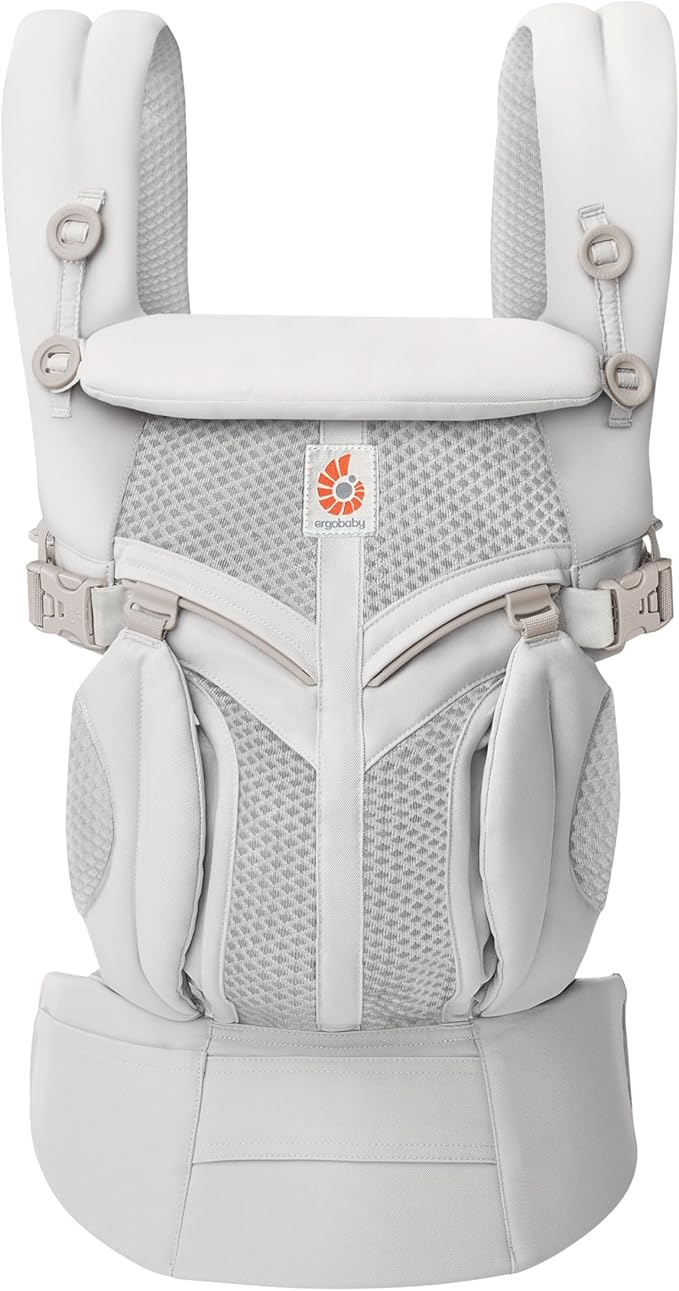
Ergobaby Omni 360 Cool Air Mesh
Ergobaby Omni 360 Cool Air Mesh is for parents who want one ventilated buckle carrier to cover newborn inward carry and later hip, outward and back carry without an infant insert. It lasts longer and spreads load more firmly than the softer Embrace, but it is bulkier in a bag; wait for strong head and neck control before outward-facing use and follow the manual for each size setting.
Pros
- Four positions and an adjustable seat cover more child stages than a newborn-first soft carrier.
Cons
- The structured waist belt and multiple adjustments are bulkier and slower to pack than a soft newborn carrier.
- Rank #24 Our score: 9.54 / 10
Ergobaby Adapt SoftFlex Mesh
Ergobaby Adapt SoftFlex Mesh is a newborn-ready soft-structured carrier for families who want breathable fabric and back-carry progression without an infant insert. It fits longer daily carrying better than a simple sling.
Pros
- Mesh panel and back-carry path support warmer or longer outings.
Cons
- Caregiver fit is still decisive because structured waistbands vary by body shape.
- Rank #25 Our score: 9.52 / 10
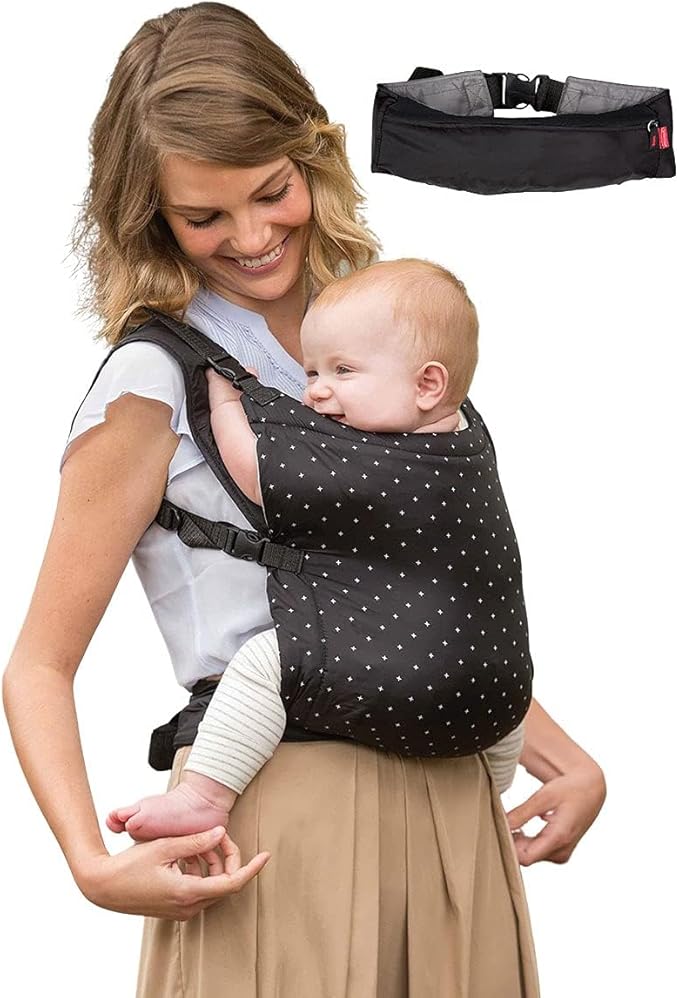
Infantino Swift Classic Carrier
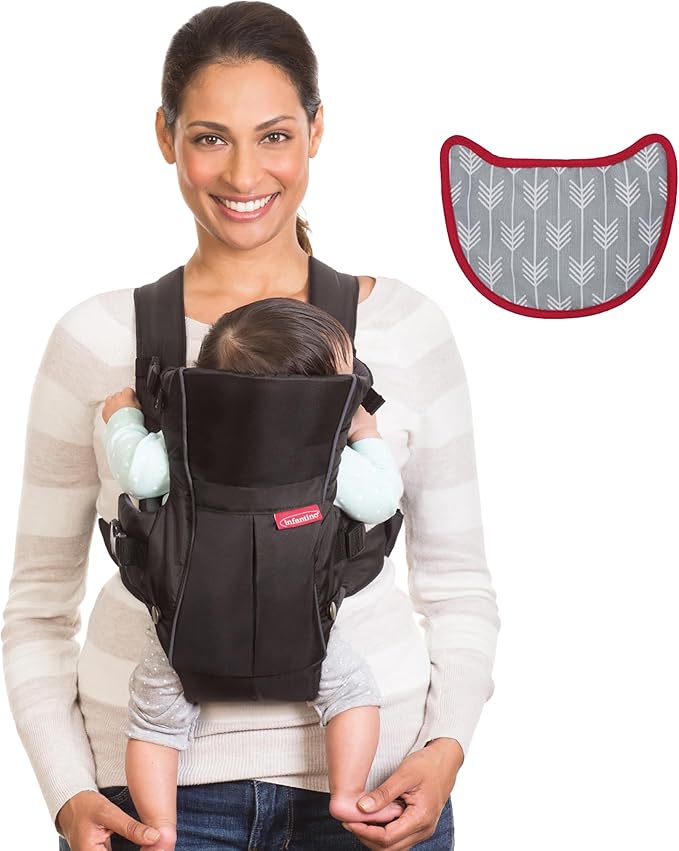
The black Infantino Swift Classic supports 3.6-11.3 kg in a compact design that packs alongside the stroller. Front buckles, a pocket and a removable bib make it useful for outings. It is a front carrier only; your baby must hold their head upright independently before facing out, and you will need another model for later back carrying.
Pros
- The compact pouch-style design packs into a bag for use alongside a stroller.
Cons
- There is no back-carry position for the next stage.
- Rank #26 Our score: 9.51 / 10
IULONEE Front and Back Baby Carrier
This IULONEE carrier pairs a zip-adjustable seat with a folding head panel for inward carrying from three months and back carrying after independent sitting, within 3-15 kg. Its 66-116 cm waistband gives adults a concrete fit check. Choose it for staged front-to-back use, not for carrying from birth.
Pros
- Adjustable seat width and a folding head panel support the transition between the stated inward-carry stages.
Cons
- Carrying starts at three months, not birth; an applicable original operating manual was not found.
- Rank #27 Our score: 9.50 / 10
Bebamour Classic 3-in-1 Baby Carrier
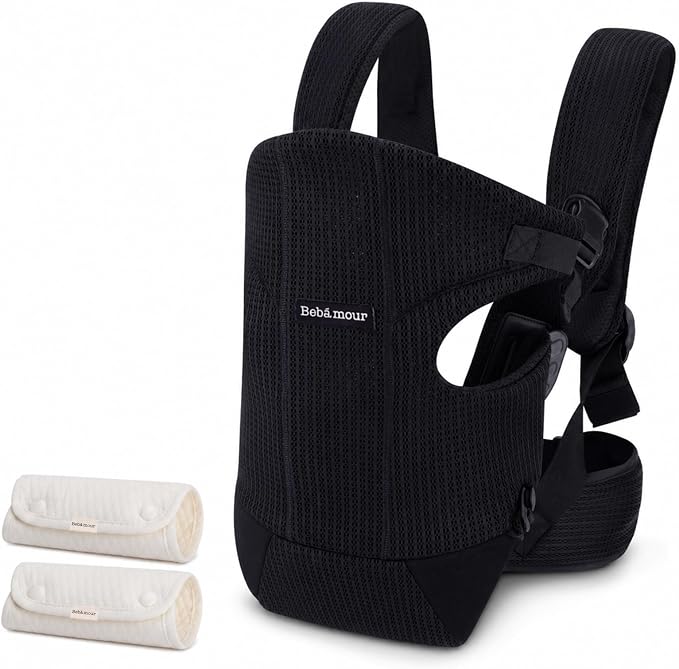
Bebamour Classic 3-in-1 is a buckle carrier without the protruding hip-seat base found on many Bebamour models. Its adjustable leg openings and shoulder straps offer a simpler setup, with two removable shoulder bibs for dribbles. The manufacturer specifies 3–18 months and a maximum of 12 kg: this is neither a newborn carrier nor a long-term option for a heavier toddler. The smaller fit window is the main compromise for parents wanting one carrier to last.
Pros
- The fabric seat has no rigid hip-seat shelf projecting from the waist, making this a different carrying setup from Bebamour’s hip-seat models.
Cons
- The manufacturer limits use to 3–18 months and 12 kg; its illustrated inward-facing guide is narrower and more precise at 3.6-6.8 kg for small leg openings and 6.8-11.8 kg for large openings.
- Rank #28 Our score: 9.49 / 10
SONMEI Ergonomic Baby Carrier
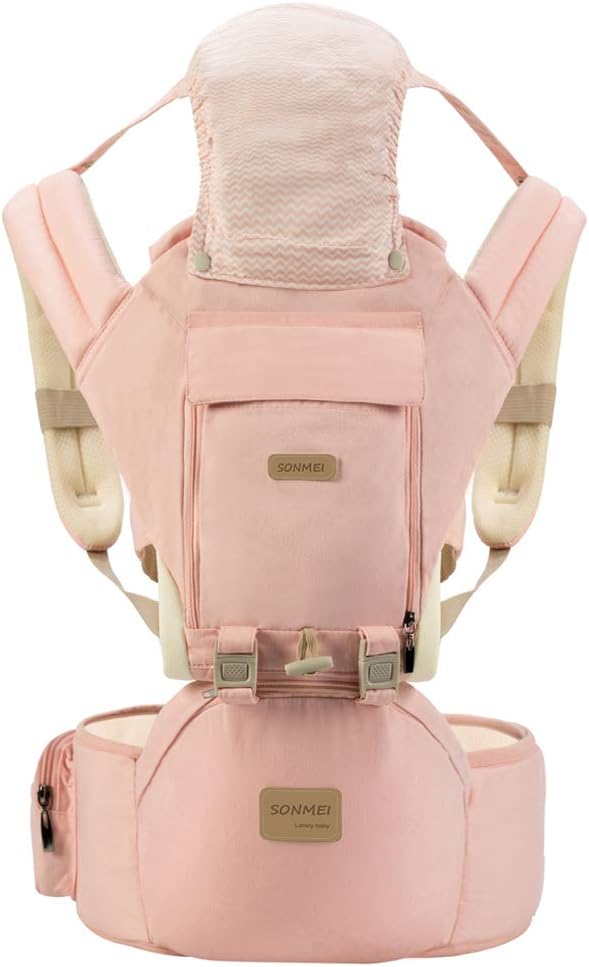
SONMEI Ergonomic Baby Carrier is a documentation-limited structured carrier for parents comparing an affordable short-carry solution. It needs more checking around exact position, weight range, seat width, and heat than better-documented brand carriers.
Pros
- The structured setup can be more practical for short errands than a wrap you need to tie.
Cons
- The source base is thinner than with strongly documented brands, so treat ergonomic and newborn claims cautiously.
- Rank #29 Our score: 9.47 / 10
Tula Baby Carrier
This Tula is a premium structured comparison for parents who want newborn use and daily buckle-carrier support, but need to pin down the exact Tula model before buying. Confirm it has the positions and fit setup you expect.
Pros
- Tula is most relevant when you want a sturdier daily buckle carrier rather than a simple wrap.
Cons
- The product naming is not model-specific enough, so confirm the exact Tula model supports newborn use and your intended carry positions.
- Rank #30 Our score: 9.45 / 10
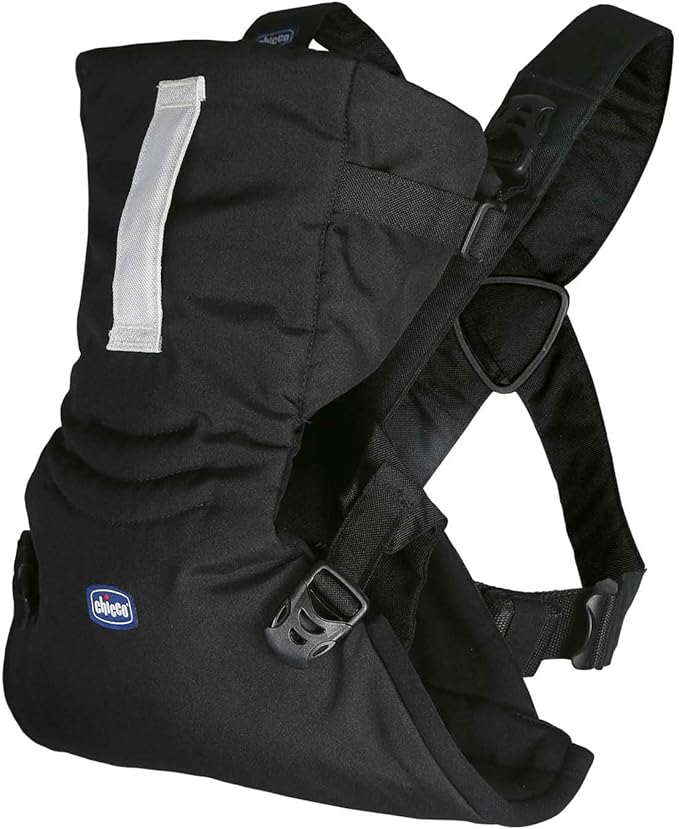
Chicco EasyFit
Chicco EasyFit suits short early outings when you want an over-the-head carrier without wrap tying. The upper panel folds for a small baby’s head support, and the carrier rolls up when unused. Its 9 kg limit and front-only carrying make it an early-stage choice, not a toddler carrier.
Pros
- The crossed straps go on over the head before the baby is placed inside; no wrap passes to learn.
Cons
- The 9 kg ceiling limits how long you can use it; back carrying is not allowed.
- Rank #31 Our score: 9.43 / 10
IULONEE Newborn Baby Carrier
IULONEE Newborn Baby Carrier is a low-cost soft carrier for short early-stage carries when parents want more structure than a wrap. The important checks are weight range, airway visibility, head support and how the current listing explains newborn positioning.
Pros
- Structured straps make it easier to compare against wraps for quick short carries.
Cons
- Newborn claims are listing-led, so check fit and instructions carefully before use.
- Rank #32 Our score: 9.42 / 10
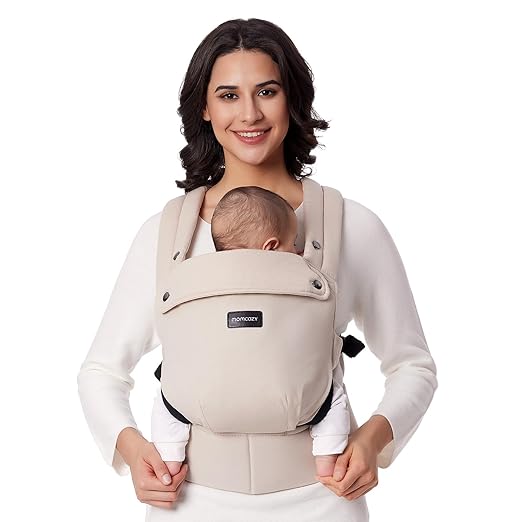
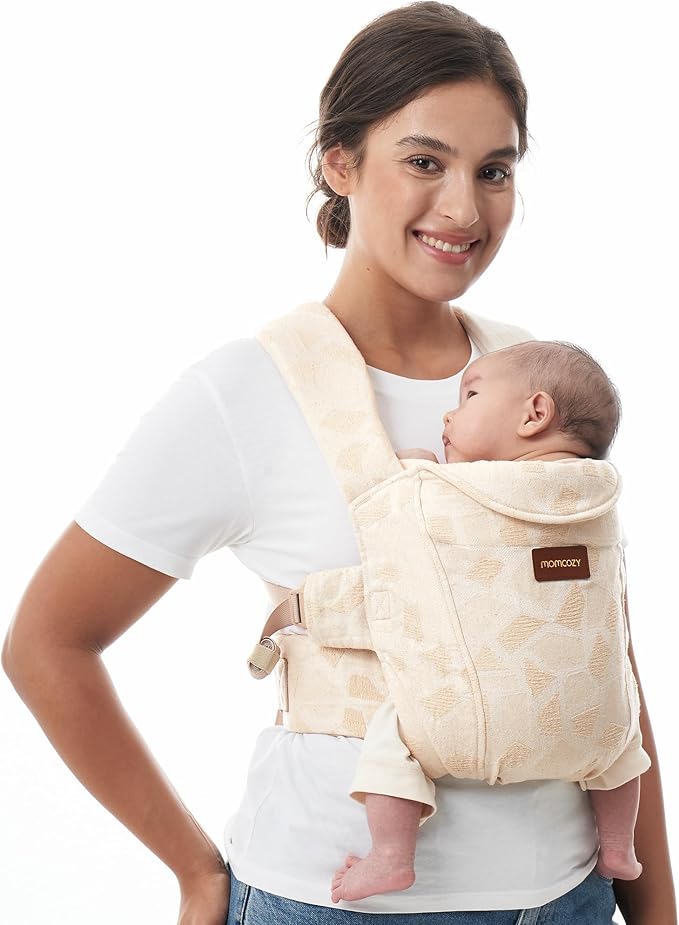
Momcozy Baby Carrier
Momcozy PureHug is a front-inward structured carrier for babies from about three months, with an X-shaped back, EVA lumbar panel and an adjustable 3.2-20 kg seat. It suits errands and shorter walks when fast setup matters; choose another carrier for newborn-first or back-carry use.
Pros
- The X-shaped straps and EVA lumbar panel spread load across the back and waist during everyday front carry.
Cons
- Momcozy starts this model at about three months, so the low weight number alone does not make it a newborn carrier.
- Rank #33 Our score: 9.42 / 10
Azeekoom Ergonomic Baby Carrier
Azeekoom's firm waist seat and mesh upper panel suit inward carrying when accessible pockets matter more than a small packed size. The complete-carrier chart starts at 6 months; we recommend it only once your child sits independently and has steady head control. The stated full-carrier load is about 25 kg, not a precise certified maximum. The detached seat has a separate 10 kg limit and needs continuous arm support.
Pros
- Mesh across the upper panel leaves less solid fabric around the child than a closed padded panel.
Cons
- The rigid seat projects from the waist and does not pack as flat as an all-fabric carrier.
- Rank #34 Our score: 9.39 / 10
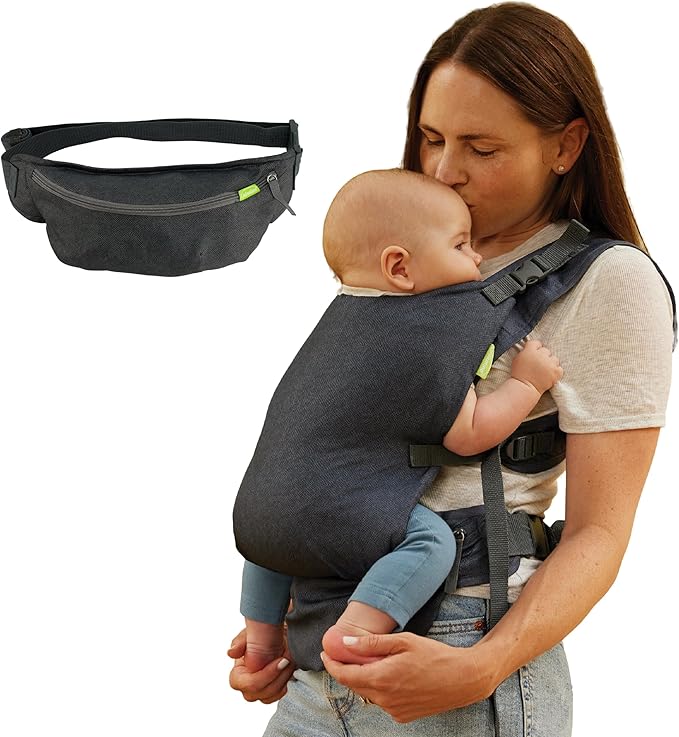
Infantino Zip Travel Carrier
Infantino Zip folds into its own waist-belt pocket, making it a practical spare for trips without a pushchair. It carries 5.4-18.1 kg (about 5.4-18.1 kg), facing you on the front or on your back once your child sits independently. It does not offer outward-facing carry.
Pros
- The carrier packs into its waist-belt pocket, so there is no separate storage bag to lose.
Cons
- The 5.4 kg minimum excludes smaller babies, even if they fit the advertised age description.
- Rank #35 Our score: 9.36 / 10
Jané Dual
Jané Dual suits families who want a fully opening front panel and crossed shoulder straps for inward carrying from 3.5 kg. Its 15 kg ceiling and back-carry start at 12 months make later use more limited than the three-position label suggests. Babies under 4.5 kg need the leg-opening adjustment tightened to fit.
Pros
- The front opens fully, so the baby can be placed and removed without lifting through a closed panel.
Cons
- Back carrying starts at 12 months, and Jané recommends only short periods in positions other than inward-facing.
- Rank #36 Our score: 9.36 / 10
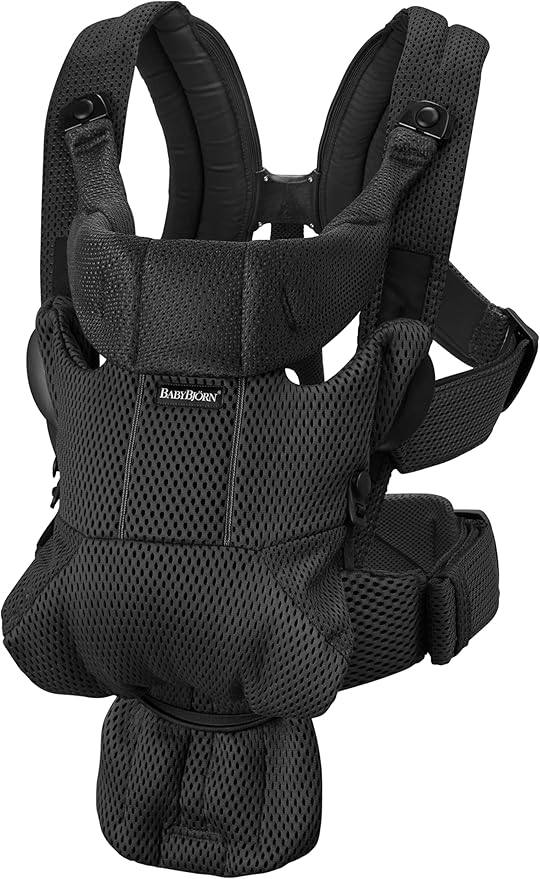
BabyBjorn Move
BabyBjorn Move is a front-carry specialist for parents who want a breathable 3D-mesh carrier from the newborn stage without learning a wrap. Its limit is longevity: it covers facing-in and facing-out front carry, but not back carry.
Pros
- 3D mesh and a structured setup make it easier to repeat than a wrap on warm errand days.
Cons
- No back carry, so it is not the best one-carrier plan for later baby or toddler stages.
- Rank #37 Our score: 9.35 / 10
Momcozy Newborn Baby Carrier
Momcozy Newborn Baby Carrier is a short-window early carrier, not the same decision as a 3.2-20.4 kg toddler-plan model. It makes sense if you specifically want mesh, sunshield coverage, and newborn-focused support for roughly the first 0-6 months.
Pros
- Newborn-focused 0-6 month design is clearer for early use than broad toddler-range marketing.
Cons
- Short useful window means you may still need a larger carrier later.
- Rank #38 Our score: 9.34 / 10
KeaBabies Baby Wrap
Best if you want a softer fabric-first newborn carry without paying premium wrap prices. KeaBabies Baby Wrap is most useful when close fit and lower bulk matter more than fast on-off convenience.
Pros
- A sensible cheap stretchy-wrap pick if you want newborn closeness and a softer carry feel without paying more for the better-known premium wraps.
Cons
- You still pay with a wrap learning curve, so it is a weaker fit if you want fast handoffs or the easiest on-off routine.
- Rank #39 Our score: 9.33 / 10
Boba Auri
Boba Auri is for parents who want a polished buckle carrier that can move beyond early inward carrying into outward and back carry. Check the exact fabric, panel adjustment, and newborn setup before relying on it for the first weeks.
Pros
- The broader position range gives it more room to grow than a newborn-only wrap.
Cons
- Variant details matter, so sizing and newborn setup need checking before purchase.
- Rank #40 Our score: 9.33 / 10
Boba Baby Wrap
Boba Baby Wrap is the cotton-rich stretchy wrap for close, inward-facing carrying in the early months. Its approximately 5 m of fabric adjusts without buckles, but takes practice to tie and feels warmer than Boba Serenity. The 3.2-15.9 kg limit is not a promise of toddler comfort: Boba says it works best up to 9.1 kg.
Pros
- The cotton-and-spandex fabric gives a close fit without buckles pressing against you.
Cons
- Tying roughly 5 m of fabric takes practice and makes quick changes between wearers less convenient.
- Rank #41 Our score: 9.33 / 10
Ergobaby Alta Hip Seat
Ergobaby Alta Hip Seat is for families with older babies or toddlers who need frequent pick-ups and supported short carries. It is a hip-seat comparison, not the smallest newborn carrier.
Pros
- Hip-seat format helps with quick toddler ups and downs.
Cons
- Not as compact as a sling and not the first newborn-focused option.
- Rank #42 Our score: 9.33 / 10
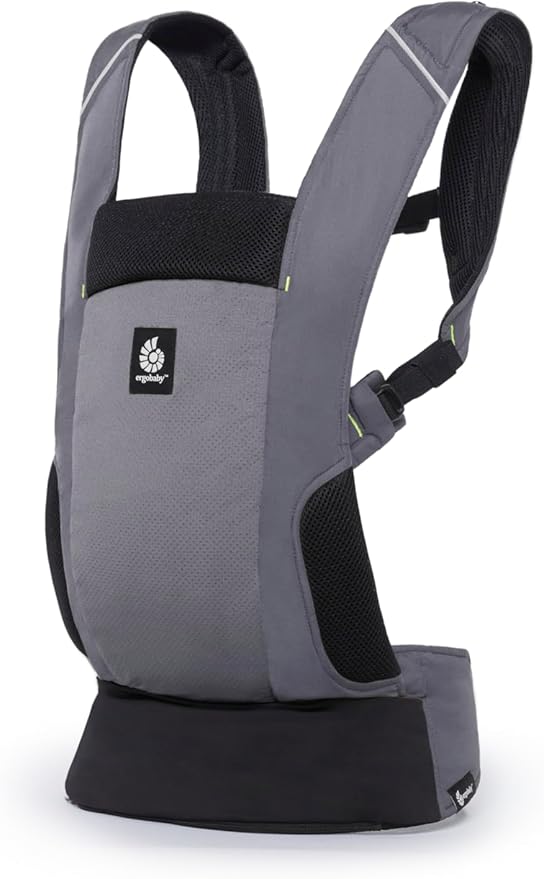
Ergobaby Away
Ergobaby Away is a portability-first structured carrier for short carries during travel or stroller days. The buy reason is packable backup use, not the support of a thicker everyday carrier.
Pros
- Light, easy folding makes it a practical backup for travel and outings.
Cons
- It is not for newborns.
- Rank #43 Our score: 9.33 / 10
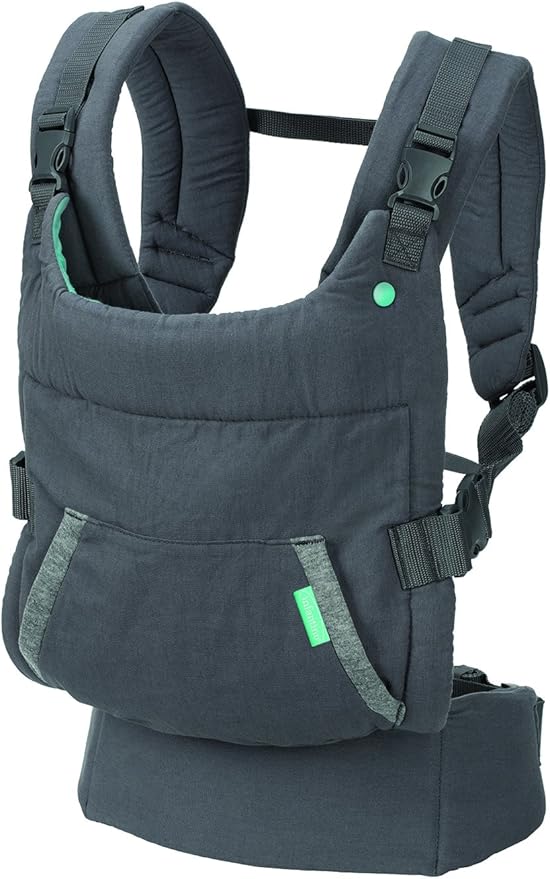
Infantino Baby Carrier
Infantino Cuddle Up is a budget structured carrier for parents who want front and back carry options with more buckle support than a wrap.
Pros
- Padded straps and a waist belt distribute weight better than simple fabric slings.
Cons
- The 5.5 kg lower limit means it is not the first choice for tiny newborns.
- Rank #44 Our score: 9.33 / 10
Infantino Fold & Go 2-in-1 Carrier
Infantino Fold & Go 2-in-1 Carrier is a packable structured option for babies past the newborn stage. It folds into its waist belt and covers inward front plus back carry, so it works better as a travel spare than as a plush all-day carrier.
Pros
- Folds into its waist belt, so it is easier to justify as a bag-ready backup.
Cons
- The 5.4 kg starting point means it misses the newborn stage.
- Rank #45 Our score: 9.33 / 10
IULONEE 2313T Mesh Baby Carrier
The IULONEE 2313T combines a mesh panel with a zip-adjustable seat for babies from three months within the 3-15 kg range. It offers inward carrying first and back carrying once the child sits unaided; the 66-116 cm waistband is a useful fit limit when adults share it. It is not a from-birth carrier.
Pros
- The zip-adjustable seat and folding head panel accommodate changes in the child’s fit.
Cons
- Carrying starts at three months, so this is not an option for use from birth.
- Rank #46 Our score: 9.33 / 10
Joie Savvy Lite Air
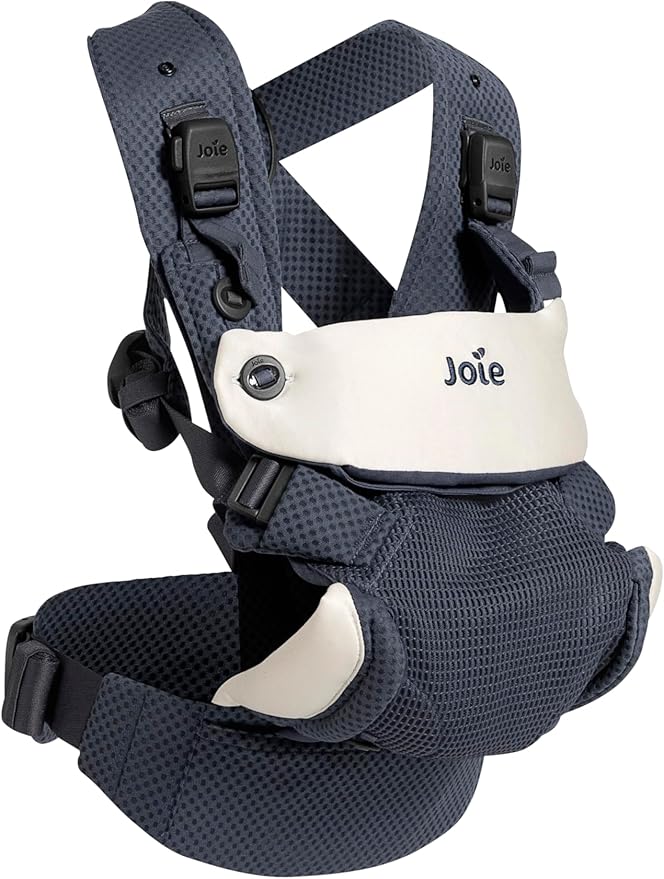
Joie Savvy Lite Air is a breathable 3-in-1 carrier for parents who want mesh and straightforward baby-stage support. Its 3.6-13.6 kg range makes it more newborn-friendly than travel-only carriers, but less of a toddler plan than broader premium models.
Pros
- Cool mesh and soft baby head support make it more relevant for warm early-stage carrying than many travel spares.
Cons
- Lower upper range than many all-stage carriers, so toddler usefulness is limited.
- Rank #47 Our score: 9.33 / 10
Lionelo Mabel
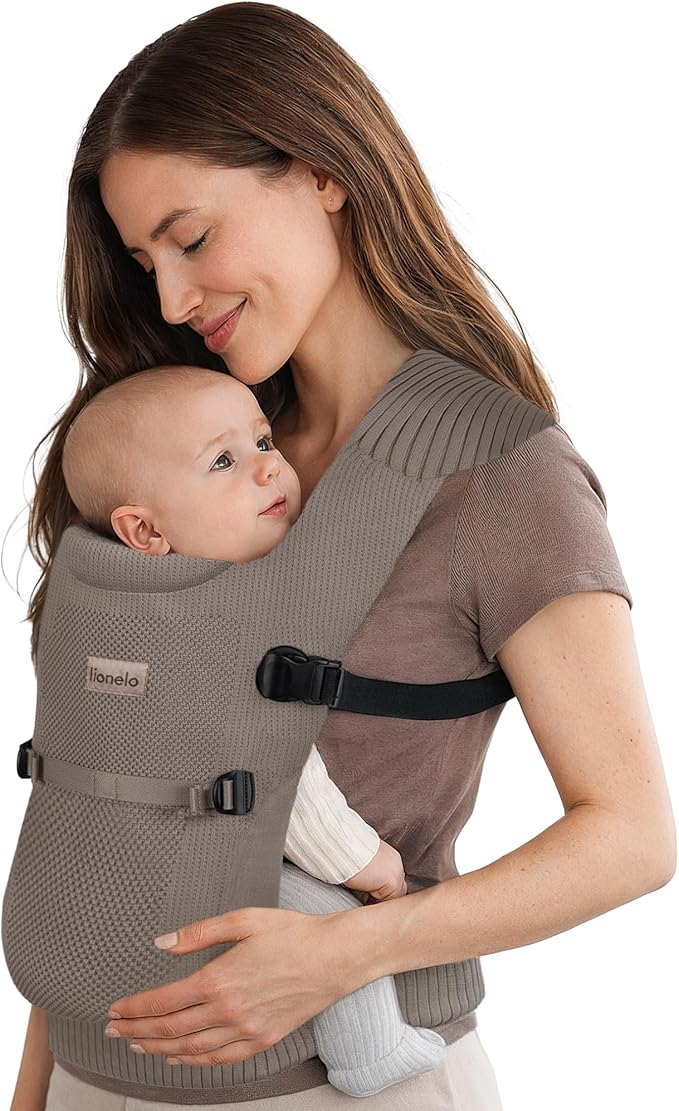
Lionelo Mabel fits parents who want a breathable structured carrier for short daily carries after the newborn stage. The useful tradeoff is that it keeps the setup simpler and lighter than premium all-stage carriers, but its stated fit starts from 4 months rather than birth.
Pros
- Breathable soft-structured build and front/back carry options make it more useful for warm errands than a basic front-only carrier.
Cons
- The 4 months to 15 kg range makes it a poor choice if you need a from-birth carrier.
- Rank #48 Our score: 9.33 / 10
Lionelo Margareet Air
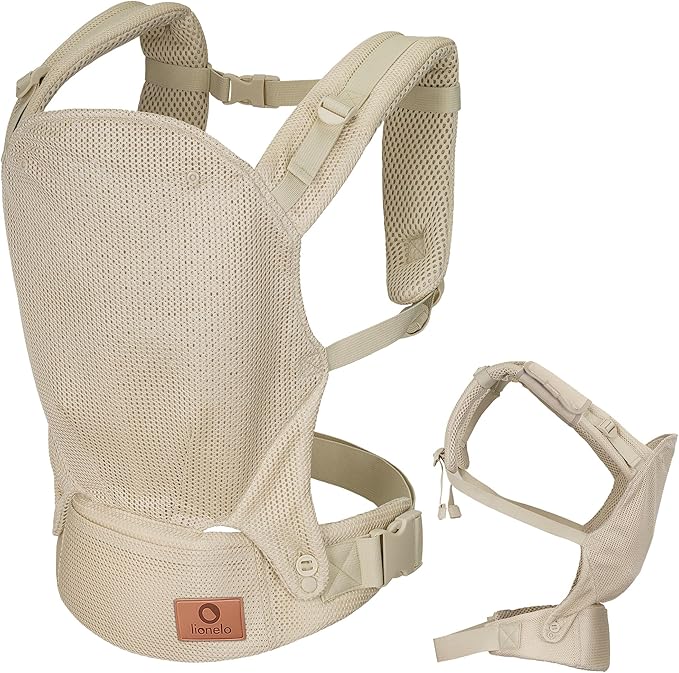
Lionelo Margareet Air brings mesh ventilation to walks after the newborn stage. Inward carrying starts at four months and 5.5 kg; outward and back carrying need six months, 7.8 kg and the relevant head or sitting control. The waist belt adjusts from 61-130 cm, so adult fit matters alongside the 20 kg child limit.
Pros
- Mesh panels support airflow during warmer walks; the waist belt adjusts from 61-130 cm.
Cons
- The four-month and 5.5 kg starting limits exclude newborns; age alone does not establish fit.
- Rank #49 Our score: 9.33 / 10
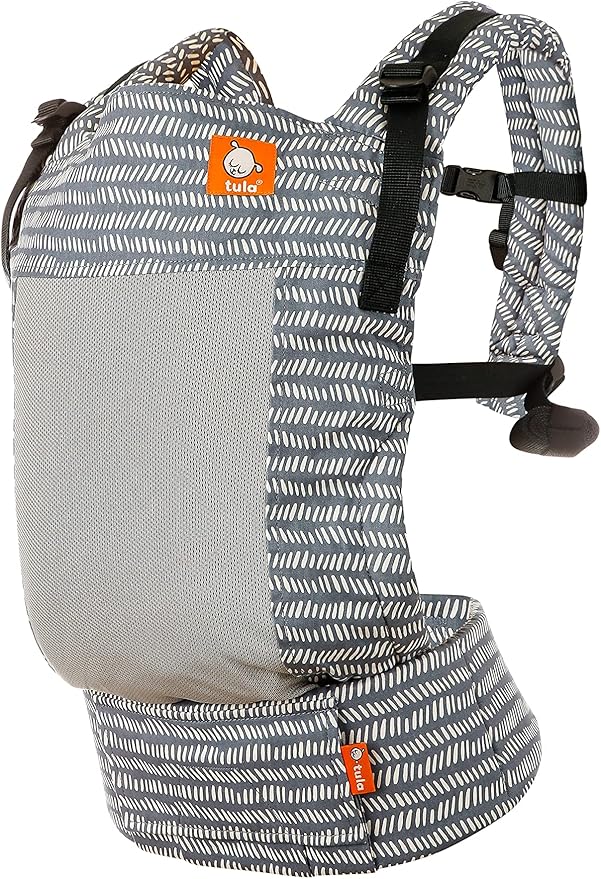
Tula Explore Mesh
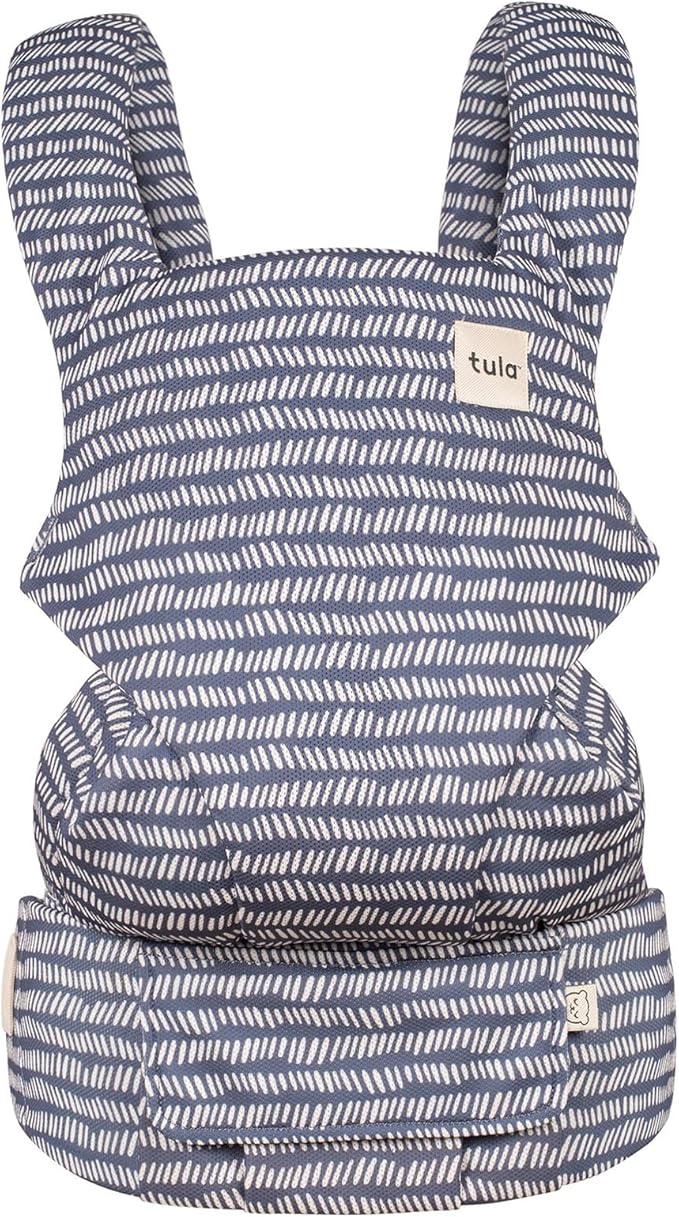
Tula Explore Mesh Beyond offers inward-facing, outward-facing and back carrying, with a printed mesh body and adjustable seat width. The overall range is 3.2-20.4 kg without an infant insert, but each position has its own fit limits. Mesh does not replace checking your baby’s temperature or keeping the face and airway clear.
Pros
- Adjustable seat width accommodates growth without buying a separate infant insert.
Cons
- The overall weight range does not apply to every position; outward-facing and back carrying require additional developmental and fit checks.
- Rank #50 Our score: 9.33 / 10
Tula Free-to-Grow Coast
Tula Free-to-Grow Coast fits parents who want a newborn-ready Tula without a separate insert, plus a mesh panel for warmer days. The adjustable seat and panel give it more growth range; choose Explore instead if outward-facing carry matters.
Pros
- Adjustable seat width and panel height make it a clearer newborn-to-baby Tula than the Standard carrier.
Cons
- It is not designed for outward-facing carry, so parents wanting that mode should compare Tula Explore instead.