Best Baby Carriers in Germany 2026
Looking for the best baby carrier in Germany? This shortlist starts with the right type first: soft structured carrier, wrap, or ring sling. Then narrow by newborn use, back carrying, travel, or hot-weather comfort so you compare only the products that still fit your daily routine.
Why are scores between 9 and 10?
This is a curated shortlist of strong picks, not a full best-to-worst ranking. Small score gaps usually mean we have slightly more evidence for one model than another, not that the lower-scoring option is a poor choice.
So this is just another affiliate roundup with an arbitrary order?
No. We make these lists good enough that we use them ourselves and recommend them to friends and family. We turn the kind of research careful parents would normally do by hand into a repeatable process. Then we compare the evidence across the markets we cover and rank products with a model that gives more weight to stronger signals instead of simple averages or a fully hand-picked order based purely on editorial preference.
Affiliate Disclosure
We use affiliate links and ads to finance this website. As an Amazon Associate I earn from qualifying purchases.

- Rank #1 Our score: 9.69 / 10
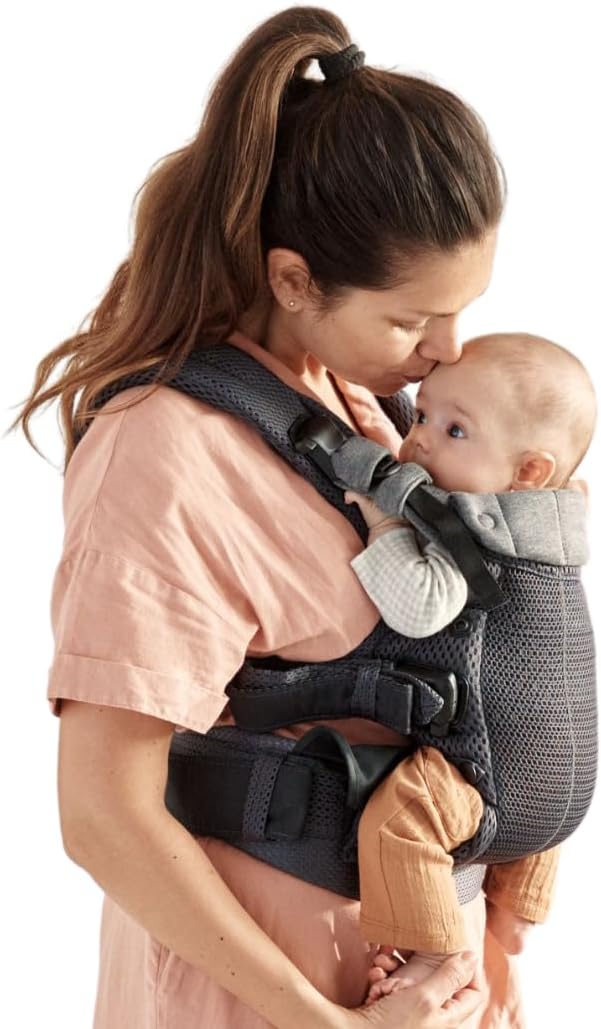
BabyBjorn Carrier Harmony
Best: Hot Weather
BabyBjorn Harmony is the premium BabyBjorn choice when shoulder, waist, and back support matter as much as easy buckling. It suits families expecting frequent longer carries, but it is more expensive and bulkier than Mini for quick newborn-only use.
Pros
- The padded waist support, thicker shoulder straps, and back-carry range make it much more convincing for longer wears than newborn-first carriers that fade once your baby gets heavy.
Cons
- It is expensive, and that premium only really pays off if you expect regular longer wears rather than short occasional carries.
- Rank #2 Our score: 9.66 / 10
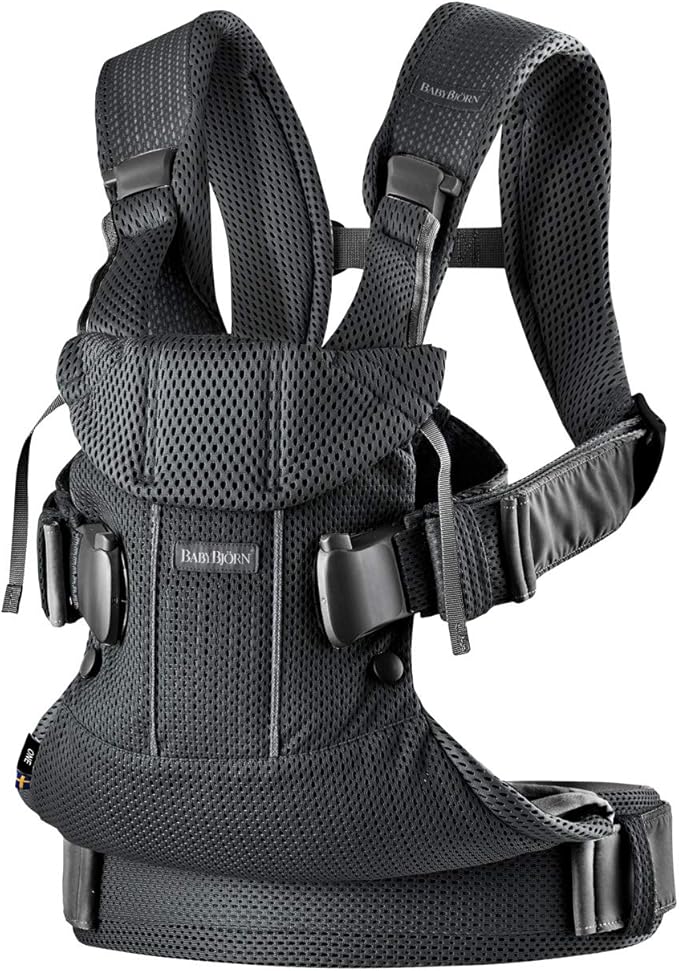
BabyBjorn Carrier One Air
BabyBjörn One Air combines a mesh body with a waist belt and separate newborn and baby seat heights for everyday walks. It starts at 3.5 kg and 53 cm, with back carrying available from 12 months. The seat-height and leg-width zips need resetting as your child grows; outward carrying has a lower 12 kg limit.
Pros
- The mesh body, waist belt and adjustable seat width suit families who want one carrier for front carrying now and back carrying from 12 months.
Cons
- Outward carrying is for approximately 5–15 months, only with independent head control, and stops at 12 kg.
- Rank #3 Our score: 9.65 / 10
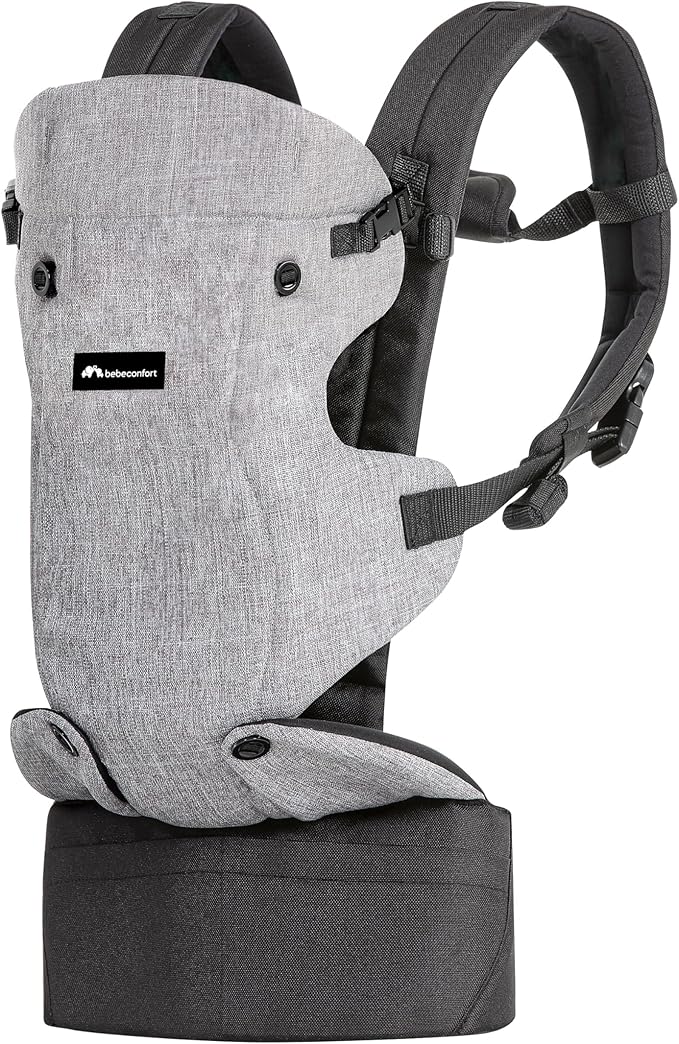
Bebeconfort Go4
Best: Affordable
Bebeconfort Go4 is a soft-structured buckle carrier with four positions. The manual lists inward-facing front and side/hip carry from 0 months and 3.5-15 kg; outward-facing front and back carry from 6 months and 6-15 kg. Match both the child’s age and weight to the position you plan to use: a newborn cannot use every mode. The manual also limits continuous use to 1.5 hours.
Pros
- Four illustrated options in one buckle carrier: front facing the wearer, side/hip facing the wearer, front facing outward, and back facing the wearer.
Cons
- Outward-facing front and back carry start later, at 6 months and 6 kg; the 3.5 kg minimum applies only to inward front and side carry.
- Rank #4 Our score: 9.65 / 10
Ergobaby Omni Lite Baby Carrier
Best: Mid-range
The Ergobaby Omni Lite is Ergobaby's simplest Omni: a one-position, newborn-ready structured carrier for front inward-facing carries from 3.2-15.9 kg in a breathable mesh shell. It fits parents who want the Omni fit system without four-position complexity for the first two years; the tradeoff is no facing-out, hip, or back carry, and a short overall window compared with the 45-lb Omni models.
Pros
- Newborn-ready from 3.2 kg with no insert, in a one-position design that removes setup guesswork.
Cons
- Front inward-facing only - no facing-out, hip, or back carry as the baby grows.
- Rank #5 Our score: 9.65 / 10
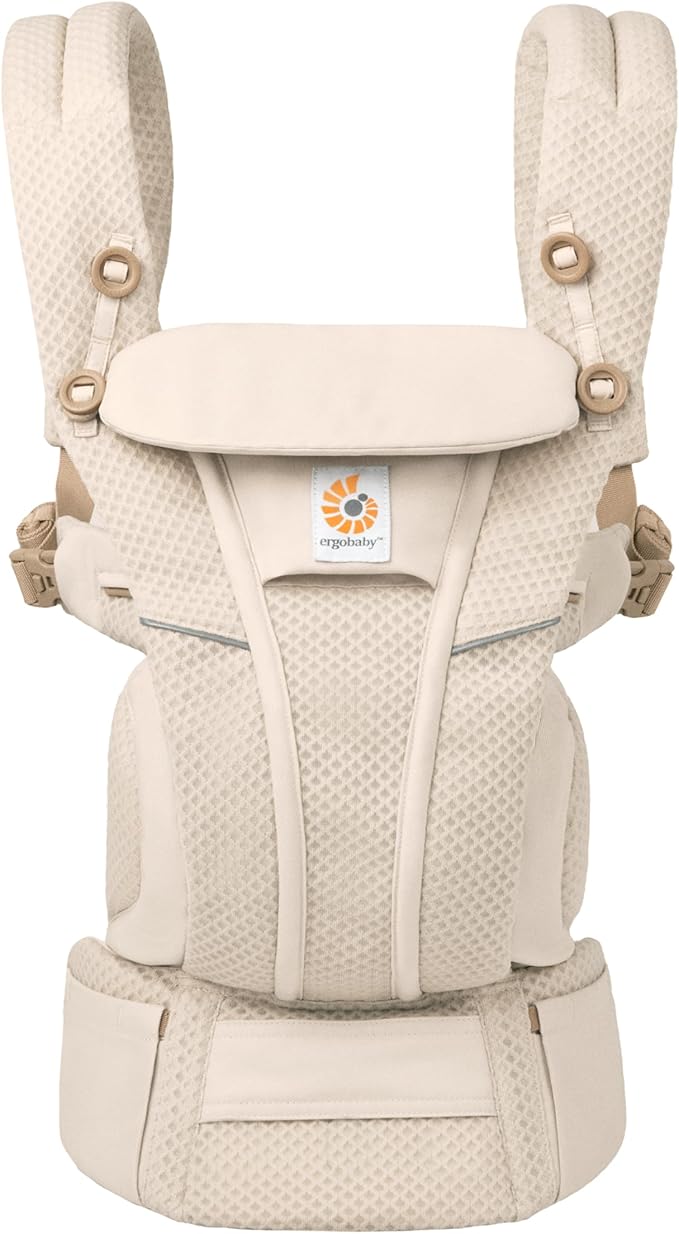
Ergobaby Omni Breeze
Ergobaby Omni Breeze combines SoftFlex mesh, an adjustable seat and lumbar support for inward carrying from 3.2 kg and 50.8 cm, then outward, hip and back modes at their later thresholds. It suits families planning regular warm-weather carries, provided they will reset the fit for each stage.
Pros
- SoftFlex mesh, an adjustable seat and a lumbar pad combine ventilation with support that can be reset as the child grows.
Cons
- The four positions do not share one start point: outward carry needs strong head and neck control, and every mode has its own weight and stage limits.
Local ratings context
If the local Amazon listing has less review depth, this may help: while reviewing this product, we found more rating context on Amazon Netherlands. The shortlist also weighs product fit, brand track record, and broader research; when buying, we recommend using your local Amazon store. View Amazon Netherlands listing
- Rank #6 Our score: 9.63 / 10
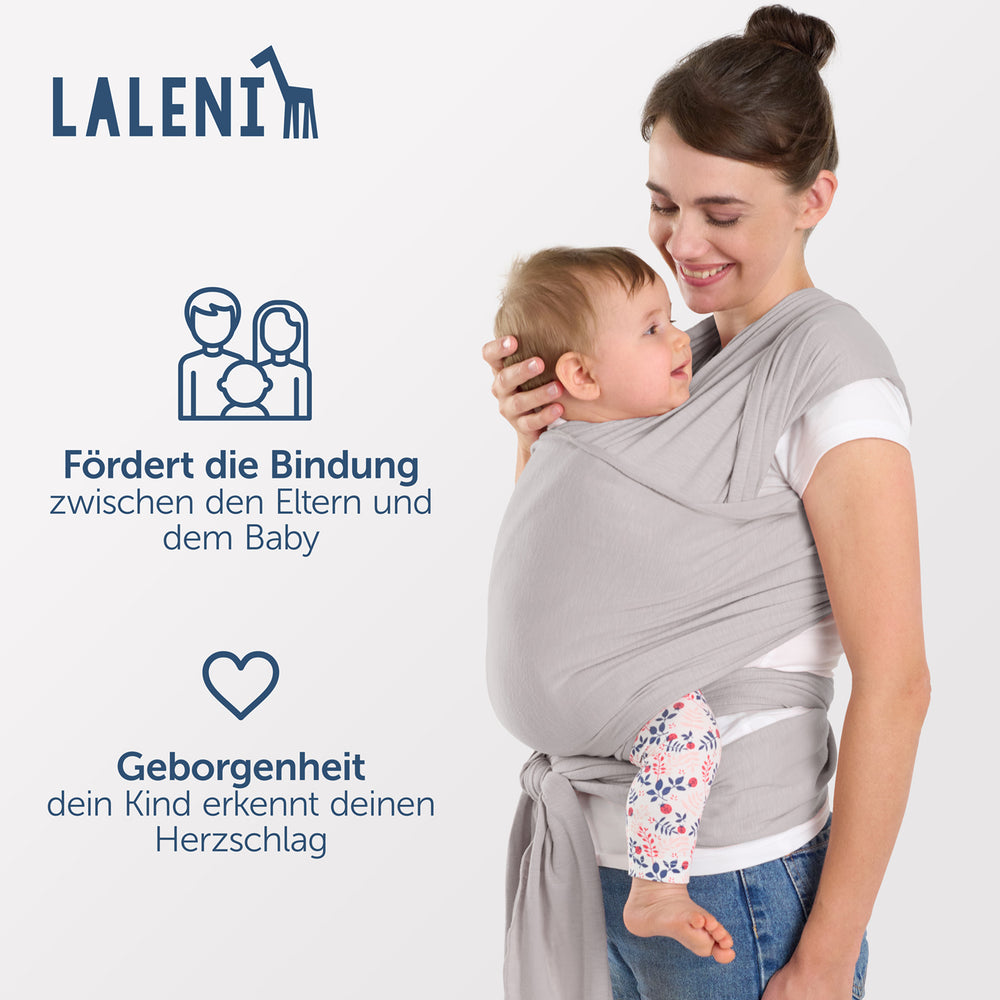
Laleni Baby Wrap
Best: Wrap
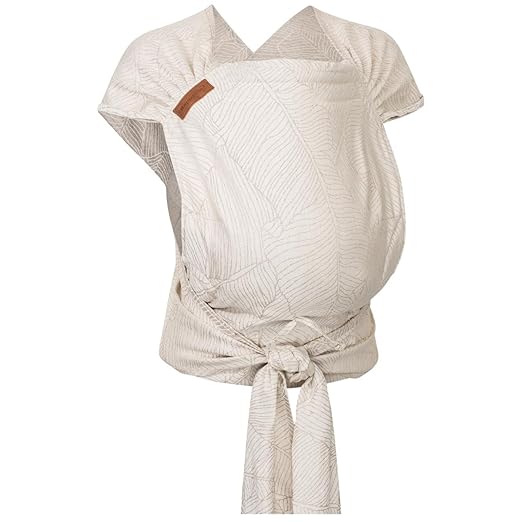
Laleni's roughly 5.10 m wrap gives you stretchy cotton without added elastane, for front carrying from 3.5-15 kg. Its long ends let you adjust the tie to your own body; the cost is managing and tightening that fabric each time you tie it. Choose it for inward-facing carrying with time to practise the knot.
Pros
- The jersey fabric is entirely cotton, with no added elastane.
Cons
- The long ends need handling and even tension during tying.
- Rank #7 Our score: 9.63 / 10
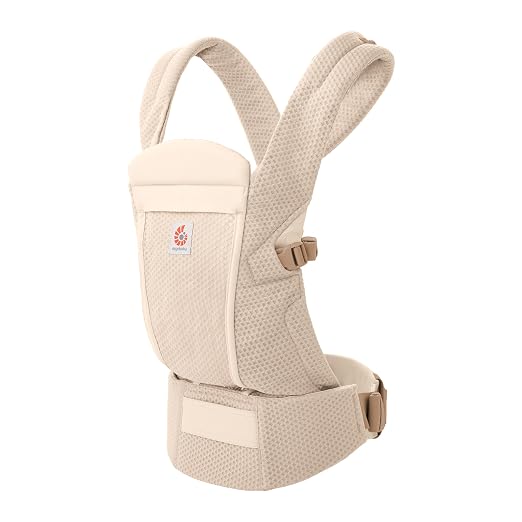
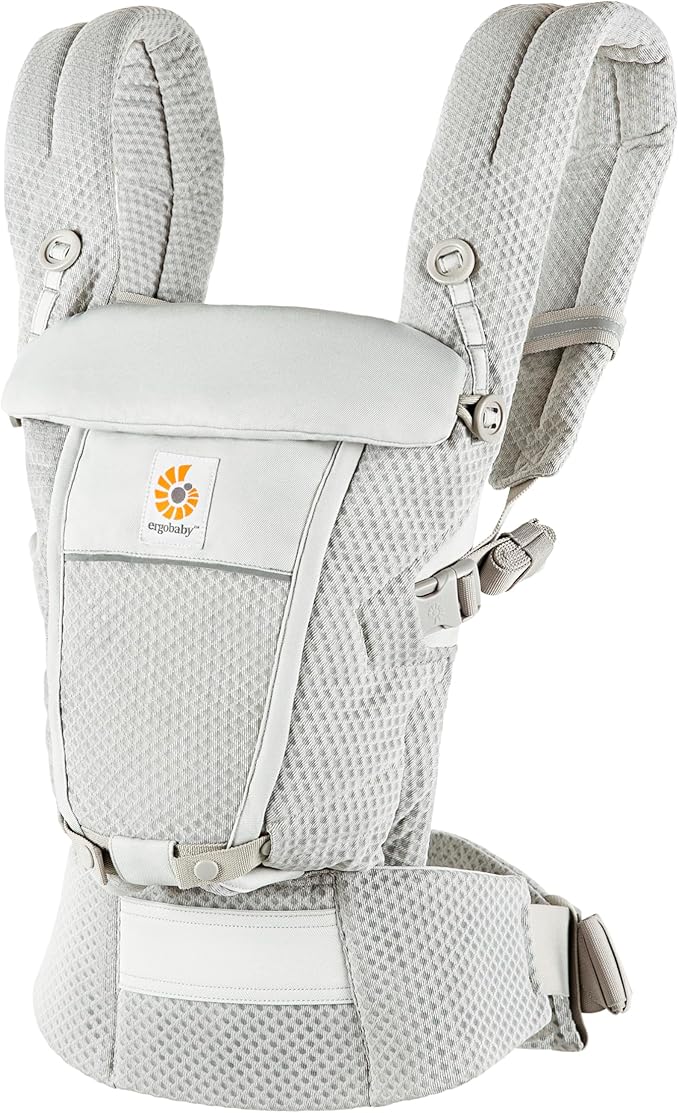
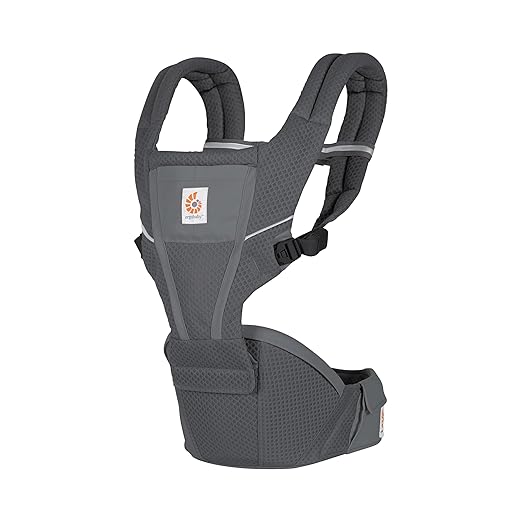
Ergobaby Adapt
Ergobaby ADAPT SoftFlex is the sensible structured pick if you want newborn use, later back carrying, and cooler mesh without paying for every Omni feature. The tradeoff is no forward-facing carry, so it suits families who value support and simplicity over maximum position count.
Pros
- A clean one-carrier option if you want a structured model that can start early and still feel convincing once back carrying matters.
Cons
- It is bulkier and less cuddly in the earliest weeks than the most newborn-first carriers, so it is not the softest start.
- Rank #8 Our score: 9.61 / 10
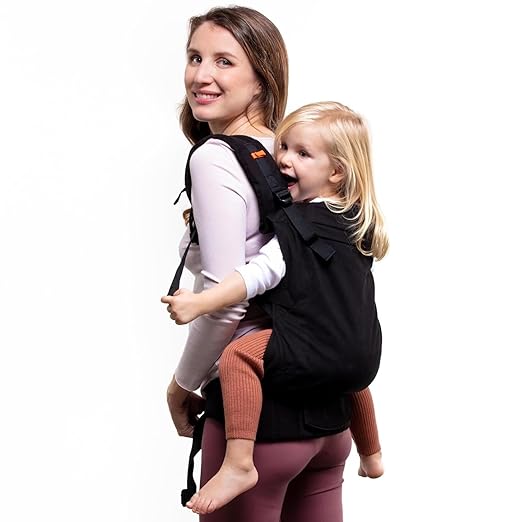
Beco Toddler Carrier
Beco Toddler is a next-stage carrier for children aged 18 months and over, within the manufacturer's 9.1-27.2 kg range. Its wide seat and tall back panel suit toddlers who walk part of the way but still need a lift home. Front inward-facing and back carrying share the same roomy panel. The seat width is not adjustable, so its bigger-child support is also the reason to avoid moving a small baby into it early.
Pros
- The wide seat and tall panel extend carrying beyond the fit of smaller baby carriers.
Cons
- The fixed-width toddler seat cannot be narrowed for a smaller baby; the minimum age and weight are not interchangeable fit tests.
- Rank #9 Our score: 9.61 / 10
Babiini Ergonomic Baby Carrier
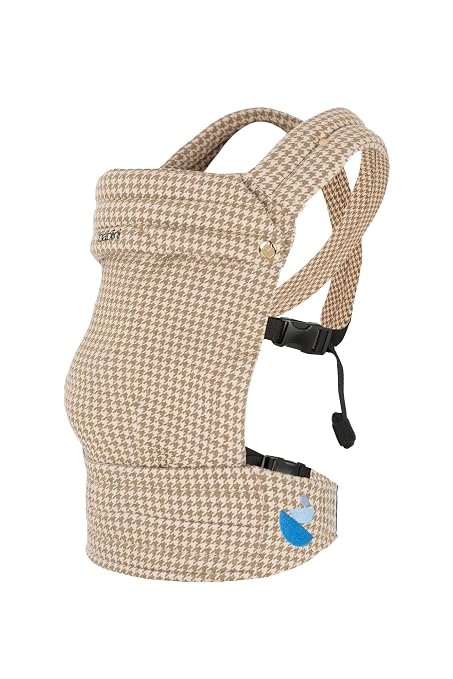
Babiini Ergonomic Baby Carrier is a soft-structured linen-cotton carrier for front and back carry, with an adjustable neck support and padded cross straps. Key checks are the current instructions, suitable seat width, mode-appropriate head control and a clear airway.
Pros
- An adjustable neck support and padded cross straps offer more tuning than a simple unpadded carrier.
Cons
- Mode-specific approval is not documented in a manufacturer manual; back carry requires sufficient development and secure setup.
- Rank #10 Our score: 9.55 / 10
Mobiclinic Moley 6-in-1
Mobiclinic Moley 6-in-1 is a soft-structured carrier with adjustable straps and a foldable ventilation panel. The maker gives a general range of birth to 36 months and up to 20 kg, but the manual requires children under 12 months to face the wearer under supervision. It gives no minimum age for each mode, so do not assume back carry suits a newborn. Check the manual’s M-seat and strap setup for every position.
Pros
- Adjustable waist, shoulder and centre straps plus an opening ventilation panel offer concrete wearer and weather tuning.
Cons
- The manual requires children under 12 months to face the wearer and remain supervised; it gives no minimum age for each position, so do not assume back carry suits a newborn.
- Rank #11 Our score: 9.51 / 10
MoMi COLLET
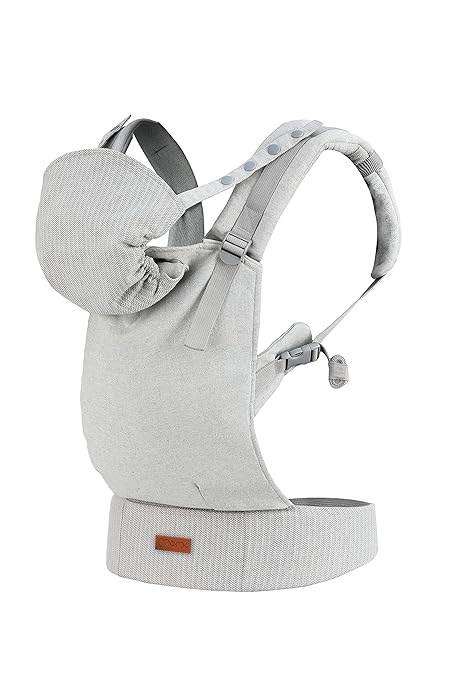
MoMi COLLET combines six adjustment points, a wide waist belt and a detachable hood for walks from 3 months and 56 cm. The current manual limits carrying to 15 kg and back carrying to at least 12 months; older 20 kg and 6-month claims should not extend those limits.
Pros
- Six adjustment points let you fit the shoulder straps, waist belt and head-support panel separately.
Cons
- Not suitable from birth: the manual requires at least 3 months and 56 cm.
- Rank #12
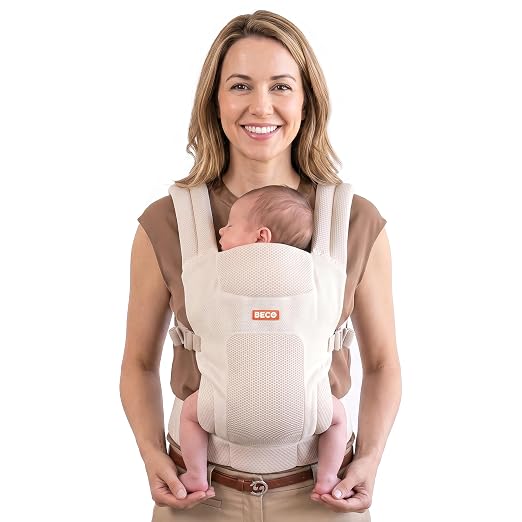
Beco Weave Baby Carrier
Best: Travel
Beco Weave is a soft, stretchy carrier for newborns and young babies, with an official 3.2-15.9 kg range and an infant-sized seat. It suits parents who want a light carrier for close everyday carrying. The maker describes two carry positions; check the instructions and fit for your baby before use.
Pros
- Stretch fabric and an infant-sized seat are designed for smaller babies.
Cons
- The documented weight range ends at 15.9 kg.
- Rank #13 Our score: 9.49 / 10
Bebamour Classic 3-in-1 Baby Carrier
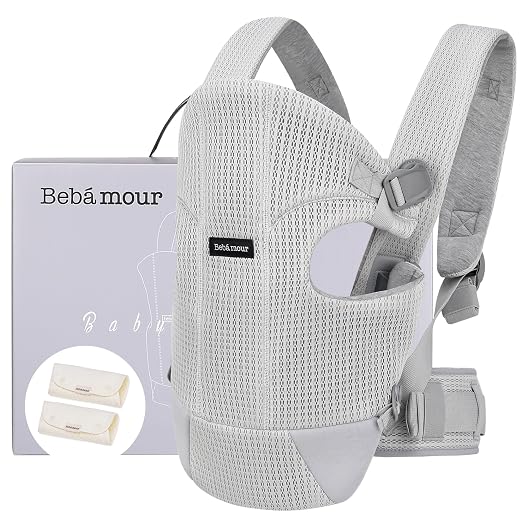
Bebamour Classic 3-in-1 is a buckle carrier without the protruding hip-seat base found on many Bebamour models. Its adjustable leg openings and shoulder straps offer a simpler setup, with two removable shoulder bibs for dribbles. The manufacturer specifies 3–18 months and a maximum of 12 kg: this is neither a newborn carrier nor a long-term option for a heavier toddler. The smaller fit window is the main compromise for parents wanting one carrier to last.
Pros
- The fabric seat has no rigid hip-seat shelf projecting from the waist, making this a different carrying setup from Bebamour’s hip-seat models.
Cons
- The manufacturer limits use to 3–18 months and 12 kg; its illustrated inward-facing guide is narrower and more precise at 3.6-6.8 kg for small leg openings and 6.8-11.8 kg for large openings.
- Rank #14 Our score: 9.48 / 10
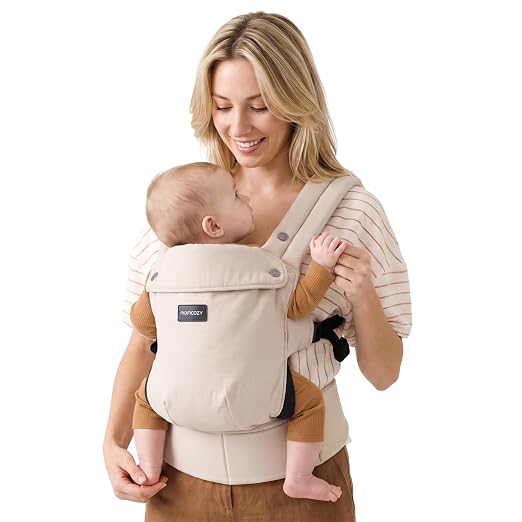
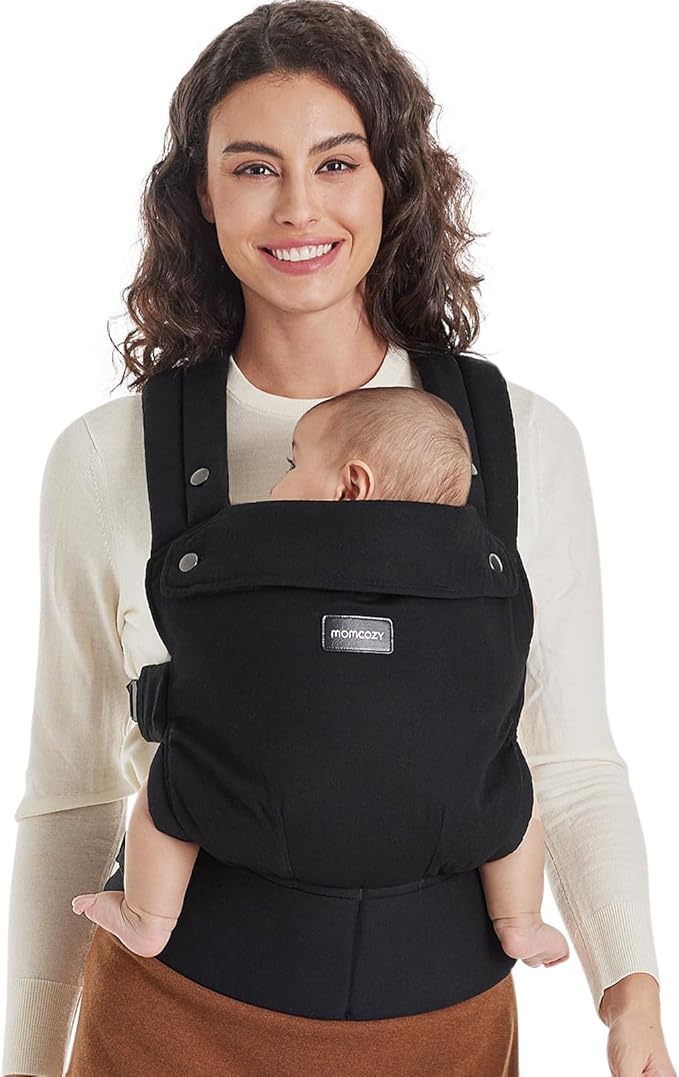
Momcozy PureHug Baby Carrier
Momcozy PureHug is a cotton buckle carrier for everyday front-inward carrying, with crossed shoulder straps and three seat-width settings. The Khaki version shares the model’s 3–24 month range; it is not a from-birth carrier. Check the panel fit so the baby stays upright, the face remains visible and the airway clear. Choose another carrier if you need outward- or back-carrying.
Pros
- Three seat widths and crossed straps let you adjust the fit for baby and wearer.
Cons
- Not for newborn use: the manufacturer specifies 3–24 months.
- Rank #15 Our score: 9.48 / 10
Grownsy YM028
Grownsy YM028 puts its panel clasps at the front and joins the padded shoulder straps across your back, rather than crossing broad fabric straps. That layout suits parents who prefer a more defined harness. The black and khaki versions have solid fabric panels, not the open mesh of some other YM028 colours. Grownsy specifies 3.2-20 kg, but a small baby's face must still clear the foldable head pad.
Pros
- Front panel clasps and a connected H-back harness offer a different fastening layout from wrap-style crossed straps.
Cons
- The solid black and khaki panels do not offer the open-mesh construction shown on other YM028 colours.
- Rank #16 Our score: 9.46 / 10
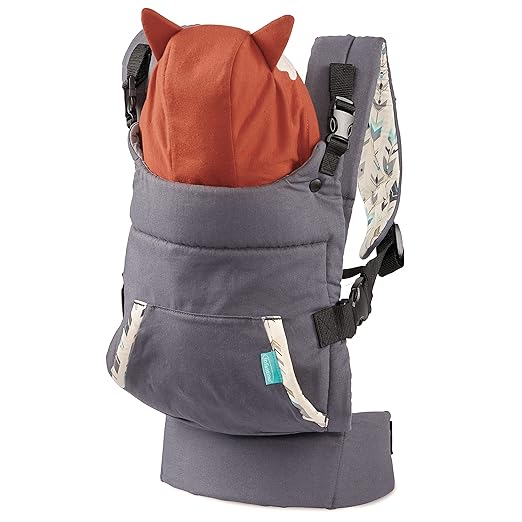
Infantino Cuddle Up Carrier
Infantino Cuddle Up is a simple structured carrier with a warming hood for older babies in the stated range. It fits cooler short trips better than a fine-tuned first newborn solution.
Pros
- The structured buckle design keeps front or back carries straightforward on short outings.
Cons
- Its stated starting range makes it a poor fit for the smallest newborns.
- Rank #17 Our score: 9.46 / 10
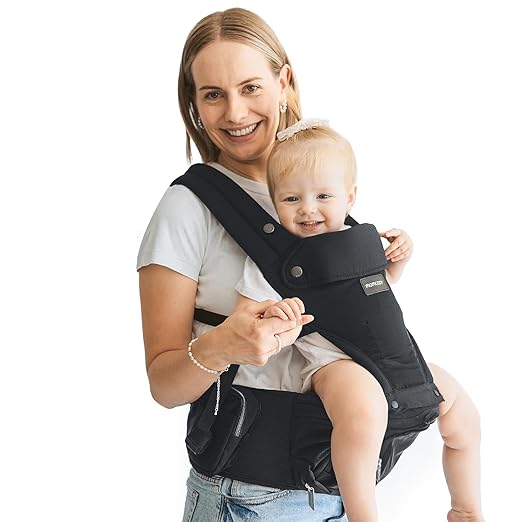
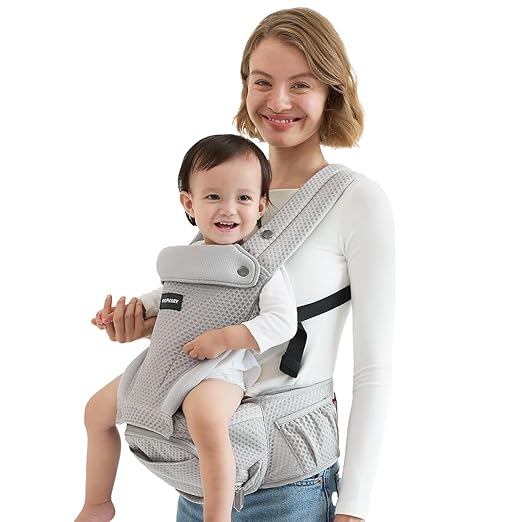
Momcozy Baby Carrier with Hip Cushion
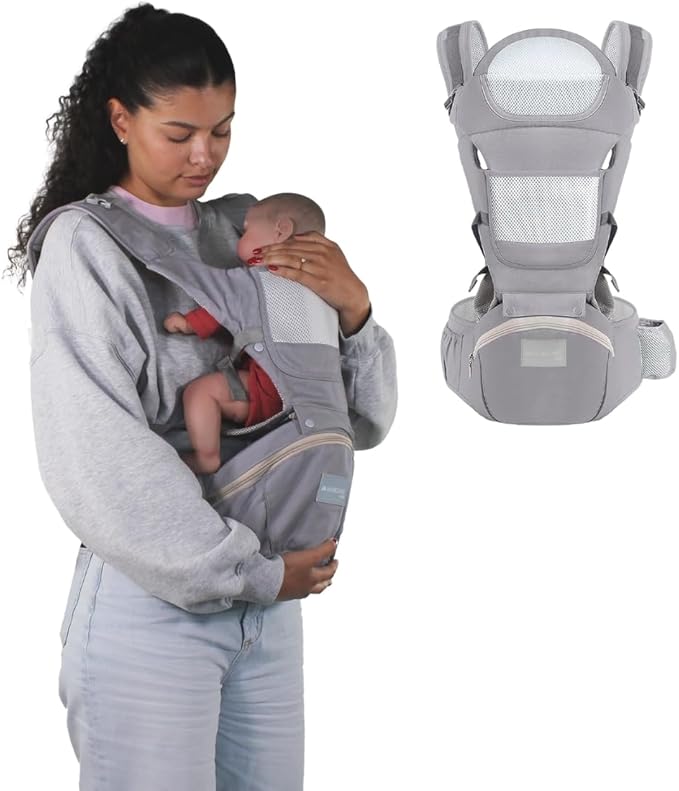
Momcozy with hip cushion is a carrier with an added hip seat for families who want to combine quick holds with longer carrying phases. It is worth buying only if the cushion genuinely reduces daily strain.
Pros
- Two carry modes help when mixing babywearing with quick toddler holds.
Cons
- Bulkier than a wrap or a lighter newborn carrier.
- Rank #18 Our score: 9.46 / 10
Momcozy Move2Fit Hip Seat Carrier
Momcozy Move2Fit combines a structured carrier with a removable hip seat for days full of repeated pick-ups. It makes sense when the seat genuinely reduces strain during short carries; for longer walks, check its bulk, adjustment range and support before buying.
Pros
- The removable hip seat helps with frequent switches between walking and carrying.
Cons
- The seat and waist structure make it bulkier than a simple soft carrier.
- Rank #19 Our score: 9.43 / 10
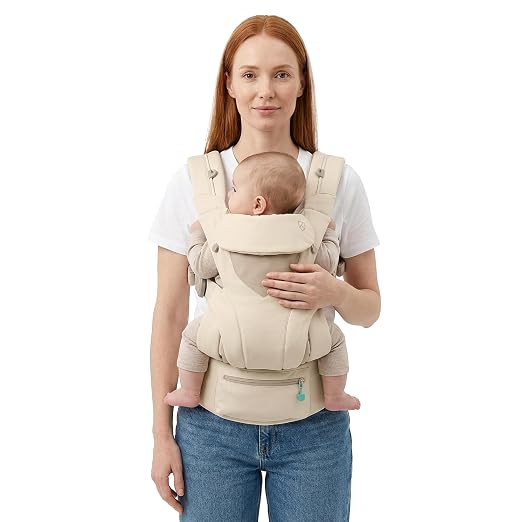
Momcozy Baby Carrier
Momcozy PureHug is a front-inward structured carrier for babies from about three months, with an X-shaped back, EVA lumbar panel and an adjustable 3.2-20 kg seat. It suits errands and shorter walks when fast setup matters; choose another carrier for newborn-first or back-carry use.
Pros
- The X-shaped straps and EVA lumbar panel spread load across the back and waist during everyday front carry.
Cons
- Momcozy starts this model at about three months, so the low weight number alone does not make it a newborn carrier.
- Rank #20 Our score: 9.41 / 10
Koala Babycare Cuddle Carry
Cuddle Carry is an adjustable buckle carrier for inward, outward and back carrying. The manual’s inward range is 3.2-20.4 kg, and back carry is 7.8-20.4 kg from around eight months. The stated outward-carry upper weights, about 13.6 kg after conversion and about 10 kg, conflict; ask Koala to clarify before using that position. Adjust seat height and leg openings, and check support and buckles for each setup.
Pros
- Adjustable seat panels help fit documented inward and back setups; clarify the outward upper limit with Koala before using that position.
Cons
- Each carry position needs its own fit check; outward use must wait until Koala clarifies the conflicting upper-weight values.
- Rank #21 Our score: 9.37 / 10
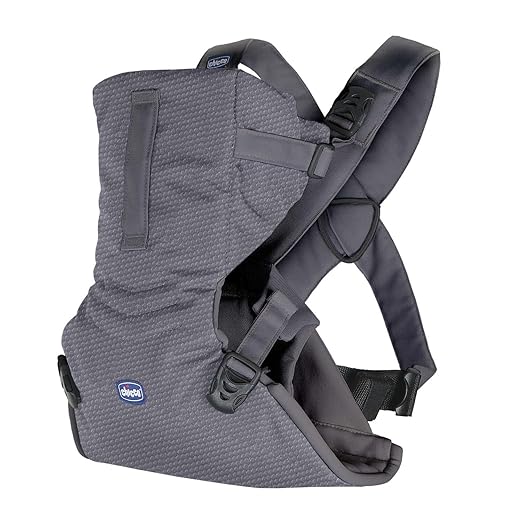
Chicco Easyfit Baby Carrier
Chicco Easyfit is a simple early carrier from birth to 9 kg. It fits when quick handling in the first months matters more than back carry or long toddler use.
Pros
- The short early-stage focus keeps handling straightforward.
Cons
- Its 9 kg limit makes this an early-stage carrier with a shorter use window than toddler-capable options.
- Rank #22 Our score: 9.35 / 10
Infantino Honey Blossom Baby Carrier
Honey Blossom is a soft structured carrier with a continuously sliding seat and three front carrying modes: inward with the newborn seat, inward with the wide seat, and outward. The manual sets the overall range at 3.2-18.1 kg; use the wide inward seat from 6.8 kg. Outward carry requires the baby to hold their head upright, and the wide seat must not be used in that position. Adjust leg openings snugly, keep the face clear, and check every fastener before each use.
Pros
- The sliding seat adjusts continuously rather than using fixed button positions.
Cons
- The manual documents three front modes only; the wide seat is limited to inward carry and requires at least 6.8 kg.
- Rank #23 Our score: 9.34 / 10
vrbabies Baby Carrier with Belt
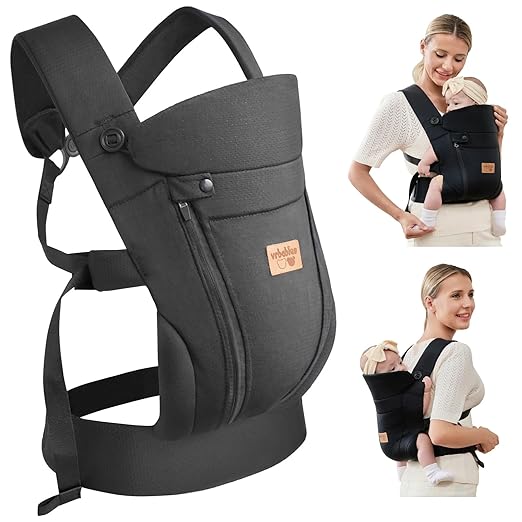
The vrbabies carrier listing names four carrying positions and a 4-15 kg range, but its age wording conflicts and no exact-model manual was found to confirm newborn fit.
Pros
- The listing gives a concrete 4-15 kg range and four carrying positions to compare.
Cons
- The listing says “from birth” but also conflicts on age; no exact-model manual confirms newborn fit.
- Rank #24 Our score: 9.34 / 10
Hoppediz Hop-Tye Advanced
German brand
Hoppediz Hop-Tye Advanced is a half-buckle carrier for parents who want a wrap-like feel without a fully tied wrap. It can fit from early months to later use if the longer fabric straps are acceptable day to day.
Pros
- The half-buckle design allows finer adjustment than many fully buckled carriers.
Cons
- The fabric straps take more practice than a fully buckled carrier.
- Rank #25 Our score: 9.33 / 10
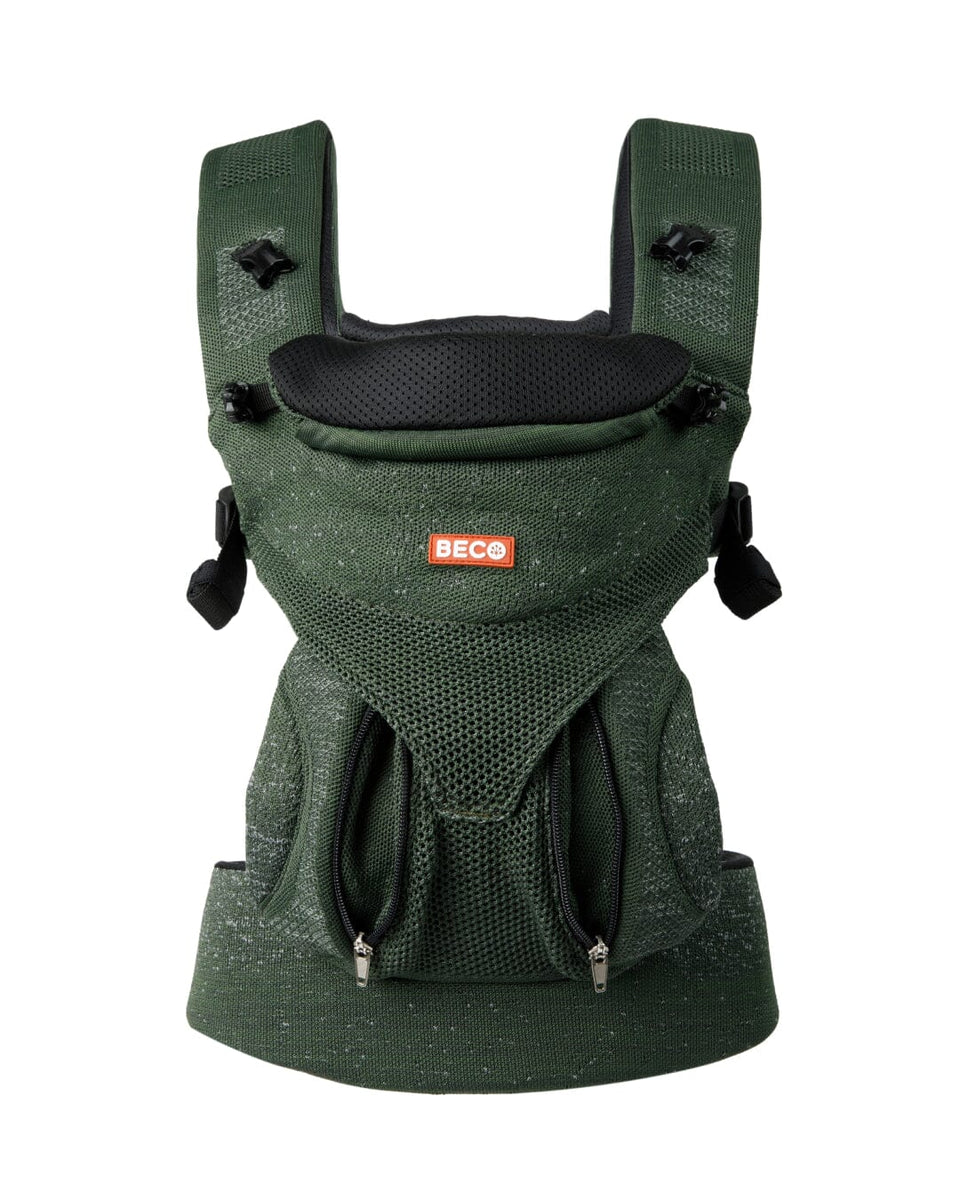
Beco Ventura 360 Flyknit Baby Carrier
The Ventura combines a zip-adjustable seat with inward- or outward-facing front carry and back carry, so you can change the setup as your child grows. Beco describes use overall from newborn to toddler, but its product page does not explain the fit requirements for each position. Request the Ventura instructions from Beco and confirm the chosen position’s requirements before first use.
Pros
- The zip-adjustable seat gives you a way to adapt the setup as your child grows.
Cons
- Beco’s product page does not set fit requirements for each position; request the Ventura instructions before using the mode you choose.
- Rank #26 Our score: 9.33 / 10
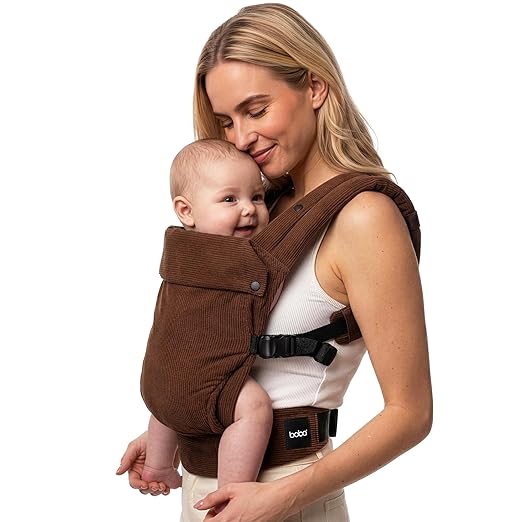
Boba Auri Baby Carrier
Boba Auri is a structured carrier from newborn to toddler stage for families who want several carry positions in one product. It is strongest when longer runway matters more than the smallest early-month setup.
Pros
- Multiple positions can avoid moving to a second carrier later.
Cons
- Each change of carrying position adds strap adjustments and fit checks.
- Rank #27 Our score: 9.33 / 10
Ergobaby Alta Hip Seat
Ergobaby Alta Hip Seat is for families with older babies or toddlers who need frequent pick-ups and supported short carries. It is a hip-seat comparison, not the smallest newborn carrier.
Pros
- Hip-seat format helps with quick toddler ups and downs.
Cons
- Not as compact as a sling and not the first newborn-focused option.
- Rank #28 Our score: 9.33 / 10
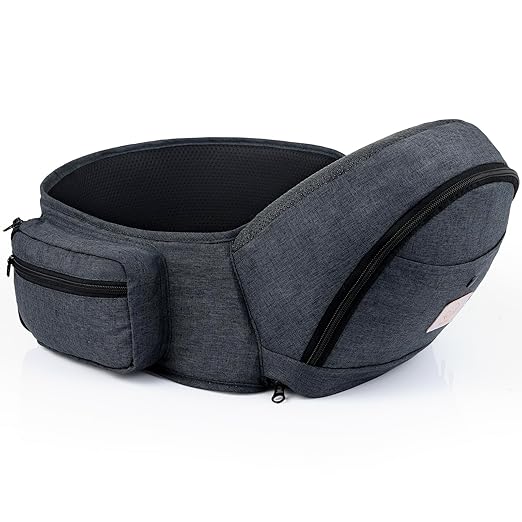
GAGAKU Baby Hip Seat Carrier
GAGAKU Hip Seat is a carrying helper with storage for short holds and quick errands. It fits when frequent pick-ups matter more than long hands-free carrying.
Pros
- Hip seat plus storage can simplify short errands.
Cons
- For naps or very young babies, the actual support needs close checking.
- Rank #29 Our score: 9.33 / 10
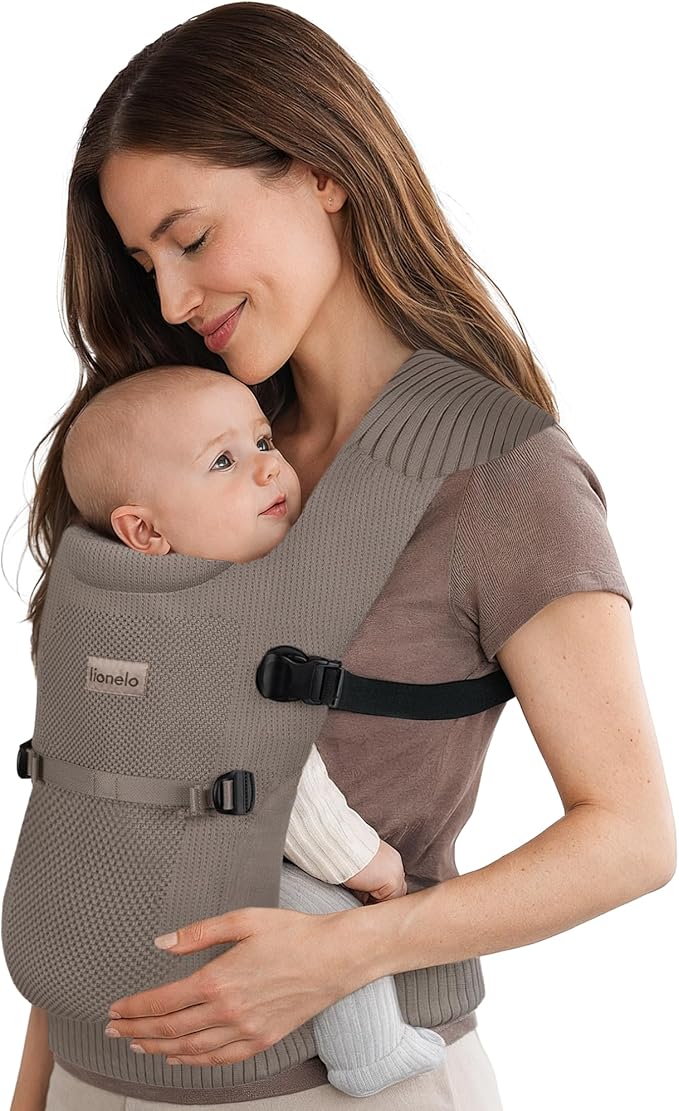
Lionelo Mabel
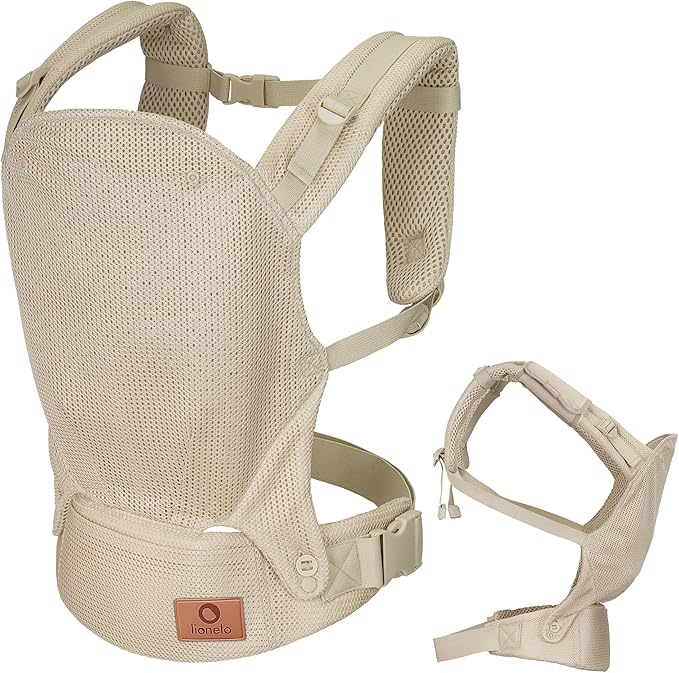
Lionelo Mabel fits parents who want a breathable structured carrier for short daily carries after the newborn stage. The useful tradeoff is that it keeps the setup simpler and lighter than premium all-stage carriers, but its stated fit starts from 4 months rather than birth.
Pros
- Breathable soft-structured build and front/back carry options make it more useful for warm errands than a basic front-only carrier.
Cons
- The 4 months to 15 kg range makes it a poor choice if you need a from-birth carrier.
- Rank #30 Our score: 9.33 / 10
Lionelo Margareet Air
The Lionelo Margareet Air is a soft structured mesh carrier for walks once your baby meets a position’s limits. Check whether the 61-130 cm waist belt fits you. Inward front carry starts at four months and 5.5 kg; outward and back carry each require six months and 7.8 kg, plus independent upright head control or independent sitting, respectively. Every position ends at 20 kg, so the staged fit rules rule out newborn use.
Pros
- Three carry positions and breathable mesh offer flexibility once the child meets each position’s readiness and weight limits.
Cons
- Not for newborns: outward and back carry require additional readiness; check belt measurements and keep the face and airway clear.
- Rank #31 Our score: 9.33 / 10
Stokke Limas Plus Carrier
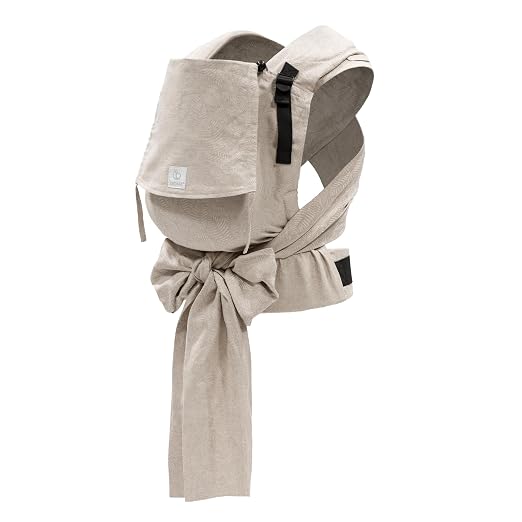
Stokke Limas Plus is a half-buckle carrier with a buckled waist and long spreadable shoulder panels for front and back carry. The fabric panels distribute pressure flexibly but need careful tightening; set seat width, neck support and mode from Stokke's current instructions and the child's development.
Pros
- Wide spreadable shoulder panels combine wrap-like adjustment with a quickly buckled waist.
Cons
- The long panels take more practice and can trail during setup; back carry is not appropriate at every developmental stage.