Best Car Seats in Japan 2026
This shortlist starts with the child's fit and current stage. Filter by stage first, then compare only the models that still match the child's real height, your car, and the way you actually use that seat. Exact limits are shown on each card.
Why are scores between 9 and 10?
This is a curated shortlist of strong picks, not a full best-to-worst ranking. Small score gaps usually mean we have slightly more evidence for one model than another, not that the lower-scoring option is a poor choice.
So this is just another affiliate roundup with an arbitrary order?
No. We make these lists good enough that we use them ourselves and recommend them to friends and family. We turn the kind of research careful parents would normally do by hand into a repeatable process. Then we compare the evidence across the markets we cover and rank products with a model that gives more weight to stronger signals instead of simple averages or a fully hand-picked order based purely on editorial preference.
Affiliate Disclosure
We use affiliate links and ads to finance this website. As an Amazon Associate I earn from qualifying purchases.
- Rank #1 Our score: 9.82 / 10
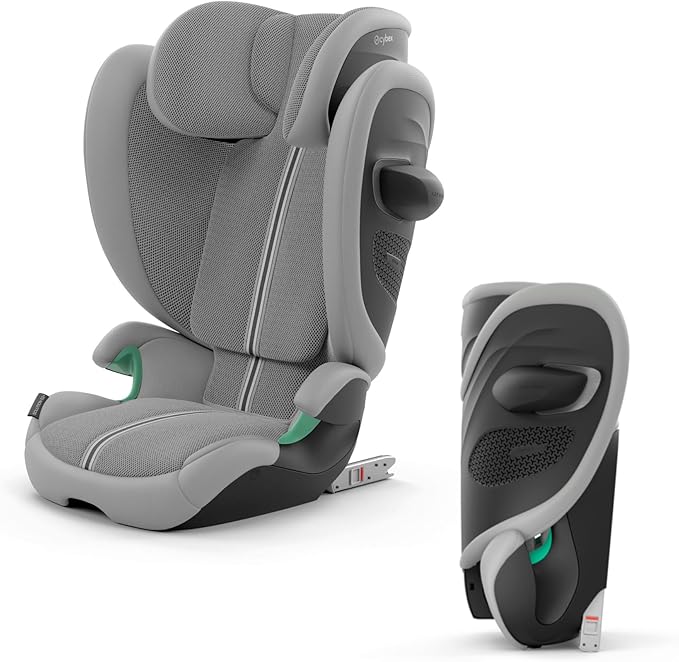
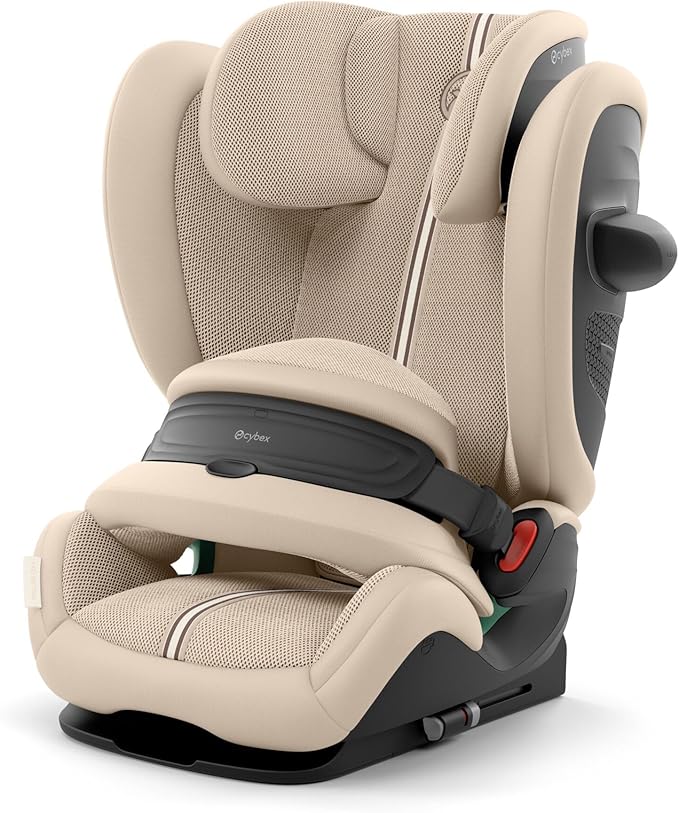
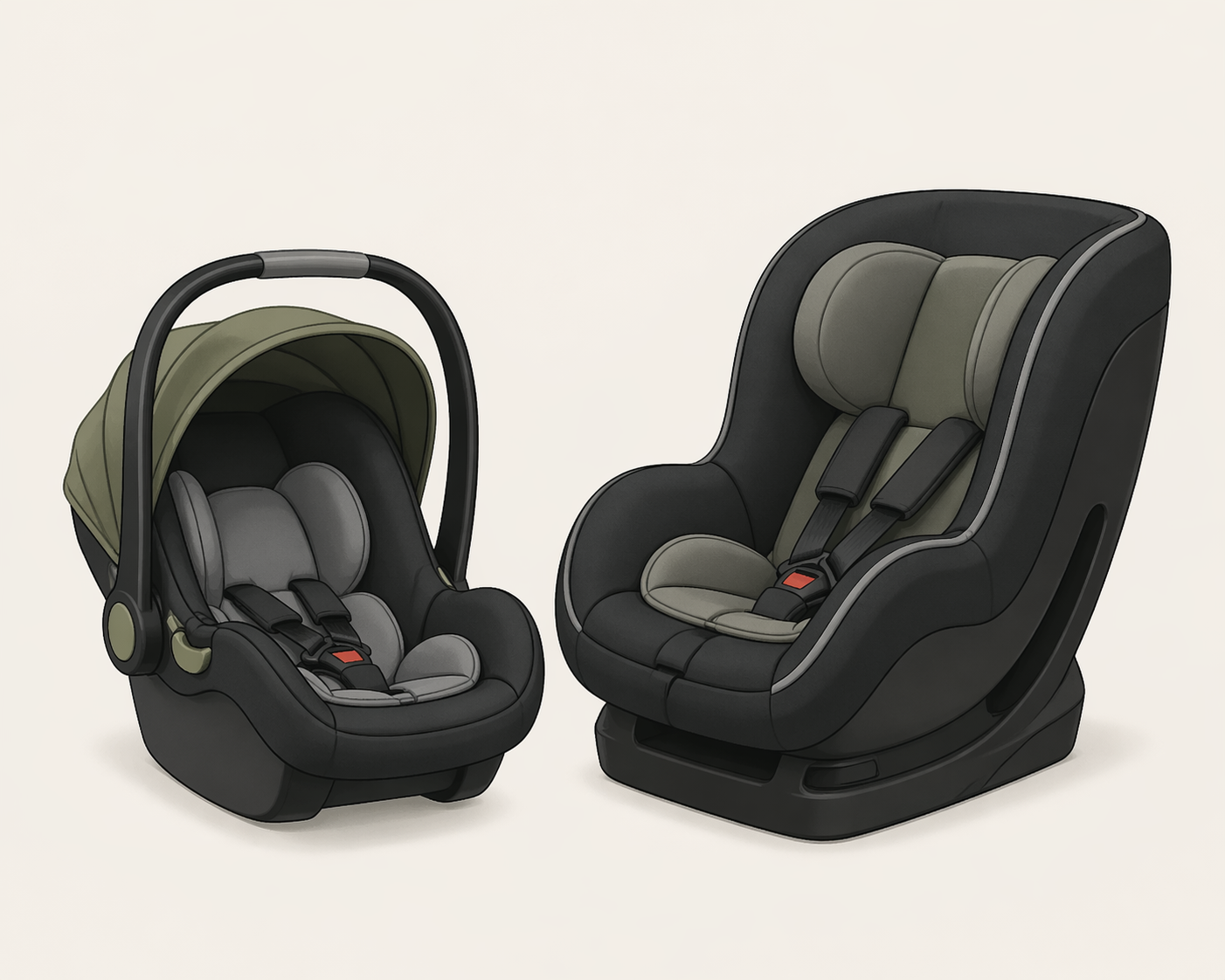
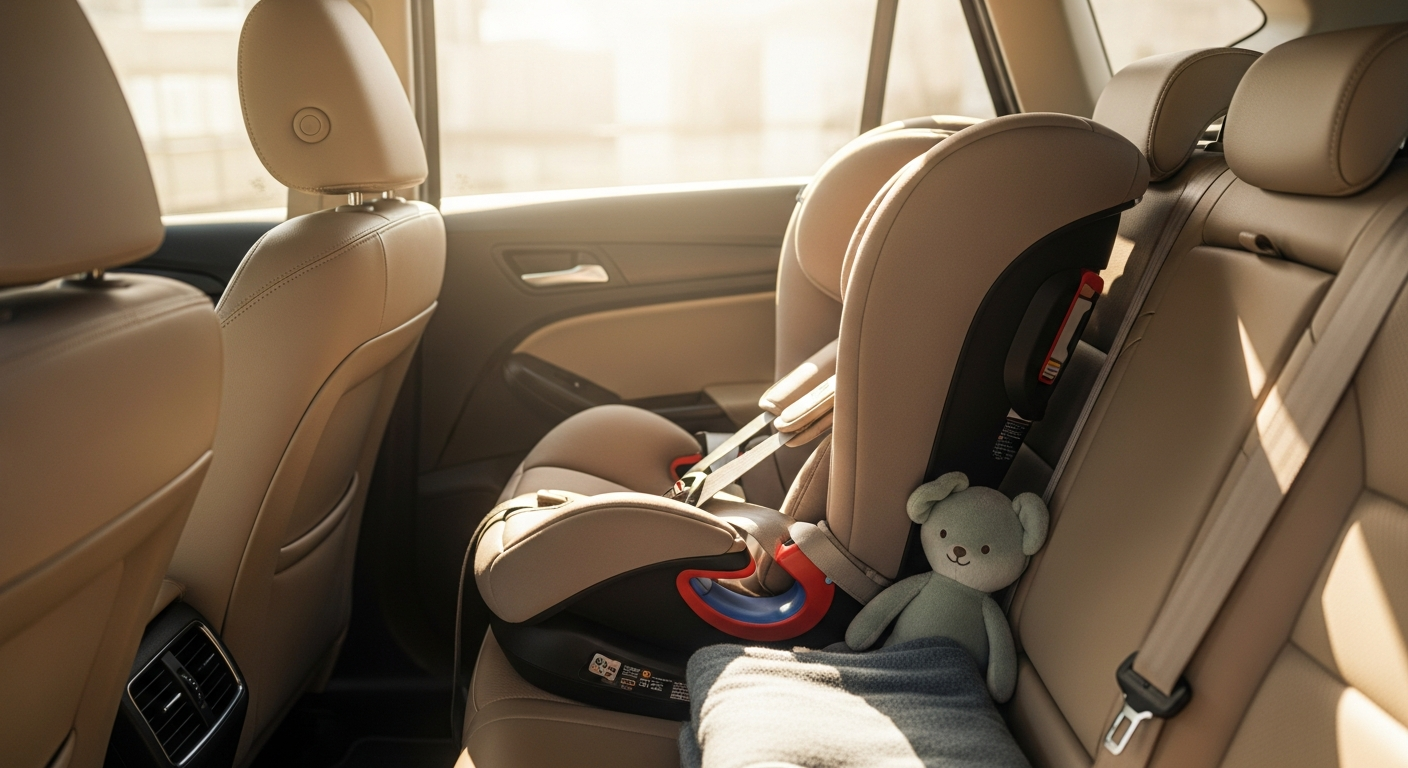
Cybex Solution G2
Best: Premium
From 39 in, up to 59 in (~3 to 12 years).
Cybex Solution G2 is the foldable booster-stage seat for families who move a high-back booster between cars or need easier storage. It starts at 100 cm, so it is a later-stage choice rather than a replacement for a toddler harness seat.
Pros
- A dedicated booster-style Cybex option is useful once the child has clearly outgrown harness-seat logic.
Cons
- It is for older children, not a baby-to-toddler all-rounder.
- Rank #2 Our score: 9.81 / 10
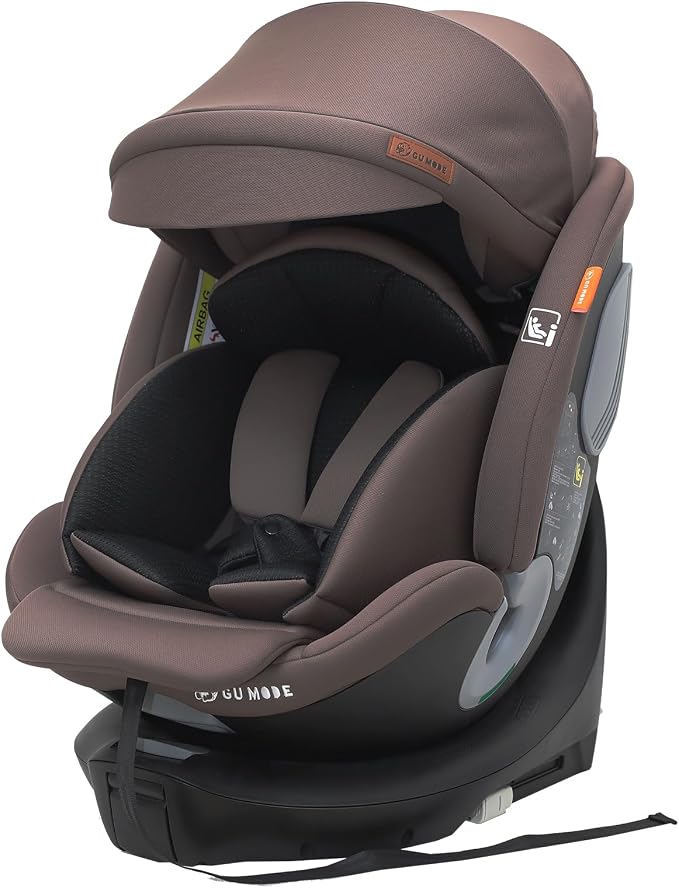
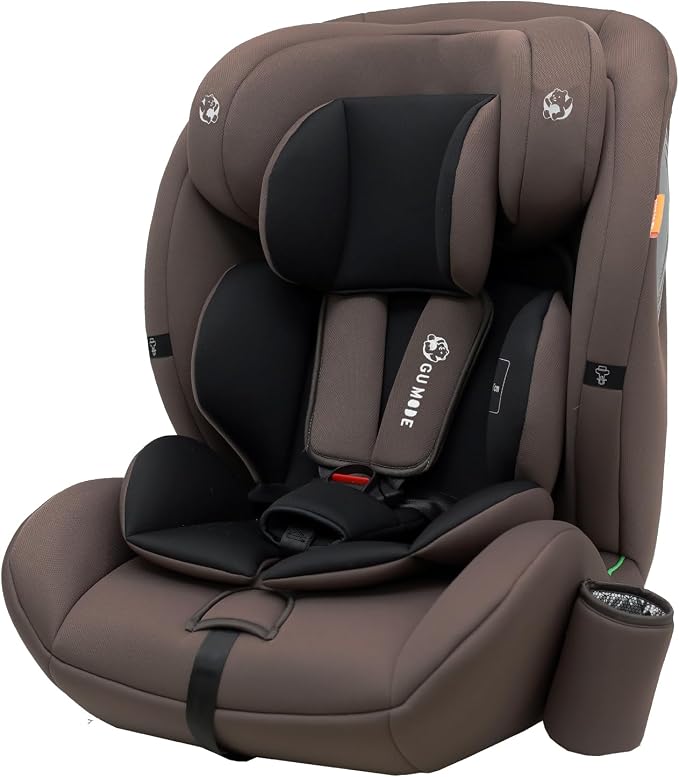
GU MODE Rotating All-Stage Car Seat
Best: Rotation
From 40 cm, up to 150 cm (~newborn to 12 years).
GU MODE 40-150 cm Rotating Car Seat is for families prioritising one ISOFIX shell across several stages. Rotation can ease loading, but the unusually broad range makes manual-led mode changes and vehicle-fit checks especially important.
Pros
- Rotation can reduce twisting while loading a smaller child.
Cons
- A 40-150 cm claim requires careful stage-by-stage setup rather than one unchanged configuration.
- Rank #3 Our score: 9.74 / 10
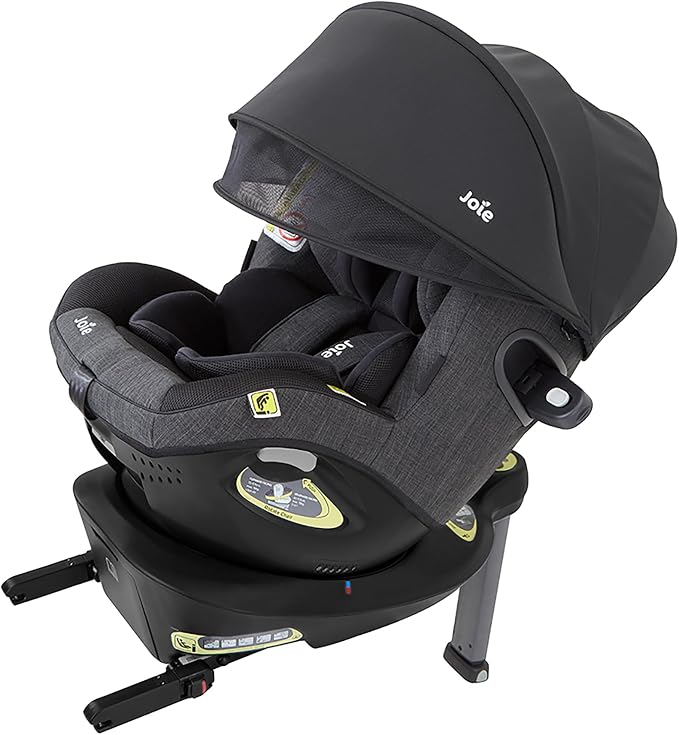
Joie i-Arc 360 with Canopy
Best: Mid-range
From 40 cm, up to 105 cm (~newborn to 4 years).
Joie i-Arc360 with canopy offers six recline positions in either travel direction and rotates for loading. Check its space needs before buying: the canopy version weighs 14.5 kg, and the side-impact shields can project toward the door or adjacent seat. The rear-facing range is 40-105 cm, from 2.5 kg up to 19 kg; the manual also defines eligible newborns as born at 37 weeks or later. Do not turn forward before both 15 months and 76 cm. Confirm ISOFIX fit, full support-leg contact and clearance around the shield when rotating.
Pros
- Six recline positions are available in both rear- and forward-facing use.
Cons
- The 14.5 kg canopy model and projecting shields need space and care when moving or rotating it.
- Rank #4
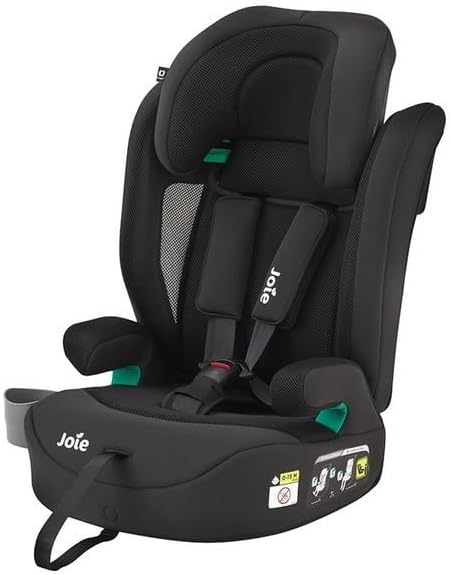
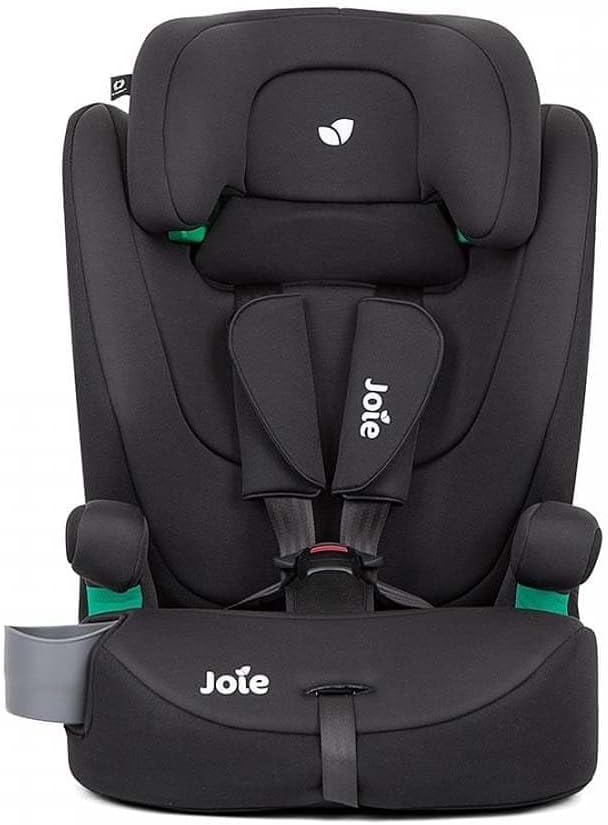
Joie Elevate R129, Midnight Air (38444)
From 76 cm, up to 150 cm (harness 9-21.5 kg; booster 15-36 kg).
Joie Elevate R129 (38444) has a harness stage followed by a vehicle-belt booster stage. Harness mode is for 76-105 cm and 9-21.5 kg; booster mode is 100-150 cm and 15-36 kg. Do not use it before 15 months, and note that it cannot convert from booster back to harness. Choose by your child's current height and weight and check belt fit in the manual rather than relying on the listing's broad age span.
Pros
- The headrest and harness adjust together in 10 positions.
Cons
- It cannot convert from booster mode back to harness mode.
- Rank #5 Our score: 9.72 / 10
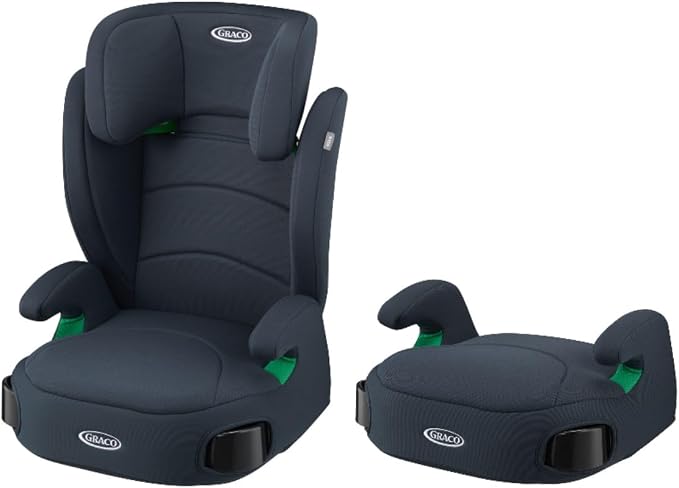
Graco Junior Plus NEXT
From 100 cm, up to 150 cm (~3.5-12 years).
Graco Junior Plus NEXT is a light belt-positioning booster for children from 100 cm who can sit correctly, then converts to backless only from 135 cm. It is easy to move between cars, but its 46 cm high-back width still needs a buckle-access and shoulder-belt fit check.
Pros
- High-back mode starts at 100 cm and the same seat converts to a 135-150 cm backless booster.
Cons
- Backless mode cannot start until 135 cm even if the child meets the broad age estimate.
- Rank #6 Our score: 9.70 / 10
Combi Joytrip Advance R129 EggShock SA
From 76 cm, up to 150 cm (~15 months to 12 years).
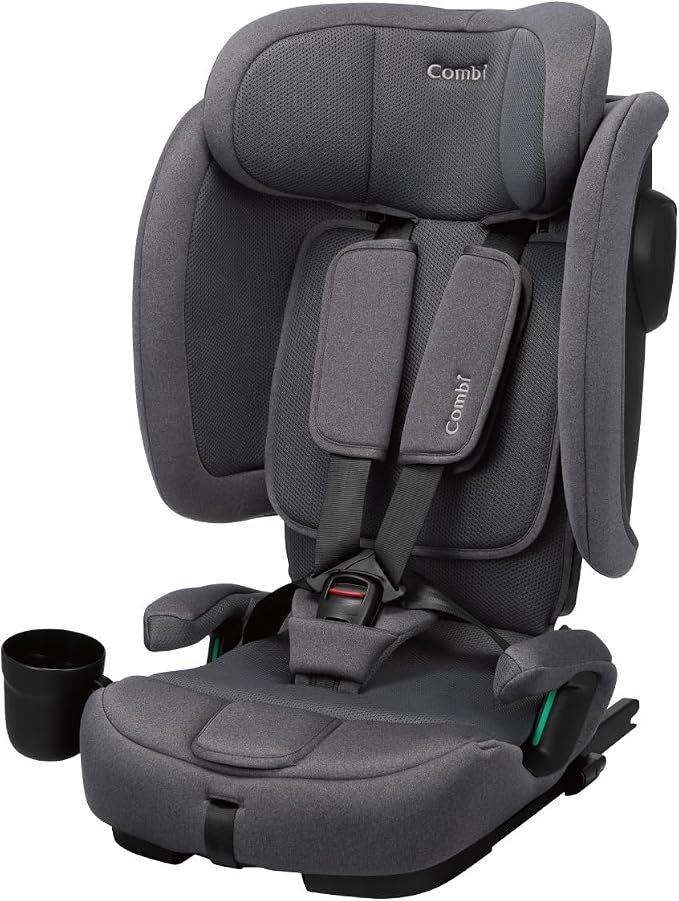
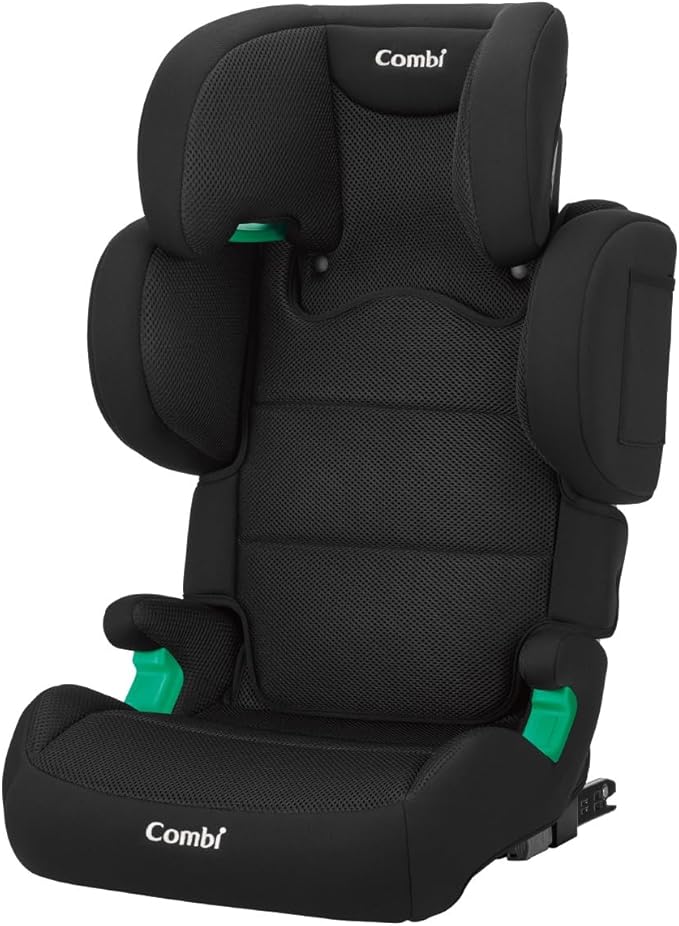
Combi Joytrip Advance R129 EggShock SA is a 7.3 kg ISOFIX seat for children at least 76 cm tall and 15 months old, moving from harness mode into a 100-150 cm junior mode without replacing the seat. A lever adjusts the headrest as the child grows, the cover washes off, and Combi's EggShock impact-absorbing material backs the head and body. It cannot be used before 15 months even if the child has already reached 76 cm, and installation needs ISOFIX connectors plus the top tether.
Pros
- Harness mode hands over to a 100-150 cm junior mode, so one seat covers roughly 15 months to 12 years instead of a toddler seat plus a later booster.
Cons
- Use cannot start before 15 months even if the child has reached 76 cm, and harness mode ends at 105 cm or 20 kg — whichever comes first.
- Rank #7 Our score: 9.69 / 10
Jovikids Rober Folding Booster
From 100 cm, up to 150 cm (~3-12 years).
Jovikids Rober is a folding high-back booster for 100-150 cm, useful when storage or moving between cars matters. The child must remain correctly positioned in the vehicle belt; check shoulder-guide height and folded size.
Pros
- Folding reduces storage bulk between trips.
Cons
- It is only for a child mature enough for vehicle-belt booster use.
- Rank #8 Our score: 9.69 / 10
Combi Joytrip Advance plus R129 EggShock SC
From 76 cm, up to 150 cm (~15 months to 12 years).
A 7.4 kg long-use seat for one compatible main car after the baby stage. Child mode requires age 15+ months, 76-105 cm, no more than 20 kg, ISOFIX and top tether; junior mode changes to vehicle three-point-belt restraint from 100-150 cm.
Pros
- The 7.4 kg shell covers integrated-harness use at 76-105 cm and belt-positioning use at 100-150 cm without moving to a separate booster early.
Cons
- Child mode requires ISOFIX plus top tether, and the 100-105 cm overlap still needs a deliberate weight, harness-fit and belt-routing decision.
- Rank #9
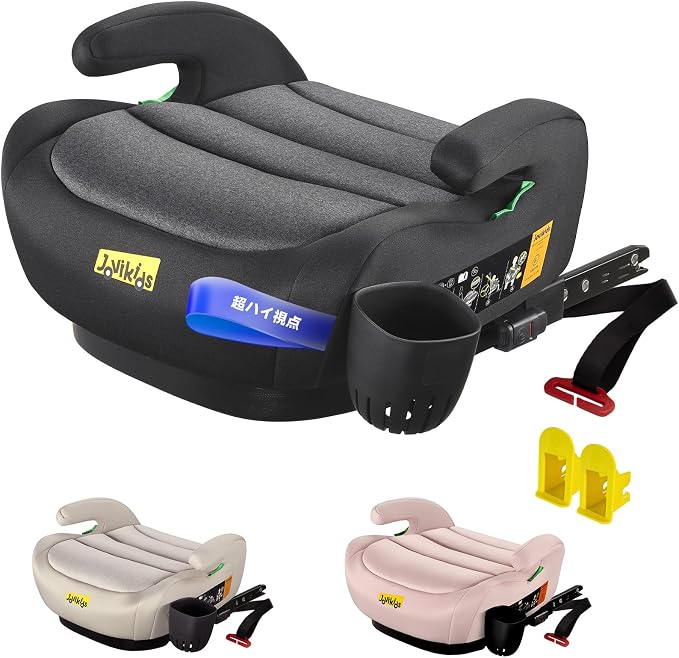
Jovikids OHHO+
From 125 cm, up to 150 cm.
Jovikids OHHO+ is a backless forward-facing booster for children 125-150 cm. Its belt guide helps route the vehicle’s three-point belt; the booster can be secured with that belt alone or with ISOFIX used alongside the belt. It is a compact option for an older child who has reached 125 cm, but it offers no backrest or harness. Check the belt path on your child and confirm the car’s seating position against both manuals.
Pros
- The 125-150 cm range and belt guide help check whether the child is ready for this backless booster.
Cons
- This backless booster has no harness or backrest and starts at 125 cm; check belt fit before switching.
- Rank #10 Our score: 9.67 / 10
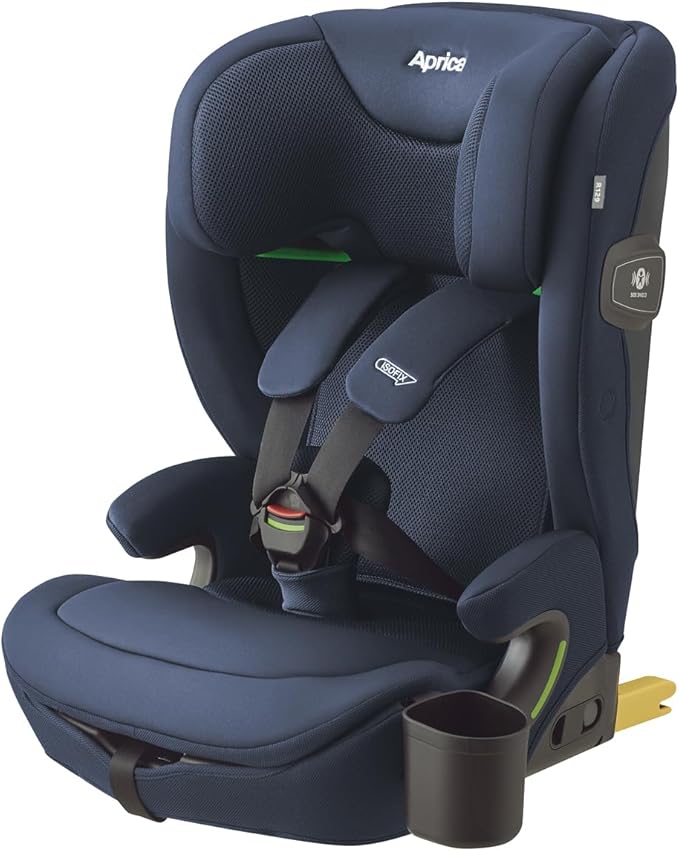
Aprica Form Fit Next
Harness: 76-105 cm (15+ months, max 19.5 kg); booster: 100-150 cm.
Aprica Form Fit Next suits families who want one high-back seat from the forward-facing harness stage to 150 cm. Its height and width adjust together and it reclines in the car; the key pre-buy checks are vehicle approval and the 19.5 kg harness limit within the 100-105 cm mode overlap.
Pros
- Raising the head support also widens the shell, giving useful shoulder-room adjustment across the 76-150 cm span.
Cons
- A child must be both at least 76 cm and 15 months old; harness mode ends at 105 cm or once the child exceeds 19.5 kg.
- Rank #11 Our score: 9.65 / 10
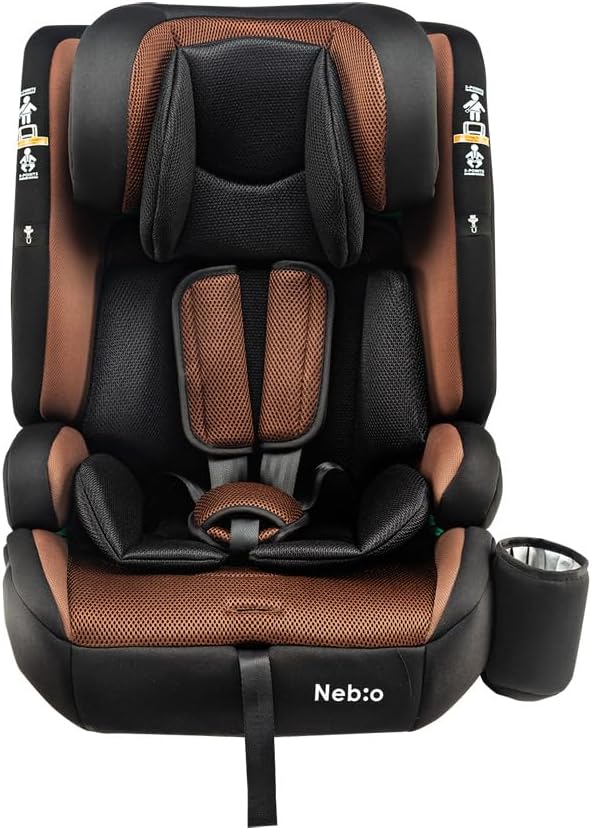
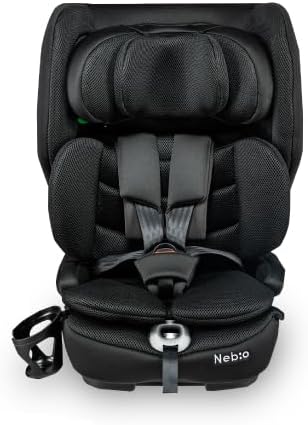
Nebio PoPPitG
76-150 cm across harness and booster stages; harness use only after 15 months and under 18 kg.
Nebio PoPPitG starts as a forward-facing harness seat and later becomes a high-back booster, with the harness stored inside the shell. Harness use starts only after the child has passed 15 months and requires 76-105 cm, a conservative limit under 18 kg, and both ISOFIX and top tether. Booster mode covers 100-150 cm and uses the vehicle belt. It cannot serve as a baby seat or use belt-only fitting in harness mode. Check the exact vehicle fitting list and redo the installation when changing modes.
Pros
- The harness stores in the shell when changing to high-back booster use.
Cons
- The harness stage requires ISOFIX and a top tether; having only a vehicle belt is insufficient.
- Rank #12 Our score: 9.61 / 10
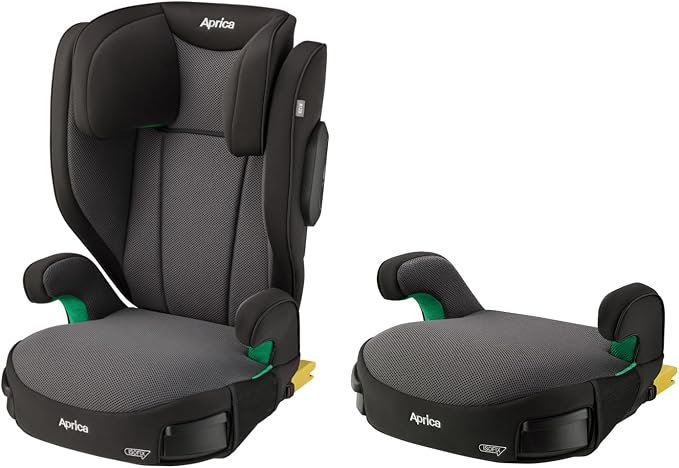
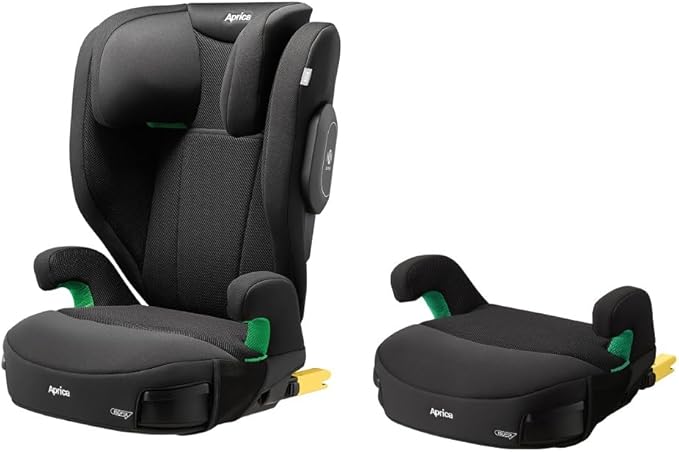
Aprica RideCrew ISOFIX AB
From 100 cm, up to 150 cm (~3.5 to 12 years).
Aprica RideCrew ISOFIX AB starts as a 5 kg high-back booster and can become a 2.9 kg backless cushion once the child reaches 135 cm. That distinction matters: its overall 100-150 cm range does not permit early removal of the backrest. Two cup holders retract when they are not needed. In either configuration, the child needs the car’s suitable three-point retracting belt; ISOFIX attachment is not a substitute. Check the AB vehicle fitting guidance before buying, especially if you plan to move the seat between cars.
Pros
- The backless configuration reduces carrying weight once the child reaches 135 cm.
Cons
- Backless use starts at 135 cm, despite the seat’s overall 100 cm minimum.
- Rank #13 Our score: 9.57 / 10
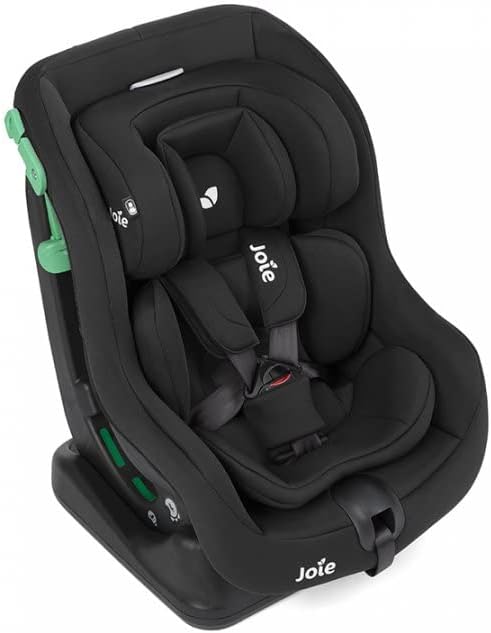
Joie Steadi R129
Best: Extended rear-facing
From newborn, up to 105 cm (~newborn to 4 years).
Joie Steadi R129 is for parents who want a straightforward R129 seat that can cover the baby and toddler stages without paying for a rotating base. The tradeoff is convenience: it is more basic to load than swivel seats, so daily car access matters.
Pros
- Rear-facing infant/toddler coverage at a lower price is the main reason to shortlist it.
Cons
- It is a simpler fixed seat, so it will not load as easily as rotating models.
- Rank #14 Our score: 9.56 / 10
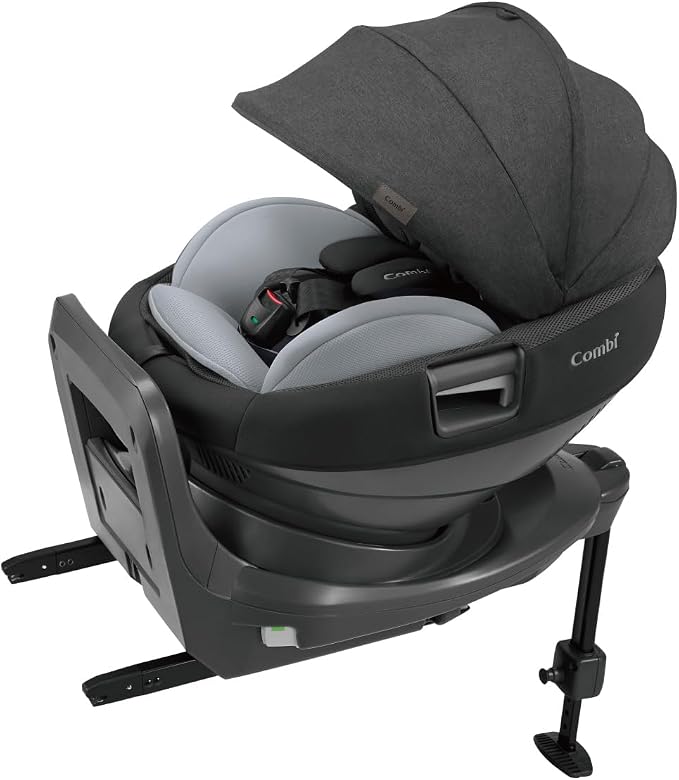
Combi THE S ISOFIX Egg Shock ZC-720
From 40 cm, up to 105 cm (~newborn to 4 years).
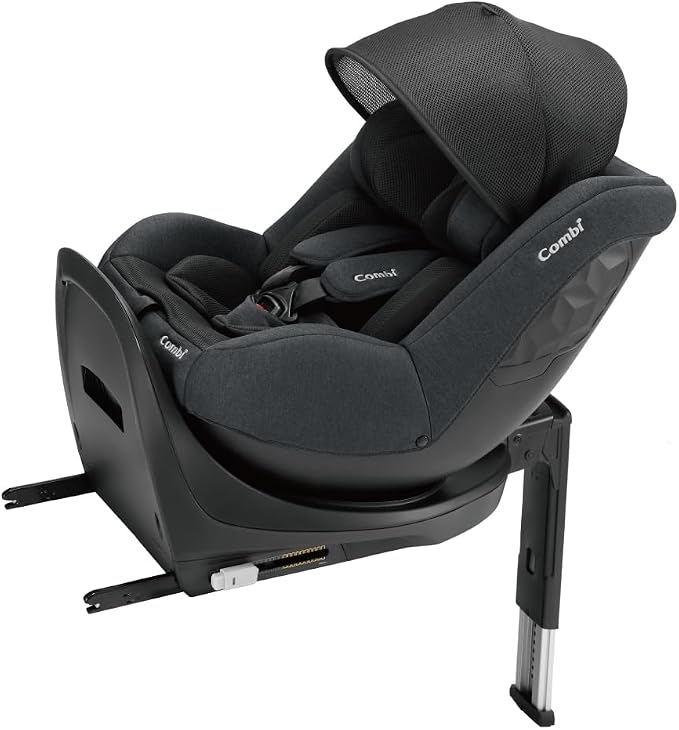
Combi THE S ZC-720 separates into a seat and base, letting you install the base before handling the seat. The complete unit weighs 13.7 kg, so this matters more for fitting than for making it a light carry option. It runs rear-facing from 40-105 cm, with forward-facing allowed from both 76 cm and 15 months; the weight ceiling is 19 kg. Check ISOFIX and support-leg compatibility before buying. The canopy also has a direction-specific rule: fold it small or remove it when the seat faces forward.
Pros
- The separate base can be fitted before lifting the seat into place.
Cons
- The 13.7 kg system is substantial, and forward-facing use restricts the canopy position.
- Rank #15 Our score: 9.49 / 10
GU MODE Belt-Installed R129 Car Seat
From 76 cm, up to 150 cm (~15 months to 12 years).
GU MODE 76-150 cm is for cars or routines where belt installation matters more than ISOFIX. It spans harness and booster stages, with correct belt routing and the 15-month start as the key fit checks.
Pros
- Belt installation can suit vehicles without ISOFIX anchors.
Cons
- Installation quality depends on following the vehicle-belt route exactly.
- Rank #16 Our score: 9.48 / 10
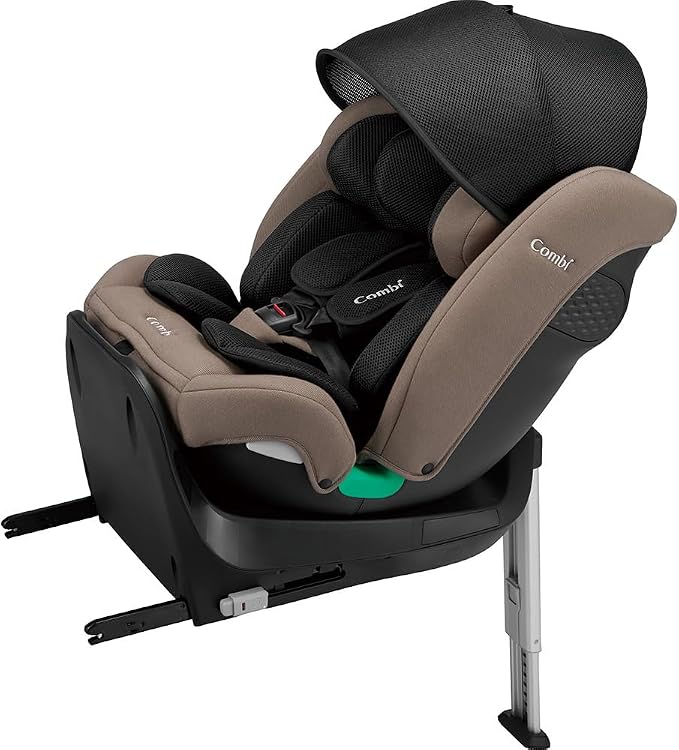
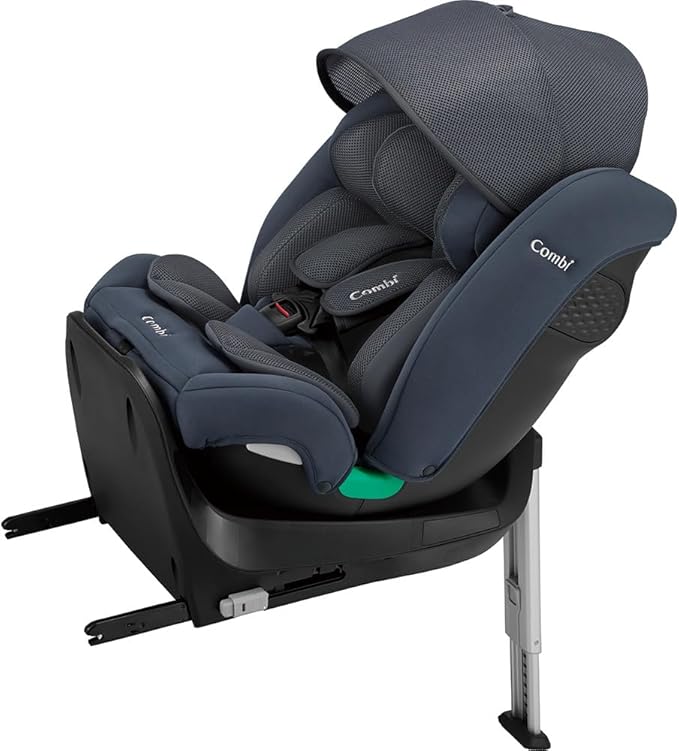
Combi Kurumove Long R129 Eggshock EA
From newborn, up to 135 cm (~newborn to 10 years).
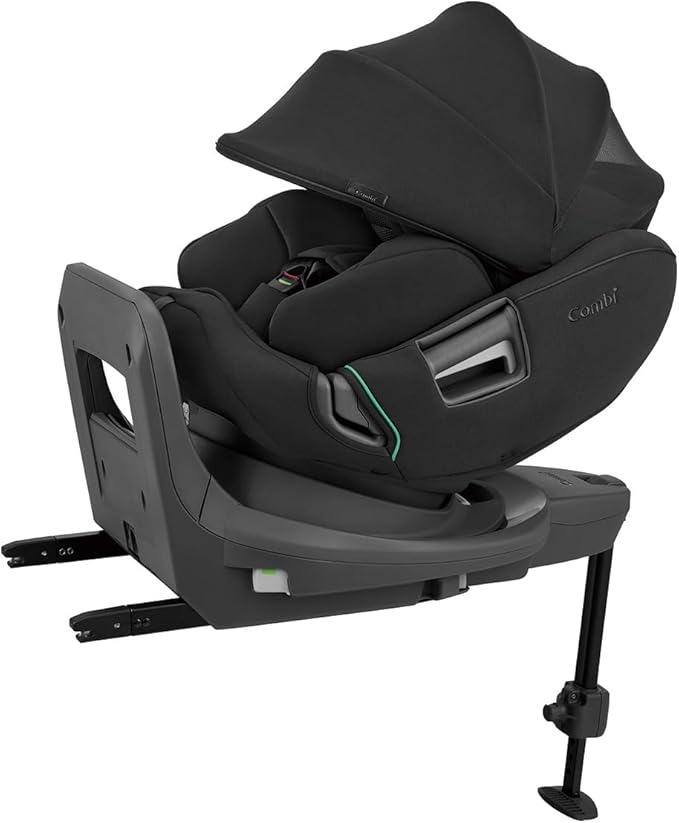
Combi's Kurumove Long R129 Eggshock EA is an ISOFIX-anchored rotating seat built to cover the whole child-restraint obligation in one purchase, from newborn through around age ten (40-135 cm across its three modes). The seat turns 360° with a one-handed side lever so you can load a baby facing the door, and it reclines five ways even in that door-side position. In child mode it runs rearward to 87 cm and forward from 76 cm and 15 months up to 105 cm / 18 kg, then converts to a forward-facing junior seat to 135 cm. The cost of that span is bulk: a 14.2 kg body and a deeper footprint than compact rotating models.
Pros
- One seat covers newborn to ~age 10 (40-135 cm), removing the mid-cycle seat purchase around age four
Cons
- 14.2 kg — check your car's door opening and ISOFIX anchor depth before committing, especially if you will move the seat between cars
- Rank #17 Our score: 9.48 / 10
Aprica Cururila X Plus AB
From newborn, up to 105 cm (~newborn to 4 years).
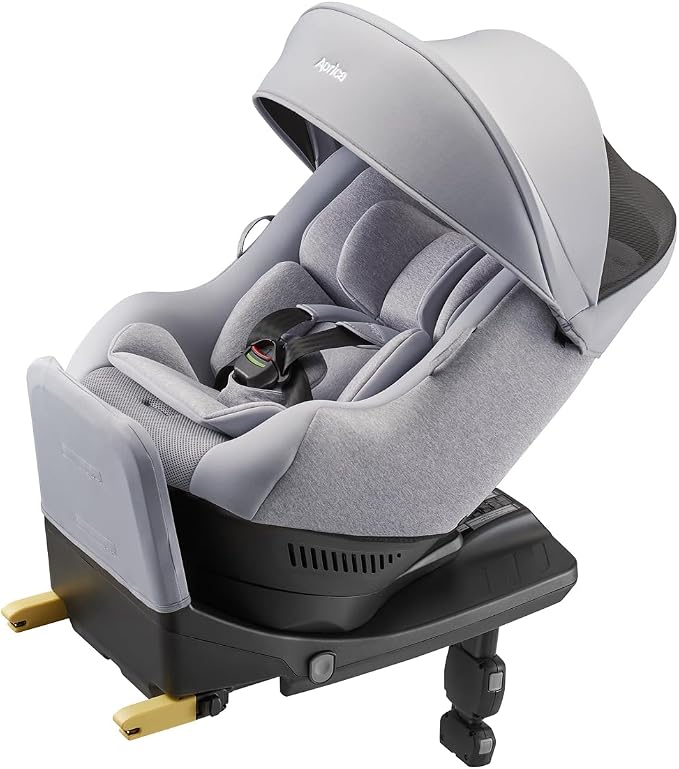
The Cururila X Plus AB separates into a seat and a dedicated ISOFIX base: fix the base first with the connectors in clear view, then click the lighter seat on, and add a second base to share one seat between two cars. A door-side turn lever with one hand and a temporary loading lock make door-side lift-in easier. It rides rear-facing from 40 cm and forward-facing only from 76 cm and 15 months, ending at 105 cm or 19 kg. Check vehicle compatibility and support-leg floor contact, and always rotate out of the sideways position and confirm the travel-direction lock before driving.
Pros
- Separable seat and base let you install the base first and add a second base to share the seat across two cars.
Cons
- The sideways door-side position is for loading only — you must rotate back and confirm the lock before every drive.
- Rank #18 Our score: 9.46 / 10
Combi Culmove Long R129 EggShock EA
From newborn, up to 135 cm (~newborn to 10 years).
Combi Culmove Long R129 EggShock EA is for families who want one rotating ISOFIX seat to cover newborn through much of the booster period. The convenience is daily loading plus long use; the tradeoff is a heavier stay-installed seat that still needs vehicle-fit checks.
Pros
- The newborn-to-135 cm span can delay the next-seat decision longer than typical 105 cm rotating seats.
Cons
- The long-use rotating shell is not a light seat to move between cars.
- Rank #19 Our score: 9.42 / 10
Aprica Cururila X Plus
From 40 cm, up to 105 cm (~newborn to 4 years).
Aprica Cururila X Plus separates into a seat and dedicated base, so you can fit the base before lifting the seat into place. Rotation controls on the seat and base help with door-side loading, although the complete system weighs 13.8 kg without accessories. It serves children up to 105 cm and 19 kg, starting rear-facing at 40 cm. Forward-facing requires both 76 cm and 15 months. Check vehicle compatibility and support-leg space, and confirm the seat is locked in a travel direction after loading; the sideways position is not for driving.
Pros
- The seat and base separate, and rotation can be operated from either part.
Cons
- At 13.8 kg excluding accessories, the complete system is cumbersome for frequent car changes.
- Rank #20 Our score: 9.41 / 10
Nebio LapPit
From 125 cm, up to 150 cm (~5-11 years).
The Nebio LapPit is a highback junior booster for children 125-150 cm that installs with either ISOFIX or a 3-point seat belt, which makes it easy to move between cars. At about 3.6 kg it is light enough for frequent swapping between the family car and grandparents' car. It is belt-positioning only — no harness — so check that the vehicle belt sits correctly across the child's shoulder and lap before every ride.
Pros
- R129-approved junior booster covering 125-150 cm
Cons
- Belt-positioning booster only — no harness, so seat-belt routing must be checked
- Rank #21 Our score: 9.41 / 10
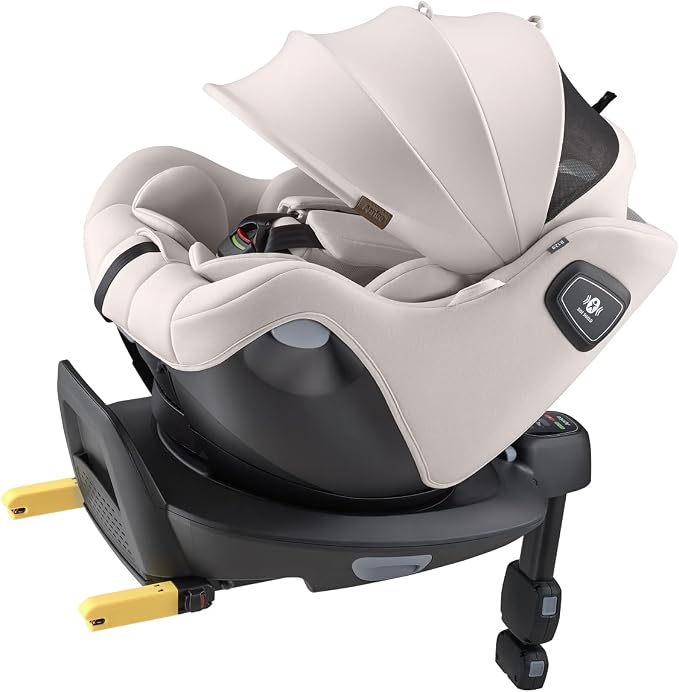
Aprica Fladea Plus Premium
From newborn, up to 41 in (~newborn to 4 years).
Aprica Fladea Plus Premium is for families who value Aprica’s bed-style newborn posture as much as rotation. It is easiest to justify for a main car during the baby years, while families wanting the longest single-seat span should compare toddler-to-booster models too.
Pros
- The bed-style newborn positioning is useful when infant comfort is the main reason to buy Aprica.
Cons
- It is a large premium seat, so installation space matters more than headline features.
- Rank #22 Our score: 9.39 / 10
Nebio TurnPit F
From newborn, up to 150 cm (~newborn to 12 years).
Nebio's rotating TurnPit F is an R129-approved long-use car seat covering children from newborn to around age 12 on a 40-150 cm height span. ISOFIX anchoring secures the seat, which rotates 360° for easier loading, and five recline positions, a height-adjustable headrest and shoulder belt, and a washable cover help it last. The tradeoff: the 14.5 kg shell is heavy to move between cars, and the baby and child modes require an ISOFIX-ready car.
Pros
- Manufacturer's official store confirms R129 compliance for this rotating car seat
Cons
- At 14.5 kg the shell is heavy to move between cars
- Rank #23 Our score: 9.39 / 10
Aprica ReRide AB
From 30 in, up to 59 in (~15 months to 12 years).
Aprica ReRide AB is a Japan-market ISOFIX toddler-to-booster option for families moving past the baby seat. It makes sense when long use to 150 cm and easier fixed installation matter more than newborn or rotation support.
Pros
- A toddler-to-booster path keeps the seat relevant after the baby-seat stage is over.
Cons
- It is not the right first seat for a newborn; buy it for the next stage.
- Rank #24 Our score: 9.35 / 10
Aprica RideCrew ISOFIX AC
High-back mode: 100-150 cm; backless mode: 135-150 cm.
RideCrew ISOFIX AC is for children moving to the vehicle’s three-point belt from 100 cm. High-back mode lasts to 150 cm; backless mode starts at 135 cm, although Aprica recommends keeping the backrest to 150 cm for posture support.
Pros
- The 100-150 cm high-back mode combines a ten-position head support with belt routing that can follow growth.
Cons
- It is not for children under 100 cm or those who cannot keep the vehicle belt correctly positioned.
- Rank #25 Our score: 9.35 / 10
Joie Elevate R129
From 76 cm, up to 150 cm (~15 months to 12 years).
Joie Elevate R129 is a forward-facing toddler-to-booster seat for families past the newborn stage who want one harness-to-high-back-booster path. Check the 76 cm / 15 month starting point and vehicle belt installation before buying.
Pros
- The official Joie fit range supports a clear 76-150 cm next-stage role rather than a vague all-ages claim.
Cons
- It is not a newborn or rear-facing infant seat, so it only belongs after the baby-seat decision is solved.
- Rank #26 Our score: 9.34 / 10
Cybex Pallas G3 i-Size
From 76 cm, up to 150 cm (~15 months to 12 years).
Cybex Pallas G3 i-Size is a premium toddler-to-booster path for families who want a long 76-150 cm seat rather than a separate toddler seat and later booster. It is a forward-facing next-stage choice, so fit, Top Tether/ISOFIX setup, and impact-shield acceptance matter.
Pros
- The 76-150 cm range gives a clear toddler-to-booster plan without changing seats quickly.
Cons
- It is not a newborn or rear-facing infant solution.
- Rank #27 Our score: 9.33 / 10
Aprica Cururila Plus Lite AB
From newborn, up to 100 cm (~newborn to 4 years).
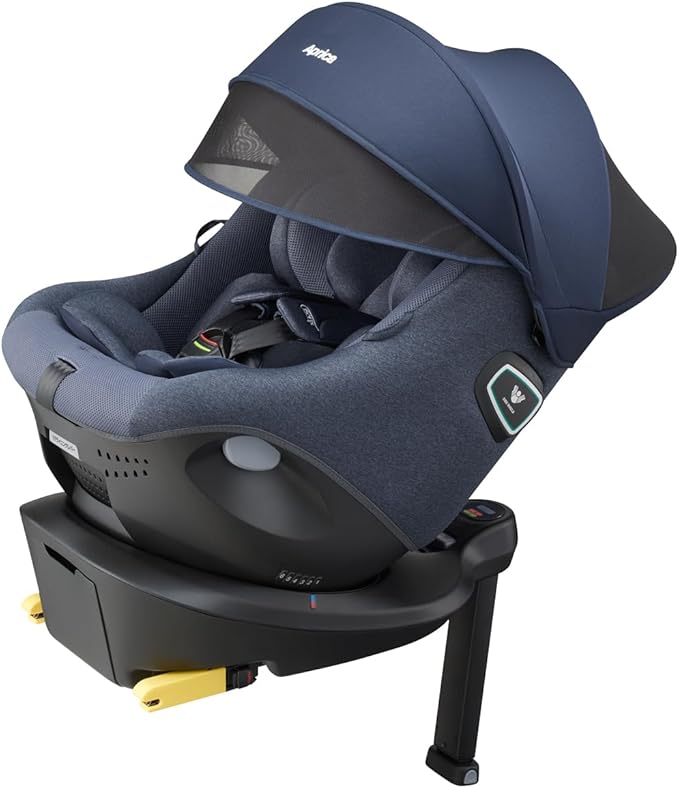
The Aprica Cururila Plus Lite AB (June 2025 release) is a rotating ISOFIX car seat covering rearward-facing 40-83 cm and forward-facing from 76 cm and 15 months up to 100 cm / 18 kg. It rotates 360° with one hand and offers 7 recline positions in both directions. At 14.1 kg it is heavy, so it suits a main car rather than frequent swaps between vehicles.
Pros
- UN R129/03 approved, usable from birth rearward-facing from 40 cm
Cons
- Heavy at 14.1 kg; not ideal for frequent moving between cars
- Rank #28
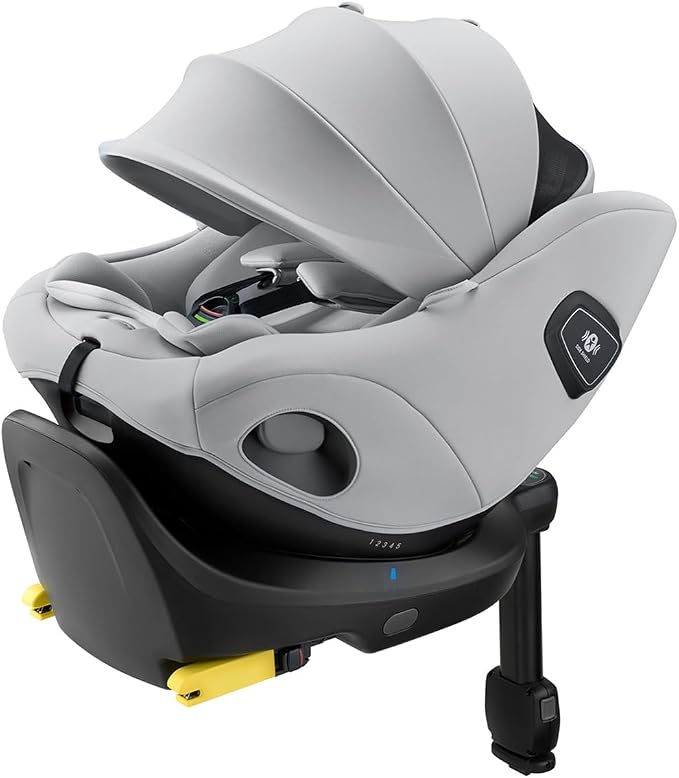
Aprica Cururila Fit E AB
From 40 cm, up to 105 cm.
Aprica Cururila Fit E AB is a rotating rear-facing and forward-facing seat for 40-105 cm, with a 19 kg maximum. Forward-facing use starts only at 76 cm and 15 months; below that, use rear-facing. It is a fit for parents who want one seat through the infant and toddler stages, but it does not cover the 100-150 cm booster stage. Confirm your exact vehicle and seating position in Aprica’s fit list and manual.
Pros
- A side-turn lever is within easy reach for one-hand rotation while loading or removing the child.
Cons
- The seat ends at 105 cm and 19 kg, so a later booster will still be needed.
- Rank #29 Our score: 9.33 / 10
Aprica Cururila Prite
From newborn, up to 41 in (~newborn to 4 years).
Aprica Cururila Prite is the rotating ISOFIX choice for newborn-to-preschool use when easier loading matters every day. It is a heavier fixed-main-car seat, so it is better for one regular car than for families constantly moving seats.
Pros
- R129 coverage and rotation make daily loading easier from baby stage through toddler use.
Cons
- Check vehicle space carefully; a rotating premium seat can be bulky in smaller cars.
- Rank #30
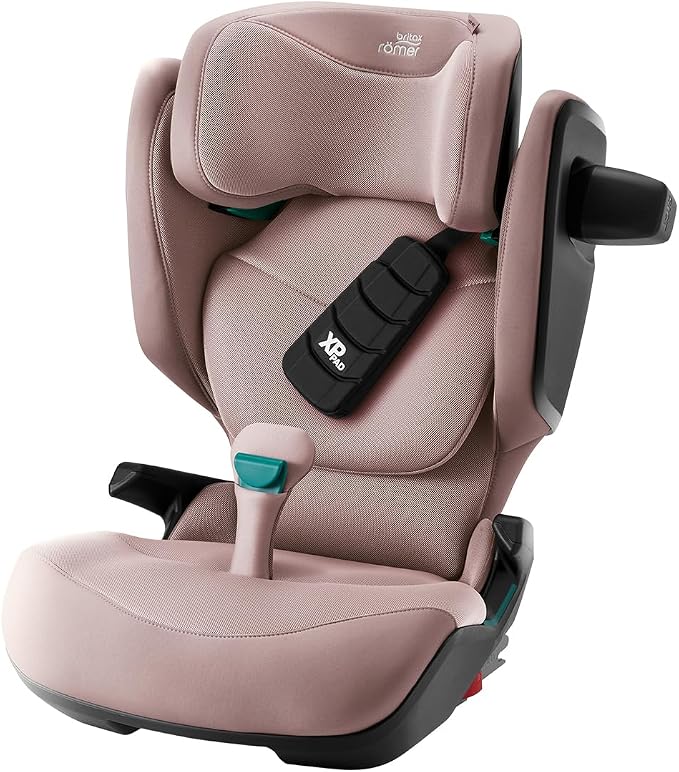
Britax Römer Kidfix Pro
From 100 cm, up to 150 cm.
Britax Römer KIDFIX PRO in Dusty Rose is a forward-facing high-back booster for 100-150 cm, with either ISOFIX plus the vehicle belt or the vehicle belt alone. It fits an older child who has outgrown a harnessed seat; it is not for children below 100 cm. The Japanese product page lists ventilation and removable, washable covers, while car fit still depends on the exact seating position. Check the manufacturer’s vehicle list and your car manual before choosing it.
Pros
- The removable cover is machine washable, making routine cleanup simpler.
Cons
- It is a booster for 100-150 cm, not a harnessed seat for a smaller child; verify the car fit list.
- Rank #31 Our score: 9.33 / 10
Combi Culmove Compact R129 EggShock JS
From 40 cm, up to 105 cm (~newborn to 4 years).
Combi Culmove Compact JS is the rotating newborn-to-105 cm option for a small car where front-to-back space matters. Its compact shell is the reason to shortlist it; test rotation clearance and support-leg placement in the actual vehicle.
Pros
- The compact depth targets kei and small-car cabins.
Cons
- It ends at 105 cm, so a later booster is still required.
- Rank #32 Our score: 9.33 / 10
Combi Joytrip Advance air R129 UA
From 76 cm, up to 150 cm (~15 months to 12 years).
Combi Joytrip Advance air R129 UA is for families wanting a 6.1 kg ISOFIX/top-tether seat from 15 months that later becomes a 100-150 cm booster. It folds for storage and car-share handling, but harness mode ends at 105 cm or 20 kg, whichever boundary arrives first.
Pros
- Harness mode transitions into a 100-150 cm booster, reducing the need to replace the whole seat at preschool age.
Cons
- Harness mode stops at 105 cm or 20 kg and cannot be extended just because the child is under the estimated age.
- Rank #33 Our score: 9.33 / 10
Combi Joytrip Advance for Kids Air R129 RA
From 39 in, up to 59 in (~3 to 12 years).
Combi Joytrip Advance for Kids Air R129 RA is the shortlist pick once the child is booster-size and you want ISOFIX stability with a lighter seat. It is not a harnessed toddler seat, so the child must already fit the 100 cm booster stage.
Pros
- A lighter R129 booster-style path suits families moving out of toddler seats.
Cons
- It does not solve newborn or rear-facing infant transport, so stage fit is narrow.
- Rank #34 Our score: 9.33 / 10
Combi Kurumove R129 Eggshock CA
From newborn, up to 105 cm (~newborn to 4 years).
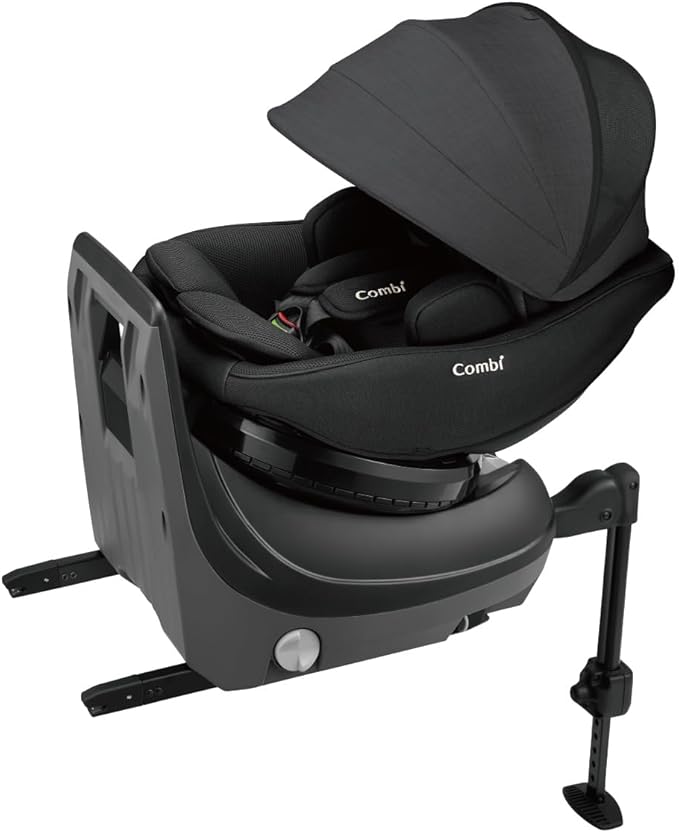
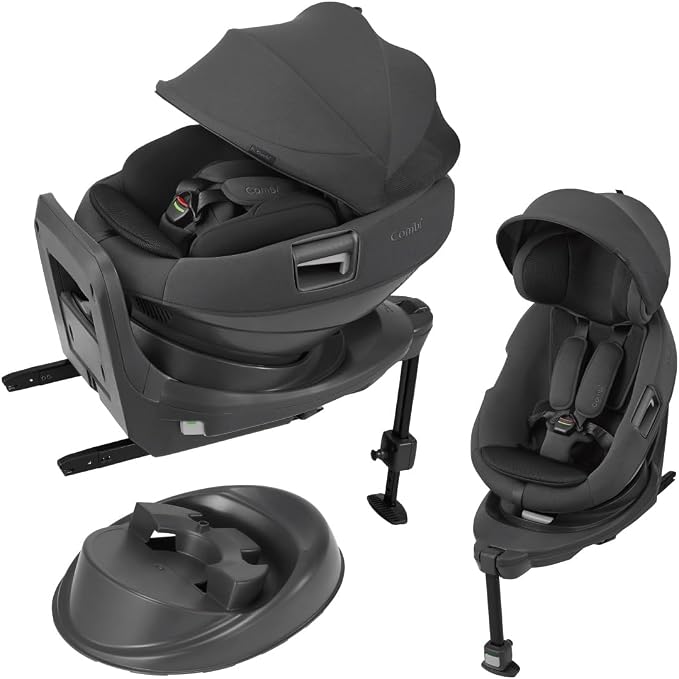
The Combi Kurumove R129 Eggshock CA is the compact rotating model in Combi's R129 range: an ISOFIX seat that keeps children rearward facing all the way to 105 cm, with forward facing allowed from 76 cm and 15 months up to 18 kg (around age four). A low seating surface leaves more room when lifting your child in, and the seat rotates 360° with a soft lock once swung door-side. Recline offers five positions usable even while the seat faces the door. The tradeoff against the series' Long model is lifespan: it ends around age four with no junior mode.
Pros
- Rearward facing up to 105 cm / 18 kg is among the longest rearward spans in Combi's rotating range
Cons
- Ends around age 4 (105 cm / 18 kg) with no junior mode — plan a booster or next seat after; the series' Long EA covers to 135 cm
- Rank #35 Our score: 9.33 / 10
Combi THE S premium R129 VA
From newborn, up to 49 in (~newborn to 7 years).
Combi THE S premium R129 VA is the long-span premium choice if you want newborn rotation and a later junior mode before moving to a 150 cm booster. The tradeoff is price and complexity, so it fits families who want one main-car system to last longer than the usual 105 cm limit.
Pros
- Combi’s premium R129 setup gives the strongest case when rotation and long stage coverage both matter.
Cons
- The price and size only make sense if it fits the car and will be used through multiple stages.
- Rank #36 Our score: 9.33 / 10
Combi THE S R129 Egg Shock ZG
From 40 cm, up to 105 cm (~newborn to 4 years).
Combi THE S ZG lets you detach the seat while leaving the ISOFIX base in the car. That can simplify transfers with a small baby, but carrying the occupied seat and using its indoor holder are limited to children under 9 kg, even though the in-car limit is 19 kg. Use it rear-facing from 40-105 cm; forward-facing requires both 76 cm and 15 months. Check the vehicle fitting list and support-leg position before buying. When carrying, use both designated handles and stop if the load or fit is difficult.
Pros
- The seat separates while its fitted base stays in the car.
Cons
- Occupied carrying and the indoor holder stop at under 9 kg, well before the in-car limit.
- Rank #37 Our score: 9.33 / 10
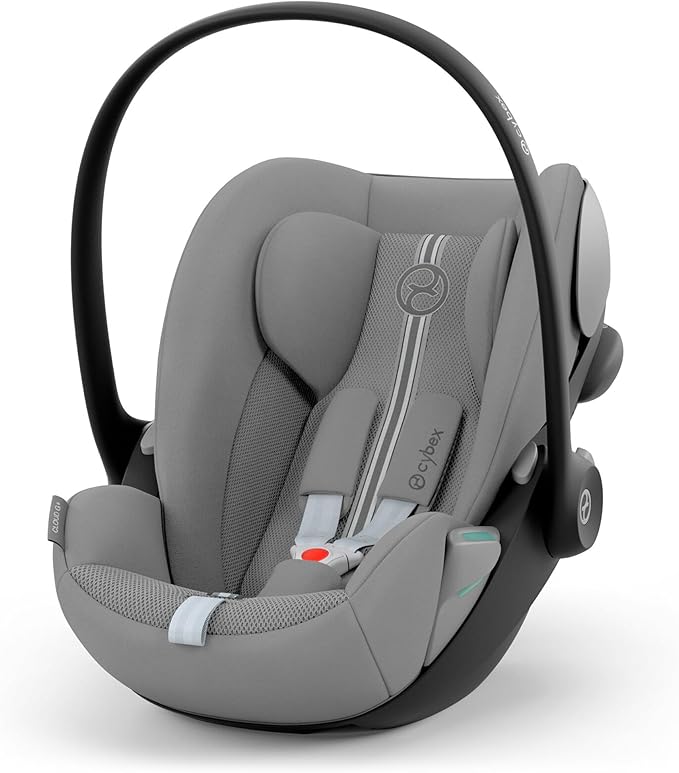
Cybex Cloud G i-Size
From newborn, up to 87 cm.
Cybex Cloud G i-Size is an infant car seat for parents who want a premium newborn carrier seat that can plug into a travel-system setup. Its boundary is clear: it solves the first stage well, but families still need a next car seat after the baby outgrows it.
Pros
- As a newborn-to-87 cm infant seat, it works well when the seat also has to move outside the car.
Cons
- It is a first-stage infant seat, not a long toddler-seat solution.
- Rank #38 Our score: 9.33 / 10
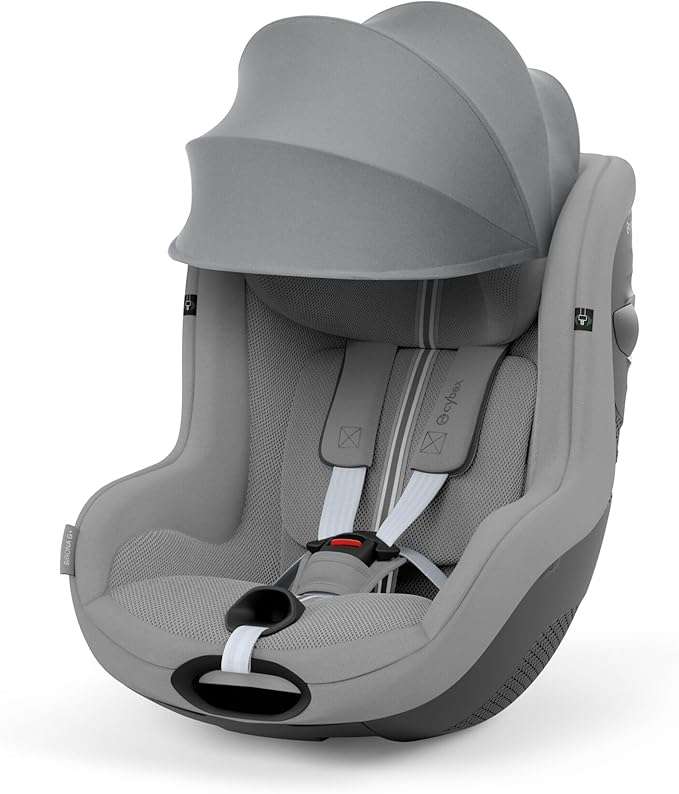
Cybex Sirona G i-Size
From newborn, up to 105 cm (~newborn to 4 years).
Cybex Sirona G i-Size is a premium rotating seat for families who want easier loading and a stronger newborn-to-toddler setup. It is best when the car seat stays installed in one car, because base and seat compatibility need checking before purchase.
Pros
- As a newborn-to-105 cm rotating seat, it is strongest when daily loading ease is the priority.
Cons
- Its value depends on the correct base and vehicle compatibility, so pre-buy checks matter.
- Rank #39 Our score: 9.33 / 10
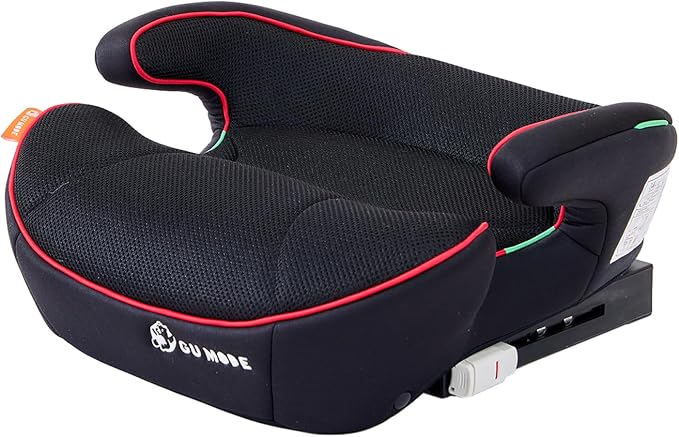
GU MODE ISOFIX Booster
From 125 cm, up to 150 cm (~6 to 12 years).
GU MODE’s ISOFIX booster is a backless seat for children 125-150 cm tall. Its connectors secure the booster to the car, but the child still needs the vehicle belt, routed through the green guides. Choose this specific variant carefully: the belt-only version has different limits, and the marketplace description also mentions a high-back model that is not the seat shown here. This is a compact option once a child fits a backless booster; it does not provide a high back or a harness for a smaller child.
Pros
- Green indicators show when the ISOFIX connectors have locked into place.
Cons
- The 125 cm minimum and lack of a high back make it unsuitable as a younger child’s harness-seat replacement.
- Rank #40 Our score: 9.33 / 10
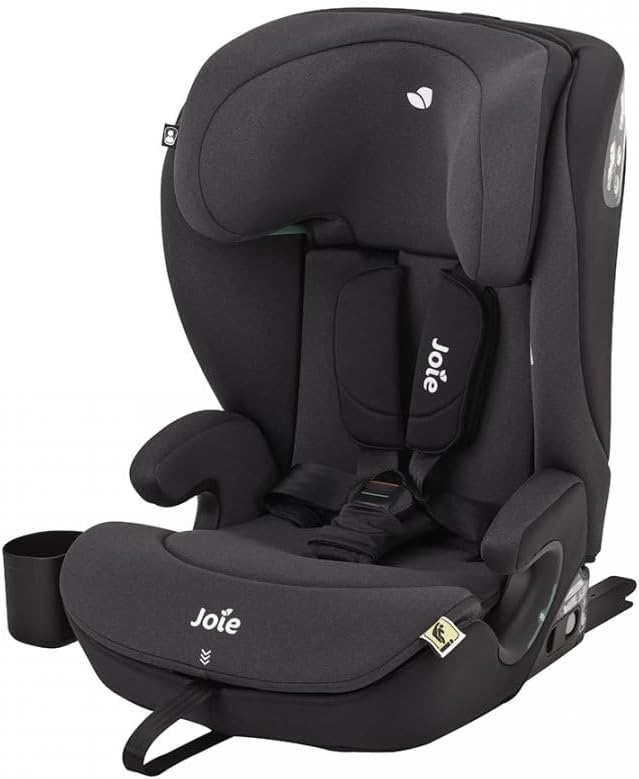
Joie i-Irvana
From 76 cm, up to 150 cm (~15 months to 12 years).
Joie i-Irvana, sold as アイ・アバーナ, combines an adjustable seat depth with harness and high-back booster modes. The harness stage is for children over 15 months, 76-105 cm tall and up to 22 kg, and needs ISOFIX plus a top tether. At 100-150 cm and up to 36 kg, booster mode uses the vehicle’s three-point belt; the tether is no longer used. It suits families planning that transition, but check the separate installation instructions rather than treating it as one unchanged setup for every age.
Pros
- The seat depth adjusts as well as the head support, helping match the seating space to the child.
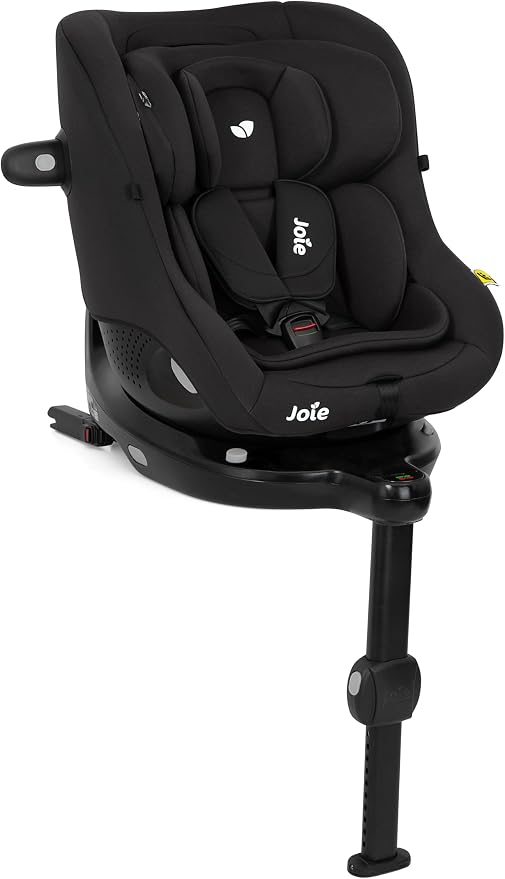
Cons
- Harness mode needs both ISOFIX and a top tether; booster mode requires a different belt setup.
- Rank #41 Our score: 9.33 / 10
Joie i-Juva Infant Car Seat
From 40 cm, up to 75 cm (~newborn to 12 months).
Joie i-Juva is a 40-75 cm belt-installed infant carrier for families wanting a removable first seat without committing to an ISOFIX base. Check the vehicle-belt route, compatible stroller adapters and the next-seat timing.
Pros
- Belt installation avoids requiring a dedicated base.
Cons
- The 75 cm upper limit makes this a short first-stage seat.
- Rank #42 Our score: 9.33 / 10
Joie i-Pivot 360
From 40 cm, up to 105 cm (~newborn to 4 years).
Joie i-Pivot 360 suits families wanting a rotating ISOFIX seat from the infant stage through 105 cm. Its useful decision point is easier side-on loading; confirm the rear-facing limits, support-leg fit and front-seat clearance in the actual car.
Pros
- The rotating shell can simplify harnessing in a tight doorway.
Cons
- The base and support leg need a compatible vehicle floor and enough front-to-back space.
- Rank #43 Our score: 9.33 / 10
Joie i-Snug 2
From newborn, up to 75 cm (~newborn to 12 months).
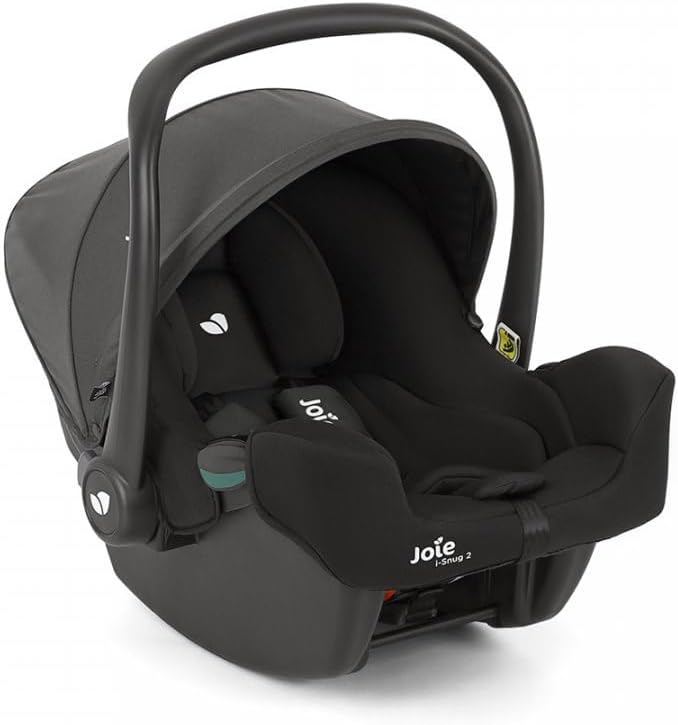
A light rear-facing carrier for 40-75 cm and 2.5-13 kg that can install with the vehicle belt or a compatible Joie base. Its value is car-to-stroller transfer, not longevity, so verify base/adapters and plan the next rear-facing seat early.
Pros
- The light carrier installs by vehicle belt without a mandatory base and can connect to compatible Joie strollers for first-year transfers.
Cons
- Use ends at 75 cm or 13 kg, and the optional base plus stroller adapters require exact compatibility checks rather than brand-name assumptions.
- Rank #44 Our score: 9.33 / 10
Jovikids Aria Infant Car Seat
From 40 cm, up to 87 cm (~newborn to 15 months).
Jovikids Aria is a rear-facing infant carrier for 40-87 cm and can move onto a compatible travel system. It is a first-stage seat, so check vehicle-belt routing, stroller compatibility and the replacement plan before 87 cm.
Pros
- The removable infant-carrier format supports car-to-stroller transfers.
Cons
- It covers only the rear-facing infant-carrier stage, so a later seat is still required.
- Rank #45
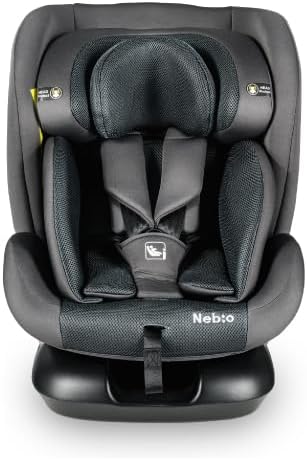
Nebio EasyPit F
From newborn, up to 150 cm (~newborn to 12 years).
The Nebio EasyPit F is aimed at families whose cars have no ISOFIX anchors — a second car, grandparents' car, rentals or car shares — because it installs with the vehicle seat belt alone and uses no support leg or top tether that would crowd the footwell. One seat covers newborn to about 12 years (40-150 cm): near-flat rear-facing recline for newborns, forward-facing harness for toddlers, then a belt-positioning junior mode. At about 6.4 kg with a compact base it is one of the easiest full-size seats to move between cars. The tradeoff: with no rigid ISOFIX connection, a correct belt-tight installation depends on the installer every time, so check Nebio's vehicle compatibility list and your car manual before buying.
Pros
- Belt-fixed install with no support leg or top tether works in cars without ISOFIX and keeps the footwell completely clear.
Cons
- No ISOFIX connection: safety depends on a correctly routed and tightened belt at every installation, so verify Nebio's vehicle fit list and your car manual first.
- Rank #46 Our score: 9.33 / 10
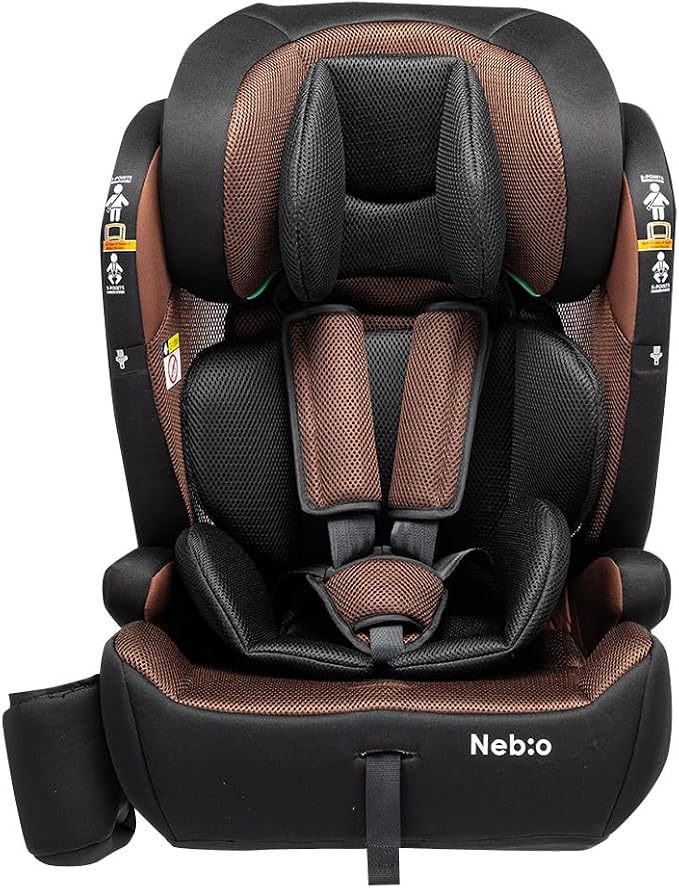
Nebio FoldPit
Two stages cover 76-150 cm; harness use starts after 15 months and stays under 18 kg.
Nebio FoldPit folds into a backpack for storage and carrying between uses. The manual shows removing the insert before folding the backrest, so packing is a short preparation job rather than simply lifting the installed seat. Its harness mode needs ISOFIX and a top tether, and is for children who have passed 15 months, are 76-105 cm tall and weigh under 18 kg. Booster mode covers 100-150 cm with the vehicle belt. It is worth considering when storage matters, provided every car you intend to use meets the installation requirements.
Pros
- The folded backrest and supplied backpack reduce the storage space needed between uses.
Cons
- Packing requires removing the insert, and harness installation still requires ISOFIX plus a top tether.
- Rank #47 Our score: 9.33 / 10
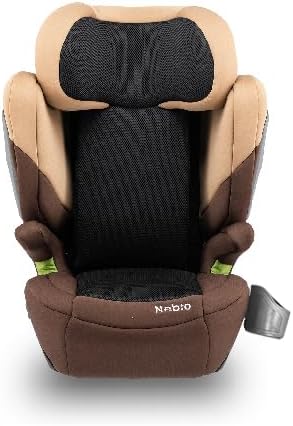
Nebio GrandePit
From 100 cm, up to 150 cm (~3.5 to 12 years).
Nebio GrandePit provides nine headrest positions to help place the shoulder-belt guide at the right height for a child 100-150 cm tall. It is a high-back booster, so the car’s three-point belt restrains the child rather than an integral harness. Use the approved ISOFIX fitting where the vehicle has suitable anchors; the manual also provides a belt-only setup. When moving it to a car without ISOFIX, retract the connectors and follow that belt route. Keep the empty seat belted in as well.
Pros
- Nine headrest positions help align the shoulder-belt guide.
Cons
- Belt-only fitting needs retracted connectors and the empty seat kept restrained.
- Rank #48
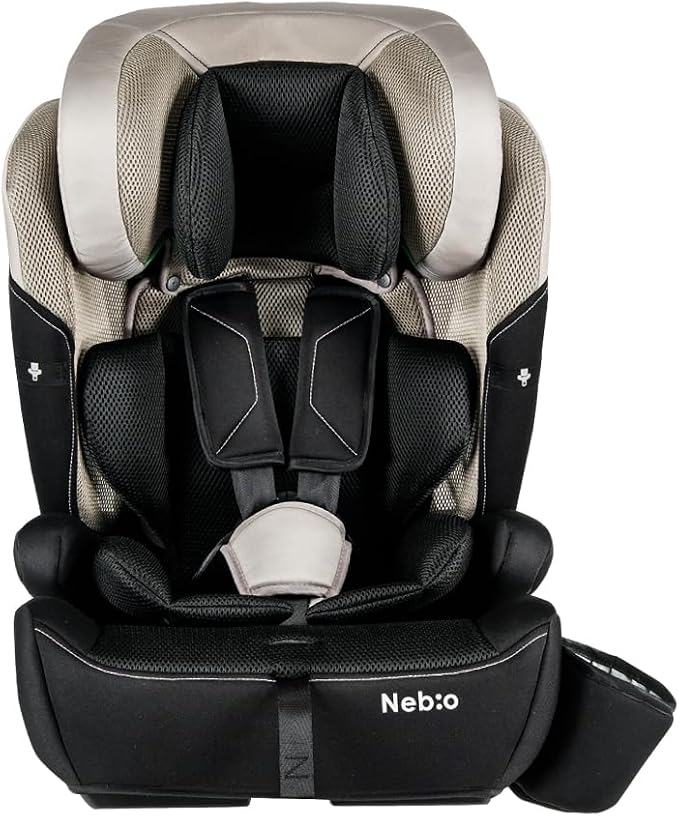
Nebio PopCot R129
From 76 cm, up to 150 cm (~15 months to 12 years).
Nebio PopCot R129 is a belt-installed seat that carries one child from roughly 15 months all the way to the 150 cm junior-booster years, so there is no second seat to buy around age four. Child mode (76-105 cm, under 18 kg) uses the built-in harness; from 100 cm it converts to a junior booster restrained by the car's own 3-point belt. Because it mounts with the vehicle belt instead of ISOFIX anchors, it fits nearly any car with a 3-point rear belt — the tradeoff is that every install needs careful belt routing and tightening.
Pros
- One shell spans harness mode (76-105 cm, under 18 kg) through a 100-150 cm junior booster, covering roughly ages 15 months to 12 without a mid-way seat replacement.
Cons
- Belt-installed seats need more setup care than ISOFIX: each install requires correct belt routing and a fully tightened belt, so re-check the fit every time the seat moves between cars or positions.
- Rank #49 Our score: 9.33 / 10
Nebio PoPPit F-R129
From 76 cm, up to 150 cm (~15 months to 12 years).
Nebio PoPPit F-R129 fits families needing one light 3-point-belt seat from 76-150 cm, especially for a second car without relying on ISOFIX. Its 5.5 kg shell is easy to move, but each installation demands careful belt routing and the 76 cm start does not override the 15-month forward-facing minimum.
Pros
- The 76-150 cm span covers harness and later booster stages in one 5.5 kg seat.
Cons
- Vehicle-belt installation is less set-and-forget than ISOFIX and must be rechecked after every transfer.
- Rank #50 Our score: 9.33 / 10
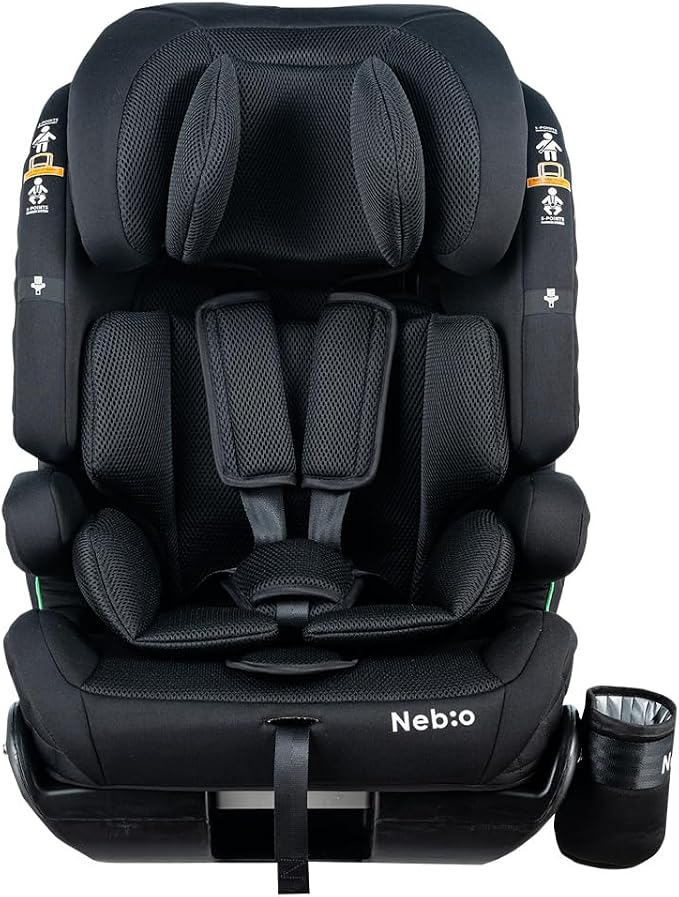
Nebio PoPPitG Reclining
From 76 cm, up to 150 cm (~15 months to 12 years).
Nebio PoPPitG Reclining is a 76-150 cm ISOFIX next-stage seat for families wanting some recline across harness and booster use. Confirm the 15-month start, top tether and whether recline remains compatible with the vehicle seatback.
Pros
- Recline can improve seating comfort on longer trips.
Cons
- Recline range depends on the vehicle seatback and installation geometry.
- Rank #51
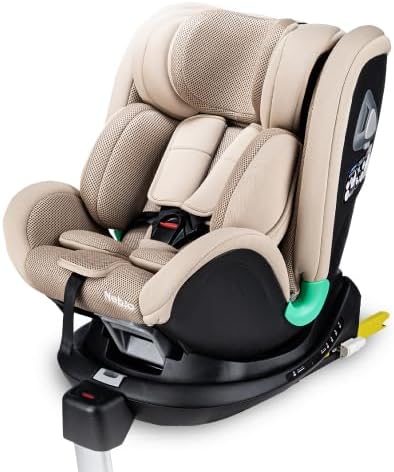
Nebio SafePit R129
From newborn, up to 105 cm (~newborn to 4 years).
Nebio SafePit R129 is a rotating ISOFIX seat for newborns through roughly age 4, covering 40-105 cm in one shell, so there is no separate infant carrier to buy and outgrow. The 360-degree turn brings the child toward the door for curb-side loading, and the cover comes off for washing after spills. The tradeoff is the finish line: use ends at 105 cm (about age 4), so a successor seat is needed for the junior years instead of stretching into a 150 cm all-stage model.
Pros
- 360-degree rotation on an ISOFIX base with a support leg makes lifting a newborn or fighting a strapped-in toddler far less awkward than belt-routed seats.
Cons
- Use ends at 105 cm, around age 4 — unlike 150 cm all-stage seats, plan on buying a junior-mode seat afterwards.
- Rank #52
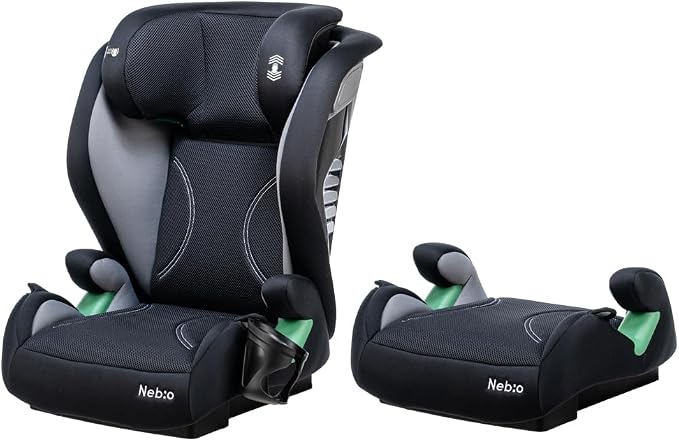
Nebio ShiftPit
From 100 cm, up to 150 cm (~3.5-12 years).
Nebio's ShiftPit belt-fixed model is a junior seat for children roughly 3.5 to 12 years old (100-150 cm) with an 11-position headrest and a two-stage recline. When the child is bigger, the backrest comes off and the base works as a backless booster cushion. It attaches with the vehicle seat belt only — there are no ISOFIX connectors — which keeps it light (the maker lists 4.9 kg in seat mode) and easy to move between cars. Nebio lists this exact model as R129-compliant and equips it with a side impact shield and side guards. The cover comes off for washing, and there is a cup holder. If your car has usable ISOFIX anchors, Nebio sells an ISOFIX variant of the same seat with its own weight figures.
Pros
- Two-stage recline in junior-seat mode, and the backrest removes so the base works as a 2 kg backless booster cushion.
Cons
- No ISOFIX connectors: the seat is held only by the vehicle belt, so check Nebio's car compatibility list and the belt route before relying on it in a specific car.
- Rank #53 Our score: 9.33 / 10
Nebio Turn Pit F One-Hand Turn
40-150 cm across rear-facing, forward-harness and booster modes; 14 kg seat.
Nebio TurnPit F One-Hand Turn fits families who want to rotate the seat while holding the child and leave it installed in one compatible car. Its support-leg harness setup covers rear-facing use at 40-105 cm and up to 18 kg, then forward-facing use after 15 months at 76-105 cm and up to 18 kg; booster mode covers 100-150 cm. The one-hand control helps with repeated loading, but the 14 kg seat is cumbersome to transfer often. Check vehicle fit and the support-leg position before buying.
Pros
- One-hand rotation can make repeated loading easier.
Cons
- The all-stage design involves more configuration changes than a stage-specific seat.
- Rank #54 Our score: 9.33 / 10
Nebio Turn Pit F-TTL
40-150 cm across three modes; top tether does not need retightening for rotation.
Nebio TurnPit F-TTL suits families who want a rotating top-tether seat without a support leg or a tether-retightening step during rotation. Rear-facing use is 40-105 cm and up to 18 kg; forward-facing harness use is after 15 months at 76-105 cm and up to 18 kg; booster mode is 100-150 cm. Harness stages still need compatible ISOFIX and top-tether anchors, and the seat lock must be checked after rotation. Confirm vehicle fit before choosing this exact F-TTL version.
Pros
- Top-tether installation keeps the footwell clear of a support leg.
Cons
- It requires an accessible, approved top-tether anchor.
- Rank #55 Our score: 9.33 / 10
Nebio TurnPit F-TT
From 40 cm, up to 150 cm (~newborn to 12 years).
Nebio TurnPit F-TT uses a top tether instead of a floor support leg and rotates to help with loading. That convenience comes with a step to repeat: after turning the occupied seat into its travel position, retighten the tether and check that the seat is locked. Rear-facing use covers 40-105 cm up to 18 kg; forward-facing harness use requires more than 15 months, 76-105 cm and under 18 kg. Booster mode covers 100-150 cm. Check vehicle compatibility and access to the tether before choosing this version.
Pros
- The rotating seat eases loading while the top-tether design leaves the footwell free of a support leg.
Cons
- This F-TT version needs the tether retightened after rotation into the travel position; do not assume the operation of the newer F-TTL.