Best Travel Strollers in Japan 2026
The best travel strollers for buyers who want compact folding and easy transport without giving up too much comfort or real-world usability.
Why are scores between 9 and 10?
This is a curated shortlist of strong picks, not a full best-to-worst ranking. Small score gaps usually mean we have slightly more evidence for one model than another, not that the lower-scoring option is a poor choice.
So this is just another affiliate roundup with an arbitrary order?
No. We make these lists good enough that we use them ourselves and recommend them to friends and family. We turn the kind of research careful parents would normally do by hand into a repeatable process. Then we compare the evidence across the markets we cover and rank products with a model that gives more weight to stronger signals instead of simple averages or a fully hand-picked order based purely on editorial preference.
Affiliate Disclosure
We use affiliate links and ads to finance this website. As an Amazon Associate I earn from qualifying purchases.
- Rank #1 Our score: 9.75 / 10
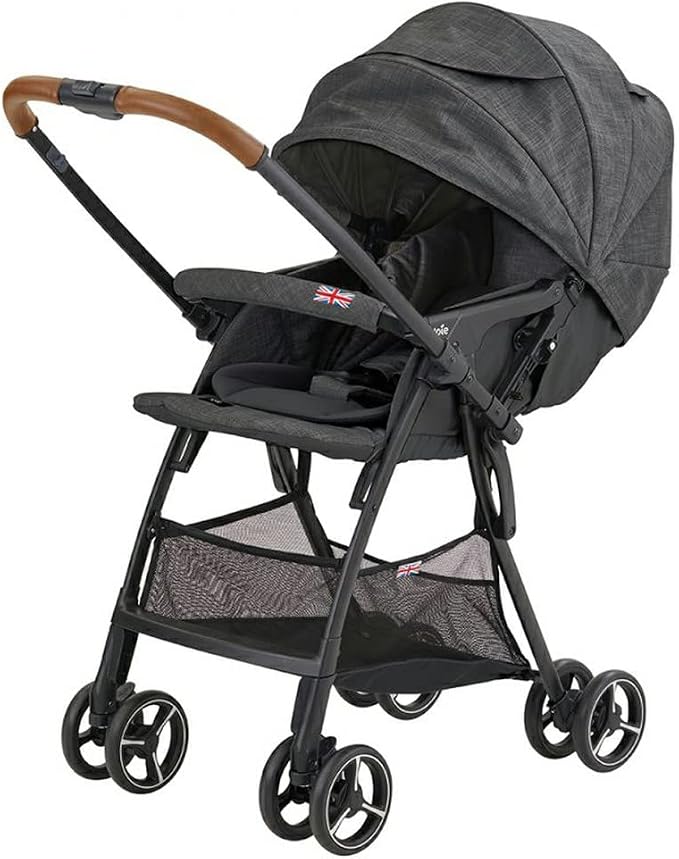
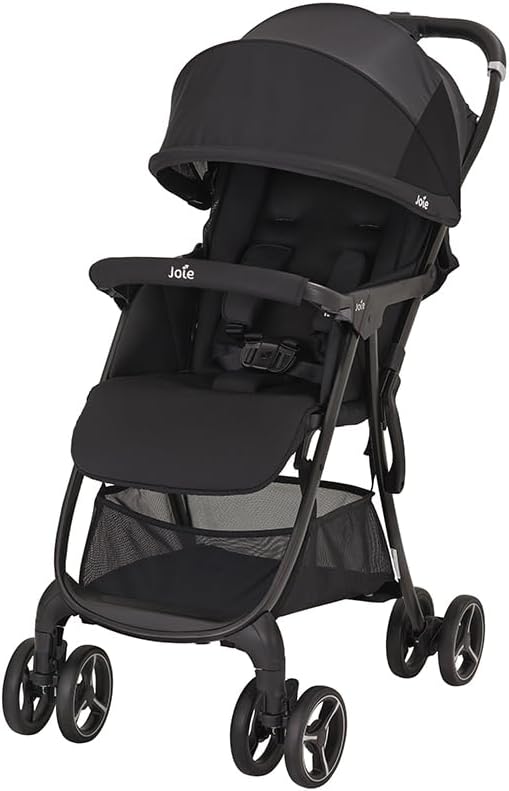
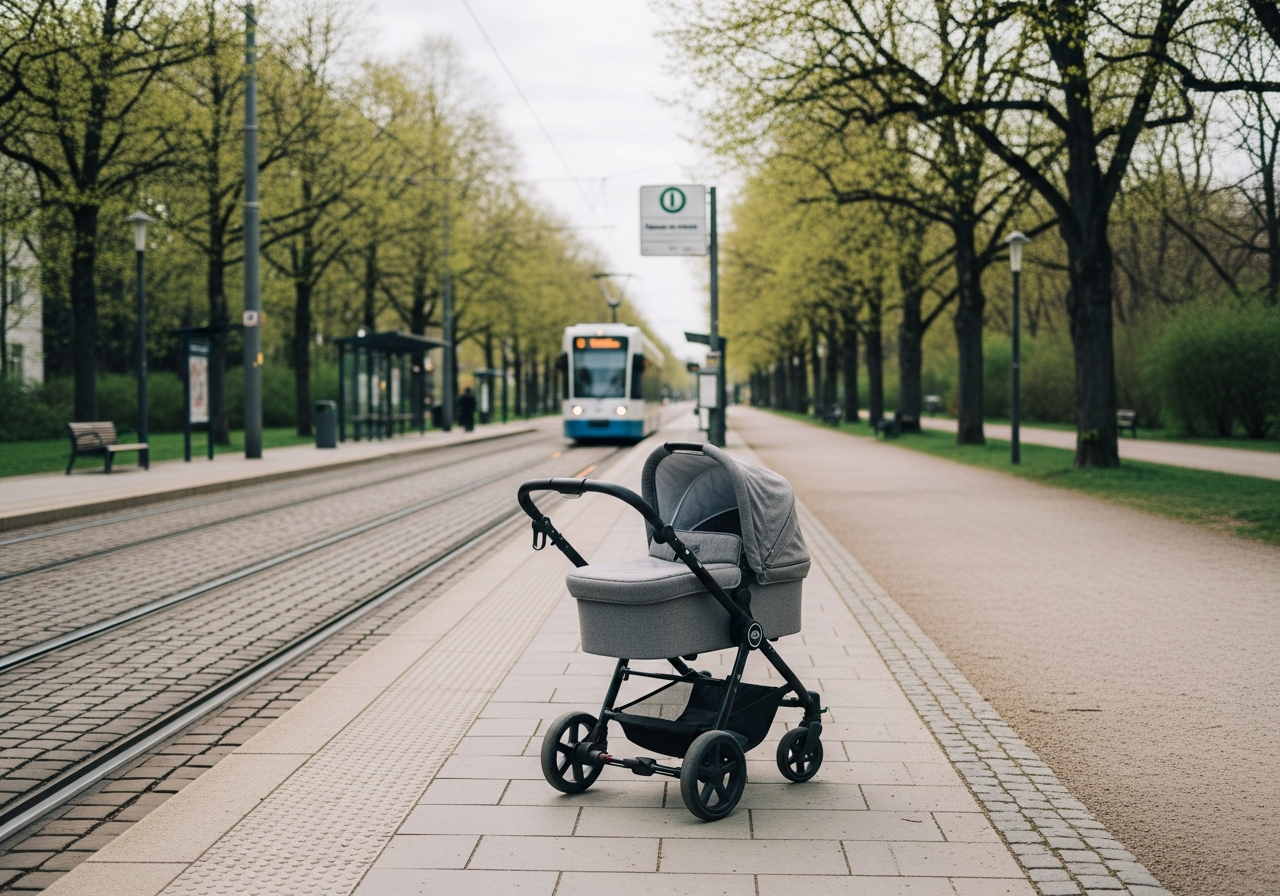
Joie SmaBaggi Mesh
Best: Usable from birth
The Joie SmaBaggi Mesh is for parents who want the light both-facing A-type stroller in Joie's Japanese lineup: about 4.9 kg, usable from one month to roughly 15 kg, with a lever near the handle that flips the seat to face the parent. The mesh backrest and insert keep summer rides cooler and the magnetic buckle speeds up straps, but the 97 cm-tall standing fold is longer than a cabin buggy's, so it suits everyday city use and trips by car or train more than strict carry-on travel.
Pros
- A one-lever switch near the handle flips the seat to parent-facing while walking, the only both-facing ride in Joie's Japanese stroller range.
Cons
- The fold stands about 97 cm tall, so it will not reach the compact cabin-buggy sizes strict airlines expect; it suits car and train travel better.
- Rank #2 Our score: 9.70 / 10
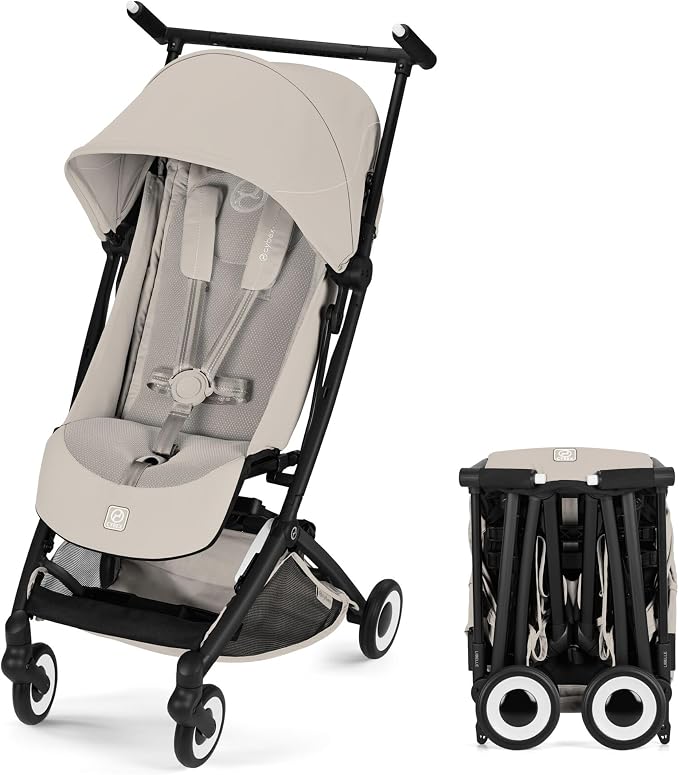
Cybex Libelle
Best: Ultra-compact
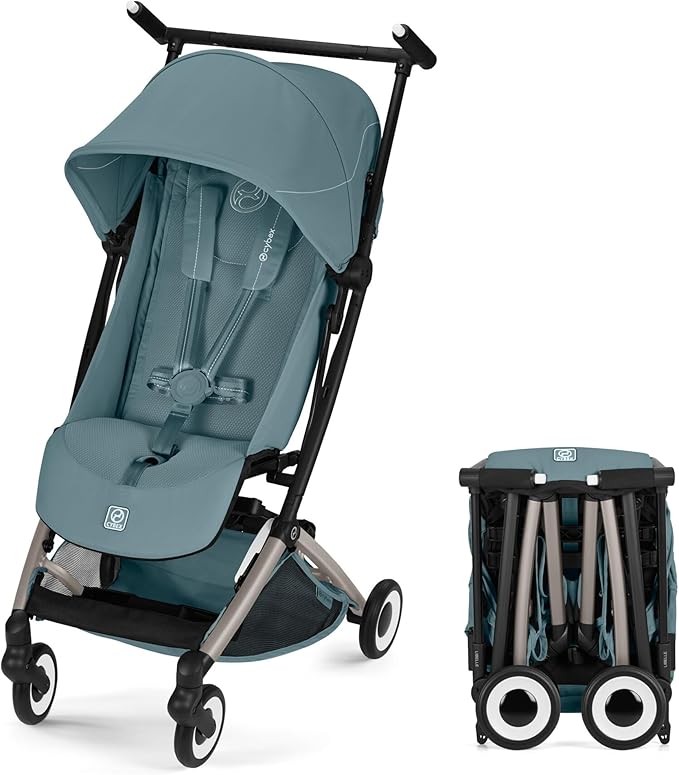
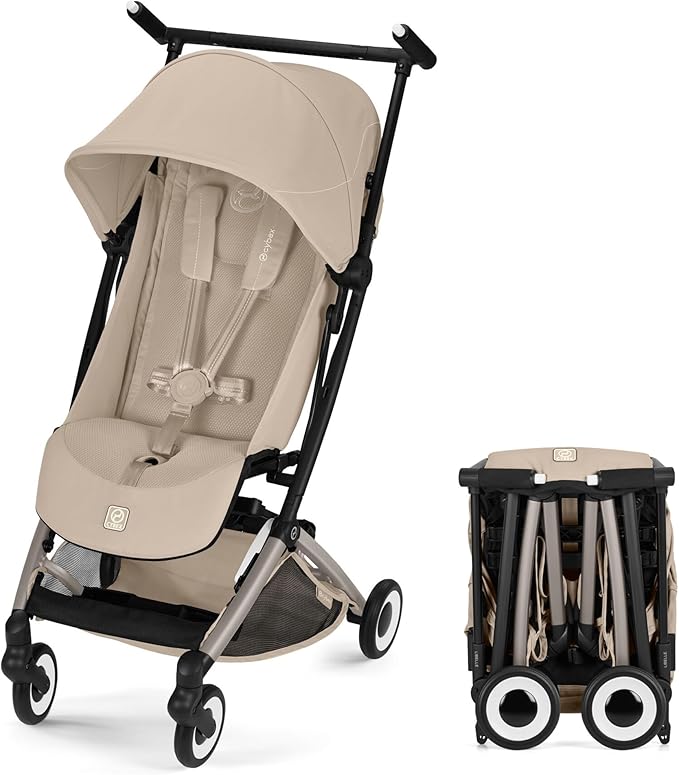
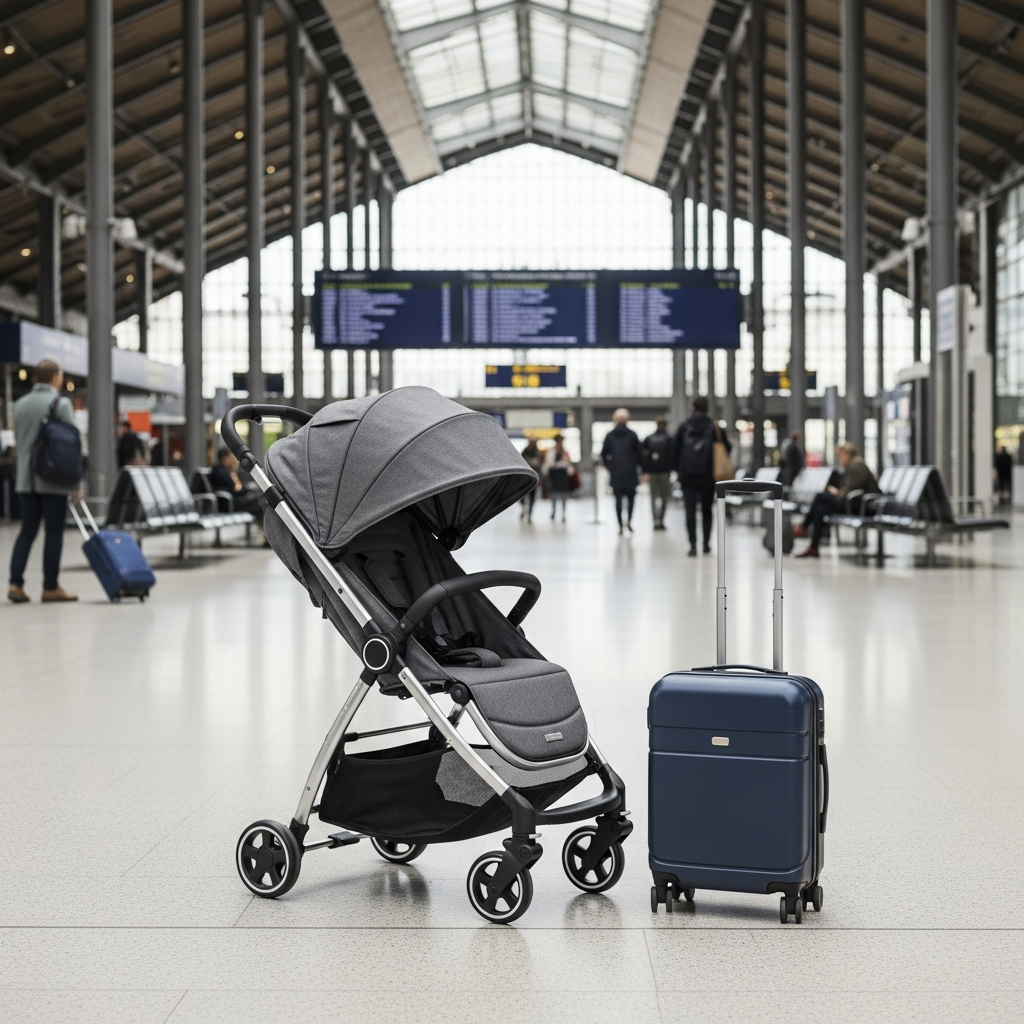
CYBEX Libelle 2026 folds to 48 cm × 32 cm × 20 cm for trains, small boots and flight connections. It is for children who can sit from around six months, up to 22 kg. The 6.3 kg weight excludes the canopy; cabin acceptance still depends on the airline and flight.
Pros
- The 48 cm × 32 cm × 20 cm fold is useful for small car boots and train luggage racks.
Cons
- The 6.3 kg stated weight excludes the canopy, which matters when carrying it or checking baggage weight.
- Rank #3 Our score: 9.64 / 10
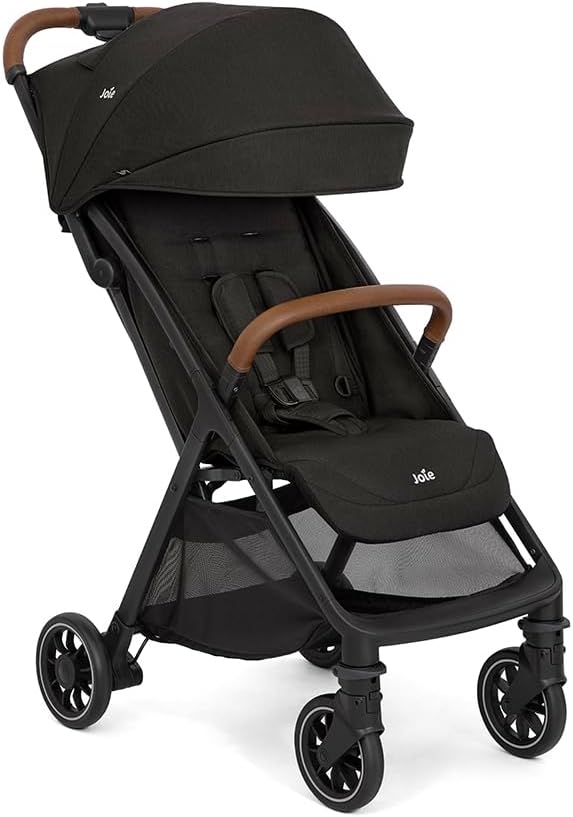
Joie Pact Pro
Joie Pact Pro is a compact stroller for families who want newborn-compatible travel use with a rain cover and carry bag in the listing. It is strongest as a small-fold city and trip stroller, with wheel comfort the main check.
Pros
- Newborn-compatible compact package works well for travel and small cars.
Cons
- Small travel-stroller wheels may feel less calm on rough pavement.
- Rank #4 Our score: 9.61 / 10
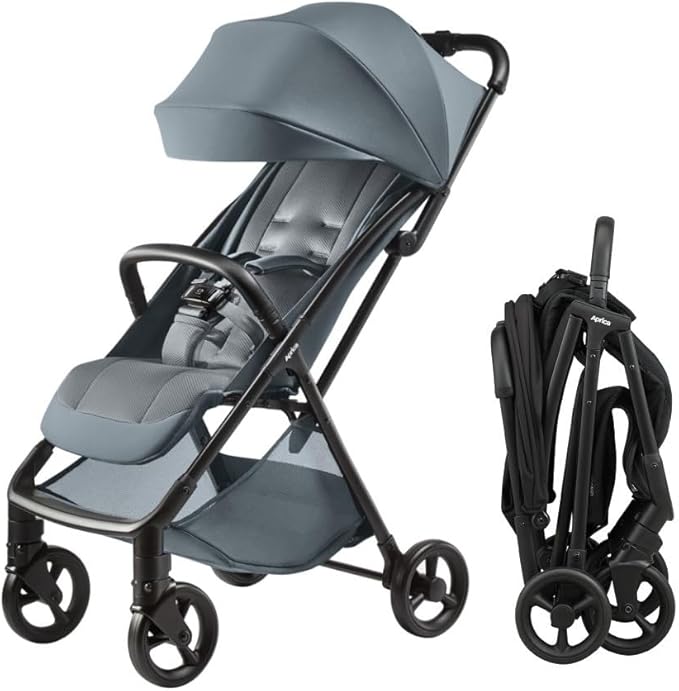
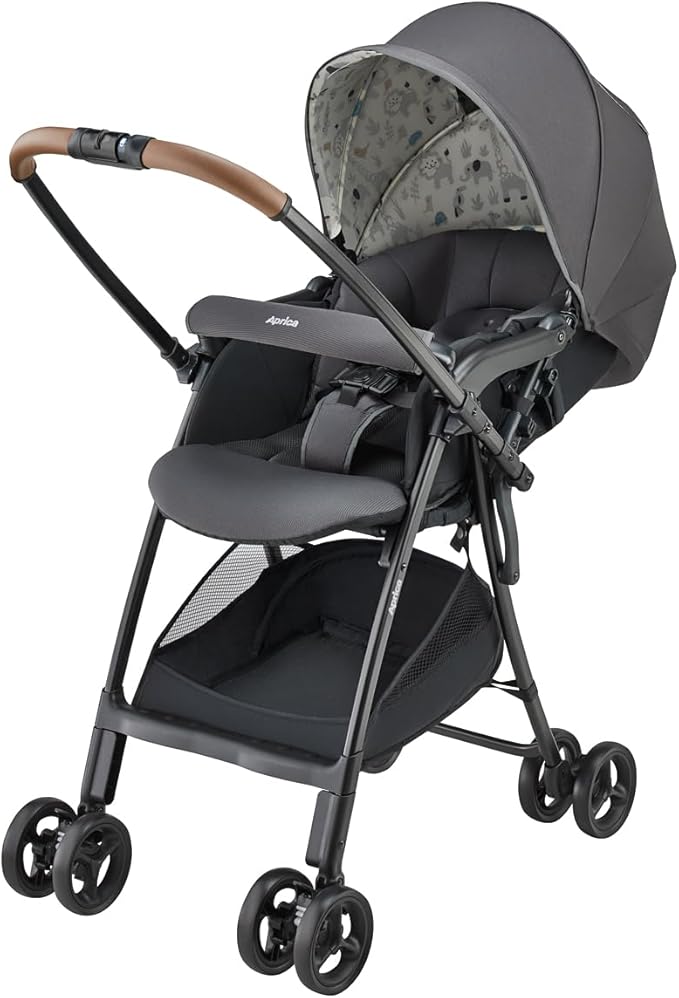
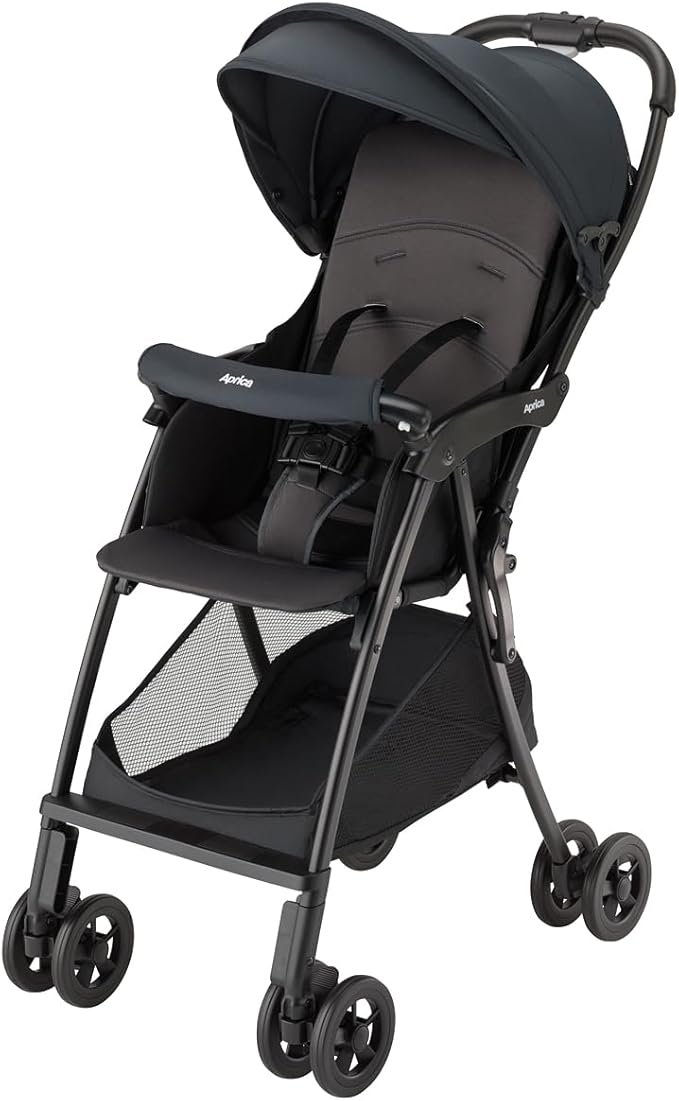
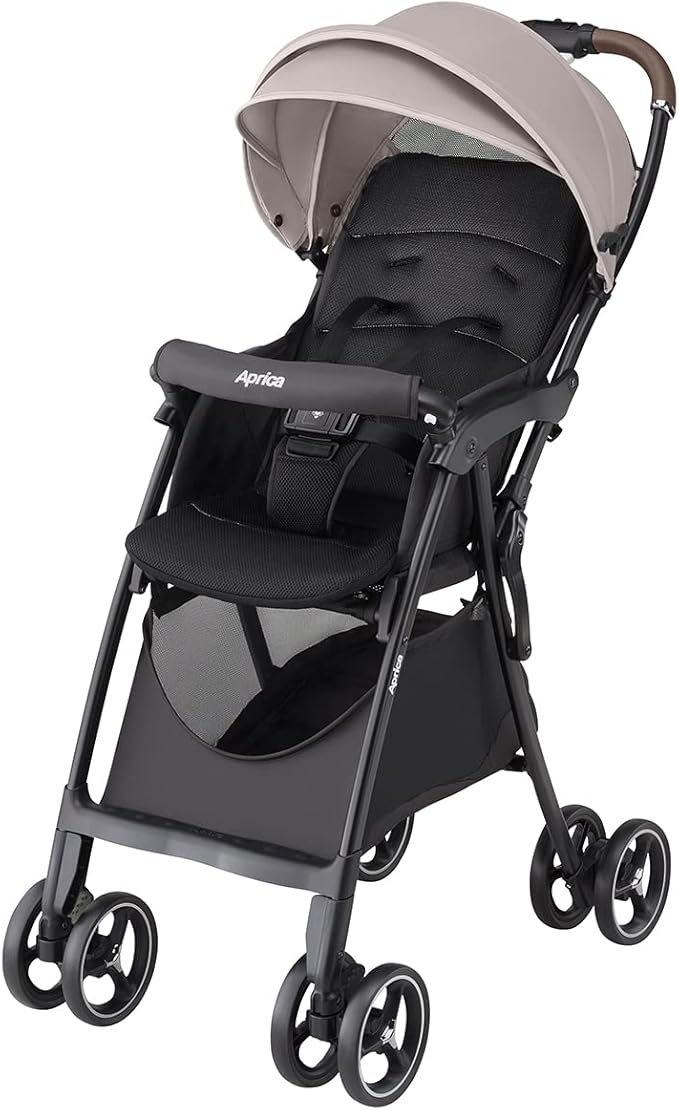
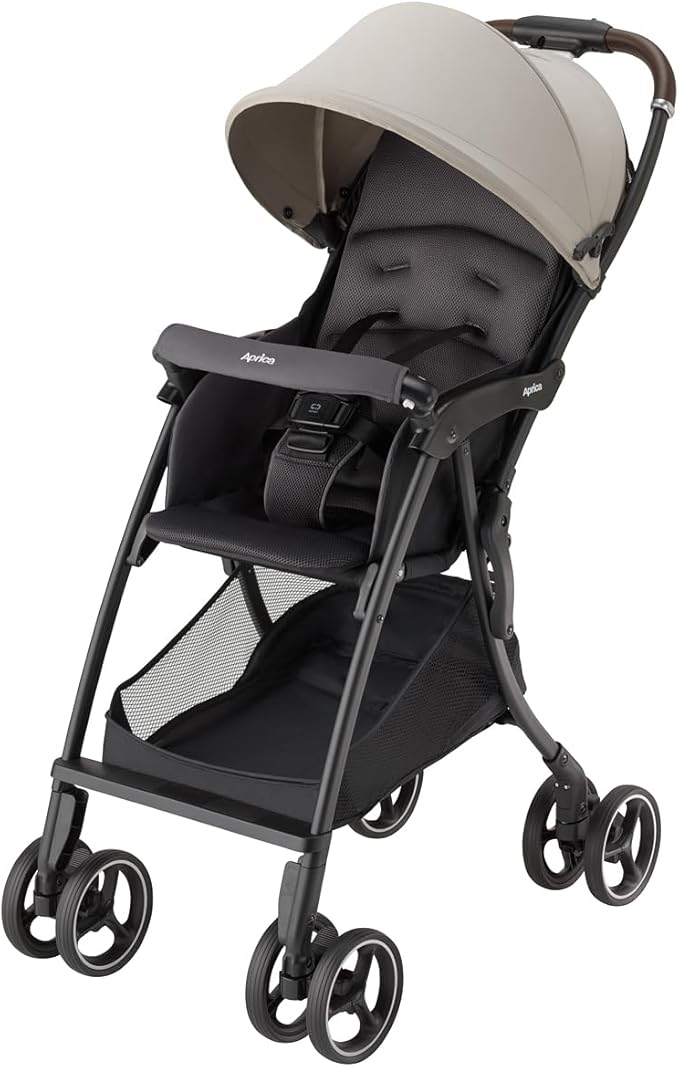
Aprica Viit AB
Aprica Viit AB suits a sitting child from about six months when one-hand automatic folding, a front-access basket and use toward age four matter more than newborn compatibility. Its stated 22 kg endpoint extends beyond the Japanese SG-mark scope above 18 kg, so treat that distinction as part of the fit decision.
Pros
- Automatic one-hand folding, a magnetic buckle and front-access basket reduce friction during everyday stops.
Cons
- It starts only once the child can sit, and use from 18-22 kg sits outside the stated SG-mark programme coverage.
- Rank #5 Our score: 9.58 / 10
Ergobaby Metro 3
Best: Premium
A compact-fold stroller whose newborn mode depends on using the seat in the manual’s specified position.
Ergobaby Metro 3 fits families who want a compact fold and a documented newborn setup in one stroller. It folds to 44 cm × 23 cm × 56 cm, but weighs 7.8 kg without the support bar. The manual allows up to 22 kg or 101.6 cm through 48 months and requires at least 3.2 kg; use carrycot mode at full recline before head control; carrycot mode is part of the seat, not a separate included bassinet. Plan breaks within the manual’s continuous-use guidance, and compare the weight with the stairs or transit you use most.
Pros
- The 44 cm × 23 cm × 56 cm fold is easier to store in a tight entryway or car boot than a full-size stroller.
Cons
- At 7.8 kg before the support bar, it may be awkward to carry up stairs every day.
- Rank #6 Our score: 9.52 / 10
Graco City Star GB
Graco City Star GB is a reversible A-type stroller for use from 1 to 36 months, up to approximately 15 kg. It weighs 4.3 kg, is 45.7 cm wide and folds to 45.7 cm × 36.7 cm × 87 cm. Its seven-position handle helps different caregivers find a grip and adjusts the stored shape. It is not for use from birth.
Pros
- The seven-position handle adjusts for different caregivers and for storage.
Cons
- Use begins at 1 month, not birth, and ends at 36 months or approximately 15 kg.
- Rank #7 Our score: 9.49 / 10
Combi Acbee plus AO
Combi Acbee plus AO is a B-type stroller from seven months for families prioritising a 28 L basket, washable mesh seat and 16 cm front wheels in daily city use. It is not a tiny cabin buggy, so check car storage and carrying distance.
Pros
- The 28 L basket, washable mesh seat and 16 cm front wheels are useful for everyday errands.
Cons
- Use starts at seven months, and no cabin-luggage dimensions are established.
- Rank #8 Our score: 9.43 / 10
Aprica Karoon Air AD
The Karoon Air AD is a 3.9 kg reversible A-type stroller built around easy carrying. It is a useful Japan shortlist option for trains, buses, and stairs, but heavier-duty everyday models may suit families carrying more gear or walking rougher routes.
Pros
- The 3.9 kg reversible frame is easier to lift through stations, buses, and apartment stairs than many full-size strollers.
Cons
- The light frame is less convincing when you regularly carry heavy shopping or push over rougher pavements.
- Rank #9 Our score: 9.41 / 10
Iris Plaza 88-1038 B-Type Stroller
Best: Affordable
Iris Plaza 88-1038 B-Type Stroller is a JP B-type travel stroller candidate for babies who are already ready for that lighter stroller stage. It suits station corridors, storage, and quick outings more than newborn pram use.
Pros
- The Iris Plaza 88-1038 is best framed as a low-cost B-type for quick outings and simple storage.
Cons
- Its appeal is basic convenience, so parents should not expect a plush ride or newborn-stage versatility.
- Rank #10 Our score: 9.41 / 10
Aprica Viit
Viit folds one-handed for train and car journeys from 7 months. Its seat accommodates up to about 22 kg, but use from 17-22 kg is outside Japan’s SG mark scheme.
Pros
- The 5.6 kg body weight, excluding the shoulder-belt covers and front guard, and one-hand fold suit trains, car boots and entrances where quick storage matters.
Cons
- It starts at 7 months, so another solution is needed for newborn transport.
- Rank #11 Our score: 9.39 / 10
Stokke YOYO3
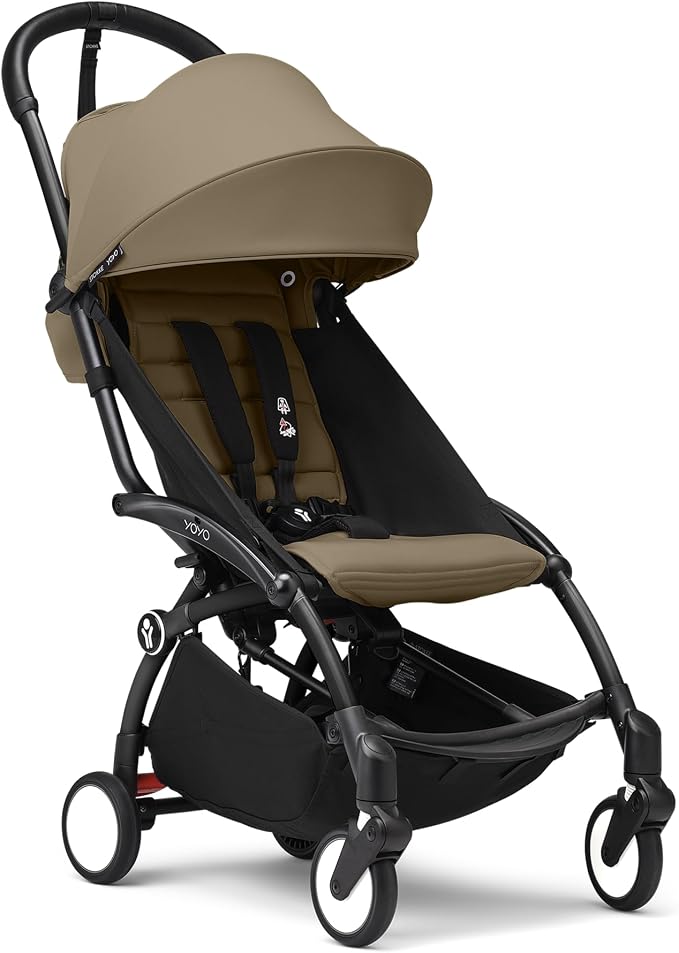
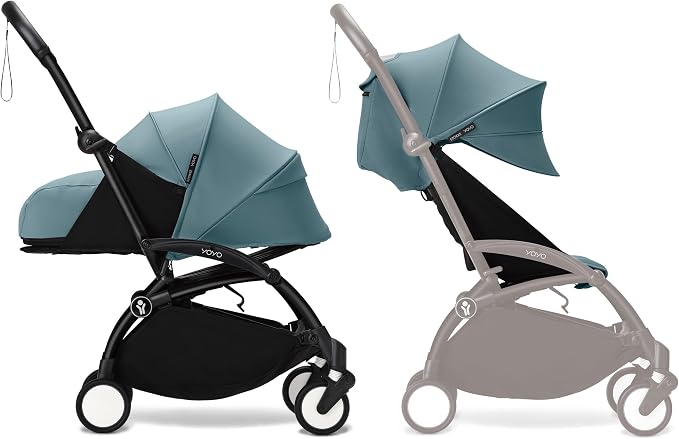
The Stokke YOYO3 (6+ configuration) is the premium travel stroller to compare when a 52 cm x 44 cm x 18 cm fold and a 6.2 kg complete weight decide the choice. The 6+ seat carries children from about six months to four years or 22 kg; newborn travel needs the separately sold 0+ newborn pack. Before buying, check the frame serial in Stokke's YOYO3 recall portal.
Pros
- The complete 6+ offer includes the seat fabric, canopy, and carrying strap.
Cons
- The 6+ seat is not for babies under six months; newborn equipment is separate.
- Rank #12 Our score: 9.39 / 10
BabyTrend Princeton B-Type Stroller
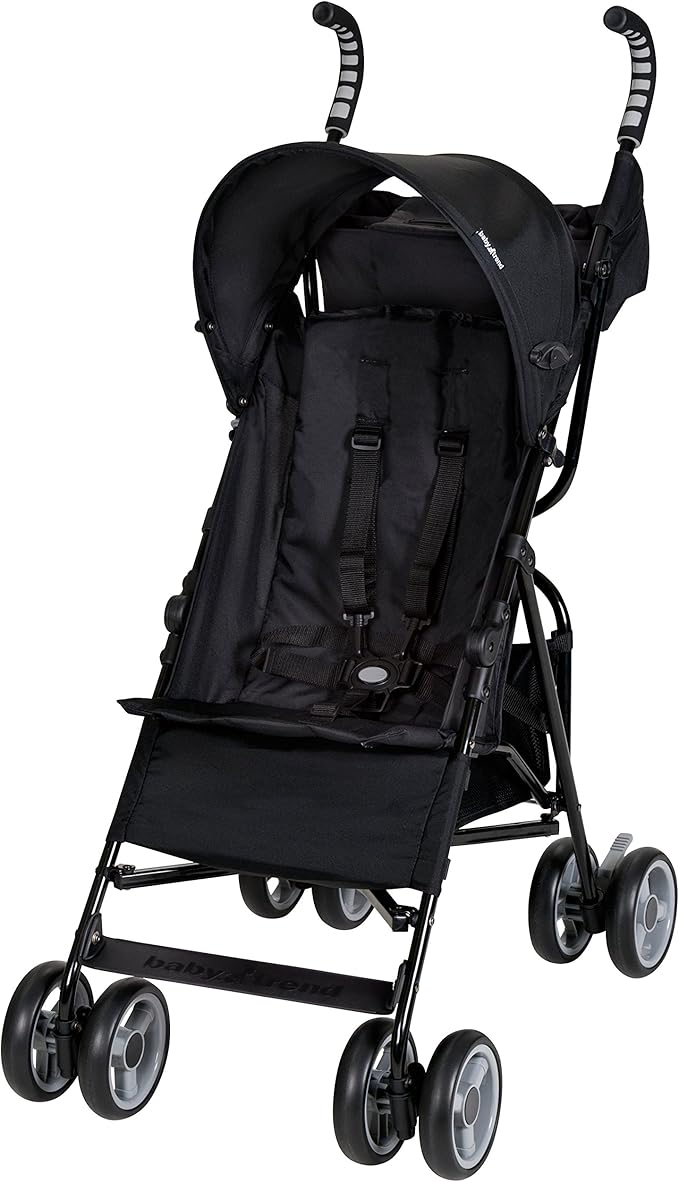
Baby Trend Princeton is the black Rocket Stroller, with a parent tray for two drinks, a storage basket, a five-point harness and foot-operated rear brakes. The manual limits the child to 22.5 kg or 101.6 cm; the basket and tray hold only 1.36 kg and 0.9 kg. The upright seat position is for children at least 6 months old.
Pros
- Two parent cup holders, a basket, a five-point harness and foot-operated rear brakes cover the small essentials for a short outing.
Cons
- The manual limits the basket to 1.36 kg and the parent tray to 0.9 kg; it allows the upright seat position only from 6 months.
- Rank #13 Our score: 9.37 / 10
Aprica Caloon Air Mesh AC
Aprica Caloon Air Mesh AC is a lightweight A-type stroller for parents who want travel-friendly handling without giving up the one-month-plus stage. It is best judged on fold, carry weight, and whether the compact frame is enough for daily naps.
Pros
- A-type newborn-ready format suits families who want one lightweight stroller from early infancy
Cons
- Still needs a live recline and basket check if it will replace a full-size stroller
- Rank #14 Our score: 9.36 / 10
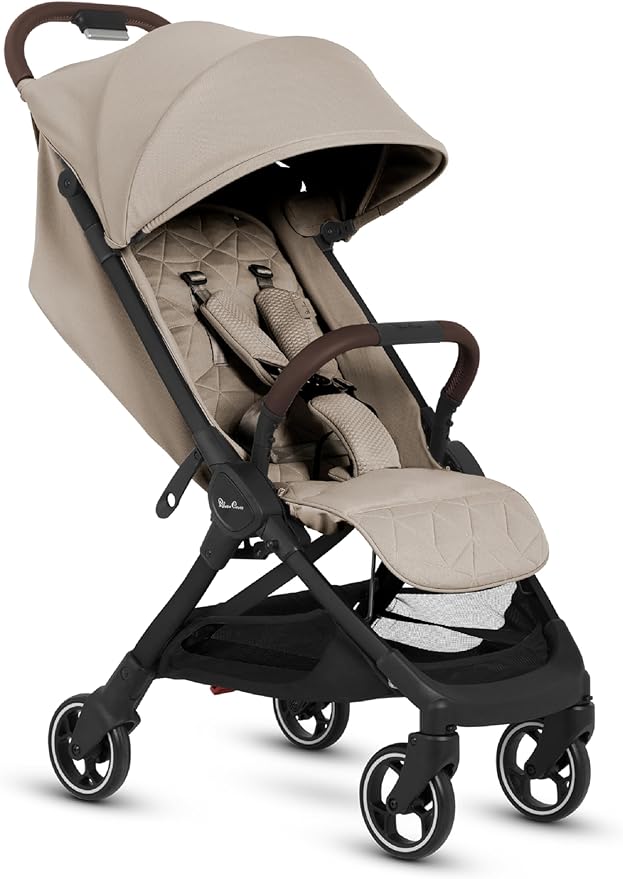
Silver Cross Clic
Silver Cross Clic is a premium compact stroller from birth for families prioritising a polished 5.9 kg carry and small fold. Its cabin claim must still be checked against the airline, and the small wheels trade rough-road comfort for portability.
Pros
- At 5.9 kg with a one-hand self-standing fold and pull-along mode, it is much easier to move through airports than a full-size premium pram.
Cons
- Compact wheels and basket space are weaker for broken roads and load-heavy everyday use, and cabin acceptance is carrier-specific.
- Rank #15 Our score: 9.33 / 10
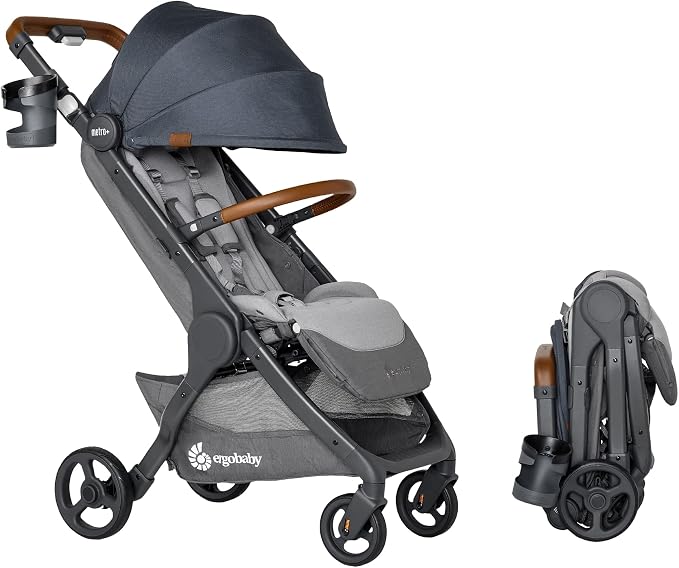
Ergobaby Metro+ Deluxe
Ergobaby Metro+ Deluxe weighs 8.3 kg with a 96-105 cm handle. The manual allows use from newborn to 22 kg or four years (up to 101.6 cm); newborns need the Newborn Nest, full recline, and harness. The basket limit is 2.2 kg, and the stroller is not for running.
Pros
- The 96-105 cm handle adjusts for adults of different heights.
Cons
- The basket carries only 2.2 kg; test whether that covers the daily load.
- Rank #16 Our score: 9.33 / 10
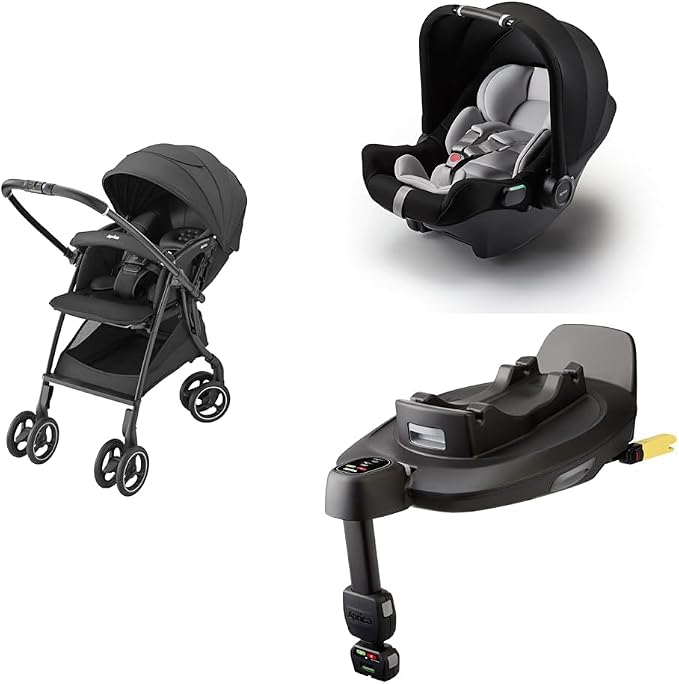
Aprica Luxuna Cushion AH Travel System Set
A compatible stroller, carrier and dedicated vehicle base in one set; check each component’s separate limits.
This three-piece set pairs the Luxuna Cushion AH stroller with the compatible AirCarry AC carrier and dedicated Travel System Base. The stroller is for 1–36 months/up to 15 kg; AirCarry AC has separate limits of 40-83 cm/up to 13 kg. Check both sets of limits and your vehicle’s base fit before buying.
Pros
- At 46 cm wide and 46 cm × 36.1 cm × 99.1 cm folded, the stroller gives you concrete door, elevator and storage dimensions to check.
Cons
- AirCarry AC has its own 40-83 cm and 13 kg limits; do not use the stroller’s 15 kg limit for the carrier.
- Rank #17 Our score: 9.33 / 10
Aprica Magical Air AI
Aprica Magical Air AI is the light B-type option for parents who carry the stroller through stations more often than they push over rough ground. It starts around 7 months, so it works as a compact second stroller rather than a newborn solution.
Pros
- The roughly 3.3 kg frame keeps lifting and carrying realistic for station-heavy days.
Cons
- Use starts around 7 months, so it does not replace a newborn-ready stroller.
- Rank #18 Our score: 9.33 / 10
Aprica Magical Air Cushion AD
Aprica Magical Air Cushion AD is the compact B-type to compare when you want low weight without giving up every comfort feature. It is a better fit for city errands after 7 months than for newborn naps or rough daily mileage.
Pros
- It keeps the Magical Air portability while adding more comfort focus than the bare-lightweight options.
Cons
- It still begins around 7 months, not from birth.
- Rank #19 Our score: 9.33 / 10
Aprica Magical Air Free AB
Aprica Magical Air Free AB is for families who want the lightweight Magical Air idea with easier side-to-side handling in tight shops and station corridors. It is still a 7-month-plus compact stroller, not a plush all-day newborn ride.
Pros
- Four-wheel-free handling helps when you need to slide or turn in crowded indoor spaces.
Cons
- It is a later-stage stroller, so newborn use needs a separate A-type or carrier plan.
- Rank #20 Our score: 9.33 / 10
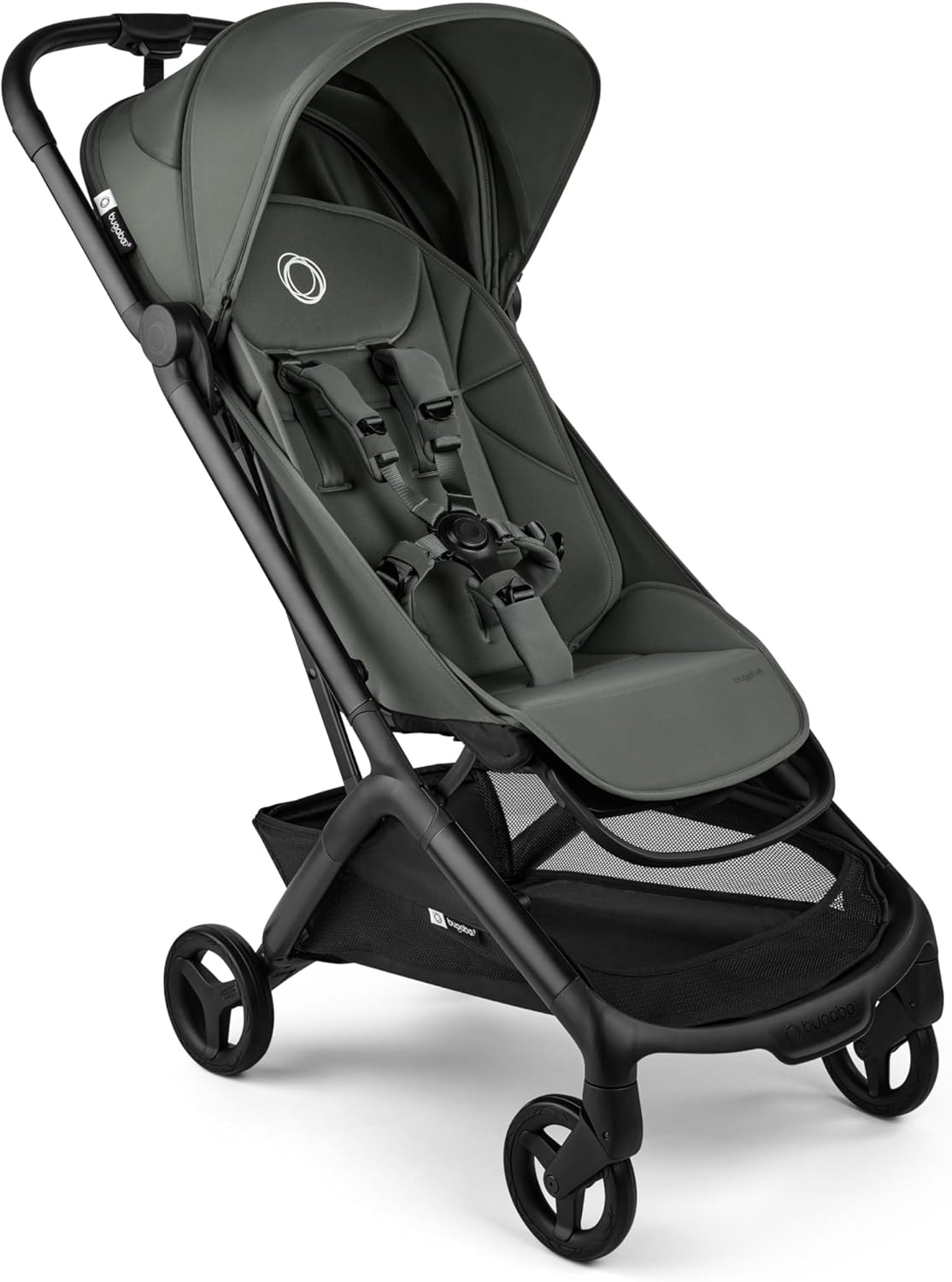
Bugaboo Butterfly 2
Bugaboo Butterfly 2 is a premium compact stroller with a one-second fold and fully reclined seat positioning suitable from birth, with the optional Baby Nest adding a dedicated soft space for parents who want a polished travel stroller.
Pros
- One-second fold and newborn support fit premium travel-stroller expectations.
Cons
- Premium compact positioning means price should be checked against alternatives.
- Rank #21 Our score: 9.33 / 10
Combi Acbee plus MA
Combi Acbee Plus MA is a lightweight B-type stroller for families who want a compact Japanese city buggy from about seven months. It fits errands, trains, and small storage better than newborn or rough-ground use.
Pros
- Light B-type frame is easy to carry through stations and shops.
Cons
- Later-stage start limits it for babies who still need newborn recline.
- Rank #22 Our score: 9.33 / 10
Combi Auto N First BN
Combi Auto N First BN is a travel-stroller candidate for families who want a compact fold without giving up from-birth or near-from-birth use. It is worth checking for station trips, car storage, and shorter outings, with wheel comfort as the main pre-buy question.
Pros
- The clearest reason to shortlist Auto N First BN is the rare compact-plus-A-type role: it can suit parents who need one stroller for early-baby use, station trips, and car storage.
Cons
- Its premium price needs a real use case: if the stroller will mostly handle older-baby errands, a simpler B-type or lower-priced compact may be enough.
- Rank #23 Our score: 9.33 / 10
Combi Auto N Second BQ
Combi Auto N Second BQ is a JP B-type travel stroller candidate for babies who are already ready for that lighter stroller stage. It suits station corridors, storage, and quick outings more than newborn pram use.
Pros
- Auto-close, self-standing fold helps when one adult is managing a child, bags, or a car boot.
Cons
- Starts after the newborn stage, so it should not replace a from-birth A-type stroller.
- Rank #24 Our score: 9.33 / 10
Combi F2 Plus AF
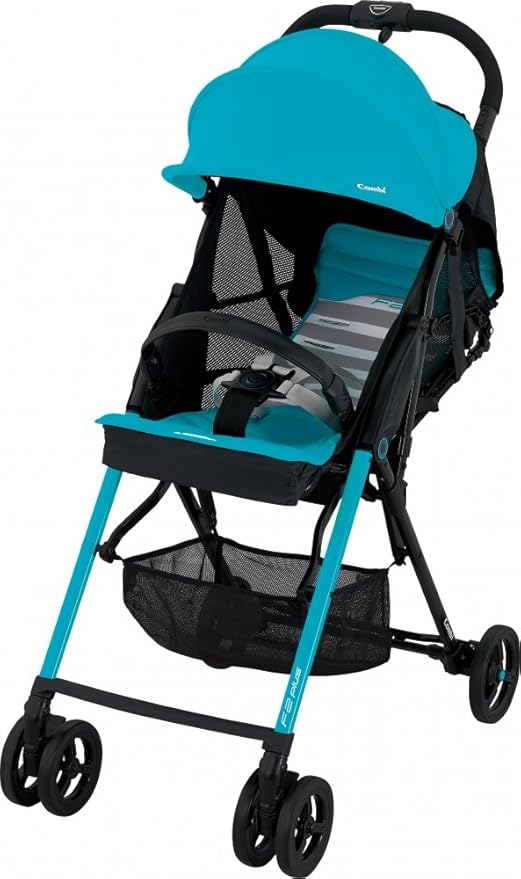
Combi F2 Plus AF suits families needing a 3.9 kg A-type stroller from one month for trains, stairs and narrow routes. Its 36-month/15 kg ceiling and lightweight frame serve a different job from larger everyday strollers designed for rougher routes and heavier children.
Pros
- The verified 3.9 kg full-equipped weight and one-hand layout suit public transport and frequent carrying.
Cons
- The slim lightweight frame gives up some rough-surface composure and carrying room compared with a heavier full-size stroller.
- Rank #25 Our score: 9.33 / 10
Combi Sugocal Egg Shock LA
The Sugocal Egg Shock LA is a lighter reversible A-type stroller for use from about 1 month. It makes sense for families juggling trains, stairs, and compact storage, but it is more of an urban carry-and-fold choice than a rough-ground stroller.
Pros
- The lighter reversible frame is useful when train stations, stairs, and carrying matter as much as the push.
Cons
- It prioritizes low weight and city handling, so it is not the strongest pick for rough paths or long everyday mileage.
- Rank #26 Our score: 9.33 / 10
Combi Sugocal EggShock LA
Combi Sugocal EggShock LA is a lightweight A-type stroller for parents who want one-month-plus use with easier lifting through stations, lifts, and car loading. Compare it on folded size, handle direction, and whether the lighter frame gives enough ride comfort.
Pros
- A-type one-month setup keeps it useful before the lighter B-type stroller stage.
Cons
- Confirm folded size, carry weight, and basket needs before choosing it for frequent stairs.
- Rank #27 Our score: 9.33 / 10
Combi Sugokaru L Compact Egg Shock
Combi Sugokaru L Compact Egg Shock is a travel-stroller candidate for families who want a compact fold without giving up from-birth or near-from-birth use. It is worth checking for station trips, car storage, and shorter outings, with wheel comfort as the main pre-buy question.
Pros
- Sugokaru L Compact Egg Shock is strongest for parents who want a compact A-type stroller from Combi without jumping straight to the highest price tier.
Cons
- It still needs a route check before replacing a larger everyday stroller: compact A-type convenience does not automatically mean rough-pavement comfort.
- Rank #28 Our score: 9.33 / 10
Combi THE S Go Egg Shock DQ
The seat reverses by removal; check the separate adapter and under-9-kg travel-system limit.
Combi’s THE S Go DQ starts at one month and supports up to 15 kg. The 5.4 kg listed weight excludes Dacco Seat α. The seat reverses by removing and turning it. Travel-system use needs a separate adapter, excludes several THE S seat generations and is limited to children under 9 kg; check your exact seat before buying.
Pros
- The frame is 50 cm wide; listed stroller weight is 5.4 kg excluding Dacco Seat α.
Cons
- Changing direction means removing and turning the seat.
- Rank #29 Our score: 9.33 / 10
Cybex Libelle 2026
Cybex Libelle 2026 is the ultra-compact Japan travel pick when folded size matters more than newborn use. It suits trains, taxis, and small entryways from about 6 months, but families needing a lie-flat first stroller should choose a newborn-ready model instead.
Pros
- Ultra-compact folding is the main reason to choose it for trains, car trunks, and apartment storage.
Cons
- It is not a newborn-first stroller, so families buying before 6 months need another solution.
- Rank #30 Our score: 9.33 / 10
Cybex Melio Carbon JP2
Cybex Melio Carbon JP2 suits families wanting from-birth A-type comfort with a lighter compact format for urban travel. Its premium price is justified only if ride feel, basket access and stored size matter more than a cheaper travel buggy.
Pros
- From-birth support and a light carbon-oriented frame make it more viable as an urban primary stroller.
Cons
- At a premium price, wheel reserve on rough pavements and basket usability deserve an in-person check.
- Rank #31 Our score: 9.33 / 10
Cybex Rivel JP2
Cybex Rivel JP2 is a JP B-type travel stroller candidate for babies who are already ready for that lighter stroller stage. It suits station corridors, storage, and quick outings more than newborn pram use.
Pros
- Cybex Rivel JP2 is the Cybex short-trip option for families who want compact storage after the newborn stage.
Cons
- Do not choose it as the plush Cybex answer for newborn comfort, long naps, or rough pavement.
- Rank #32 Our score: 9.33 / 10
Hauck Citi Neo 3
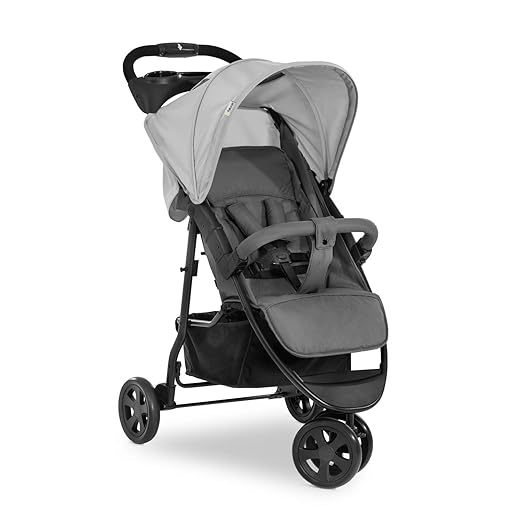
Three wheels and an included tray with cup holder give Hauck Citi Neo 3 a useful role on short city outings, while its canopy pocket and 3 kg basket keep small essentials close. Hauck lists a 25 kg total load, including 22 kg for the child, and a one-hand fold measuring 90 cm × 56.5 cm × 37 cm. The 56.5 cm folded width is the key check for a narrow boot or hallway.
Pros
- A one-hand fold, tray with cup holder, canopy pocket and 3 kg basket suit short city trips where small essentials need a place.
Cons
- The 25 kg total load includes 22 kg for the child and 3 kg for the basket; the 56.5 cm folded width and plastic wheels are worth weighing against your storage space and usual pavements.
- Rank #33 Our score: 9.33 / 10
Inglesina Quid3
Inglesina Quid3 is a compact travel stroller for families who often lift a buggy onto public transport, carry it upstairs, or store it in a small car boot. The Japanese specification lists 6.4 kg with the bumper bar removed; the integrated shoulder strap suits those routines. Choose it for carrying and storage convenience, and compare seat fit and ride with a full-size stroller for rough daily routes.
Pros
- The Japanese specification lists a 6.4 kg stroller weight with the bumper bar removed; its integrated shoulder strap helps on stairs and transit.
Cons
- Check the fold and seat fit in your intended configuration; compare a larger everyday stroller if this will be your only buggy or rough routes are routine.
- Rank #34 Our score: 9.33 / 10
Joie Air Skip Light
Joie Air Skip Light is a compact travel-stroller candidate for parents trying to reduce weight and storage friction on everyday trips. Treat it as a short-route or travel helper unless the folded size, seat support, and wheels also work for daily use.
Pros
- For Joie Air Skip Light, the 47 cm width suits ticket gates, small shops, apartment entries, and other tight daily routes.
Cons
- For Joie Air Skip Light, it is a simple compact stroller, so rough paths and long walks are better handled by stronger everyday models.
- Rank #35 Our score: 9.33 / 10
Joie Airskip Lite
Joie Airskip Lite is a lightweight stroller whose appeal is roughly 4 kg carry weight and a width that works well around ticket gates. It is useful for stairs and car loading, but treat it separately from a main stroller if you need rough-route stability or a roomier nap seat.
Pros
- Around-4 kg weight is useful for stairs, station gates, and car loading.
Cons
- Do not expect jogger-style stability or a large long-nap seat.
- Rank #36 Our score: 9.33 / 10
Joie Compact Pro
Joie Compact Pro is a travel-stroller candidate for families who want a compact fold without giving up from-birth or near-from-birth use. It is worth checking for station trips, car storage, and shorter outings, with wheel comfort as the main pre-buy question.
Pros
- Compact Pro is the value-led shortlist pick here: it keeps the compact, A-type, newborn-ready role without moving into the premium Cybex or Combi tier.
Cons
- The lower price does not remove the usual compact-stroller checks: recline setup, newborn support, and ride comfort matter if this will be the only stroller.
- Rank #37 Our score: 9.33 / 10
Katoji TOBERU Lightweight Stroller
Katoji TOBERU is a seven-month-plus compact stroller for families who want a lighter buggy with included rain cover and storage bag. The main check is whether the B-type stage and seat support match the child before using it as a travel stroller.
Pros
- Compact TOBERU fold with bag and rain cover suits trains, errands, and later-stage travel.
Cons
- Seven-month-plus use and shallow recline make it unsuitable for newborn-first stroller duty.
- Rank #38 Our score: 9.33 / 10
Katoji TOBERU
Katoji TOBERU is a lightweight compact B-type option from about 7 months. It is easy to consider as a second stroller with rain cover and storage bag included, but it is not a newborn main stroller.
Pros
- Light B-type role with included cover and bag suits second-stroller use.
Cons
- Not for newborn-first coverage; use it after the stated sitting stage.
- Rank #39 Our score: 9.33 / 10
Pigeon Bingle BB4
Pigeon Bingle BB4 is a Japan-focused B-type stroller for families who want a light city buggy but still care about seat posture and everyday handling. It is best after the sit-up stage; newborn-first families should start elsewhere.
Pros
- The Bingle line is built around Japan city use, with low weight and compact storage as the main strengths.
Cons
- It is not the answer for families needing from-birth use.
- Rank #40 Our score: 9.33 / 10
Pigeon Bingle BB5
Pigeon Bingle BB5 is for families looking for a light-pushing B-type stroller. Use to around 48 months is appealing, but it is not a newborn-first main stroller; it fits parents who want easier outings after the sitting stage.
Pros
- Light B-type handling works for post-sitting errands through stations and shops.
Cons
- Not a newborn stroller; confirm B-type timing and seat support first.
- Rank #41 Our score: 9.33 / 10
Stokke YOYO3 Newborn and 6+ Set
Stokke YOYO3 Newborn and 6+ Set puts a parent-facing newborn pack and forward-facing 6+ seat on one compact chassis. Airline acceptance depends on the fitted pack, folded dimensions and each carrier's rules. Some YOYO³ frames may have a parking-brake issue; check the serial with Stokke before buying or use.
Pros
- Both newborn and 6+ packs are included, avoiding a second chassis when the child moves to the seated stage.
Cons
- Some YOYO³ frames may have a parking-brake issue; check the serial with Stokke, and stop use if affected.