Best Car Seats in Poland 2026
This shortlist starts with the child's fit and current stage. Filter by stage first, then compare only the models that still match the child's real height, your car, and the way you actually use that seat. Exact limits are shown on each card.
Why are scores between 9 and 10?
This is a curated shortlist of strong picks, not a full best-to-worst ranking. Small score gaps usually mean we have slightly more evidence for one model than another, not that the lower-scoring option is a poor choice.
So this is just another affiliate roundup with an arbitrary order?
No. We make these lists good enough that we use them ourselves and recommend them to friends and family. We turn the kind of research careful parents would normally do by hand into a repeatable process. Then we compare the evidence across the markets we cover and rank products with a model that gives more weight to stronger signals instead of simple averages or a fully hand-picked order based purely on editorial preference.
Affiliate Disclosure
We use affiliate links and ads to finance this website. As an Amazon Associate I earn from qualifying purchases.

- Rank #1 Our score: 9.77 / 10
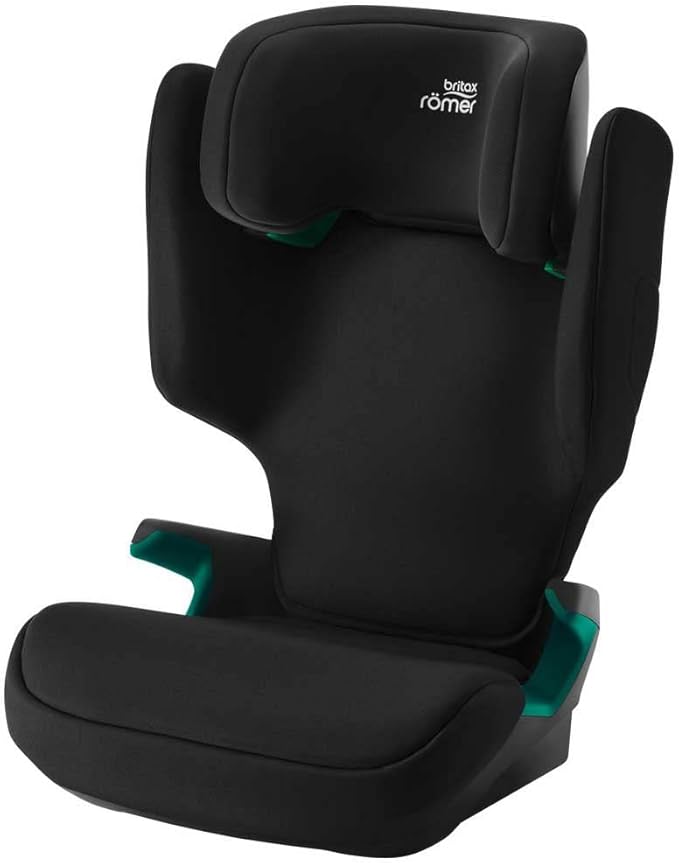
Britax Römer Adventure Plus 2
Best: Mid-range
From 100 cm, up to 150 cm (~3.5-12 years).
Best if you want a well-known high-back booster for everyday use over several years. The tradeoff is that it is a pure booster seat, so it only makes sense once your child is genuinely ready for the 100-150 cm stage.
Pros
- Adventure Plus 2 is one of the cleaner booster buys if your car does not have ISOFIX, because the whole seat is built around straightforward belt-fit high-back use rather than pretending to solve earlier stages.
Cons
- It is still a pure booster seat, so this only works once your child is genuinely ready for 100-150 cm use.
- Rank #2 Our score: 9.73 / 10
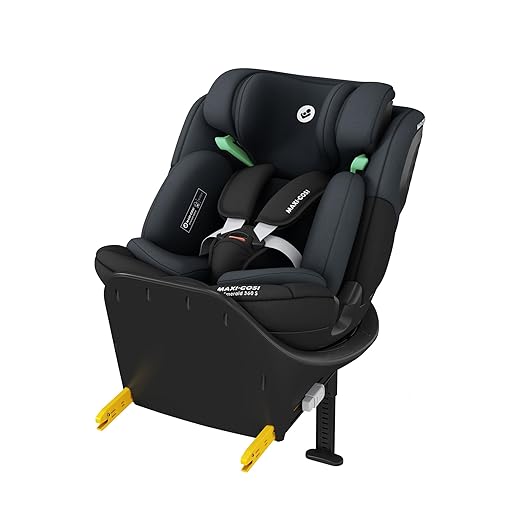
Maxi-Cosi Emerald 360 S i-Size
Best: Rotation
From newborn, up to 150 cm (~newborn to 12 years).
Maxi-Cosi Emerald 360 S i-Size is the comfort-led all-stage option when rotation and a long 40-150 cm span are the main reasons to buy one seat. It fits a main family car better than frequent seat swapping.
Pros
- The 40-150 cm span plus 360-degree loading makes it a strong one-seat plan for a main family car.
Cons
- The broad all-stage shell is bulky, so it is a poor fit if you move seats between cars often.
- Rank #3 Our score: 9.71 / 10
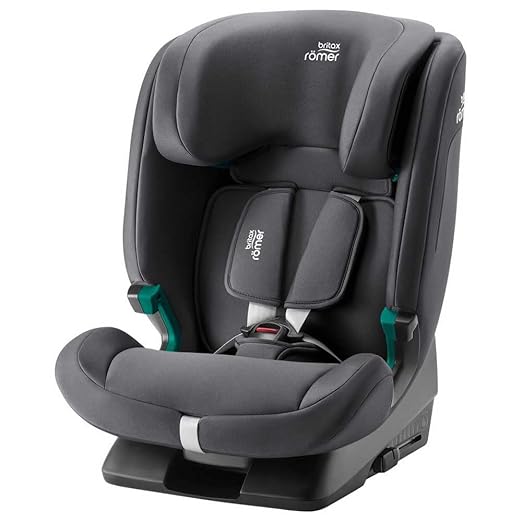
Britax Römer EvolvaFix
From 76 cm, up to 150 cm (~15 months to 12 years).
Britax Romer Evolvafix is a 76-150 cm i-Size seat for parents who want a toddler-to-booster path from one established brand. Confirm installation mode, recline needs, and row width before buying.
Pros
- The main reason to buy EvolvaFix is the long 76-150 cm span with a proper harness phase first, which makes it a cleaner follow-on seat than a pure booster.
Cons
- There is no rear-facing stage, so it only makes sense if your child is genuinely past that part of the journey.
- Rank #4 Our score: 9.68 / 10
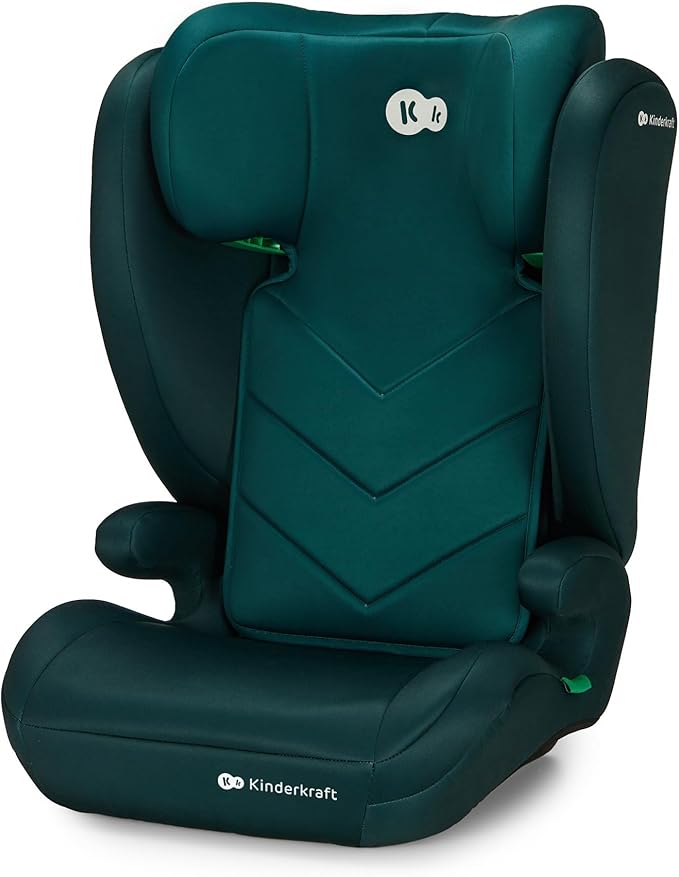
Kinderkraft I-SPARK i-Size
Polish brand
Best: Affordable
From 100 cm, up to 150 cm (~3.5-12 years).
Kinderkraft I-SPARK i-Size is the simple lightweight booster choice for older children in the 100-150 cm range. It makes most sense as a practical second-car or travel-friendly high-back seat, not as a comfort-first premium booster.
Pros
- Light weight and belt installation make it easy to move between cars.
Cons
- It is a simpler booster, so comfort and side structure are less substantial than on heavier premium seats.
- Rank #5 Our score: 9.64 / 10
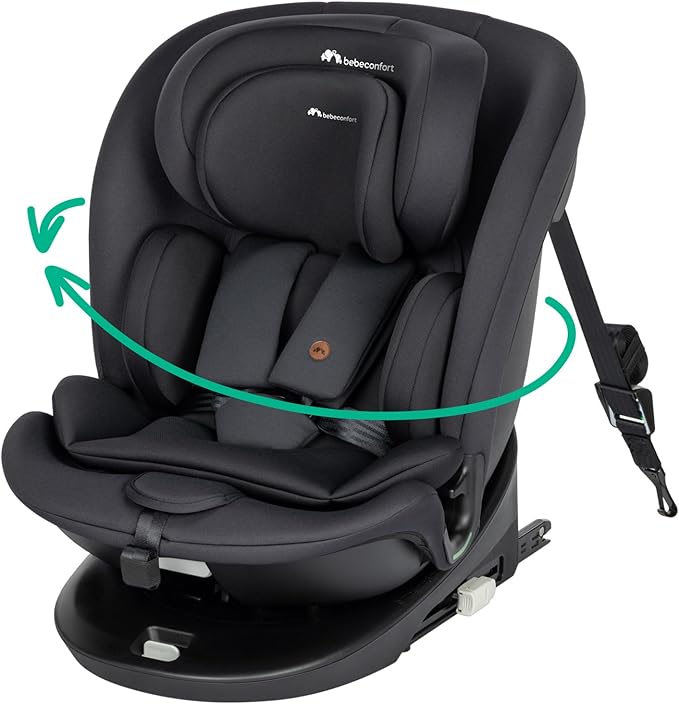
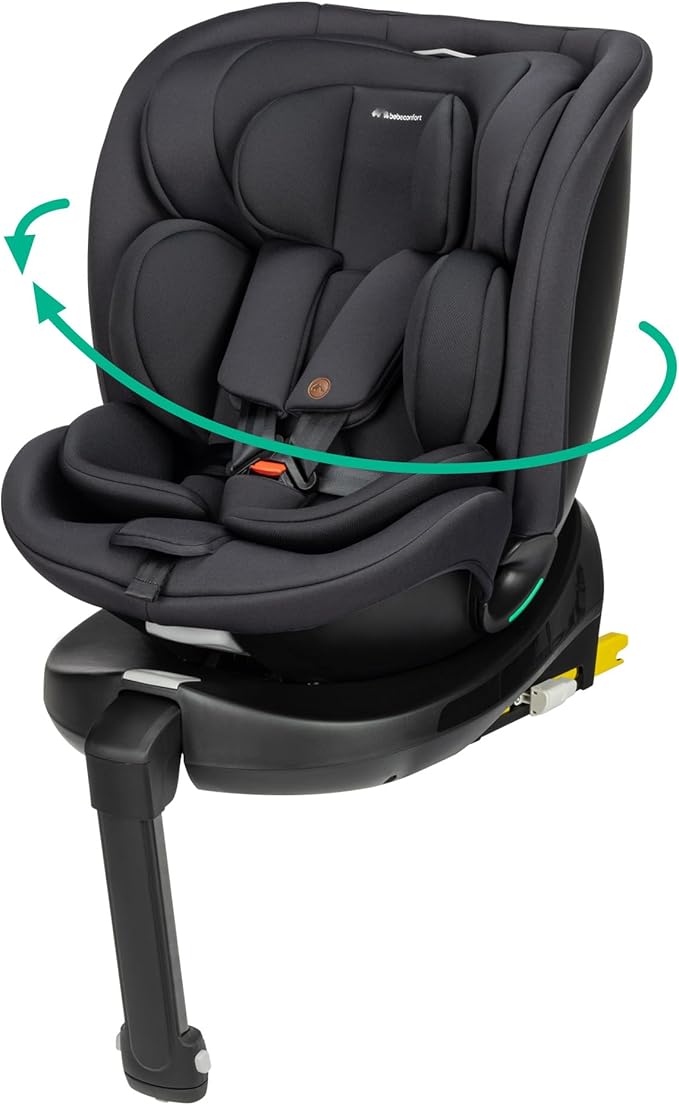
Bebeconfort RevolveFix 360 i-Size
From 40 cm, up to 150 cm (~newborn to 12 years).
Best if you want one rotating ISOFIX seat that covers the whole journey from newborn through booster years without stepping up to premium pricing. The tradeoff is a bulky all-stage shell that makes more sense as a fixed everyday install than as a seat you move often.
Pros
- A very easy all-stage buy to justify if you want one rotating i-Size seat from birth through booster years without paying for a more premium system.
Cons
- The bulky shell is the real tradeoff, so it is a better fixed everyday install than a seat you expect to move between cars often.
- Rank #6 Our score: 9.59 / 10
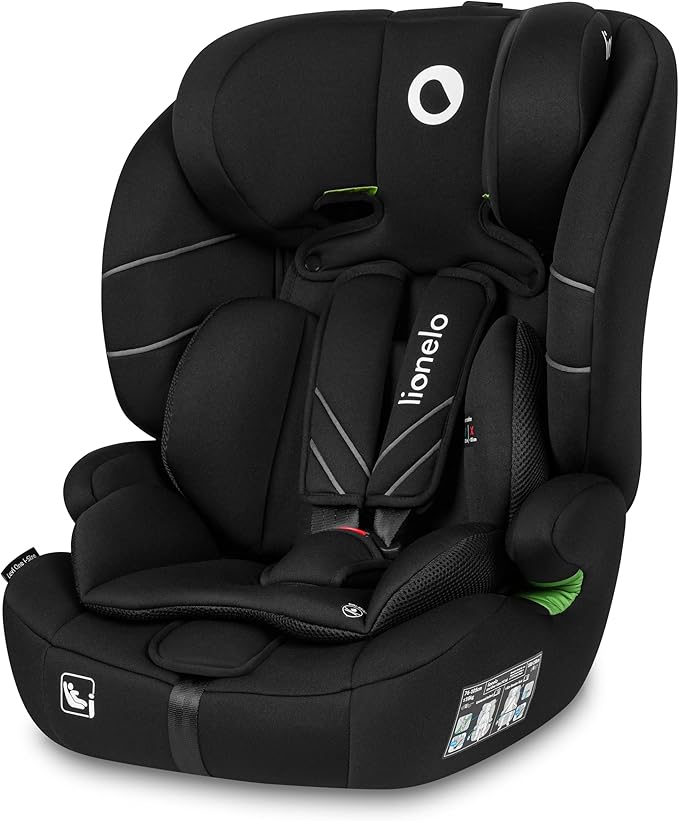
Lionelo Levi One i-Size
Polish brand
From 76 cm, up to 150 cm (~15 months to 12 years).
Best if you want a cheap forward-facing-only seat that covers both the 76-105 cm harness stage and the 100-150 cm booster stage without ISOFIX. The tradeoff is that it is a simpler belt-installed package, so it feels less confidence-inspiring than stronger brand rivals.
Pros
- Levi One i-Size solves a real budget problem by covering both the later harness stage and the booster stage in one forward-facing seat that works in cars without ISOFIX.
Cons
- This is a forward-facing-only seat, so it is only appropriate once rear-facing is genuinely behind you and the child is past 15 months.
- Rank #7 Our score: 9.57 / 10
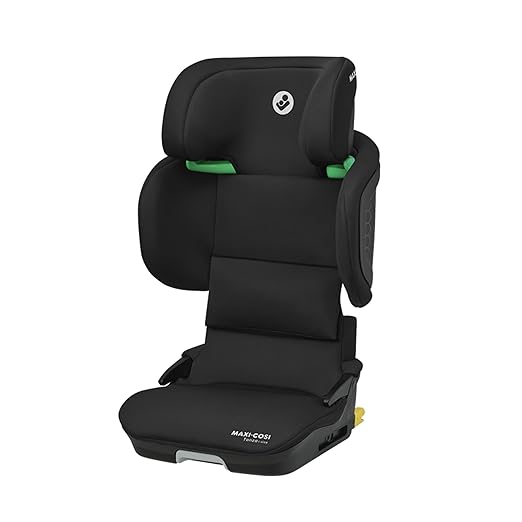
Maxi-Cosi Tanza i-Size
High-back booster, 100-150 cm; vehicle three-point belt required.
The Maxi-Cosi Tanza i-Size folds for storage between car journeys and covers the 100-150 cm high-back booster stage. It always uses the vehicle’s three-point belt to restrain the child; ISOFIX is optional. Choose it for a child who can keep that belt correctly positioned, not as a replacement for an outgrown baby seat.
Pros
- The backrest folds down for carrying and storing the seat between journeys.
Cons
- There is no internal harness: the child must fit the 100-150 cm range and sit correctly throughout the journey.
- Rank #8 Our score: 9.55 / 10
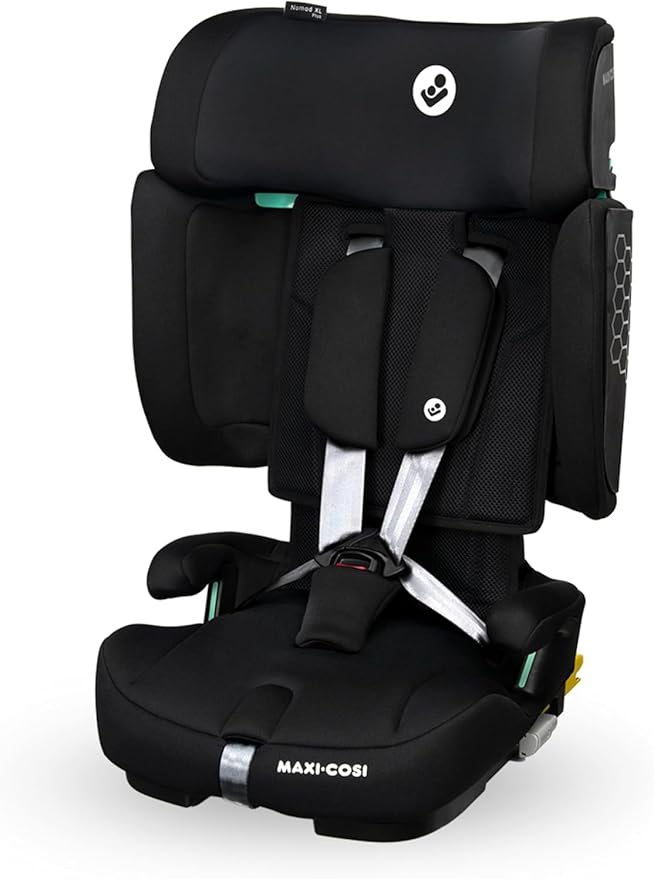
Maxi-Cosi Nomad XL Plus
Forward-facing only: harness 76-105 cm/18 kg; booster 100-150 cm/36 kg; from 15 months.
The Maxi-Cosi Nomad XL Plus folds for transport and covers two forward-facing stages from at least 15 months and 76 cm. Its 76-105 cm harness mode is limited to 18 kg and requires ISOFIX plus Top Tether; only the later 100-150 cm booster can use the vehicle belt alone. Check the destination car before booking a taxi or rental.
Pros
- Folds into its included travel bag, with a later 100-150 cm booster mode up to 36 kg.
Cons
- Harness use requires ISOFIX and Top Tether and ends at 105 cm or 18 kg; it is not a belt-installed toddler travel seat.
- Rank #9 Our score: 9.54 / 10
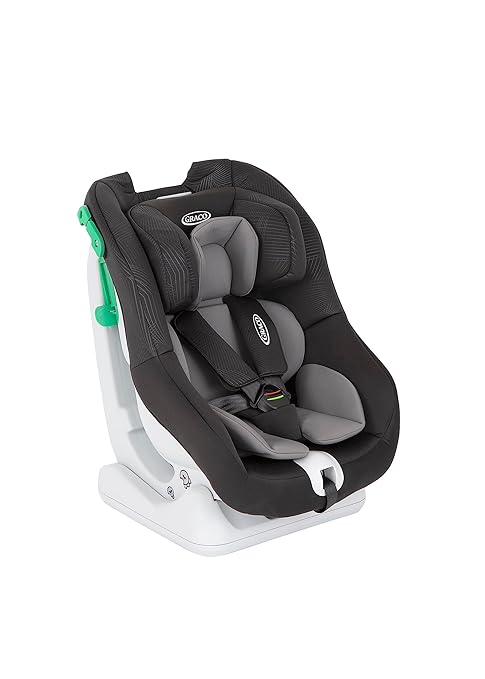
Graco Extend LX R129 Reboarder
Best: Extended rear-facing
Rear-facing 40-105 cm; forward-facing 76-105 cm after 15 months; both modes up to 18 kg.
Graco Extend LX R129 is a convertible seat for rear-facing use from 40-105 cm and forward-facing use from 76-105 cm only after 15 months. Both modes have an 18 kg maximum and require a compatible retractable three-point vehicle belt. It has no ISOFIX installation or swivel. The two directions overlap in height, so reaching 76 cm does not by itself mean you must turn the seat. Check the child’s height and weight and follow the manual for the selected direction.
Pros
- Rear-facing use continues through 105 cm, and the convertible seat also offers a defined forward-facing harness mode.
Cons
- Both directions are limited to 18 kg; forward-facing use is only for 76-105 cm after 15 months.
- Rank #10 Our score: 9.53 / 10
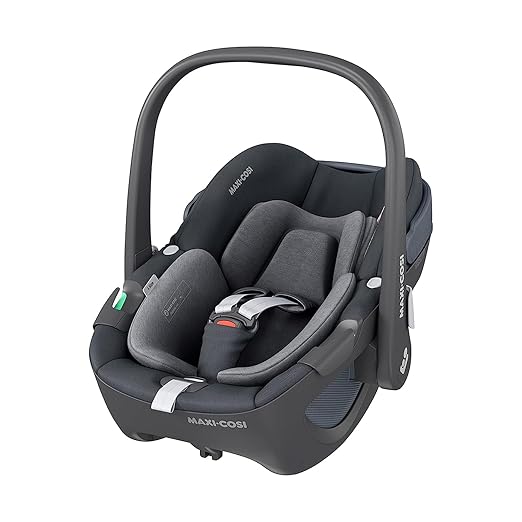
Maxi-Cosi Pebble 360 i-Size
From newborn, up to 83 cm (~newborn to 15 months).
Maxi-Cosi Pebble 360 i-Size is the stronger fit when you want an infant carrier inside Maxi-Cosi’s rotating 360 system. Confirm the FamilyFix 360 base plan before buying, because the rotation benefit depends on that ecosystem.
Pros
- The official Maxi-Cosi page supports the 40-83 cm infant range and the rotating FamilyFix 360 system role.
Cons
- It is a premium ecosystem choice rather than a long-use all-in-one seat, so the base and next-stage seat plans matter.
- Rank #11 Our score: 9.52 / 10
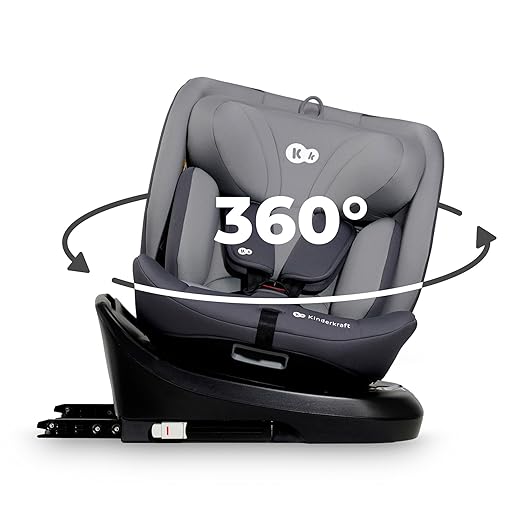
Kinderkraft I-GROW i-Size
Polish brand
40-150 cm; rear-facing to 105 cm. Installation changes at booster stage.
The Kinderkraft I-GROW i-Size combines rear-facing use from 40-105 cm with a later 100-150 cm booster mode. Its rotation helps with getting a child in, but the harness stages require both ISOFIX and a top-tether anchor: check those fittings before choosing it for your car.
Pros
- Rear-facing use remains available to 105 cm; reaching 76 cm does not require turning the seat forward.
Cons
- The harness modes require ISOFIX and Top Tether; a three-point belt alone cannot install those modes.
- Rank #12 Our score: 9.52 / 10
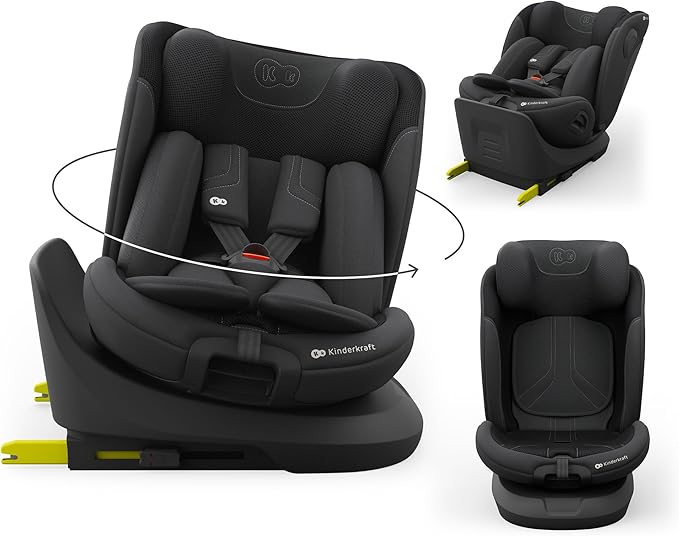
Kinderkraft I-Grow 2 Pro
Polish brand
From 40 cm, up to 150 cm (~newborn to 12 years).
Best if you want a rotating ISOFIX seat with rear-facing to 105 cm and one shell to cover the full journey. The tradeoff is the size and weight typical of a 40-150 cm all-stage seat, so it works best as a main install.
Pros
- Rear-facing to 105 cm, rotation, and full 40-150 cm coverage make it easier to justify if you want one seat for the long family haul.
Cons
- That do-everything brief still creates a large seat that works best as a permanent main install rather than a frequent swap.
- Rank #13 Our score: 9.45 / 10
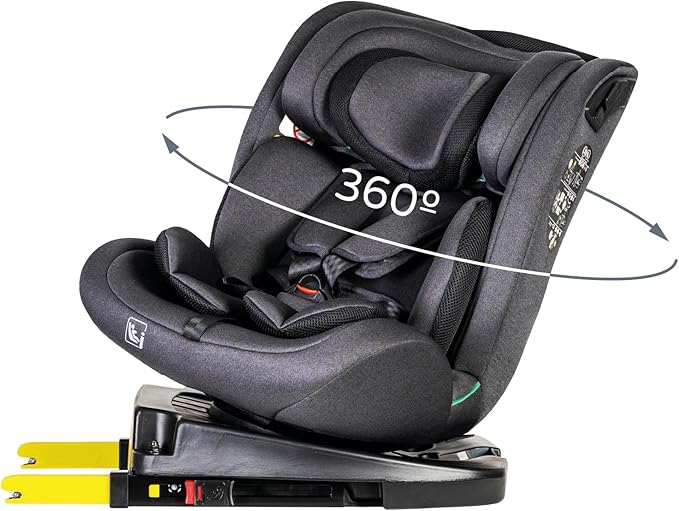
MS Corfú i-Size
From 40 cm, up to 150 cm (~newborn to 12 years).
Best if you want a lower-cost rotating ISOFIX seat with rear-facing use to 18 kg and enough range to stay in the shortlist through booster years. The tradeoff is that the overall finish and brand confidence sit below the more established leaders.
Pros
- The strongest reason to consider it is value-led rotation: you get ISOFIX, swivel convenience, and a real rear-facing phase without paying premium-brand prices.
Cons
- The lower price comes with weaker brand confidence and a less polished overall package than the category leaders.
- Rank #14 Our score: 9.44 / 10
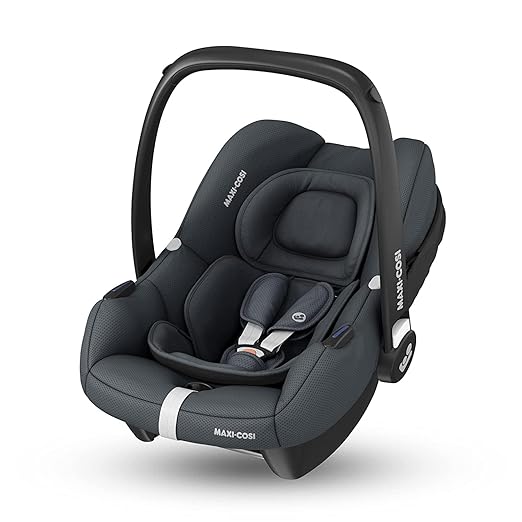
Maxi-Cosi CabrioFix i-Size
From 40 cm, up to 75 cm (~newborn to 15 months).
Best for families who want a very light infant carrier that is easy to carry, belt-install, or click onto a compatible pushchair. The tradeoff is that it only covers the first stage, so it is a strong infant seat rather than a one-seat plan.
Pros
- Very light carryable shell is easy to justify if you want a simpler infant travel-system seat.
Cons
- It only covers the infant period, so it is not a one-seat plan.
- Rank #15 Our score: 9.36 / 10
Bebeconfort RevolveFix Plus 360 i-Size
From 40 cm, up to 150 cm (~newborn to 12 years).
Best if you want the same 360 all-stage idea with a support leg and a bit more recline adjustability. The tradeoff is still the size and weight of a long-span seat, so it suits one main car better than constant swapping.
Pros
- RevolveFix Plus makes a cleaner case than many cheap all-stage seats because the full 360 rotation, support leg, and broader recline range make the everyday-use story feel more complete.
Cons
- It is still a large 40-150 cm seat, so it makes much more sense as a fixed main-car installation than as something you move often between cars.
- Rank #16 Our score: 9.33 / 10
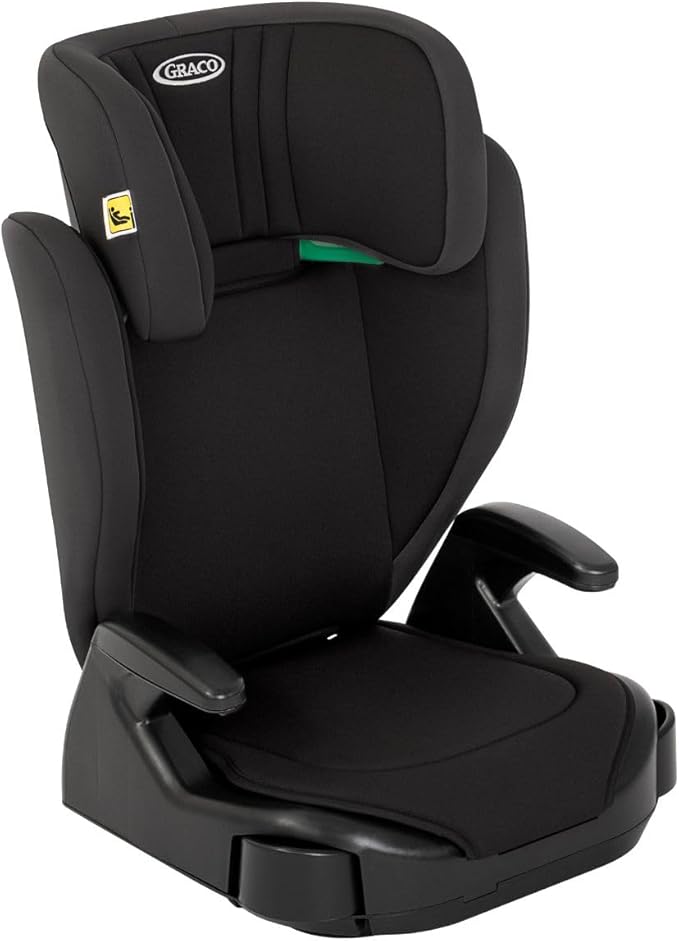
Graco Junior Maxi i-Size
From 100 cm, up to 150 cm (~3.5-12 years).
Graco Junior Maxi i-Size is a light high-back booster for families who want a low-fuss later-stage seat. It is a sensible spare-car or grandparent-car option once the child is already ready for a 100-150 cm booster.
Pros
- Lightweight construction makes it easier to swap between cars than heavier boosters.
Cons
- It is a simple booster, not a comfort-first premium seat.