Best Balance Bikes in Australia 2026
The best balance bikes for families who want to help a child practise balance, steering, and independent riding before a pedal bike becomes the right next step.
Why are scores between 9 and 10?
This is a curated shortlist of strong picks, not a full best-to-worst ranking. Small score gaps usually mean we have slightly more evidence for one model than another, not that the lower-scoring option is a poor choice.
So this is just another affiliate roundup with an arbitrary order?
No. We make these lists good enough that we use them ourselves and recommend them to friends and family. We turn the kind of research careful parents would normally do by hand into a repeatable process. Then we compare the evidence across the markets we cover and rank products with a model that gives more weight to stronger signals instead of simple averages or a fully hand-picked order based purely on editorial preference.
Affiliate Disclosure
We use affiliate links and ads to finance this website. As an Amazon Associate I earn from qualifying purchases.
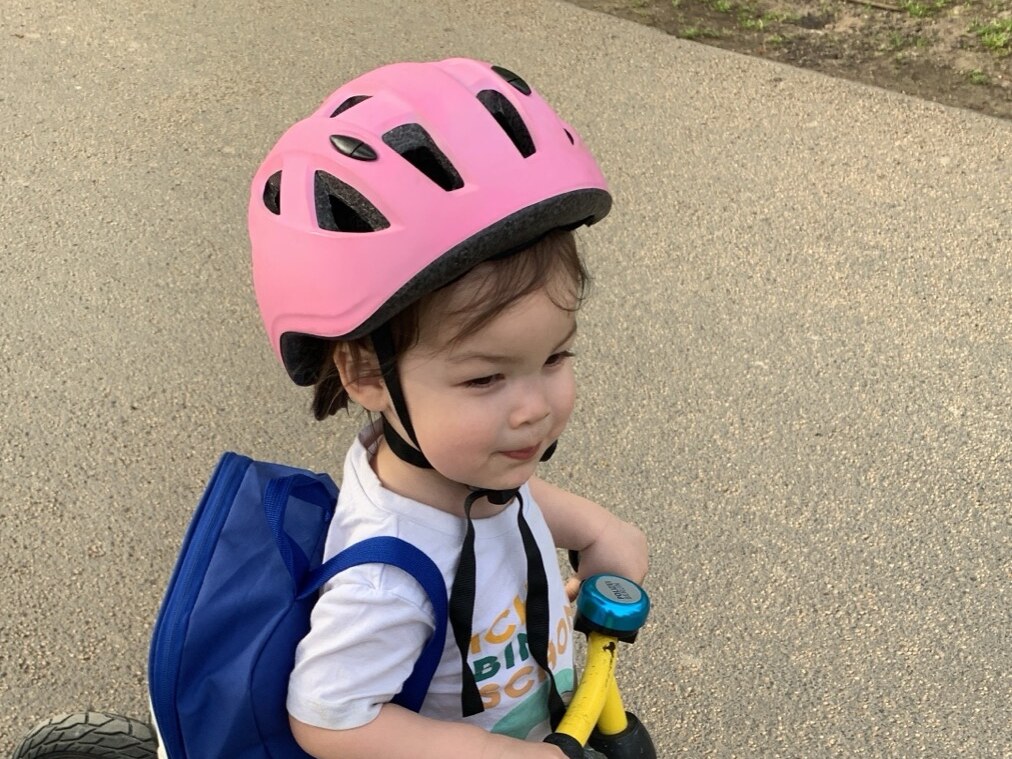
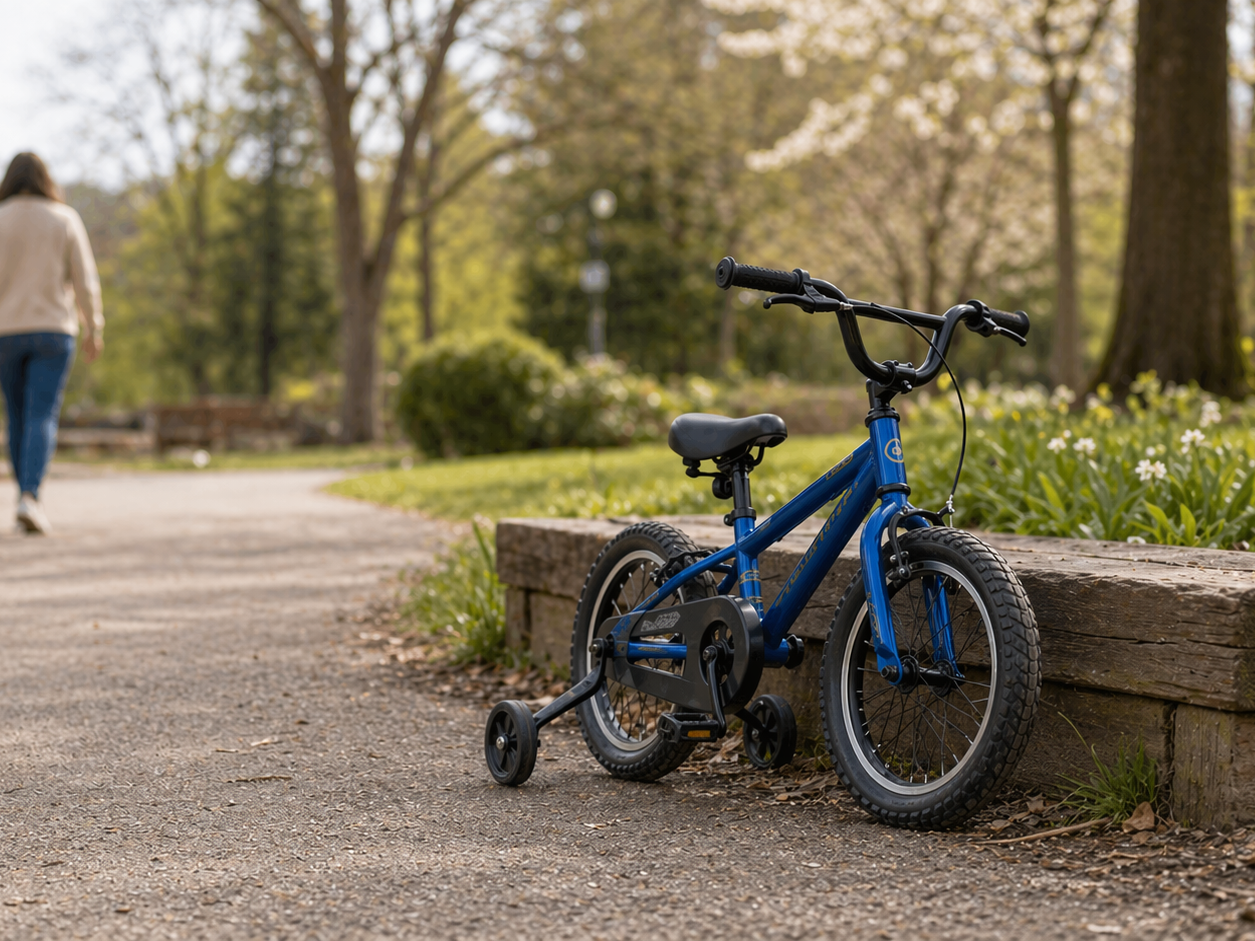
- Rank #1 Our score: 9.92 / 10
SEREED Tool-Free Balance Bike
Best: Affordable
Check inseam carefully; it starts higher than the lowest toddler-first balance bikes.
SEREED Tool-Free Balance Bike is a preschool-focused two-wheel balance bike. Foam tires keep maintenance simple, while the main buying check is still whether the saddle range matches your child now.
Pros
- Tool-free seat and handlebar adjustment makes growth tweaks easier.
Cons
- 32 cm minimum seat height may be too tall for smaller toddlers.
- Rank #2 Our score: 9.91 / 10
Strider 12 Sport
Best: Premium
Best when you want the normal Strider fit range without paying extra for the lighter Pro frame.
Strider 12 Sport is a preschool-focused two-wheel balance bike. Foam tires keep maintenance simple, while the main buying check is still whether the saddle range matches your child now.
Pros
- The low seat range and mini grips make early fit easier to verify.
Cons
- Foam tyres transmit more chatter than air tyres on broken paths.
- Rank #3 Our score: 9.88 / 10
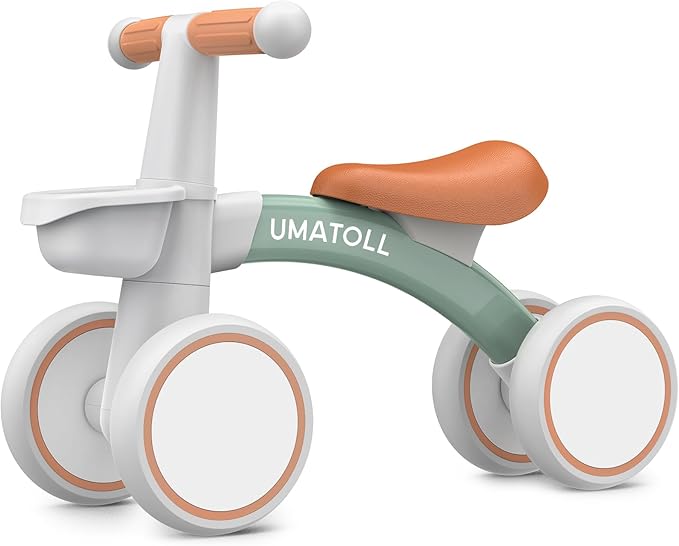
Umatoll Four-Wheel Toddler Balance Bike
Best: Four-wheel first bike
The 1.5 kg Umatoll B402 gives a 12–24-month toddler four-wheel support for early pushing and steering. Its removable basket adds somewhere to carry a small toy, while EVA foam wheels need no inflation. The saddle has three forwards-and-backwards positions—not three heights. It is a short first-riding stage before a two-wheel balance bike, with a 25 kg rider limit.
Pros
- The saddle moves forwards and backwards in three positions to change the distance to the handlebar.
Cons
- Four wheels support the child but provide less sideways balance practice than a two-wheeler.
- Rank #4 Our score: 9.86 / 10
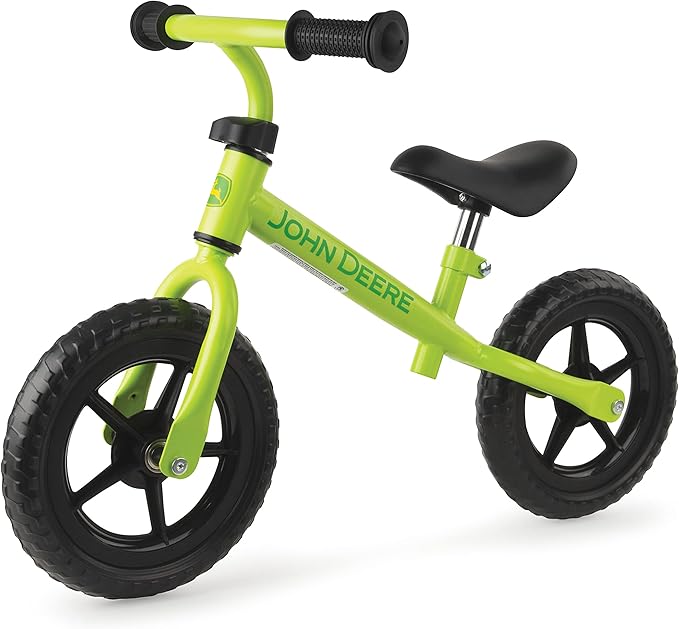
TOMY John Deere Toddler Balance Bike
TOMY John Deere Toddler Balance Bike is a two-wheel balance-bike candidate for children learning steering and balance before pedals. Check the stated age range, seat-height adjustment, and tyre style against where the child will ride.
Pros
- The 25.4 cm toddler format is easier to match to a two-year-old than a larger preschool balance bike.
Cons
- The small-wheel stage is short, so taller children may need a larger bike quickly.
- Rank #5 Our score: 9.86 / 10
Strider 12 Pro
Worth paying up for when lower bike weight is the practical reason, not just the badge.
Strider 12 Pro is a preschool-focused two-wheel balance bike. Foam tires keep maintenance simple, while the main buying check is still whether the saddle range matches your child now.
Pros
- Very light 2.5 kg frame can be easier for smaller riders to manage.
Cons
- Premium price is only justified if the lighter frame matters.
- Rank #6 Our score: 9.85 / 10
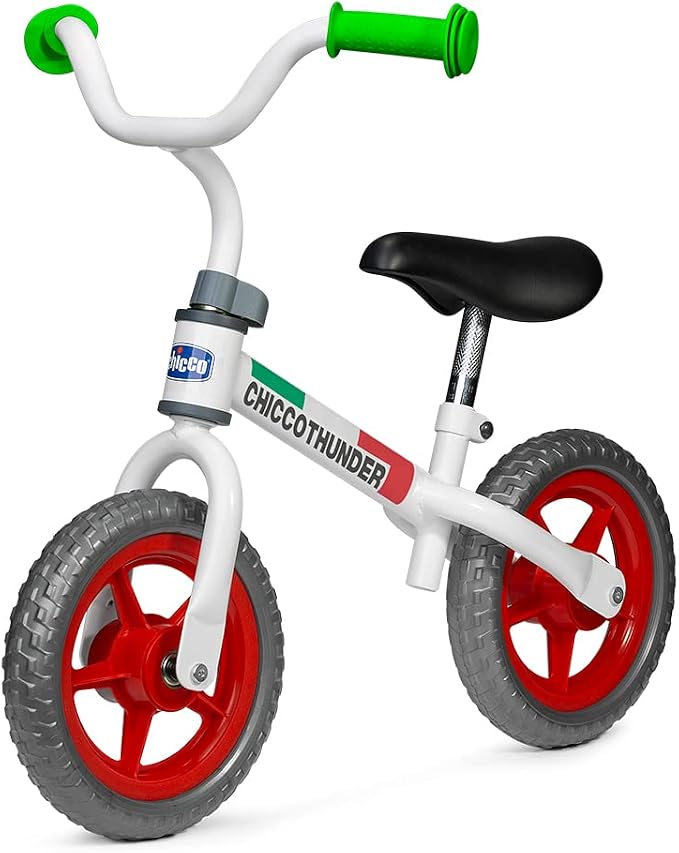
Chicco Thunder Balance Bike
The Chicco Thunder balance bike gives toddlers a metal-framed, pedal-free first bike with an adjustable non-slip saddle and anti-puncture wheels, easing the later step to a pedal bike.
Pros
- Established nursery-brand maker with a documented Australian product page.
Cons
- The 30.5 cm format is outgrown in the preschool years.
- Rank #7 Our score: 9.85 / 10
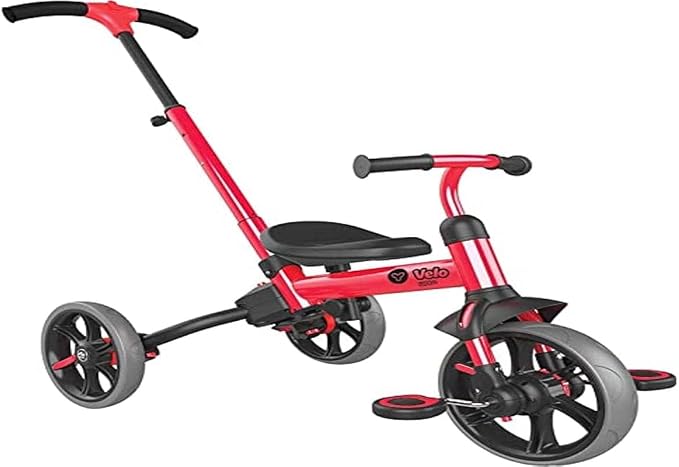
Yvolution Y Velo Flippa Balance Bike
The Yvolution Y Velo Flippa twists between four riding modes - trike to two-wheel balance bike - without tools, covering roughly ages two to five in one frame as confidence grows.
Pros
- Tool-free conversion covers trike and balance-bike stages in one purchase.
Cons
- Premium price for a convertible format children outgrow by about five.
- Rank #8 Our score: 9.80 / 10
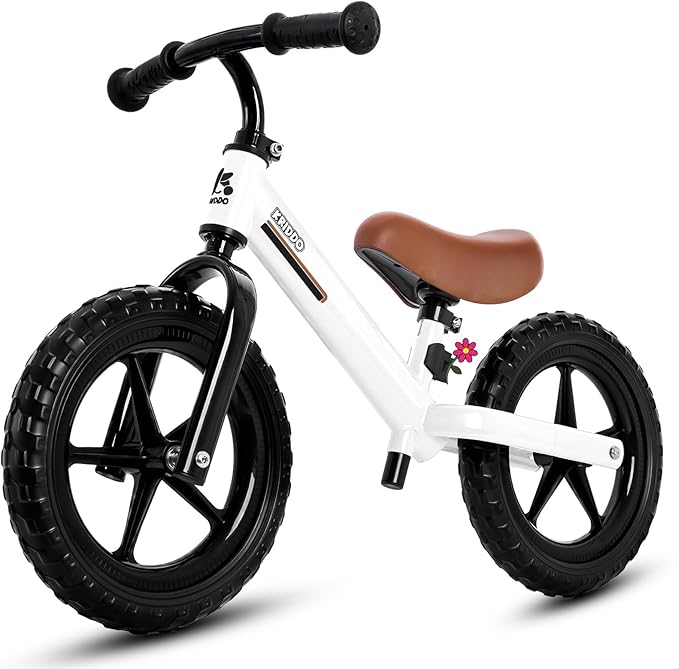
KRIDDO Dual Bearing Balance Bike
KRIDDO Dual Bearing Balance Bike is a light preschool two-wheel option, but the saddle fit needs more checking than on brands that publish a true seat-height range.
Pros
- Light 2.6 kg frame should be manageable for many preschoolers.
Cons
- Official specs are less clear about saddle-height range than ideal.
- Rank #9 Our score: 9.80 / 10
Radio Flyer Glide & Go
Best: Mid-range
A steel-frame two-wheel balance bike for preschoolers learning steering and coasting before pedals.
Pros
- A straightforward frame and adjustable saddle keep the learning task simple.
Cons
- Steel construction is heavier to lift than aluminium or composite alternatives.
- Rank #10 Our score: 9.77 / 10
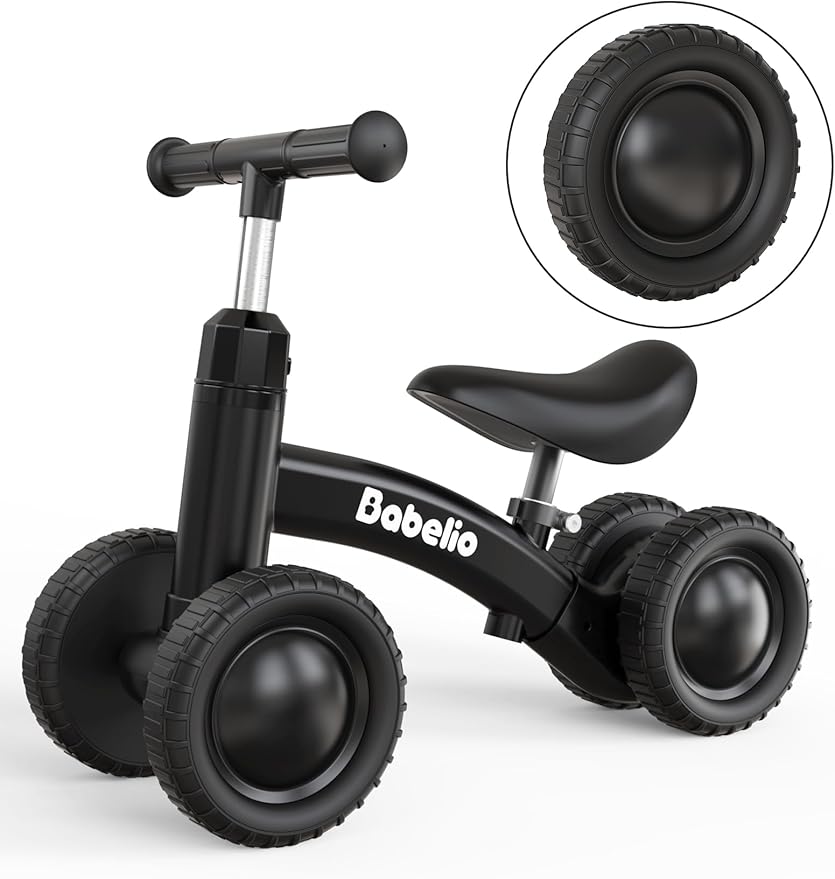
Babelio Kids Balance Bike
Best: Stable first bike
Babelio is a four-wheel starter for children aged 10–36 months, with an adjustable seat (24.1-27.9 cm), three handlebar settings and TPE tyres with off-road tread. It supports seated pushing and steering, not two-wheel balance practice.
Pros
- Four-wheel 10-36 month format gives early riders more stability than a two-wheel learner.
Cons
- It is a starter ride-on, not the best choice for a child ready to practise two-wheel lean and glide.
- Rank #11 Our score: 9.77 / 10
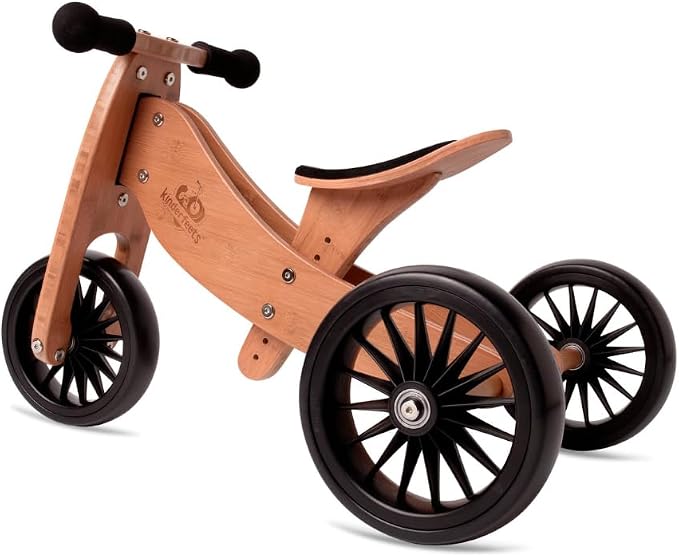
Kinderfeets TinyTot Bamboo Balance Bike
The Kinderfeets TinyTot starts as a three-wheel trike for about 12-month-old legs and converts to a two-wheel balance bike as confidence grows, with a bamboo frame and low step-through that suit early first riders.
Pros
- One wooden frame covers the trike-to-balance-bike transition for young toddlers.
Cons
- Wooden frames tolerate less rough treatment than metal or composite rivals.
- Rank #12 Our score: 9.77 / 10
KRIDDO Footrest Balance Bike
The KRIDDO footrest balance bike gives two-to-five-year-olds a place to rest their feet once gliding starts, with an adjustable saddle and a light frame sized for first two-wheel practice.
Pros
- Built-in footrest gives gliding toddlers somewhere stable to put their feet.
Cons
- The footrest can get in the way during early walk-and-steer stages.
- Rank #13 Our score: 9.74 / 10
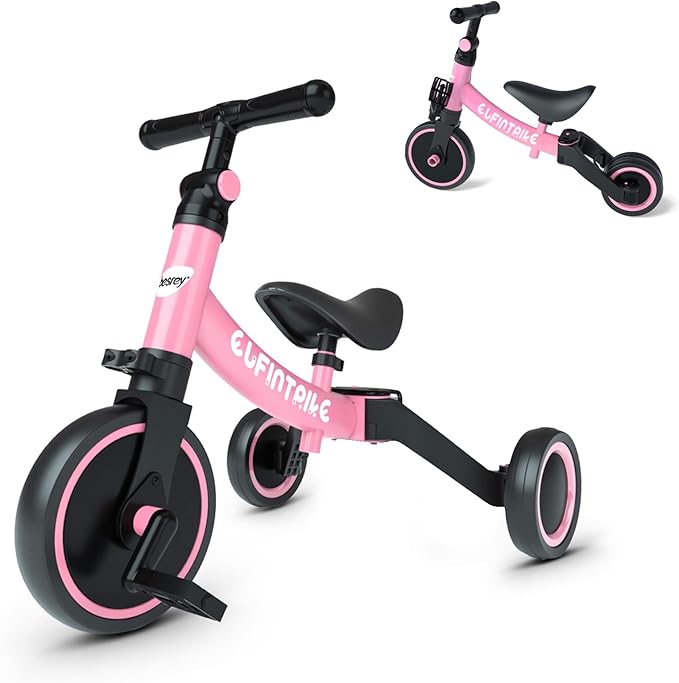
Besrey 5-in-1 Balance Bike
Besrey 5-in-1 Balance Bike fits families who want one toddler vehicle that can change from tricycle-style use toward balance-bike practice. The tradeoff is more parts and setup decisions than a simple light two-wheeler.
Pros
- The conversion modes, removable pedals, and adjustable saddle cover more toddler stages in one product.
Cons
- The 5-in-1 setup is less straightforward than a fixed balance bike if the main goal is gliding practice.
- Rank #14 Our score: 9.72 / 10
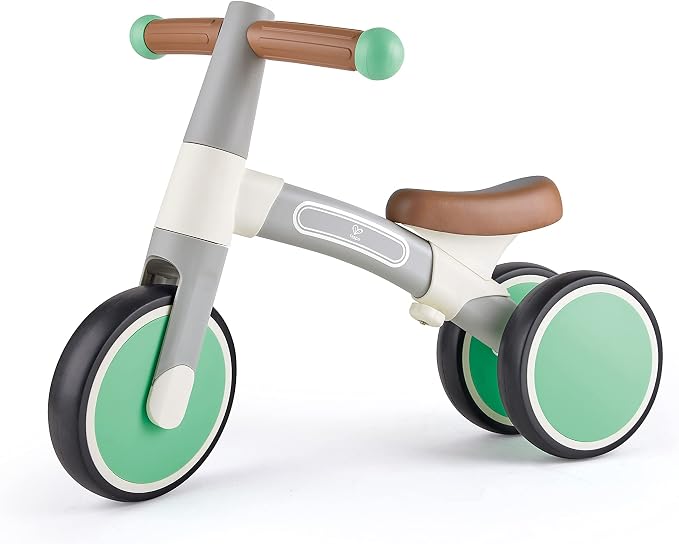
Hape First Ride Balance Bike
The Hape First Ride balance bike gives young toddlers a stable, lightweight first riding stage: floor-friendly wheels that will not scratch boards, an adjustable seat, and a frame sized for the step before a two-wheel balance bike.
Pros
- Lightweight first-ride format with floor-friendly wheels suits indoor practice.
Cons
- The stable first-ride stage is short, and children ready to coast will outgrow it quickly.
- Rank #15 Our score: 9.72 / 10
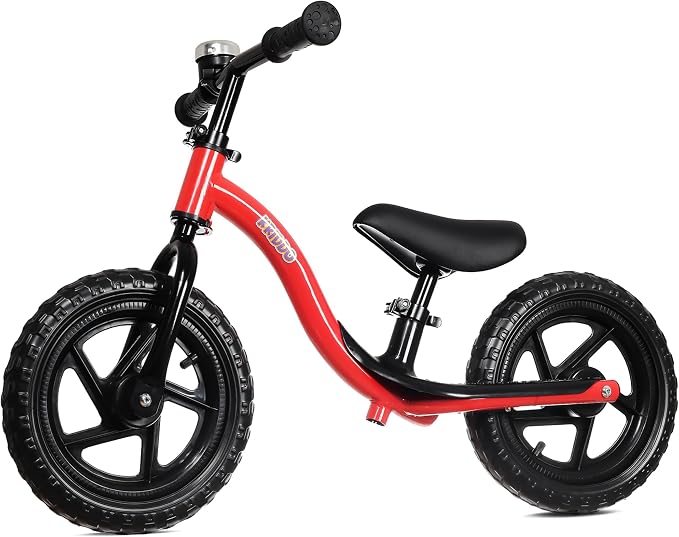
KRIDDO 12 Inch Toddler Balance Bike
A two-wheel toddler balance bike for families who want a more progression-focused ride than a baby first bike. Check seat-height range, tyre feel, and whether your child is ready for a less stable setup.
Pros
- Two-wheel setup is better for practising balance and glide progression than a baby first bike.
Cons
- Less stable than four-wheel toddler bikes, so check inseam, reach, and readiness before buying.
- Rank #16 Our score: 9.72 / 10
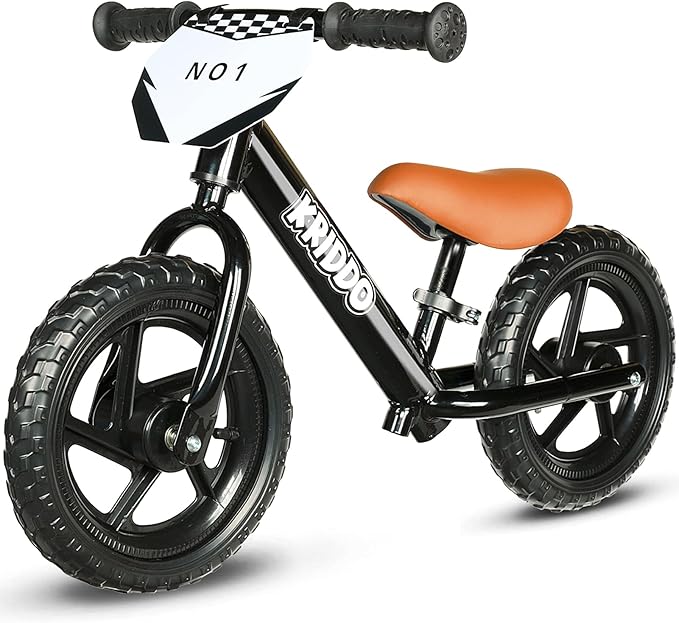
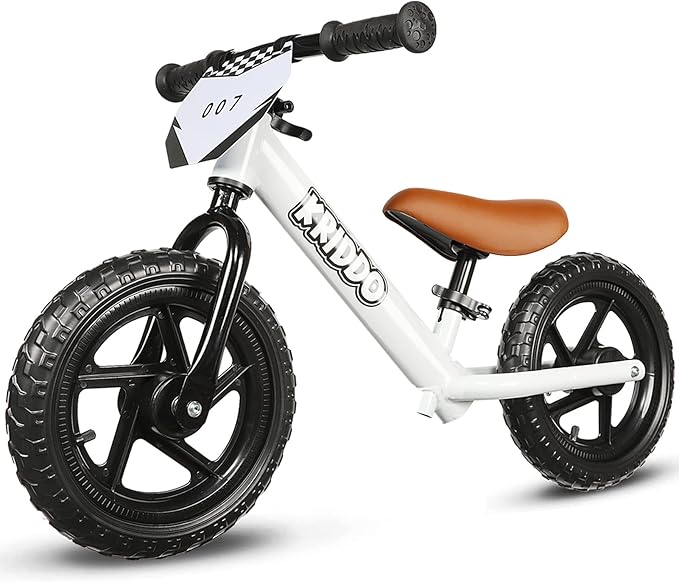
KRIDDO Toddler Balance Bike
The regular KRIDDO Classic combines a personalised front plate with a 30.5 cm two-wheel frame and adjustable saddle and handlebar. Check seated foot reach before choosing it for pushing and gliding practice. It has no footrest and the rider stops with their feet.
Pros
- Saddle and handlebar adjustment help find a comfortable position for foot-powered practice.
Cons
- There is no footrest or hand brake; check ground contact and stopping control rather than relying on the two-to-five-year label.
- Rank #17 Our score: 9.72 / 10
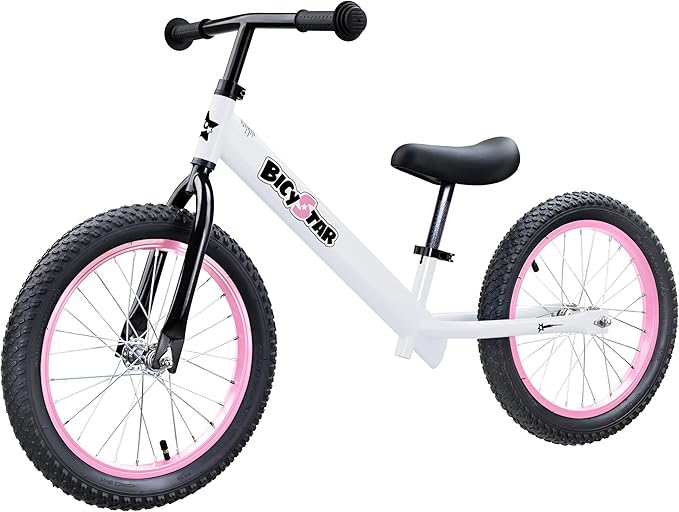
Bicystar 16-Inch Balance Bike
Best: Older child fit
A 16-inch balance bike for older or taller beginners around 5–8. Its 45.7 cm minimum inseam target is the decisive fit check; measure the child rather than relying on age alone.
Pros
- The large frame gives tall beginners a balance-first option without undersizing.
Cons
- The 45.7 cm minimum inseam target rules it out for smaller riders, even when the broad age label sounds close.
- Rank #18 Our score: 9.67 / 10
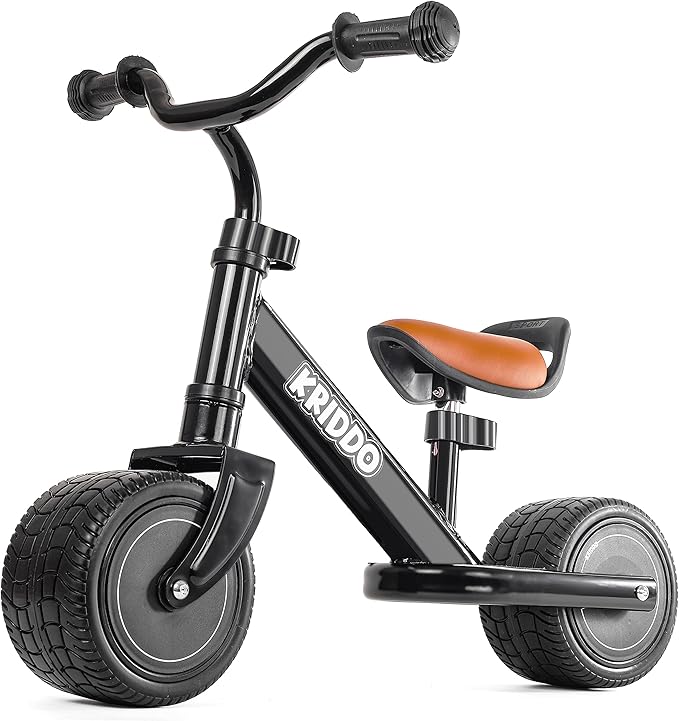
KRIDDO 1-2 Year Old Balance Bike
KRIDDO 1-2 Year Old Balance Bike is a very early first-bike option, not a standard preschool runner. The wide, stable toddler layout helps cautious new riders; the tradeoff is that children ready to glide fast may outgrow its purpose quickly.
Pros
- Stable wide-wheel layout is approachable for very young toddlers.
Cons
- Short usefulness window once the child is ready for real two-wheel gliding.
- Rank #19 Our score: 9.65 / 10
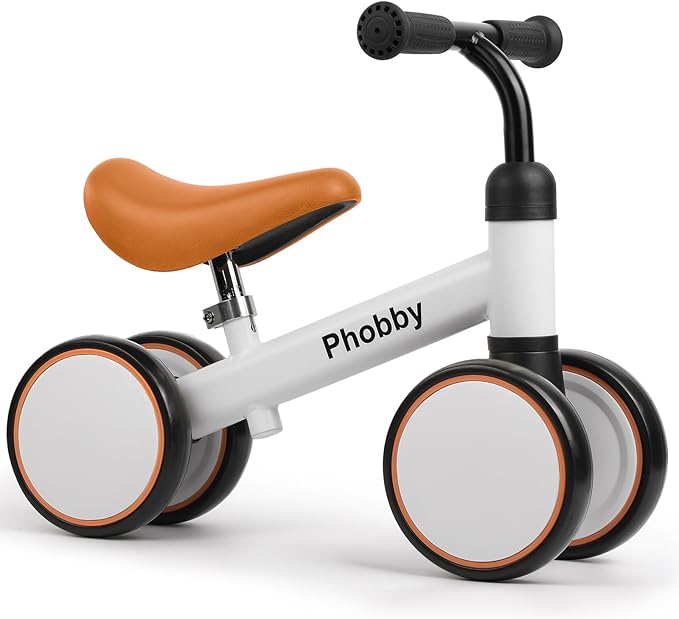
Phobby Baby Balance Bike
Phobby Baby Balance Bike is a four-wheel first ride-on with an adjustable seat for children in the early walking stage. The broad base, enclosed quiet wheels and limited steering suit smooth indoor floors and easy paths; confirm the actual seat range because the stated age and high load limit do not establish child fit.
Pros
- The adjustable seat gives more fit flexibility than a fixed baby ride-on, while quiet enclosed wheels suit shared indoor spaces.
Cons
- No exact seat-height range or product weight is documented, and the four-wheel layout does not teach conventional two-wheel balance.
- Rank #20 Our score: 9.62 / 10
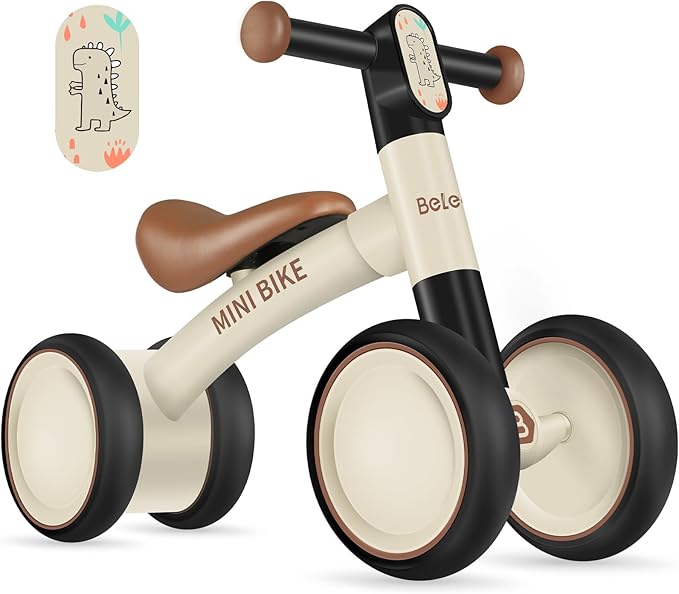
BELEEV B1 Stable First Bike
BELEEV B1 fits children around 10 to 24 months who first need stable sitting, steering and push-off practice. Choose its low four-wheel format as a stepping stone, not as a replacement for a two-wheel balance bike once the child is ready to glide.
Pros
- Four enclosed EVA wheels, limited steering and a low step-through make early scooting more manageable than on a normal two-wheeler.
Cons
- The 10–24 month focus means it can become limiting quickly for a toddler who already balances.
- Rank #21 Our score: 9.52 / 10
FAYDUDU Baby Balance Bike
A four-wheel first bike for very young toddlers who need more stability than a two-wheel balance bike. It is best as an early confidence step; check the short age window and whether you want quicker progression to two wheels.
Pros
- Four-wheel layout gives very young toddlers a steadier first riding step.
Cons
- Shorter progression window than a two-wheel balance bike once the child is ready to glide.
- Rank #22 Our score: 9.52 / 10
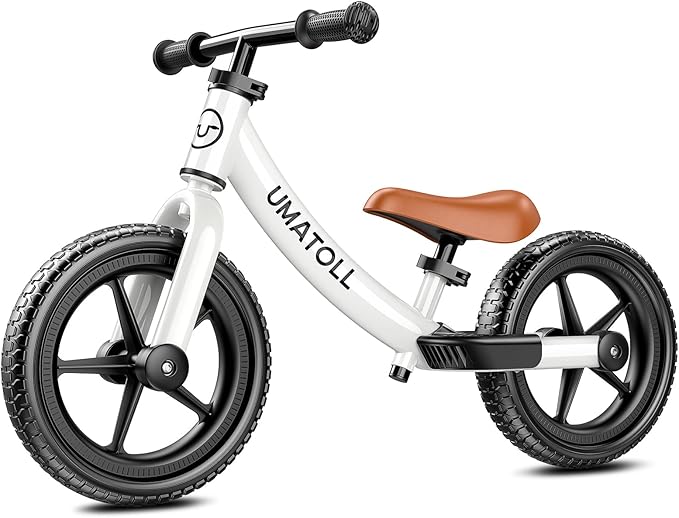
Umatoll Two-Wheel Toddler Balance Bike
Umatoll Toddler Balance Bike spans toddlers into the preschool years on a simple two-wheel frame. It is a fit-first pick, so confirm the seat-height range rather than assuming the full age range will suit every child.
Pros
- Very low stated seat range can suit smaller early riders.
Cons
- Upper saddle range may be short-lived for taller preschoolers.
- Rank #23 Our score: 9.51 / 10
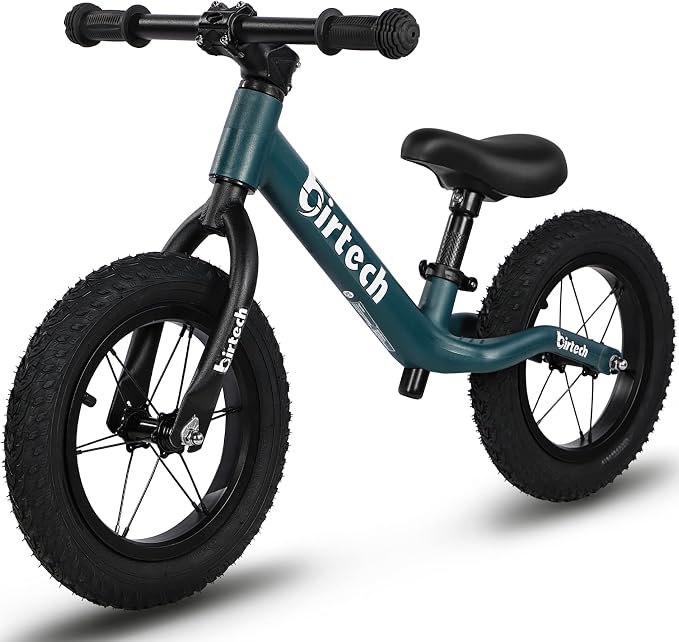
H.yeed / Birtech 12-inch Pneumatic Balance Bike
This green H.yeed / Birtech has a one-piece nylon frame, 12-inch pneumatic tyres and a footrest for coasting. Its saddle adjusts from about 33-44 cm; the selected bike weighs 2.9 kg and has a 32 kg rider limit. It suits a preschooler who can reach the ground comfortably and is ready to practise gliding. Air tyres require pressure checks and can puncture. This is the pneumatic model, not the lighter foam-tyred bike sold under similar names.
Pros
- The 33-44 cm saddle range gives 11 cm of height adjustment for a child who fits the minimum setting.
Cons
- Air tyres need pressure checks and can puncture.
- Rank #24 Our score: 9.42 / 10
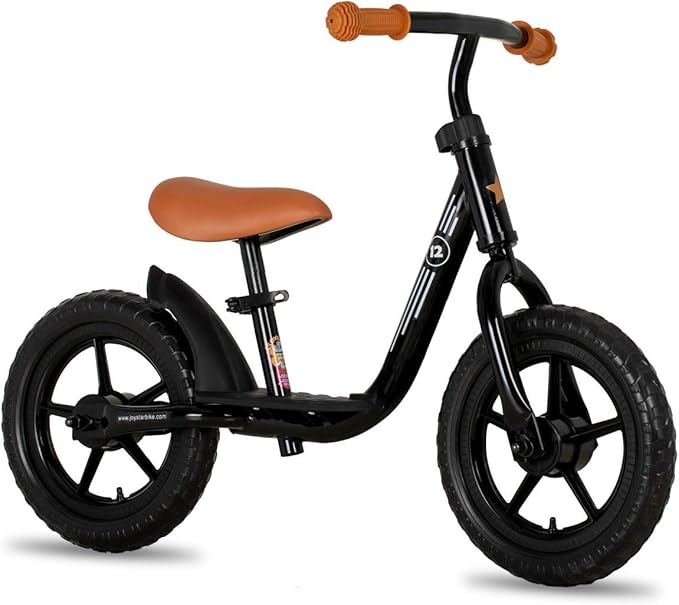
JOYSTAR 10"/12" Toddler Balance Bike
JOYSTAR 10/12 Toddler Balance Bike offers a broad 32-47 cm saddle range with a step-through frame and footrest. It can cover toddlers into preschool, but the 32 cm minimum still needs an inseam check for younger riders.
Pros
- 32-47 cm saddle range gives more growth room than many small toddler bikes.
Cons
- 32 cm minimum saddle may be too tall for some 18 month riders.
- Rank #25 Our score: 9.36 / 10
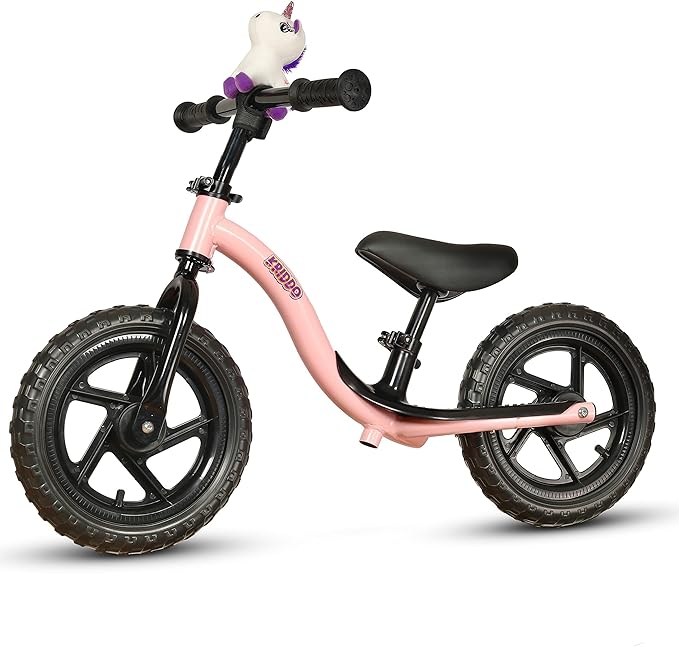
KRIDDO Riding Buddy
The pink Riding Buddy pairs a handlebar unicorn with a low frame and footrest for first pushing and gliding practice. Its saddle adjusts from about 30-43 cm; the KB001 manual specifies ages 2–5. There is no handbrake, and tyre construction remains unclear, so choose it for supervised, level-ground practice with both feet firmly on the ground.
Pros
- The low curved frame and roughly 30-43 cm saddle adjustment help a small rider get on and find a feet-flat position.
Cons
- Without a handbrake, stopping depends on the child's feet; slopes are outside the manual's intended use.
- Rank #26 Our score: 9.35 / 10
smarTrike Folding Balance Bike
A folding two-wheel balance bike for families short on storage or carrying it to parks. Fit and fold security matter more than the bundled pads.
Pros
- The folding frame is easier to transport than a fixed 30.5 cm bike.
Cons
- A hinge adds weight and another lock that must be checked before every ride.
- Rank #27 Our score: 9.33 / 10
KRIDDO Florence-A Kids Balance Bike
KRIDDO Florence-A Kids Balance Bike is a preschool two-wheel trainer; check saddle range and whether the frame size suits your child.
Pros
- Two-wheel preschool format supports real balance and glide practice.
Cons
- Saddle range and frame size still need checking against the child, not just age.