
What Makes a Stroller a Good Fit for Japan?
By Peter CronaLast updated Last checked
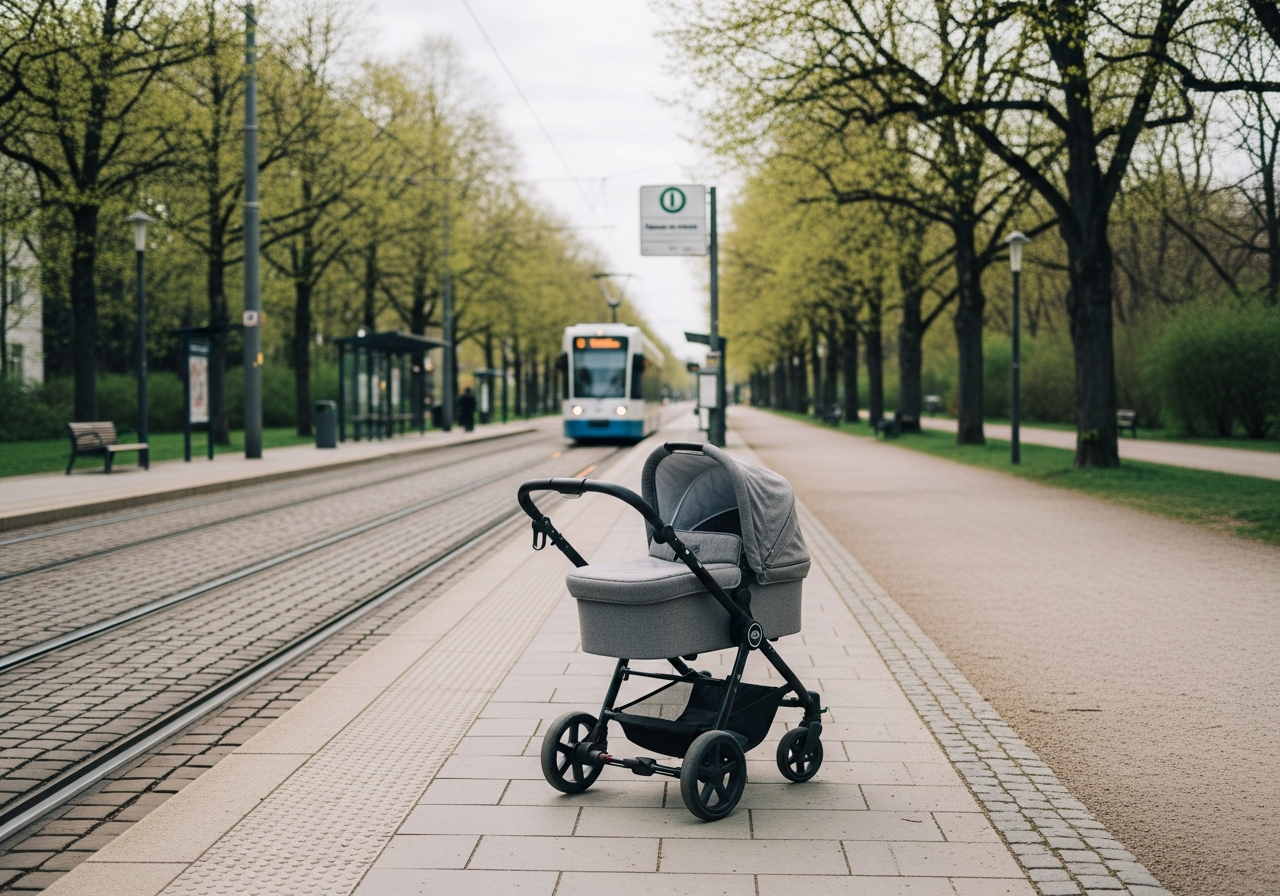
When parents search for the best stroller in Japan, the useful question is usually not one universal ranking. It is whether you need newborn-ready comfort, a lighter B-type or compact stroller, or one main stroller that still works through trains, lifts, small entryways, rain covers, summer heat, and everyday errands.
A stroller is a good fit for Japan when it matches the child’s stage first, then stays manageable in the spaces you actually repeat: station lifts, train doors, narrow pavements, apartment entrances, clinic trips, nursery runs, rain, and hot months. Do not buy only by weight or fold size. The best choice is the stroller that removes the most daily friction without giving up the support your child still needs.
If you want model comparisons first, start with our best baby strollers in Japan or best lightweight and compact strollers in Japan. If you are still sorting categories, use this page first.
Start with A-type, B-type, or compact logic
Japanese stroller shopping often starts with A-type and B-type language, but the decision is really about stage and daily handling.
Choose an A-type or newborn-ready setup when your baby is still young enough that recline, head support, shade, and parent-facing monitoring matter more than the smallest fold. This is the safer starting point when you want one stroller from early infancy and your building can handle a slightly larger frame.
Choose a B-type or compact stroller when the child is sitting more reliably, the stroller is mainly for errands or backup naps, and the daily bottleneck is carrying, folding, or storing it. Many families end up happier with a compact second stroller after the newborn stage because station transfers and apartment storage become easier.
The wrong shortcut is buying the lightest stroller before you know which stage problem it is solving.
Trains and stations reward controllable size
Japan’s rail network can be stroller-friendly, but the hard parts are usually the transitions: lifts, platform gaps, busy doors, transfers, and whether one adult can keep a hand on both child and stroller. The Ministry of Land, Infrastructure, Transport and Tourism’s stroller-use guidance is practical rather than abstract: use the seat belt, watch steps and gaps, use lifts instead of escalators or stairs, set the brake when stopped, keep a hand on the stroller, and treat bus use as conditional even where unfolded boarding is possible.
That turns into practical buying advice:
- avoid a stroller you cannot steer calmly through a station with one hand
- check whether the folded size is realistic if a bus, taxi, stairway, or crowded train forces a change
- treat door-side positioning as a safety habit, not just a courtesy issue
- prefer a fold you can repeat while holding a child or bag
Tokyo Fire Department also warns that young children in strollers can be injured around train doors and door pockets. A narrow, controllable stroller is not only easier socially; it helps you keep the child’s hands and feet away from risky edges.
Measure the boring spaces before comparing brands
In Japan, a stroller can be excellent on paper and still fail at home. Before buying, measure or rehearse:
- genkan or hallway storage
- lift size at home and at common stations
- nursery, clinic, supermarket, and pharmacy entrances
- car boot or taxi loading, if you use cars
- where the stroller sits while wet after rain
If the stroller lives folded in the entrance every day, folded stability and footprint matter as much as open-seat comfort. If you use lifts constantly, overall length and turning radius matter more than a large basket.
Rain and summer heat are real stroller features
Rain-cover compatibility should be part of the purchase, not an afterthought. A stroller that is miserable to cover, ventilate, or dry will be annoying through rainy-season errands and nursery pickup.
For summer, look at canopy coverage, ventilation around the seat, seat fabric, and whether the child still gets shade when reclined. Do not solve heat by choosing a flimsy stroller that cannot handle naps or uneven pavements. The better balance is shade, airflow, and a frame that still feels stable on ordinary streets.
Daily errands decide whether “compact” is enough
A compact stroller is convincing when the repeated job is trains, cafes, clinics, short shopping trips, and tight storage. It is less convincing when you need long newborn naps, rough park paths, a lot of basket space, or all-day comfort.
Ask what you will do most often:
- one adult doing nursery pickup plus groceries
- station transfers with a tired toddler
- clinic visits where folding quickly matters
- weekend parks and longer walks
- carrying the stroller up steps at grandparents’ homes
Those use cases point to different compromises. A compact stroller can be the best Japan fit for many families, but only after the child’s stage and comfort needs allow it.
A simple Japan-specific filter
Before choosing, answer these in order:
- Is the child still in a newborn or low-recline stage?
- Will this be the only stroller, or a lighter second stroller?
- Does it fit the genkan, lift, train routine, and car or taxi reality?
- Can one adult fold, carry, and reopen it without drama?
- Does the rain cover work cleanly, and can the seat handle hot months?
- Are you choosing from a strong local shortlist, or a thin category that needs extra evidence?
Jogging strollers and some stroller-wagon use cases remain narrower in Japan than broad everyday stroller shopping. We would rather keep those lists short than pad them with ordinary strollers that lack clear running or wagon-use evidence.
Final thoughts
A good Japan stroller is not just light. It is stage-correct, compact enough for your repeated spaces, safe to handle around trains and lifts, tolerable in rain and heat, and easy enough for the adult who uses it on tired days.
If you already know you want a shortlist, compare our best baby strollers in Japan, best lightweight and compact strollers in Japan, and stroller brands worth comparing in Japan. For trip planning, also read Can I travel with a stroller?.
Sources used for this guide: Japan’s MLIT stroller-use guidance and Tokyo Fire Department’s train-door accident prevention page.