
Aprica
Research by Peter Crona
Method How we research
Aprica is a strong starting point for Japan-market parents who want newborn-ready comfort without jumping straight to bulky imported systems. The brand is most useful when reversible seating, compact city handling, and locally documented accessories matter more than an ultra-small travel fold.
- From
- Japan
- Founded
- 1947
Affiliate Disclosure
We use affiliate links and ads to finance this website. As an Amazon Associate I earn from qualifying purchases.
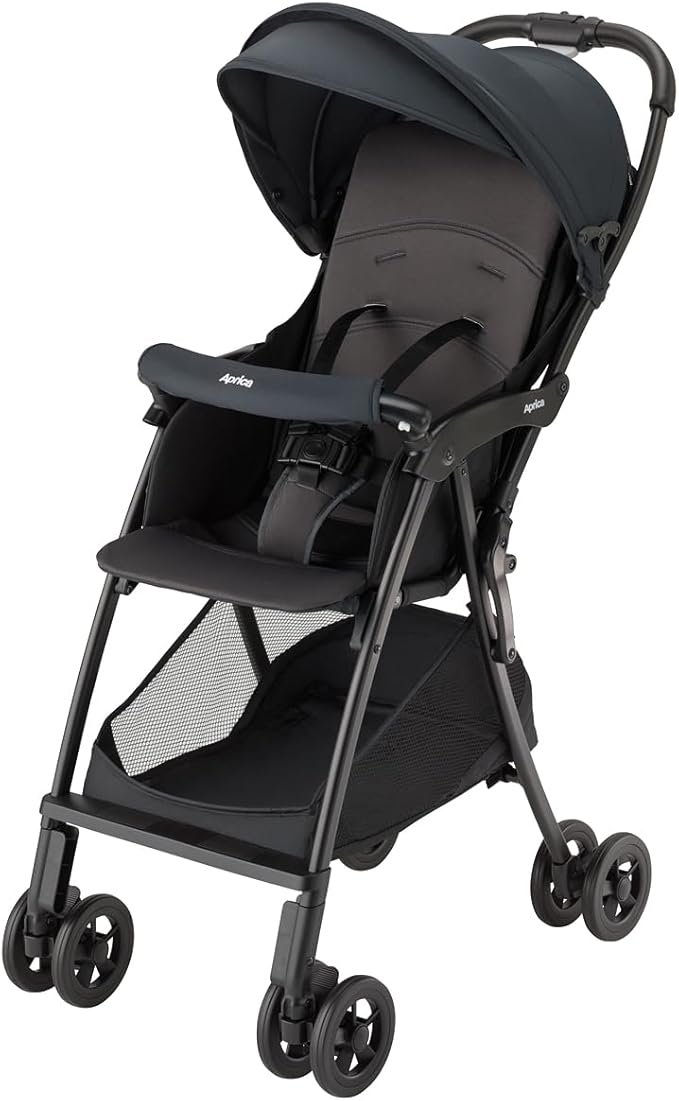
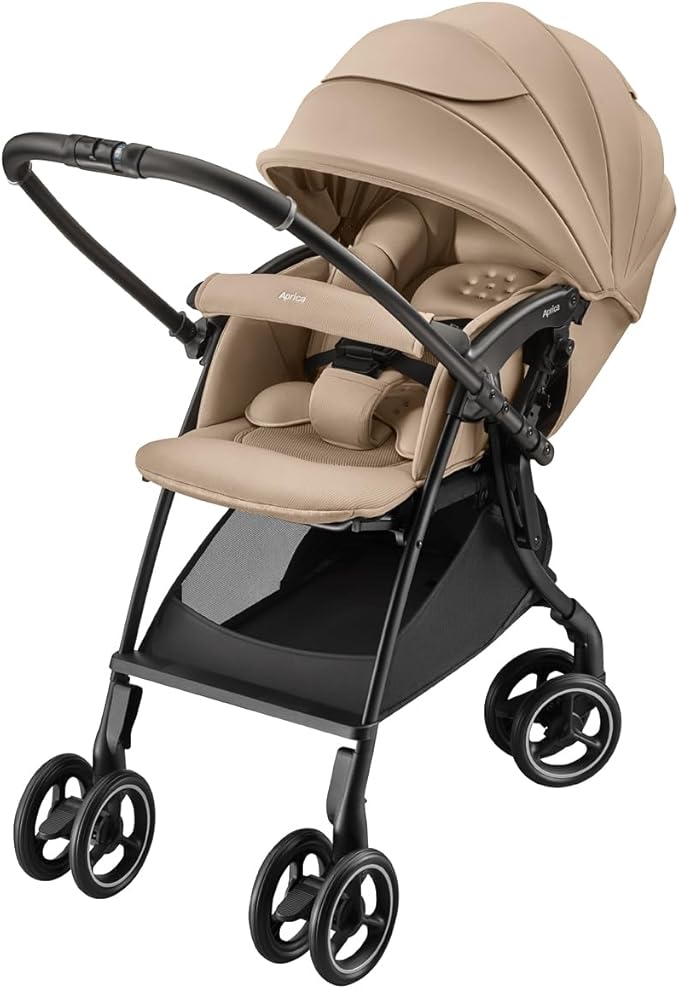
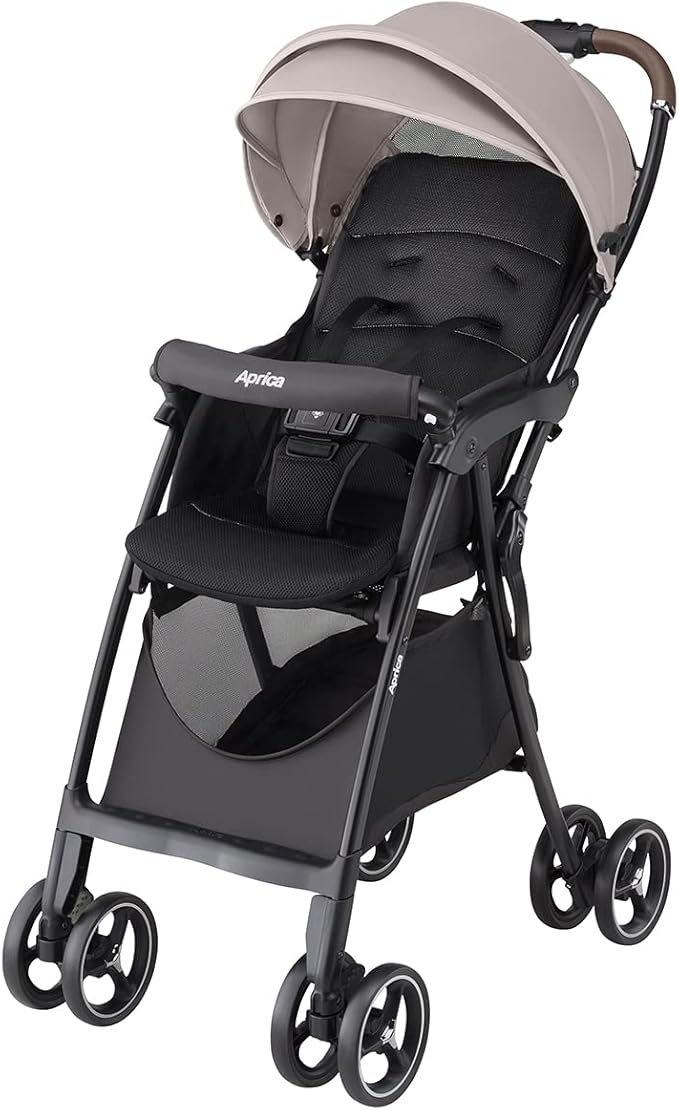
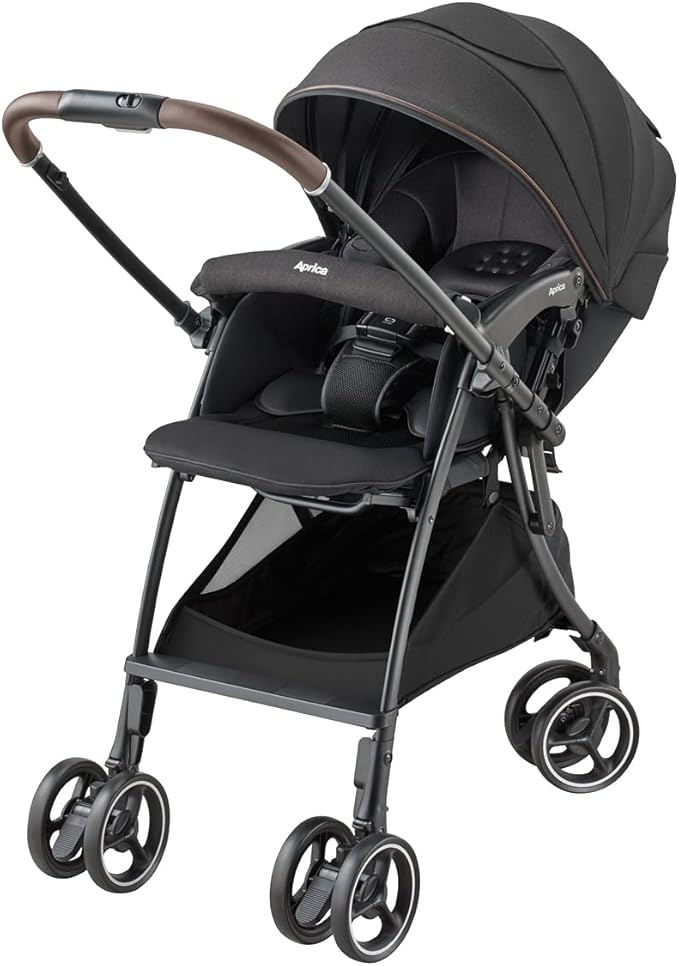
Strollers
- Our score: 9.77 / 10
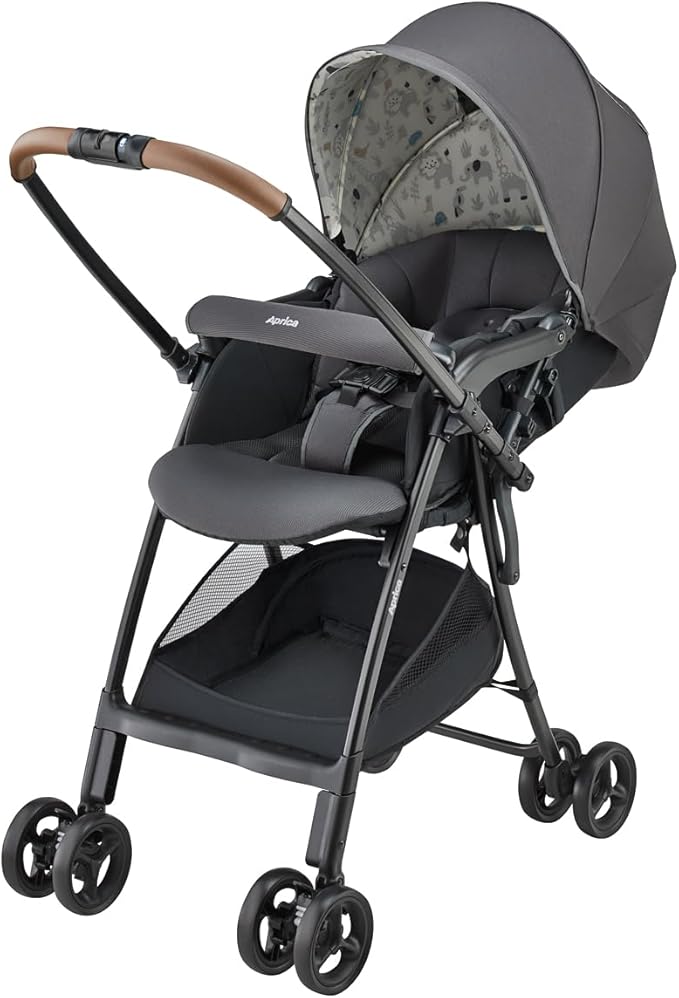
Aprica Karoon Air Mesh AC
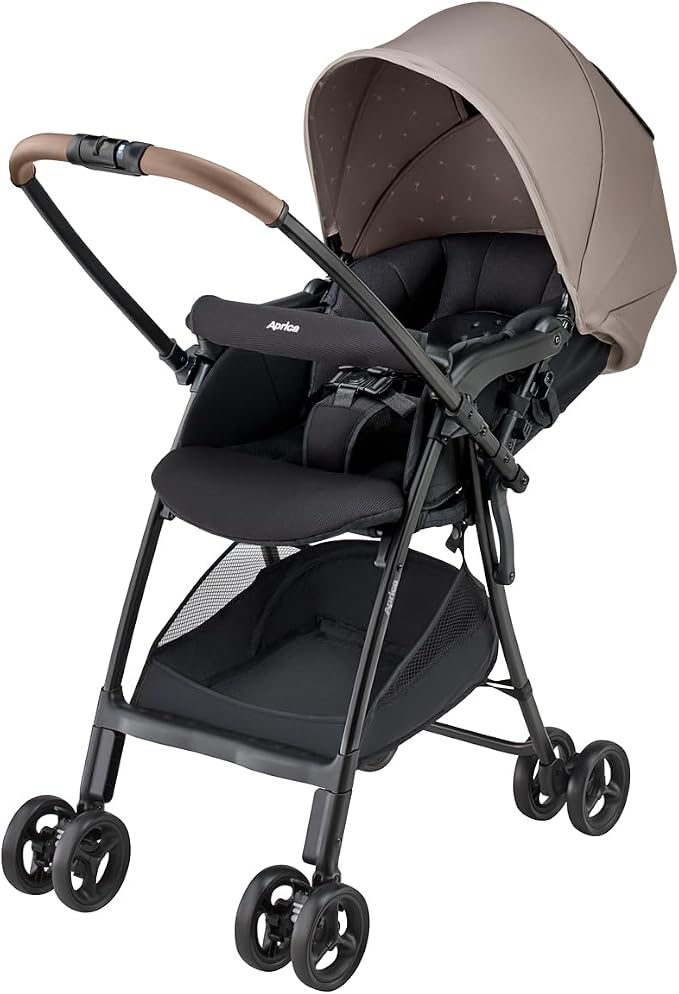
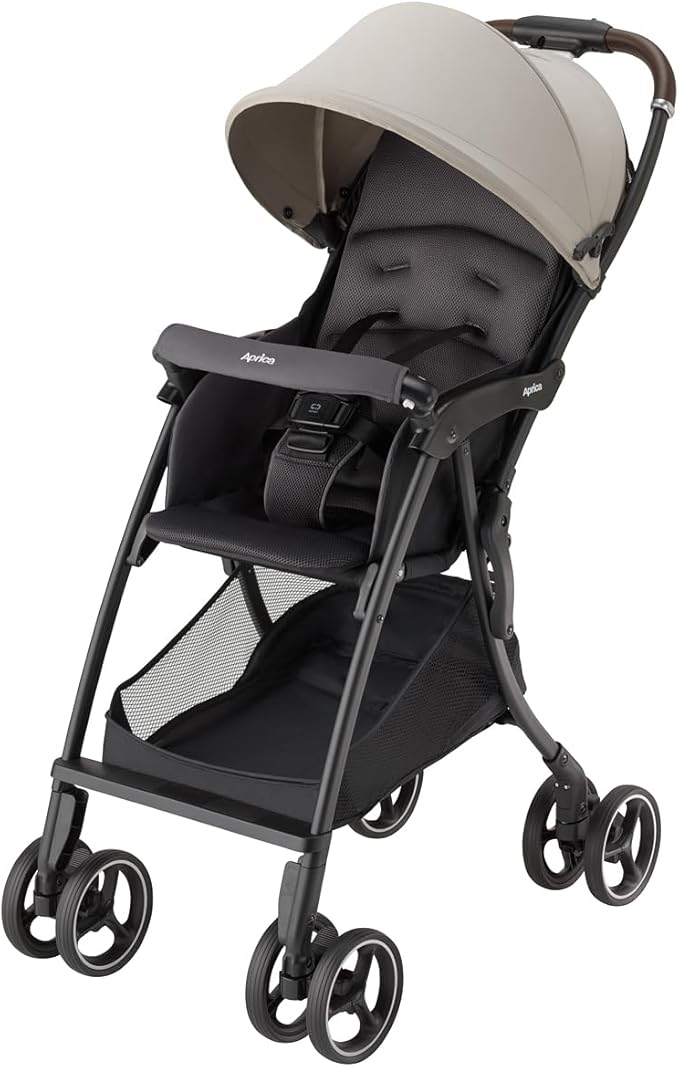
Aprica Karoon Air Mesh AC is a 3.9 kg reversible A-type stroller for families who start from one month and often carry it through stations or stairs. Its suspension, washable mesh seat and front-access basket support daily errands; it does not accept Aprica’s Carrier Travel System.
- Our score: 9.69 / 10
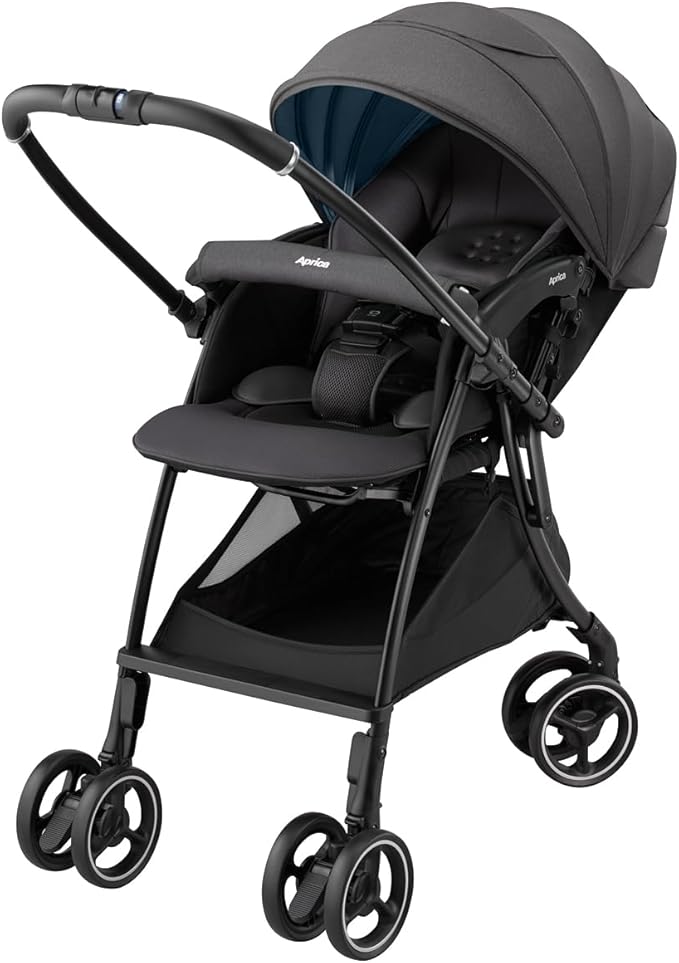
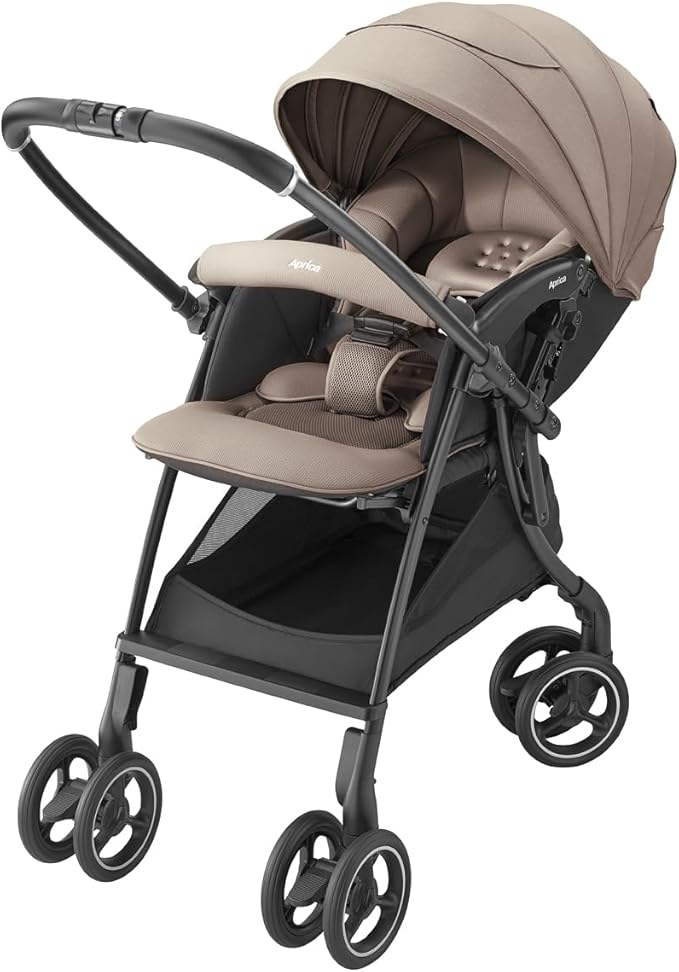
Aprica Luxuna Air Plus
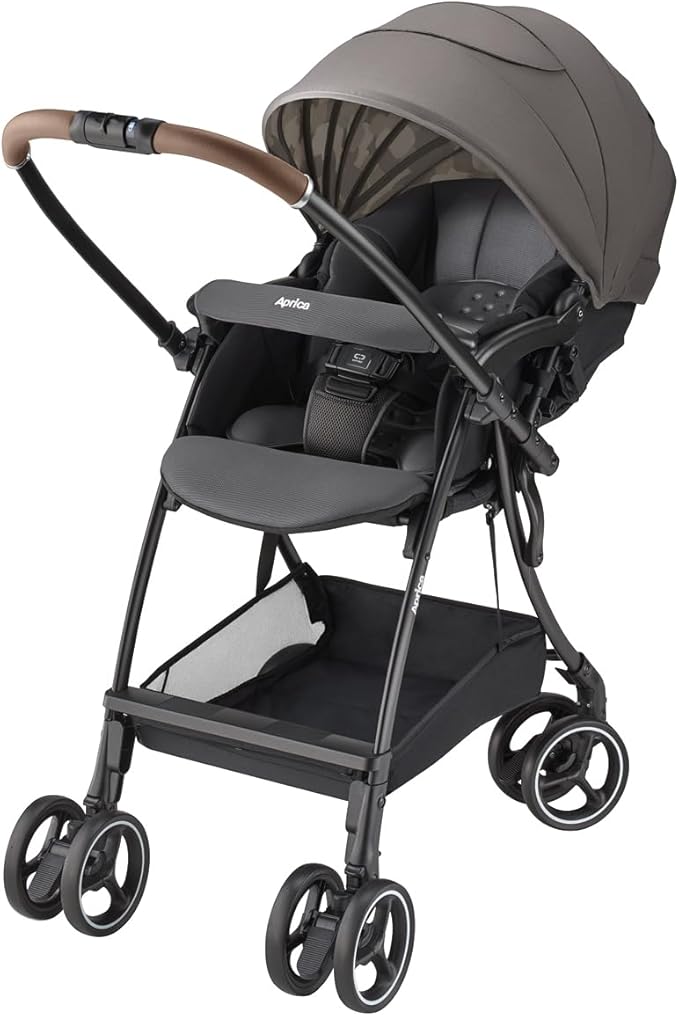
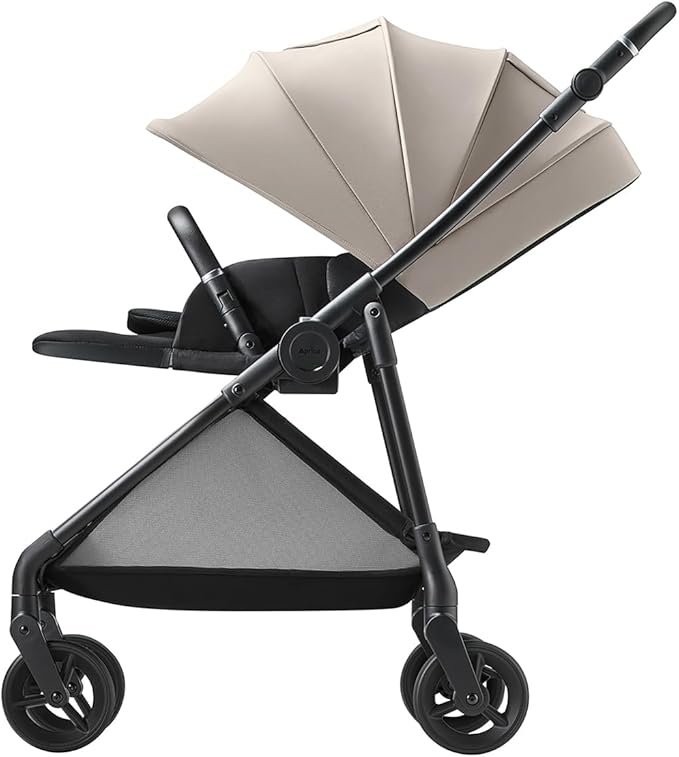
Aprica Luxuna Air Plus is a reversible A-type stroller for families who want newborn-month use without moving to a heavy travel system. It fits daily pavements and station errands where a light frame, auto four-wheel steering, and a basket matter more than all-terrain toughness.
- Our score: 9.64 / 10
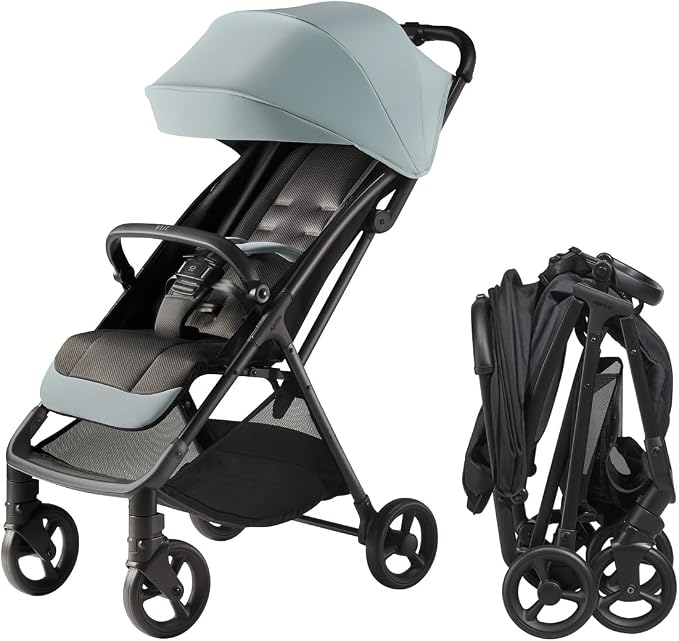
Aprica Viit AB
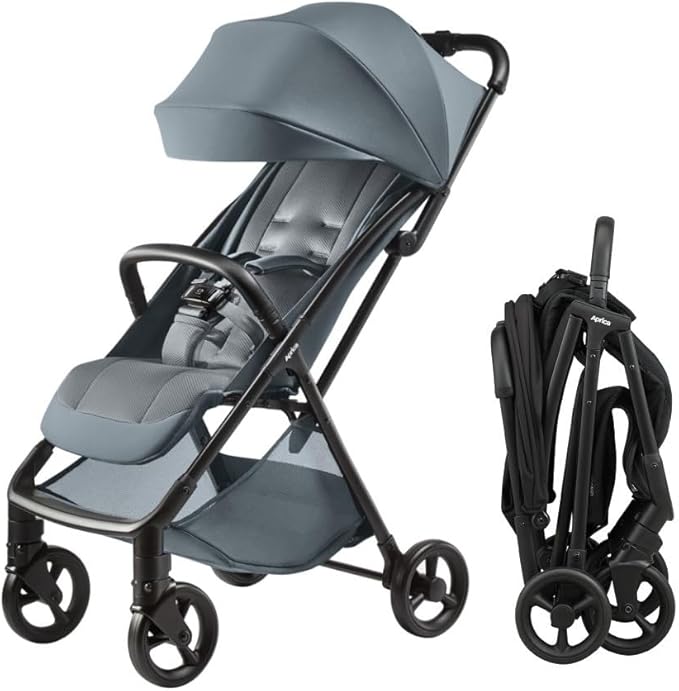
Aprica Viit AB suits a sitting child from about six months when one-hand automatic folding, a front-access basket and use toward age four matter more than newborn compatibility. Its stated 22 kg endpoint extends beyond the Japanese SG-mark scope above 18 kg, so treat that distinction as part of the fit decision.
- Our score: 9.50 / 10
Aprica Karoon Air AD
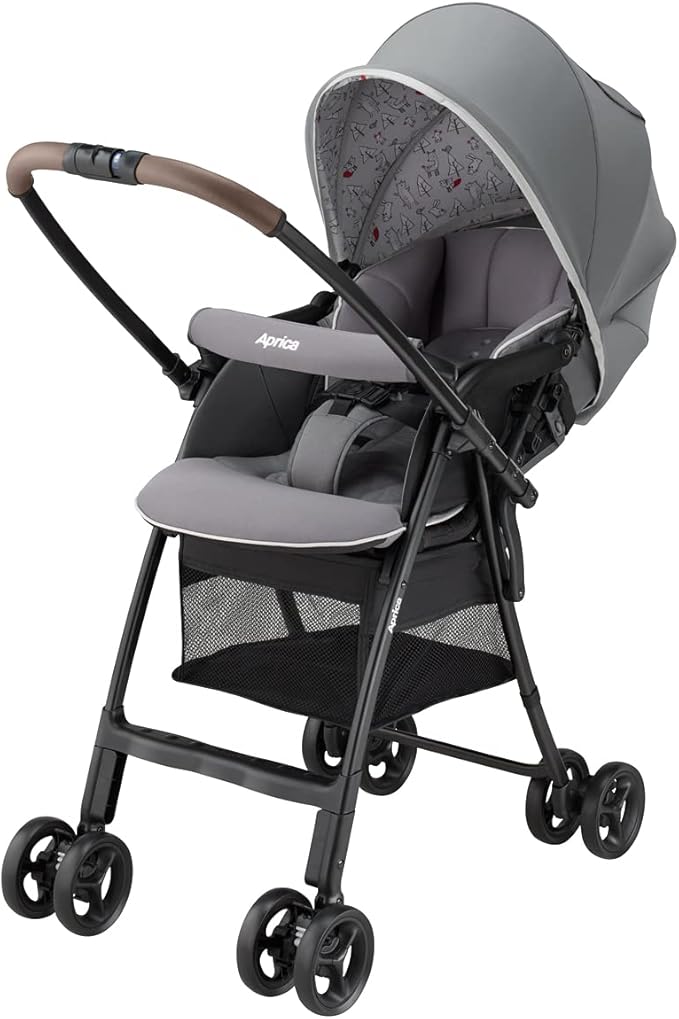
The Karoon Air AD is a 3.9 kg reversible A-type stroller built around easy carrying. It is a useful Japan shortlist option for trains, buses, and stairs, but heavier-duty everyday models may suit families carrying more gear or walking rougher routes.
- Our score: 9.47 / 10
Aprica Viit
Viit folds one-handed for train and car journeys from 7 months. Its seat accommodates up to about 22 kg, but use from 17-22 kg is outside Japan’s SG mark scheme.
- Our score: 9.43 / 10
Aprica Caloon Air Mesh AC
Aprica Caloon Air Mesh AC is a lightweight A-type stroller for parents who want travel-friendly handling without giving up the one-month-plus stage. It is best judged on fold, carry weight, and whether the compact frame is enough for daily naps.
- Our score: 9.36 / 10
Aprica Lacuna Cushion AG
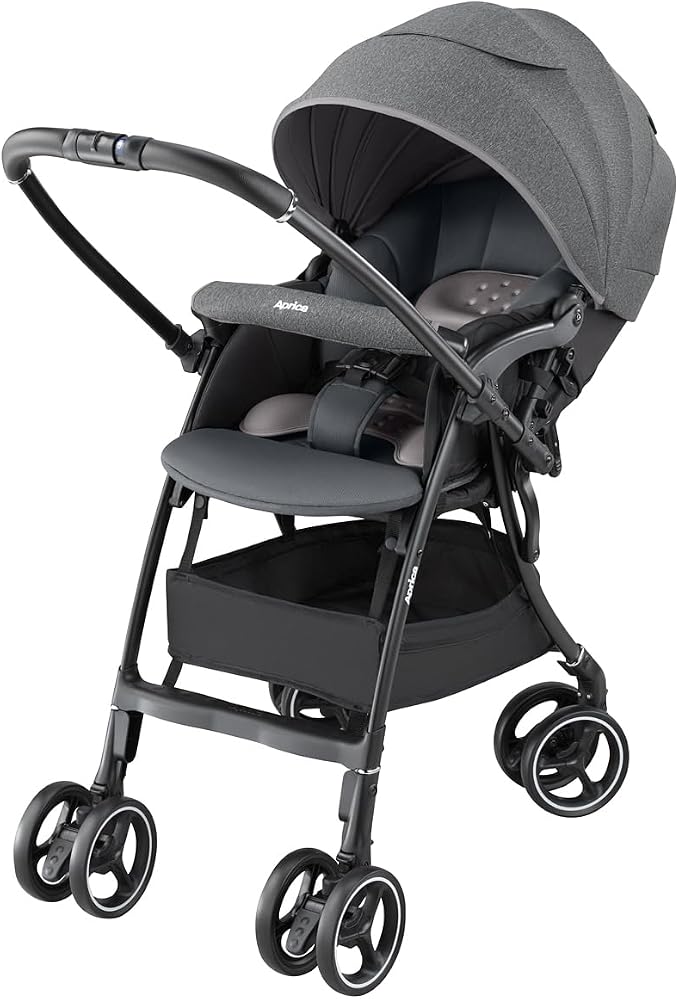
Aprica Lacuna Cushion AG is a 5.3 kg reversible A-type stroller for families wanting parent- and world-facing use from one month. Its large basket and one-touch fold suit daily errands, but the 98.2 cm folded height makes it a full-size everyday stroller, not a cabin buggy.
- Our score: 9.33 / 10
Aprica Lacuna Cushion AH
Aprica Lacuna Cushion AH is a premium A-type shortlist pick when you want Aprica comfort features without stepping into the Free steering model. It suits from-1-month city use, while families focused on the smallest fold should still compare B-type strollers.
- Our score: 9.33 / 10
Aprica Magical Air AI
Aprica Magical Air AI is the light B-type option for parents who carry the stroller through stations more often than they push over rough ground. It starts around 7 months, so it works as a compact second stroller rather than a newborn solution.
- Our score: 9.33 / 10
Aprica Lacuna Cushion AI
Aprica Lacuna Cushion AI is an A-type stroller candidate for parents who want lower weight without ignoring vibration control. It suits everyday use from about 1 month to 36 months, especially when ride comfort matters as much as carrying the stroller.
- Our score: 9.33 / 10
Aprica Magical Air Cushion AD
Aprica Magical Air Cushion AD is the compact B-type to compare when you want low weight without giving up every comfort feature. It is a better fit for city errands after 7 months than for newborn naps or rough daily mileage.
- Our score: 9.33 / 10
Aprica Lacuna Cushion Free AD
Aprica Lacuna Cushion Free AD is the premium Japanese A-type for families who want newborn readiness, reversible seating, and easier maneuvering in tight indoor spaces. It is not a tiny travel stroller, but it balances comfort features with Japan-city handling better than bulkier imports.
- Our score: 9.33 / 10
Aprica Magical Air Free AB
Aprica Magical Air Free AB is for families who want the lightweight Magical Air idea with easier side-to-side handling in tight shops and station corridors. It is still a 7-month-plus compact stroller, not a plush all-day newborn ride.
- Our score: 9.33 / 10
Aprica Luce Free AB
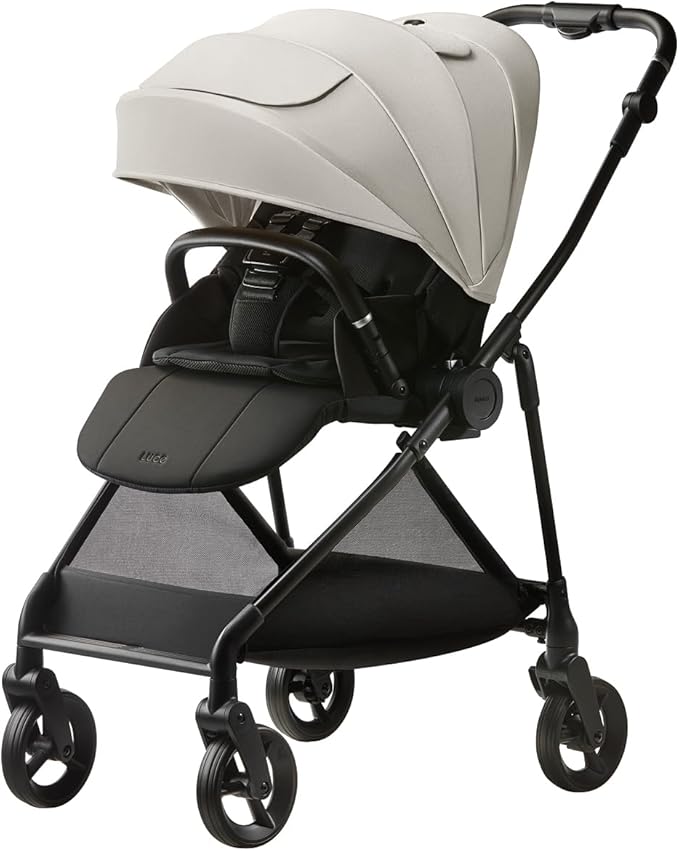
Aprica Luce Free AB is for families who want four-wheel free side movement and the everyday flexibility of a reversible A-type stroller. As a 2024 model, compare its feature set with the newer version before choosing.
- Our score: 9.33 / 10
Aprica Luce Free AC
Aprica Luce Free AC is for families looking for a reversible A-type stroller usable from about 1 month. Four-wheel free movement helps with side-to-side handling, but this is not the smallest travel fold, so choose it for everyday steering rather than maximum portability.
- Our score: 9.33 / 10
Aprica Luxuna Air AD
Luxuna Air AD combines a 4.7 kg body with parent-facing use from 1 month. It suits frequent lifting, while automatic wheel-lock switching helps steering after you reverse the handle; the child limit is 15 kg.
- Our score: 9.33 / 10
Aprica Luxuna Cushion AH
Aprica Luxuna Cushion AH is a reversible A-type stroller for families who want newborn-month use with more comfort emphasis than the lightest B-type buggies. It is a daily city stroller comparison where cushioning and face-to-face pushing matter.
- Our score: 9.33 / 10
Aprica Smooove Precious AB
For smoother everyday walking from 1 month, with 22 cm maintenance-free tyres and a 59 cm high seat; its 9.2 kg body excludes the supplied blanket and is demanding to lift.
Rain Covers
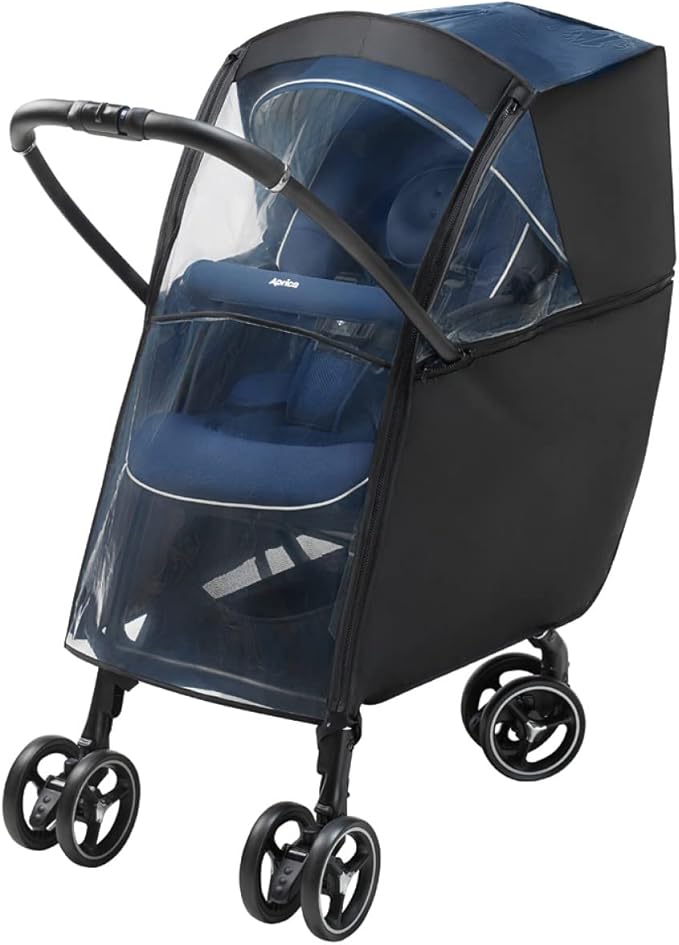
Aprica Rain Cover Type 1
A brand-matched Aprica cover for several Lacuna, Karoon, Runrun, Sofia, Flyle, Aeria, Luce, and related models. Choose it over a universal cover when a cleaner fit and handle-position switching matter more than broad stroller compatibility.
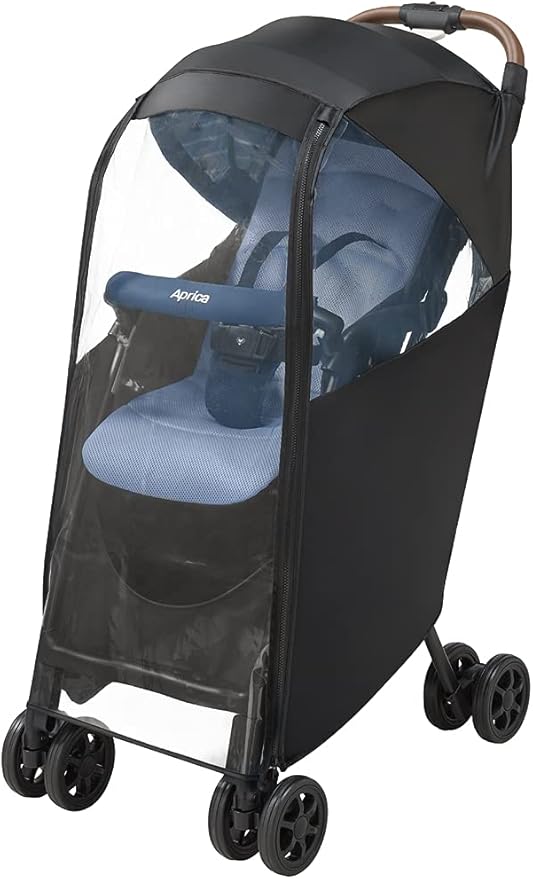
Aprica Magical Air Rain Cover
A dedicated Aprica cover for Magical Air models released from April 2018 onward, plus Cururee and Nano Smart strollers. It is a better match than a universal cover if you own those models, but older Magical Air strollers need a different fit check.
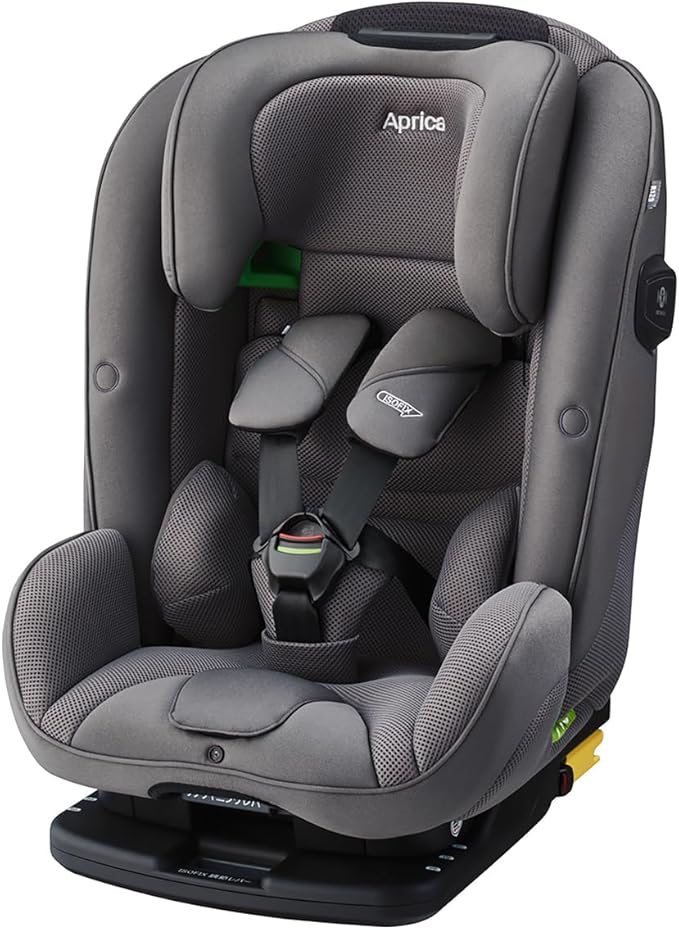
Car Seats
- Our score: 9.71 / 10
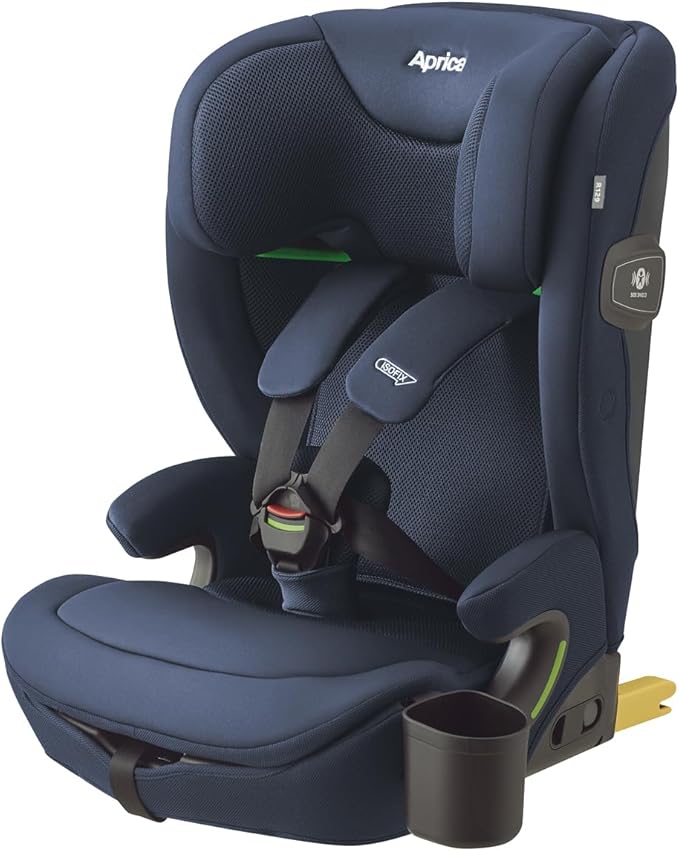
Aprica Form Fit Next
Harness: 76-105 cm (15+ months, max 19.5 kg); booster: 100-150 cm.
Aprica Form Fit Next suits families who want one high-back seat from the forward-facing harness stage to 150 cm. Its height and width adjust together and it reclines in the car; the key pre-buy checks are vehicle approval and the 19.5 kg harness limit within the 100-105 cm mode overlap.
- Our score: 9.65 / 10
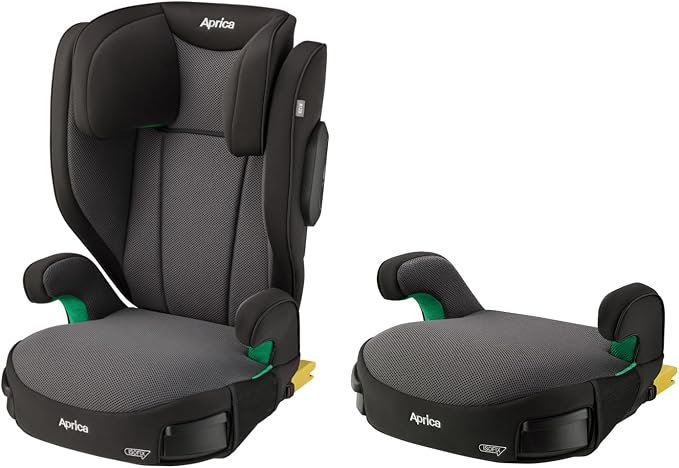
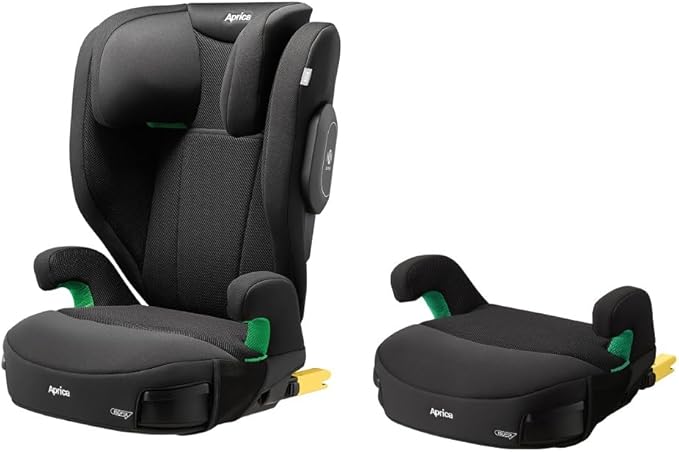
Aprica RideCrew ISOFIX AB
From 100 cm, up to 150 cm (~3.5 to 12 years).
Aprica RideCrew ISOFIX AB starts as a 5 kg high-back booster and can become a 2.9 kg backless cushion once the child reaches 135 cm. That distinction matters: its overall 100-150 cm range does not permit early removal of the backrest. Two cup holders retract when they are not needed. In either configuration, the child needs the car’s suitable three-point retracting belt; ISOFIX attachment is not a substitute. Check the AB vehicle fitting guidance before buying, especially if you plan to move the seat between cars.
- Our score: 9.48 / 10
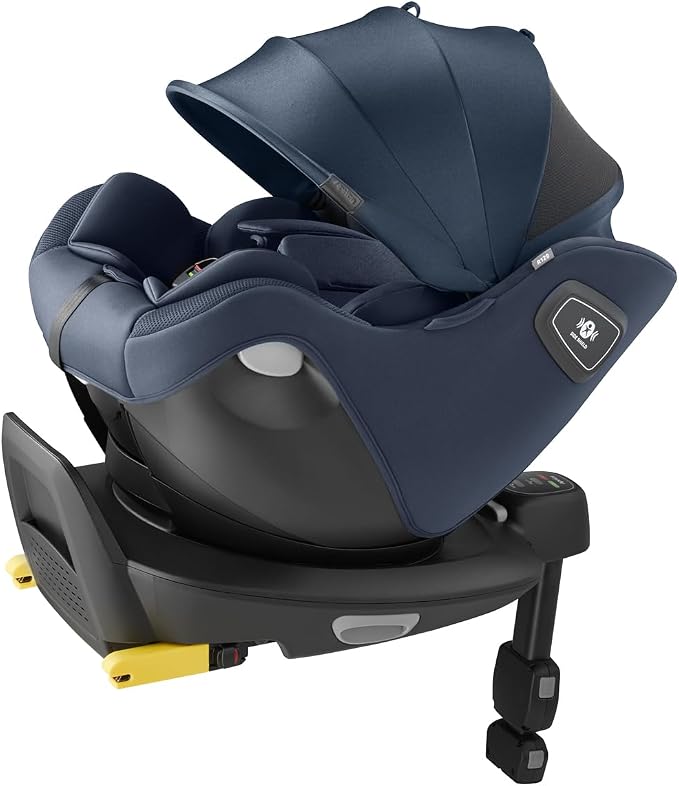
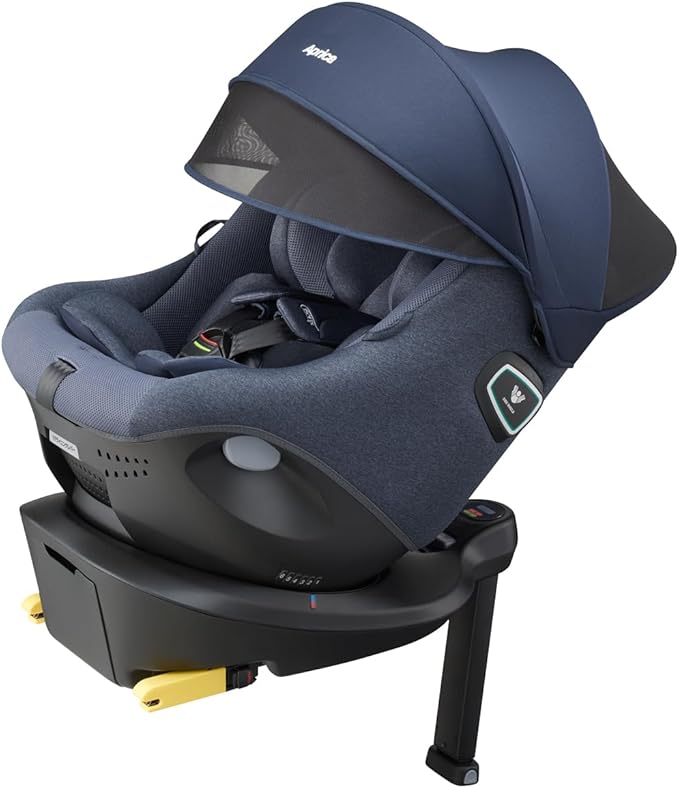
Aprica Cururila X Plus
From 40 cm, up to 105 cm (~newborn to 4 years).
Aprica Cururila X Plus separates into a seat and dedicated base, so you can fit the base before lifting the seat into place. Rotation controls on the seat and base help with door-side loading, although the complete system weighs 13.8 kg without accessories. It serves children up to 105 cm and 19 kg, starting rear-facing at 40 cm. Forward-facing requires both 76 cm and 15 months. Check vehicle compatibility and support-leg space, and confirm the seat is locked in a travel direction after loading; the sideways position is not for driving.
- Our score: 9.45 / 10
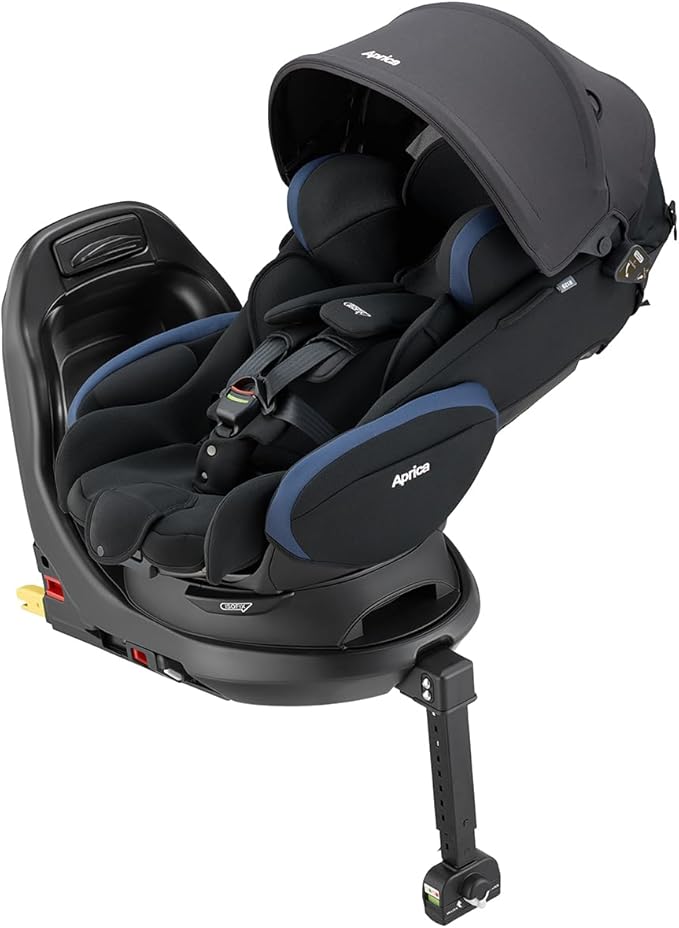
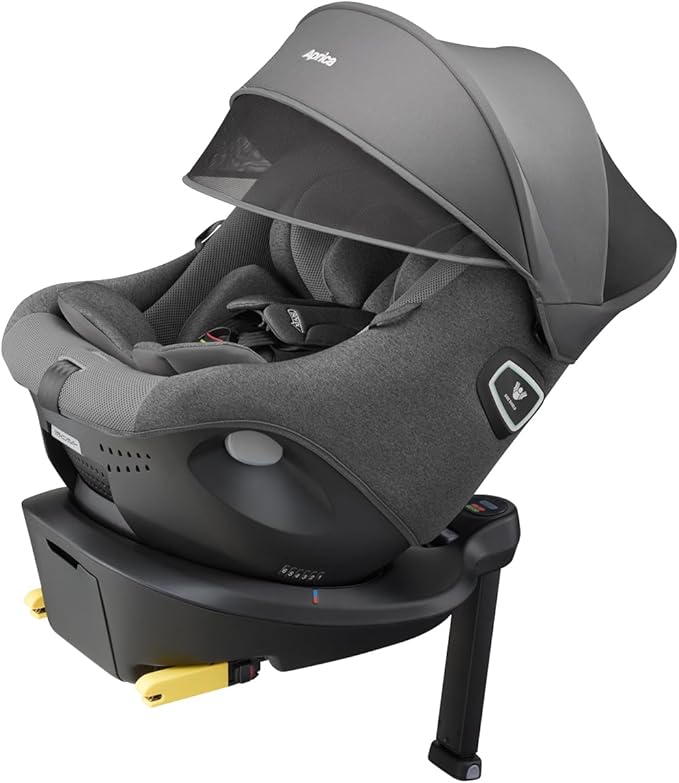
Aprica Fladea Plus Premium
From newborn, up to 41 in (~newborn to 4 years).
Aprica Fladea Plus Premium is for families who value Aprica’s bed-style newborn posture as much as rotation. It is easiest to justify for a main car during the baby years, while families wanting the longest single-seat span should compare toddler-to-booster models too.
- Our score: 9.44 / 10
Aprica ReRide AB
From 30 in, up to 59 in (~15 months to 12 years).
Aprica ReRide AB is a Japan-market ISOFIX toddler-to-booster option for families moving past the baby seat. It makes sense when long use to 150 cm and easier fixed installation matter more than newborn or rotation support.
- Our score: 9.41 / 10
Aprica RideCrew ISOFIX AC
High-back mode: 100-150 cm; backless mode: 135-150 cm.
RideCrew ISOFIX AC is for children moving to the vehicle’s three-point belt from 100 cm. High-back mode lasts to 150 cm; backless mode starts at 135 cm, although Aprica recommends keeping the backrest to 150 cm for posture support.
- Our score: 9.33 / 10
Aprica Cururila Prite
From newborn, up to 41 in (~newborn to 4 years).
Aprica Cururila Prite is the rotating ISOFIX choice for newborn-to-preschool use when easier loading matters every day. It is a heavier fixed-main-car seat, so it is better for one regular car than for families constantly moving seats.
- Our score: 9.33 / 10
Aprica KuruRila Bright
From newborn, up to 105 cm (~newborn to 4 years).
Aprica KuruRila Bright fits families who want a rotating ISOFIX seat for the newborn-to-preschool window. It is most useful when daily loading convenience matters, with the tradeoff that it will not replace a later booster seat.
Baby Carriers
- Our score: 9.63 / 10
Aprica Koala Ultra Mesh
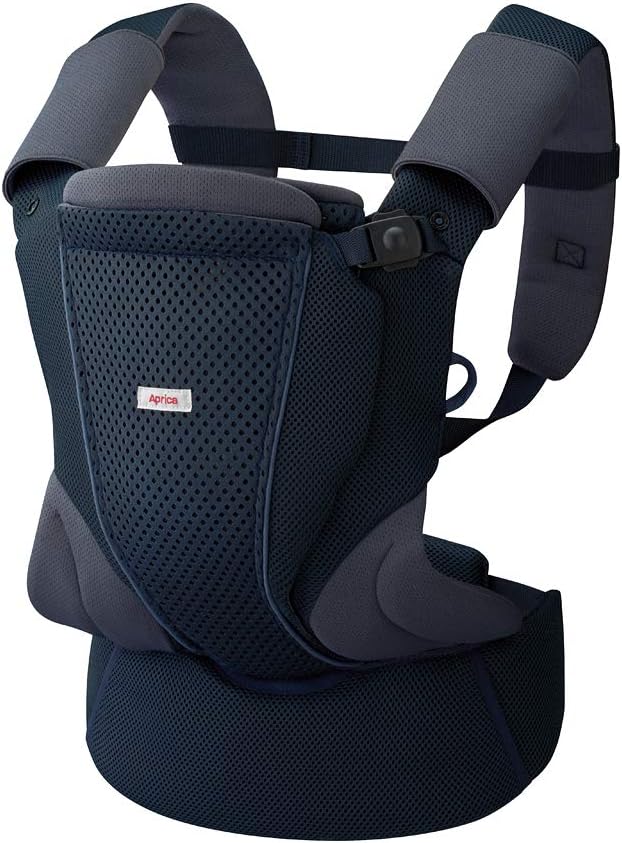
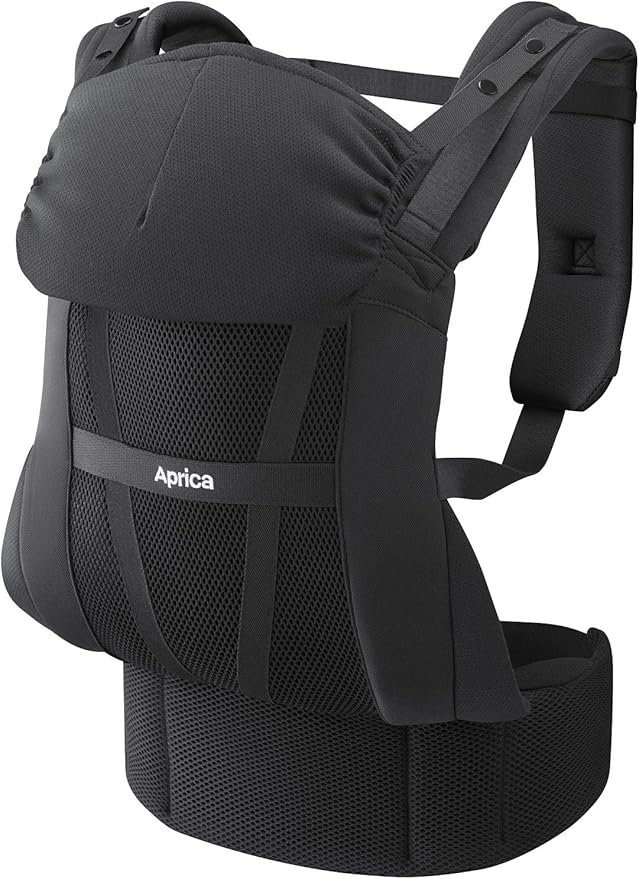
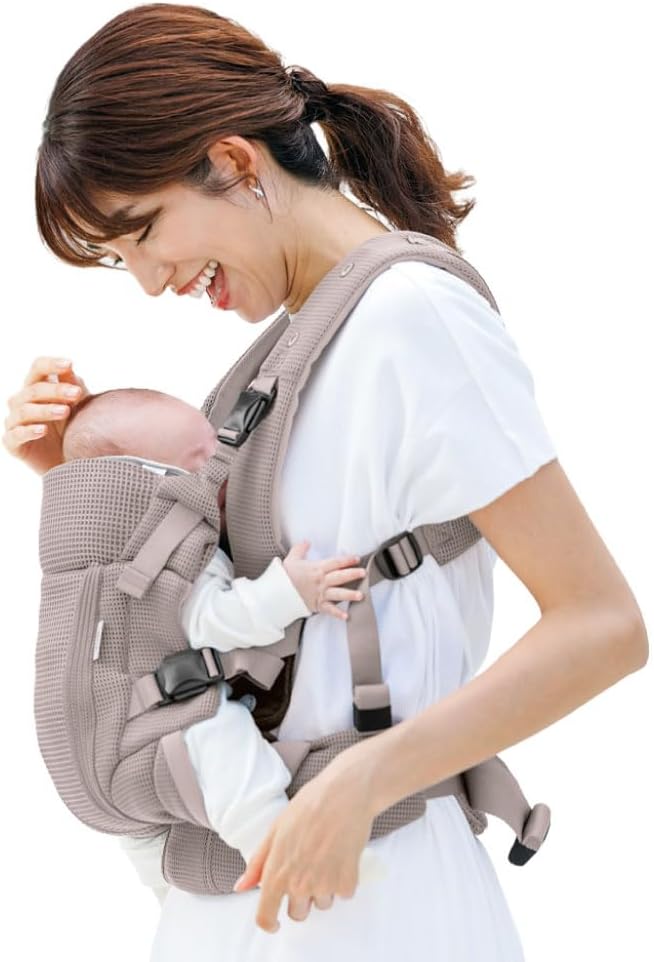
Aprica Koala Ultra Mesh is for parents who want a newborn-ready structured carrier with mesh and side-carry positioning. It is a stronger fit for families wanting guided early-baby support than for those looking for the smallest travel sling.
- Our score: 9.58 / 10
Aprica ColanHug Light
Aprica ColanHug Light is worth considering if you want a Japan-market waist-belt carrier with a newborn seat included and a lighter mesh build. It is an older, simpler design than the newest premium carriers, so its appeal is practical local fit rather than the most polished support system.
- Our score: 9.33 / 10
Aprica Laclis AB
Aprica Laclis AB is a structured carrier for parents who want four front buckles instead of reaching behind the back. It starts at 14 days and 3.2 kg and includes lumbar and pre-head-control supports, but the carrier plus support pieces weighs about 910 g, prioritising guided everyday fit over a minimal backup carrier.
Travel Beds
Aprica Coconel Air Plus AB
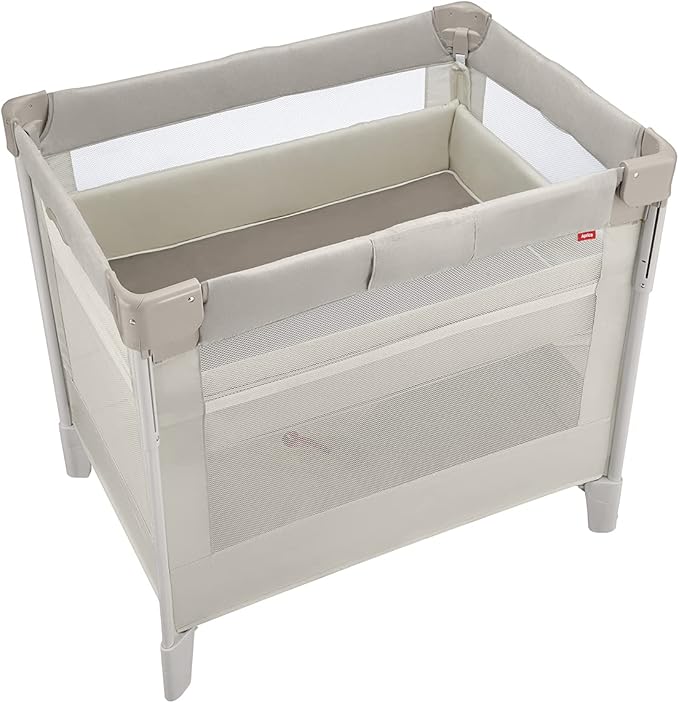
Aprica Coconel Air Plus AB should be compared directly with the standard Air AB rather than assumed better from “Plus”. Verify the specific changes in sleep surface, ventilation, cleaning, dimensions, and child limits before paying the difference.
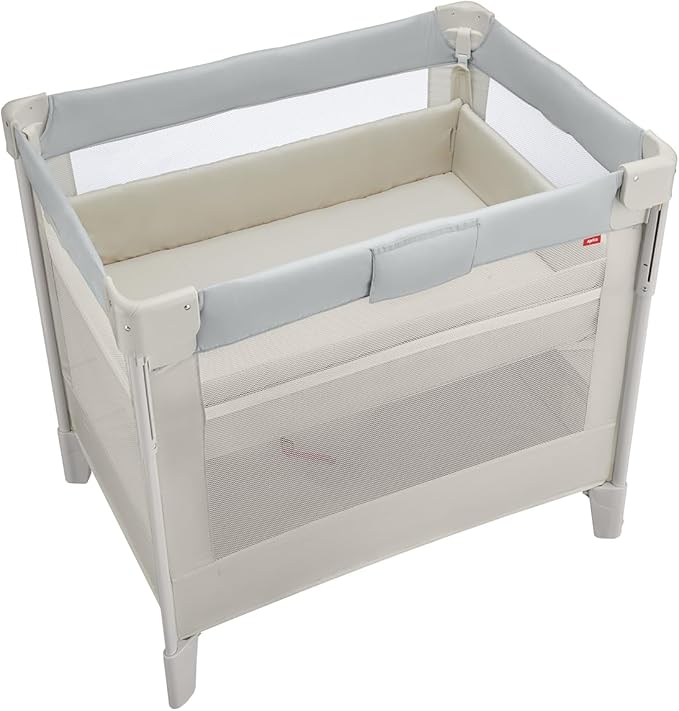
Aprica Coconel Air AB Baby Crib
Aprica Coconel Air AB Baby Crib is recorded as a simple floor-level cot from an established Japanese baby brand. Confirm this exact model's age/weight range, sleep base, folding method, and whether it duplicates the shorter Coconel Air AB listing.