
Our First Long-Haul Family Trip to Shanghai: What Actually Mattered
By Peter CronaLast updated
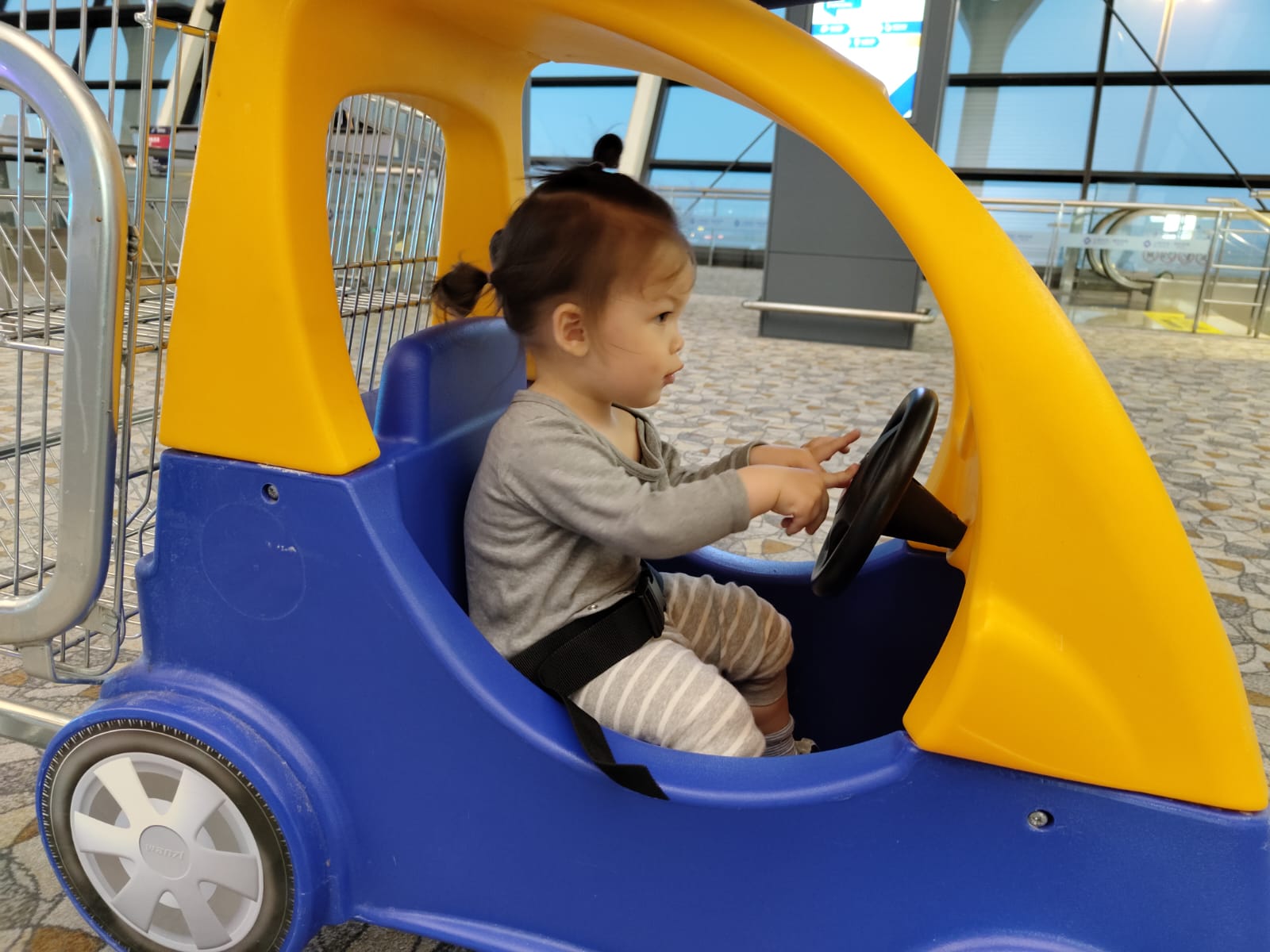
Our first long-haul family trip with children was a month in Shanghai to visit grandparents. We flew Berlin-Helsinki-Shanghai with an almost five-year-old, an almost two-year-old, checked luggage, and too much confidence in our carrier-only plan.
Yes, a long-haul family trip to China can work well. The biggest lesson from our first one was that documents, airport containment, and a realistic stroller plan mattered much more than bringing lots of gear. Our clearest mistake was skipping a travel stroller at departure and only realizing in Shanghai how much easier the trip would have been with one.
If you already know your family needs a compact second stroller for airports, taxis, and city walking, start with Which Travel Stroller Should You Buy?.
The setup that shaped this advice
- Trip length: about one month
- Destination: Shanghai, staying with grandparents
- Children: one almost five years old, one almost two years old
- Route: Berlin to Helsinki to Shanghai
- Initial gear plan: carrier, but no stroller
That setup mattered. A two-hour city break and a month-long family visit solve different problems. We did not need luxury packing tricks. We needed a way to move tired children, documents, snacks, and ourselves through a long travel chain without creating unnecessary stress.
What mattered most before leaving
The useful rule was not “pack more.” It was “protect the small things that can derail the day.”
For us, the highest-value items were:
- all travel documents gathered in one place
- a diaper-changing setup that worked even on a bench or small aircraft table
- enough snacks, charging, and simple entertainment for the long segments
- a real plan for how to contain a tired toddler at the airport
On that specific trip, printed travel papers also turned out to be helpful. The lesson was not that every family needs the same paper stack forever. The lesson was that long-haul travel becomes much calmer when the critical documents are over-prepared rather than half-improvised on a phone.
Our first mistake showed up at Berlin airport
We left our stroller at home and planned to rely on a carrier. That looked reasonable before departure. At Berlin airport it stopped looking reasonable very quickly.
Our younger daughter could walk, but that was not the same as being easy to manage in a busy airport. She kept running off, and the carrier was not a great answer because the terminal already felt warm and we still had a full day ahead. We eventually managed to borrow a stroller from the information desk after security, and that changed the whole wait for the better.
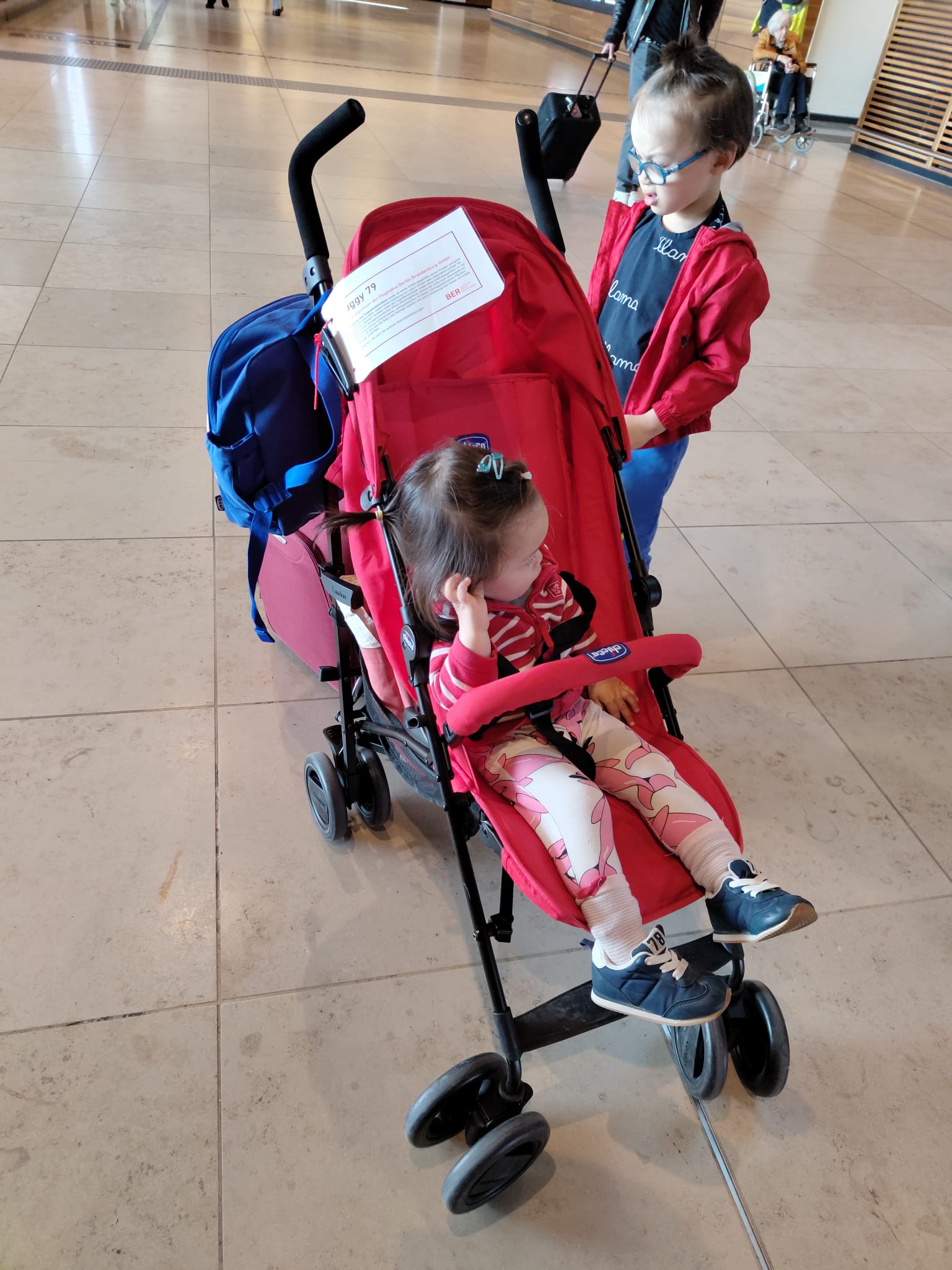
That was the clearest anti-mistake lesson of the whole trip: if your younger child still needs containment, do not treat “they can walk” as the same thing as “we do not need a stroller.”
During the flight, simplicity beat cleverness
The short Berlin-Helsinki segment was manageable. The long Helsinki-Shanghai segment was where fatigue, boredom, and noise became real.
Our older child struggled to settle with the built-in entertainment system until we let him use our noise-cancelling headphones. The difference was bigger than we expected. Suddenly the cartoons held his attention, the cabin felt calmer, and we could stop firefighting every few minutes.
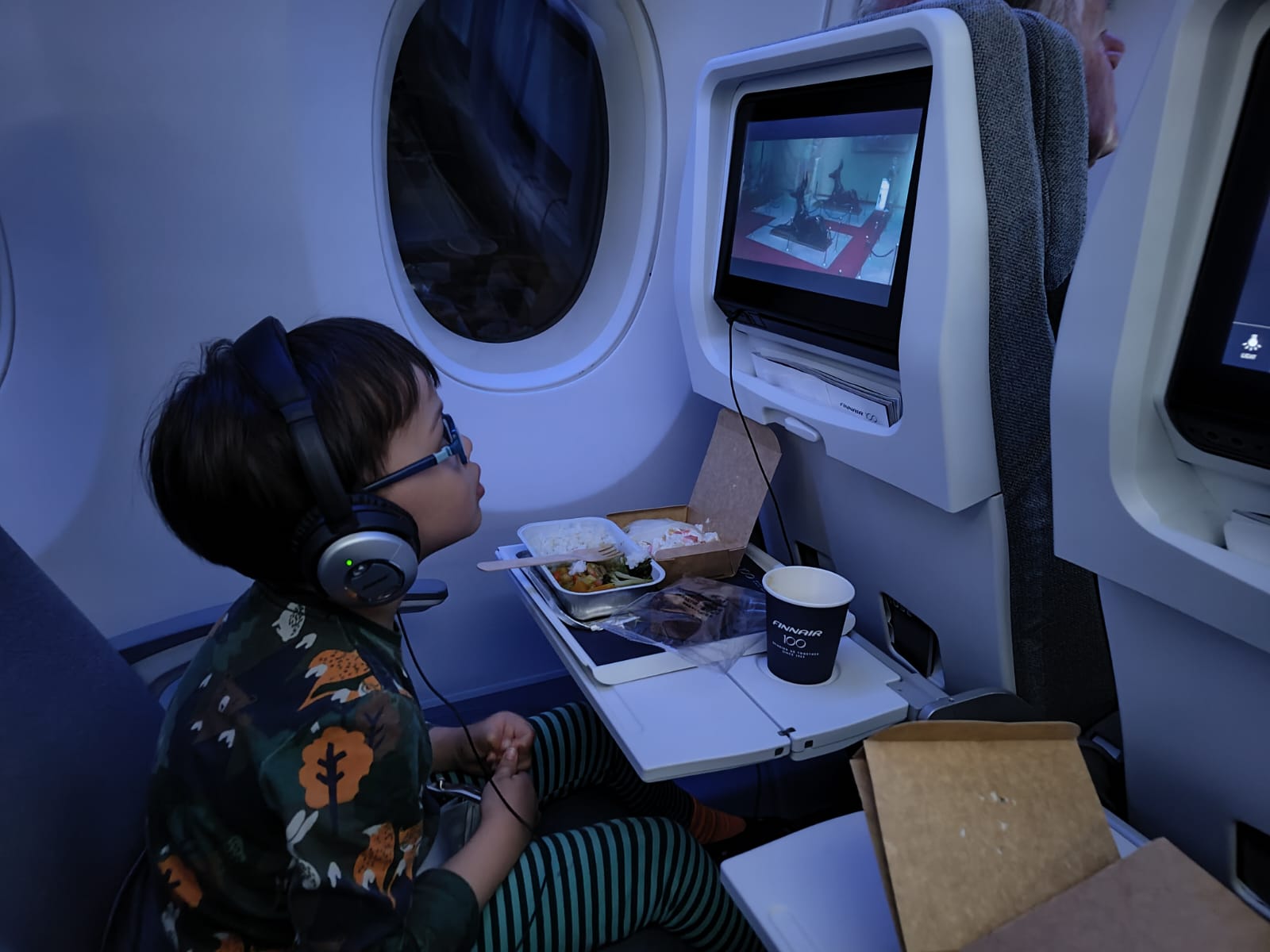
This is a good example of the broader rule. The useful travel items were not the ones that looked impressive on a packing list. They were the ones that solved one obvious friction point immediately.
Arrival was easier than the first days in Shanghai
Immigration and luggage collection were tiring, but manageable. The part we misjudged more badly was everyday movement after arrival.
Shanghai was warmer and more humid than we had planned for. That made the carrier much less attractive once we were outside the airport and moving around the city with family luggage, tired children, and real heat. We could still function, but the setup was clearly wrong for the trip we were actually having.
Once we borrowed a GB Pockit from a friend in Shanghai, the whole month improved.
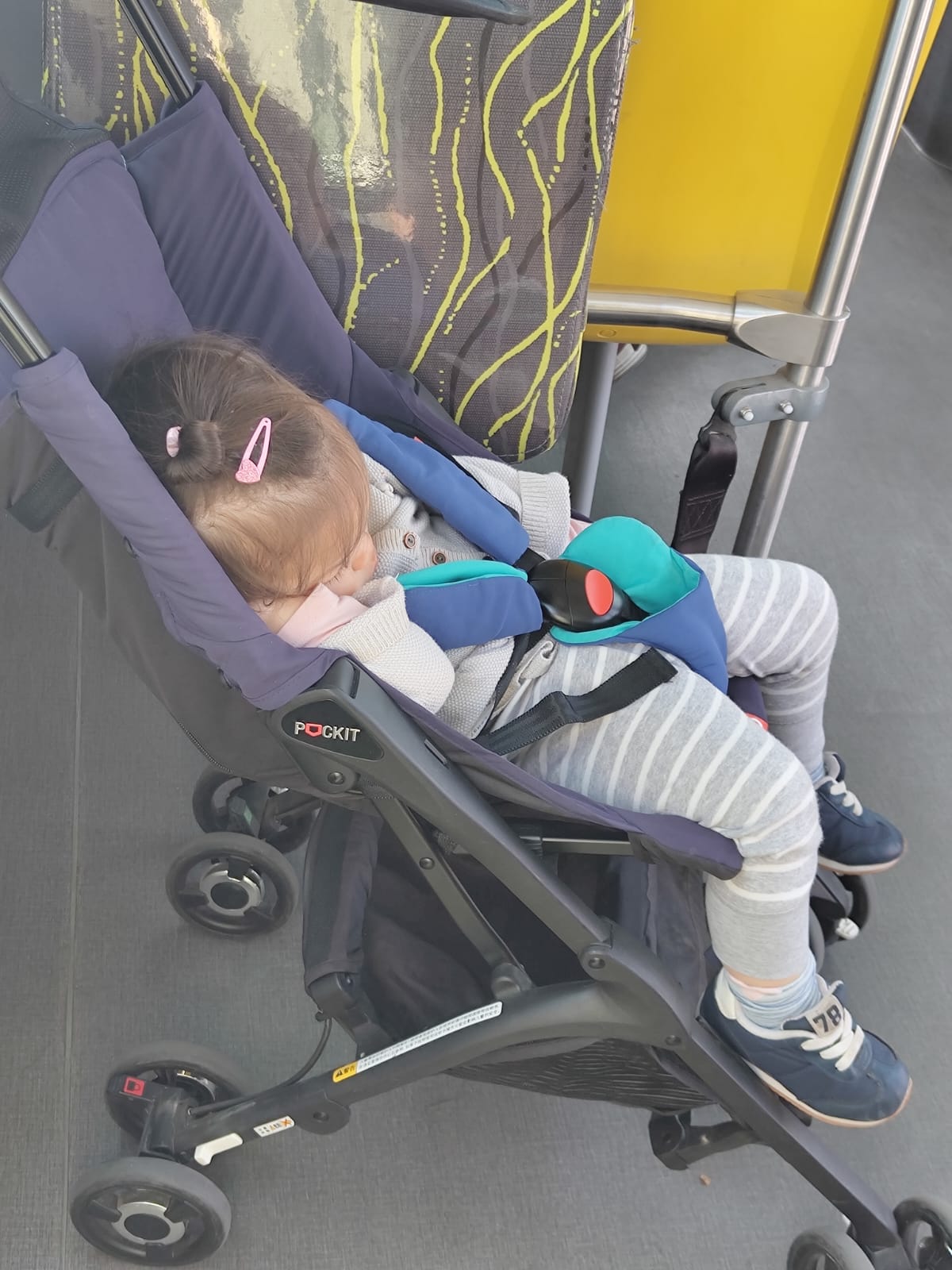
The stroller was not magic. It was simply the correct tool for the real problem:
- a child who could walk, but not for every transfer
- a hot city where carrying became tiring quickly
- taxis and daily movement where fold size mattered
- adults who needed one setup that stayed easy all month
That is why the borrowed stroller became the most important gear lesson of the trip.
What we would do differently next time
If we repeated the same Shanghai trip, we would change three things:
- We would either bring a true travel stroller from the start or arrange one confidently before arrival.
- We would still bring a carrier, but as backup rather than as the main movement strategy.
- We would build the packing plan around airport control, city heat, and daily family movement instead of around a long generic shopping list.
The travel stroller mattered because it solved more than one problem at once: airport waiting, city walking, short rests, quick folds, and easier taxi loading.
If you are deciding between bringing your normal stroller and a compact second one, Can I Travel with a Stroller? is the best next read.
Who this kind of trip suits
This kind of long-haul family trip makes the most sense when:
- you have a clear reason to stay long enough for the travel effort to feel worthwhile
- you can keep the first days relatively flexible
- you have a realistic plan for younger-child containment and rest
- you do not confuse “we packed a lot” with “we solved the hard parts”
It is harder when you arrive with a plan that depends on children coping like adults, on carrying doing all the work, or on every airport and city transition being smoother than usual.
Our takeaway
The reassuring part is that our first long-haul family trip worked. The humbling part is that it worked best once we stopped pretending our original gear plan had been smart.
The trip did not need more products. It needed better judgment: protect the documents, make the airport manageable, assume heat changes everything, and do not be too proud to admit that a compact stroller can rescue a month.