
Top Accessories for Mountain Day Trips With Kids
By Peter CronaLast updated Last checked
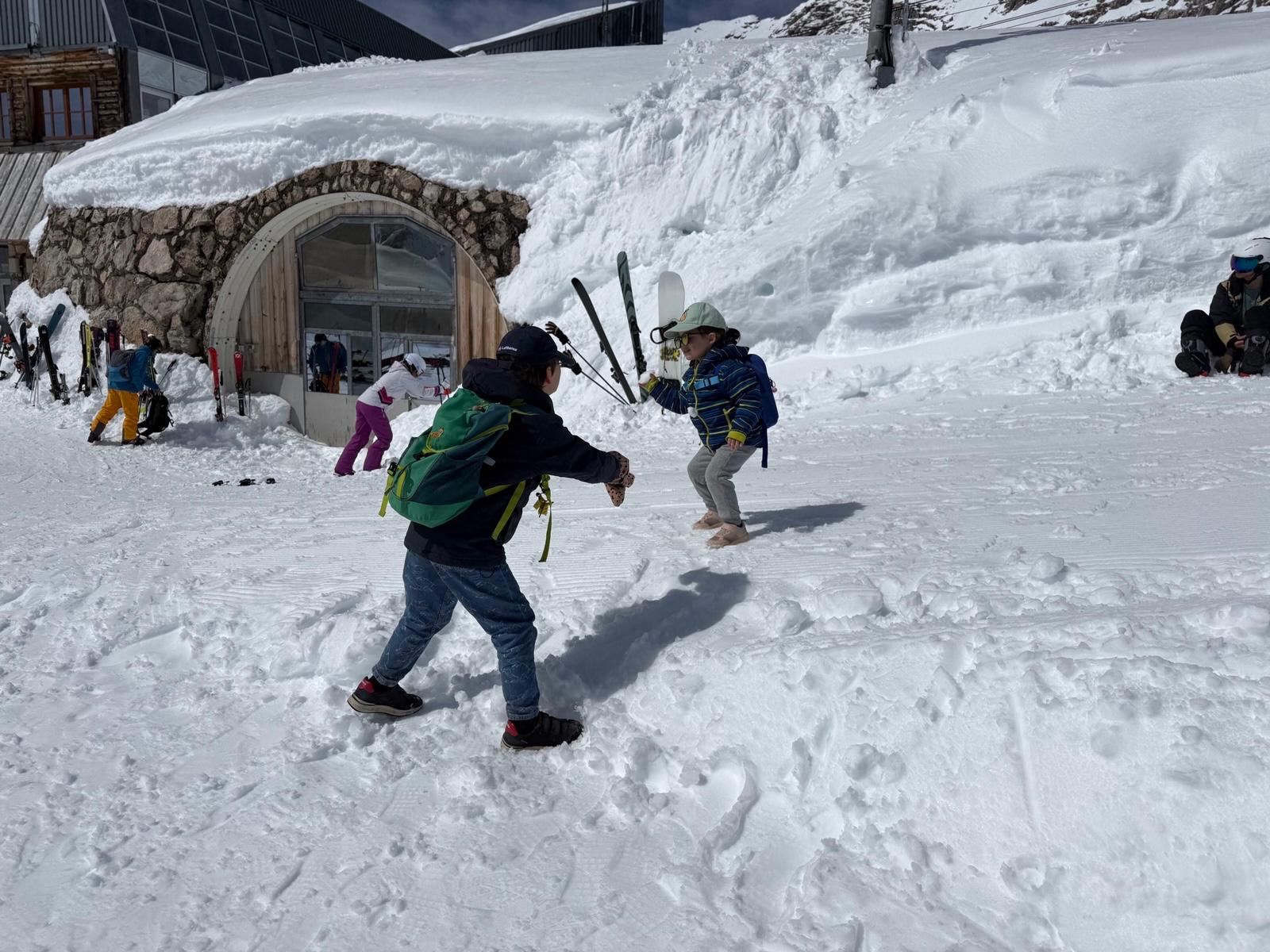
Family mountain day trips with kids invite a very specific packing mistake: families prepare for the train ride, the photos, and the city temperature, then realize too late that the real day happens in snow, harsh light, wind, and rushed transfers.
That was the lesson for us on Zugspitze. The problem was not that we forgot everything. The problem was that we underweighted the items that become disproportionately important once children meet real snow and adults have to manage cable cars, altitude, and a long return journey on the same day.
If you only buy a few things for a family mountain day trip, prioritize snow trousers, children’s sunglasses for snow glare, genuinely warm layers, and easy-access snacks. If you still need a pushchair for flatter parts of the route, choose a truly compact travel pushchair rather than defaulting to a bulky full-size model.
The best accessories to buy first
If you only want the shortlist, buy in this order:
- snow trousers or other proper waterproof overtrousers
- children’s sunglasses with enough protection for bright snow glare
- warmer layers than the city forecast seems to justify
- easy-to-reach snacks or sweets for ear pressure and queue moments
- spare gloves and spare socks
If your child still needs a pushchair for the easier parts of the route, I would add one more rule: do not default to your largest pushchair just because you already own it.
Best first buy: snow trousers or waterproof overtrousers
On a mountain day, children rarely want to stand and admire the view for as long as adults do. If there is real snow, they usually want to kneel in it, throw it, slide in it, and stay in it.
That is why snow trousers or waterproof overtrousers are such a high-value item. Without them, the day can shrink fast once clothing gets wet and cold. With them, children often get much more real play time before anybody starts negotiating about going inside.
This is the most defensible first purchase because it solves a very clear failure point: wet, cold clothes that cut the day short.
Most commonly skipped, but still worth buying: sunglasses
Families often remember coats and forget glare.
At high altitude, bright snow can be harsh enough that children become uncomfortable quickly, even on an otherwise beautiful day. A proper pair of children’s sunglasses is one of those accessories that feels optional at home and obvious once you are already there.
If you already own a decent pair, bring them. If you do not, this is still a more practical buy than many novelty travel accessories that never solve a real problem.
Best upgrade if the city forecast feels mild: warmer layers
The city forecast is not enough for mountain planning. A mild day in Munich can still mean a winter-feeling summit.
The useful mindset is not “pack everything.” It is “pack for the coldest, windiest, brightest part of the route rather than the warmest urban part.” That usually means better midlayers, a genuinely wind-blocking outer layer, and at least one spare layer for the child who gets wet first.
This is less about shopping for a specific branded product and more about correcting the common mistake of trusting the city temperature too much.
Small snacks solve more than hunger
For family mountain days, snacks are not only about calories.
Children often need something to chew during fast cable-car ascents and descents because swallowing helps with ear pressure. Snacks also buy patience during queues, ticket counters, and the awkward moments when adults are still working out the next transport segment.
This is why I would keep a few small, easy items in the most reachable pocket rather than buried inside the main bag.
Cheap backups that earn their place: spare gloves and socks
These are not glamorous, but they are exactly the sort of items that rescue the second half of the day.
Snow gets inside gloves. Children step where they should not. Something gets wet. Once hands or feet are cold, the outing can unravel faster than parents expect.
If you still need a pushchair, this is where a travel pushchair earns its keep
This is where mountain days differ from ordinary city trips.
On routes that include cogwheel trains, cable cars, or busy boarding areas, there is often not much room for a large pushchair. That was our own impression on Zugspitze. The route itself was manageable because we were not trying to force bulky gear through every transition.
If your child still genuinely needs a pushchair for the flatter parts of the day, a compact travel pushchair makes much more sense than a bulky full-size model. It is easier to fold quickly, easier to carry during tight boarding moments, and less likely to become the thing everybody resents once the route starts to bottleneck.
Start with our best travel pushchairs guide if you want the most relevant compact-pushchair recommendations for this kind of day.
What I would skip buying
I would not treat mountain day trips as a reason to buy lots of random cold-weather accessories all at once.
The best buys are the ones that fix a specific failure point:
- wet snow clothes
- harsh glare
- wind and temperature drop
- ear-pressure and queue frustration
- pushchair bulk during boarding and transfers
If an item does not clearly solve one of those, it probably belongs lower on the list.
The actual packing rule
The strongest rule for mountain family trips is simple: prepare for the child’s play moment, not only for the adult’s viewpoint moment.
That is why snow trousers, sunglasses, dry backups, and easy-access snacks so often matter more than parents first expect.
If you are planning Zugspitze specifically, the full route and timing tradeoffs are in Zugspitze and Eibsee With Kids: How to Do Germany’s Highest Peak as a Day Trip.