
Should You Buy a Running Buggy?
By Peter CronaLast updated
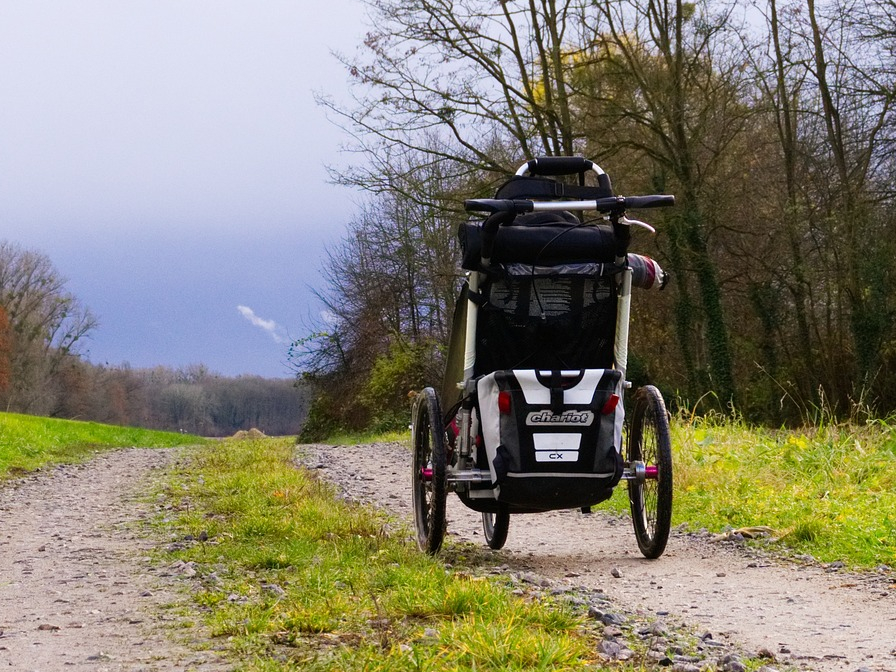
Should you buy a running buggy? For some families it is one of the most satisfying pushchair upgrades they make. For others it becomes a huge, awkward thing that clutters the hallway and still does not solve the real problem. The useful question is not whether running buggies are “good.” It is whether this type of pushchair actually matches the routes and routines you already have.
Buy a running buggy if you run regularly or do long rough-ground walks and can live with a bigger, less city-friendly pushchair. Skip it if you mainly need a compact everyday pushchair, easy public-transport use, or a newborn-first setup.
Quick answer: who should buy one?
Buy one if most of these sound like your real life:
- you run often enough that a normal pushchair already feels limiting
- your usual routes include gravel, park paths, broken pavements, or winter slush
- your child is old enough for the brand’s running guidance
- you have room for a longer fold, bigger wheels, and a bulkier pushchair overall
Wait or skip if most of these sound more familiar:
- the pushchair mostly does short errands, lifts, cafes, nursery pickup, and small car boots
- you want one pushchair to cover newborn life, city use, and travel with almost no compromise
- you only expect occasional weekend runs
- you already own a good all-terrain pushchair and mainly wish it folded smaller
What makes a true running buggy?
Not every sporty-looking three-wheeler is a true running buggy. The useful signs are a long wheelbase, large wheels, suspension that actually calms rough ground, and a front wheel that is fixed or locks securely when you run. Control details matter too: a wrist strap, reliable brakes, and a frame that still feels stable when you pick up speed or go downhill.
This is the point many families miss. Plenty of all-terrain pushchairs are fine for rough walks but are still not approved for actual jogging. If the manufacturer does not clearly allow running, treat it as a walking pushchair, not a true running buggy.
If you want to compare real models next, start with our running buggy shortlist.
When a running buggy earns its place
A running buggy makes the most sense when it removes daily friction, not when it just looks more capable.
It is easiest to justify if you are the sort of family that does one or more of these:
- early-morning runs while the baby or toddler sits for 30 to 60 minutes
- long dog walks or park loops where a small city pushchair struggles
- rougher suburban or rural routes where bigger wheels and suspension save a lot of rattling
- weekend outings where you want one pushchair that can handle trails, grass, kerbs, and distance
In those situations, the extra bulk is often worth it. A real running buggy rolls more calmly, tracks straighter, and asks less from your arms and wrists on uneven ground. That matters much more on a longer run than it does in a baby shop aisle.
The biggest reasons families regret buying one
The downside is usually not safety. It is daily practicality.
running buggies are often longer, wider, and more annoying to store. They can feel awkward in tight shops, on buses, in small lifts, and in cafes with narrow aisles. If you mostly live a compact urban routine, the thing that felt “more capable” in theory can become the pushchair you avoid using.
This is why many families are happier with an all-terrain everyday pushchair instead. If you mainly walk briskly, cover rough pavements, and only run occasionally, you may not need a dedicated jogging model at all.
The safety boundary matters more than the marketing
Before you run, two things need to be true:
- the pushchair itself must be approved by the manufacturer for jogging
- your child must meet the brand’s age and development guidance for jogging use
Do not assume that “from birth”, “full recline”, or “large wheels” means safe for running with a newborn. In many cases, a running buggy can serve as a walking pushchair earlier than it can serve as a running pushchair.
Once you do start running, the basics still matter: use the harness properly, lock the front wheel when required, wear the wrist strap if the model has one, and keep tyres and brakes in good condition.
Better alternatives if you are unsure
If you are hesitating, one of these usually solves the problem more cleanly:
- a good all-terrain pushchair if you want rough-ground walks more than true running
- a lighter everyday pushchair if your real pain point is stairs, travel, or storage
- keeping your current pushchair and doing your runs solo if jogging with a child will be occasional
If your main need is still broad day-to-day use, our best pushchairs shortlist is often a better place to start.
Final thoughts
A running buggy is worth buying when you already live the kind of routine that benefits from it: regular runs, rougher routes, longer outings, and enough storage space to tolerate a bulkier pushchair. It is much harder to justify when you mainly need something compact, flexible, and easy for everyday errands.
That is the real dividing line. Buy it because it fits the life you already have, not because it sounds like the parent you hope to become.