
Car Seats 101: Where to Start
By Peter CronaLast updated Last checked
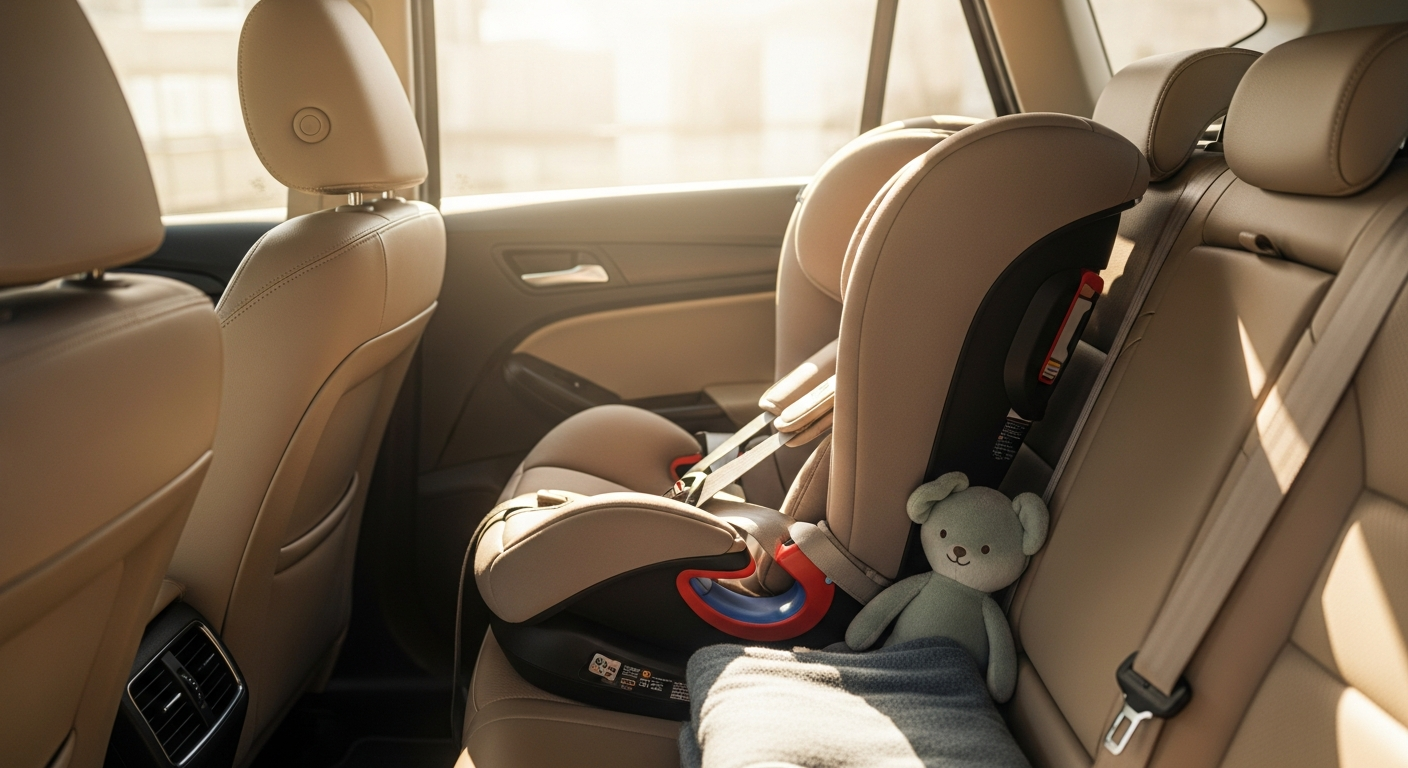
Shopping for a car seat gets easier once you stop starting with brands and start with fit. Most parents are not really asking, “Which car seat is best?” They are asking, “Which type of seat still fits my child safely, legally, and practically in our own car?”
In India, start with CMVR Rule 138(6) as described by MoRTH to Parliament and the AIS-072 child-restraint standard, then narrow by your child’s size, the restraint category, approval evidence, and your own car. That usually points you toward an infant carrier, a child seat, or a booster-style restraint that installs correctly.
The names on the box vary by market. In North America you will often see infant seats, convertible seats, and boosters. In much of Europe you will more often see R129 or i-Size height ranges, rear-facing seats, toddler seats, high-back boosters, and booster cushions. In India, look for child restraint wording and AIS-072 fit classes rather than assuming a US or European label maps cleanly to the listing. The better first question is still the same everywhere: what stage still fits your child right now?
The fastest route
If you want the quickest useful answer, do it in this order:
- start with the stage that still fits your child now
- check the local rule and the exact height or weight limits on that stage
- use our best car seats shortlist to compare only inside that smaller bucket
That matters because most bad car-seat browsing starts too wide. Parents end up comparing infant seats, next-stage seats, and boosters against each other when the first real job is to rule out the stages that no longer fit.
Start with the right stage
Rear-facing seat
This is the usual starting point for newborns and younger children. In every region here, rear-facing is the right first bucket. The exact limits depend on the seat.
In India, AIS-072 includes rearward-facing infant carriers and other child restraint categories. The practical rule is still fit-led: keep the child in the safest correctly installed stage that the restraint allows, rather than moving on because the listing uses a broader age label.
Next-stage harness seat
This is the middle stage after rear-facing, if your child has outgrown rear-facing but still needs the restraint system to do more than just position the vehicle belt.
In India, do not treat “baby car seat” as one stage. Check whether the listing is an infant carrier, a child seat, or a booster-style restraint, then confirm the child-size range and installation route before comparing price or brand.
Booster or high-back booster
This is for the later stage, when the child has outgrown the earlier restraint stage and now needs the vehicle belt positioned correctly. A booster is not just “the next cheap seat.” It only makes sense when the child is big enough for that stage and local rules allow it.
What your local guidance actually changes
India: CMVR child-restraint rule plus AIS-072 fit
MoRTH’s 2026 Parliamentary answer describes the current CMVR position this way: Rule 125(8) requires M1 passenger cars in scope to provide for child-restraint installation, and Rule 138(6) says the driver must ensure a child up to age 12 is seated in an appropriate child restraint system conforming to AIS:072-2009. AIS-072 is the child-restraint approval standard.
The practical India check is therefore not “does this listing say car seat?” Start with the child’s current size, confirm the restraint category and approval evidence, then check whether it installs correctly in your own car. If the listing gives only vague age marketing and no usable approval or fit detail, treat it as unresolved rather than safe.
What to check before you buy anything
Your child’s current height and weight
Age is a shortcut. Height and weight decide whether the seat still fits.
The approval label where you live
In India, look for clear AIS-072 child-restraint evidence and a usable child-size range, then follow the manufacturer’s installation and fit instructions for your own car.
Your actual car and seat position
Three-across plans, sloping vehicle seats, shallow back seats, and difficult buckle access can all change which seats are realistic. A seat that looks ideal on paper can still be the wrong buy for your own car.
The installation route you will really use
ISOFIX or seat belt installation can both be fine if the seat allows it, but the right answer is the one you can install correctly every time in the car you actually use.
Both manuals, not just the marketing page
Check the child seat manual and the vehicle manual. That matters even more if you are considering front-seat use, rotating seats, support legs, or compact three-across plans.
Common mistakes
Shopping by age alone
A search like “car seat for a 4 year old” or “booster for a 5 year old” is common, but it is not a reliable way to choose the right stage.
Leaving rear-facing too early
This is one of the easiest mistakes to make because labels and family habits vary by market. Rear-facing should end when the child no longer fits that seat rear-facing, not just because a later birthday arrived.
Moving to a booster because it looks easier
Booster use only makes sense once the earlier stage is truly outgrown. Convenience is not the rule.
Assuming every approved seat will fit every car
Approval does not mean universal fit. Tight back seats, unusual seat contours, and buckle geometry still matter.
Ignoring the front-airbag issue
If a rear-facing seat goes in front, the airbag question has to be resolved exactly the way the vehicle and seat manuals require. This is a safety rule, not a convenience detail.
How to use our car-seat shortlist
Start with the stage that still fits your child now. Then use the stage filter on our best car seats shortlist to compare within that smaller bucket instead of browsing every model on the market.
That order matters:
- fit the child first
- confirm the seat is legal and practical in your car
- compare features only inside the smaller safe set
Useful differentiators only matter after that, for example:
- easier installation
- extended rear-facing room
- narrower shell for tighter back seats
- easier daily loading
What a good first buy looks like
A good first buy usually keeps your child in the current stage with real room left, fits your car without awkward workarounds, and feels simple enough that you will use it correctly on ordinary tired days.
That is usually a better buy than the seat with the longest age range, the biggest feature list, or the lowest headline price. If two seats both fit safely, prefer the one you can install confidently and live with every day.