
Should You Buy a Double Pushchair?
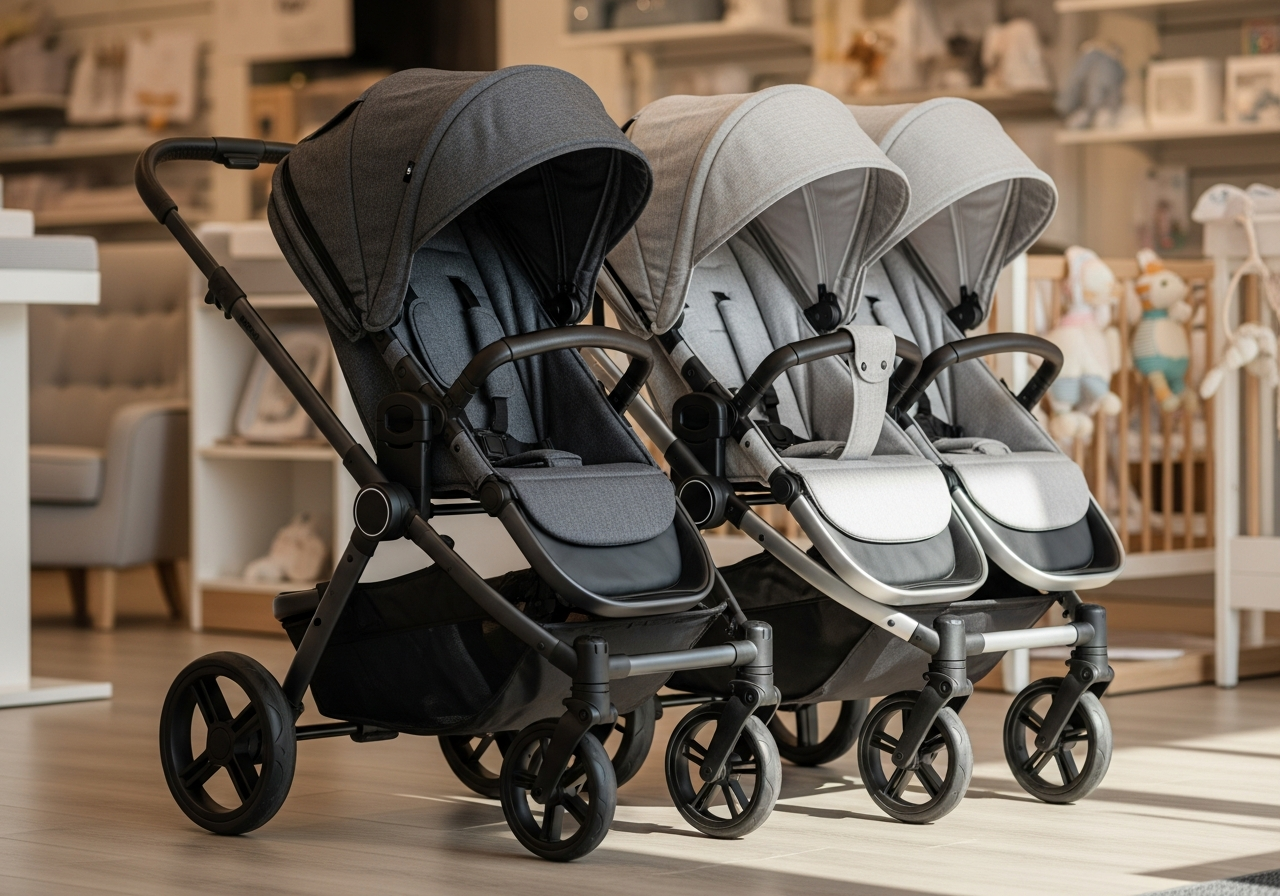
Many families start asking this question at the exact point when ordinary outings become weirdly hard. One child clearly still needs a seat. The older child says they want to walk, then melts down halfway through the nursery pickup, supermarket run, or airport transfer. You end up steering one child, carrying another, and wondering whether the answer is “buy more stroller” or “stop overthinking it.”
Buy a double stroller when two children will predictably need proper riding help on the same outing, often enough that the extra width, weight, and folded bulk will save more friction than they create. Skip it when the second seat solves an occasional “just in case” problem rather than a routine one.
The mistake families make most often is not buying the wrong double stroller. It is buying the right category too early, or buying a huge sibling stroller to solve a problem that really only happens once or twice a week.
If you already know a double stroller makes sense, go straight to our best double strollers. If you are still not sure you need this category at all, keep reading first.
When you should buy a double stroller
You regularly need two real seats
This is the clearest yes. If both children regularly need to sit for nursery runs, longer walks, shopping trips, travel days, or nap-time errands, a double stroller is not overkill. It is infrastructure.
The practical test is simple: if you can name several weekly outings where both children genuinely need support, you are probably in double-stroller territory already. If the second seat would be used on one long Saturday outing and nowhere else, that is a different answer.
The older child is not reliably done with stroller use
This is where parents talk themselves into optimistic stories. A three-and-a-half-year-old may be capable of walking. That is not the same as reliably walking through school drop-off, a grocery stop, and the journey home without slowing everything down.
Our view here is practical rather than idealistic: judge the child you actually have on a normal tired weekday, not the child you get on a good-weather weekend. If you repeatedly end up carrying one child while pushing the other, or cutting outings short because the older child is done, the second seat is solving a real problem.
You want one stroller that can grow with the family
This is the strongest case for a convertible rather than a full-time side-by-side double. If baby two is on the way, or still small enough that you do not need two toddler seats every day, a single-to-double model can be the smarter buy.
That is why models like the Cybex Gazelle S or Bugaboo Donkey 5 make more sense for some families than jumping straight to the biggest sibling stroller you can find. They are not better in every way. They are better when the buying problem is “grow with us” rather than “handle two seated children all day right now.”
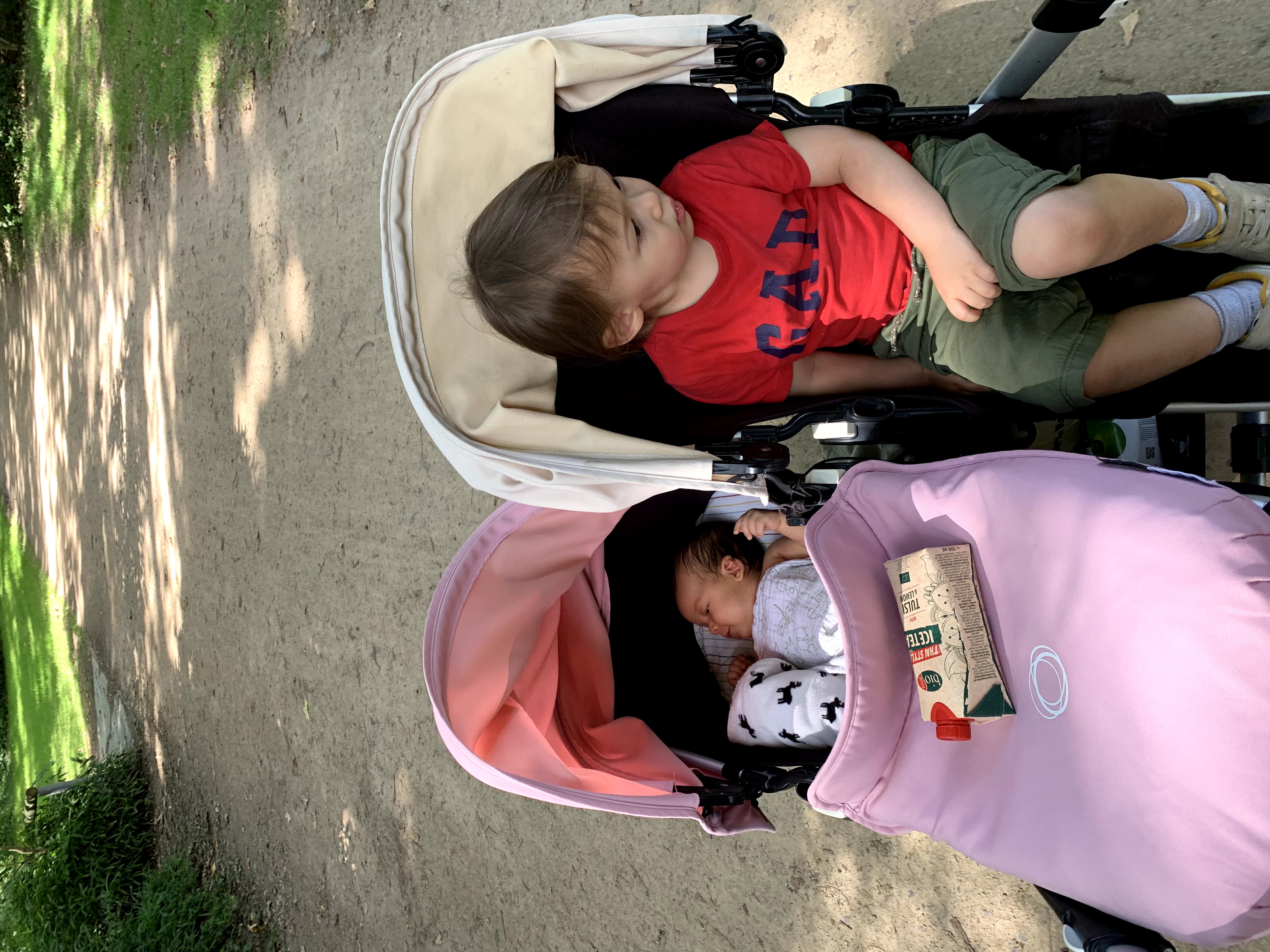
From our own experience, this was exactly the kind of situation that made a double stroller feel worth it rather than theoretical. When our daughter was born, our son was only a little over four. He could walk perfectly well, so on paper it was easy to tell ourselves we might not need a double. In real life, supermarket trips, hospital visits, park outings, and travel days were a different story. One adult trying to manage two small children at once can get stretched quickly, and sometimes our son would get curious, stop listening, and start running around. That was the moment when converting our Bugaboo Donkey from single mode into double mode stopped feeling like a luxury feature and started feeling like a real safety and sanity upgrade. Suddenly outings felt more controlled and much less tiring, because we were not pushing one child while chasing the other.
We were also lucky that our family growth matched the way the Bugaboo Donkey works. With one child, it was effectively a single stroller with the extra side basket, which was genuinely useful day to day. When our second child arrived, it could become a bassinet-plus-seat sibling stroller without us having to replace the whole setup. That kind of fit matters. A grow-with-family stroller tends to make the most sense when your family timing and daily routines line up reasonably well with the way the product can adapt over time.
When you should not buy a double stroller
A full double stroller is more than you really need
If the older child usually walks well and only needs occasional backup, a full double stroller is often too much machine for too little benefit. The same is true for families who do not need two full seats every day, but only want a temporary second option for holidays, long zoo days, or the occasional over-ambitious afternoon.
The boundary condition matters: “occasional” should mean genuinely occasional. If you are saying “only sometimes,” but those “sometimes” include every school pickup, every train journey, and every big shopping trip, that is not occasional anymore.
Your storage, car, or daily routes are already tight
Double strollers create a transport problem of their own. They are wider, heavier, bulkier to fold, and more annoying to store. If your hallway is narrow, your lift is small, your car boot is already busy, or your normal errands involve cramped indoor spaces, a double stroller can solve one problem while creating three new ones.
This is also where the type of double matters. A Bugaboo Donkey 5 can be an excellent sibling stroller if comfort, quality, and long-term ownership matter most, but it still asks you to live with real width in duo mode. A convertible like the Gazelle S often makes more sense when families want flexibility without committing full-time to the footprint of a side-by-side setup.
Combination solutions offer more flexibility in addressing everyday problems
This is one of the easiest situations to misread, because two children are involved but that does not automatically mean a double stroller is the best answer right away. If a baby carrier plus a good single stroller already handles your normal outings well, or if a ride board or standing board covers the older child when needed, then a combination setup may be solving the daily problem well enough already. In that kind of situation, a full double stroller is often unnecessary for now, and can end up sounding more reassuring in theory than useful in practice. The real trigger to reconsider is when those combination solutions stop working consistently, for example when both children regularly need meaningful transport support on the same outing, or when the older child can no longer manage with occasional backup alone. That is usually the point when you are moving out of the in-between stage and into a genuine double-stroller case.
If you do not buy one, what are the alternatives?
A ride board or standing board
This works best when the older child is mostly a walker, but still benefits from a short break during longer outings. It is a very good solution for the family that needs backup, not another full seat.
It stops being a good solution when the older child regularly falls asleep, needs real containment in busy spaces, or cannot manage the duration of your normal outings.
A baby carrier plus a single stroller
This is often the cleanest answer when the younger child is still small and the older child is the one who clearly needs the stroller seat. It works especially well during the stage when the baby is portable and the toddler is not.
It becomes less convincing once the baby gets heavier, the outings get longer, or both children need to nap or rest during the same trip.
Keep your single stroller and wait
Sometimes waiting is the most disciplined choice. Family routines change quickly, especially across pregnancy, parental leave, nursery starts, and summer-to-winter shifts in how much walking children will tolerate.
Waiting makes sense when the problem is still emerging and you do not yet know whether you need a real double, a convertible, or just a temporary backup plan. It does not make sense when the problem is already costing you time and patience several times a week.
Which kind of double stroller are you actually deciding between?
Most families are not choosing between “double stroller” and “not double stroller.” They are choosing between different kinds of compromise.
A full sibling stroller
This is for families who already know two children need proper seating together, often. The upside is better day-to-day readiness. The downside is that you live with the size every day.
A single-to-double convertible
This is for families who want a more gradual path from one child to two. The upside is flexibility. The downside is that convertibles can feel bigger and more complex than the best pure single strollers, even before you use the second seat regularly.
A single stroller plus backup solution
This is for families whose problem is real but not constant. The upside is lower cost and less daily bulk. The downside is that it can stop working abruptly once both children need serious support at the same time.
How can you quickly tell if a double stroller suits you?
Use this test with your normal weekday routine, not your ideal one:
- On a normal week, do both children need riding help on several separate outings?
- Do you often end up carrying one child while pushing the other?
- Are you trying to solve a repeated problem, not a hypothetical future one?
- Can your hallway, lift, boot, and usual shops realistically handle a larger stroller?
- Do you need a full-time second seat, or do you really need a temporary backup plan?
If most answers point toward repeated, predictable need, a double stroller probably fits your life. If the answers are mixed, you probably need either a convertible or a lighter workaround, not the biggest option in the category.
Final thought
The useful question is not “are double strollers worth it?” in the abstract. The useful question is “what exact problem am I trying to solve, how often does it happen, and what is the lightest realistic solution?”
That framing leads to better decisions. Some families really do need a proper double stroller, and they should buy one without guilt. Some need a grow-with-family convertible. Some only need a board, a carrier, or six more months.
Buy the double when it clearly removes recurring friction from everyday life. Do not buy it just because family logistics feel uncertain and a bigger stroller sounds emotionally safer.