
How to Make Your Pushchair Last Longer: Maintenance, Repair, and Replacement Tips
By Peter CronaLast updated
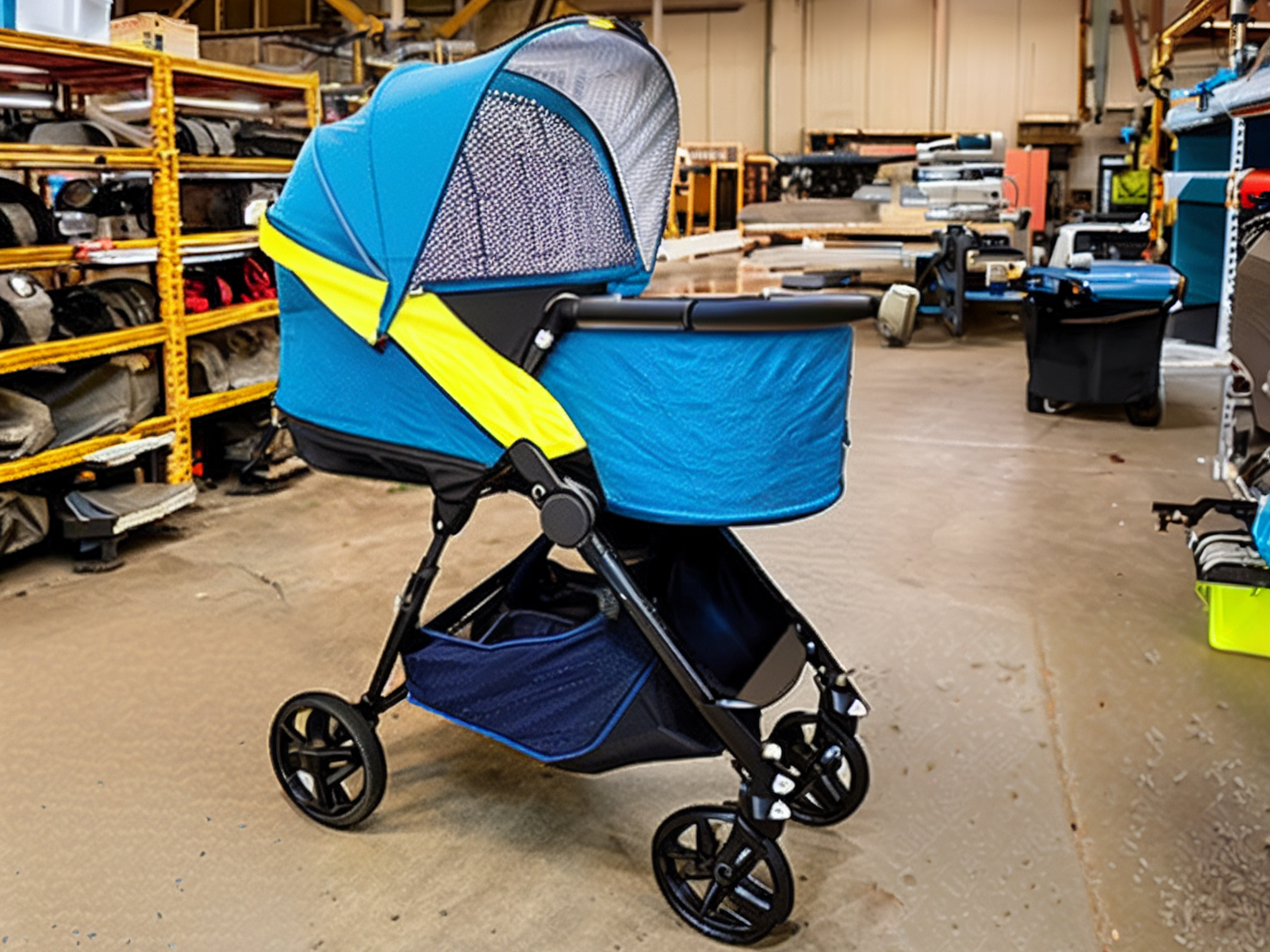
A pushchair usually wears out through ordinary family life, not through one dramatic failure. Repeated boot loading, kerbs, wet weather, gritty pavements, rushed folding, and too much weight on the handlebar slowly do the damage. That is good news in one sense: most of the biggest problems are preventable if you look after the parts that get stressed every week.
The best way to make a pushchair last longer is to buy one that matches your real routine, keep the fold and wheels clean, dry it properly after wet outings, avoid overloading it, and fix small problems before they turn into expensive ones.
Start with the right type of pushchair
Durability starts before the first outing. A travel pushchair used like a full-time main pram, or a huge all-terrain model forced through cramped daily routines, often wears badly because the job and the design do not really match.
The strongest long-term buy is usually the one that fits your weekly life:
- a proper all-round pushchair if it is your daily main setup
- a travel pushchair if compact folding matters more than rough-ground comfort
- a running buggy or stronger all-terrain model if your usual routes include park paths, broken pavements, or gravel
If the wrong type is doing the work, no amount of maintenance completely solves that.
The biggest wear points in real life
Most pushchairs do not fail because the fabric suddenly looks old. They usually become annoying first.
The common early trouble spots are:
- front wheels that stop tracking cleanly
- folding joints that start feeling stiff or gritty
- brakes that need more force than before
- rattling frames after repeated kerb and boot impacts
- fabric and rain-cover storage issues after too many damp outings
Those are the parts worth checking regularly, because once a pushchair starts feeling awkward to steer or fold, families often stop using it happily long before it is truly unusable.
Dry it properly after rain
This matters more in the UK than many parents expect. A pushchair that is always folded damp into a hallway corner, porch, or boot ages faster than one that gets a quick dry-off routine.
After a wet outing:
- shake off obvious water and grit
- open the rain cover and dry it separately if you used one
- wipe down the frame and wheels
- leave the pushchair open long enough for fabric and joints to dry properly
The goal is not perfection. It is simply to stop trapped moisture from sitting in fabrics, hinges, and wheel fittings day after day.
Keep the wheels and fold clean
Wheels and folding hardware take a disproportionate amount of abuse. Dust, grit, crumbs, dried mud, and tiny stones all collect in exactly the places that matter for steering and folding.
A sensible routine is:
- brush or wipe down wheels regularly
- check for hair or thread wrapped around wheel axles
- clear grit from the fold and locking points
- use the lubricant the brand recommends, rather than guessing
Too much lubricant can be almost as unhelpful as none, because it attracts dirt. The aim is a clean, smooth mechanism, not an oily one.
Be careful with kerbs, stairs, and one-handed abuse
A lot of pushchair wear comes from little impacts that barely register at the time. Bouncing down kerbs, dragging a loaded pushchair up stairs, and forcing a half-misaligned fold all add stress where the frame and joints already work hardest.
This is especially easy to do when:
- you are rushing for a train
- the lift is out of order
- one hand is occupied with a child or shopping
- the boot is already full and you are lifting at an awkward angle
None of that is unusual. It is just worth recognising that those moments are exactly where long-term wear comes from.
Do not overload it
Parents often treat the pushchair like a second trolley. That is understandable, but heavy bags on the handlebar and an overfilled basket change how the frame, wheels, and brakes are loaded.
Overloading can mean:
- worse steering
- more strain on the rear axle and frame
- faster brake wear
- a bigger tipping risk when the child gets out
If you regularly need to haul a lot, it is usually better to solve that with the right pushchair type, a better basket setup, or a different family-gear plan than by hanging more and more weight from the handlebar.
Clean fabric sensibly, not aggressively
Fabric does not usually need heroic cleaning. What it does need is enough care that dirt and spills do not become permanent, and enough restraint that you do not damage the materials yourself.
In practice that means:
- follow the brand’s cleaning instructions first
- spot-clean early rather than waiting for a major wash day
- avoid harsh chemicals unless the brand explicitly allows them
- make sure fabric is fully dry before folding the pushchair away
This matters especially for newborn setups, carrycots, and premium fabrics where replacement parts can be annoyingly expensive.
Small repairs are often worth doing
Families sometimes replace a pushchair because it has become irritating, not because it is truly finished. That is often fixable if you catch the issue early.
Repairs that are often worth doing:
- replacing a wheel or tyre
- tightening loose fittings
- replacing worn brake parts
- ordering missing clips, straps, or baskets
- replacing a damaged rain cover if the pushchair itself is still strong
Repairs become much less attractive when the frame feels loose, the fold is unreliable, or multiple parts are going at once.
When replacing it makes more sense
Replacement is usually the better call when:
- the frame no longer feels trustworthy
- the fold or lock feels unreliable even after maintenance
- spare parts are unavailable or absurdly expensive
- the pushchair no longer suits the child’s stage or your routine
At that point, keeping it going can become false economy. A pushchair should feel dependable, not like another household project waiting to fail on a busy day.
Final thought
Pushchairs last longest when the day-to-day friction stays low. Keep it dry, keep the wheels and fold clean, stop small problems early, and be honest about whether the model still matches your life. That combination usually saves more money than chasing one perfect cleaning session after months of hard use.