
GB Qbit+ vs Easywalker Buggy XS: Which Compact Travel Stroller Should You Choose?
By Peter CronaLast updated
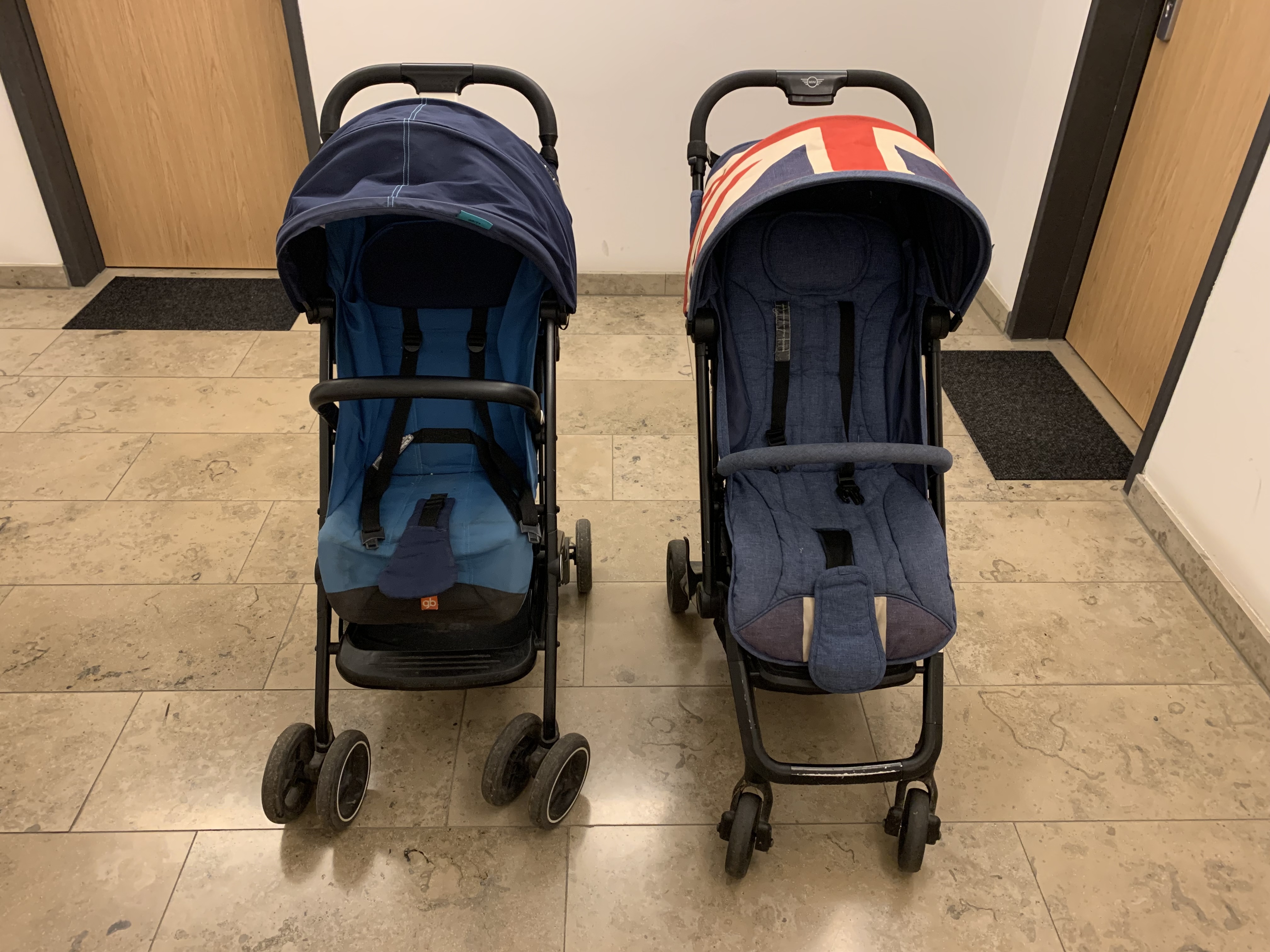
We did not set out to run a tidy stroller test. My wife and I already had our GB Qbit+, and then we were lucky: a friend no longer needed her Easywalker Buggy XS and passed it on to us. That is how two compact strollers ended up standing in our hallway, both clearly used, both useful, and both imperfect in ways a clean product page would never show.
The short version: the Easywalker Buggy XS felt easier to pick up, store, and imagine on a quick trip; the GB Qbit+ felt more settled when our child was bigger and moving around in the seat. I would not call either one the winner. The real choice is whether your family needs the smallest-feeling stroller, or a compact stroller that still gives the parent a calmer push.
If you are still comparing the category rather than these two models, start with our best travel strollers guide and our article on whether you can travel with a stroller. This page is narrower: it is about how these two specific strollers felt to us as parents who actually had them at home.
Why this comparison is a little imperfect
The biggest missing photo is the folded side-by-side comparison. That is not because I forgot it. Our Easywalker Buggy XS came to us with a broken fold, and after trying to fix it, we still could not make the fold work properly.
That limits what I can honestly say. I cannot compare the folded size from our own use, and I do not want to pretend otherwise. What I can add is our friend’s experience before the mechanism failed: she remembered the Easywalker as the stroller she liked for trips because it folded quickly, stayed compact, and did not feel like one more heavy thing to manage.
For us, the broken fold turned the Easywalker into a partial comparison. We could still judge the seat, frame, wheels, handling, and size next to the GB Qbit+. We just could not judge the full door-to-airport routine fairly.
One more model note matters: these were our specific older second-hand units, not a lab comparison of every GB Qbit+ or Easywalker Buggy XS variant. Some versions and newer MINI-branded Easywalker models may differ, so I would verify the exact year, fold, manual, and airline fit before treating another second-hand stroller as equivalent.
First impression: the Easywalker feels smaller, the Qbit+ feels steadier
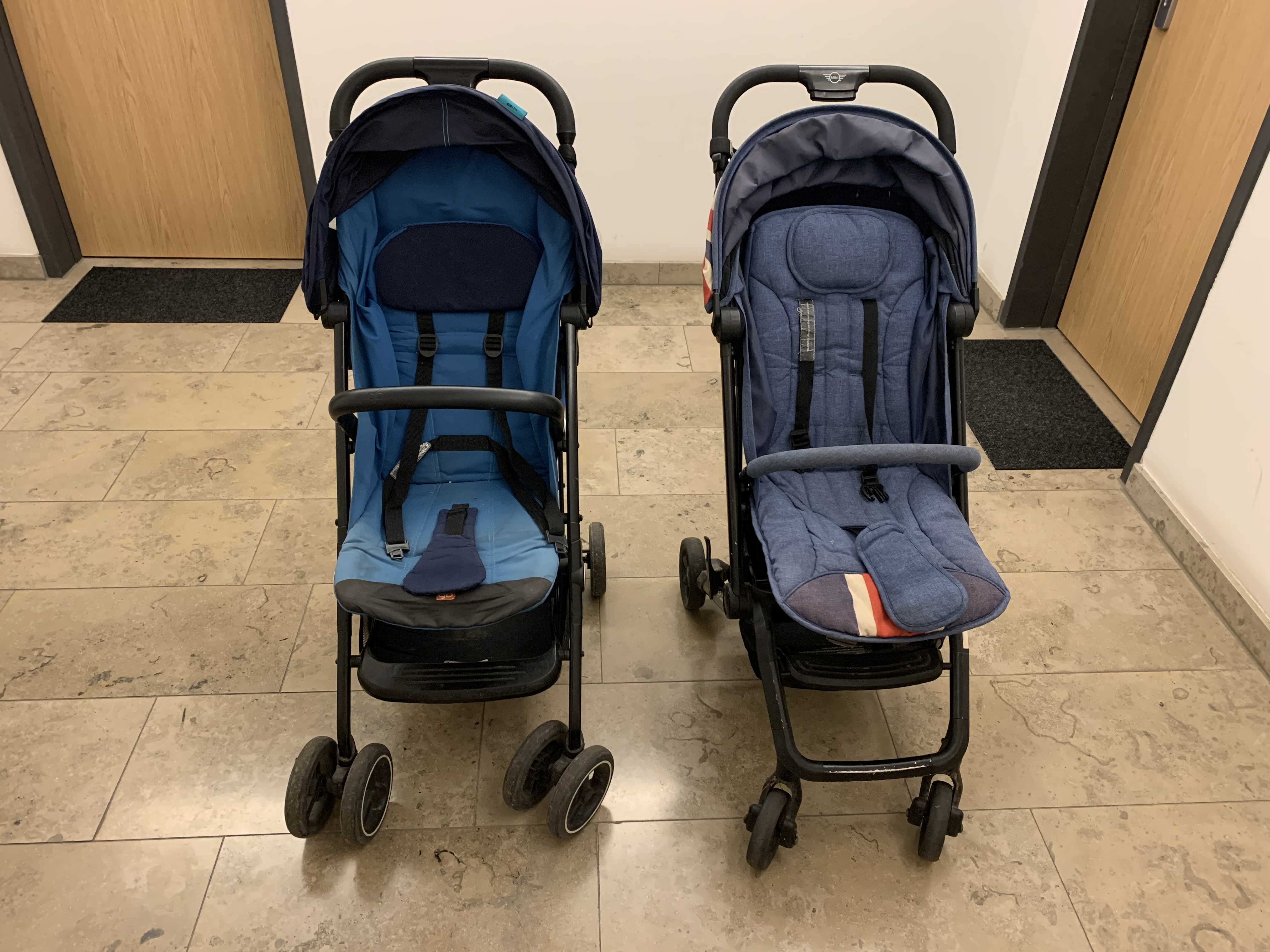
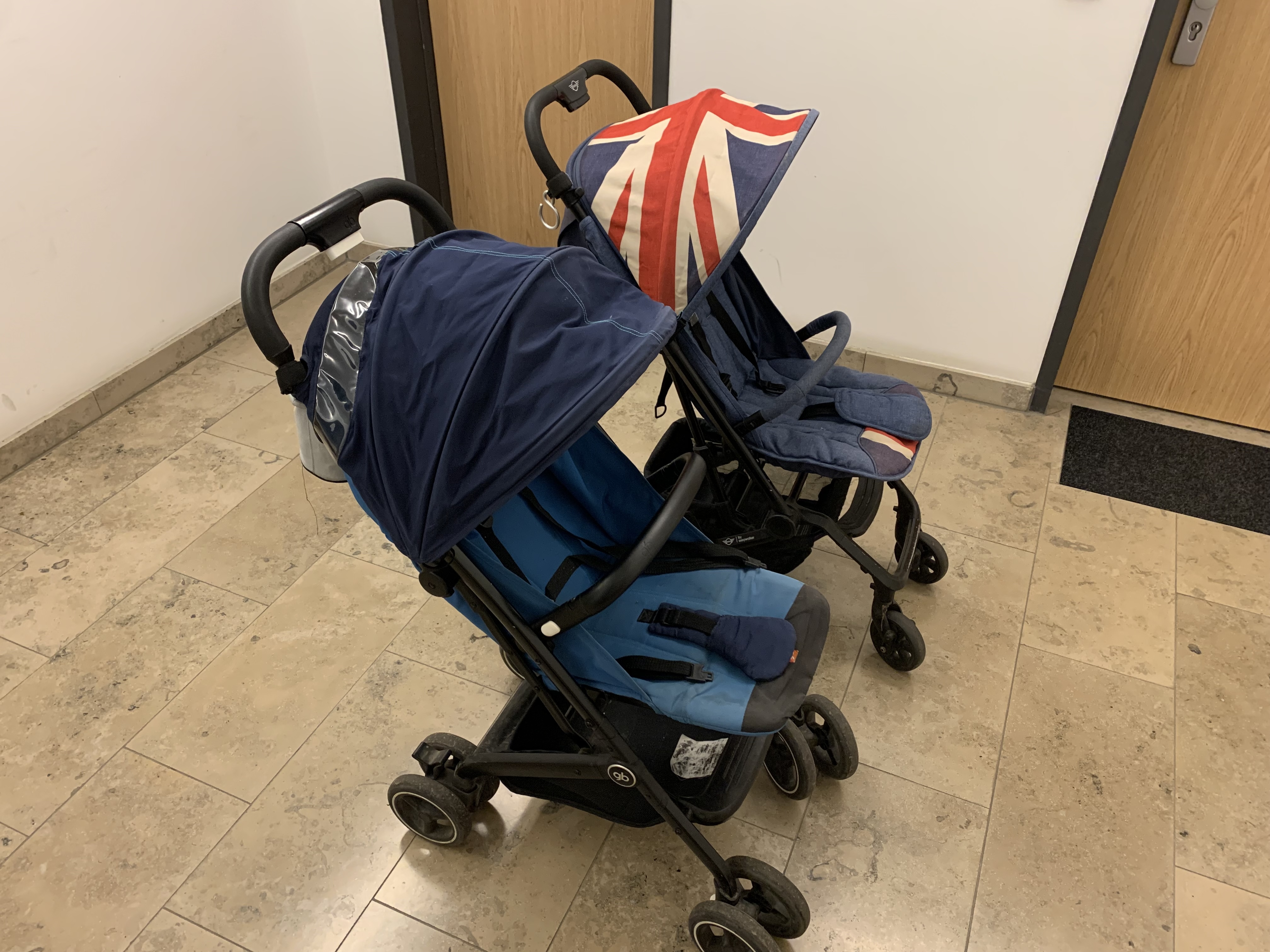
Standing side by side, the Easywalker Buggy XS immediately reads as the smaller tool. The frame is slimmer, the wheels are more modest, and the whole stroller looks less demanding in a hallway. If I were choosing only for carrying down stairs, fitting into a tight apartment entry, or leaving space in a car boot, I would notice the Easywalker first.
The GB Qbit+ gives a different first impression. It is still clearly a compact stroller, not something that feels bulky like a full-size everyday model. But next to the Easywalker, it stands a little wider and more planted. In small spaces I still found it manageable; the difference is more that it gives up a bit of the Easywalker’s featherlight feeling in exchange for more parent confidence when the child is no longer tiny.
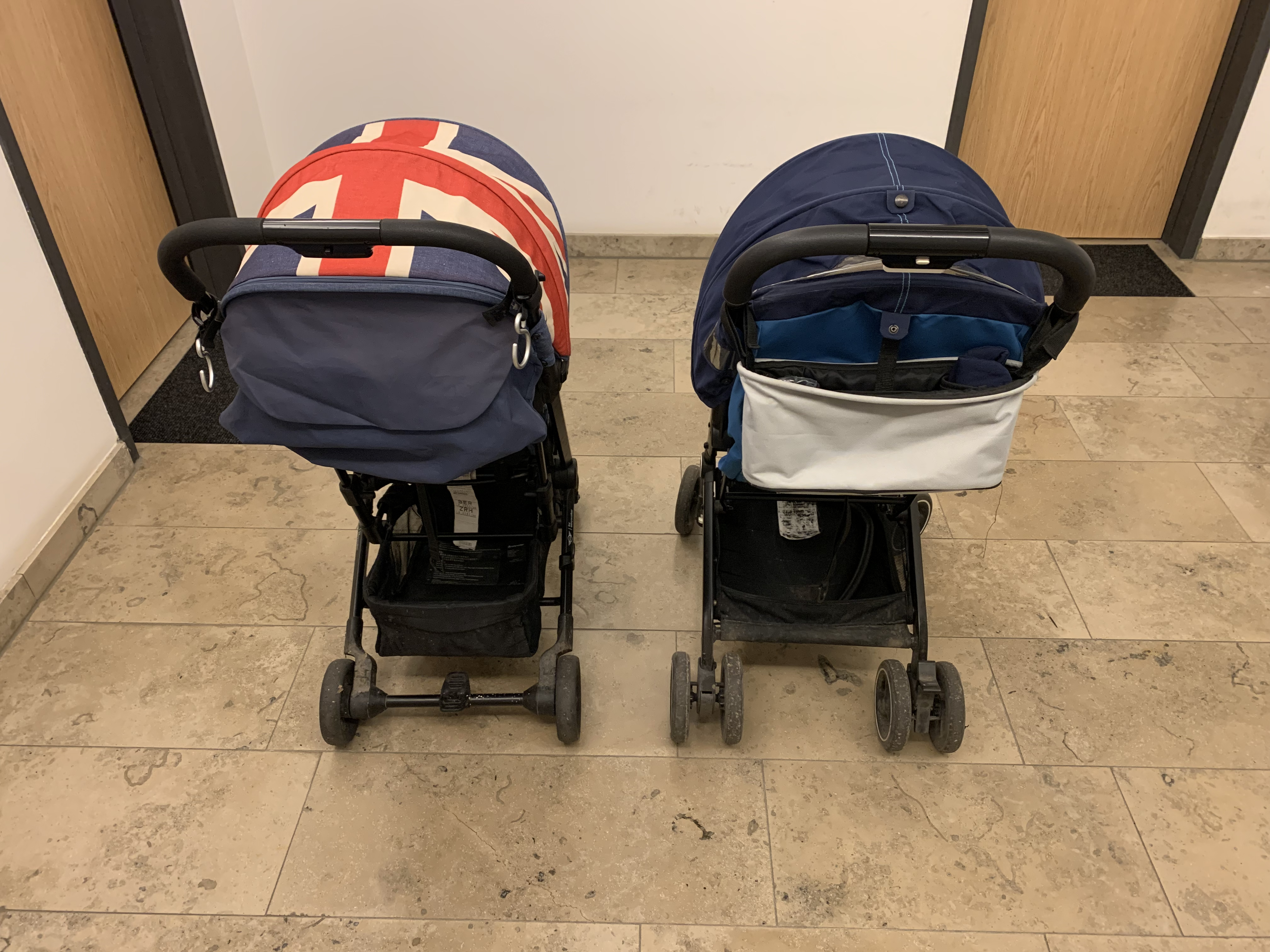
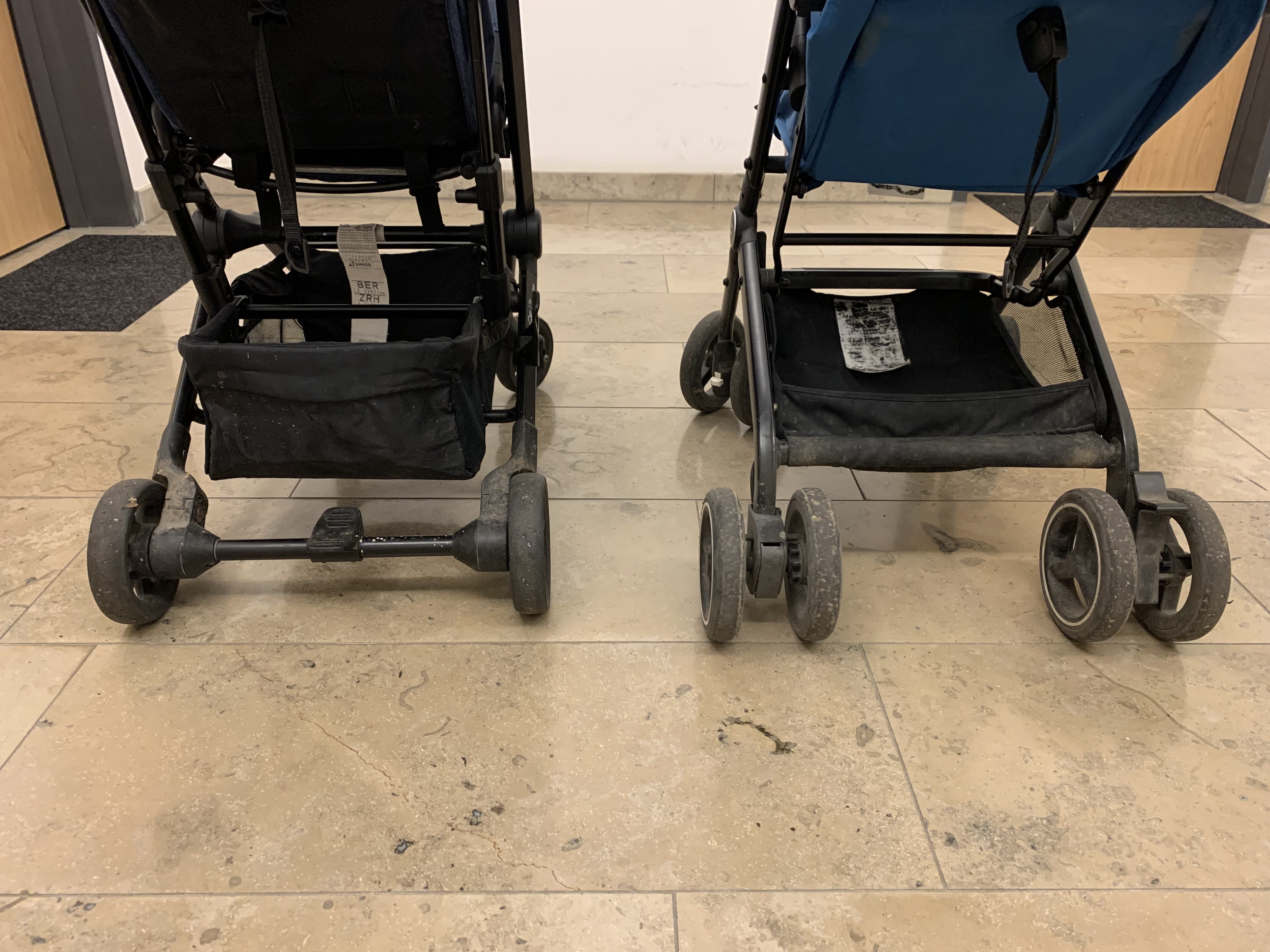
Portability: I understand why parents like the Easywalker
Even with our broken fold, I understand the Easywalker appeal. It has the “take the small stroller” feeling compact strollers are supposed to have. It does not try to feel like a full everyday stroller. It looks like the one you keep for the train, the airport, the car boot, or the day when bringing the big stroller would already make you tired before leaving home.
Our friend’s experience matters here because she used it while the fold still worked. She liked it most when the day involved quick transitions: fold, lift, move on. I would still check airline rules before assuming any stroller can go into the cabin, because those rules and enforcement vary, but I can see why she thought of it as flight-friendly.
The GB Qbit+ belongs in the same general category, but the mood is different. It feels more like a compact everyday stroller that can travel well, not the smallest possible backup stroller.
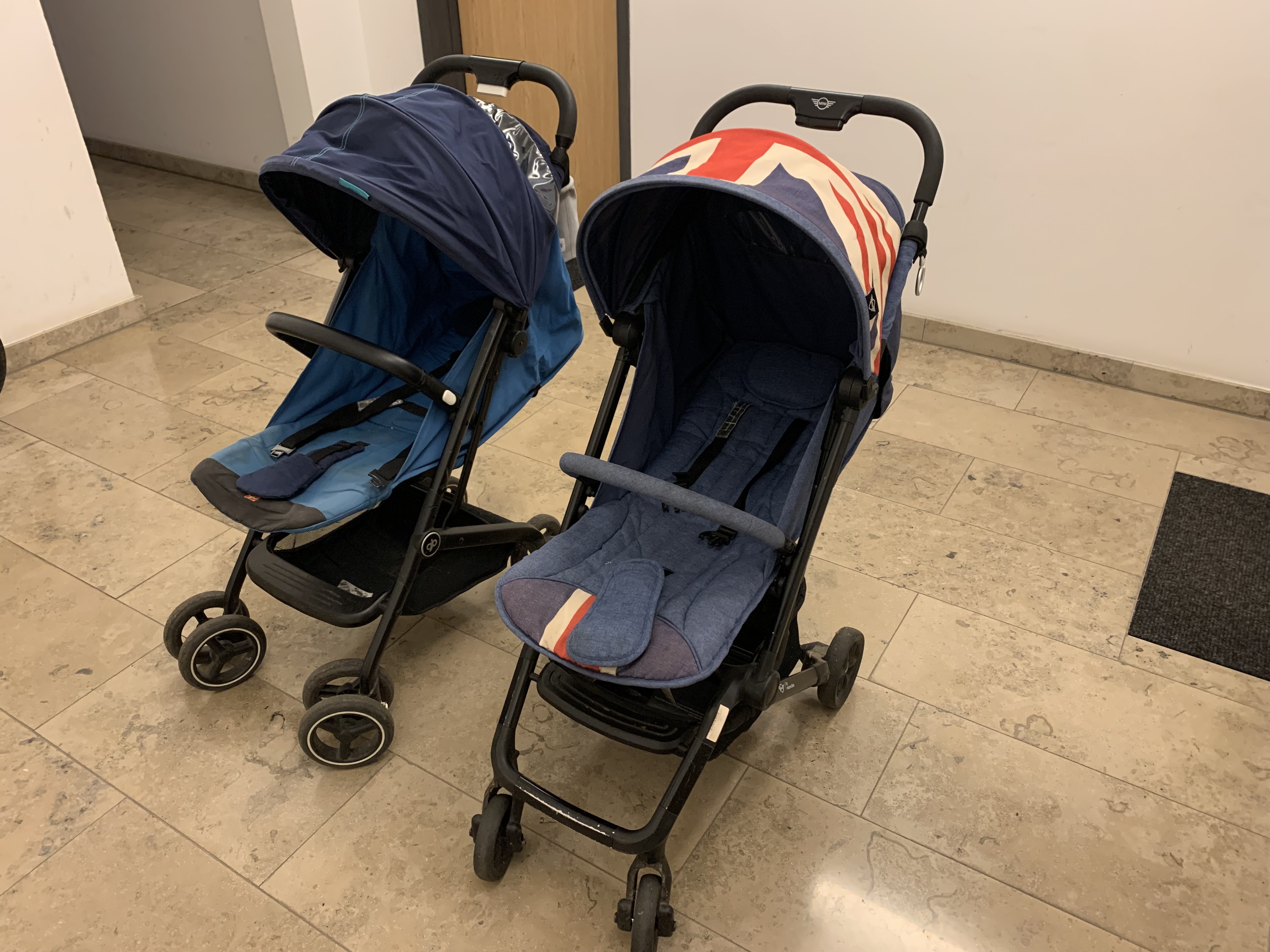
Stability: the Qbit+ made me less nervous
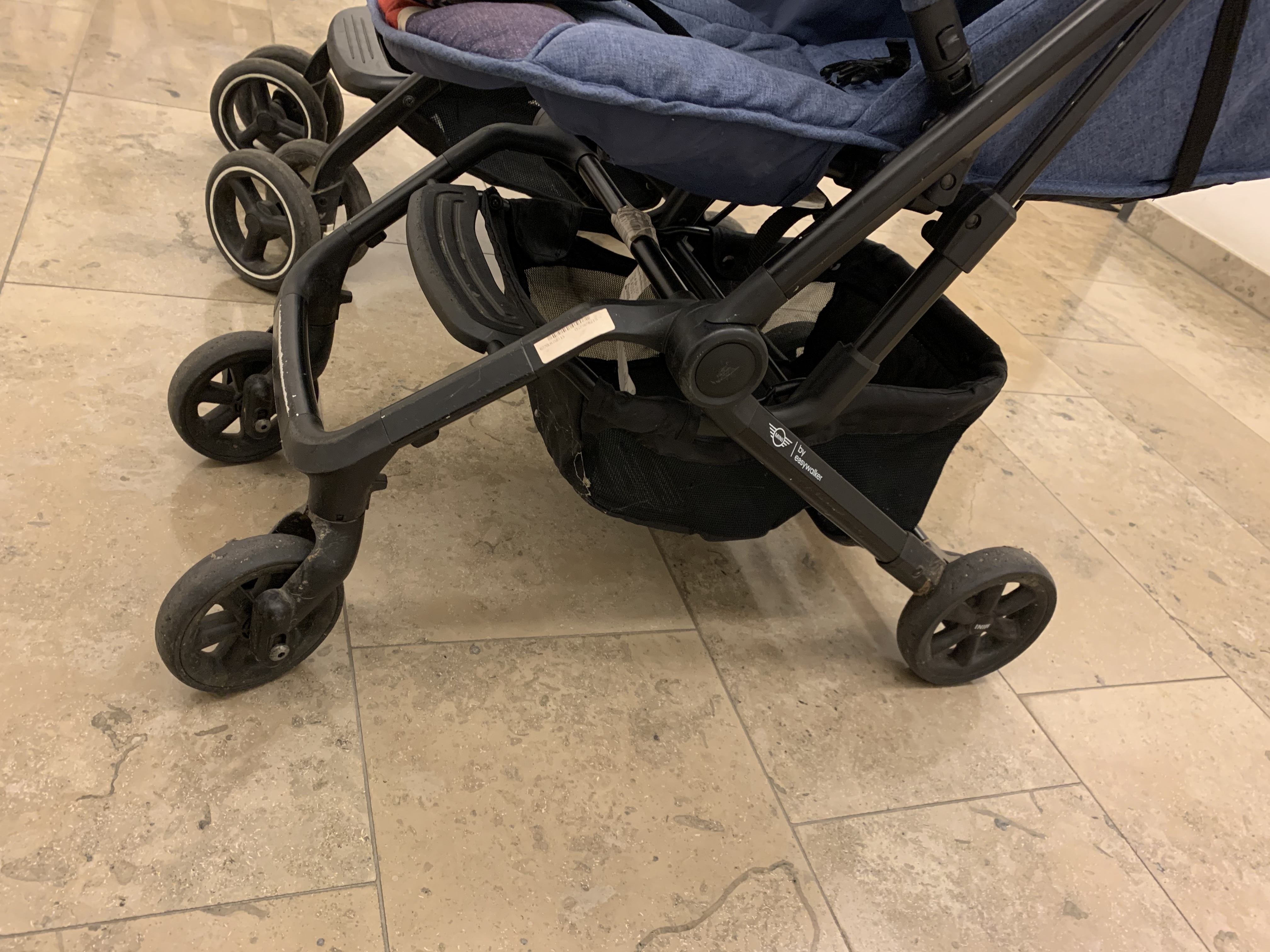
This is where my personal preference leans slightly toward the GB Qbit+. As our child got bigger, the Easywalker sometimes gave me small nervous moments: a quick turn, a shift of weight, a child leaning at the wrong time. I am not calling it unsafe or badly designed. I am saying that, as the person pushing it, I occasionally tightened my grip without planning to.
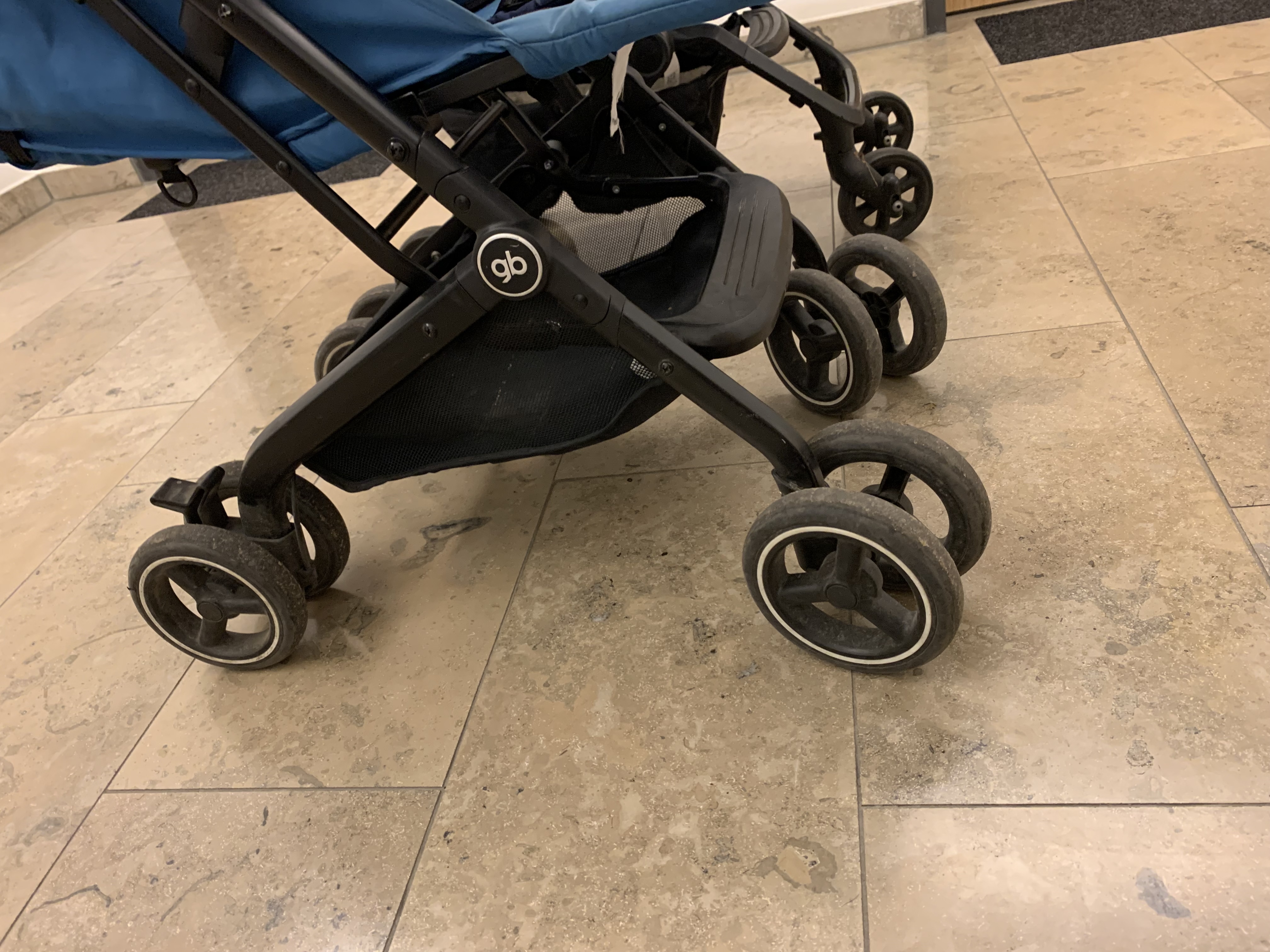
The GB Qbit+ felt calmer in those same ordinary moments. The extra wheel contact and fuller base mattered most when I was already doing something else: holding a bag, watching another child, steering through a doorway, or trying not to block people in a station.
That is the tradeoff I would take seriously. For a smaller child and a low-friction trip, the Easywalker still makes sense. For a bigger toddler, or for a parent who dislikes a stroller that reacts too quickly to weight shifts, the Qbit+ would be easier for me to relax with.
Seat and canopy: both are travel-stroller compromises
Neither of these is the stroller I would choose for a newborn’s long daily naps, rough winter walks, or all-day comfort. That is not their job. They are compact strollers, and you feel that in the seat depth, fabrics, wheels, and general frame.
The Easywalker seat looks more open and straightforward. The GB Qbit+ seat feels a little more contained, partly because of the way the canopy and side structure sit around the child. I would not rank one universally above the other. Some children like a simpler seat with more visual space; others settle better when the stroller feels a bit more enclosed.
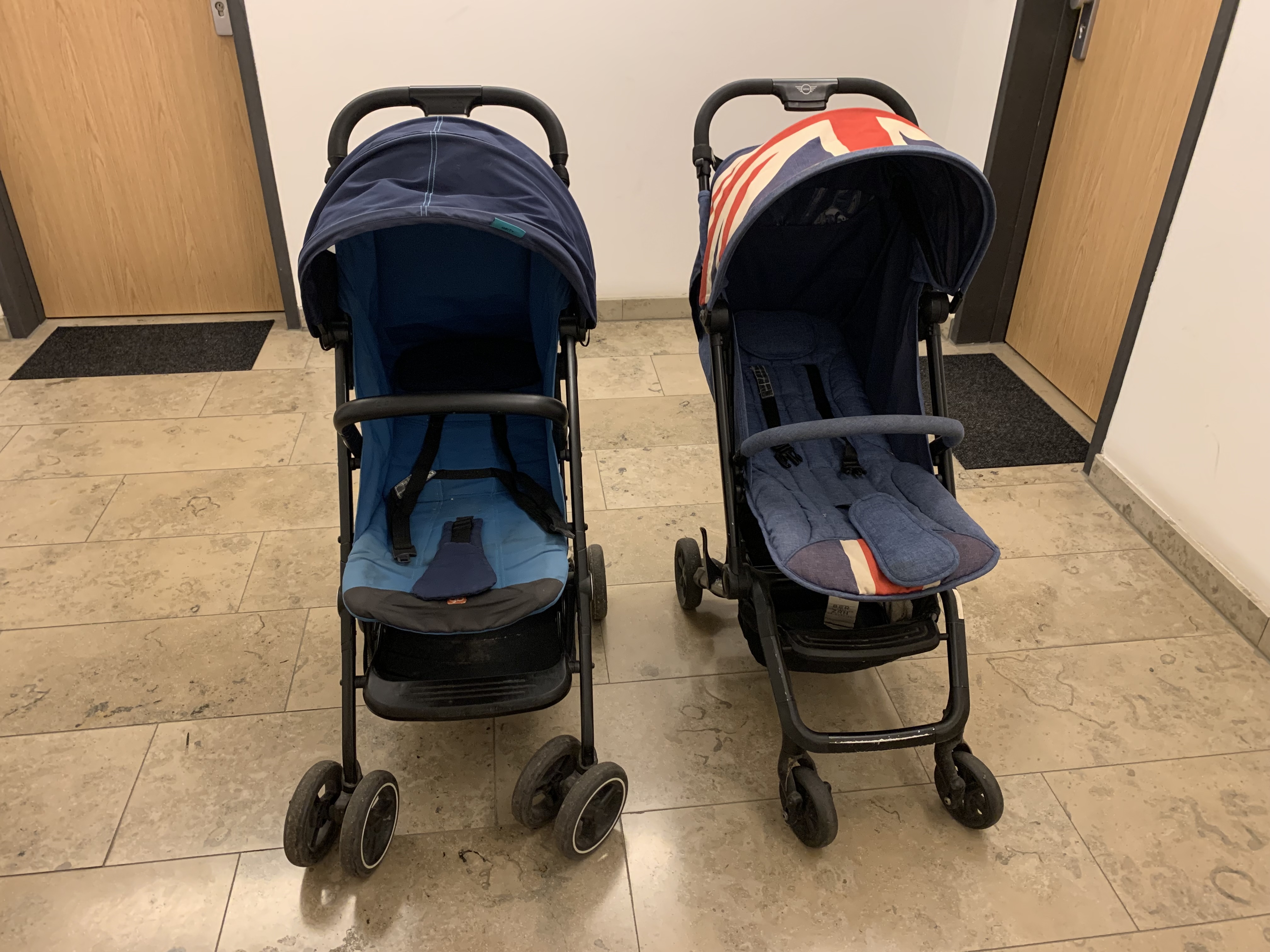
The canopies tell the same story in a quieter way. The Easywalker keeps the stroller feeling stripped back. The GB Qbit+ feels a little more covered. In real use, I would test this with the child sitting inside, because sun angle, child height, and whether your child pulls at everything can matter more than the canopy shape in a photo.
Storage and daily mess
Both baskets are useful in the modest way compact-stroller baskets are useful. A rain cover, a small bag, a hat, a snack box: yes. A serious supermarket stop: no.
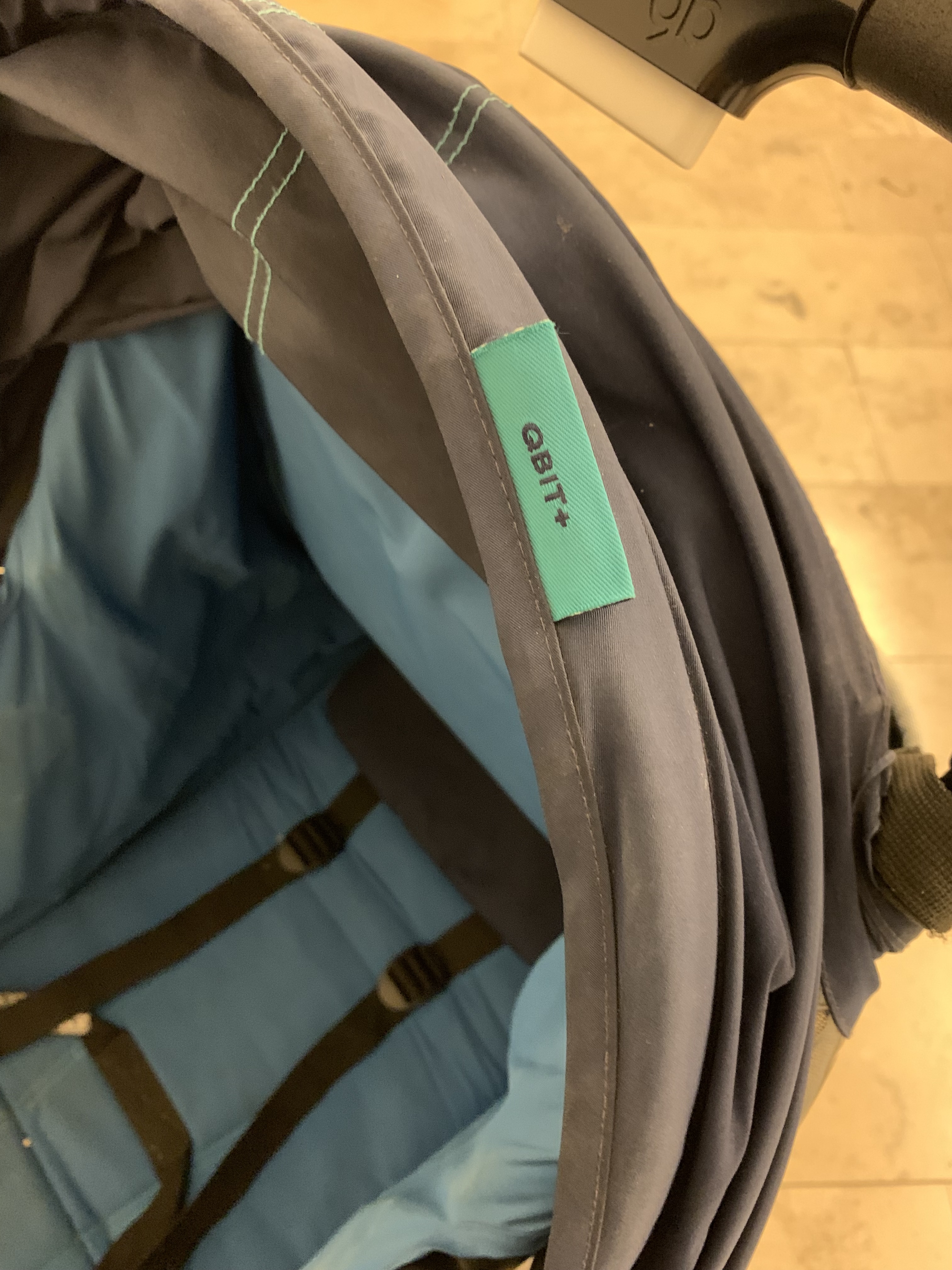
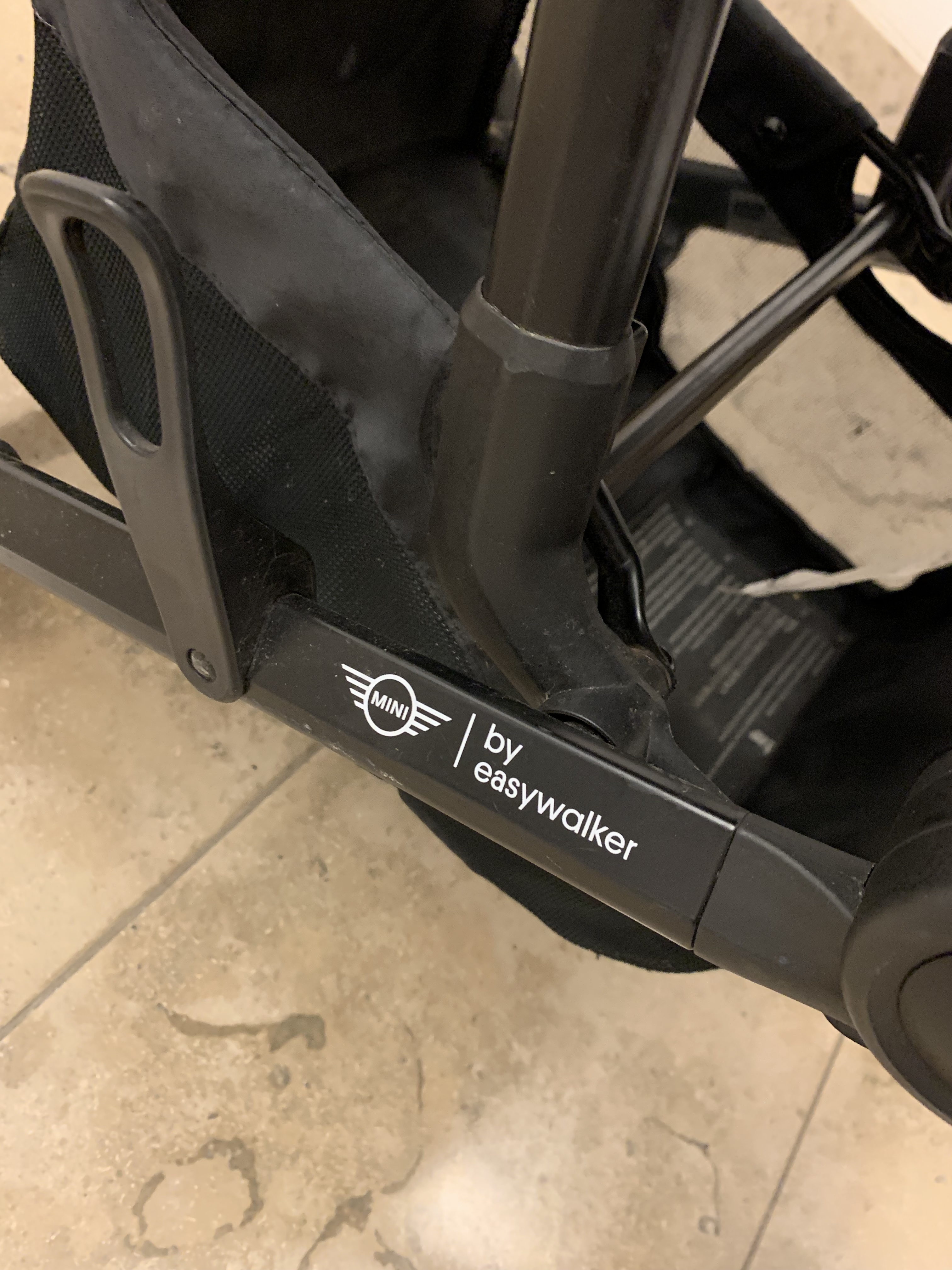
The useful thing about these photos is that the strollers look used. The wheels are dusty. The basket fabric is marked. The frames have scratches. For me, that makes the comparison more helpful, because this is what travel strollers become after stations, playground entrances, apartment hallways, and car boots. The wear does not automatically make them bad buys, but it does tell you where to inspect carefully.
Buying used: both can make sense, but check different things
I would consider either stroller second-hand if the price matched the condition. Compact strollers often have a good second life because many families need them only for travel years, grandparents, nursery pickup, or as a spare stroller.
For the Easywalker Buggy XS, I would be strict about the fold. Our own experience makes that obvious. If the fold works smoothly, the stroller’s whole purpose becomes stronger. If it does not, you are buying a much less convincing version of the same stroller.
For the GB Qbit+, I would spend more time on wheel wear, steering, brake feel, frame looseness, and whether the fold still works cleanly. Because it feels more substantial, it may have been used as more of an everyday stroller. That is fine if it was cared for, but it makes a real hands-on check more important.
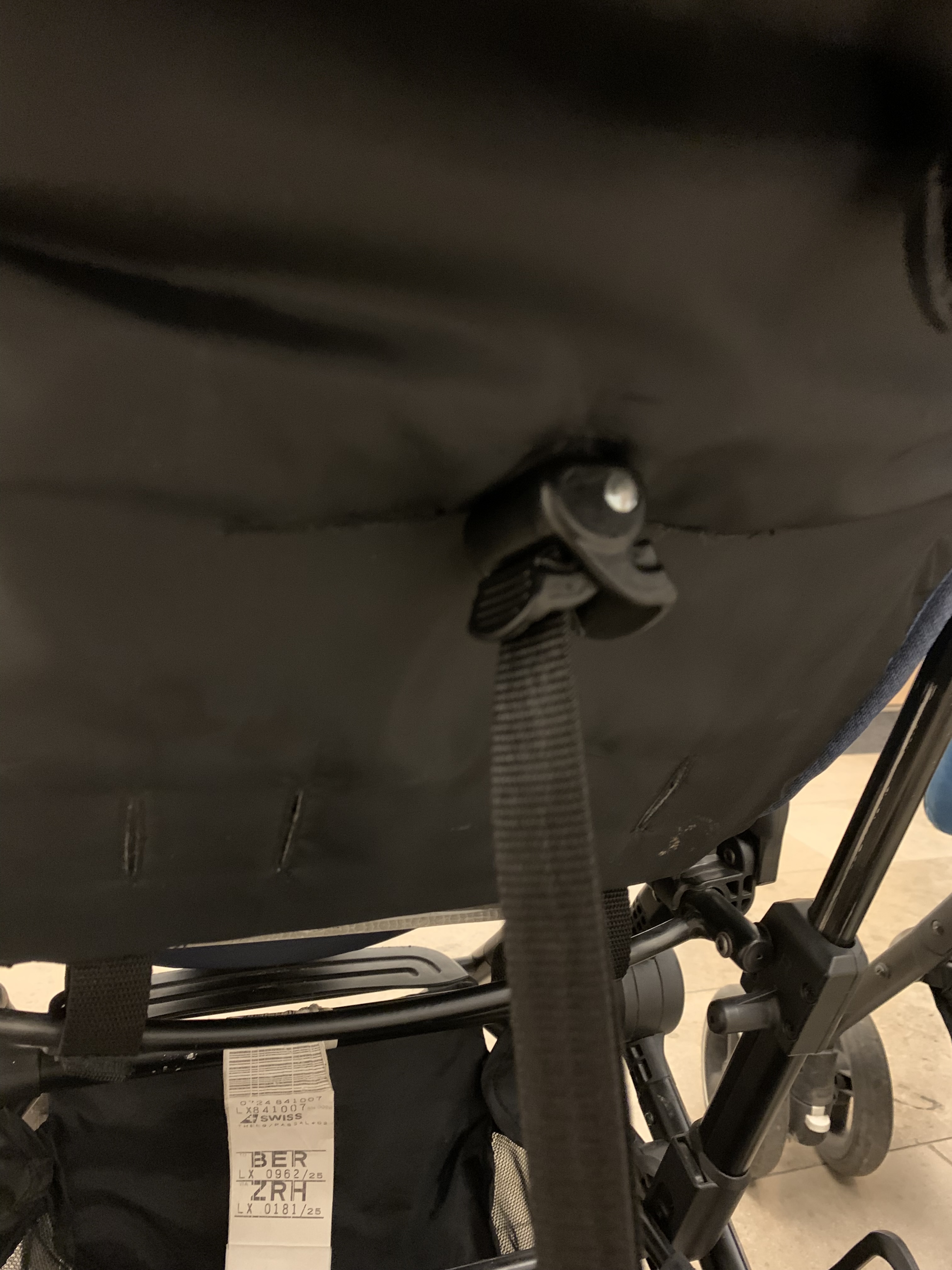
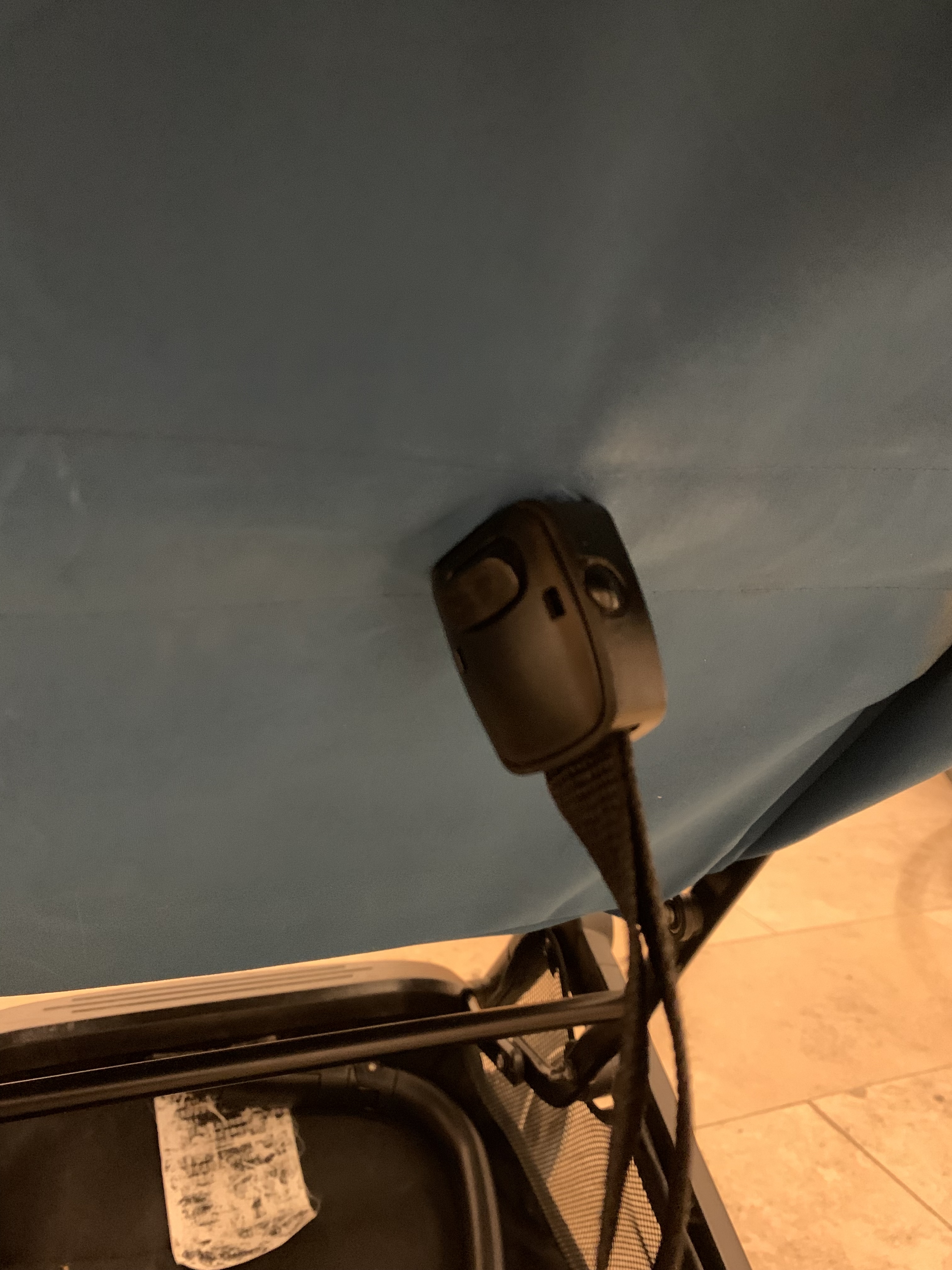
For both strollers, I would also test the seat recline adjuster rather than only looking at the wheels and fold. On compact strollers, this small strap-and-buckle detail decides how upright or relaxed the backrest sits. If it slips, jams, or feels worn, the stroller may still roll fine but become more annoying to use every day.
Which one would I choose?
If I were choosing for the easiest travel feel, and the Easywalker fold worked perfectly, I would understand choosing the Easywalker Buggy XS. It asks less from your hands, your hallway, and your car.
If I were choosing for my own calmer use with a heavier child, I would lean toward the GB Qbit+. It asks you to accept a bit more stroller, but it gave me more confidence while pushing. That is a personal preference, not a verdict on which product is better.
If you are buying new rather than comparing these two used models, I would look beyond this exact pair. Our best travel strollers guide is the better next step for comparing current compact options by fold, carrying weight, child comfort, and travel fit.
The fairest answer is this:
- choose the Easywalker Buggy XS if you care most about lightness, small size, and quick travel handling
- choose the GB Qbit+ if you want a compact stroller that still feels a bit steadier and more substantial
- buy either one used only after testing the fold, brake, wheels, harness, and frame yourself
Final thoughts
The reason I like having both strollers in our story is that the tradeoff is visible without needing a dramatic verdict. The Easywalker Buggy XS shows why parents value a stroller that feels easy to lift and stash away. The GB Qbit+ shows why a little extra structure can feel reassuring once the child is no longer tiny.
For families dealing with elevators, apartment storage, trains, flights, car boots, and weekend trips, the better question is not “which one is objectively best?” It is “which compromise would annoy me less six months from now?”
That is the question I would take into a second-hand viewing or a store test. Fold it. Lift it. Push it with weight in the seat. Turn it in a tight hallway. Then choose the one that makes your own family logistics feel less fragile.