
When a Balance Bike Starts Replacing the Stroller
By Peter CronaLast updated
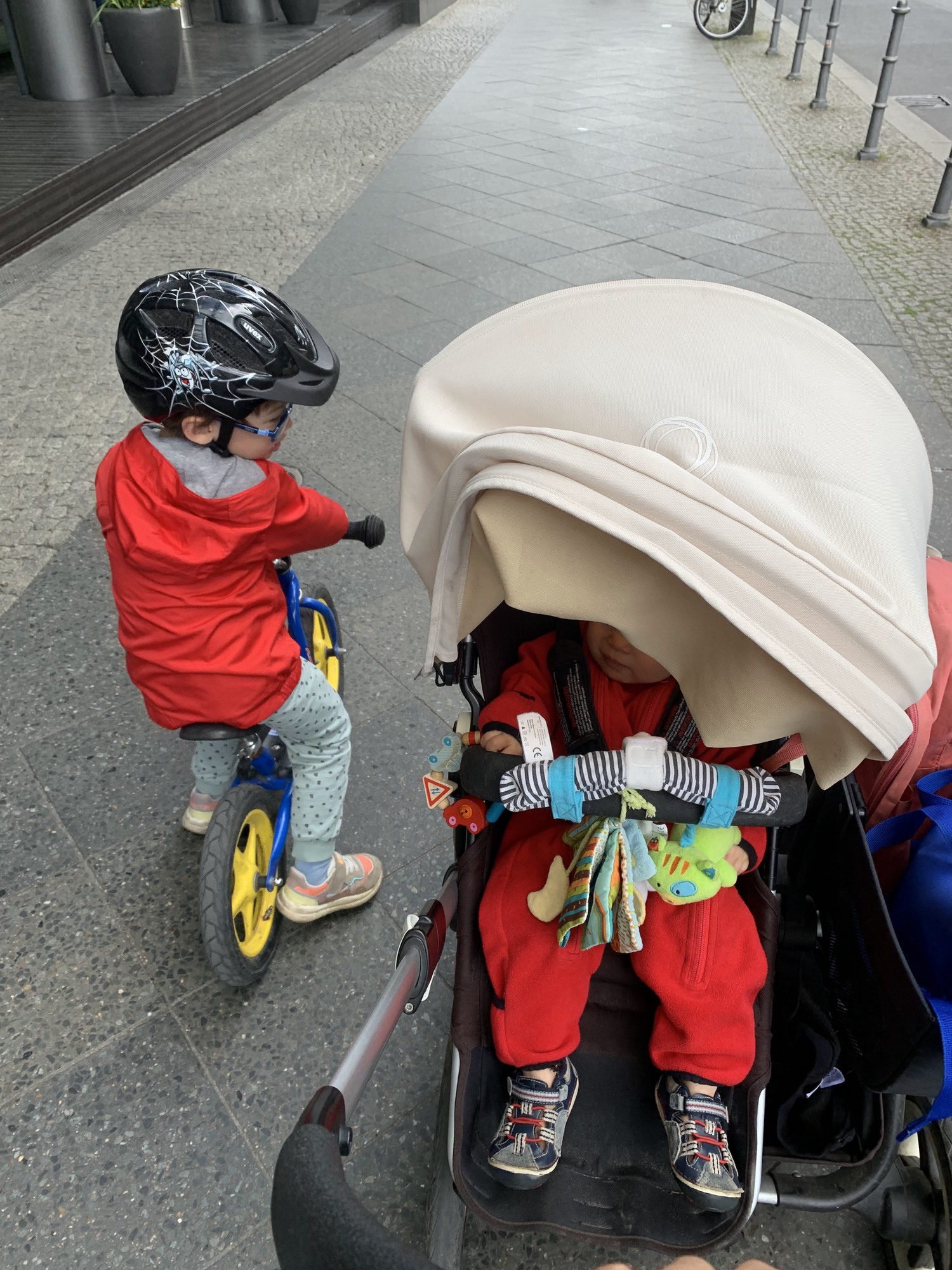
There is a stage when the stroller is no longer the obvious answer, but walking is still too optimistic. A two-year-old may refuse the seat, want to move by themselves, and then become very tired halfway through the supermarket run, station transfer, or long city walk. That is the stage where a balance bike can quietly become more useful than it looks.
A balance bike is worth considering after the stroller stage when your child wants independence, can stop with both feet, and your normal routes are calm enough for supervised riding. It is not a stroller replacement for naps, traffic-heavy errands, or adult-paced transport. Its best job is the in-between one: giving a toddler enough movement and rest to handle longer outings without asking you to carry them the whole way.
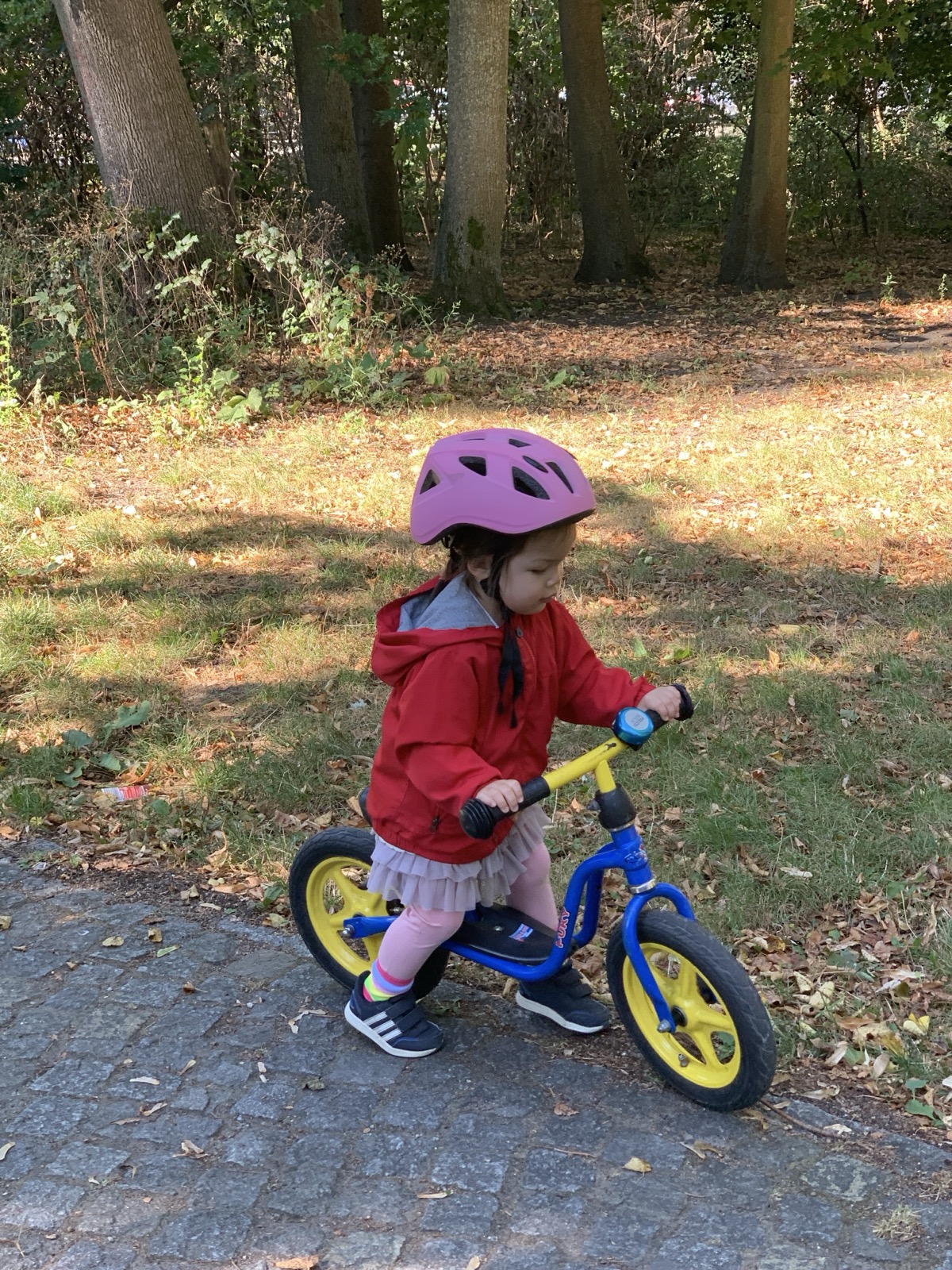
Our family learned this from one old, fairly sturdy PUKY balance bike that both of our children started using around age two. I no longer know the exact model, and the model itself is not the main point. The useful lesson is what kind of balance bike actually earns its place after the stroller: one low enough to stop with flat feet, steady enough for daily routes, and manageable enough for a parent to carry when the outing changes.
If you already know you want one, start with our best balance bikes shortlist and compare fit first. If you are still deciding whether this category fits your family at all, the story below is the better place to start.
The real job after a stroller
For us, the balance bike did not replace every stroller job. It replaced the awkward trips where a stroller felt too much, but walking was still too slow.
That distinction matters. A stroller carries bags, supports naps, protects a tired child from overstimulation, and keeps routes predictable. A balance bike does almost none of that. What it does very well is let a child cover more ground while still feeling in control.
Use this split:
- keep the stroller for nap timing, crowded indoor errands, bad weather, luggage-heavy travel days, and routes where you need adult pace
- use a balance bike for parks, wide pavements, calm school or nursery routes, station approaches, pedestrian areas, and family walks where stopping often is acceptable
- choose a child bike seat, trailer, or cargo setup when the real job is adult-controlled transport by bike
That is why I see a balance bike less as “my child is done with strollers” and more as “my child needs a better way to participate.”
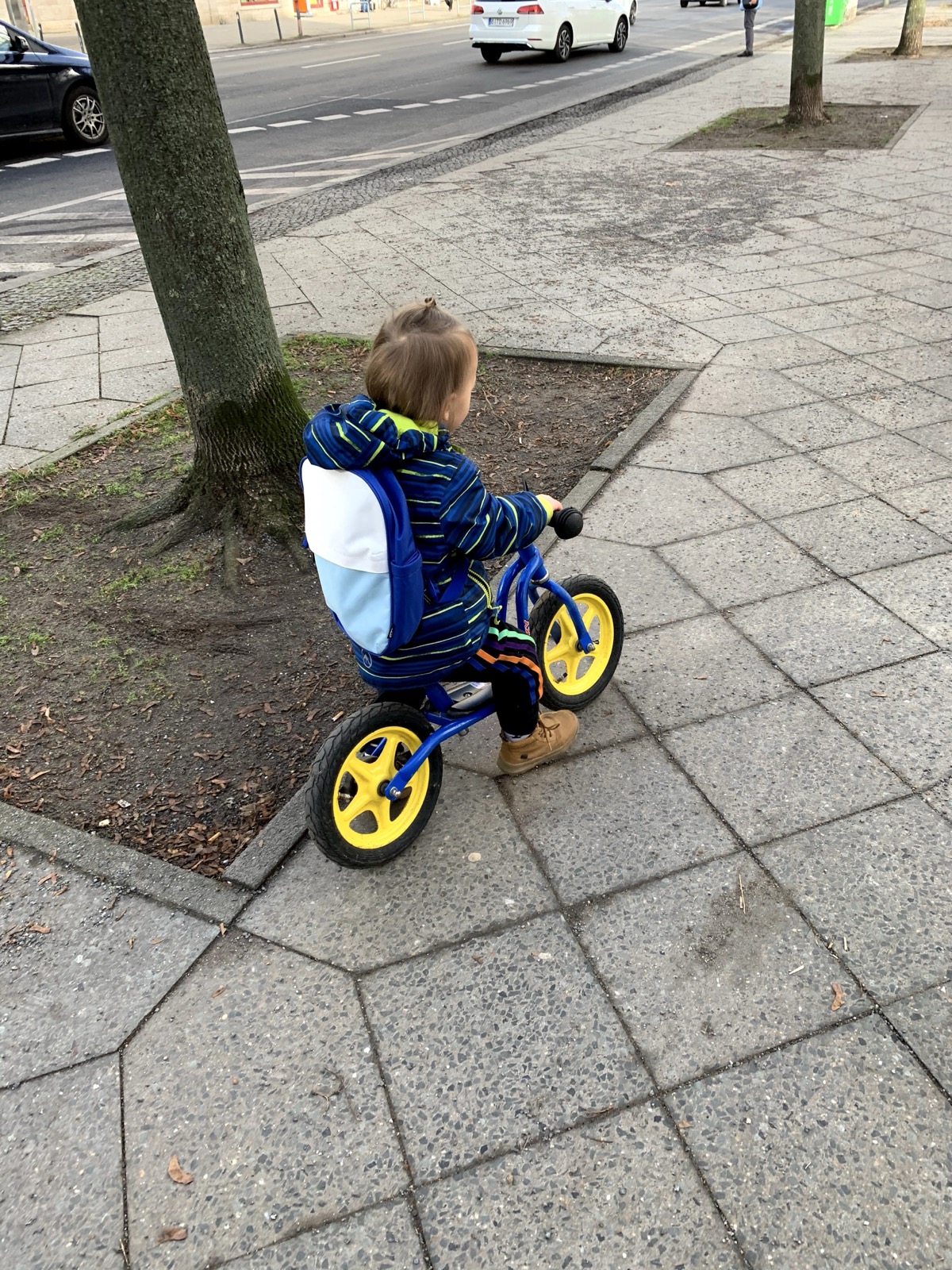
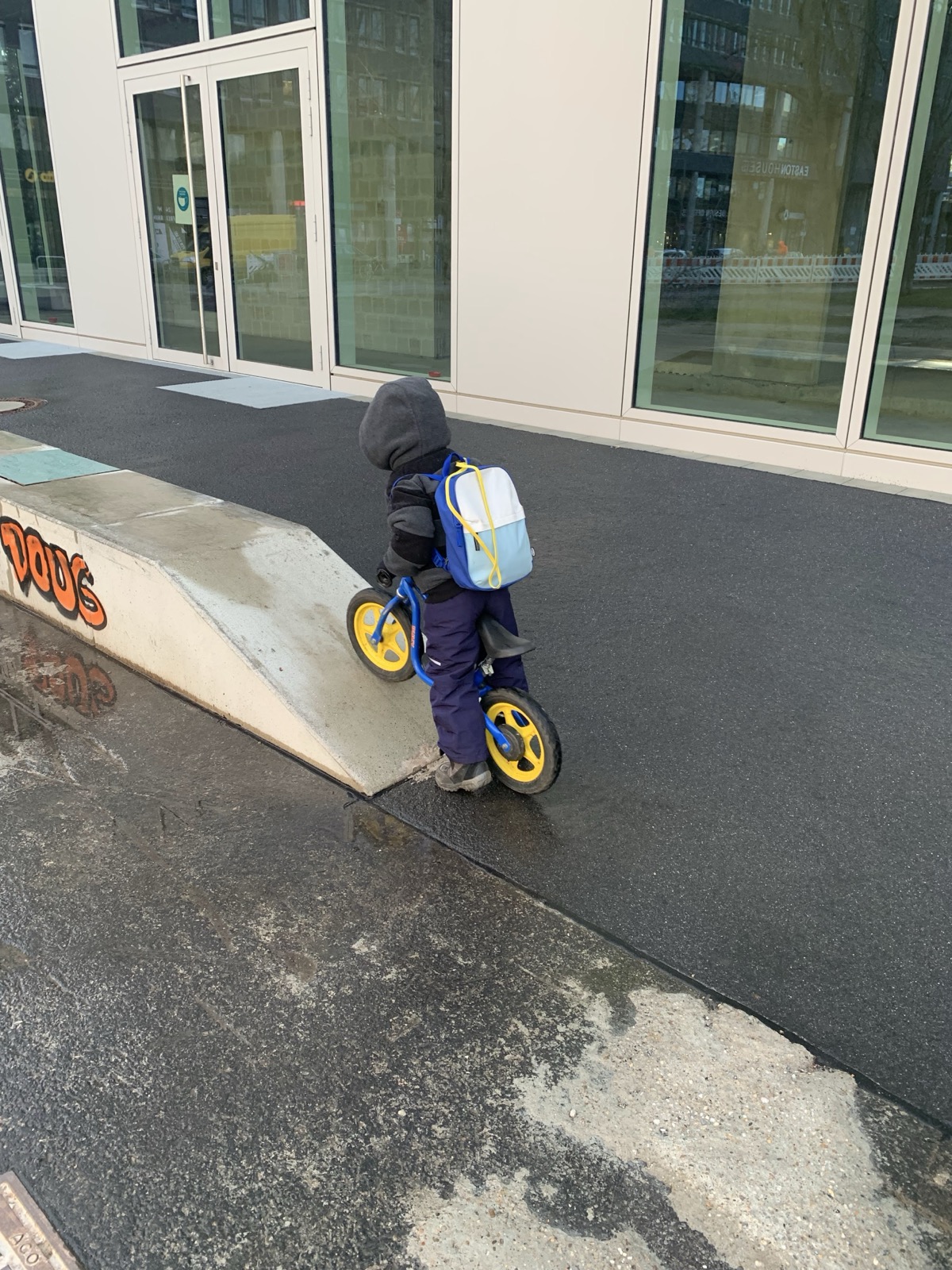
That participation also showed up in small route decisions. A curb, ramp, or uneven patch was no longer only an obstacle for us to manage around him. It became a place where he could slow down, try, and learn how the bike behaved under him while we stayed close.
When the younger child still needs the stroller
The balance bike also solved a different problem once we had two children. Our younger child still needed the stroller. Our older child did not really need a stroller seat anymore, but he still could not be expected to walk like an adult all day.
That is the moment when many families look at a ride-on board or an add-on seat behind the stroller. Those can be useful, especially when you need both children physically attached to one stroller. But a balance bike can be another good answer when the older child is ready for more independence.
The condition is important: the older child must reliably listen. If you are pushing a stroller while chasing a child who keeps riding ahead, the setup becomes stressful and potentially unsafe very quickly. In busy streets, train stations, road crossings, and crowded pavements, we only used the bike when we knew the child would stop, wait, and come back when asked.
When that trust is there, the combination can make outings much easier. The younger child gets the stroller support they still need, while the older child has a job, a pace, and a little independence instead of treating the stroller as something they have outgrown but still compete for.
The feature we underestimated: the middle footboard
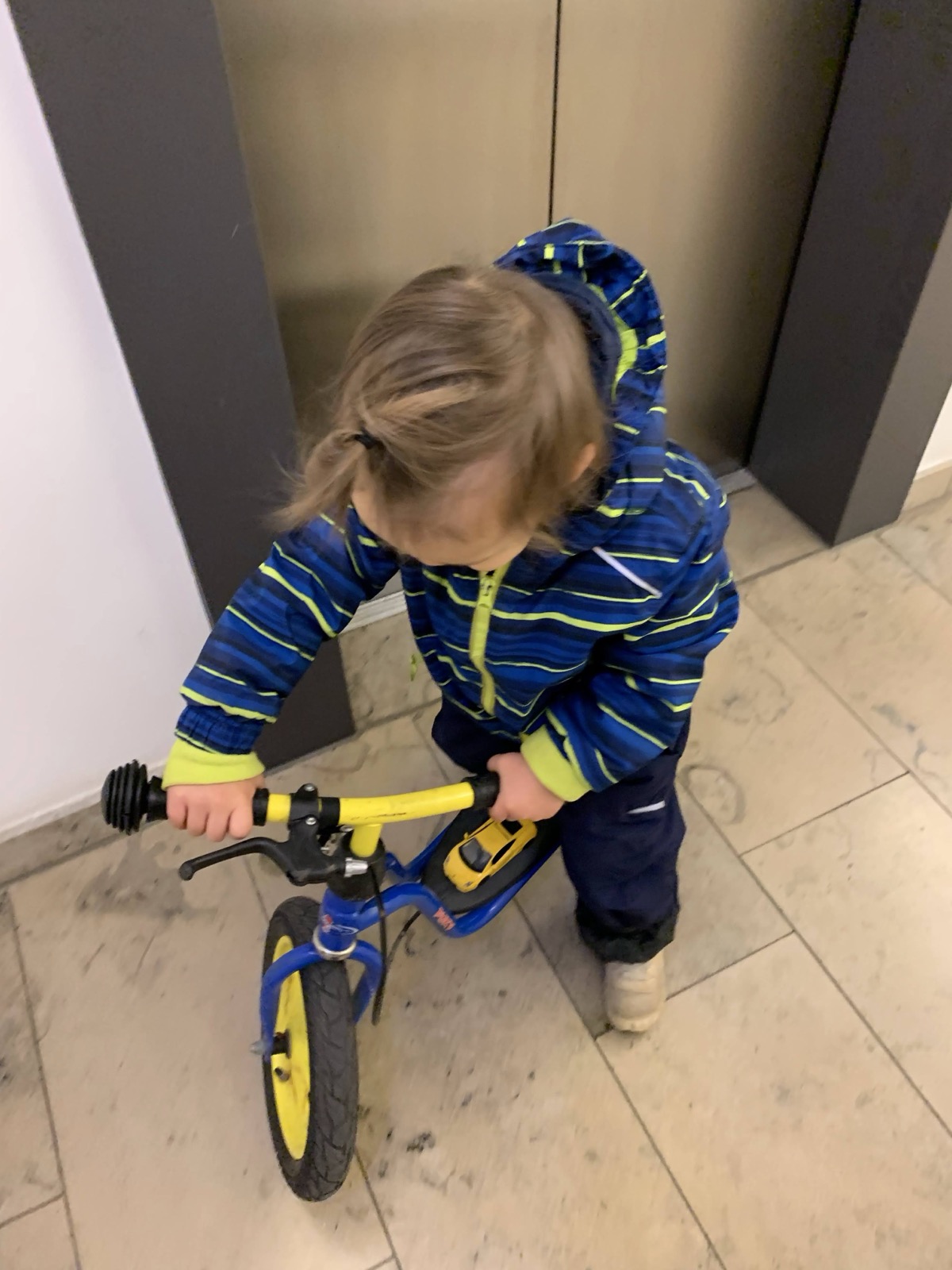
The old bike we used has a small platform in the middle of the frame. I did not buy it because of that detail, but in daily life it became one of the most useful parts of the bike.
My son used it first for play. He would load a small toy car onto the platform and take it for a ride, which turned the bike from transport into a little world of his own. That sounds minor, but it mattered: if a child likes the object, you get fewer arguments about leaving the stroller behind.
Later, the platform became practical. When he was tired, he sat on it for a short break. At stations, while waiting, it became a small built-in stool. In busy public transport, when there was no free seat and we were standing still with the bike held safely, that same platform sometimes gave him a little place to perch instead of sagging against our legs.
That waiting use became even clearer with our daughter. On train days, the bike was not only for riding from A to B. It also gave her a familiar place to pause, sit, and stay near us while we handled bags, platforms, and her older brother.
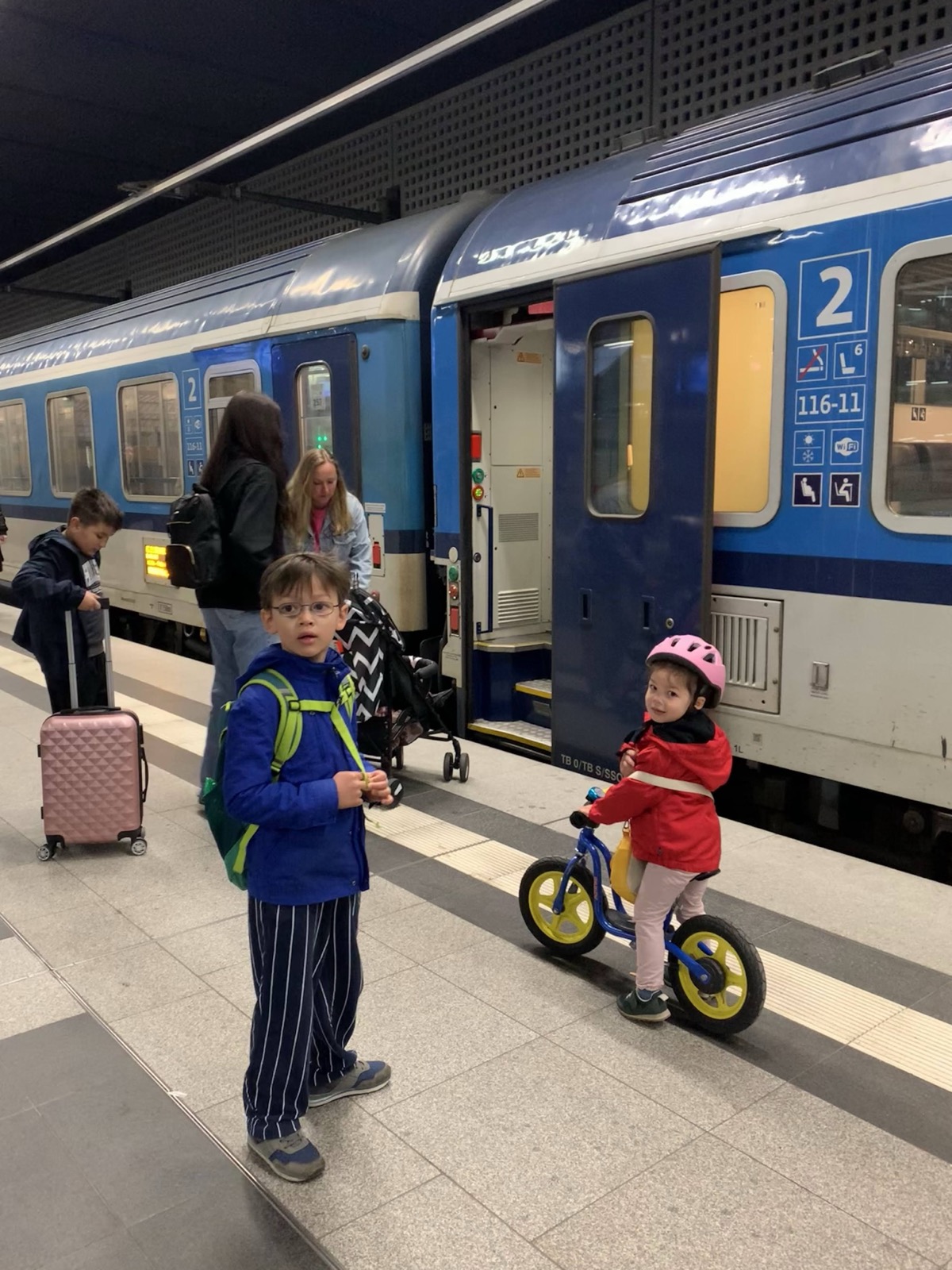
I would not treat a footboard as mandatory for every family. It can add weight, and a lighter bike is easier for a parent to carry home. But if your child is likely to use the bike on long walks, station transfers, or mixed city days, a stable frame with a usable resting spot can be more valuable than a toy basket or decorative feature.
Heavy can be annoying, but it can also feel stable
Our PUKY was not light. That was the main downside. When a child refuses to ride, a heavy balance bike becomes one more thing for the parent to carry.
But the same weight helped in a different way. Once my son became confident, the bike felt planted. He started putting one foot on the middle platform and using the other foot to push, almost like a scooter. Then he would accelerate, lift both feet onto the platform, and glide.
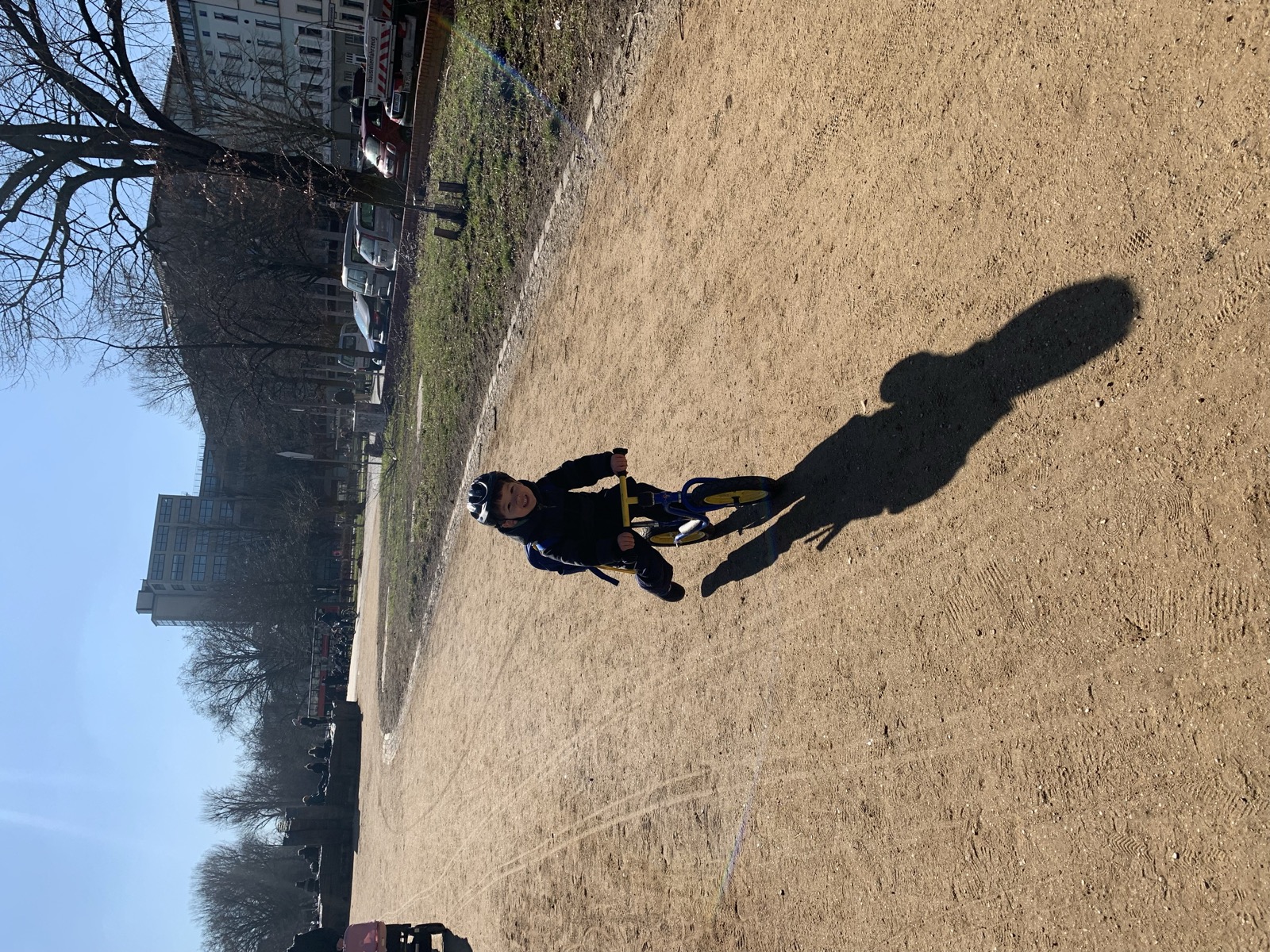
That was the moment I realized the balance bike had done its job. He was not just walking with wheels under him anymore. He was balancing, steering, judging speed, and enjoying the glide. In our family, seeing him coast with both feet up was the clearest sign that he was getting ready for a pedal bike.
This is where balance bikes earn trust. They do not just occupy a child. They make the next riding decision visible. If a child can glide calmly, stop reliably, look ahead, and handle small changes in surface, you have better evidence for moving toward a pedal bike than an age label can give you.
The second child test
The better test of gear is whether it survives a second child without feeling like an old mistake. Ours did.
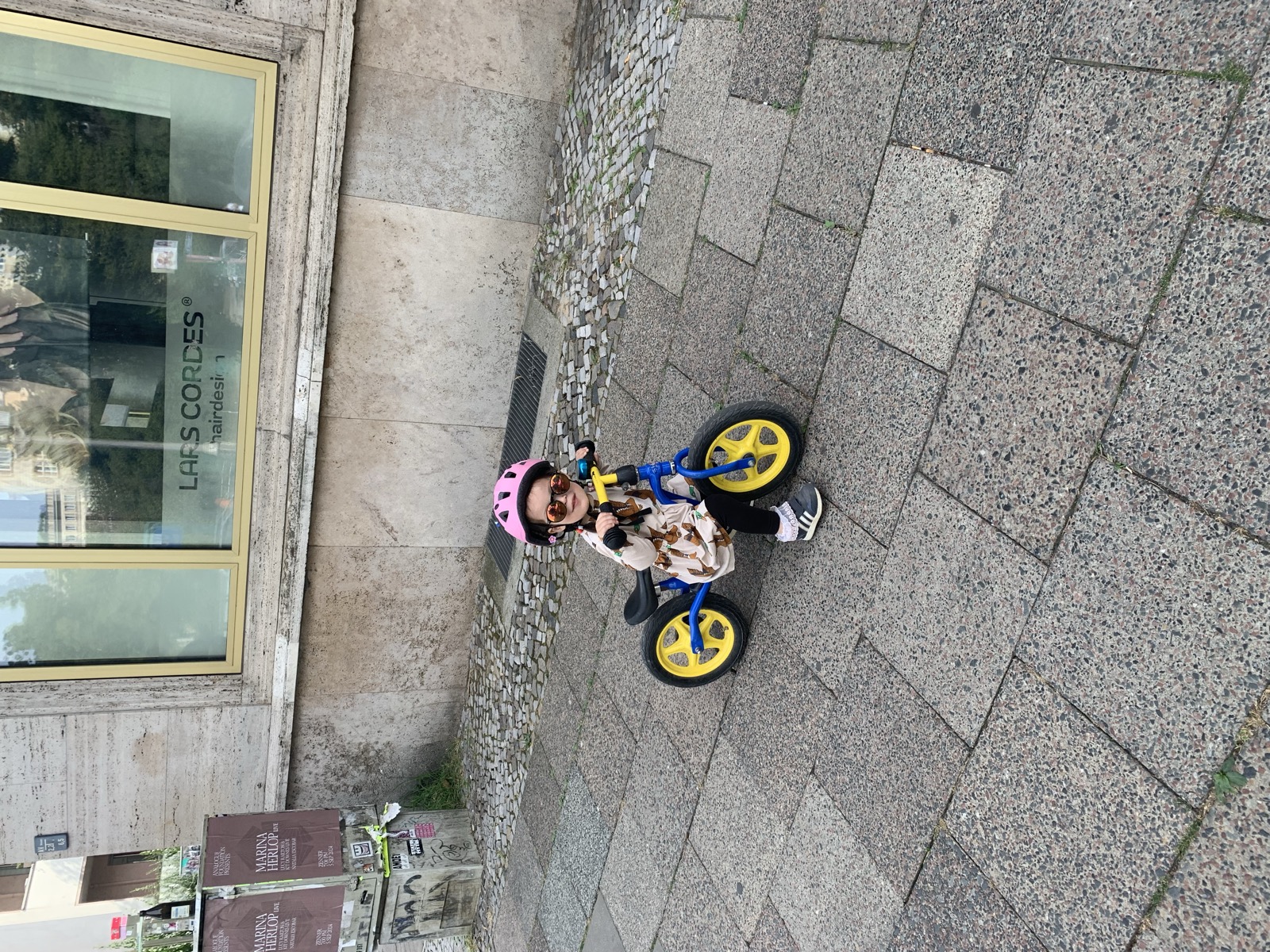
When our daughter reached the same stage, the bike came back out. She started differently from her brother. She was more cautious at first, more interested in sitting and scooting, and less interested in speed. The same bike still worked because the job was not racing. The job was getting her from “carry me” to “I can move myself.”
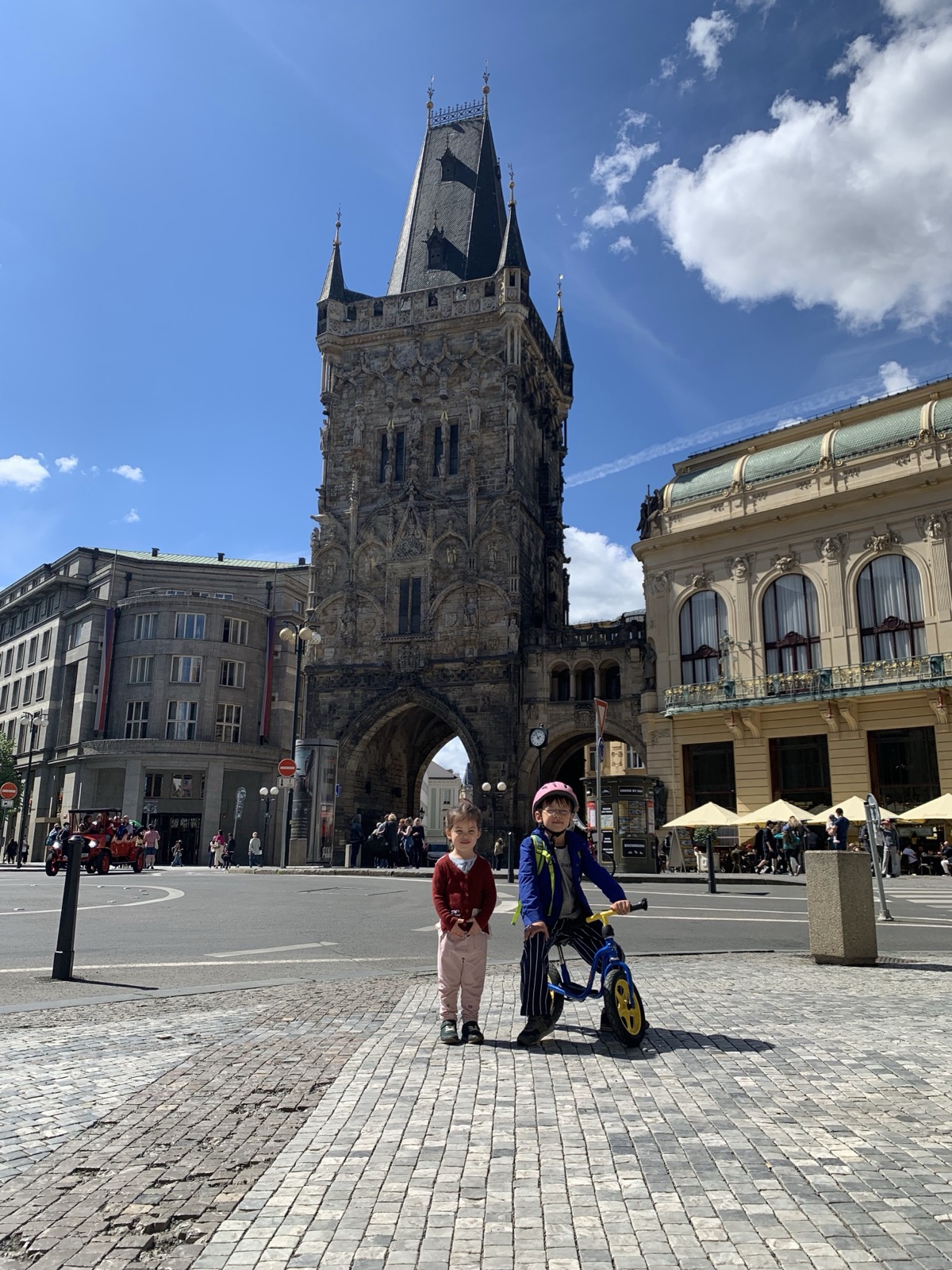
The big win with her was range. We once let her ride through an entire day in Prague, and it changed the trip. Without the bike, we would have needed either a stroller or a much shorter plan. With the bike, she had enough independence to keep going, enough rest breaks to avoid melting down, and enough familiarity with the object that the day did not become a constant negotiation.
That is the strongest case for a balance bike after the stroller: not speed, not sport, not “early cycling skills” in the abstract. It can make a city day possible for a child who is too old to want a stroller and too young to walk like an adult.
After a long day, the same bike also let her return to simple riding in smaller spaces, instead of turning every stop into a request to be carried.
What I would check before buying now
After using the same bike across two children, I would shop in this order:
- fit first: the child should be able to push and stop with both feet, not just touch the ground with toes
- minimum saddle height second: wheel labels vary by market, but the child still needs to push and brake with flat feet; smaller or shorter children may need a lower saddle, a lighter frame, or a smaller wheel
- weight third: stable is good, but only if you can still carry the bike when the outing falls apart
- tires: air tires feel more forgiving outside, while foam tires reduce maintenance
- brake: useful for some older or faster children, but foot-stopping has to work first
- frame shape: a usable middle platform can be genuinely helpful if your child rests often or likes scooter-style gliding
- carry friction: think about stairs, buses, trains, narrow shop doors, and where the bike goes when your child suddenly wants your hand
This is also why I would not buy only by age range. “From 2 years” is not enough. A small two-year-old, a tall two-year-old, and a cautious almost-three-year-old can need different bikes.
If you are comparing current models, use our balance bike shortlist as the shopping step. The important filters are not color or accessories. They are saddle height, wheel size, bike weight, tire type, braking, and whether the bike fits the way your family actually moves.
When a balance bike is the wrong next step
There are also times I would skip it.
Skip or delay the balance bike if your normal routes involve heavy traffic, narrow pavements, lots of road crossings, or crowded indoor stops where you need tight control. Skip it if your child still naps predictably during outings, because the bike cannot solve that. Skip it if the parent already carries too much, unless the bike is light enough to bring home without resentment.
And if your real plan is family cycling rather than child practice, do not expect a balance bike to do the work of a trailer or child bike seat. For adult-paced rides, start with Bike Trailer vs Rear Bike Seat instead. For learning progression, our balance bike or training wheels guide explains why we would normally go balance first and skip training wheels later.
The stroller-to-bike bridge
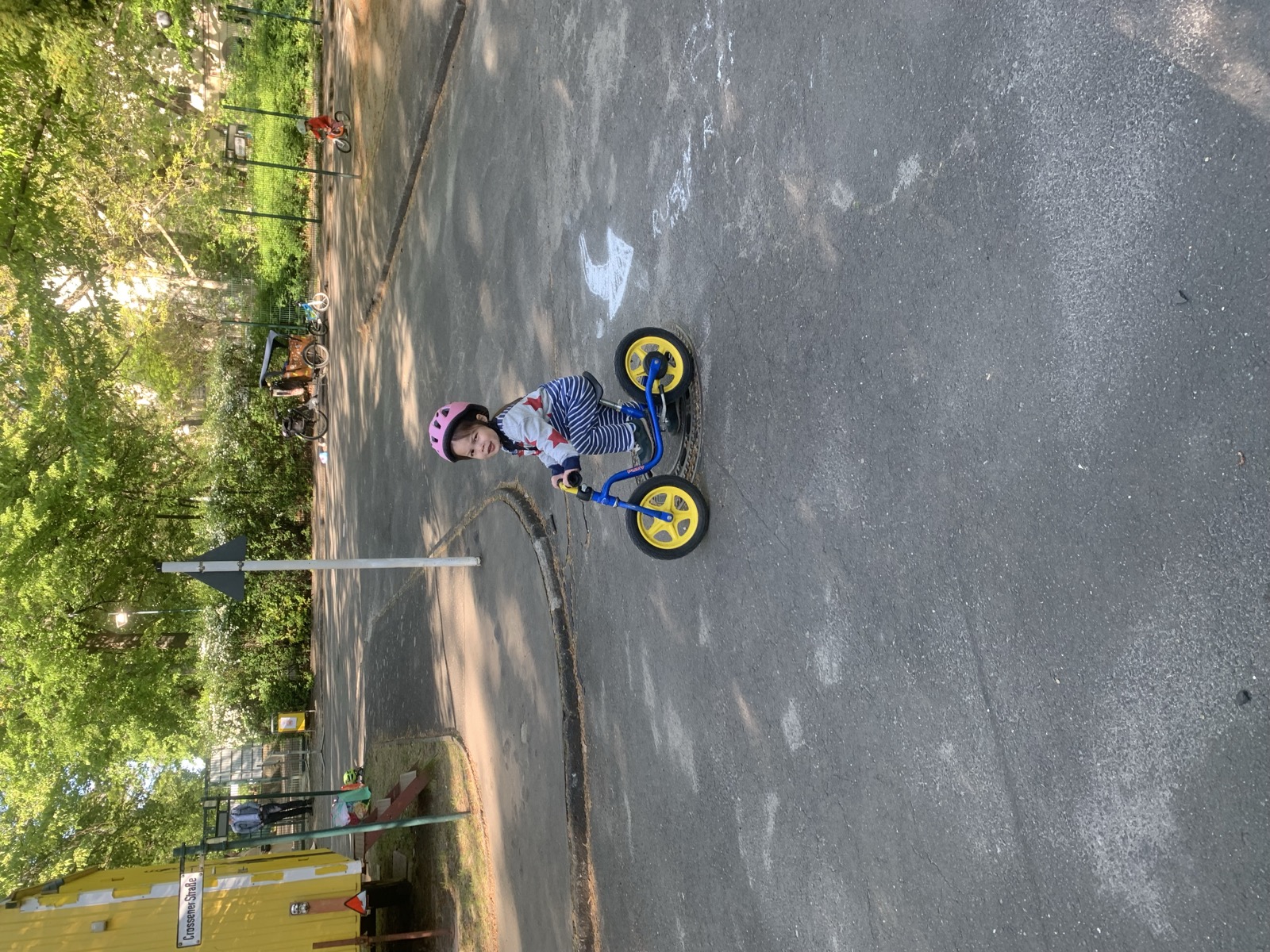
Looking back, the balance bike gave our children something the stroller could not: ownership of the outing. They could move, stop, sit, glide, and decide small things for themselves. For us as parents, it reduced carrying and made longer walks more realistic.
That is the bridge I would buy for again. Not a tiny toy bike bought because the age label says two. Not the biggest model with the longest growth promise. A properly fitting balance bike that your child can push, stop, rest on, and eventually glide on with confidence.
When that happens, the stroller does not disappear overnight. It just stops being the only answer.