
German Stroller Brands Worth Considering
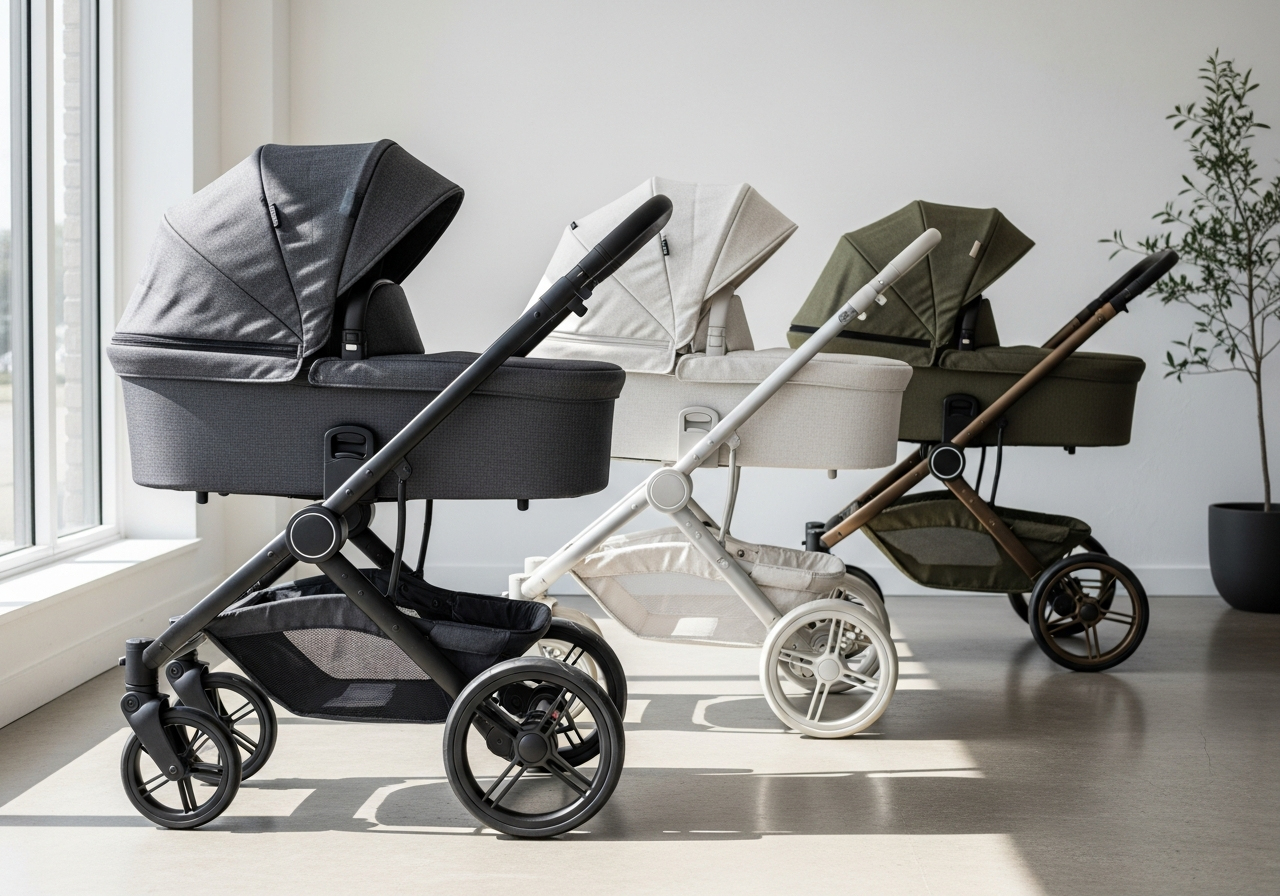
If you are shopping for a stroller in Germany, it is natural to start by looking for German stroller brands. That can be a sensible shortcut, but it is not enough on its own. The better question is whether the stroller fits how you actually live: your lift or stairs, the size of your car boot, your local pavements, and whether you need a newborn-ready setup.
German stroller brands can be a good place to start, but the brand alone is not the decision. Focus first on ride comfort, bassinet quality, fold size, storage, spare-part support, and how the stroller handles daily life in Germany.
If you first want a broad shortlist, start with our best baby strollers in Germany. If you are shopping for a newborn, you may also want our guide to the best baby strollers in Germany for newborns.
Why people look for German stroller brands
Usually, parents searching for German stroller brands want one of four things:
- good build quality
- sensible engineering
- products that feel made for European streets and daily walking
- easier local support if something breaks
Those are reasonable goals. A stroller is not a gadget you use twice a month. If you buy well, you may use it multiple times per day for years, and perhaps for more than one child.
Which German stroller brands are worth looking at?
A few names that commonly come up in Germany are Hauck, Kinderkraft, Osann, and Cybex. Some of these are more budget-focused, some are more design- or travel-system-focused, and some cover several price levels.
What matters is not whether the logo sounds familiar, but what the stroller is trying to do:
- Some brands are strongest in lower- or mid-range value.
- Some are strongest in travel systems and 3-in-1 bundles.
- Some are stronger on premium feel, suspension, and materials.
That is why it is useful to compare brands by category rather than ask which single brand is “best.”
What to check beyond the brand name
1. Bassinet quality
If you are buying for a newborn, the bassinet matters a lot. We strongly prefer a proper bassinet over relying only on a reclined seat. Check whether the bassinet feels roomy, flat, stable, and well ventilated.
2. Ride quality
This is easy to underestimate in a shop. Suspension, wheel quality, and steering matter every day. If your local area has rough pavements, tram tracks, park paths, or cobblestones, cheap wheels get old fast.
3. Fold and storage
Some full-size strollers are wonderful to push but annoying to store. Before buying, think through your normal day:
- stairs or lift?
- hallway storage?
- boot space?
- train travel?
4. Seat and handle practicality
Check whether the seat is easy to adjust, whether the harness is annoying or smooth, and whether the handle height works for both parents. Those details affect daily comfort more than marketing language does.
5. Spare parts and long-term support
A stroller that lasts is often the cheaper stroller in the long run. Brands with decent support, spare parts, and resale demand can justify a higher upfront cost.
Are German brands automatically better for Germany?
Not automatically. Some non-German brands are excellent fits for families in Germany, especially if you value comfort, suspension, bassinet quality, or resale value. We used a Bugaboo ourselves for many years and were impressed by how well it held up over time.
So the useful distinction is not “German versus non-German.” It is:
- Which strollers are built for real daily use?
- Which ones hold up well?
- Which ones feel worth the money after months of use?
When a German brand makes extra sense
A German brand can make particular sense if:
- you want a 3-in-1 or travel-system bundle sold widely in Germany
- you want easier local availability and support
- you are buying in the mid-range and want practical value more than prestige
If that is your situation, read Are 3-in-1 strollers worth it in Germany? before buying a bundle just because it looks convenient.
A practical way to compare brands
Instead of asking “Which German stroller brand is best?”, ask:
- Which brand offers the best stroller for my child’s age?
- Which one fits my walking surfaces?
- Which one fits my storage and travel needs?
- Which one still feels like a good deal after resale is considered?
That gives you a better answer than brand loyalty.
Final thoughts
Looking for German stroller brands is a useful starting point, especially if you want a stroller that feels well suited to daily life in Germany. But the badge should never be the whole decision. Look at bassinet quality, ride comfort, fold size, parts support, and resale value first, then decide whether the brand still deserves the trust.
For a broader comparison, go back to our Germany stroller shortlist. If you want help matching the stroller to local day-to-day use, read What makes a stroller a good fit for Germany?.